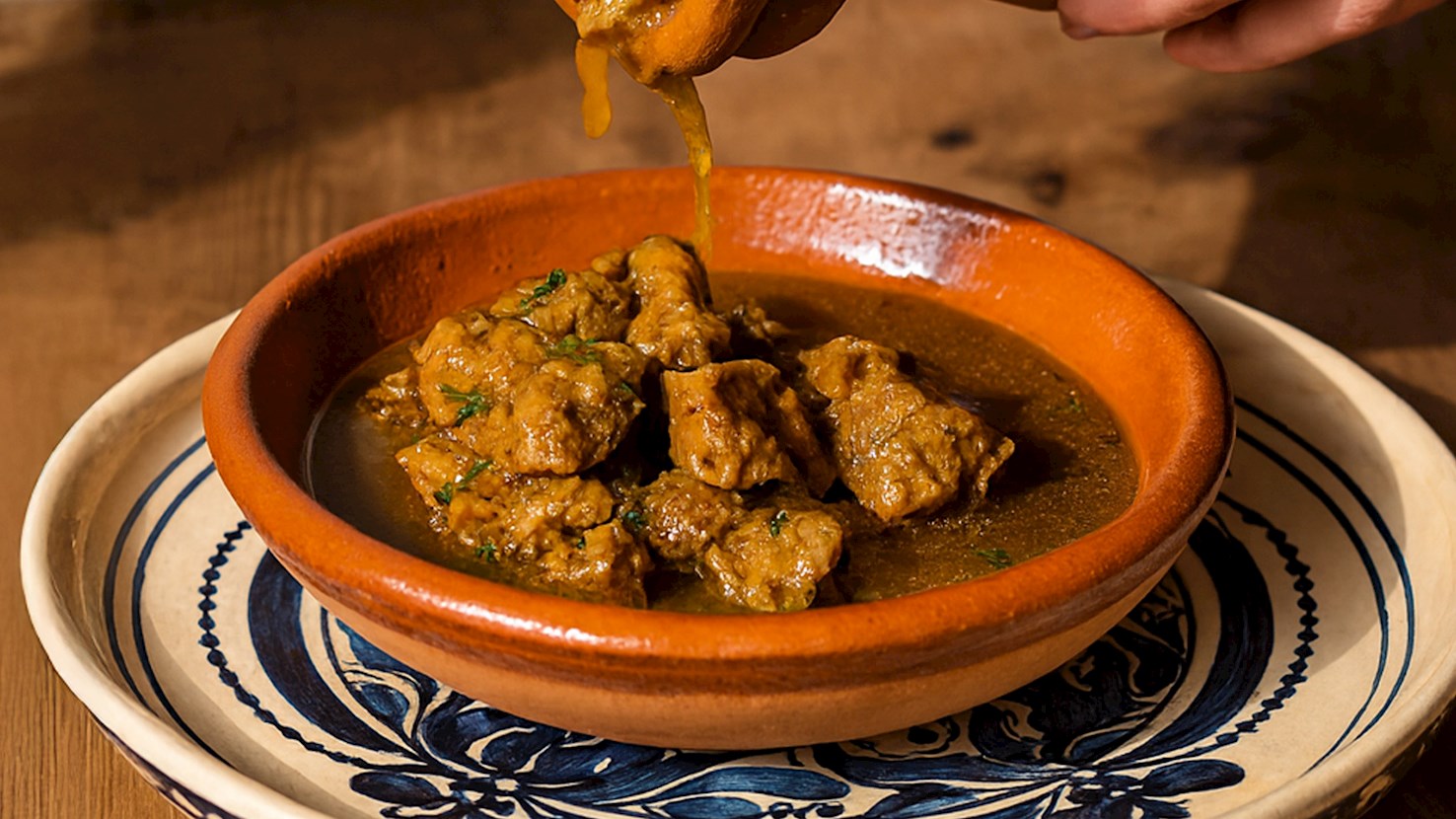
Tanjia is a unique Moroccan specialty made by cooking lamb meat in a clay urn along with flavorings such as saffron, cumin, garlic, lemons, and olive oil. The dish is especially popular in Marrakech, where the urns are filled with all of the ingredients, then placed in the coals of a public bath (hammam) to slowly cook overnight until the meat is so tender that it falls off the bone. Originally, tanjia was created and cooked by men who would go on outdoor picnics.
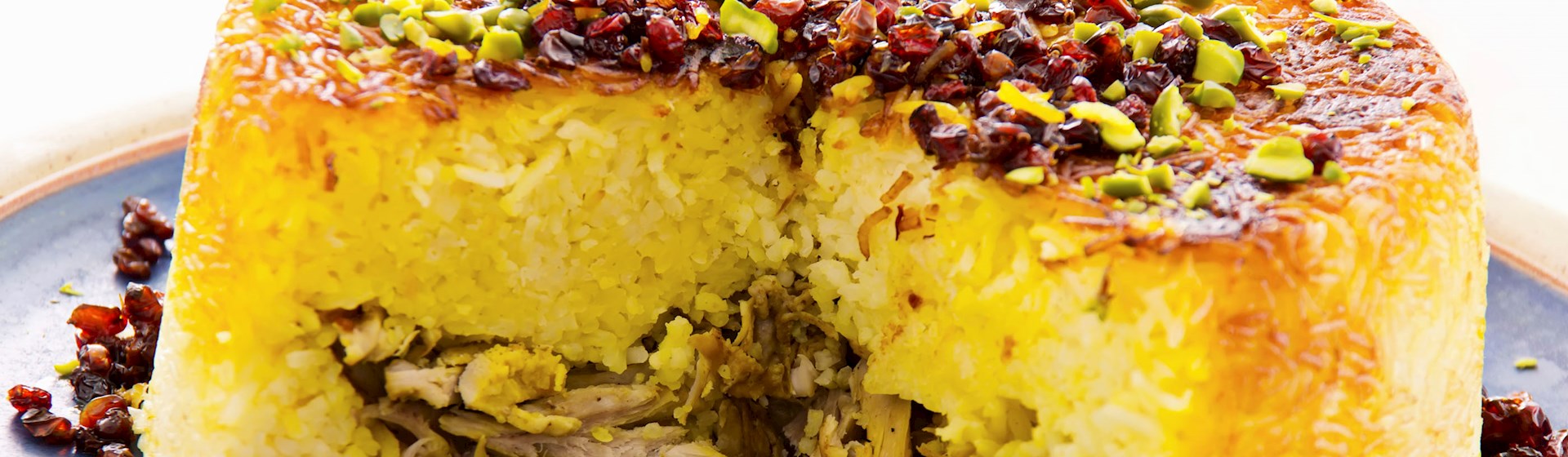
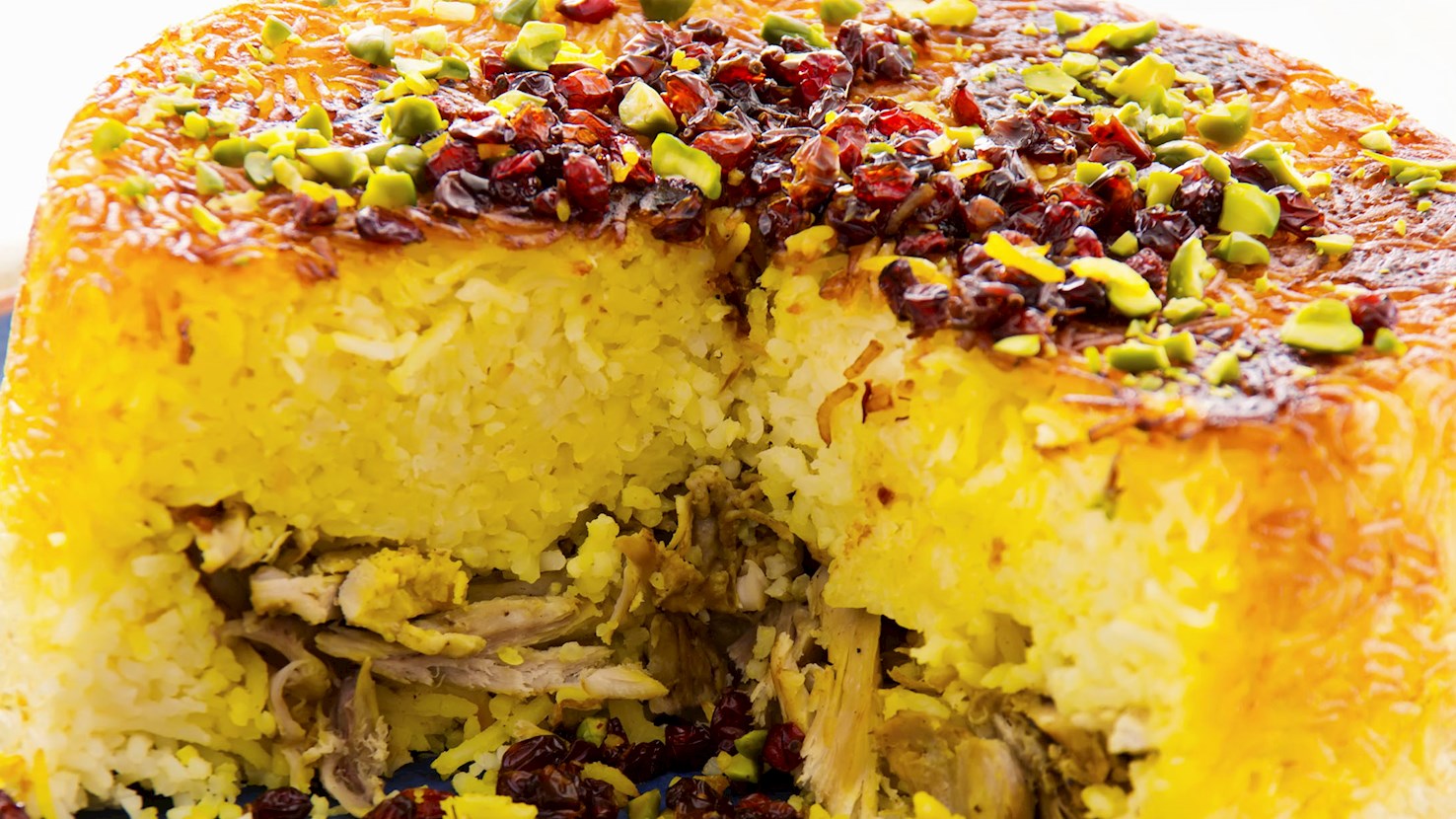
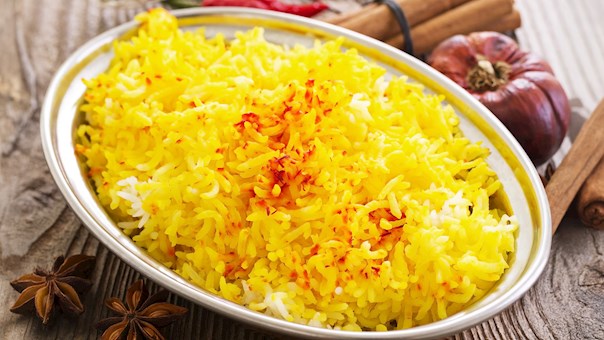
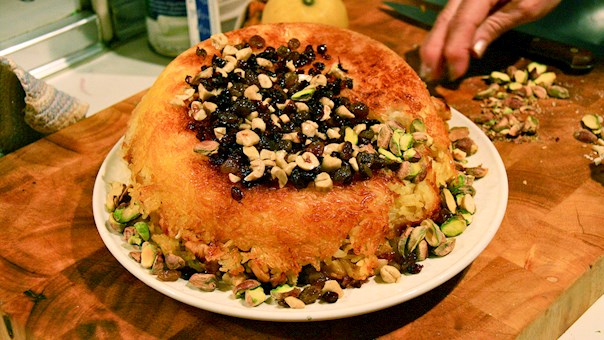
Tahchin combines fragrant rice with saffron, yogurt, eggs, and pieces of chicken or other fillings, baked together until it forms a golden crust. Its name means “arranged at the bottom,” referring to the way the rice and other ingredients are layered and then inverted onto a serving platter so that the crisp bottom becomes the top. Historically, Persian cuisine has emphasized rice dishes that showcase both texture and aroma, and tahchin is considered an example of this culinary approach. While the concept of cooking rice with yogurt and saffron has existed in Iranian cooking for centuries, tahchin evolved into a recognizable form during the Qajar era, when elaborate rice dishes were served in royal courts and gradually adapted for family kitchens. Its distinctive crust, called tahdig, is prized and often considered the most desirable part of the meal. While chicken is the most common filling, some regional variations use lamb, eggplant, or fish layered into the rice. In every version, the defining feature is the bright yellow hue created by saffron, which is dissolved in warm water and mixed into the rice before baking. The inclusion of yogurt and egg yolks gives the crust its tender yet cohesive texture, allowing it to hold its shape when turned out of the pan. Tahchin is served inverted onto a platter, revealing a uniform golden layer on top. It is often accompanied by barberries sautéed with butter and sugar, adding a sweet-tart contrast, and sometimes garnished with slivered pistachios or almonds. In Iran, it is enjoyed both as a centerpiece dish for special gatherings and as a comforting meal in everyday settings. Today, tahchin remains popular in Iranian homes, restaurants, and during festive occasions.
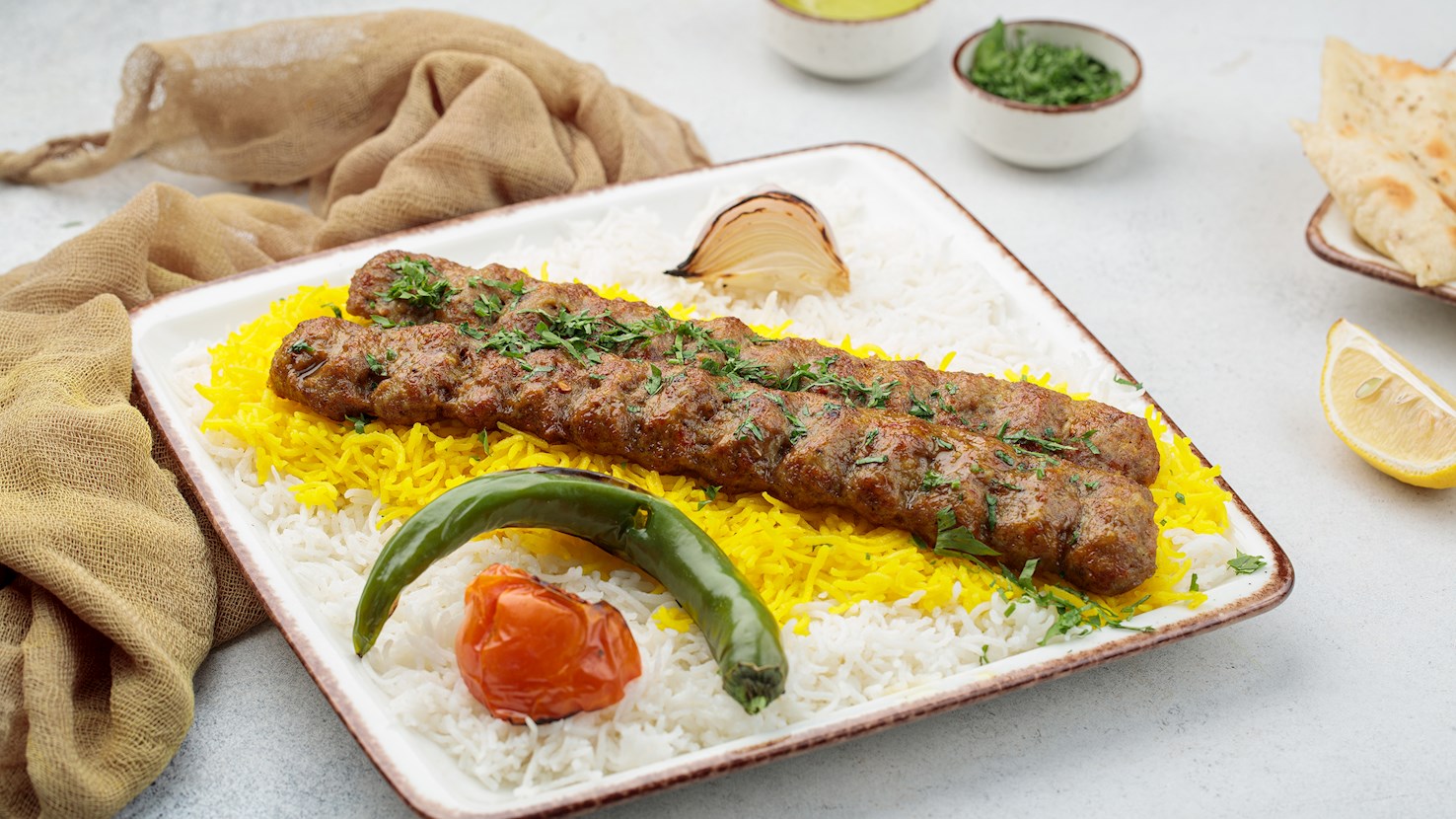
Chelo kebab is a dish of steamed saffron rice with skewered, grilled meat, most often ground lamb or beef, served alongside accompaniments such as grilled tomatoes, butter, and raw onion. The name “chelo” refers to the delicate white rice, which is prepared separately from the kebab and finished with a drizzle of melted butter and a sprinkling of saffron-infused water. This pairing of rice and kebab has become a defining feature of Persian cuisine, regarded as a benchmark of culinary skill and a popular choice for both everyday meals and special gatherings across Iran. The preparation begins with soaking long-grain rice, typically high-quality Iranian varieties, to remove excess starch. The rice is then parboiled, drained, and steamed until each grain is separate and tender. Meanwhile, the meat for the kebab is seasoned simply with salt, pepper, and sometimes grated onion for moisture and flavor. It is shaped onto wide, flat metal skewers and grilled over hot charcoal until charred on the outside and juicy inside. The most popular form is koobideh, made with ground meat, but other cuts like barg, prepared with marinated strips of tenderloin, are also common. Chelo kebab is served by placing the meat skewers next to the mound of rice, often with a raw egg yolk on top and a slab of cold butter that melts into the grains. Grilled tomatoes and fresh herbs are included on the side, and sumac powder is offered for sprinkling over the kebab. This combination balances the richness of the grilled meat with the delicacy of the steamed rice and the acidity of the tomato. Beyond Iran, chelo kebab has become a symbol of Persian hospitality, featured in Iranian restaurants worldwide and recognized as one of the country’s most famous dishes. In Tehran and other cities, dedicated kebab houses specialize in preparing it to order, often with open charcoal grills visible to customers. Chelo kebab is also a frequent feature of celebratory meals, where it is presented in generous portions and shared among family and friends.
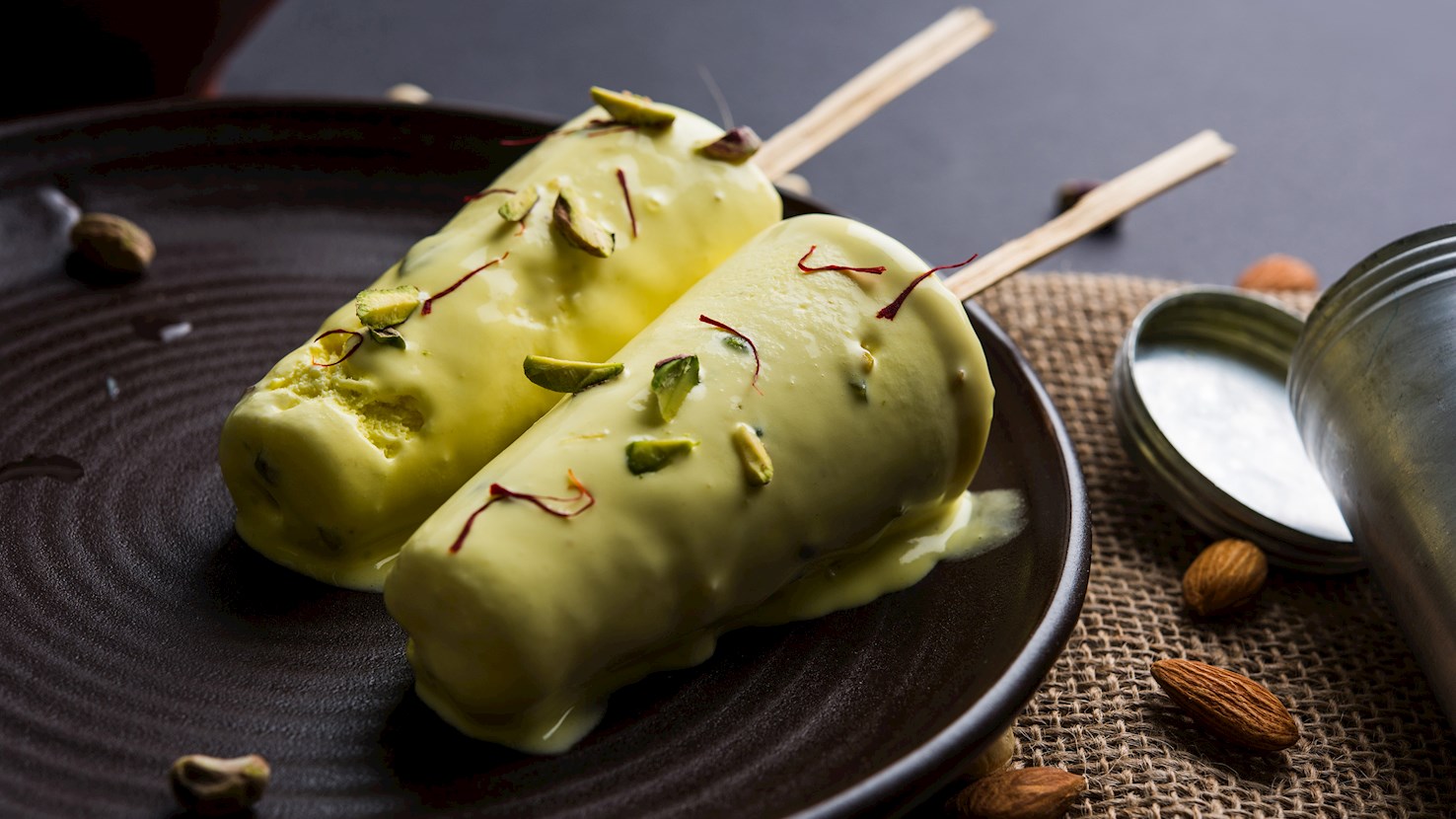
Kulfi is a traditional ice cream made with slowly simmered whole milk. Although the long-simmering process results in a loss of volume, it makes up for it with a delicious, nutty, caramelized flavor. The ice cream is characterized by its unusual, conical shape, a result of using traditional, special molds with tight-fitting lids. Kulfi is usually flavored with traditional Indian ingredients such as pistachio, rose water, and saffron, although some cooks prefer to flavor it with fruits such as berries. It is believed that kulfi was invented by the ancient inhabitants of the Himalayas during the Mughal Empire era. There are some main differences between kulfi and regular ice cream: kulfi has less air and is denser than regular ice cream, because the milk gets more concentrated through the cooking process. Today, kulfi can be made at home or found at street stalls, sold by vendors called kulfiwalas.
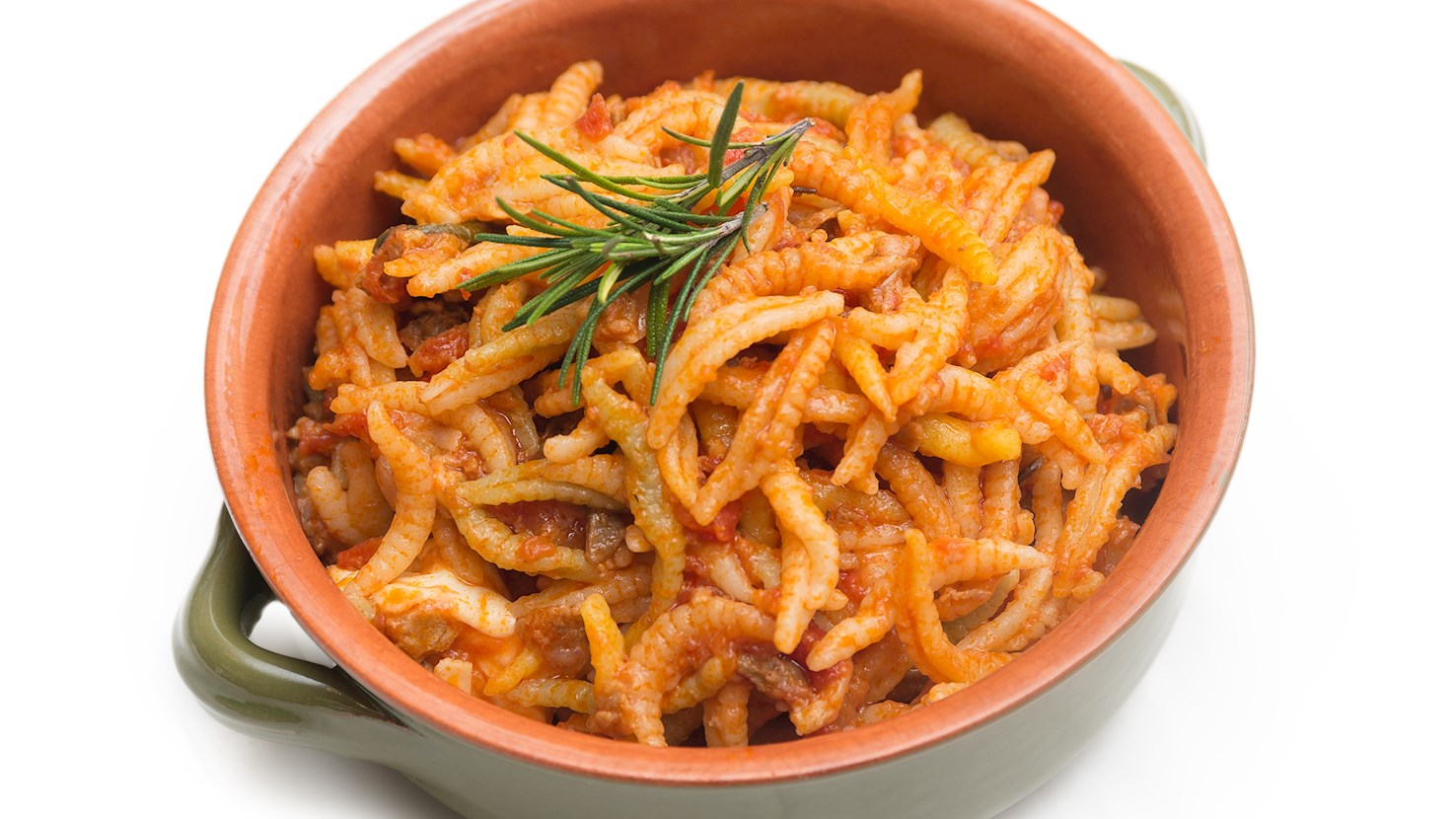
Malloreddus alla Campidanese is a popular pasta dish from the Campidano plain. It is made with authentic local ingredients: malloreddus pasta, saffron, fresh sausages seasoned with fennel seeds, peeled tomatoes, and a topping of freshly grated Pecorino cheese. Like many other dishes of this region, malloreddus alla Campidanese started as a poor man's dish, but due to its fantastic flavor, over time it turned into one of the most renowned Sardinian dishes. Malloreddus alla Campidanese pairs nicely with full-bodied wines - locally produced Carignano del Sulcis is a good choice.
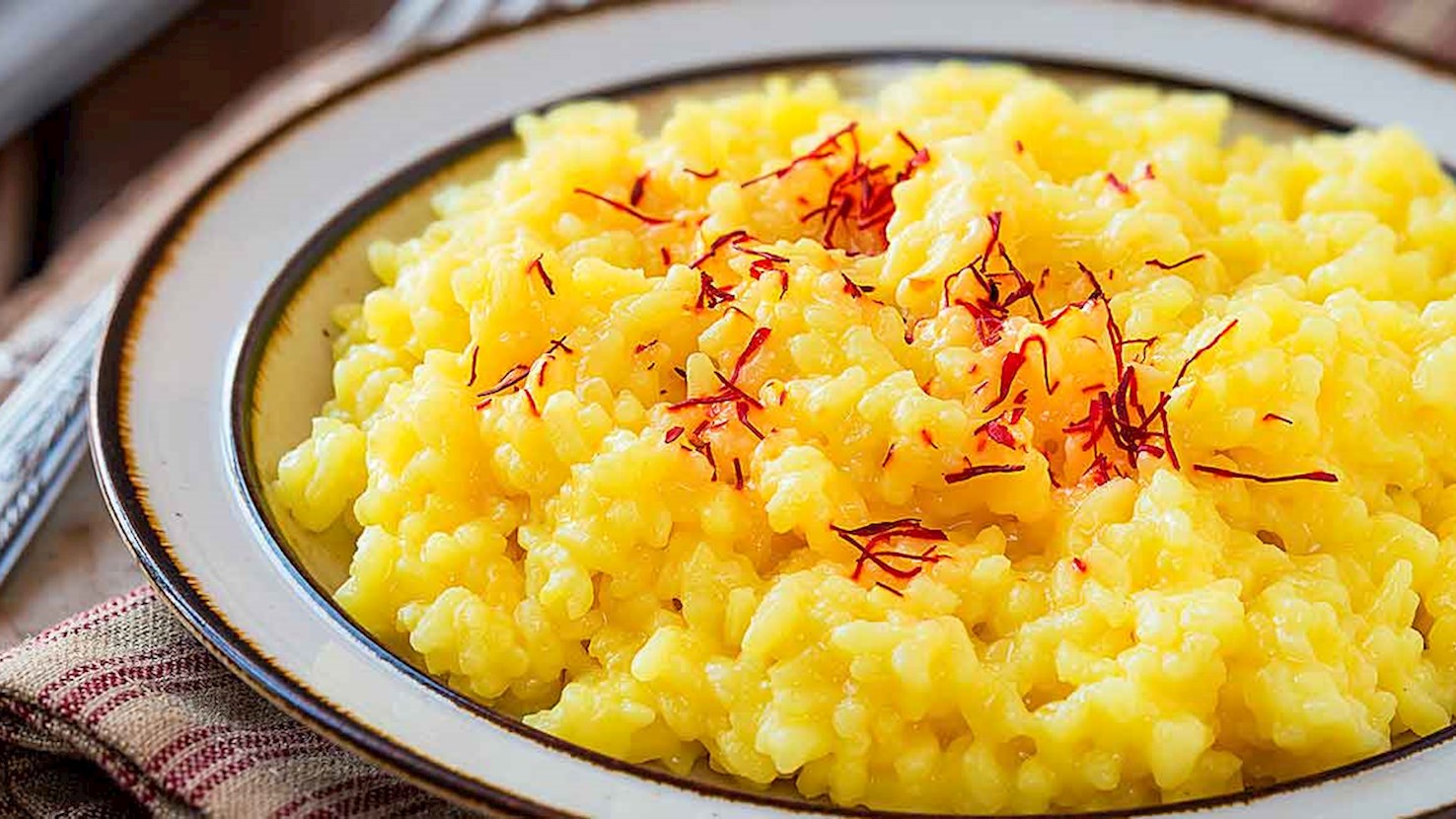
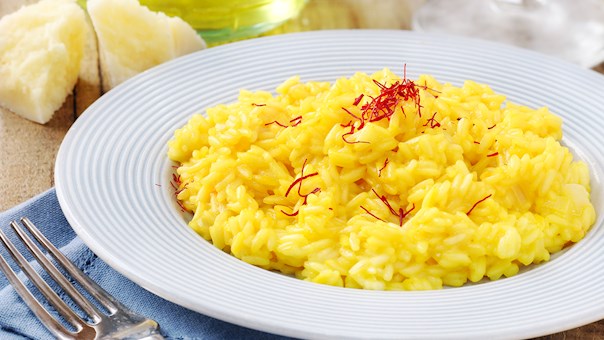
One of the simplest, yet most luxurious rice dishes, this creamy risotto gets its vivid color and flavor from saffron. According to legend, the dish was first created sometime in the 16th century, during the construction of Duomo. Apparently, it was invented by either the master glazier of Milan's cathedral, a Flemish painter named Valerio Diependale, or his apprentice, nicknamed Zafferano (lit. saffron), who regularly used this expensive spice to stain the glass windows yellow. However, the first recipe under the name risotto alla Milanese was found in Giovanni Felice Luraschi's 1829 cookbook Nuovo Cuoco Milanese Economico, and over time, this saffron-flavored classic became a traditional accompaniment to ossobuco, another signature dish of Milan.
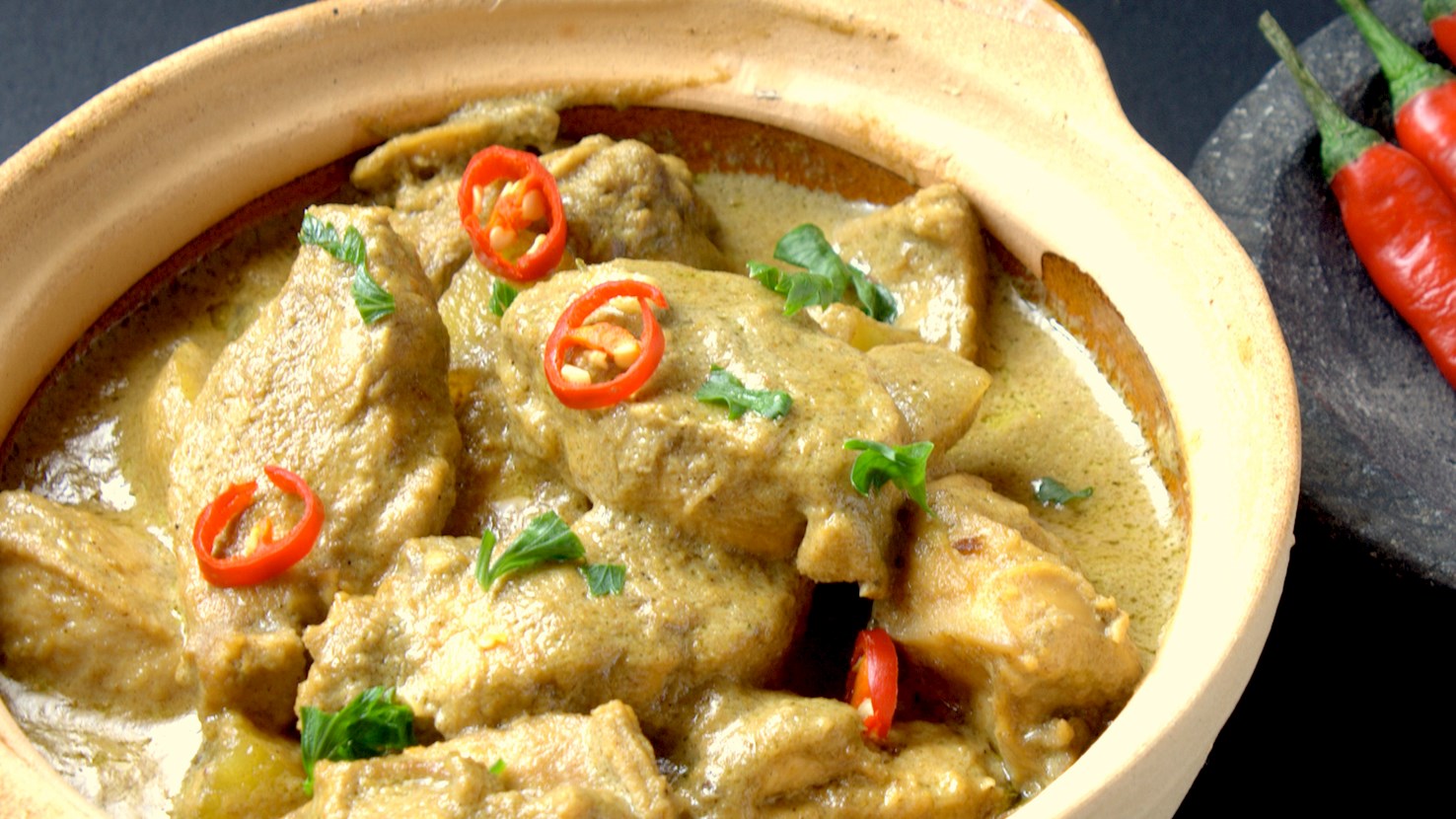
Korma is a rich and aromatic braised dish that comes from the Indian subcontinent, particularly associated with Mughlai cuisine in northern India, Pakistan and Iran. It typically consists of meat or vegetables slow-cooked in a sauce made with yogurt, cream, nut paste, or coconut milk, creating a delicate balance of savory and mildly sweet flavors with gentle spices like cardamom, coriander, cinnamon, and cloves. The word korma is derived from the Urdu and Hindi verb qormā, meaning “to braise,” which describes the technique of cooking meat or vegetables over low heat in a flavorful liquid. Korma has deep historical roots dating back to the Mughal era in the 16th century, when Persian-influenced cooking styles merged with Indian ingredients and methods. Court chefs developed korma as part of the refined Mughlai repertoire, where dishes were expected to be elaborate yet subtle. Over time, korma evolved into many variations, from the luxurious versions made with cream and ground nuts for aristocratic banquets to simpler, homestyle recipes using yogurt as the primary base. During colonial times, korma was also adapted to suit British palates, eventually inspiring modern interpretations such as the creamy korma curries popular in the UK today. Preparation of korma begins by marinating the main ingredient, commonly lamb, chicken, or vegetables, in yogurt blended with ground spices. The marinated pieces are then gently fried or seared with onions to build flavor. A mixture of ground almonds, cashews, or poppy seeds may be added to the pot, followed by stock or water. The dish simmers slowly to develop depth and a velvety texture. Toward the end of cooking, cream or coconut milk is sometimes stirred in for richness. The final seasoning is adjusted carefully to maintain the dish’s characteristically mellow spice profile. Korma can be found in restaurants, served at weddings, and cooked at home across South Asia. It is typically accompanied by steamed basmati rice, naan, or paratha. In some regions, it is customary to garnish it with slivered almonds or a drizzle of saffron-infused cream.
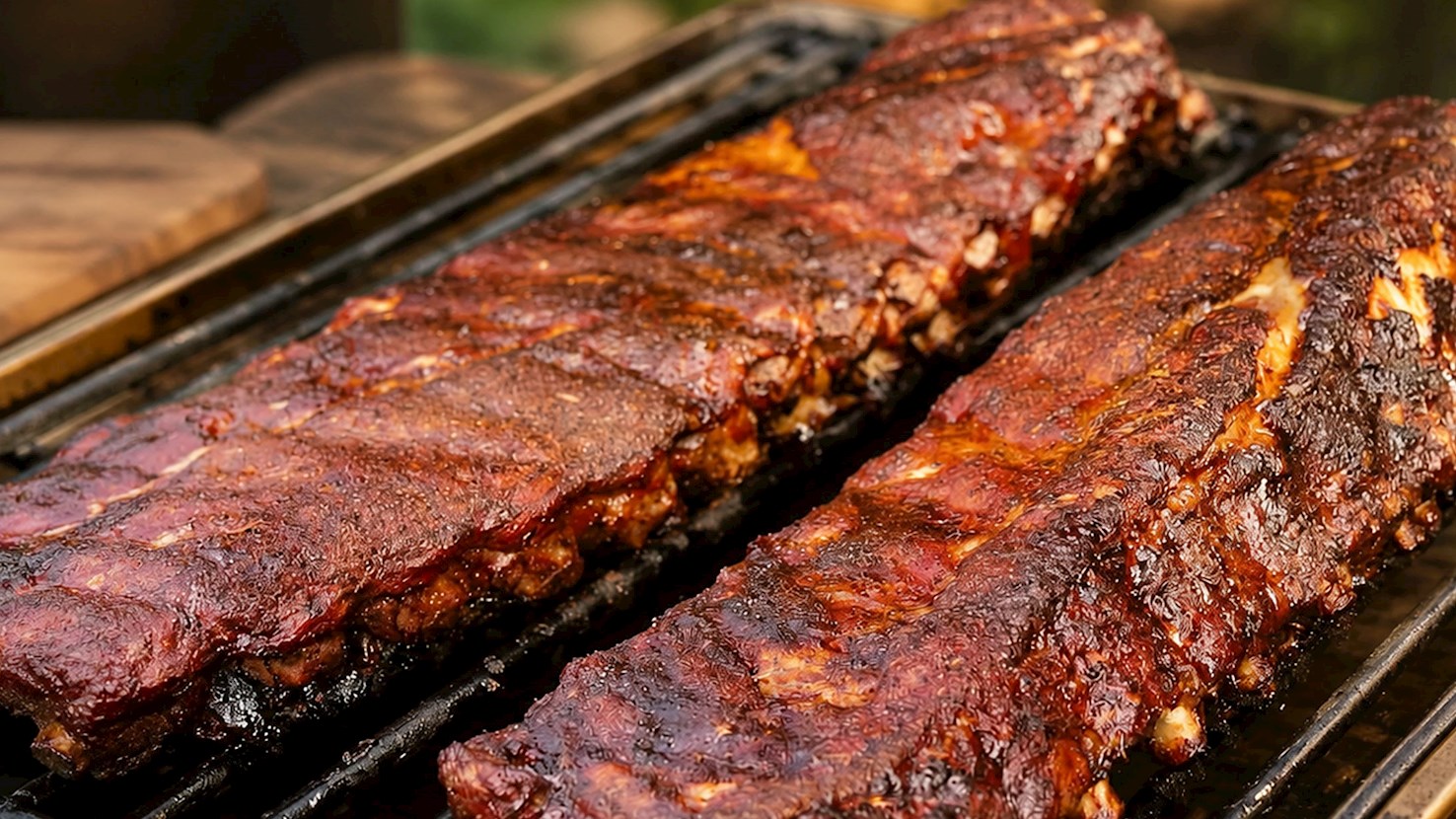
Dande kabab is a distinctive Iranian dish originating from the Kermanshah province in western Iran, renowned for its robust flavors and reliance on high-quality lamb ribs. This kebab takes its name from the Persian word dande, meaning “rib,” reflecting its defining ingredient. The preparation of Dande kabab is closely tied to the culinary heritage of Kurdish and Luri communities in the Zagros region, where lamb has long been central to local food culture. Historically, it was prepared for large gatherings, festive occasions, and family celebrations, when whole sides of lamb were butchered and grilled over open flames or charcoal. To make Dande kabab, lamb ribs are first cleaned and cut into manageable sections. The meat is then marinated in a mixture that typically includes onion puree, salt, black pepper, turmeric, sometimes saffron or sumac, and often a splash of lemon juice or vinegar to tenderize and brighten the flavor. This marinating process can last several hours or overnight, ensuring the meat absorbs the seasonings thoroughly. Once ready, the ribs are skewered and slowly grilled over gentle charcoal heat, allowing the fat to render gradually and baste the meat. The result is succulent, smoky ribs with crisped edges and a soft interior. Dande kabab is commonly served directly from the grill, accompanied by flatbread, fresh herbs, grilled tomatoes, and raw onions. In Kermanshah, it is not uncommon to see butchers and kebab vendors preparing large batches early in the morning to serve for lunch, when locals gather to enjoy the dish fresh off the fire. Unlike other Iranian kebabs, which often use boneless cuts, this preparation celebrates the texture and richness of bone-in meat. In the region, Dande kabab is also appreciated for its association with communal dining and hospitality. The experience of sharing a platter of ribs is considered an expression of generosity and respect for guests.
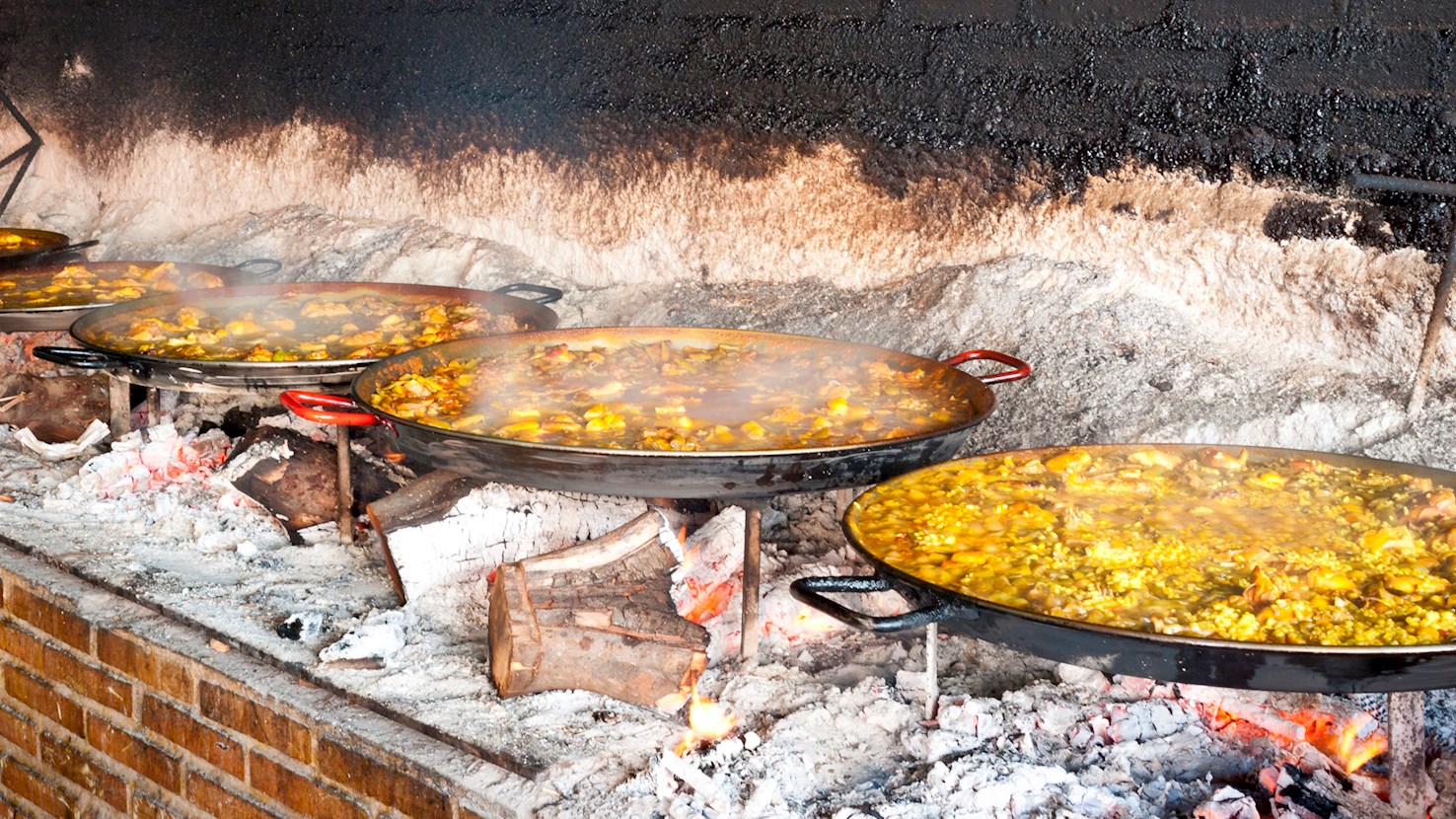
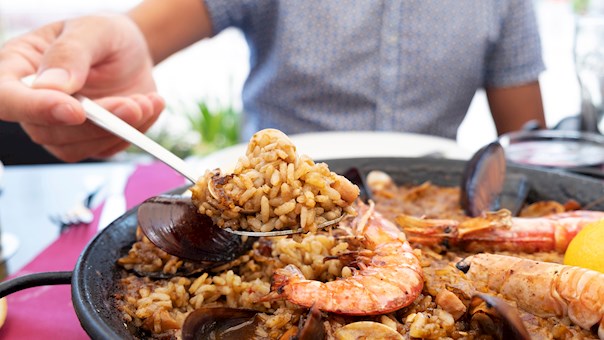
Widely acclaimed as the most popular Spanish dish, paella is a one-pot specialty that is based on saffron-flavored rice, while the additional ingredients may include meat, seafood, or vegetables. Although paella originated in Valencia, where it was made with seasonal vegetables, poultry, rabbit, and snails, in modern-day Spain, the name is used for all rice dishes prepared in a paellera or paella - the traditional shallow pan that is used both for cooking and serving. Paella has humble origins—it most likely originated around Albufera lagoon, an area known for its rice fields and wildlife, where it was made with locally-sourced ingredients. The exact ingredients used in paella have long been a matter of dispute, but everyone agrees that each paella should have a subtle saffron flavor. Another crucial element is socorrat, the crispy bottom layer, and the mandatory finishing touch of each paella. Because paella is prepared in a wide, shallow pan, the rice is evenly cooked in a thin layer, allowing the grains to caramelize and become crispy. Socorrat is such an essential element that it is even one of the categories at the Valencian paella competition. Always served in the pan, this Spanish classic can be found everywhere in the country, in an endless number of combinations. It should be noted that modern-day restaurant interpretations are often mass-produced and can significantly diverge from the authentic versions that demand time and skill. Traditionally, paellas are cooked over an open fire, and the most common option is to use orange wood.
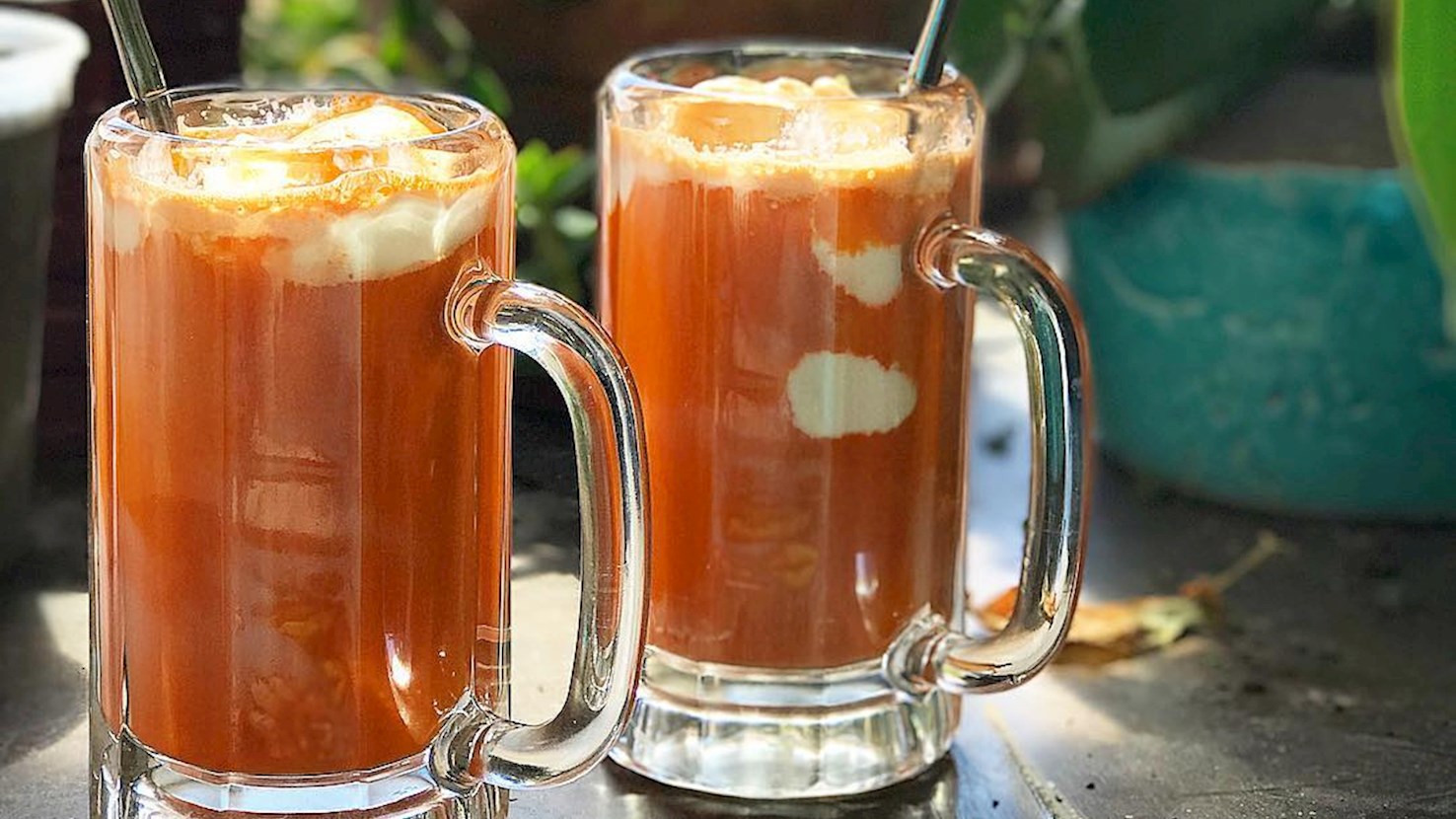
Havij bastani is a distinctive Iranian dessert beverage that combines carrot juice with ice cream to create a refreshing treat with both creamy and earthy flavors. This dessert is popular across Iran, especially in teahouses, juice shops, and during warmer months when its vivid color and rich sweetness offer a cooling respite. The name translates simply to “carrot ice cream,” and it is most commonly associated with Tehran and other large cities where juice culture has been an integral part of social life. The origins of havij bastani can be traced to Iran’s longstanding appreciation for fresh juices and dairy-based desserts. Throughout the 20th century, with the rise of modern cafes and ice cream parlors, carrot juice became a popular base for combining with creamy components such as bastani sonnati (saffron ice cream) or vanilla ice cream. As refrigeration and juicing equipment became more accessible, this combination was standardized into a menu item offered alongside other chilled beverages like faloodeh or sharbat. To prepare havij bastani, fresh carrots are juiced until smooth and slightly sweet. The juice is chilled and poured into tall glasses. A scoop or two of bastani sonnati or simple vanilla ice cream is gently added, creating a layered effect as the ice cream slowly melts into the juice. In some regions, a splash of rosewater or a sprinkle of cinnamon is used to enhance the aroma. Occasionally, crushed pistachios or slivered almonds are offered as a garnish. The dessert is served immediately with a straw and a long spoon to allow for sipping and scooping together. Havij bastani is enjoyed in cafes, juice bars, and even at home, often shared among family and friends as an afternoon refreshment or after a leisurely meal.
TasteAtlas food rankings are based on the ratings of the TasteAtlas audience, with a series of mechanisms that recognize real users and that ignore bot,
nationalist or local patriotic ratings, and give additional value to the ratings of users that the system recognizes as knowledgeable.
For the “33 Best Rated Dishes with Saffron” list until September 17, 2026, 1,037,815 ratings were recorded, of which 688,105 were recognized by the system as legitimate.
TasteAtlas Rankings should not be seen as the final global conclusion about food. Their purpose is to promote excellent local foods,
instill pride in traditional dishes, and arouse curiosity about dishes you haven’t tried.










What People Say