

shutterstock

11 Best Rated
Dishes with Sake

Last updated on June 17, 2026
01

Sake nigiri sushi

4.4 ·

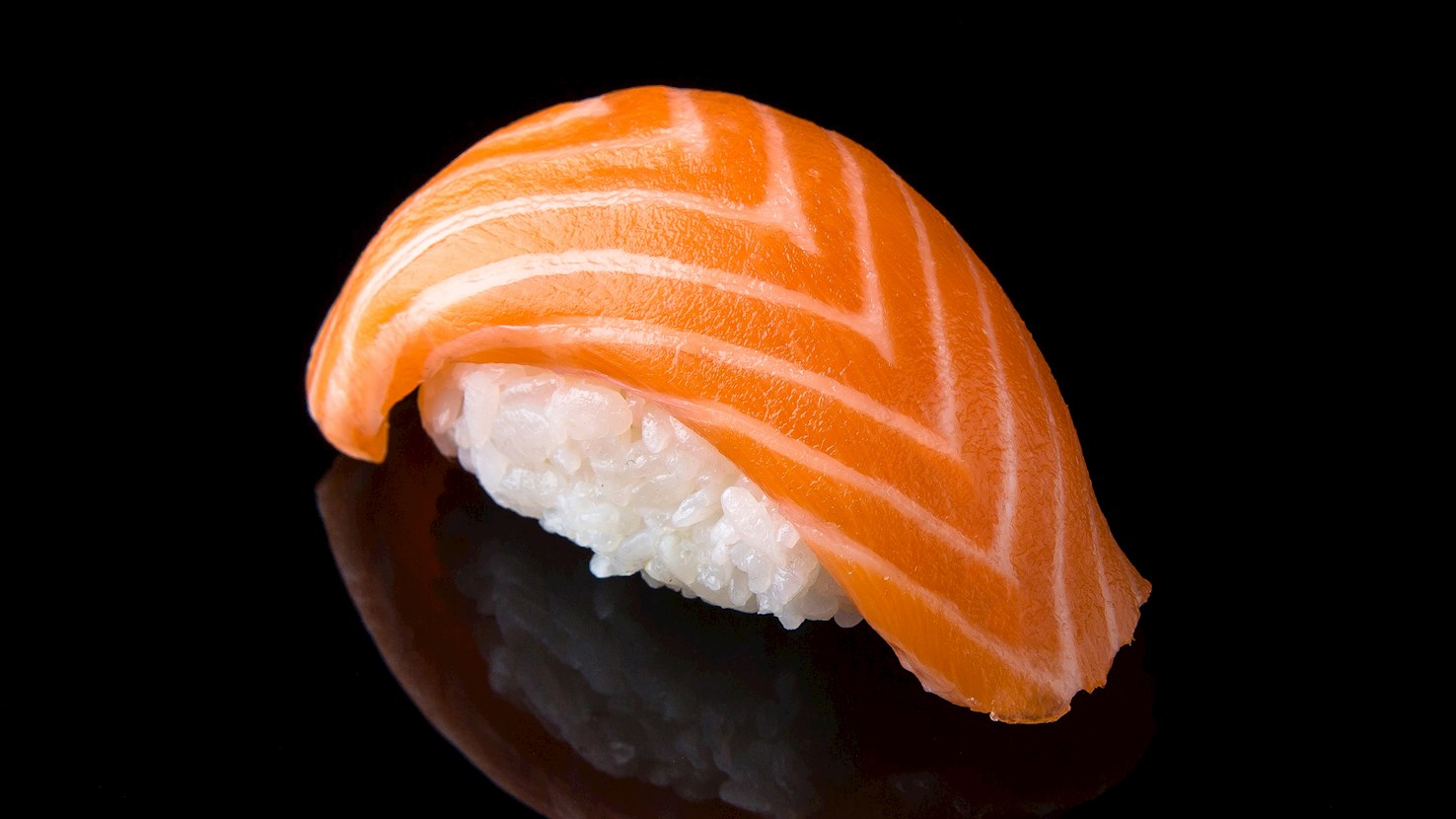
Sake nigiri sushi is a Japanese type of nigiri sushi, with origins in Norway. It consists of hand-pressed sushi rice that's topped with slices of salmon. The dish has a soft texture and a clean finish that makes it good for sushi newcomers, although the flavor can be a bit fishier than maguro (tuna) nigiri sushi. Traditionally, this type of sushi is eaten by hand in a single bite. It's usually accompanied by soy sauce, wasabi, or pickled ginger (gari) on the side.

Best restaurants
02

Nabemono

4.3 ·

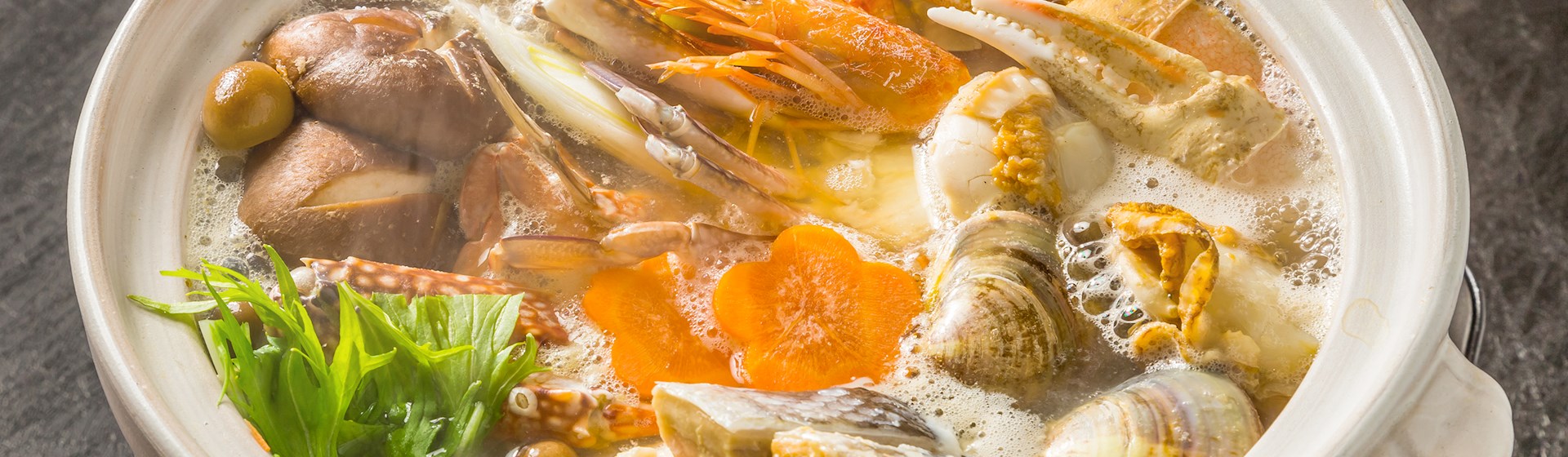
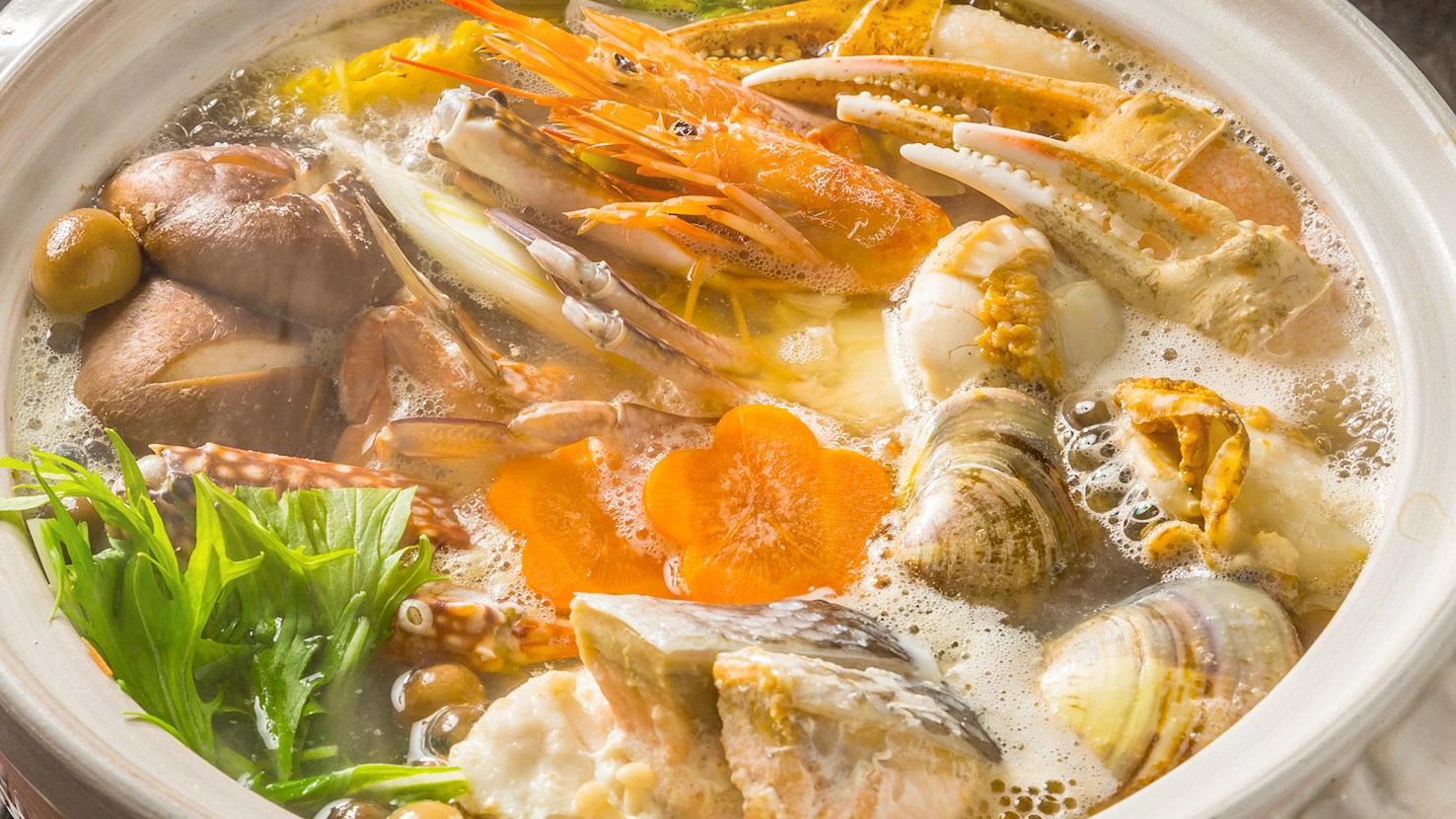
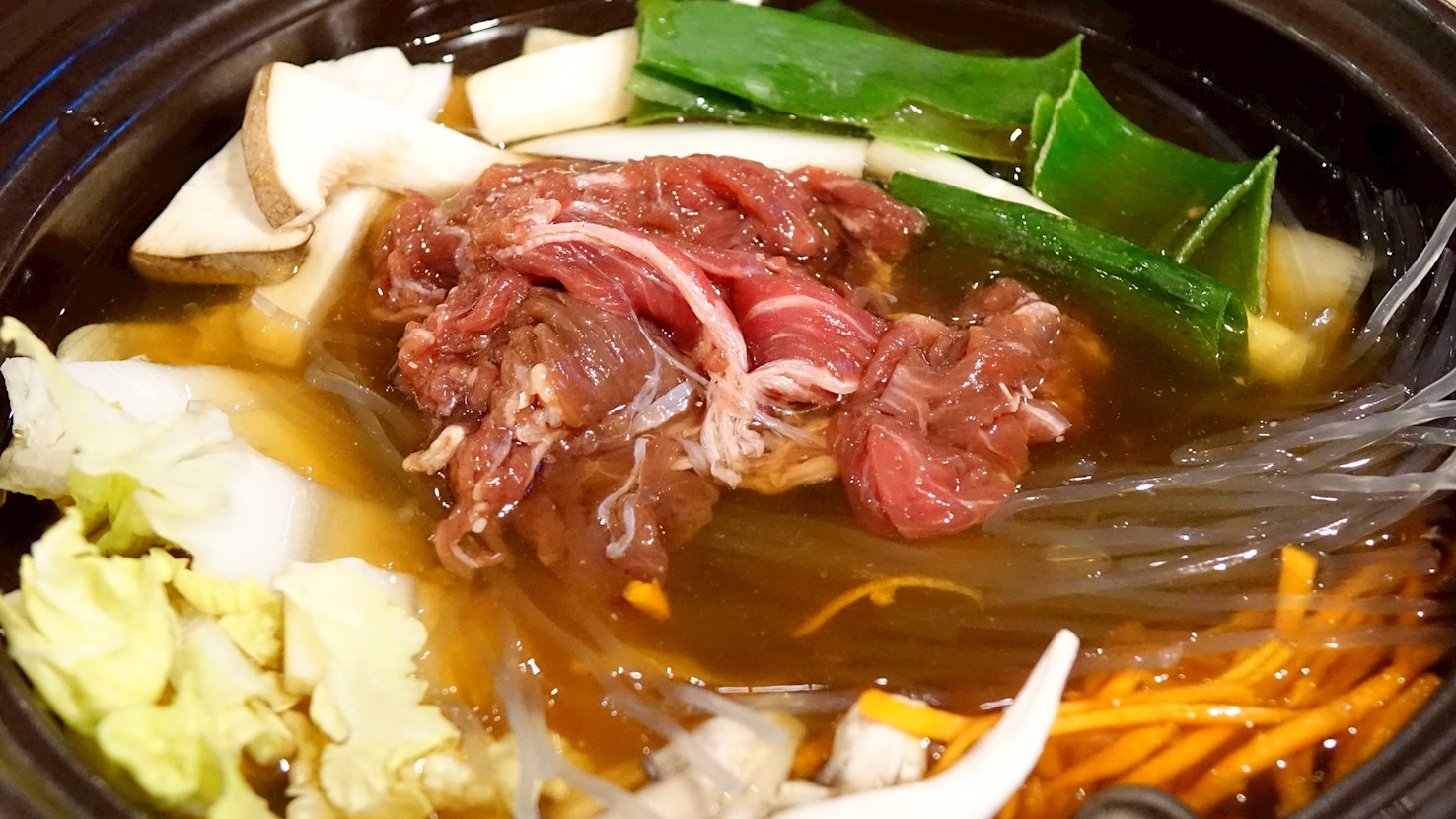
Nabemono is the name encompassing numerous Japanese one-pot dishes, cooked with a variety of ingredients. In restaurants, they are usually prepared tableside and served to the guests. The name derives from the traditional pot in which the ingredients are cooked, called nabe, while mono means things, referring to an array of ingredients used in the dish. Nabemono is primarily a communal dish, in which the pot is placed in front of the guests and filled with dashi broth, sake, and soy sauce. A myriad of ingredients, meat, seafood, vegetables, and noodles, are placed on the table and subsequently placed in the pot. When cooked, guests fill their individual bowls with broth and other ingredients. When the first pot is finished, the other is filled, until all ingredients are used. Usually, a bowl of ponzu sauce is placed on the table for dipping. Nabemono also includes dishes such as yudofu, when only the soft and silky tofu is placed in the bowl, and motsunabe, in which animal offal is cooked in the fragrant broth. This classic Japanese technique is found in most traditional restaurants, where it is usually served during cold winter months.

03

Goma dare

4.1 ·

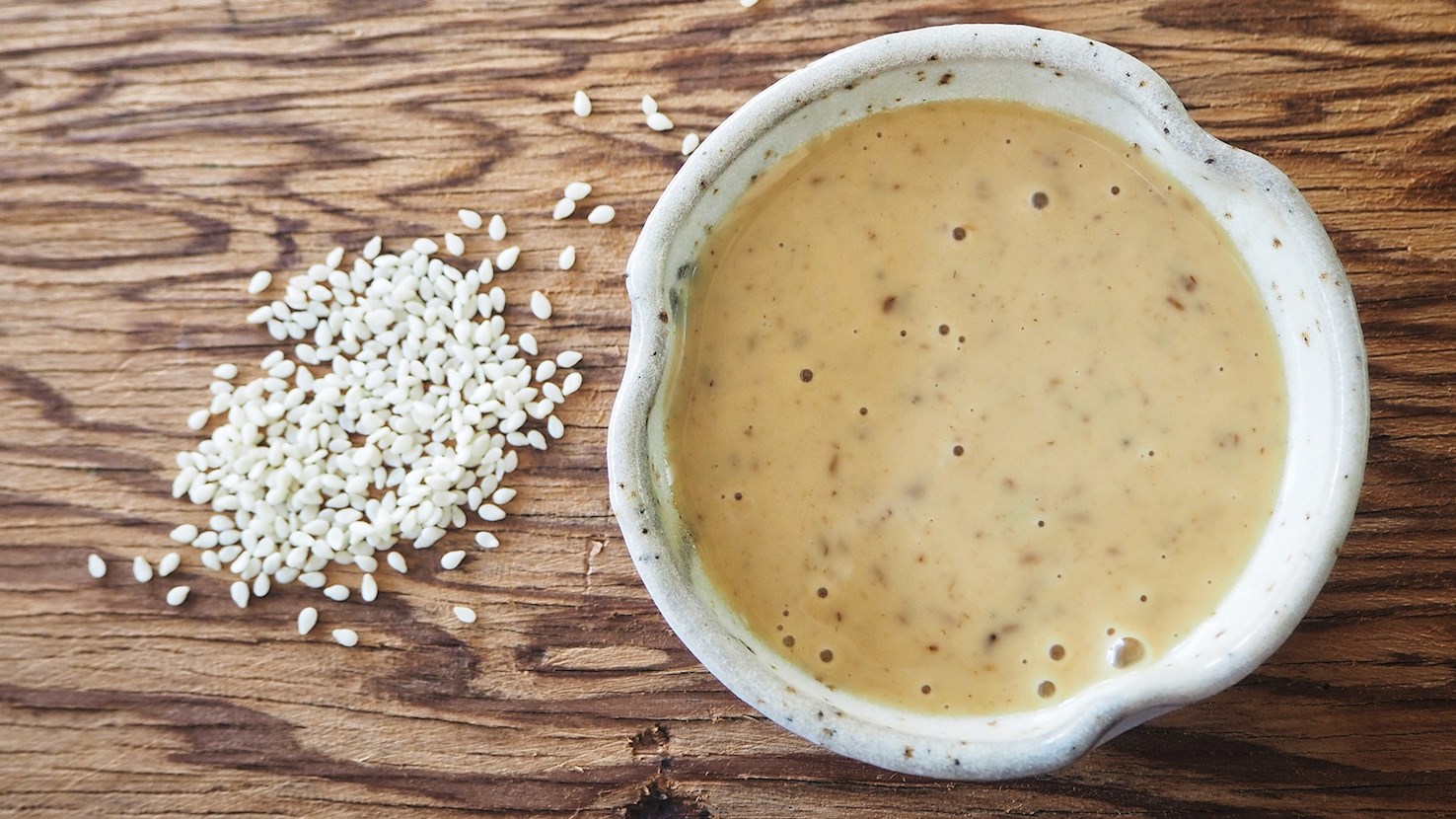
Goma dare is a traditional sesame seed dipping sauce. It's usually prepared with a combination of tahini, soy sauce, sake, mirin rice vinegar, garlic, miso, sugar, sesame oil, and dashi stock, while mayonnaise is sometimes used to add more creaminess. The ingredients are mixed in a bowl, then refrigerated until the sauce is ready to be used. This versatile sauce is traditionally served with shabu shabu, a dish consisting of thinly sliced meat and vegetables cooked in water. Goma dare can also be served with poke bowls, salads, and many types of noodles.

04

Kakuni

4 ·

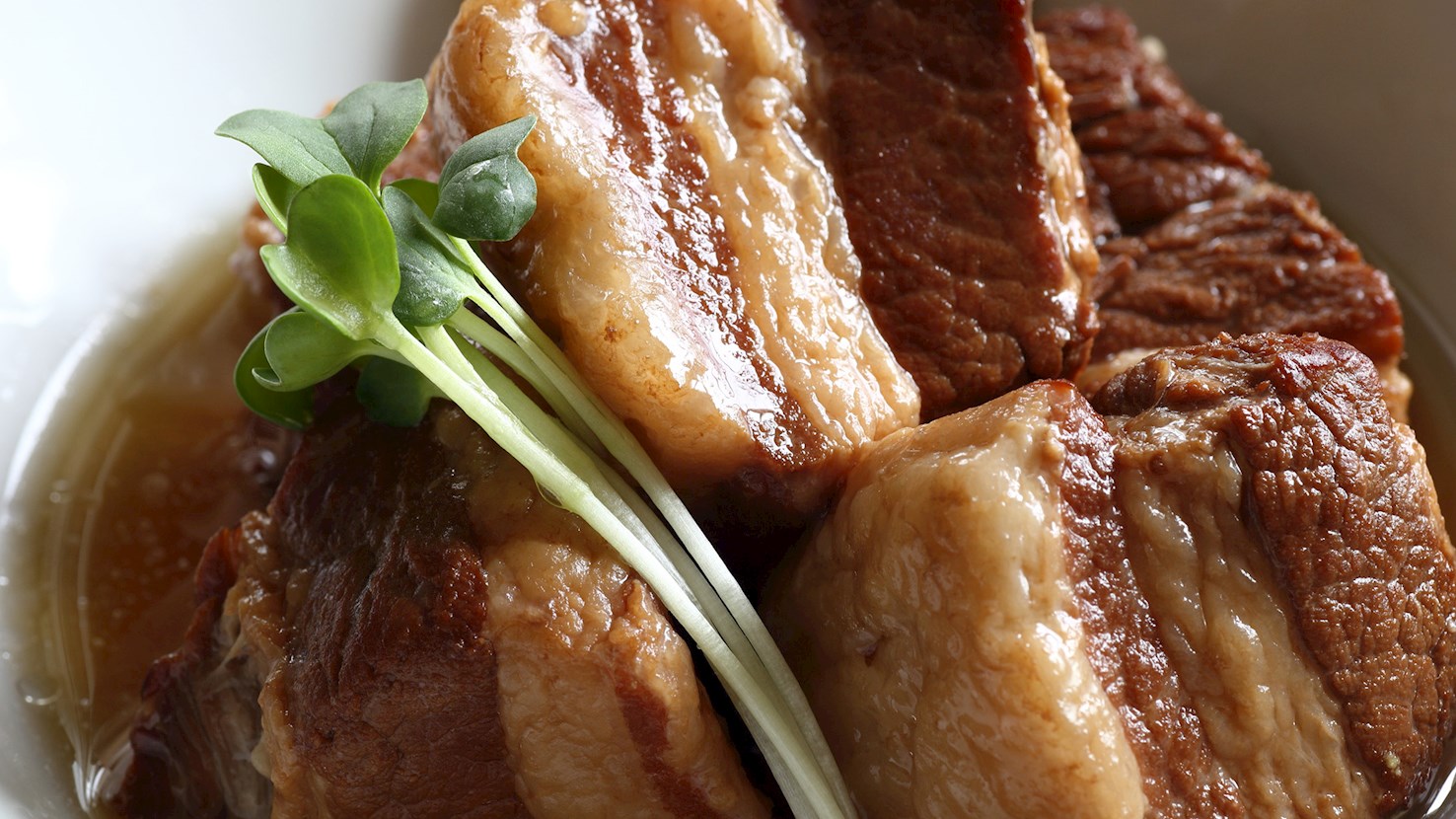
Kakuni is a braised pork dish originating from Nagasaki. The name kakuni means square simmered, referring to the typical shape of the dish. In order to prepare it, thick slices of pork belly are slowly simmered in soy sauce, sake, mirin, dashi, and sugar. The slow-cooking process renders out most of the fat, which turns into gelatin, imparting a tender, melt-in-the-mouth texture to the meat. It is recommended to pair kakuni with daikon, scallions, and karashi.

05

Asari no sakemushi

3.9 ·

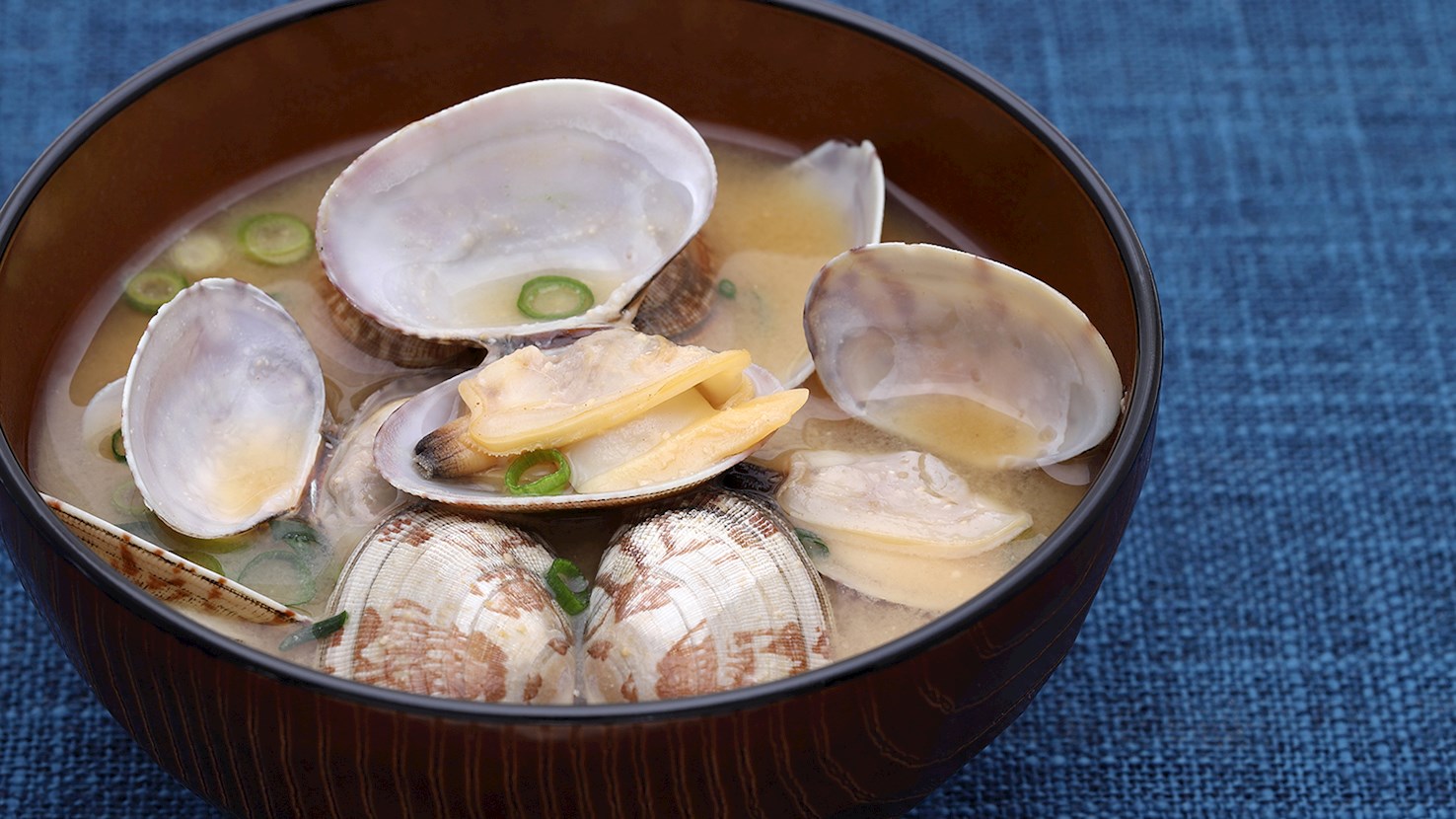
Asari no sakemushi is a traditional and seasonal Japanese dish that's usually prepared in springtime. This simple dish is made with a combination of clams, sake, and green onions (aonegi). The clams are first placed into saltwater for a while, and they are then taken out and placed into a pan with sake. The pan is covered with a lid, and the clams simmer over medium or high heat until the shells open. Before serving, the clams are garnished with chopped green onions. If desired, the flavors of asari no sakemushi can be elevated with the addition of ginger, butter, or red chili peppers. The dish can often be found at izakaya bars.

06

Sasami yakitori

3.5 ·

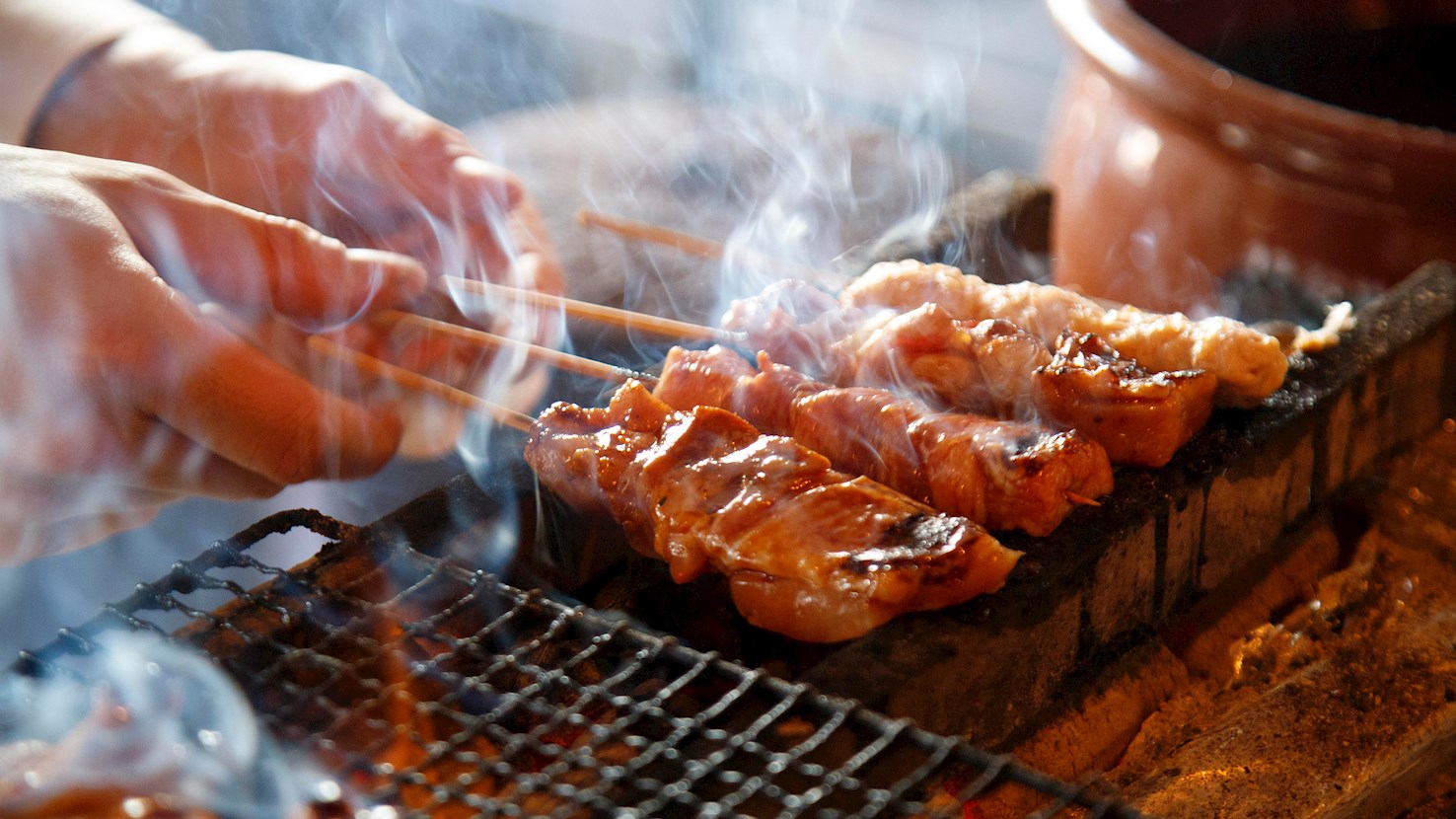
Sasami is a traditional yakitori dish made with chicken meat from the inner breast, also known as chicken tenders. This type of meat is high in protein and low in fat. The pieces of meat are (sometimes) marinated in sake, placed on skewers, then grilled until done, but not overgrilled. When served, sasami is often accompanied by salt, wasabi, or tare sauce on the side. Due to the somewhat bland flavor of sasami yakitori, it's sometimes topped with miso paste, shiso leaves, umeboshi paste (sour pickled plum paste), or mentaiko (fish roe). The dish can be found in most izakaya bars and it's usually paired with a cold beer on the side.

07

Chankonabe

3.4 ·

A highly caloric staple of the sumo wrestlers' diet, chankonabe is a rich stew consisting of dashi, sake, chicken or fish, and vegetables such as daikon and bok choy, although the dish has no fixed recipe and usually contains readily available ingredients that are full of protein. The dish is often served with rice, beer, and side dishes such as fried chicken and shrimp dumplings. Chankonabe dates back to the late 19th century, when cooks from Niigata started to make meals for sumo wrestlers. It is the main course of a sumo meal, and all the wrestlers have to eat it as a part of their weight-gain diet, whether they like the dish or not. The word chan refers to father, while nabe refers to one-pot meals that are often served at the table. However, chankonabe is not reserved only for sumo wrestlers, as it is a nutritious and filling bowl of soup that is ideal for winter, but it should be consumed in moderation in order not to gain too much weight.

08

Odori ebi

2.9 ·

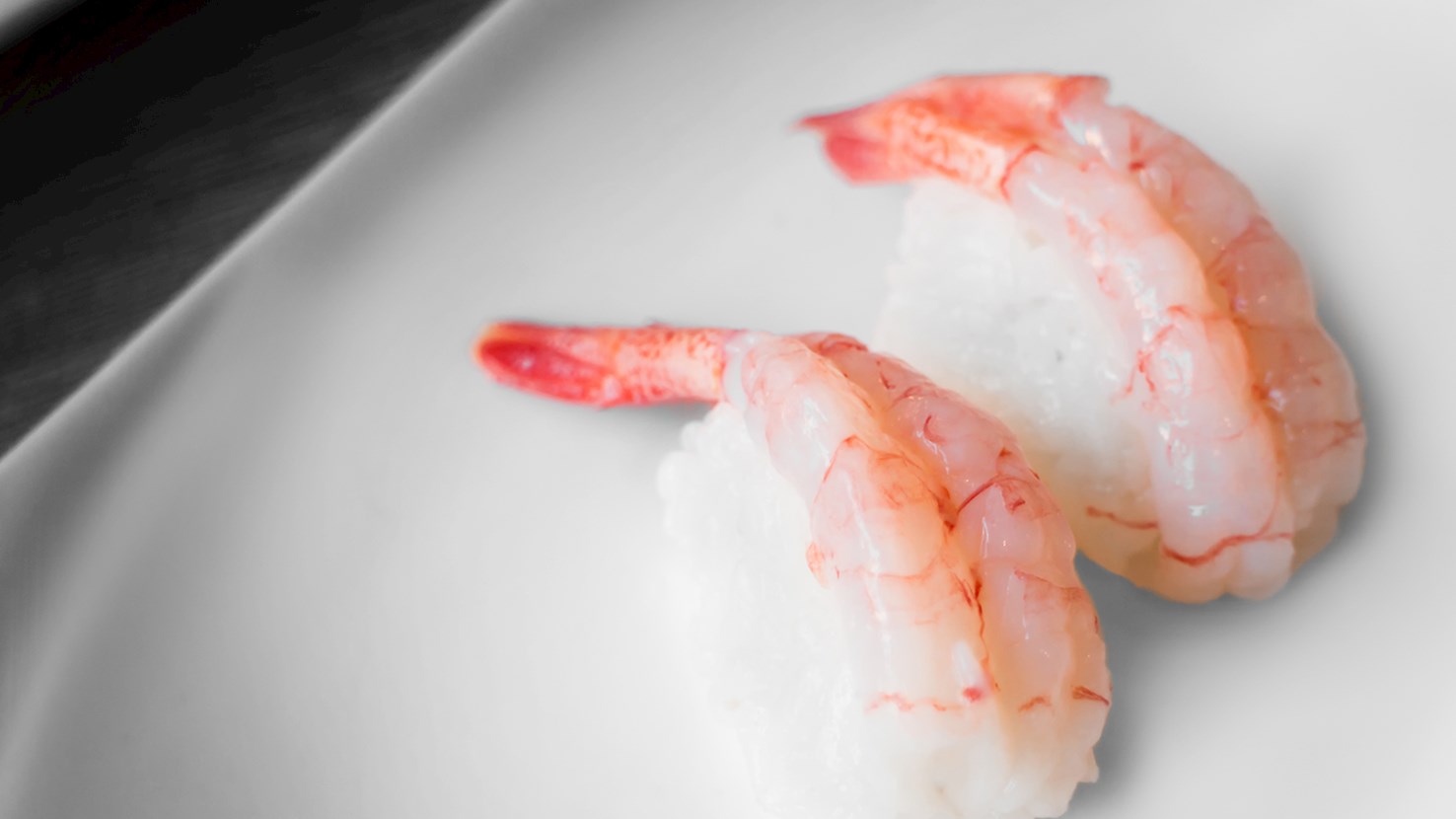
Odori ebi is a traditional sashimi dish prepared with live baby shrimps. A live shrimp is first shelled, its head removed, and it's then served to diners while it's still twitching. The dish is very expensive because it requires skillful and quick preparation. The shell and head of the shrimp are often deep-fried, then served on the side. The shrimp is typically dipped into sake, then into a dipping sauce before consumption (chewing). Funnily enough, the name of the dish, odori ebi, means dancing shrimp.

09

Hotate Salad

n/a ·

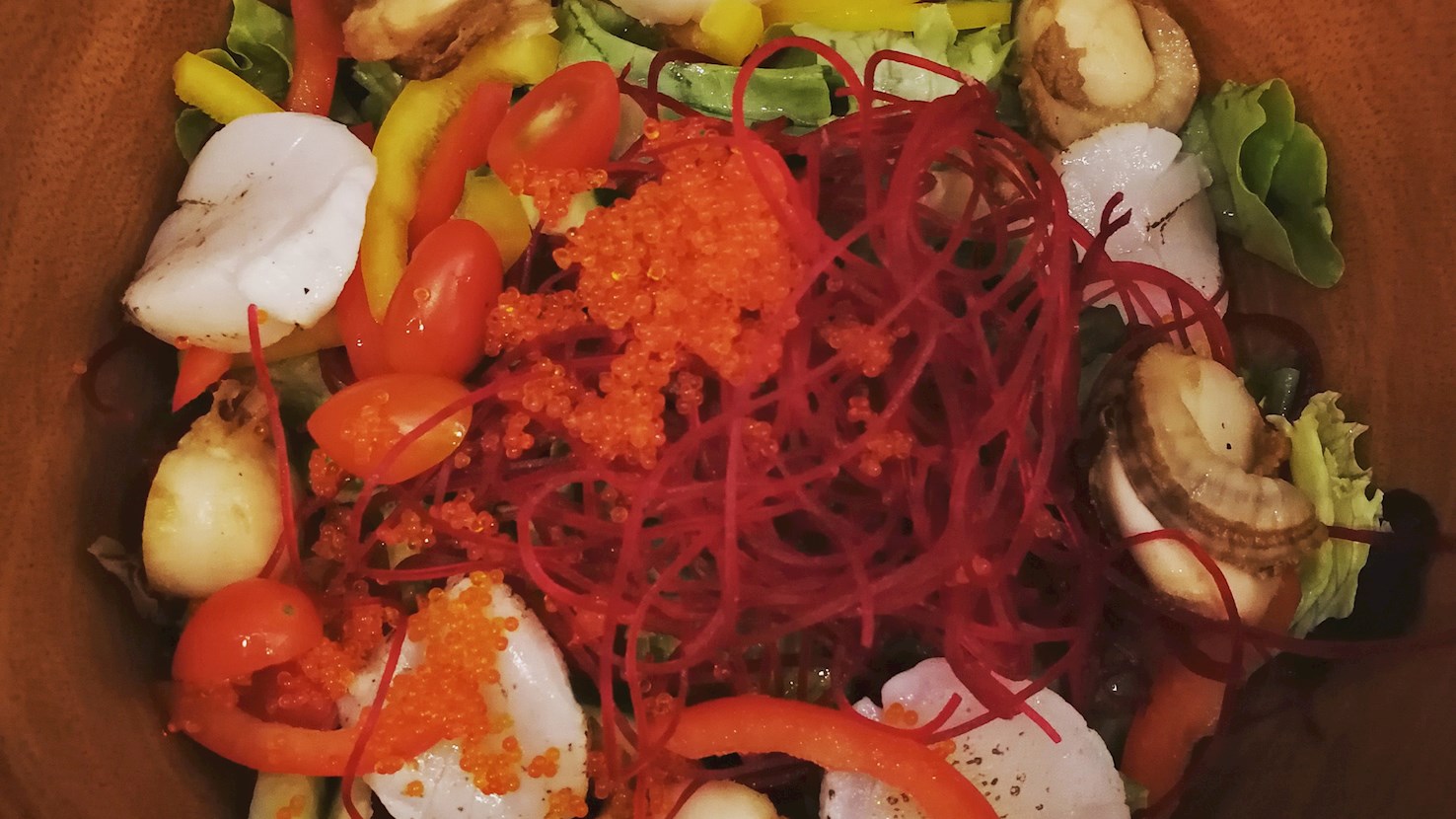
Hotate is a traditional salad originating from Japan. The salad is usually made with a combination of daikon, scallops, sake, soy sauce, mayonnaise, lemon juice, salt, pepper, and chives. The daikon is sliced into matchsticks and seasoned with salt, marinated, then drained. The scallops are covered with sake, steamed until cooked through, and then broken into smaller pieces. The daikon, soy sauce, mayonnaise, lemon juice, and chives are mixed with the scallops and the reserved juices before the salad is seasoned with pepper and served.

10

Saba misoni

n/a ·

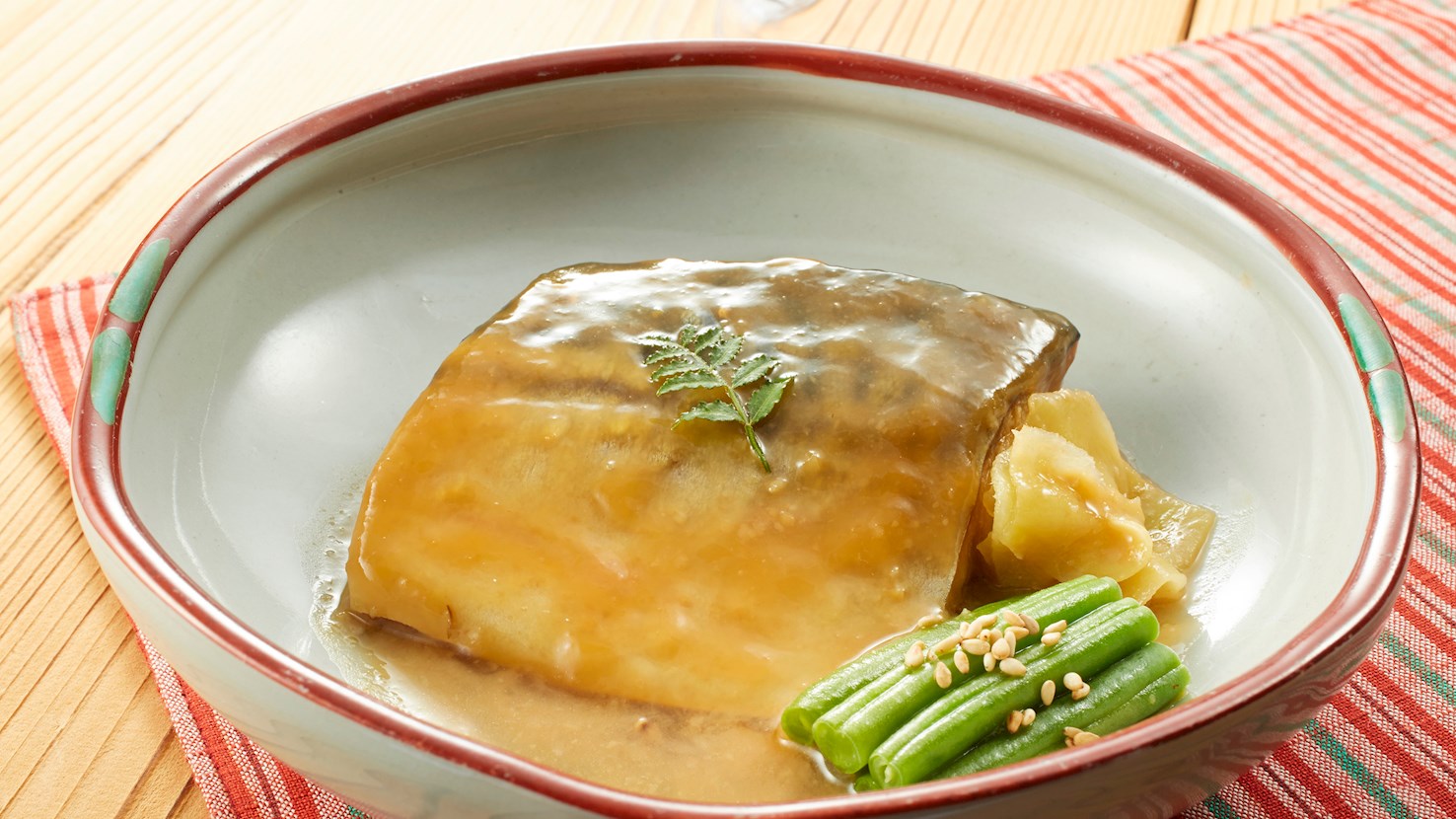
Saba misoni is a traditional fish dish originating from Japan. The dish is usually made with a combination of mackerel fillets, sake, soy sauce, mirin, miso, and sugar. The fillets are cooked in a pan with sugar, soy sauce, water, sake, and mirin. The sauce is occasionally spooned over the fish, and some of it is blended with the miso. The mixture is poured back into the pan and the sauce is reduced as the dish cooks over low heat. Once done, the mackerel is topped with the sauce and served on plates. If desired, saba misoni can be garnished with thin matchsticks of ginger and leek.

11

Sobagaki

n/a ·
About this ranking

TasteAtlas food rankings are based on the ratings of the TasteAtlas audience, with a series of mechanisms that recognize real users and that ignore bot, nationalist or local patriotic ratings, and give additional value to the ratings of users that the system recognizes as knowledgeable. For the “11 Best Rated Dishes with Sake” list until June 17, 2026, 1,000,987 ratings were recorded, of which 657,348 were recognized by the system as legitimate. TasteAtlas Rankings should not be seen as the final global conclusion about food. Their purpose is to promote excellent local foods, instill pride in traditional dishes, and arouse curiosity about dishes you haven’t tried.

Similar lists