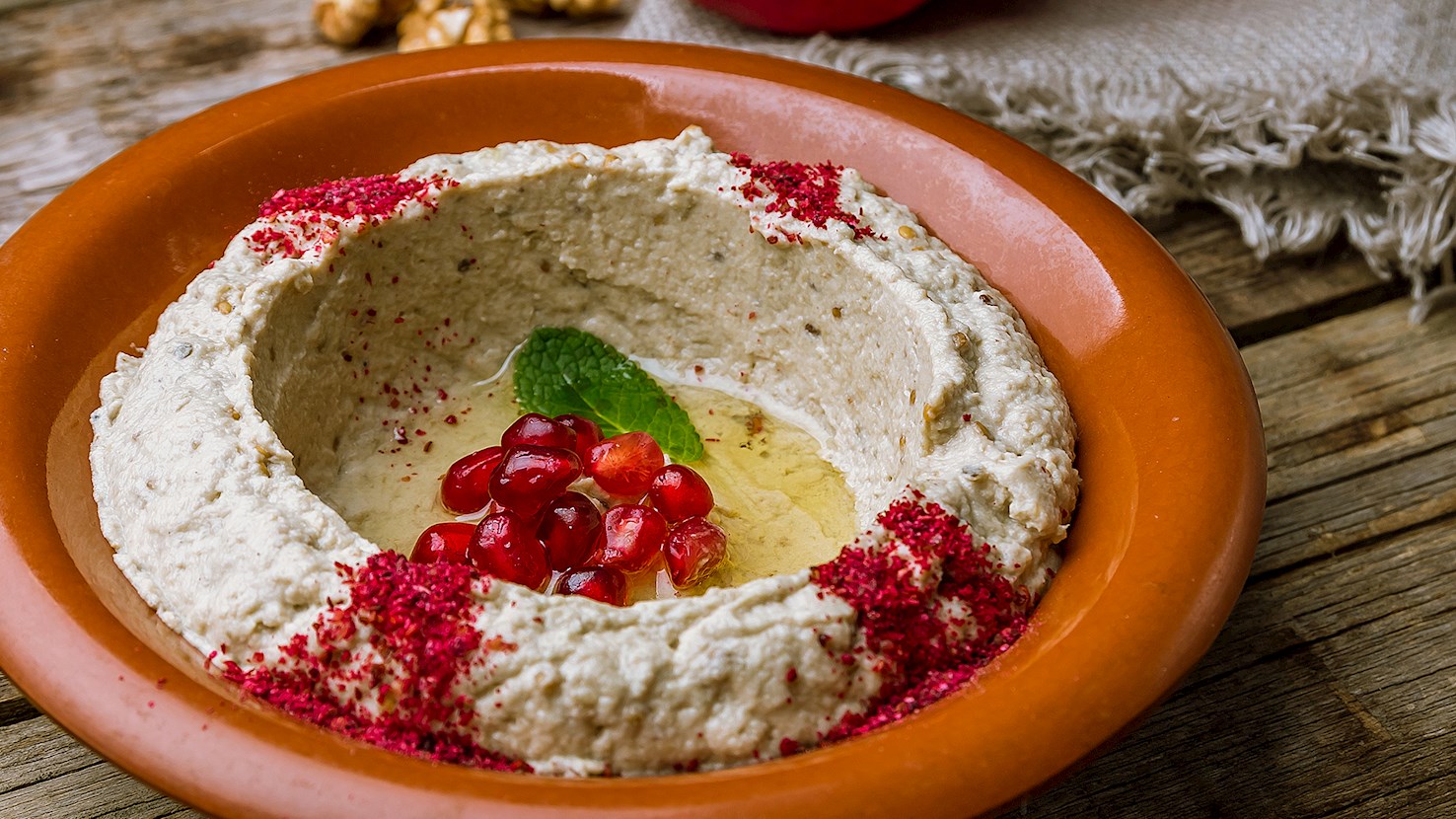
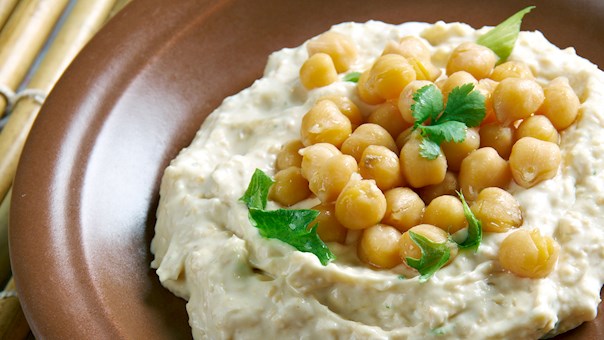
Mutabal is an eggplant-based dip prepared in the eastern Mediterranean and Arabian regions, most commonly associated with Lebanon, Syria, Jordan, and Palestine, made from cooked eggplant blended with tahini, lemon juice, garlic, and salt to form a smooth, pale-colored spread. Its development is closely tied to the long-standing cultivation of eggplant in the Levant and the parallel use of sesame paste as a core ingredient in savory preparations, with regional cookery texts from the medieval Islamic world describing combinations of mashed vegetables, fermented or acidic elements, and ground seeds, indicating a settled culinary logic in which mutabal emerged as a distinct preparation emphasizing tahini more strongly than other eggplant dishes. Preparation begins with roasting whole eggplants, ideally over direct flame, until the flesh softens and absorbs smoke, after which the skins are removed and the pulp drained to control bitterness and moisture, then mixed thoroughly with tahini, lemon juice, crushed garlic, and salt until the mixture becomes cohesive and smooth rather than coarse. Mutabal is served at room temperature, usually spread in a shallow dish and finished with olive oil, and it is presented as part of a larger table rather than as an individual portion. A defining characteristic of mutabal is the dominant role of tahini, which gives it a lighter color, thicker body, and more pronounced nutty profile compared to related eggplant spreads that rely less on sesame paste. It is eaten in homes, restaurants, and social gatherings throughout the Levant, typically accompanied by flatbreads such as pita or markouk and raw vegetables, and it pairs well with unsweetened black tea, mint tea, arak diluted with water, or dry white wines, fitting naturally into meals where multiple small dishes are shared and balanced by bread rather than by heavy seasoning.
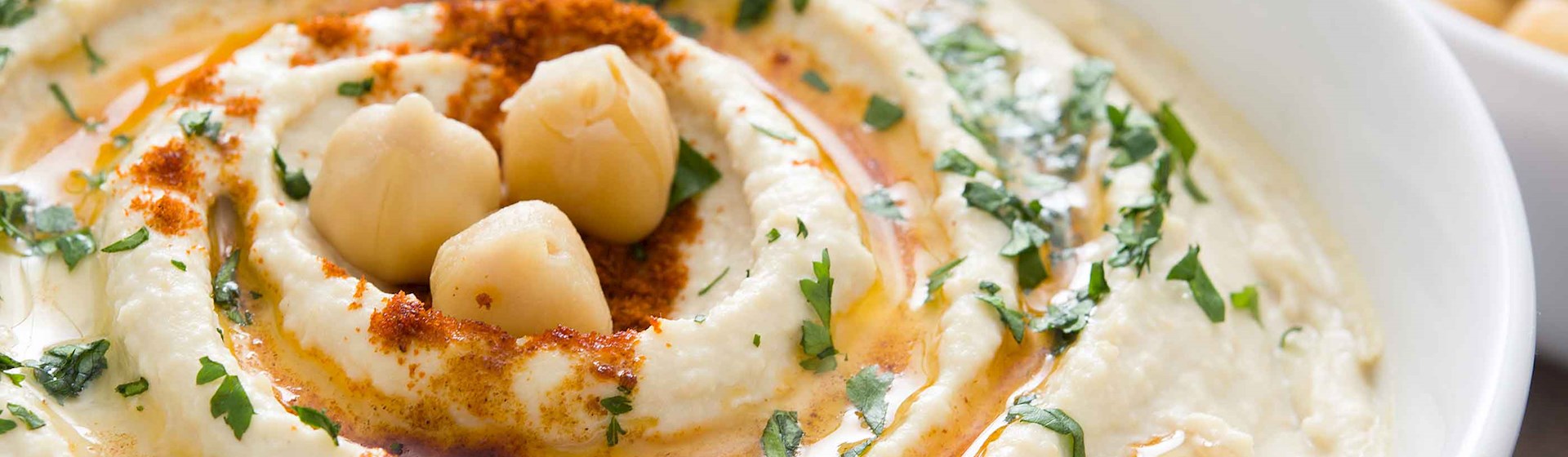
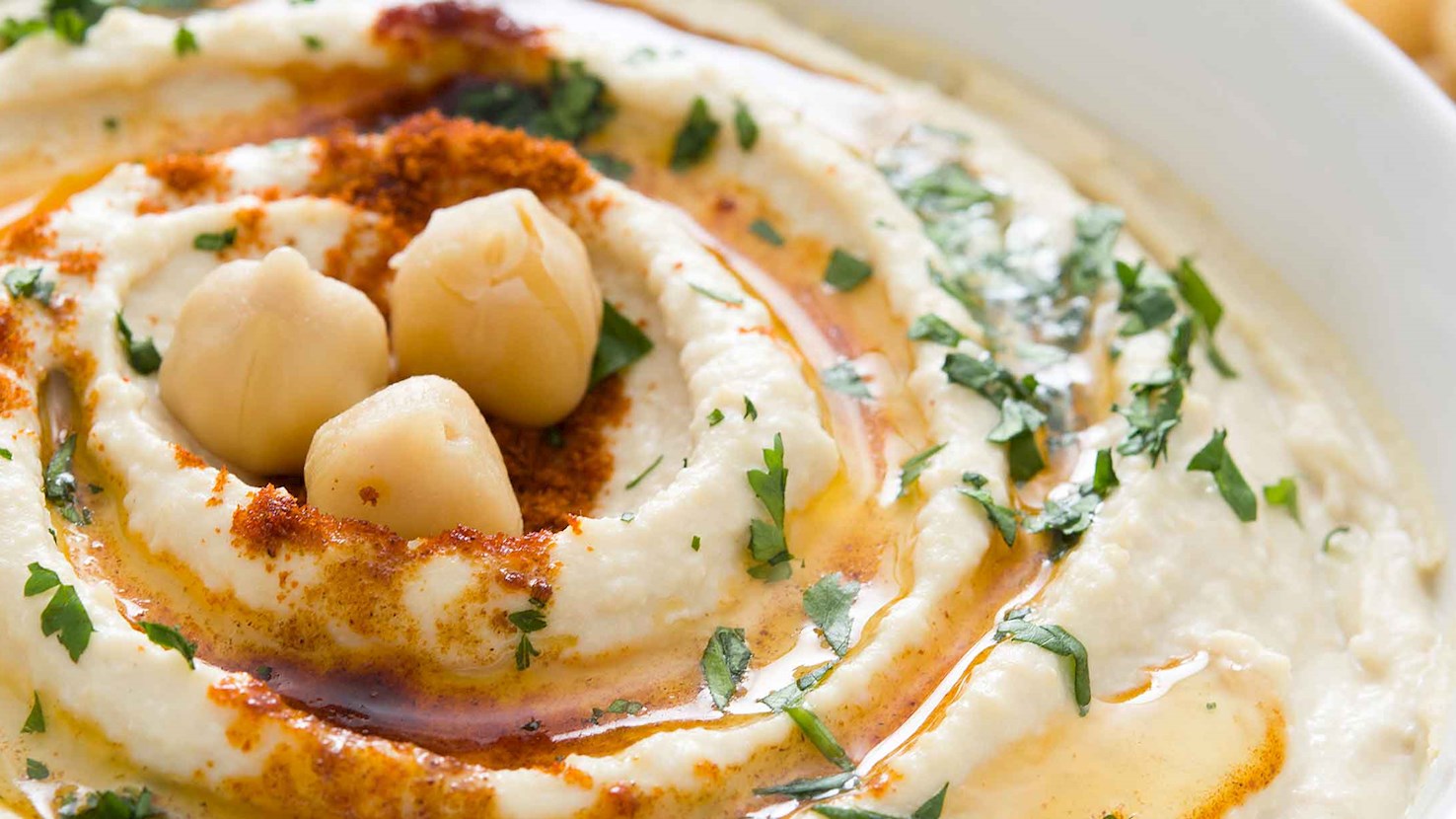
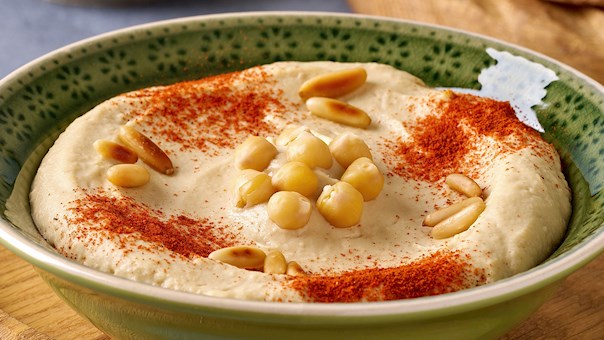
Hummus is a creamy dip made primarily from cooked and mashed chickpeas blended with tahini, olive oil, lemon juice, and garlic. It originates from the Middle East, where it has been a dietary staple for centuries, especially in countries like Lebanon, Palestine, Israel, Syria, and Jordan. Hummus’s roots can be traced back to ancient times (earliest mention of hummus dates back to 13th-century Egypt), when legumes and seeds were common sources of nutrition in the Levant. Over time, the combination of chickpeas and tahini evolved into a dish that balances earthy, nutty, and tangy flavors. While recipes vary slightly across regions, the core ingredients remain consistent, emphasizing freshness and quality. The smooth texture and rich taste make hummus both versatile and widely appealing, able to serve as a simple snack or a complement to more elaborate meals. Preparation involves soaking and cooking dried chickpeas until tender, then blending them with tahini paste, freshly squeezed lemon juice, crushed garlic, and extra virgin olive oil to create a velvety consistency. Salt is added to enhance the flavors, and the mixture is often garnished with a drizzle of olive oil, a sprinkle of paprika or sumac, and sometimes fresh herbs or whole chickpeas. Hummus can be served chilled or at room temperature, paired with pita bread, vegetables, or as part of a larger mezze platter. Hummus enjoys widespread popularity not only in the Middle East but globally, embraced as a healthy and flavorful dish. It is commonly found in homes, restaurants, and markets, representing both everyday nourishment and a dish for social gatherings.
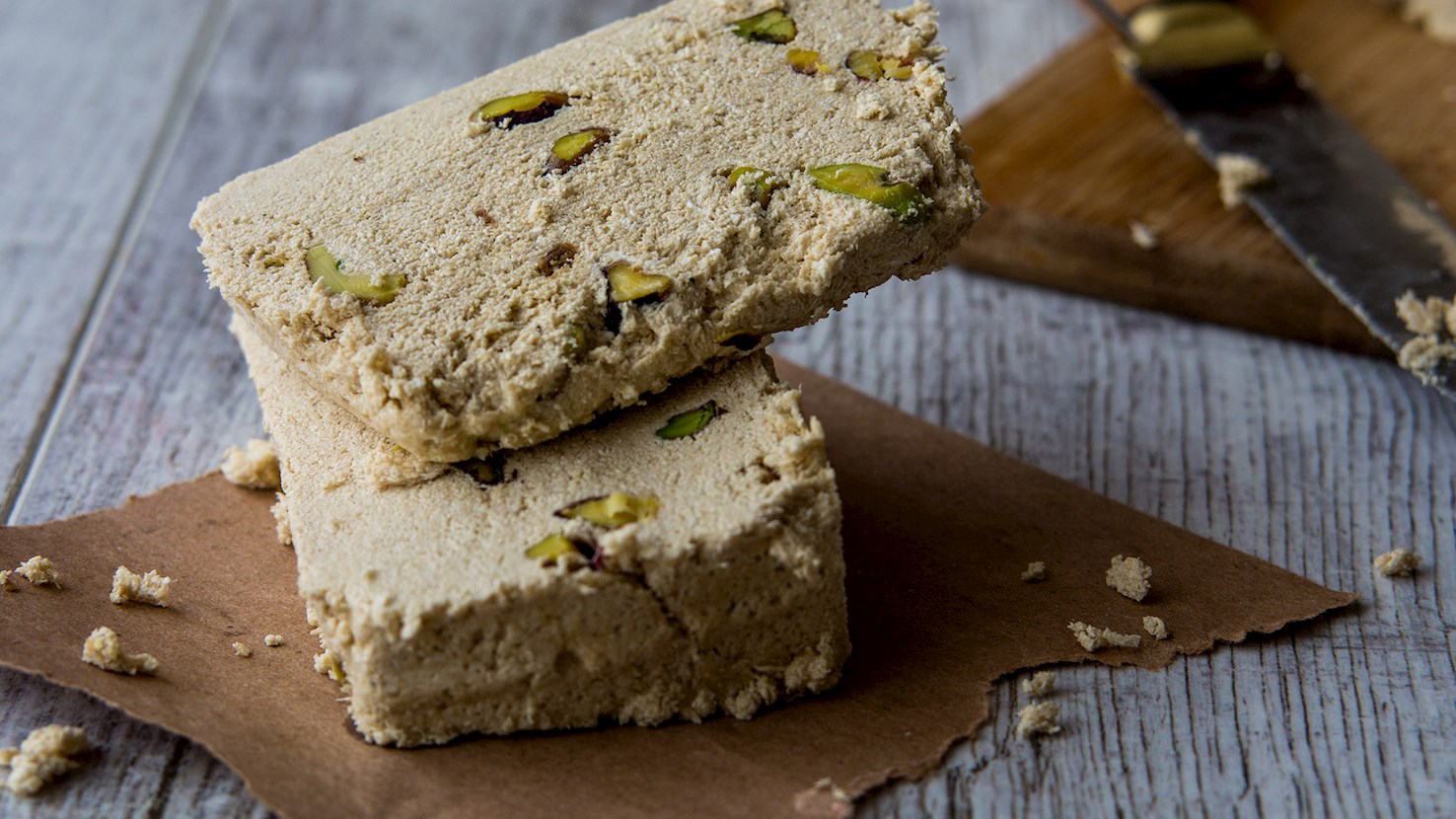
As the name suggests, this halva hails from the Bayramiç district. It is a dessert made with tahini (a paste consisting of toasted and ground sesame seeds), sugar, citric acid, and water. When cooked, it is chilled and placed into molds. The result is a dessert with a distinctive texture and nutty flavor. This halva has been made since the 1870s, and it is exclusively associated with the Bayramiç district, where the specific production method has been passed down through generations. Since 2021, it has been a protected regional product.
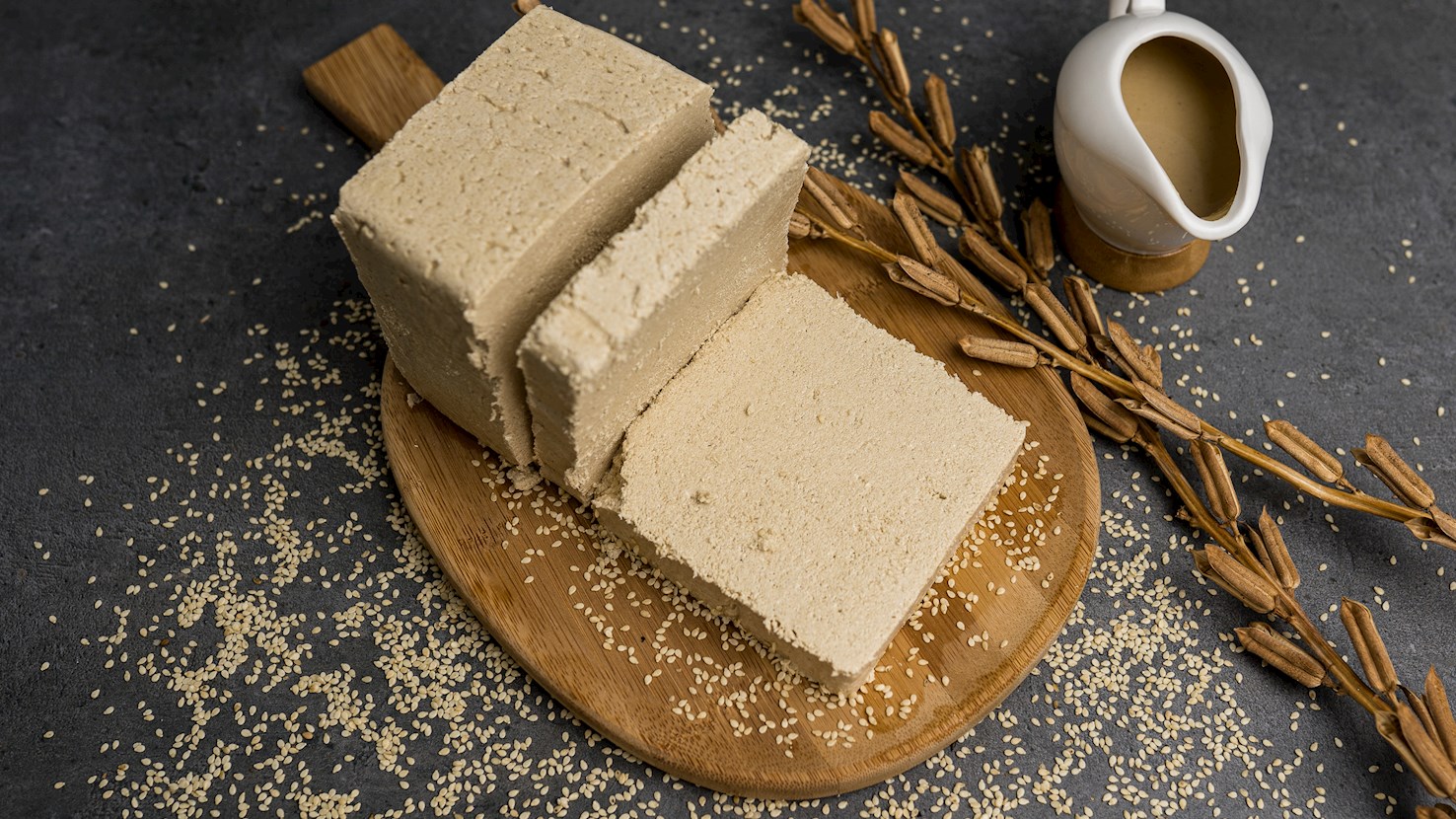
Halva ardeh is a dense dessert made primarily from tahini, the smooth paste of ground sesame seeds, and it is widely associated with Iran, where it has long been a popular sweet for breakfast or as an energy-rich snack. Known simply as sesame halva in many parts of the Middle East, it is valued for its crumbly, melt-in-the-mouth texture and gently nutty flavor balanced by sweetness. While similar versions exist across the Eastern Mediterranean and Central Asia, in Iran, halva ardeh holds a special place as a staple sold in markets, bakeries, and small shops. The history of halva ardeh traces back centuries to when sesame cultivation spread through the ancient Persian Empire. As sesame became more widely grown, cooks discovered that grinding the seeds produced a rich, oily paste that could be blended with syrup or sugar to form a cohesive sweet. This style of halva was developed alongside other confections using wheat flour or nuts, but sesame halva stood out because it could be made with minimal ingredients and stored for long periods without spoiling. Over generations, production became more specialized, with certain cities gaining reputations for high-quality tahini and skillful preparation. To prepare halva ardeh, fresh tahini is blended with a hot sugar syrup, sometimes combined with soapwort extract or other natural emulsifiers to help bind the oils and sugars. This mixture is stirred vigorously as it begins to thicken and take on a fibrous consistency. The confectioner must carefully balance the temperature and timing, as working it too slowly will make it dense and hard rather than delicate and crumbly. Once the right texture is achieved, the mass is poured into molds or trays, pressed flat, and cooled. After setting, it is cut into blocks or slices. Some variations include pistachios or almonds layered into the mixture, while others are flavored with vanilla or cocoa. Halva ardeh is often eaten with bread as part of a simple breakfast or afternoon meal. It is common to serve it alongside fresh herbs, white cheese, or strong tea. The pairing of sweet halva and bitter black tea is particularly popular and reflects the broader Persian taste for contrasts in flavor and texture. While many people still buy it freshly cut from bulk slabs, packaged versions are also sold in shops across Iran and in Middle Eastern grocery stores abroad. Today, halva ardeh continues to be prepared in both small artisanal workshops and large factories. In Iran, cities such as Yazd and Qazvin are especially known for their production.
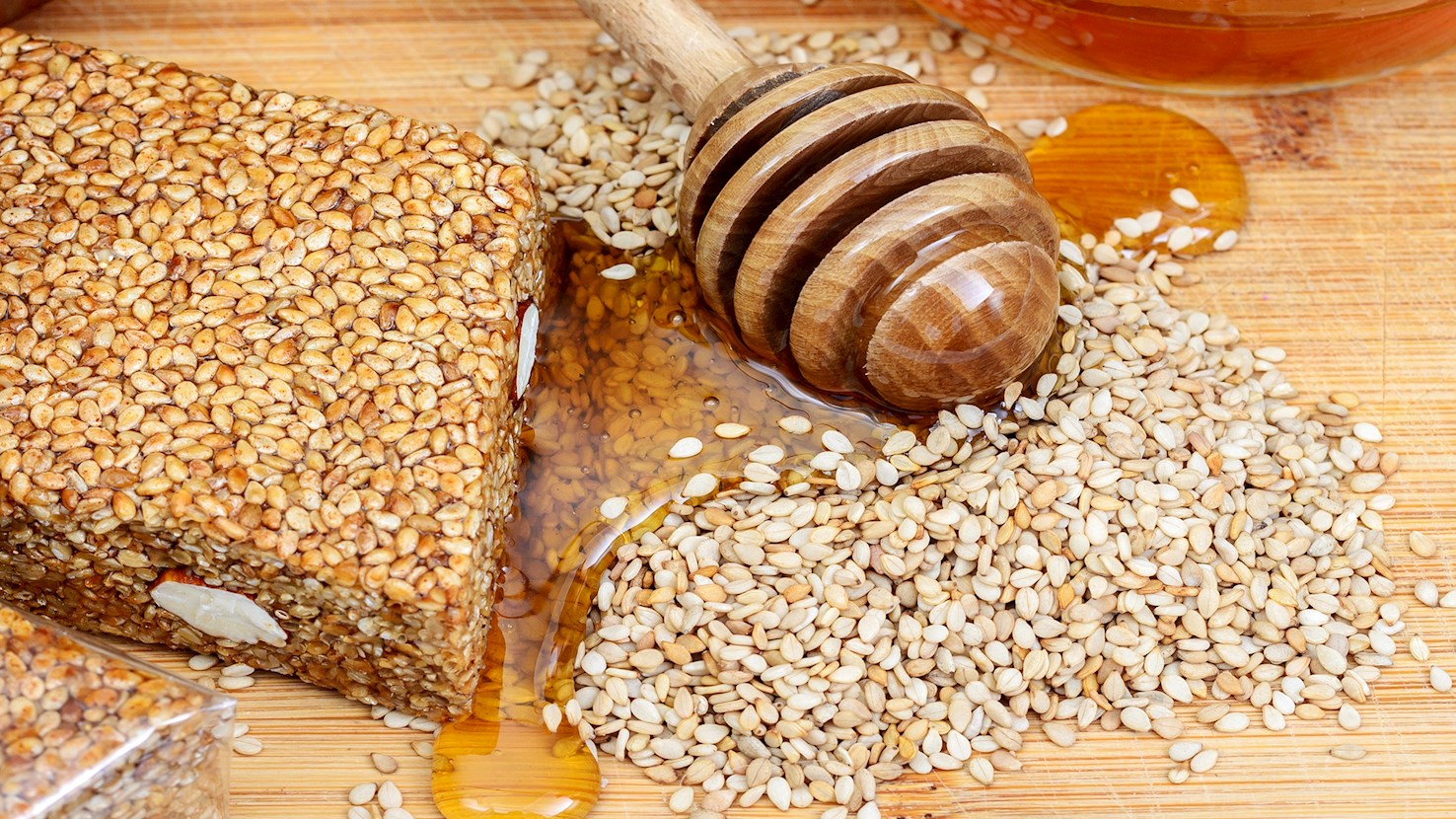
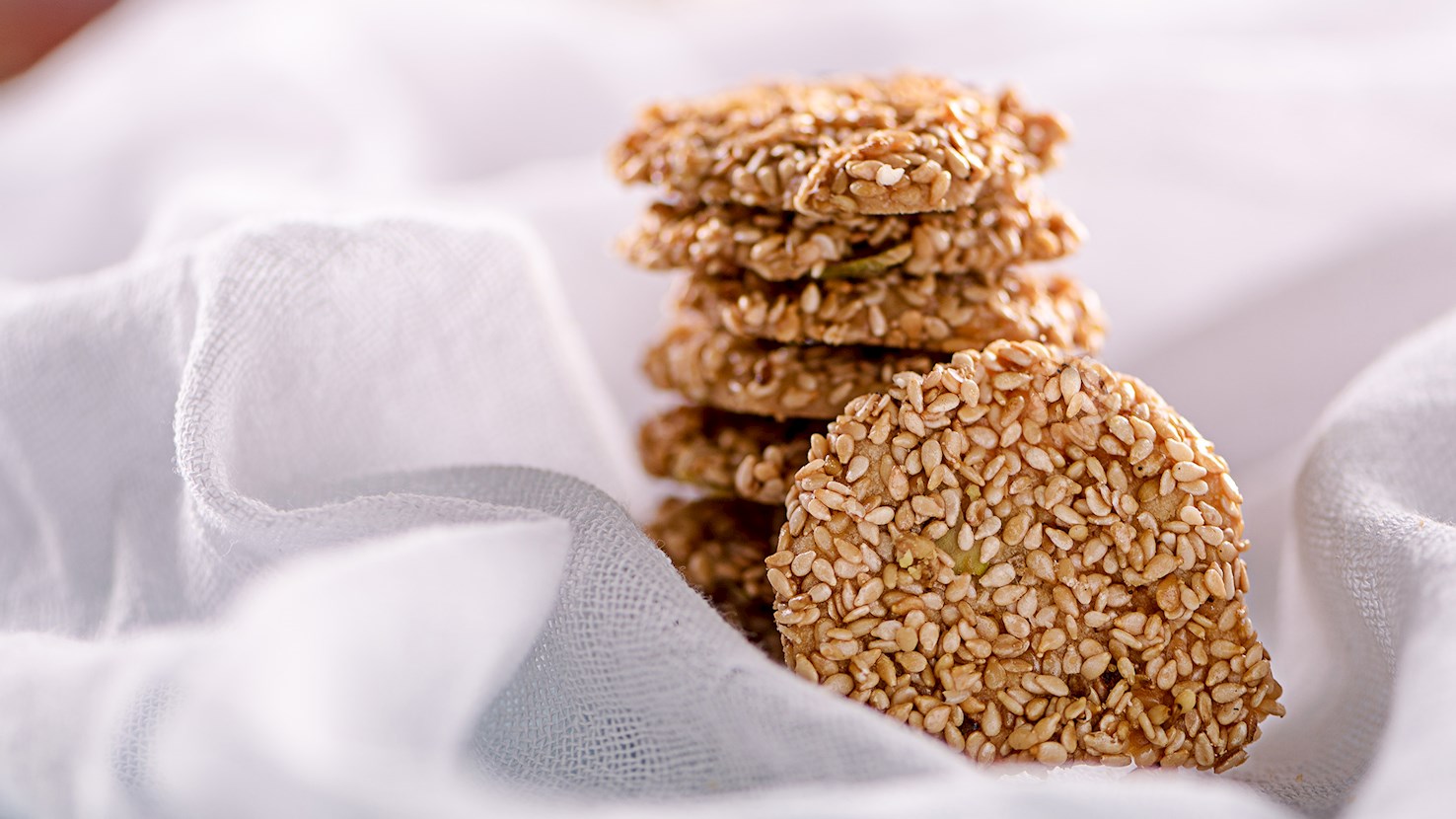
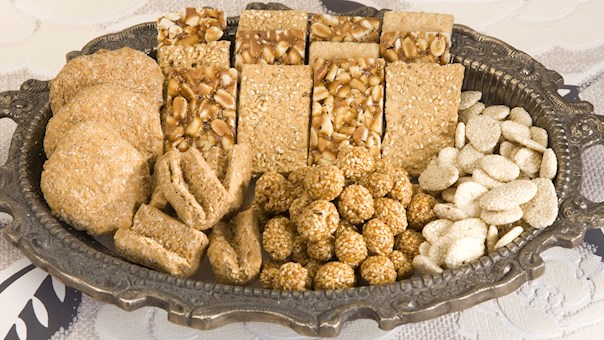
This traditional Rhodian treat consists of sesame seeds and aromatic thyme honey, though additional ingredients often include almonds, orange and lemon peel, and various spices. Due to its high nutritional value, melekouni is regarded as one of the healthiest Greek snacks, but it also stands out due to its great flavor. On the island of Rhodes, it is a custom to offer this delicious, crunchy treat at christenings or weddings.
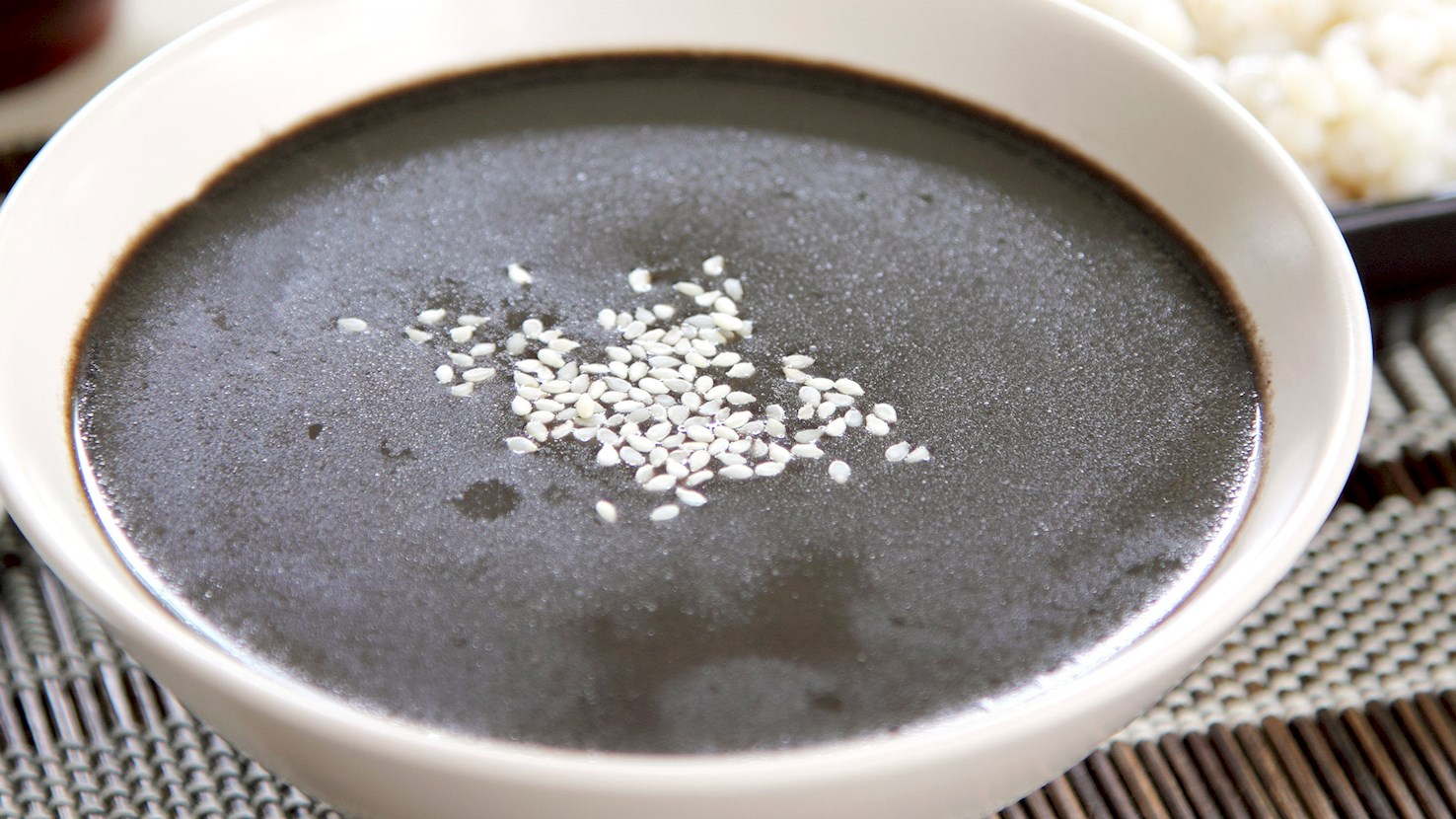
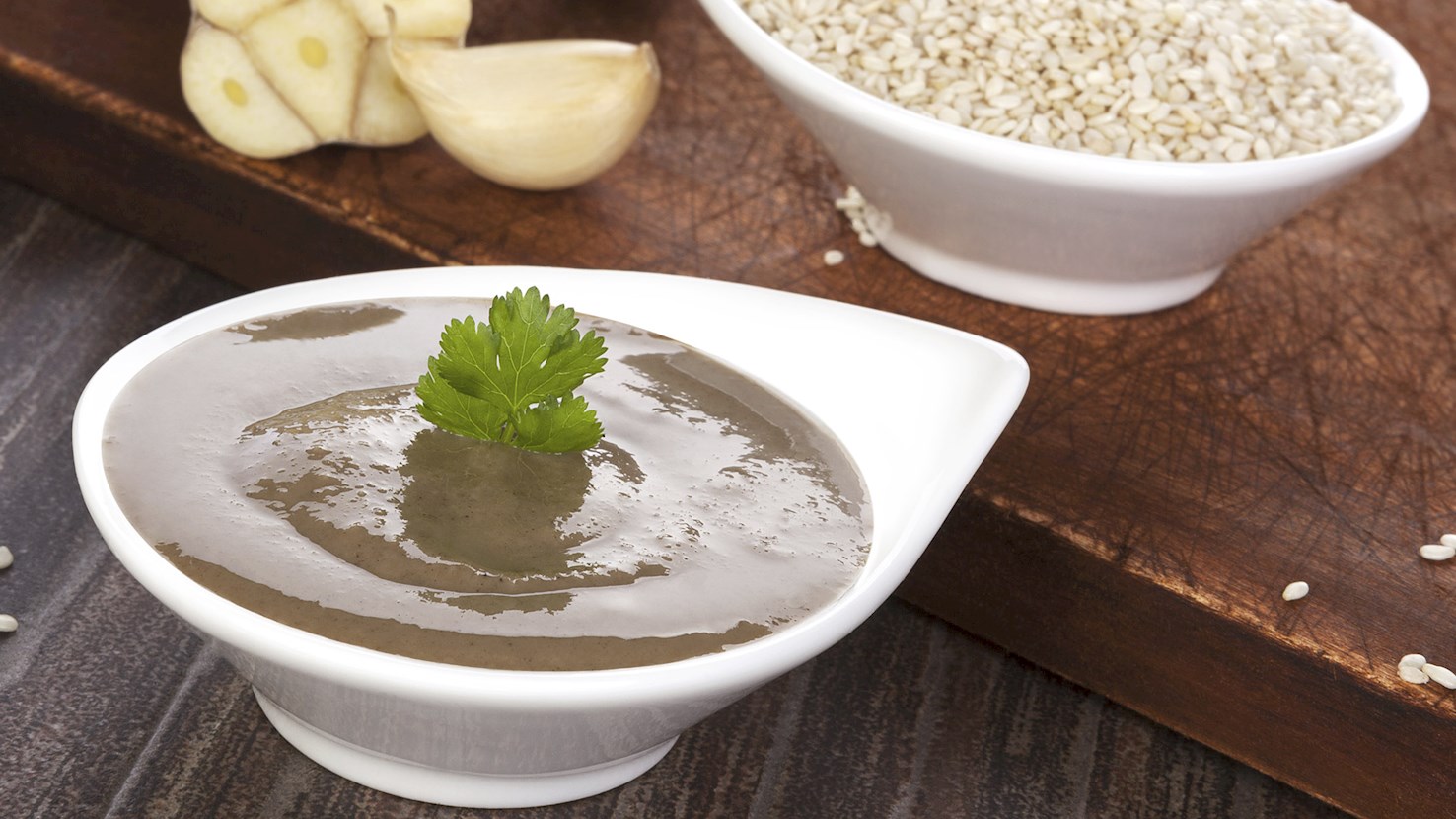
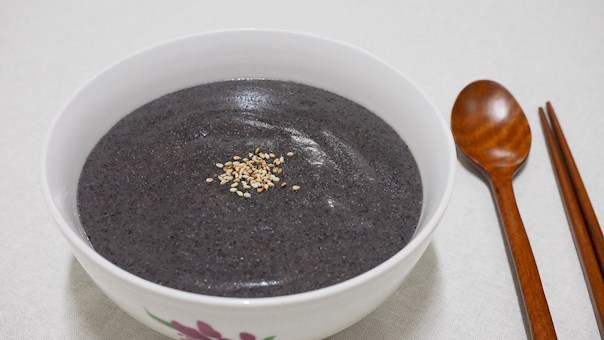
The smooth, velvety zhi ma hu or black sesame soup is a variety of Chinese tong sui (lit. sugar water), a dessert soup commonly enjoyed for breakfast, after meals, or served for teatime accompanied by dim sum, the traditional Cantonese bite-sized tea snacks. Particularly popular in southern China and Hong Kong, this dessert boasts numerous health benefits, thanks to the extremely nutrient black sesame seeds which are rich in vitamin B, magnesium, calcium, manganese, and iron. Zhi ma hu is known to improve digestion, kidney function, prevent gallstones, and reduce blood fat. The Chinese also believe that it helps to darken and strengthen hair. A simple but elegant dessert, black sesame soup is not only pleasing to the eye, but an amazingly fragrant mélange of earthy and nutty flavors with a distinctive peppery finish.
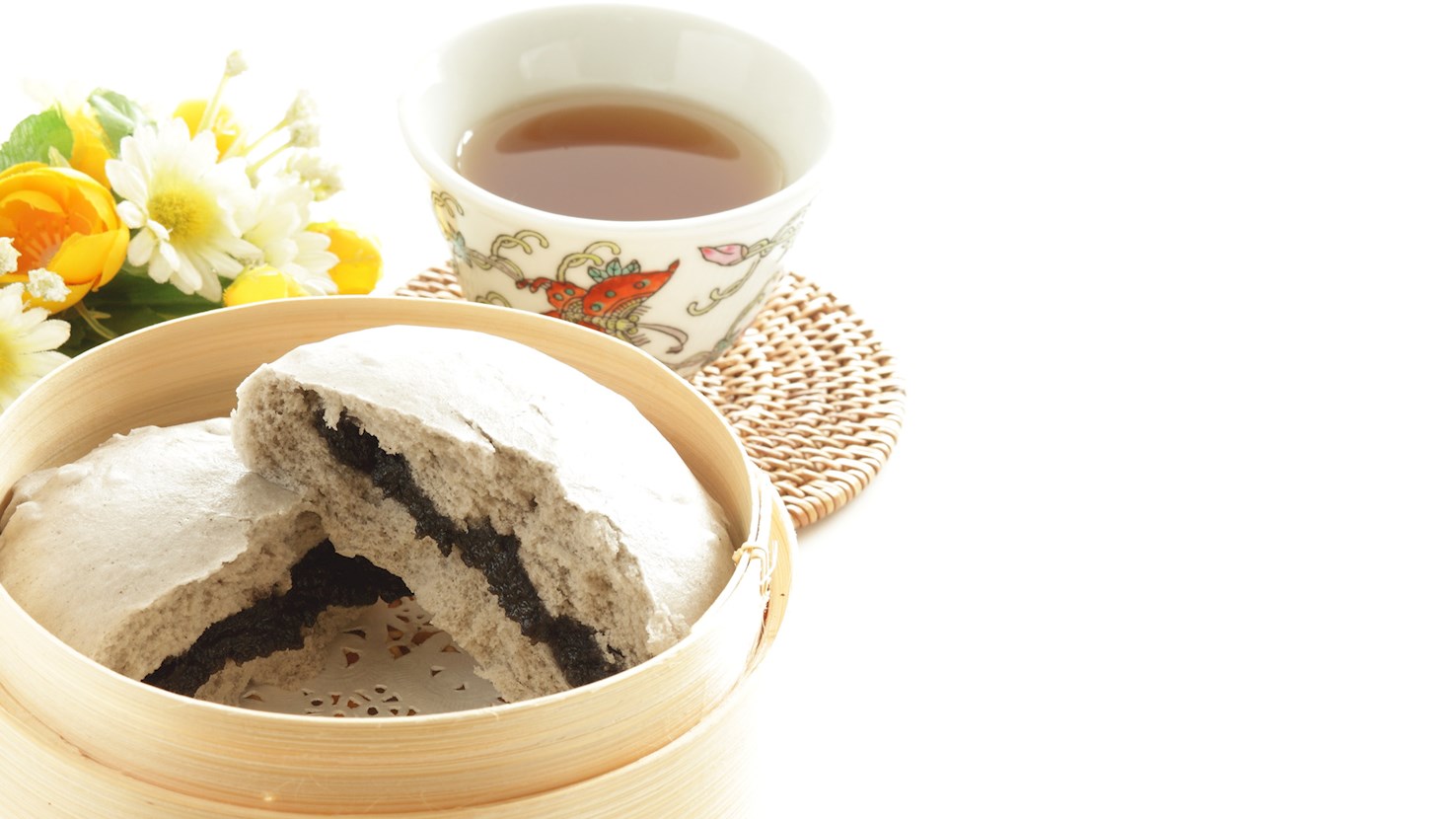
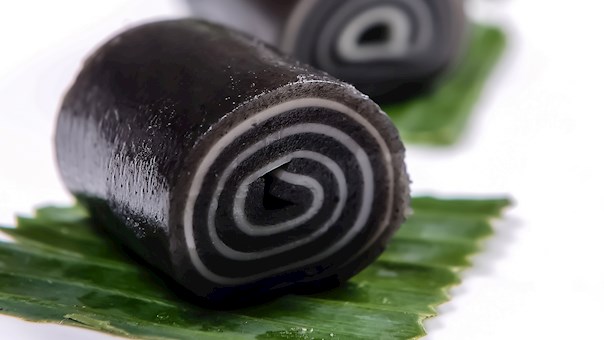
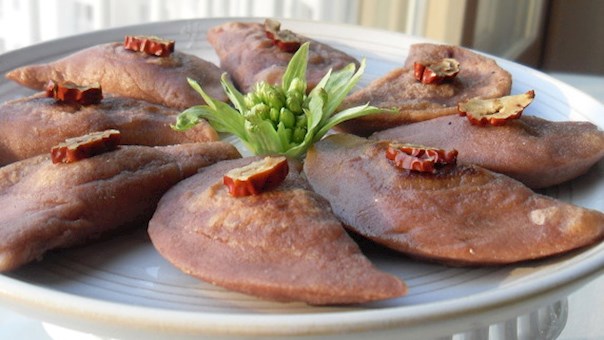
Zhi ma bao is a Chinese steamed bun (baozi) filled with black sesame paste. The buns are made with leavened dough, while the filling typically includes a combination of toasted black sesame, sugar, water, and cornstarch. Optionally, black sesame seeds can be incorporated into the dough, and the buns are sometimes sprinkled with sesame seeds.
Tahini is a paste consisting of toasted and ground sesame seeds which are usually thinned with lemon juice and water. It is an incredibly versatile paste that can be served as a dip and consumed on its own, or as a condiment accompanying numerous meat and vegetable dishes in Middle Eastern cuisine. Tahini can also be used as a spread, as the main ingredient in soups, or as a key ingredient in hummus, halva, or baba ghanoush. It is believed that the best tahini should have a light and toasty sesame seed flavor and a rich texture. The paste contains large amounts of Vitamin B and E, as well as magnesium, iron, and calcium. Originally, sesame seeds came to Israel via ancient Persia, where they were considered holy food. Sesame products were so popular that they were reserved only for the aristocracy, and tahini soon spread to India, Africa, and Asia. Today, it remains an extremely popular condiment in numerous countries such as Greece, Iraq, Turkey, Syria, and Egypt. It is recommended to pair it with date syrup or cocoa powder for a nutritious, flavorful dessert.
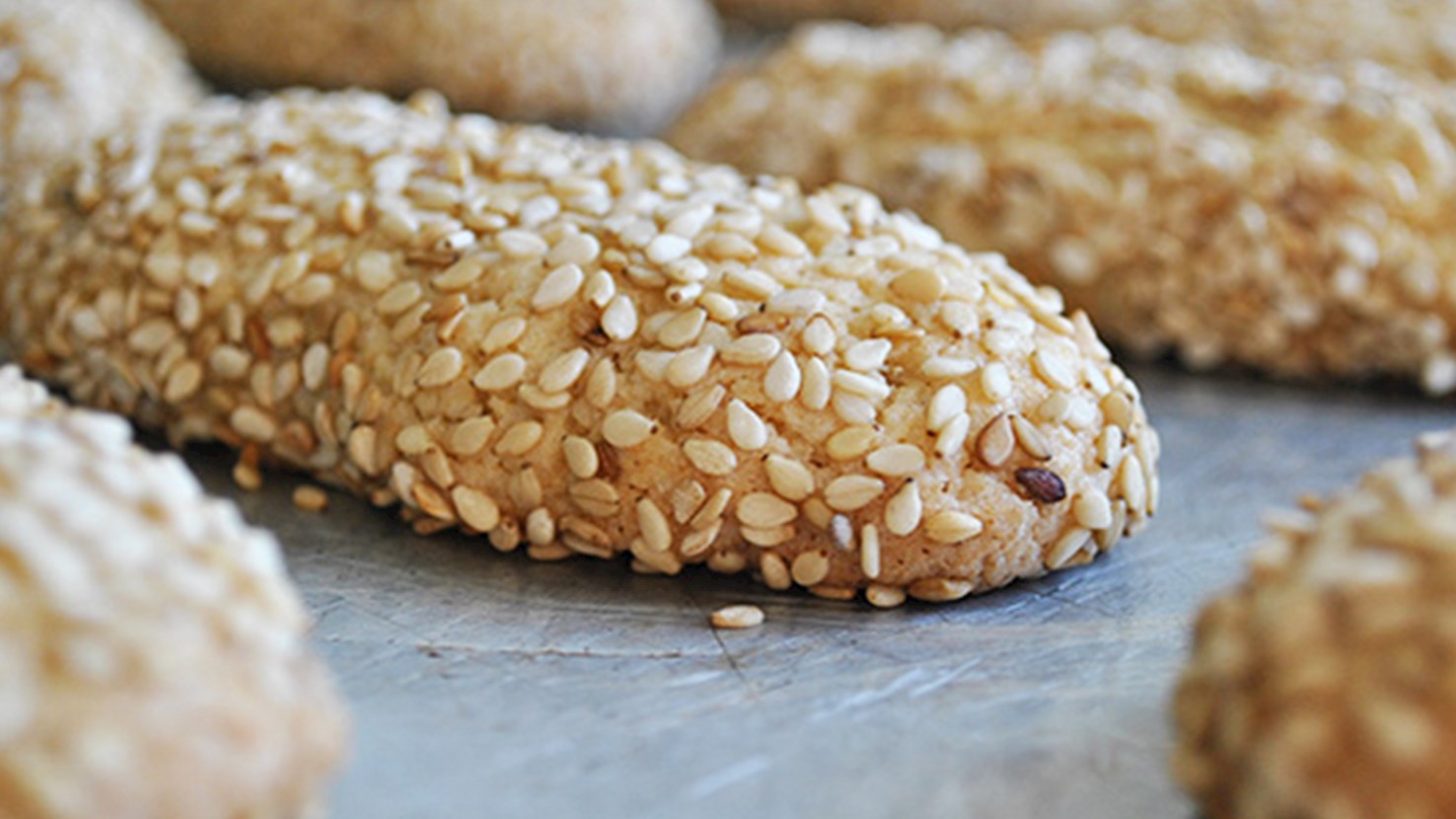
Biscotti regina or the queen's cookies are crunchy, sesame seed coated biscuits that originated in Palermo, but nowadays can be found all over Sicily. Allegedly named after Queen Margherita of Savoia, these tasty treats are both sweet and savory in flavor due to the lightly toasted sesame crust which envelops the tender interior. Traditionally, reginelle are enjoyed dipped in sweet dessert wines such as Marsala or Vin Santo, but they are also wonderful when dunked in coffee, hot chocolate, or tea.
Barazek is a delicious cookie from Syria, made of dough from flour, ghee, and sugar, covered with roasted sesame and a bit of pistachio. It is served on holidays as a luxury dessert and is one of the most famous Syrian sweets, particularly during Eid.
TasteAtlas food rankings are based on the ratings of the TasteAtlas audience, with a series of mechanisms that recognize real users and that ignore bot,
nationalist or local patriotic ratings, and give additional value to the ratings of users that the system recognizes as knowledgeable.
For the “25 Best Rated Dishes with Sesame Seeds” list until May 22, 2026, 989,153 ratings were recorded, of which 646,961 were recognized by the system as legitimate.
TasteAtlas Rankings should not be seen as the final global conclusion about food. Their purpose is to promote excellent local foods,
instill pride in traditional dishes, and arouse curiosity about dishes you haven’t tried.