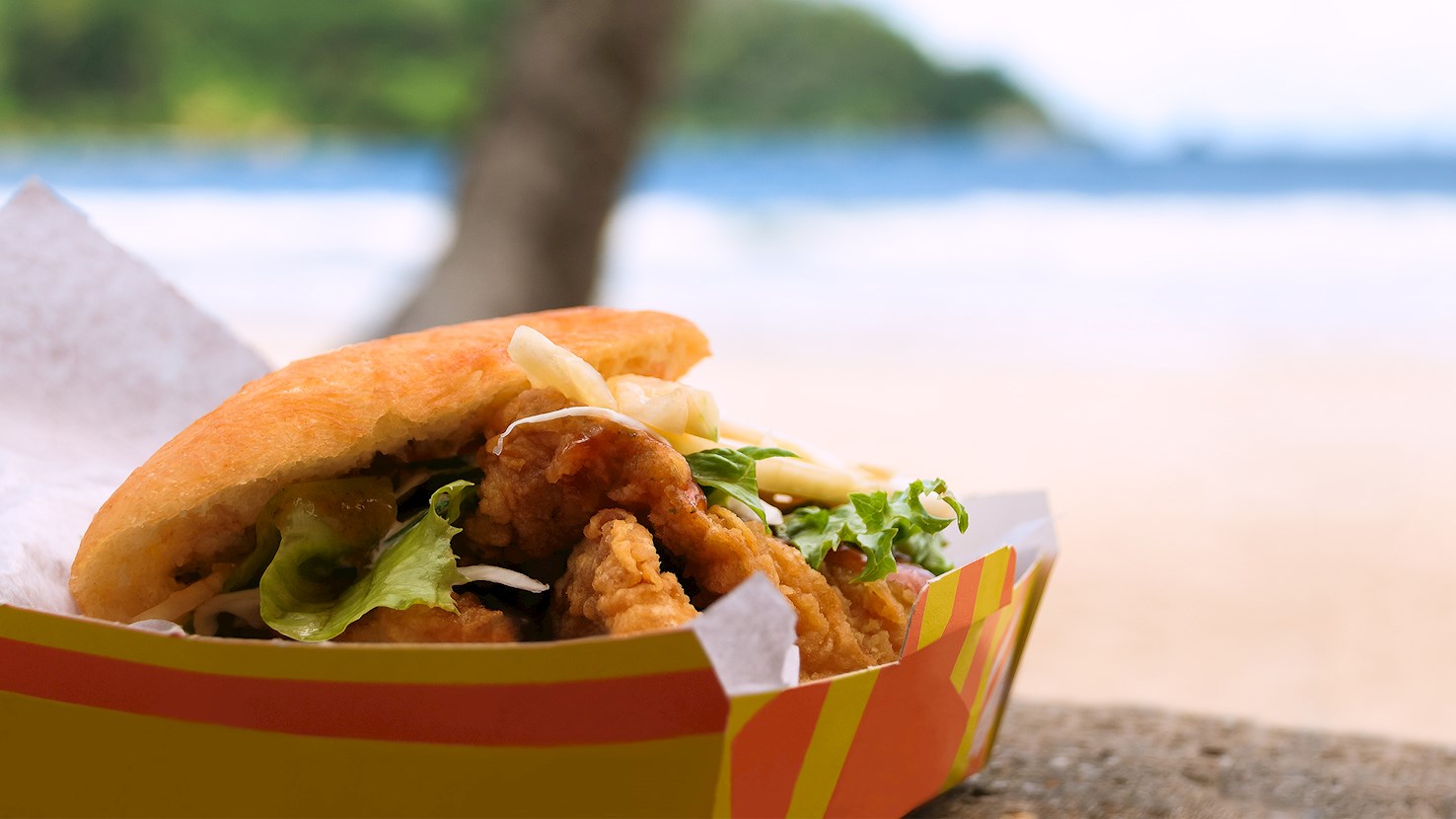
Bake and shark is a unique Trini street food item that is especially popular at concerts, festivals, and celebrations. It consists of marinated or seasoned pieces of shark meat, sauces, chutneys, and vegetables in a flatbread known as bake. The dish is often associated with Maracas beach which is filled with numerous bake and shark street stalls.
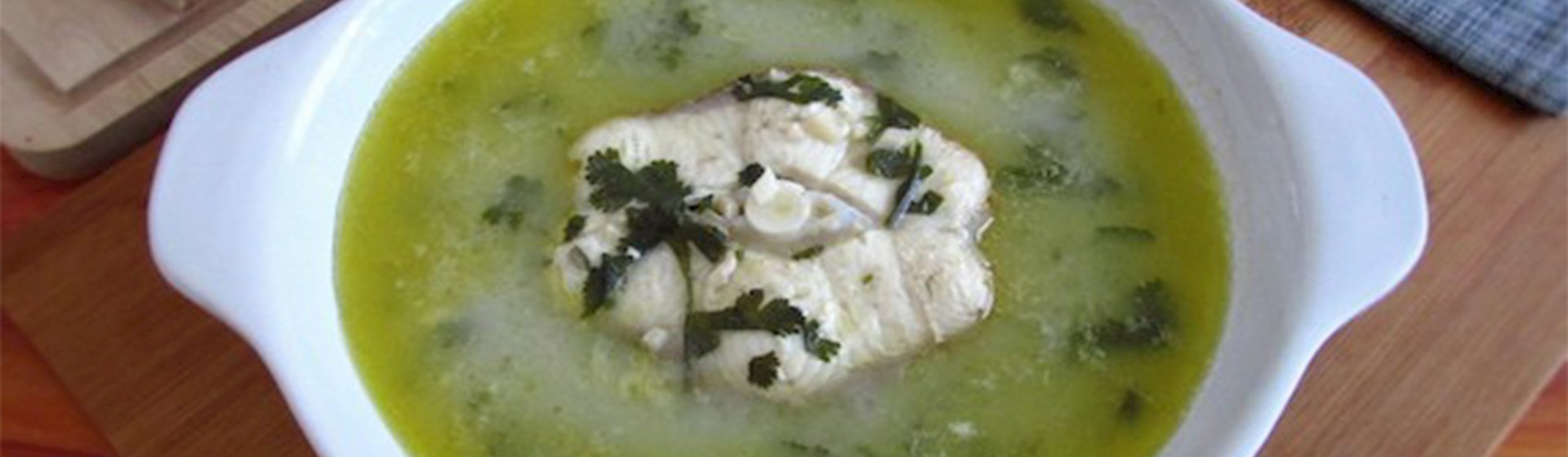
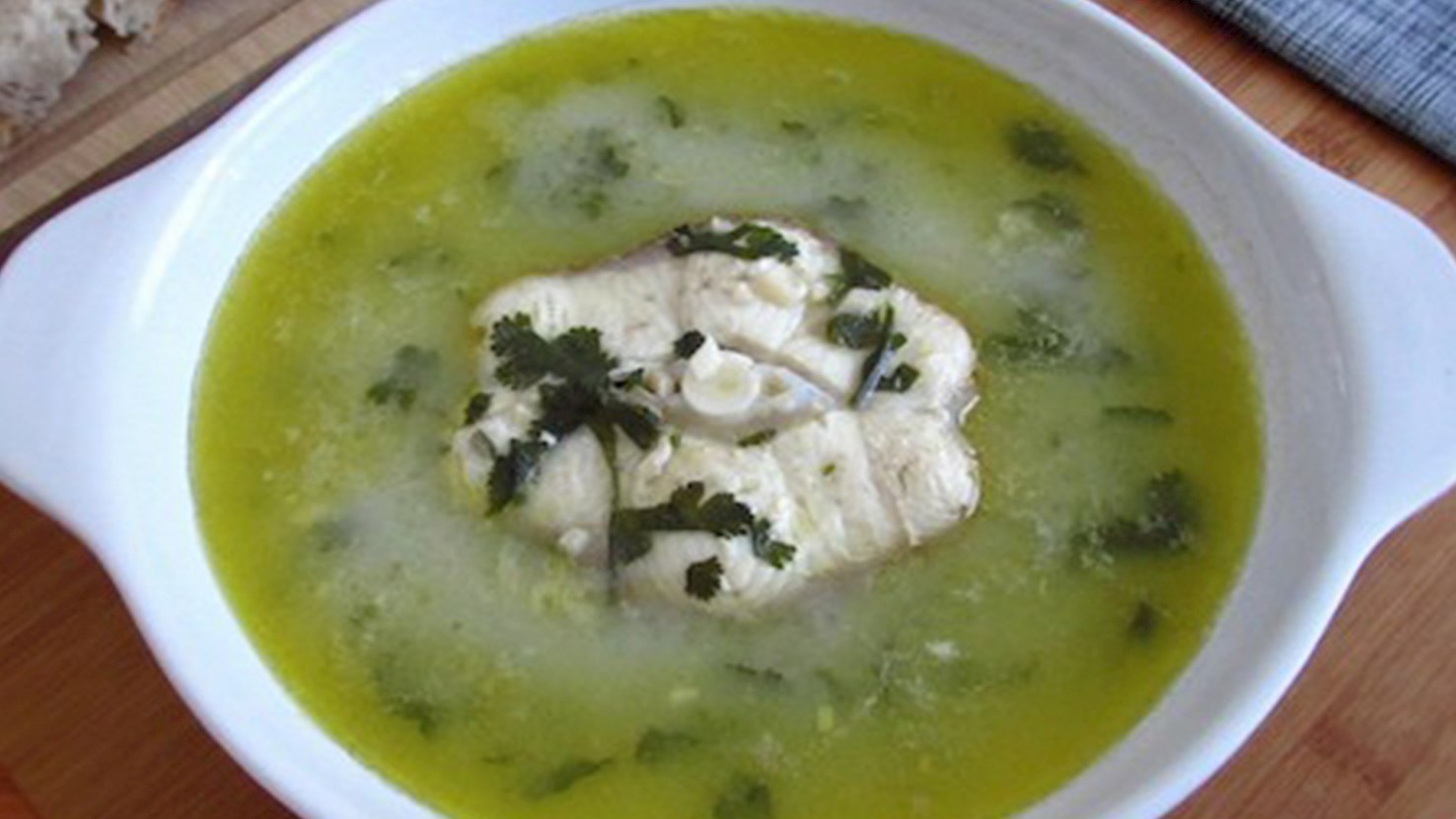
Sopa de cação is a traditional specialty made with slices of dogfish shark cooked in a flavorful broth infused with garlic and coriander. The dish is traditionally served over sliced bread, and it is occasionally thickened with flour and seasoned with bay leaves, ground paprika, and vinegar. It is believed that this fragrant soup originated in the historical Portuguese region of Alentejo, but today it is considered to be an indispensable part of Portuguese national cuisine.
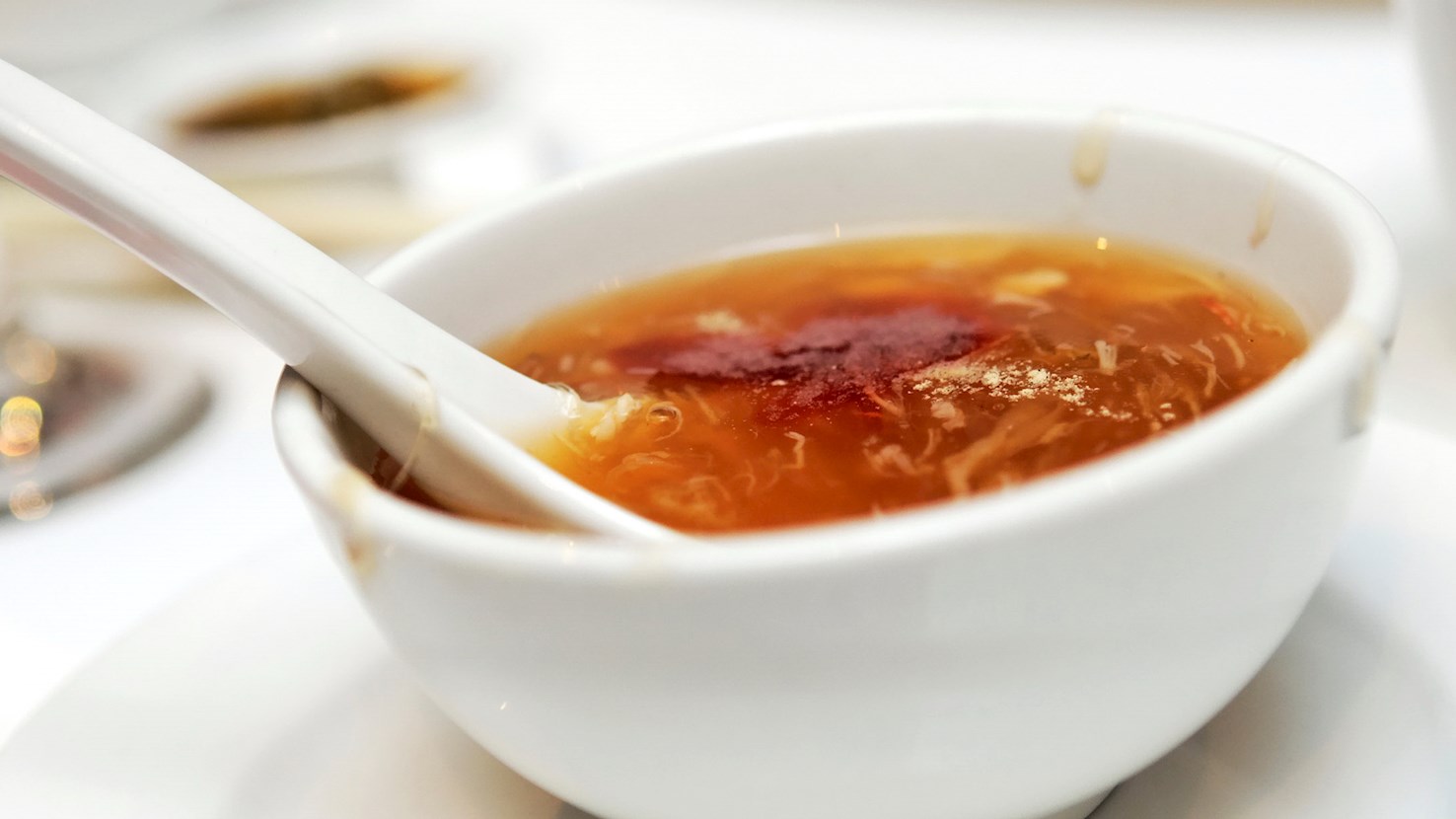
Shark fin soup is a controversial soup with Chinese origins, made with shark fins and flavored with chicken or another type of stock. Shark fin is slightly neutral in flavor, and is used in the dish to add texture. It is believed that the first shark fin soup was invented by an emperor during the time of the Sung Dynasty who wanted to show off his power, wealth, and generosity to his guests. Because of that, preparing and serving this expensive dish is now considered a sign of respect. Today, the soup is a part of the Big 4, dishes that represent health and prosperity in Chinese culture, which are usually reserved for special occasions, the other three being abalone, sea cucumber, and fish maw. Shark fin soup is also a status symbol, with bowls of it ranging from $5 to $2,000, depending on the type of shark fin served in the soup. However, due to the shark finning process and the inhumane treatment of sharks which are finned alive and left in the ocean unable to swim or survive, shark fin soup is considered one of the major threats to the world's shark populations, and some organizations are still actively discouraging the consumption of this flavorful, yet controversial Chinese delicacy.
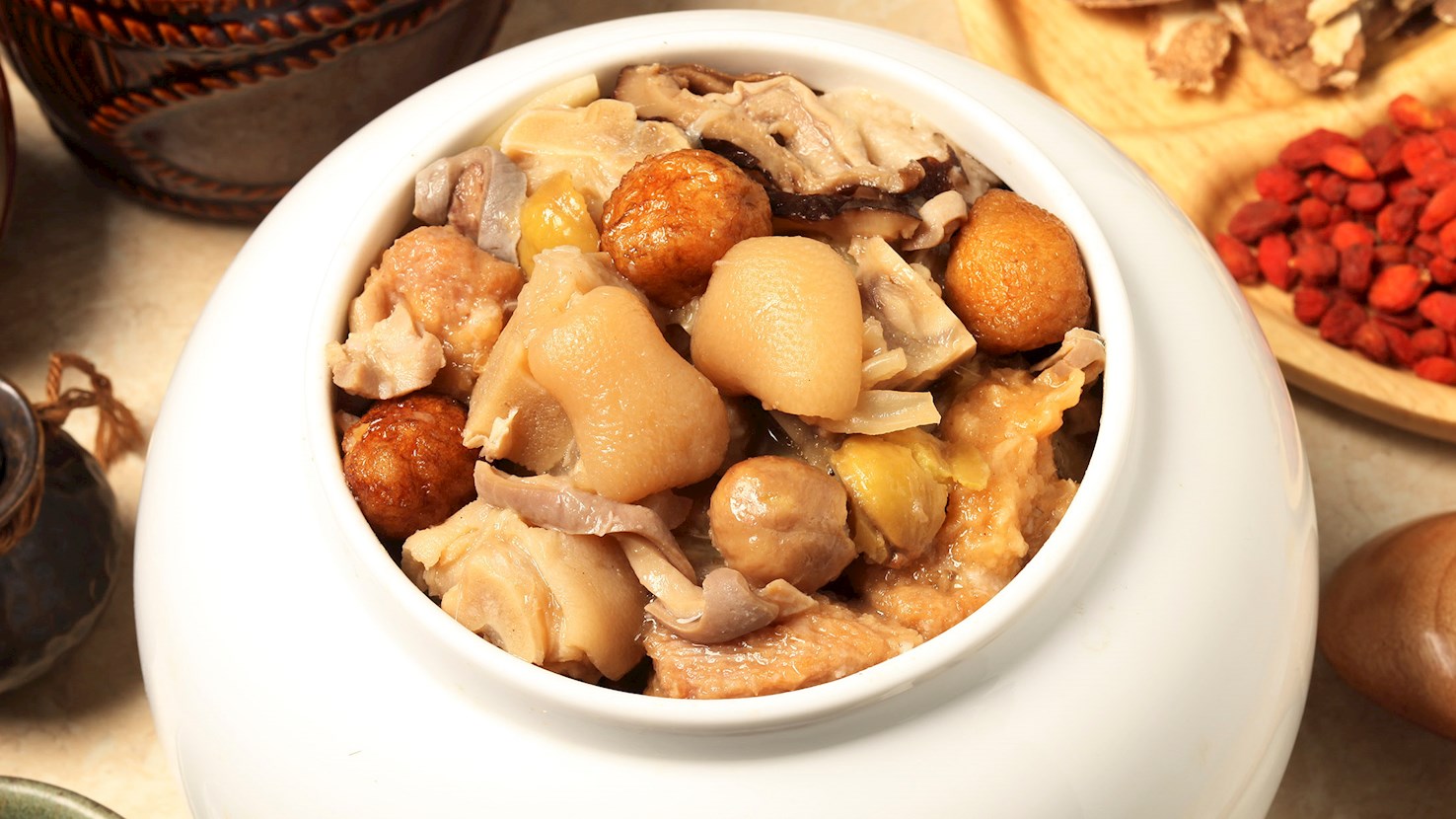
Fó tiào qiáng, or Buddha jumps over the wall, is a complex soup and stew from the Fujian region made by simmering numerous high-end animal products and vegetables in a clay wine jar. The extensive cooking process takes one to two full days and involves layering up to thirty main ingredients. A typical pot contains quail eggs, bamboo shoots, scallops, sea cucumber, abalone, shark fin, fish maw, chicken, Jinhua ham, pork tendon, ginseng, mushrooms, and taro. People place these ingredients into a large clay jar previously used for holding Shaoxing wine. Adding broth and extra Shaoxing wine creates the liquid base. A large lotus leaf tightly seals the mouth of the jar, trapping the steam and flavors inside as the stew simmers over low heat. Historical accounts trace the origin of the meal to the Qing Dynasty around 1876 in the city of Fuzhou. A local official hosted a banquet for a government superior named Zhou Lian. The official's wife prepared a rich meat and seafood stew in an empty wine jar, naming it Full of Blessing and Longevity. Zhou Lian praised the aroma and flavor of the meal. Zhou Lian ordered his personal chef, Zheng Chunfa, to learn how to make it. Zheng Chunfa modified the mixture by adding more seafood and less meat to lighten the heavy fat content. Zheng Chunfa later opened the Ju Chun Yuan restaurant in Fuzhou and put the stew on his menu. The name of the meal changed after a group of poets visited the restaurant. One poet wrote that the smell emerging from the opened jar was so irresistible that a vegetarian Buddhist monk would jump over a monastery wall to taste the meat. The name Buddha jumps over the wall became the permanent title. Modern environmental and ethical concerns have changed how people consume the meal today. Many restaurants substitute imitation shark fin and farmed abalone to replace the original controversial ingredients. Because of the vast amount of costly meats and prolonged heating time, the soup is an exceptionally expensive luxury item.
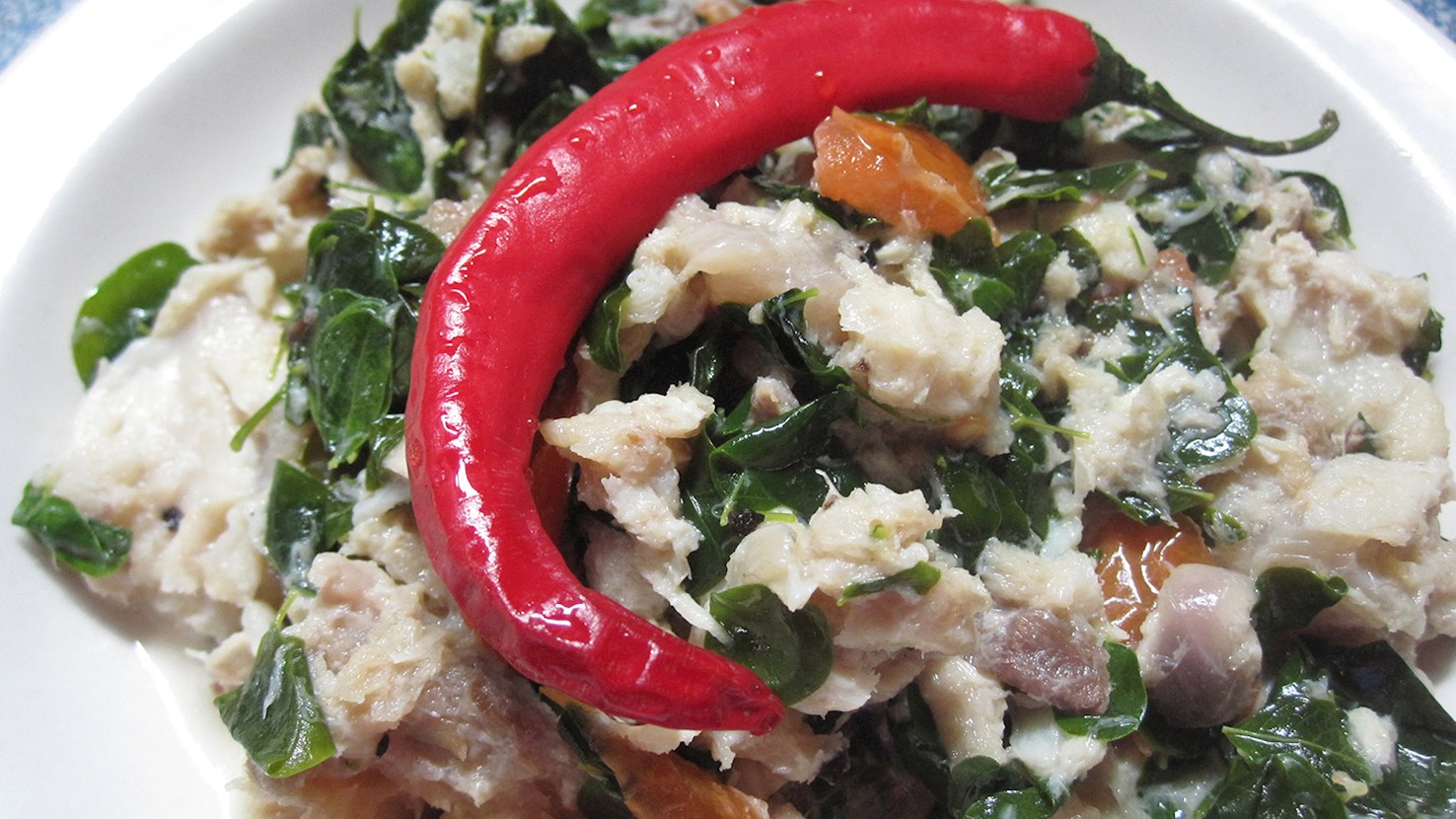
Kinunot is a traditional dish originating from the Bicol province. The dish is made with a combination of fish (usually stingray or shark), coconut milk and cream, onions, garlic, malunggay (moringa) leaves, ginger, vinegar, hot chili peppers, and fish sauce. The fish is flaked and mixed with the other ingredients which are then cooked in coconut cream sauce with spices. Kinunot is very popular in Bicol because chili peppers, coconuts, and seafood are abundant in the area. It's often served with steamed white rice on the side. The name of the dish is a Bicolano term for flaking (the fish, in this case).
Caldillo de pintarroja is a traditional seafood soup originating from Malaga. It's usually made with a combination of dogfish, garlic, bread, almonds, clams, hot peppers, tomatoes, mint, lemon juice, saffron, wine, olive oil, and salt. The almonds, bread, and garlic are fried until golden, then mixed with cooked and peeled tomatoes, hot peppers, and wine. The fish is boiled separately, and it's then mixed with the rest of the ingredients and saffron. The soup is simmered shortly, and if it becomes too spicy, it's recommended to add a little lemon juice to the pot. Caldillo de pintarroja is especially popular during winter. Originally, it was made in bars for fishermen as a way to sell more beer and wine due to its spiciness.
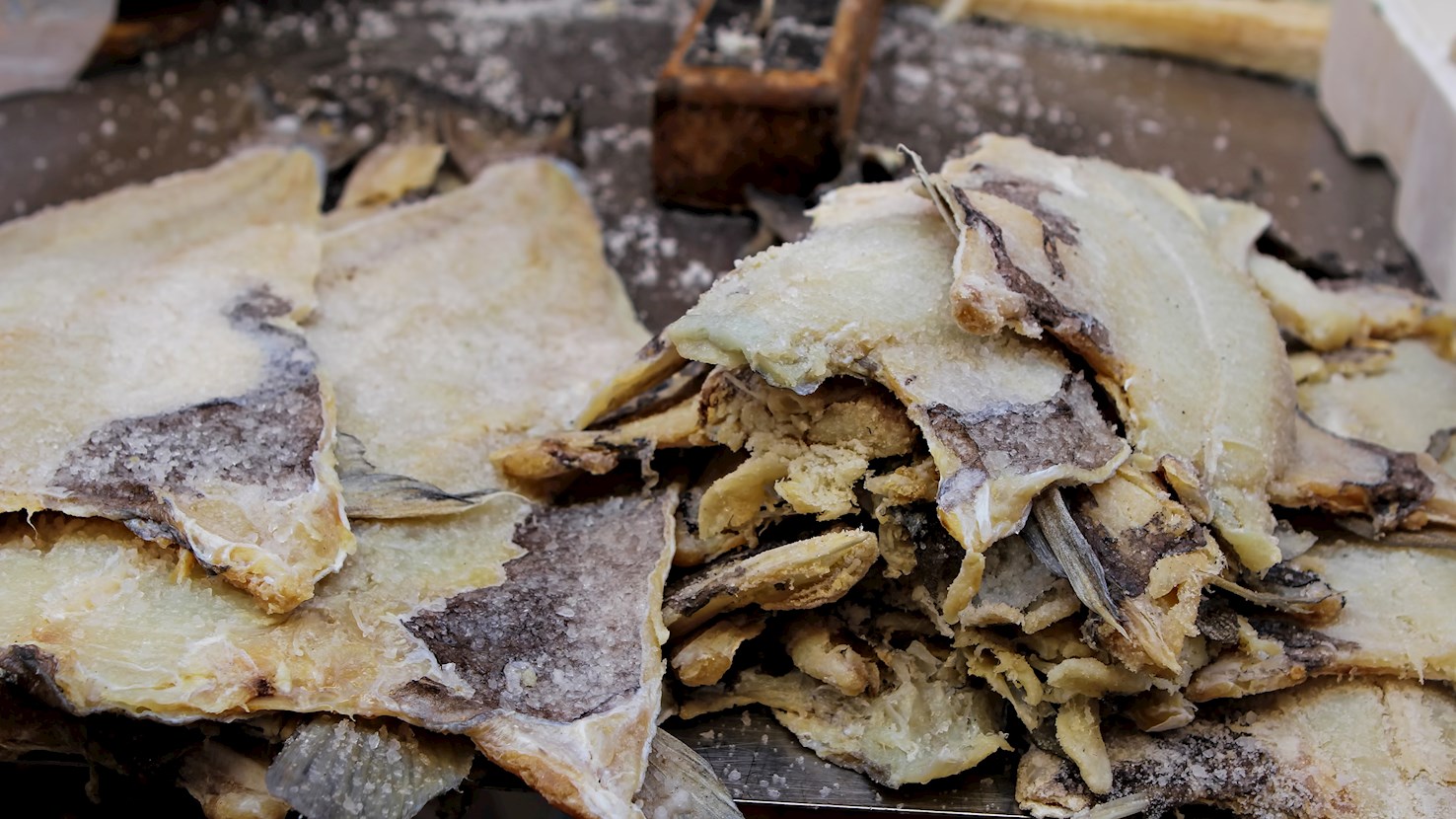
Due to the abundance of fish in the waters around the Canary Islands, fish specialties have always been a prominent feature of the islands’ cuisine, with dried fish (called pescado seco in Spanish) being one of them. The fish are prepared according to age-old traditional methods of preserving fish that have been handed down through generations and allowed the fish to keep well for long periods in the pre-refrigeration era. Pescado seco is typically made by cleaning, cutting, salting, and then drying the fish outside in the sun and wind, and it usually includes two traditional fish specialties, namely the jareas and the tollos. The first one typically uses smaller fish such as parrotfish or wreckfish, which are cut open, salted, and then allowed to dry in the sun for about four days, during which the fish acquire a distinctive, rich flavor and firm flesh. Typical of Fuerteventura and Lanzarote, the jareas are often roasted. The latter specialty, on the other hand, is made by salting and drying strips of a dogfish or shark, which are then usually cooked and served in a sauce. Dried fish specialties are a staple item at numerous restaurants and are also commonly prepared at home, and they are often accompanied by a type of sauce called mojo.
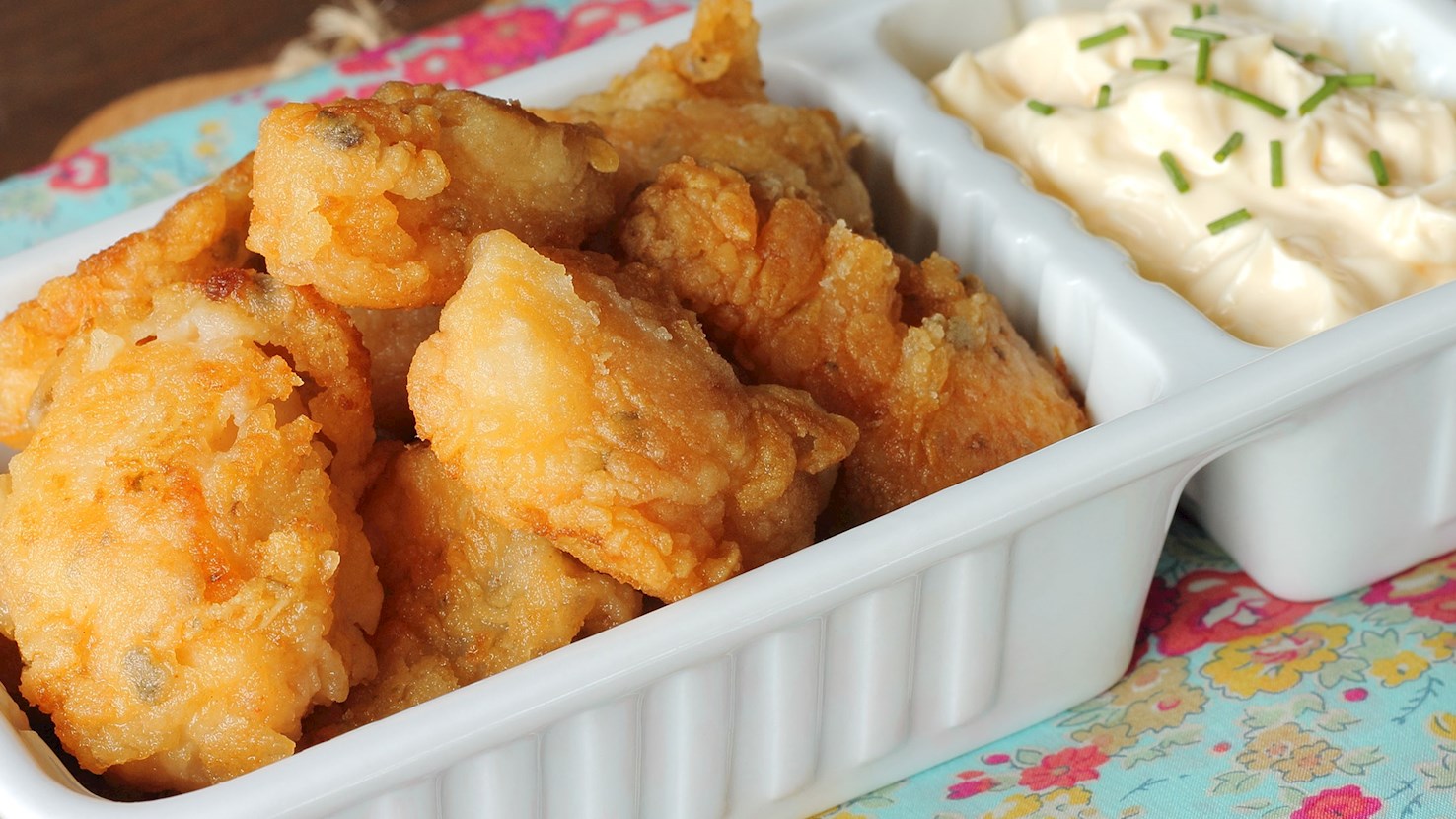
Cazón en adobo is a fried fish dish, strongly linked with Cádiz and also common across coastal Andalucía, made with pieces of cazón, a type of small shark often translated as dogfish, that are marinated in vinegar, garlic, paprika, cumin, oregano, salt, and sometimes bay leaf before being floured and fried. In Cádiz, it is also widely known as bienmesabe, a name used in local bars and freidurías for the same style of marinated fried fish. Its place in Andalusian food makes sense when seen through the region’s fishing ports, vinegar production, use of spices, and long-established frying culture. Cádiz, San Fernando, El Puerto de Santa María, Sanlúcar, and nearby coastal towns developed many ways to handle fish that were affordable, readily available, and suitable for quick service in bars and fish fry shops. Adobo was useful because it seasoned the fish deeply, helped firm the flesh, and softened the stronger smell that shark species can have if not handled properly. The typical recipe begins by cutting cleaned cazón into bite-sized cubes or thick pieces, with skin and tough parts removed. A marinade is made by crushing garlic with salt, then mixing it with oregano, cumin, paprika, vinegar, and water; sherry vinegar is often used because it naturally comes from the Cádiz area, though white wine vinegar also appears in many home recipes. The fish is covered with this mixture and left to rest for several hours, often from 6 hours to overnight, depending on the desired strength. After marinating, the pieces are drained well so the coating does not turn heavy, then passed through flour, commonly wheat flour or a frying flour used for fish. Some cooks use chickpea flour or mix it with wheat flour for a drier, crisper finish. The fish is fried in hot oil, usually olive oil or a neutral frying oil, until the outside turns golden and the inside stays moist. A good cazón en adobo should not be soggy, pale, or overly floury; the coating should be light enough to show that the fish is the main ingredient, while the marinade should be clear in flavor without becoming harsh. Because cazón has firm, boneless flesh when cut into cubes, it is easy to serve in small portions and practical to eat with toothpicks, which helps explain its strong presence in bars. It is usually served hot, often in paper cones, small plates, or shared raciones, sometimes with lemon on the side, though many people eat it without lemon so the marinade stays in focus. Cazón en adobo is eaten in freidurías, tapas bars, seafood restaurants, beach chiringuitos, markets, fairs, and casual family meals, especially in Cádiz province and other parts of Andalucía. It works well as a tapa before lunch, as part of a mixed fried-fish plate, or as a shared dish with bread. Suitable pairings include cold beer, fino, manzanilla, dry white wine, vermouth, sparkling water, or a light non-sweet lemonade. On the plate, it pairs well with tomato salad, roasted peppers, olives, patatas aliñadas, gazpacho, salmorejo, fried potatoes, ensaladilla rusa, boquerones, calamares, puntillitas, and crusty bread.
Puddini koose is a fish-based dish from the coastal regions of the Indian Ocean and Persian Gulf, particularly found in southern Iran and parts of the Persian Gulf littoral, where seafood has long been integral to everyday cooking. It is made using shark meat (or other firm saltwater fish), tomato paste, onions, garlic, turmeric, and often vegetables. Over generations, coastal households adapted inland spice traditions to fish available nearby, and puddini koose emerged as a way to take robust fish varieties and convert them into a dish that would stand up to long cooking and strong flavors. In communities where preserving fish was also important, these types of recipes allowed flavors to carry over and made the dish suited for communal meals and family tables. To prepare puddini koose, shark or firm fish is cut into chunks and marinated with turmeric, salt, and sometimes garlic and onion. Separately, a sauce is made by frying onions, garlic, and tomato paste in oil until aromatic and slightly reduced. Turmeric, chili, and other regional spices are added, and water is poured in to form a simmering sauce. The fish pieces are then added carefully and cooked gently until they absorb the flavors, and vegetables, such as eggplant, okra, or bell peppers, may be included to contribute texture and body. The sauce is allowed to reduce so it thickens around the fish. Puddini koose is eaten along the coasts it comes from, typically as a main course with plain rice or flatbreads to soak up the sauce. It is often served in homes and sometimes in local seafood restaurants. Pairings include fresh lemon or lime slices to brighten the flavor, simple salads or pickles to contrast richness, and sometimes rice pilafs or plain steamed rice to keep the focus on the fish and sauce.
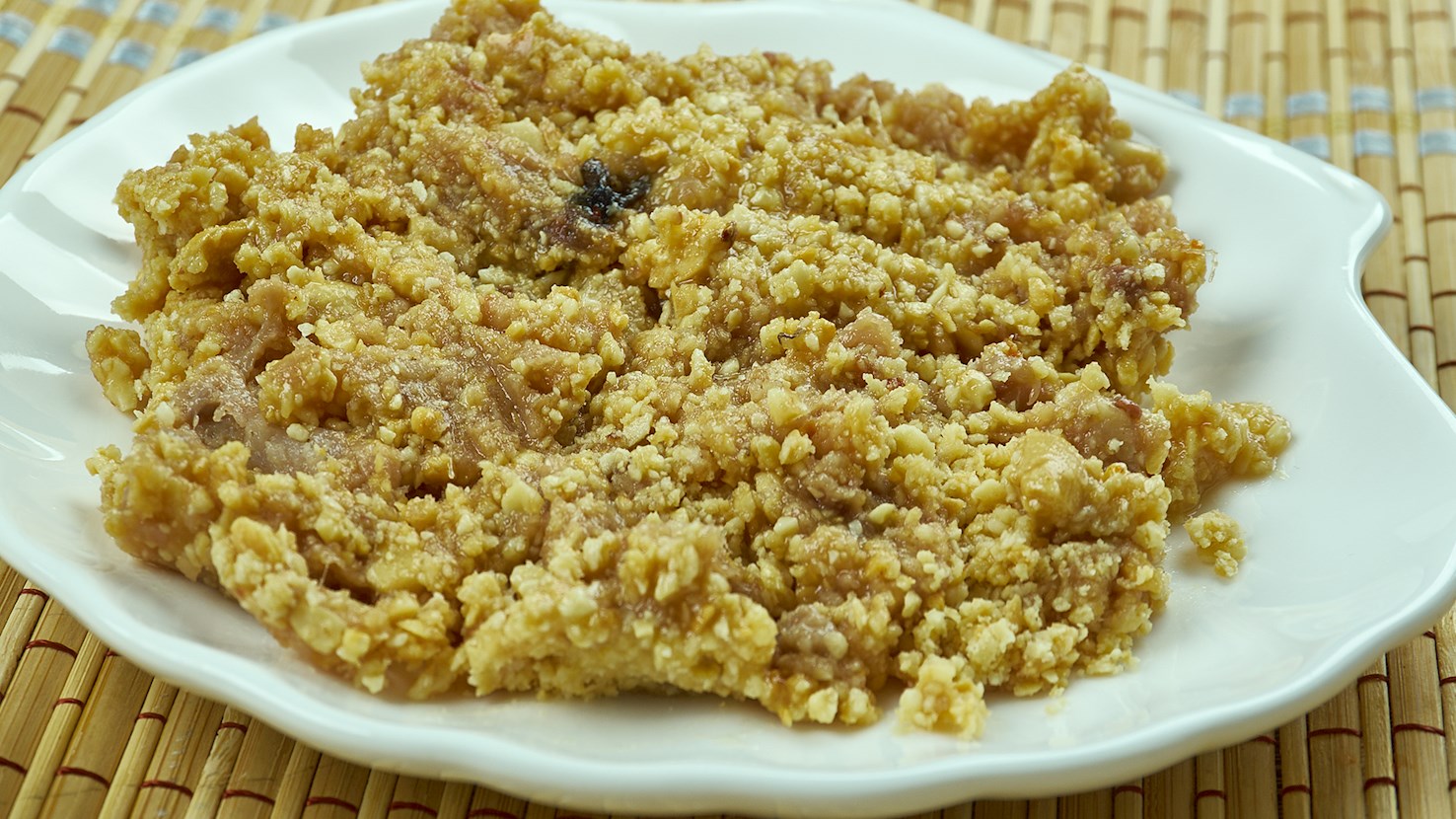
Boiled and mashed shark meat, lime juice, bilimbi fruit, and fried onions are combined with a variety of spices (including turmeric) to create a local delicacy known as chatini requin or satini rekin. The shark chutney is usually served cold, garnished with chives, and accompanied by shredded green papaya, rice, and lentils. It is typically used as a side to various dishes or even as a filling for samosas. Rather salty and with a typical fishy flavor, this Seychellois chutney can often be bought from Creole takeaways.
TasteAtlas food rankings are based on the ratings of the TasteAtlas audience, with a series of mechanisms that recognize real users and that ignore bot,
nationalist or local patriotic ratings, and give additional value to the ratings of users that the system recognizes as knowledgeable.
For the “10 Best Rated Dishes with Shark” list until September 17, 2026, 1,037,818 ratings were recorded, of which 688,105 were recognized by the system as legitimate.
TasteAtlas Rankings should not be seen as the final global conclusion about food. Their purpose is to promote excellent local foods,
instill pride in traditional dishes, and arouse curiosity about dishes you haven’t tried.









What People Say