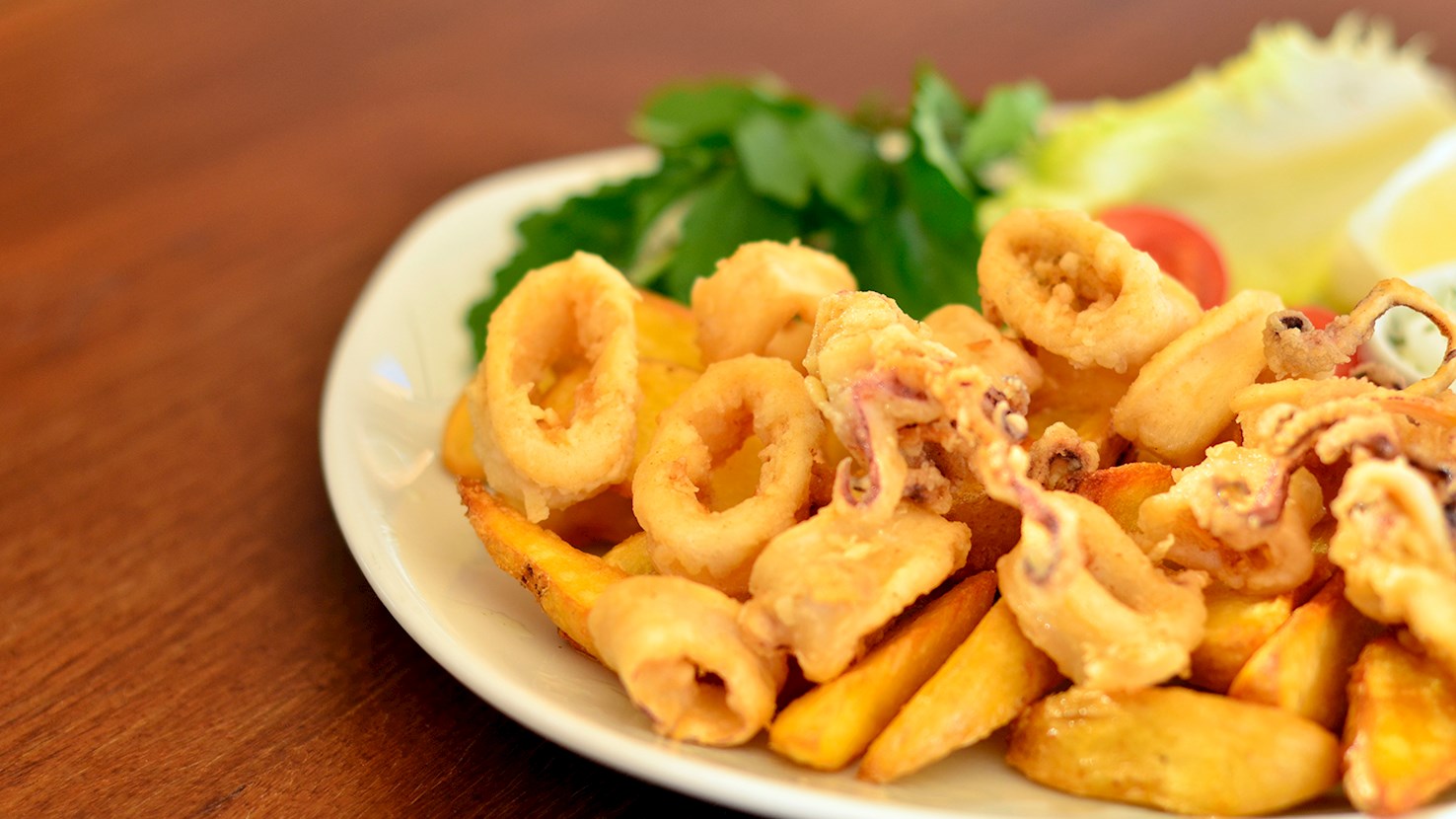
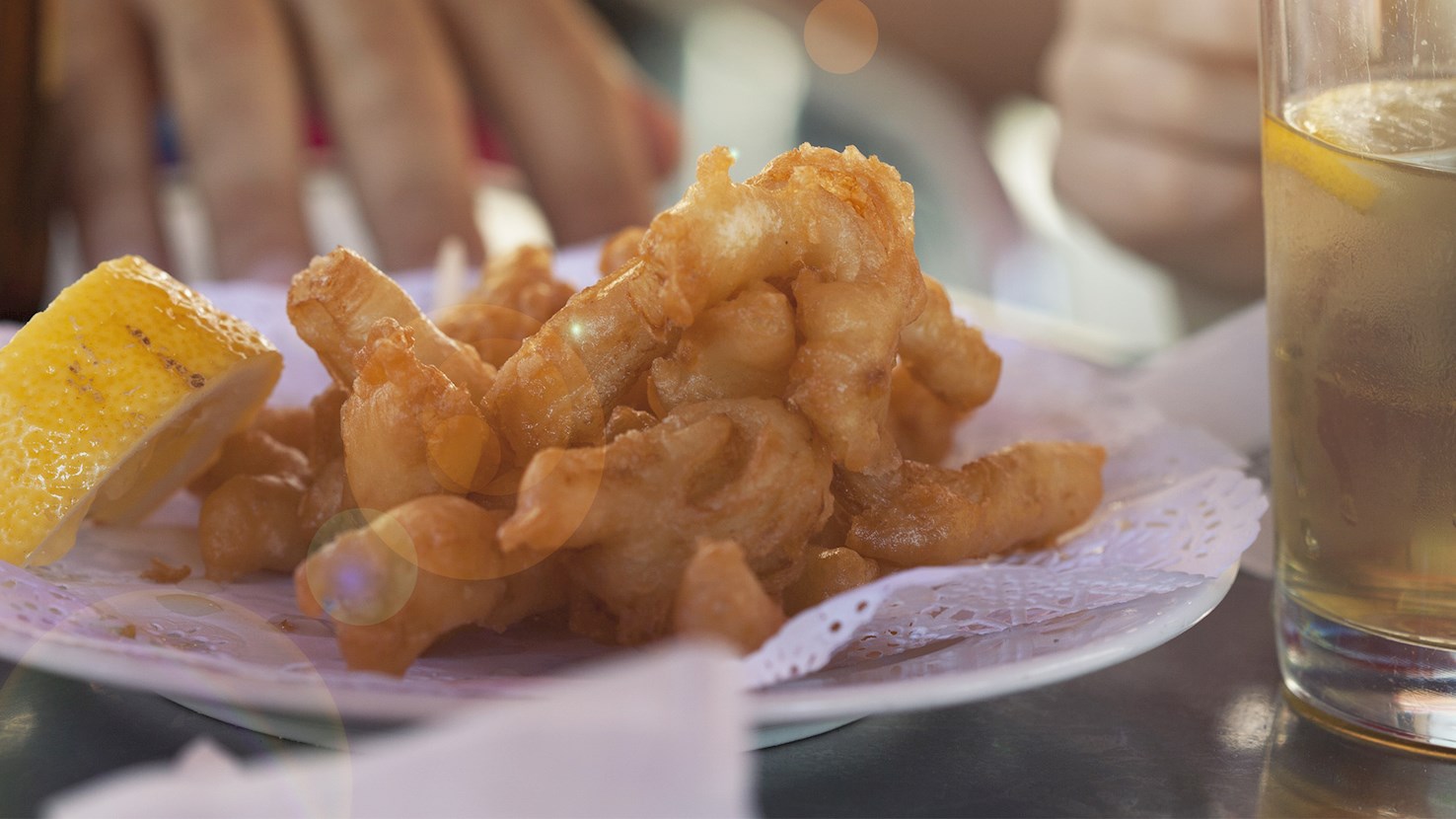
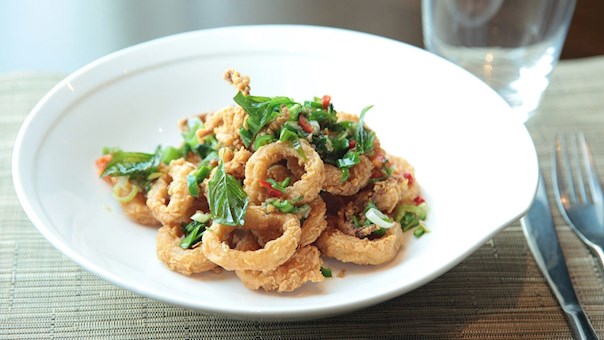
Kalamar tava is a traditional dish that's usually served as a meze. The dish consists of cleaned squid that's cut into thick rings, soaked in milk, then dipped in a batter of flour, baking soda, and salt before it's fried in hot oil. The squid rings can be flavored with herbs or pepper flakes, if desired. Once fried, the rings are typically served with a Turkish tartar-like sauce on the side for dipping, along with a few lemon wedges.
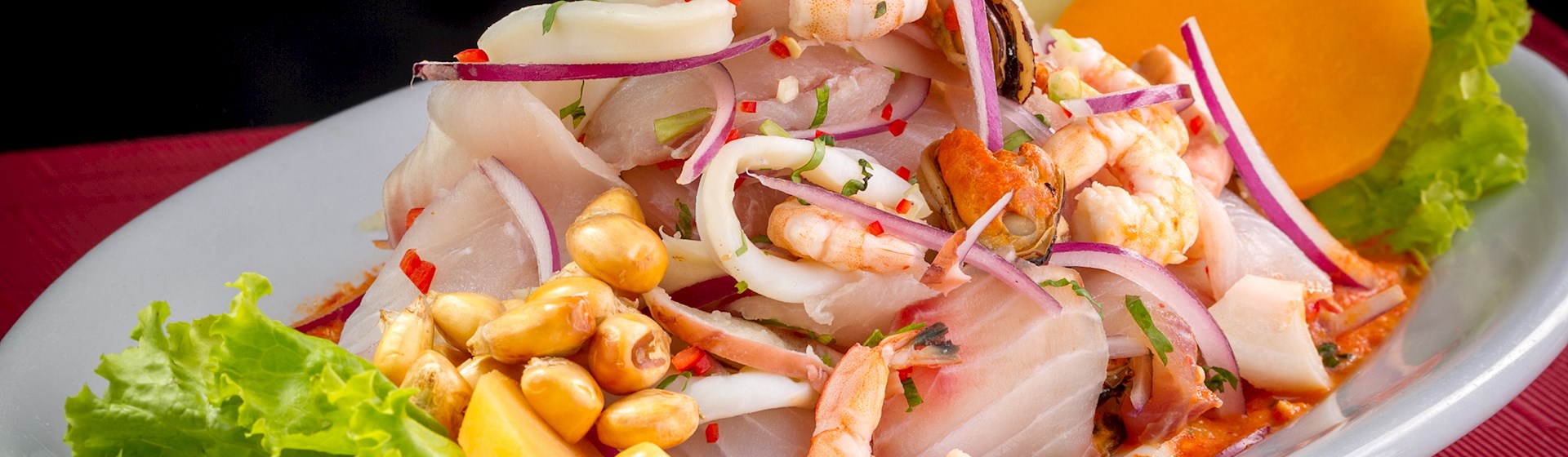
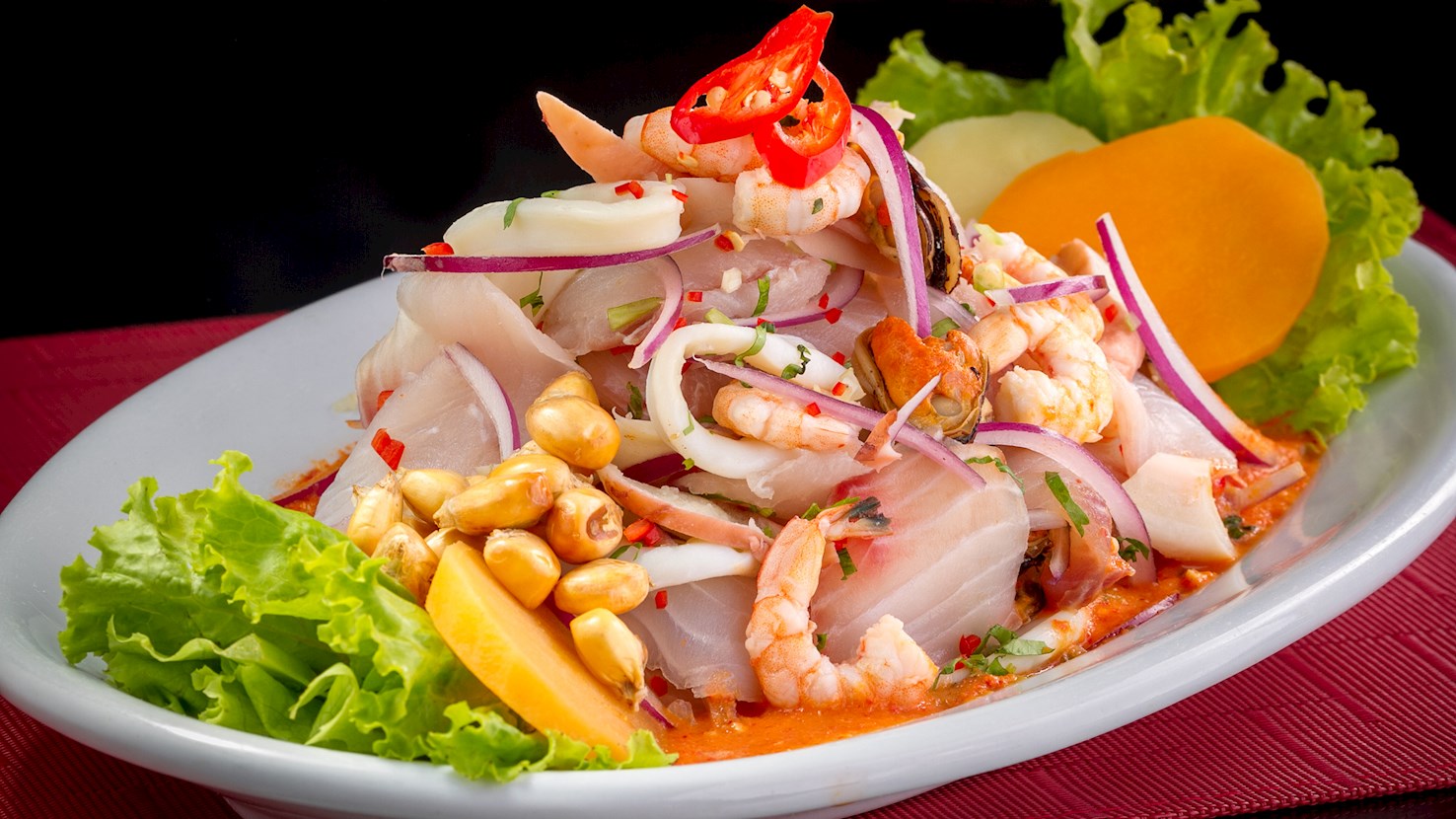
Ceviche mixto is a classic Peruvian appetizer that differentiates itself from other types of ceviche by the addition of various seafood ingredients to regularly used fish. Those include shrimp, squid, octopus, clams, or scallops. A few mussels or small crabs are sometimes also added to the dish. The seafood is typically marinated in lime juice, onions, garlic, celery, coriander, hot chili peppers, and salt. Ceviche mixto is often served with glazed sweet potatoes and Peruvian corn.
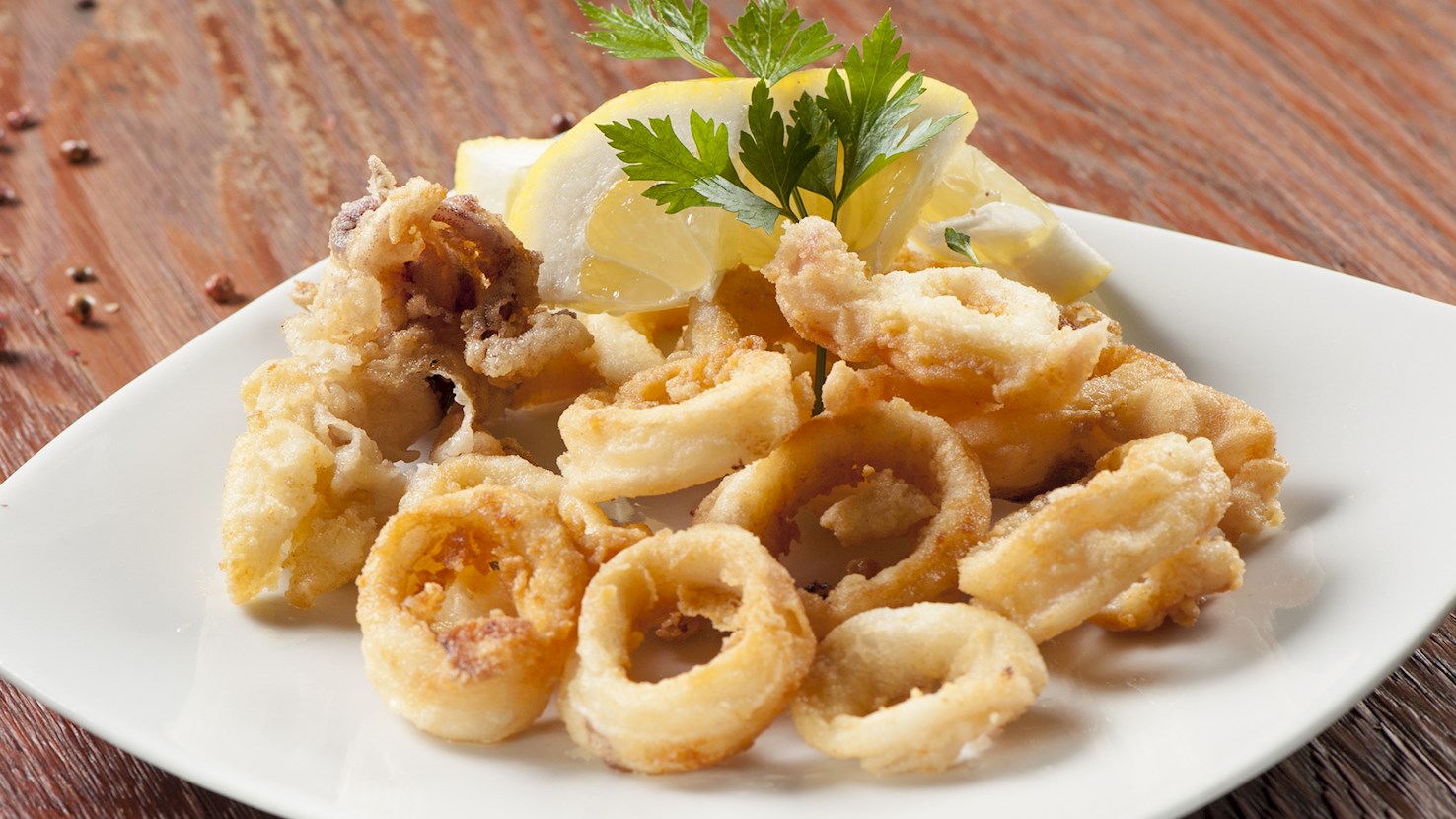
This classic Greek dish consists of squid rings and tentacles that are seasoned, dredged in flour, and fried until crispy and golden brown. Fried calamari is a restaurant staple, typically enjoyed as an appetizer or a meze dish. It is usually complemented by lemon wedges and garnished with freshly chopped parsley.
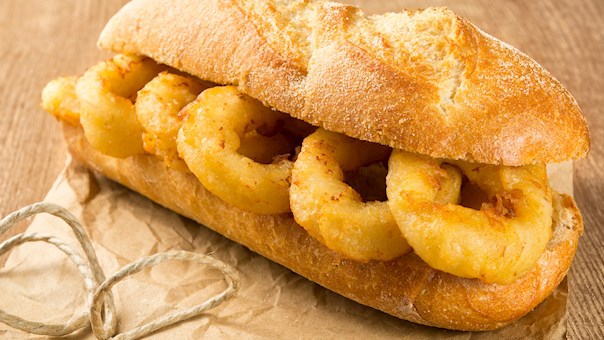
Rabas or fried squid is the quintessential seafood tapa of the Cantabrian coast. Made with sliced squid strips or rings that are lightly battered or breaded before they are fried to crispy perfection, this dish is best savored when lightly seasoned with salt and with an optional drizzle of fresh lemon juice. There are numerous variations on the dish depending on the species of squid, the type of flour, or the oil used in the preparation, as well as the preferred version of cutting the squid (strips, rings, or other shapes). The best rabas are, nevertheless, those made with fresh squid, defined by a firm consistency, thin coating, tender bite, and natural seawater flavor. This Spanish appetizer pairs well with a glass of dry white wine or a cold beer and is available in almost any bar and restaurant throughout the region.
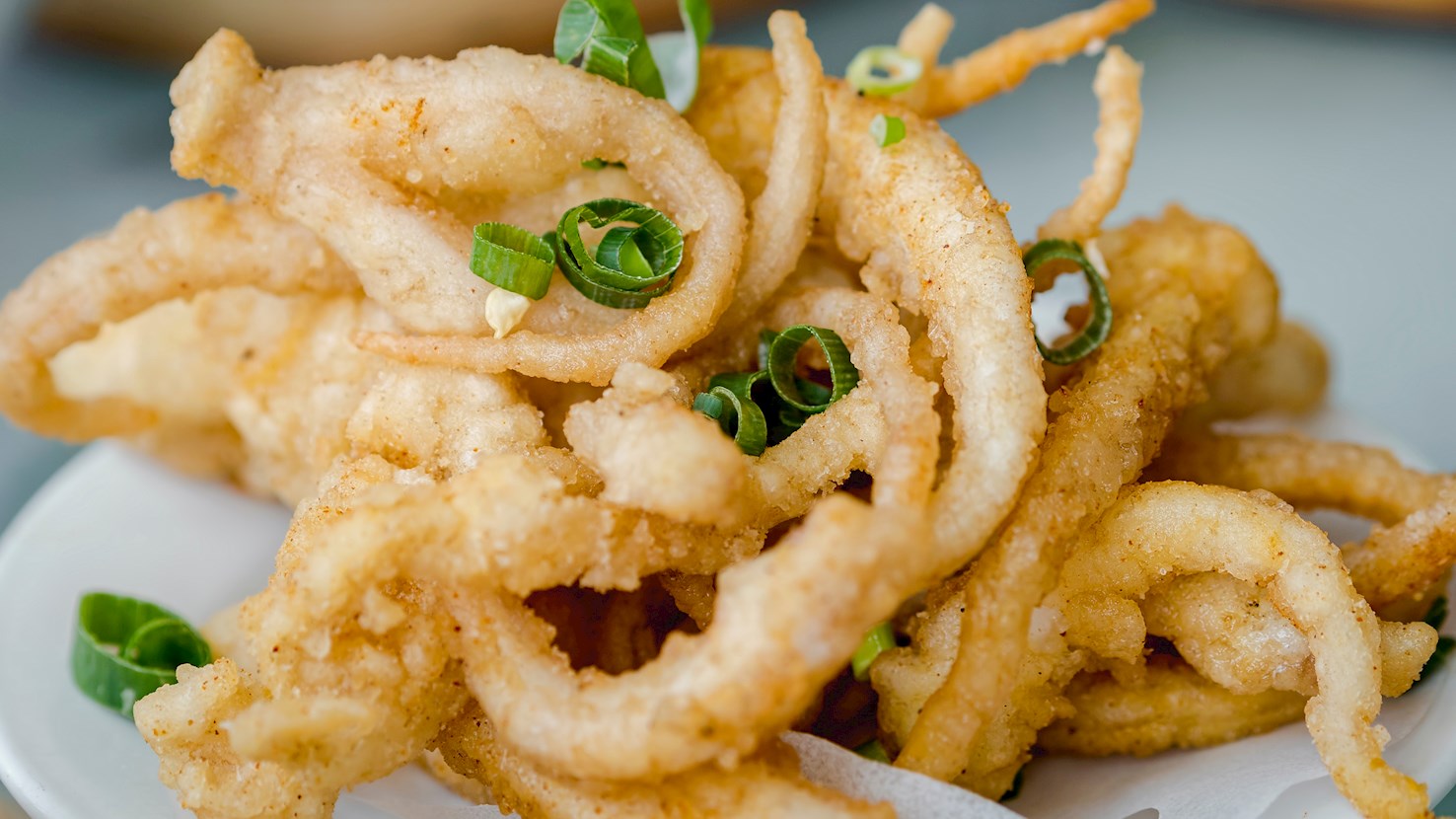
Jiao yan you yu or salt-and-pepper squid is a traditional dish originating from Guangzhou. This Cantonese dish is usually made with a combination of squid, potato flour, scallions, Shaoxing wine, garlic, oil, hot peppers, Sichuan pepper or white pepper, and salt. The surface of the squid is cross-hatched and the body is cut into bite-sized pieces. It's mixed with Shaoxing wine, drained, dredged in flour, and deep-fried in hot oil until lightly golden. The squid is removed from the pan. The garlic, scallions, and hot peppers are stir-fried in the same oil, and the squid is placed back into the pan with a mixture of Sichuan pepper and salt. The dish is stir-fried a bit more, tossed, and served hot as an appetizer or a main course.
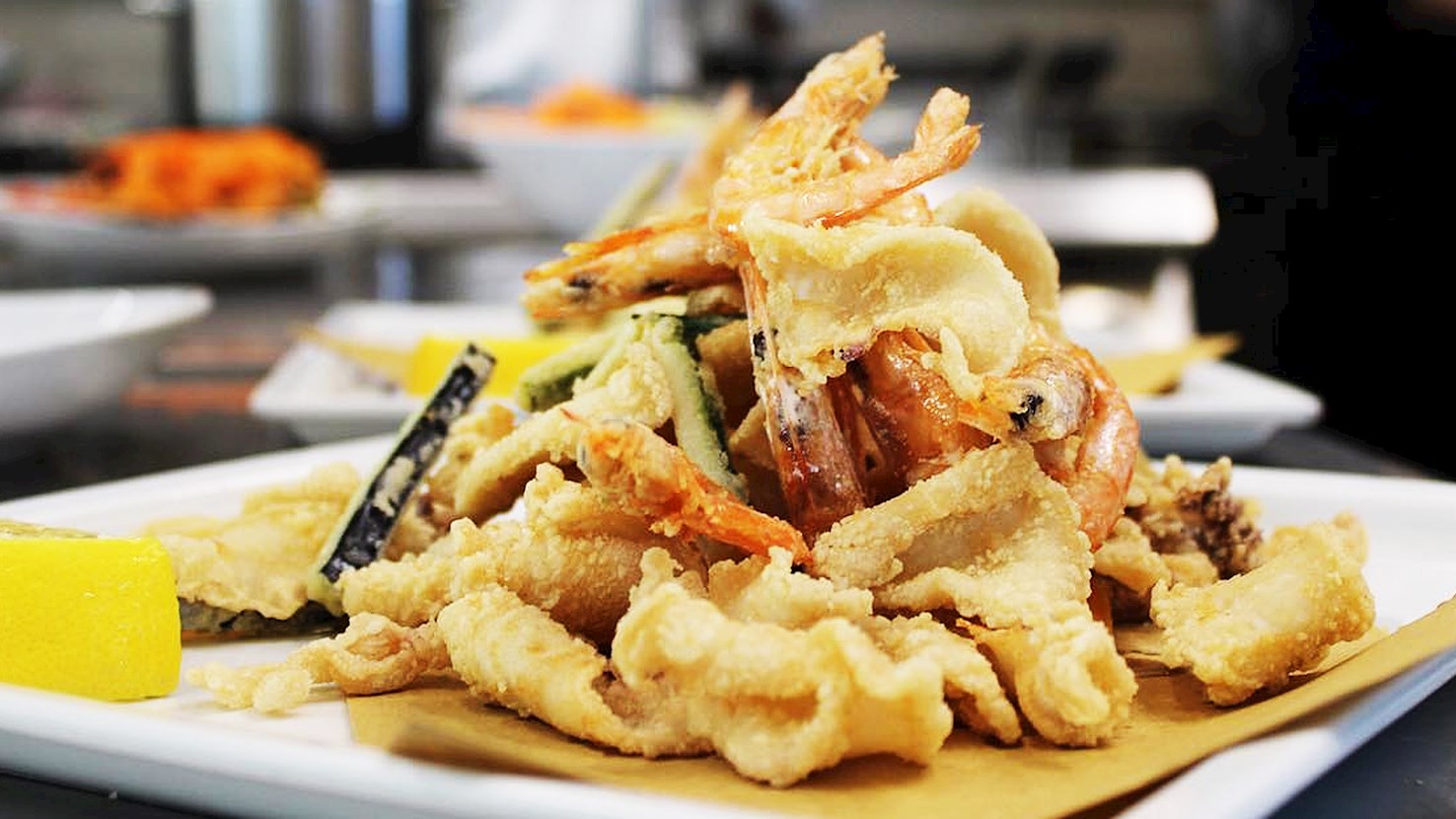
Fritto misto is one of those dishes that differs widely across the country. Along the Italian seaside, it will always include crustaceans and mollusks, typically shrimp and squid, and often paranza, which is a collective name for very small whole fish such as fresh anchovies, sardines, baby mackerel, or mullet. In northern parts of the country, particularly in Piedmont, fritto misto is mostly made with vegetables and, depending on the season, includes semolina, veal brain, brochettes of cheese and prosciutto, sometimes even apples and amaretti biscuits. In the Marche region, every frittura mista includes the famous olive ascolane, green olives stuffed with finely minced meat, often accompanied by fried semolina, squash blossoms and lamb chops; while in the Neapolitan area fritto misto is prepared with no fish other than a few anchovies, crumbed fried mozzarella, and various seasonal vegetables such as cauliflower and artichokes in winter, eggplant and zucchini in summer. Moreover, the Naples-style frittura will sometimes also include sweetbreads, brains and liver with some vegetables and local specialties such as the deep-fried ravioli called panzarotti and Sicilian arancini, fried rice balls. The fritto misto alla Fiorentina contains no fish or fruit, but lambs' brains, crumbed lamb cutlets, rabbit legs, batter-dipped and deep-fried cauliflower florets, whole artichokes, zucchini batons, chicken thighs, and animelle or sweetbreads instead of the aforementioned ingredients. Also depending on the region, fritto misto is sometimes batter-fried, but the simplest method of preparing it is lightly coating the food in flour and quickly deep-frying it in hot oil until it forms a nice golden brown crust.
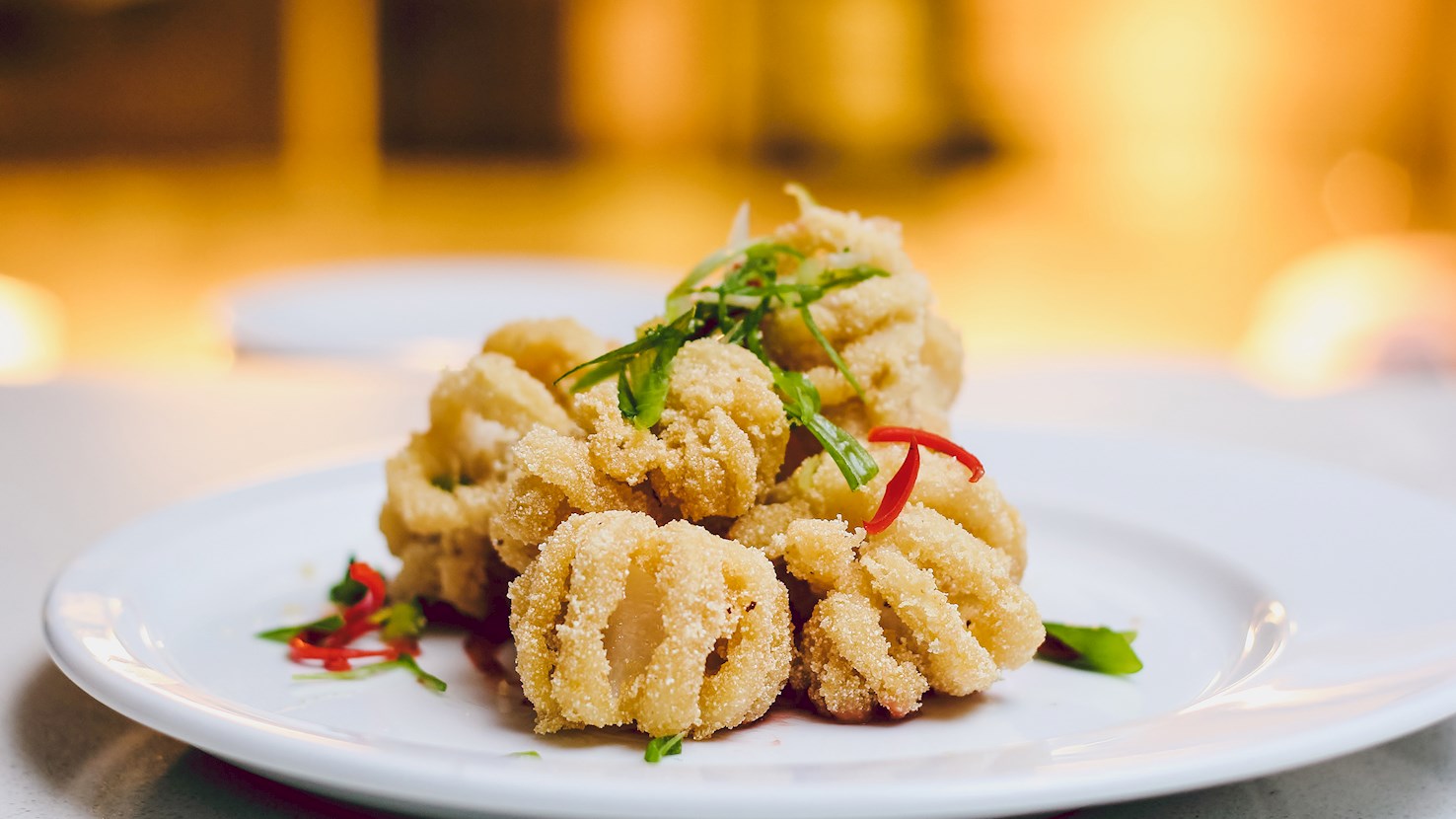
Salt and pepper calamari is a Chinese cuisine-inspired dish that’s so popular in Australia it might even be called one of Australia’s national dishes. The calamari, or squid in some cases, is covered in salt-and-pepper batter, then deep-fried to crispy perfection. The dish is often prepared and served as a bar or pub snack, and it often comes garnished with garlic, fried chili, and spring onions. Salt and pepper calamari is so widely available in the country that it can be found everywhere from cafés to pubs, restaurants, and bistros. The only thing that’s important is that the seafood should be fresh, and the seafood to batter ratio should be similar in size and coating.
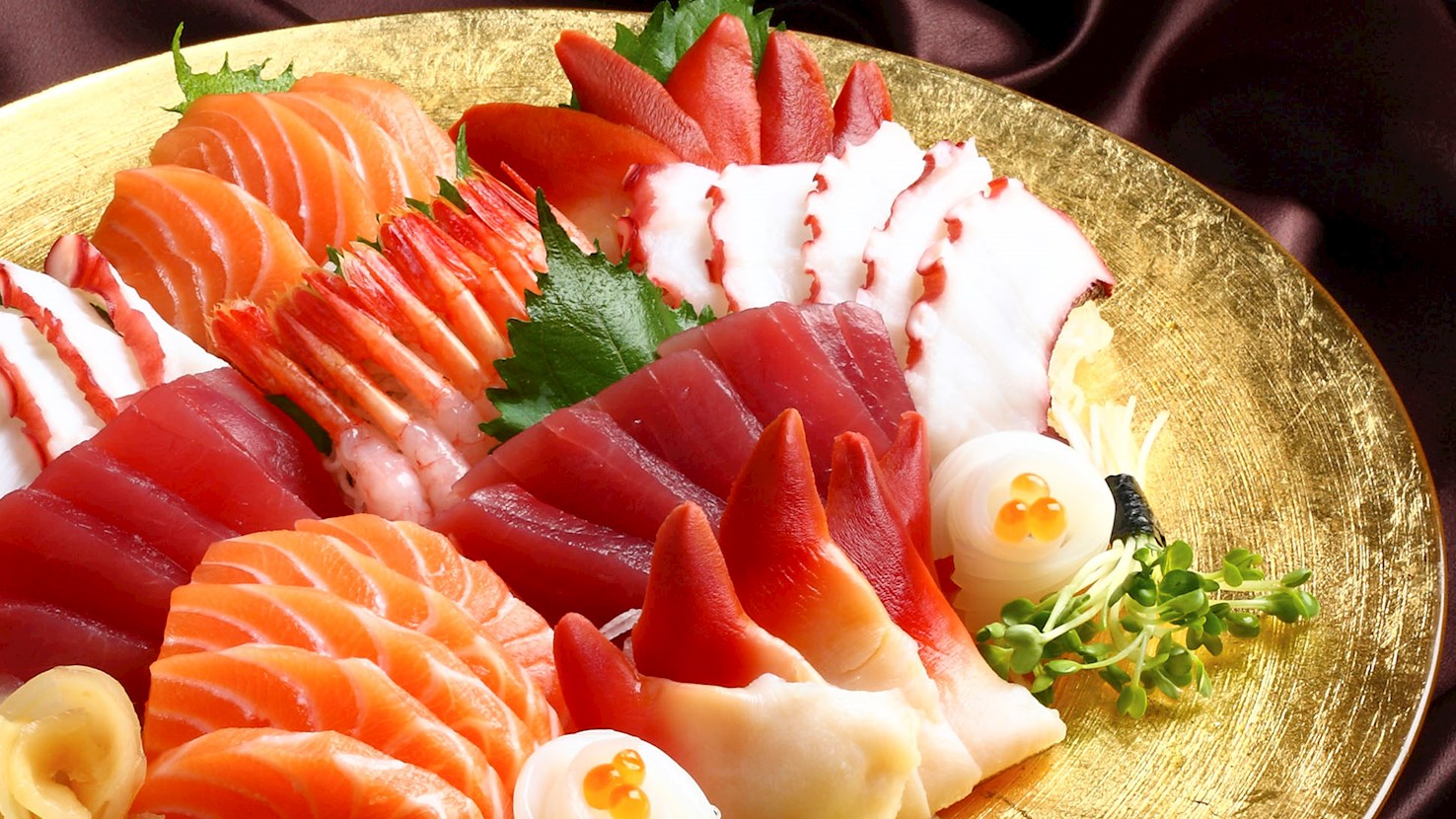
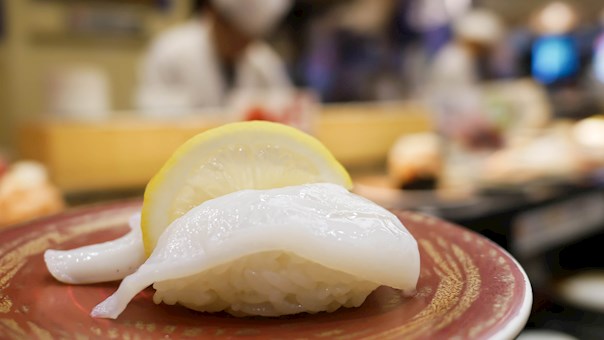
Sashimi is a culinary preparation consisting of fresh, raw seafood or meat sliced into precise, bite-sized pieces and served without heat. Historical records trace the origins of eating raw sliced fish to the Muromachi period, between 1336 and 1573, when people began consuming it with a mixture of vinegar and salt. The term itself translates to "pierced body" and originates from the words "sashi," meaning "pierced,," and "mi," meaning "body." Historians attribute this specific terminology to two distinct practices of the era. Fishmongers often pierced the severed head and tail of the fish, then attached them to the fillets to help buyers identify the species. Additionally, the samurai class dominated the social hierarchy at the time, and the word "kiru," meaning to cut, carried strict associations with swords and combat. People adopted the word "sashi" to politely avoid referencing violence at the dining table. A chef slicing the seafood uses a long, single-edged knife called a yanagiba to execute continuous, fluid strokes. Pulling the blade through the flesh in one motion cleanly severs the muscle fibers. A clean cut prevents the cellular structure from being crushed, which helps maintain a firm texture and traps natural moisture inside the meat. Different fish species require different geometric cuts. Hira-zukuri is a thick, rectangular cut used for firm fish such as bluefin tuna or salmon. Usu-zukuri is a paper-thin, diagonal slice used for white fish like flounder, making the flesh translucent enough to see the plate beneath. Ito-zukuri turns softer ingredients like squid into fine, thread-like strips. Bluefin tuna, known as maguro, offers a deep ruby color and a graduated fat content depending on the cut. Yellowtail, or hamachi, provides a buttery, rich bite, while sea bream offers a leaner, snappier texture. A serving arrives with a shallow dish of soy sauce for dipping. A small portion of grated green wasabi root frequently accompanies the slices, adding a sharp, volatile heat that clears the palate. Grated ginger typically replaces wasabi when serving oily, strong-tasting fish like mackerel or sardines. Shredded white daikon radish and serrated green shiso leaves rest beneath the slices, providing an herbaceous contrast and an edible palate cleanser between different types of seafood. The entire process relies entirely on the pristine quality of the raw catch and the absolute precision of the knife work.
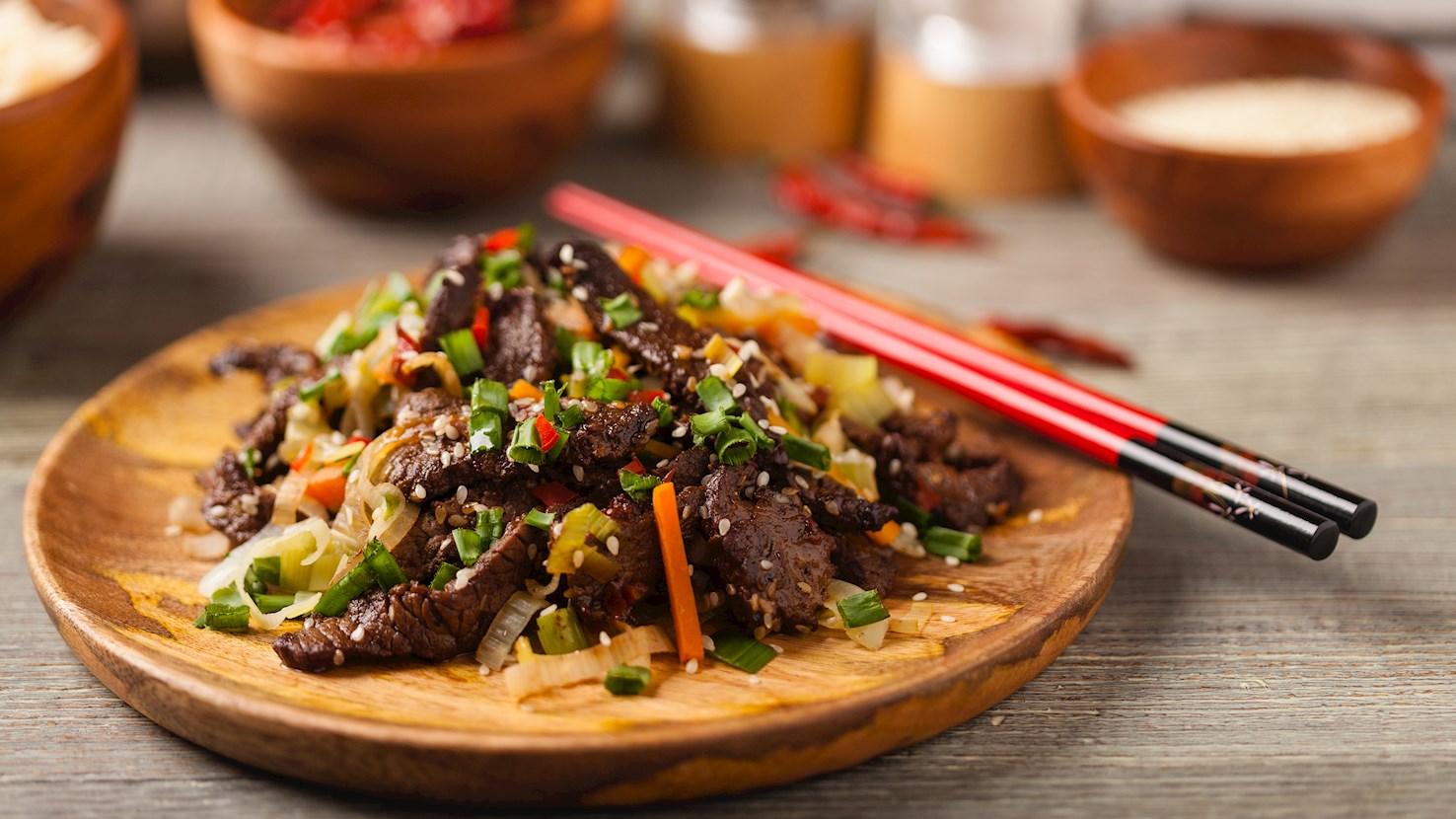
It's hard to say which is better: the succulent meat or spicy side dishes that define bulgogi, the Asian barbecue style in which thin slices of marinated meat are quickly cooked over high heat on top of a perforated, round metal plate that covers the grill's piping hot coals. The name of the dish stems from bool and kogi, Korean words denoting fire and meat. The earliest form of the dish originates from the Goguryeo period, when the meat was marinated before grilling, unlike the standard Chinese practice of seasoning the meat after it has been grilled. The marinade traditionally consists of honey, sesame, soy sauce, garlic, and scallions, while the alternatives for beef, chicken, and pork can be either tofu, shrimp, or squid. Typical for Korean food, the meat always comes to the table with a variety of accompaniments and side dishes such as rice, lettuce leaves, scallion pancakes, kimchi, and the omnipresent gochujang. What harissa is to Moroccan cuisine and what ketchup is to burgers and hot dogs in the USA, gochujang is to bulgogi, a fiery hot condiment made from dried chili peppers, soybean paste, and rice powder, all slowly fermented in huge clay pots, giving a pungent kick both to bulgogi, served at every Korean dinner party, and a variety of other meat and rice dishes.
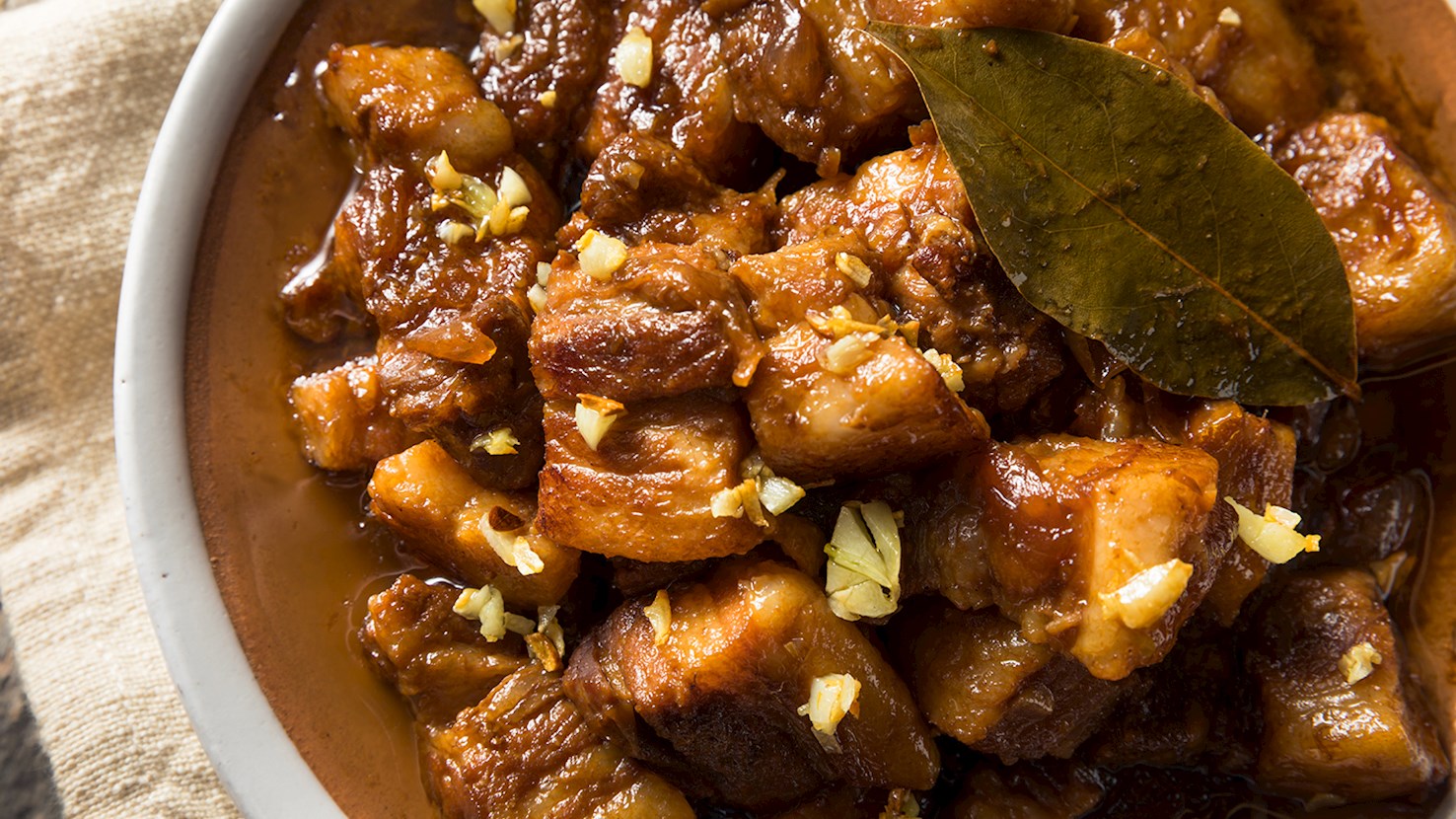
Adobo is the closest thing to a national dish in the Philippines, consisting of seared and browned chunks of meat, seafood, fruit, or vegetables mixed with white vinegar or soy sauce (or both), bay leaves, garlic, salt, sugar, oil, and black pepper. The combination of these ingredients is left to simmer over low heat, resulting in succulent, juicy, and tender ingredients covered in thick, rich, and savory sauce. Adobo got its name from the Spanish word adobar, meaning marinade or pickling sauce. In English, the word adobo translates to braised in vinegar. With its rise in popularity, it is no wonder that there are a number of varieties of the dish, so adobo can be made in spicy, mild, saucy, or dry versions. Additional ingredients can also be added, such as onions, ginger, lemongrass, chili peppers, and coconut milk. The most popular adobo dishes include local favorites such as chicken, beef, or pork adobo, white adobo, crispy adobo, squid adobo, and water spinach adobo. The dish is traditionally served over white rice, an ideal accompaniment that absorbs the tangy sauce.
TasteAtlas food rankings are based on the ratings of the TasteAtlas audience, with a series of mechanisms that recognize real users and that ignore bot,
nationalist or local patriotic ratings, and give additional value to the ratings of users that the system recognizes as knowledgeable.
For the “59 Best Rated Dishes with Squid” list until July 17, 2026, 1,011,265 ratings were recorded, of which 666,015 were recognized by the system as legitimate.
TasteAtlas Rankings should not be seen as the final global conclusion about food. Their purpose is to promote excellent local foods,
instill pride in traditional dishes, and arouse curiosity about dishes you haven’t tried.