This traditional Greek dish is prepared with pieces of beef or lamb liver which are seasoned and wrapped in mutton suet or caul fat. The liver is then skewered and grilled over charcoal. Frygadeli is traditionally associated with Ionian islands, namely Lefkada, and is typically enjoyed as an appetizer or a meze dish that is usually dressed up with a squeeze of lemon juice and country-style bread served on the side.
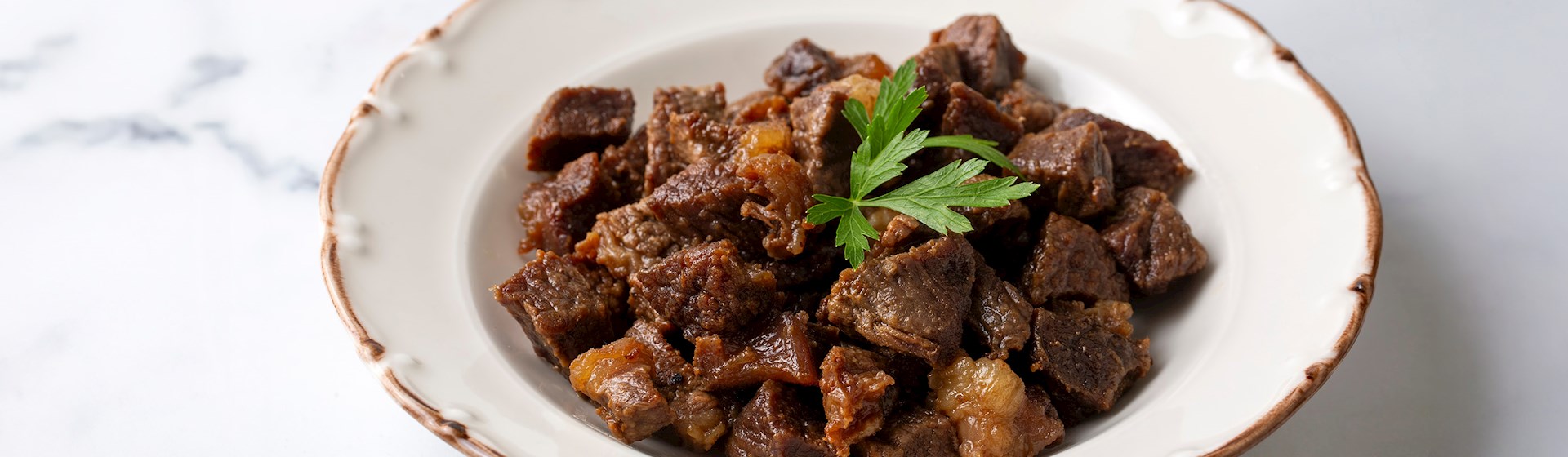
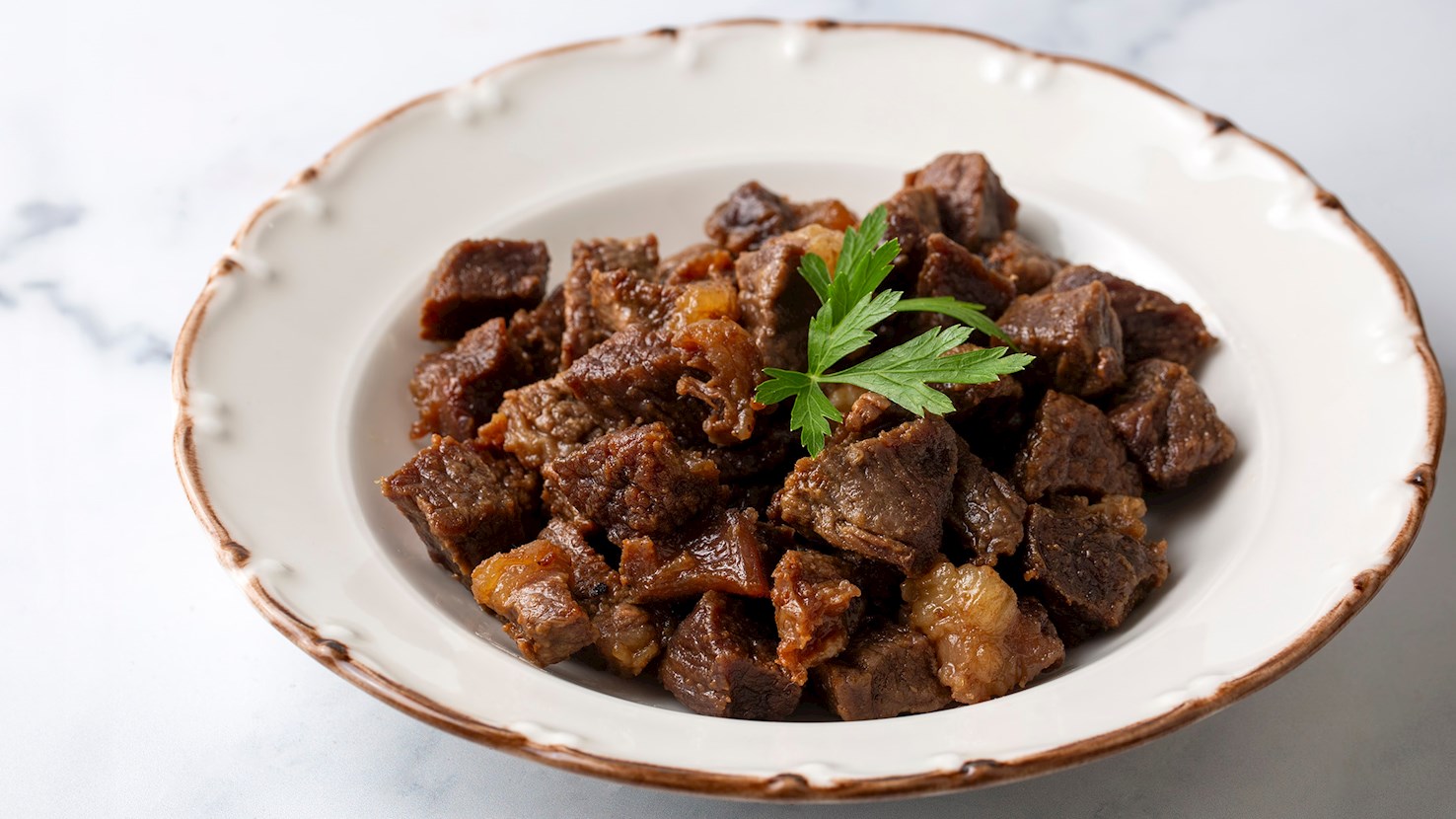
Kavurma is a time-honored Turkish meat stir-fry that showcases the country’s deep-rooted culinary traditions, especially when it comes to preparing and preserving meat. At its core, kavurma is made by slowly cooking chunks of lamb, beef, or goat in their own fat, resulting in a rich, tender, and intensely flavorful dish that is both rustic and satisfying. The name itself is derived from the Turkish verb kavurmak, meaning "to roast" or "to sauté," though the cooking process leans more toward a gentle confit or braise. Traditionally, the meat is cut into bite-sized pieces and cooked over low heat in a large pan or copper cauldron. As the fat renders out, the meat is stirred regularly to ensure even browning and to develop a deep, caramelized crust while remaining juicy on the inside. Often, tail fat (known as kuyruk yağı) is used to enhance the flavor, giving the dish its signature richness. While the most basic versions include nothing but meat and salt, regional and household variations may incorporate onions, garlic, black pepper, thyme, red pepper flakes, or even bay leaves—though always sparingly, so as not to overpower the pure meat flavor. Historically, kavurma served a dual purpose: it was both a celebratory meal and a method of preservation. In many parts of Anatolia, especially following Eid al-Adha (Kurban Bayramı), large quantities of sacrificial meat were cooked and then stored in earthenware jars or metal containers, submerged under a thick cap of solidified fat. This technique allowed families to enjoy preserved meat throughout the winter months—an age-old practice that survives today in rural areas. Kavurma can be enjoyed hot or cold and is incredibly versatile. It’s often served alongside pilav (buttery rice) or bulgur, spooned into lavash or yufka flatbreads, or used as a hearty filling for pide, gözleme, or börek. In some regions, it's paired with eggs for a protein-rich breakfast, while in others it appears as a festive main course during family gatherings and special occasions. With its deep, meaty flavor, melt-in-your-mouth texture, and cultural significance, kavurma remains a beloved staple in Turkish cuisine—rustic, rich, and steeped in tradition.
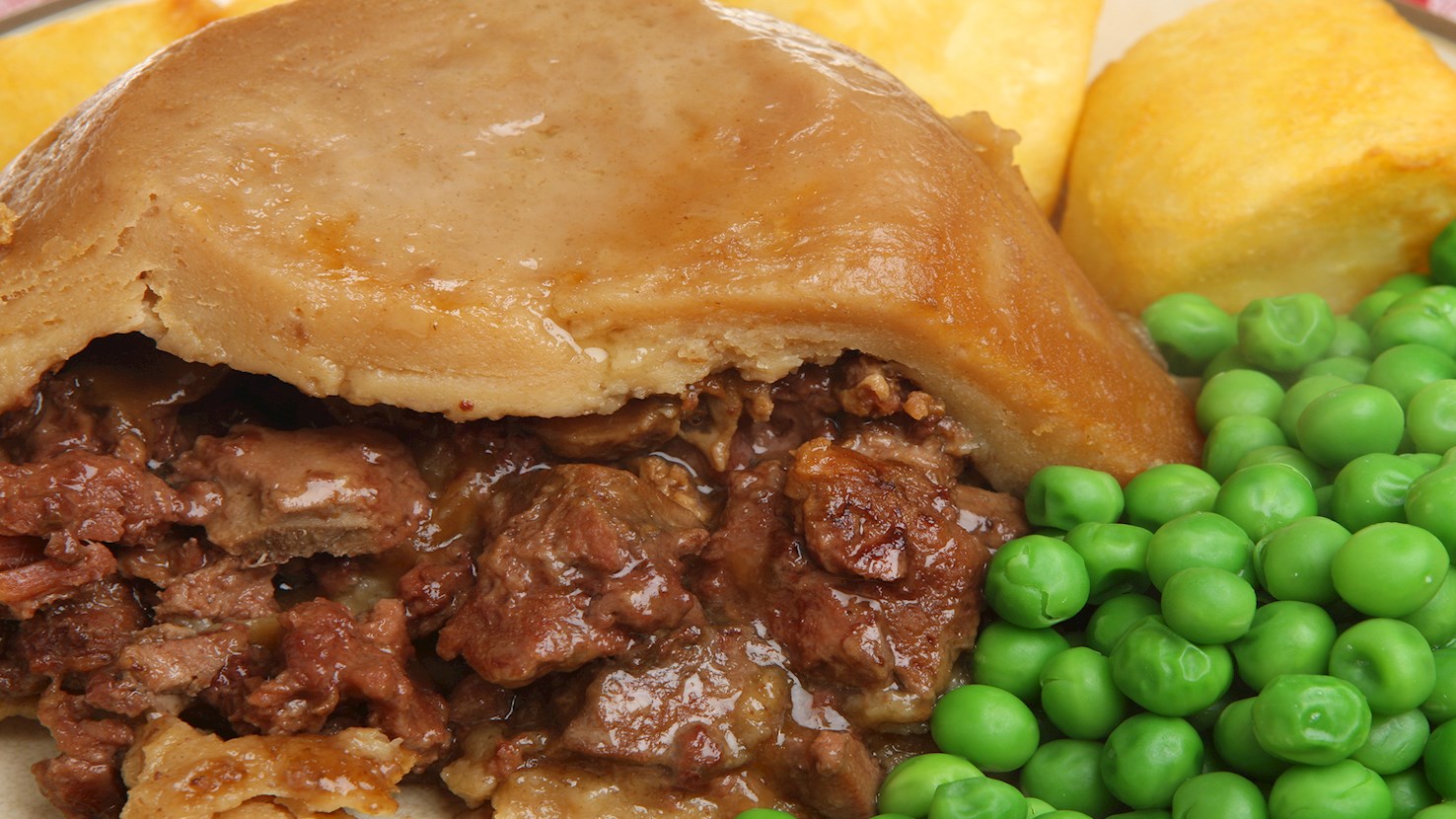
This classic British dish consists of a suet pastry filled with diced beef, gravy, and chunks of beef kidneys. The pudding is traditionally steamed for a long time before serving. It can be accompanied by mashed potatoes and a variety of vegetables on the side. The first recipe for this traditional dish comes from 1861, so it has surely passed the test of time.
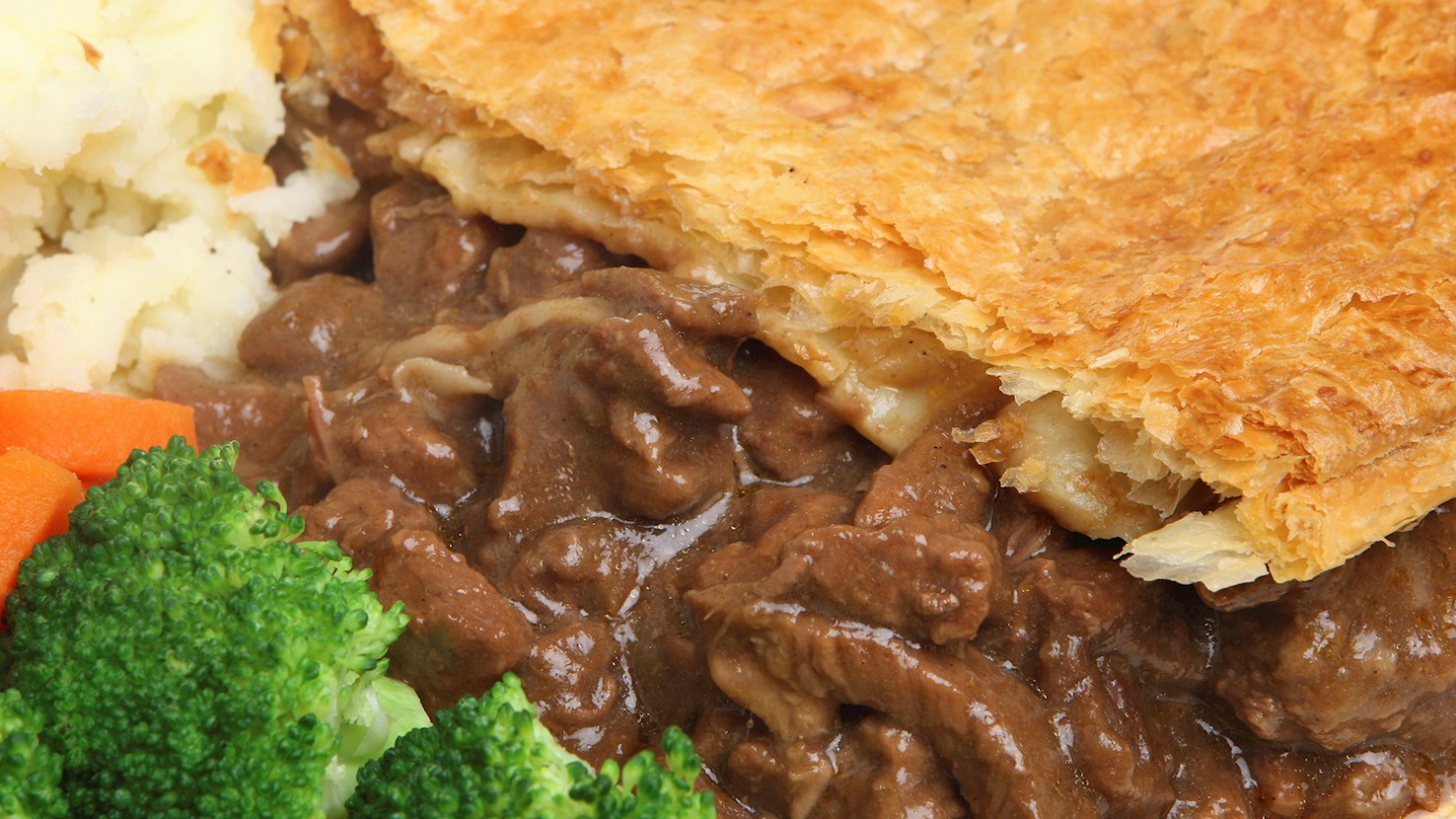
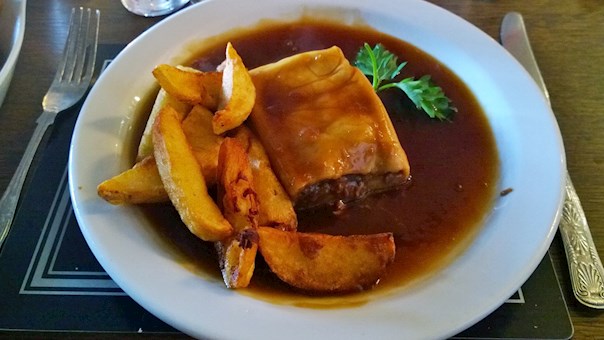
The satisfying and comforting steak and kidney pie is a classic British dish which incorporates beef steak and kidneys that are cooked inside a flaky, buttery pastry shell. This dish first appeared in written form in 1861, when it was added to Isabella Beeton’s The Book of Household Management by an unknown Sussex local. Originally prepared with a suet pastry, today it is usually made with butter and employs beef, lamb, or pork kidneys. The combination of tender beef meat, earthy-flavored kidneys, and flavorful gravy inside the pastry make this pie one of the favorite traditional British delicacies that is still found in numerous pubs throughout the country.
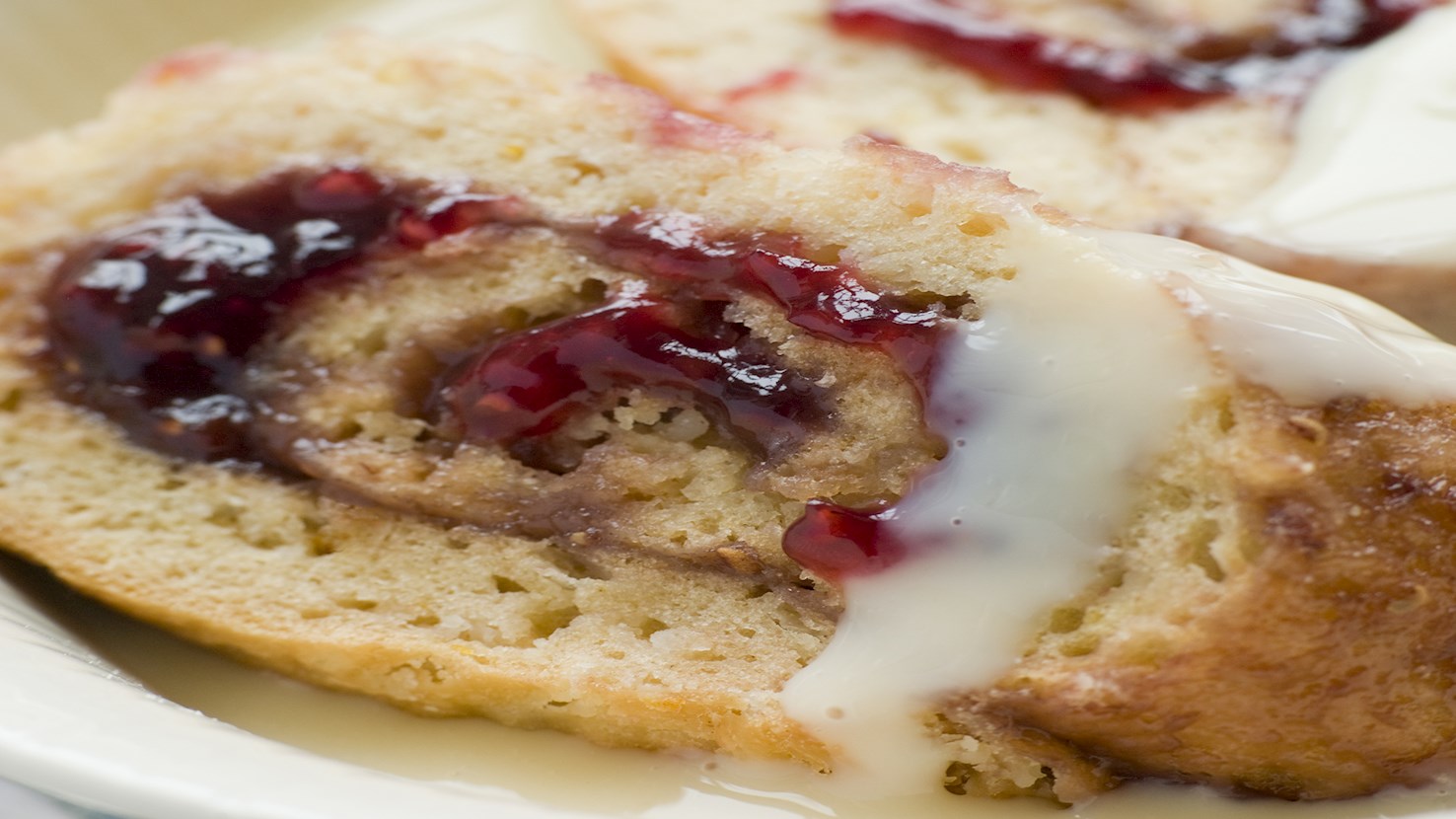
Jam roly-poly is a traditional dessert consisting of a rolled-up suet pudding spread with fruit jam. It can be baked, boiled, or steamed, and it is usually served with custard. The dessert originates from the 19th century, when it was known as Jack in potteries. Today, it can be found in pubs and supermarkets across the United Kingdom, and it is also regularly served as a dessert in many English schools.
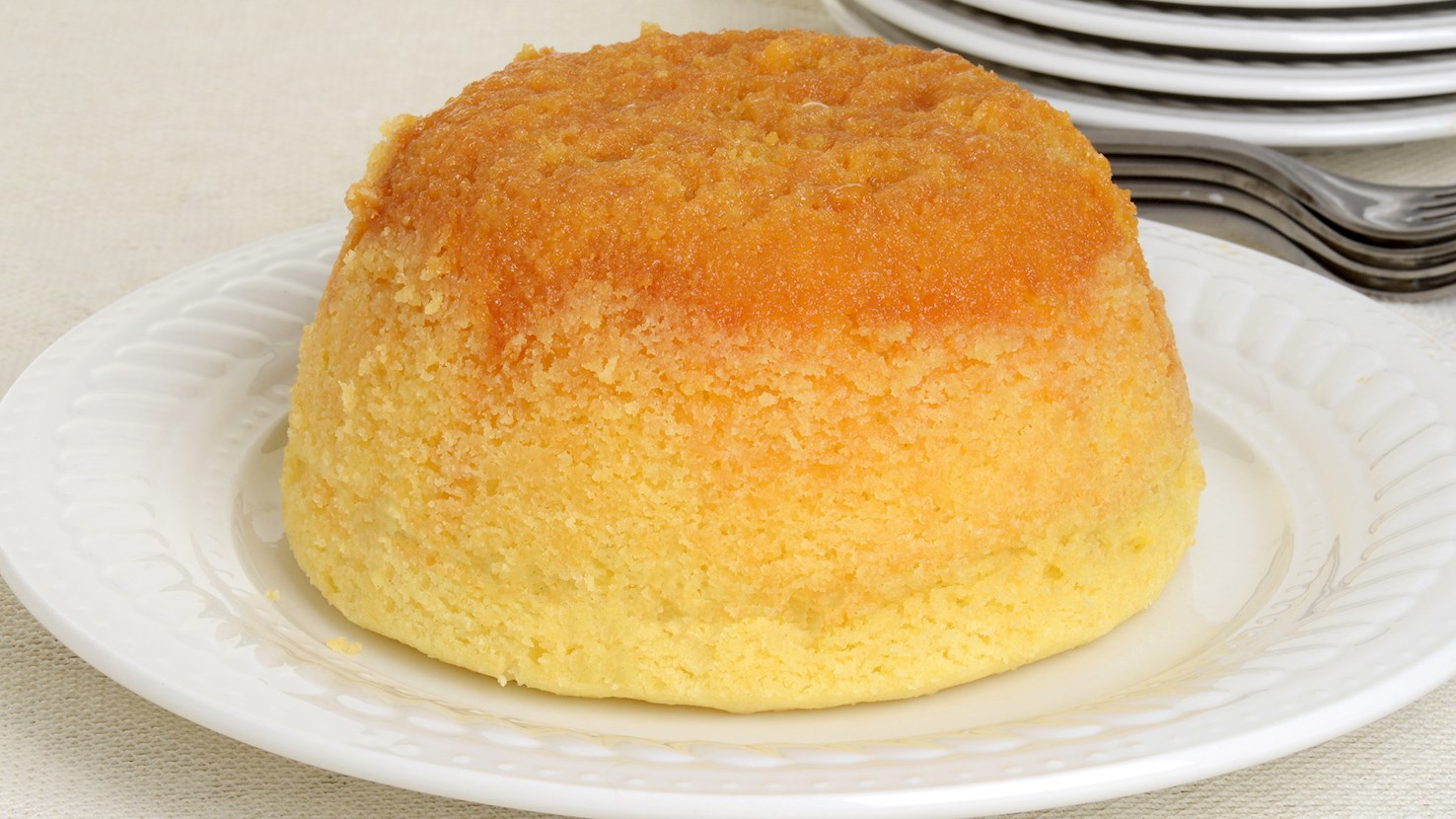
Steamed pudding is a variety of English pudding with a long tradition in the British cuisine, basically consisting of a combination of ingredients that are steamed inside either a special pudding basin or another similar vessel suitable for steaming. This quintessential treat comes in both savory and sweet versions, and it is further divided into two categories, namely suet puddings, and sponge puddings. Christmas puddings belong to the first category, which uses suet as its main ingredient, whereas the latter calls for a mixture of eggs, flour, and butter. In the past, puddings were commonly cooked by boiling enclosed within anything from cloths, pastries, skins, or animal intestines. The initial vessels had eventually given way to specially designed pudding basins and molds, and steaming became the preferred method for cooking puddings as it yielded more refined results. Steamed pudding is best enjoyed warm, and it includes an array of sweet varieties such as spotted dick, roly-poly pudding, and sussex pond, and savory varieties such as pease pudding, minted lamb pudding, and pork and apple pudding, among others.
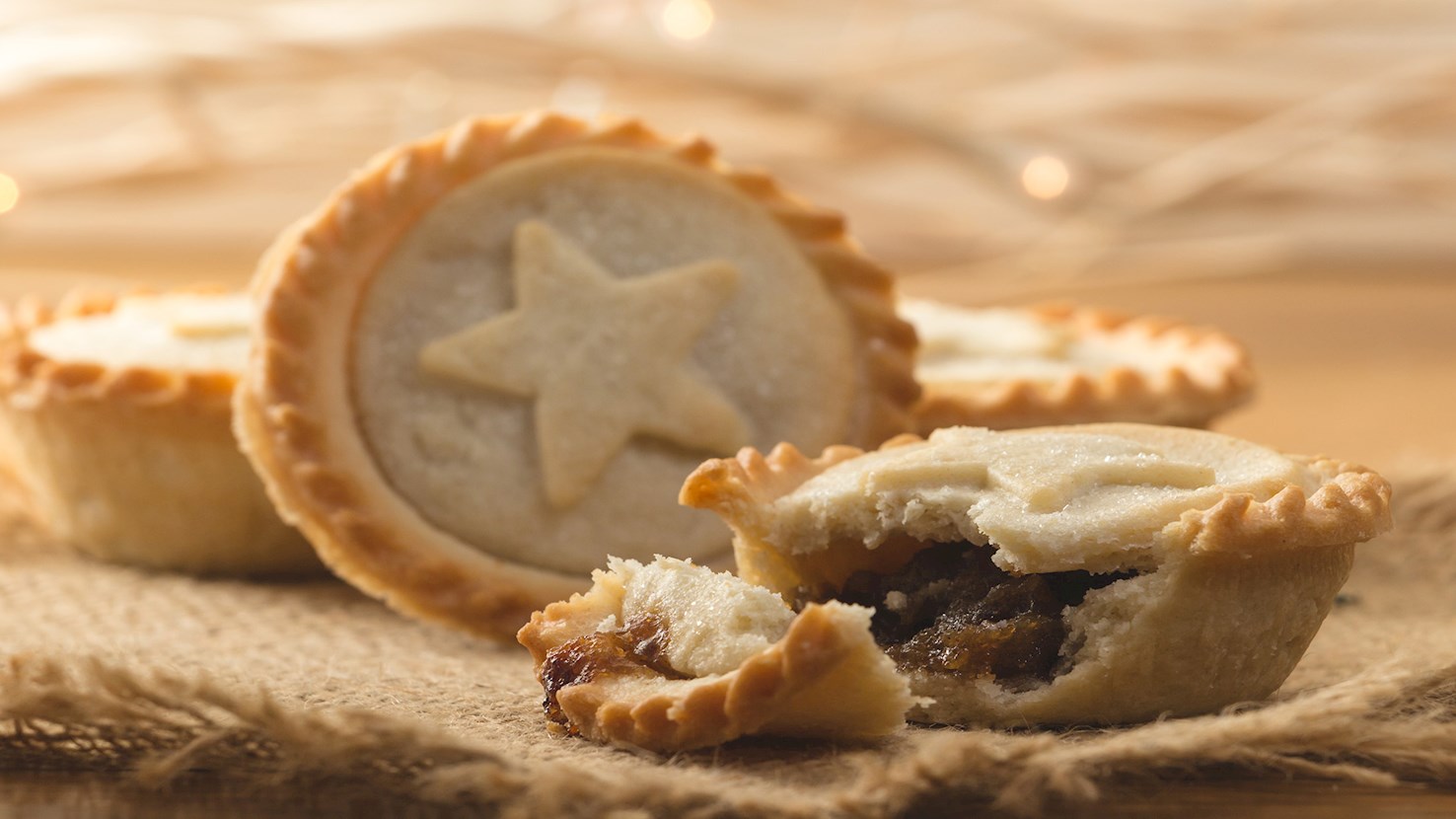
Mince pie is a staple Christmas snack in England, consisting of a crumbly pastry shell filled with dried fruits and spices (often called mincemeat). Originally, the pies contained both sweet and savory ingredients such as ground meat, lard, and cheese. Due to their original, rectangular shape, people used to associate the pies with the manger Jesus had been laid in, and the snacks were prepared for Easter and Christmas, while the amount of spices and ingredients was used as a way to show off the cooks' wealth to other people. By the 20th century, no meat products were incorporated into the pies apart from suet. Today, mince pies are made in a round shape and served either hot or cold.
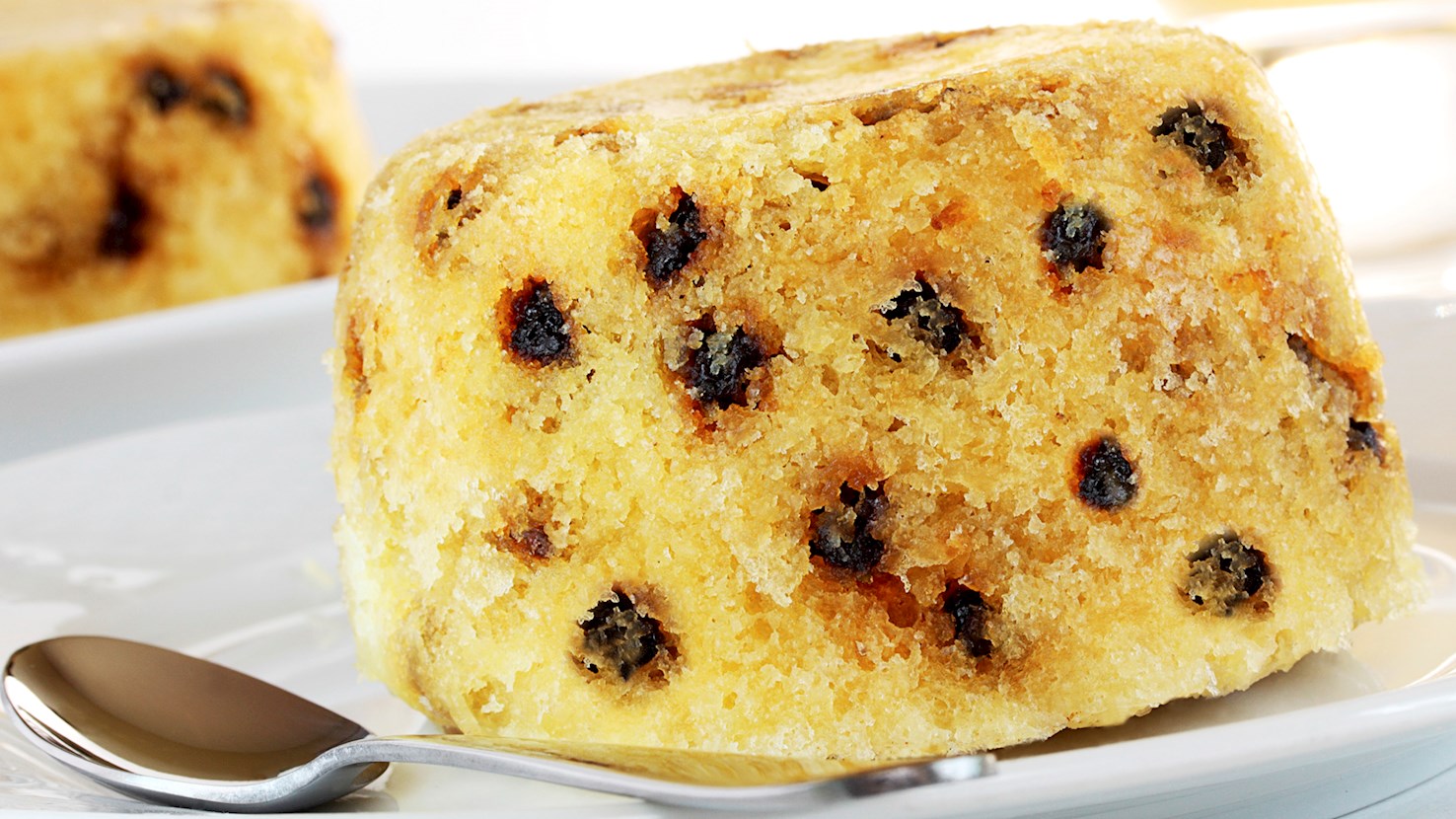
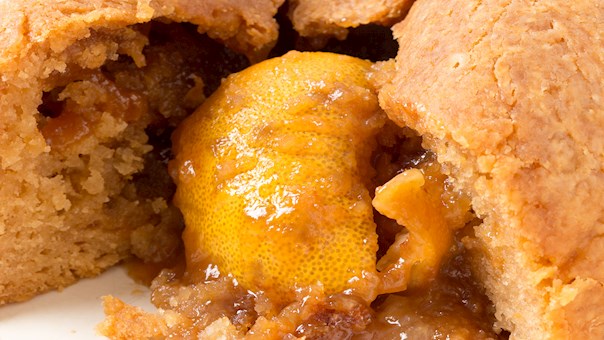
Spotted dick is a traditional sponge pudding made from a suet (mutton fat) pastry which is then sprinkled with a variety of dried fruits such as raisins or currants. Its flavor is slightly sweet since it is only flavored with a small amount of lemon juice. Instead of sugar, the sweetness comes from the custard sauce, which is always served with spotted dick. The unusual name of the dessert comes from two words, spotted, referring to the raisins and currants that are seen throughout the pudding, and dick is believed to come from the shortened Old English names for pudding such as puddog or puddick. The first recipe for spotted dick can be found in Alexis Benoist Soyer's 1849 book called The Modern Housewife.
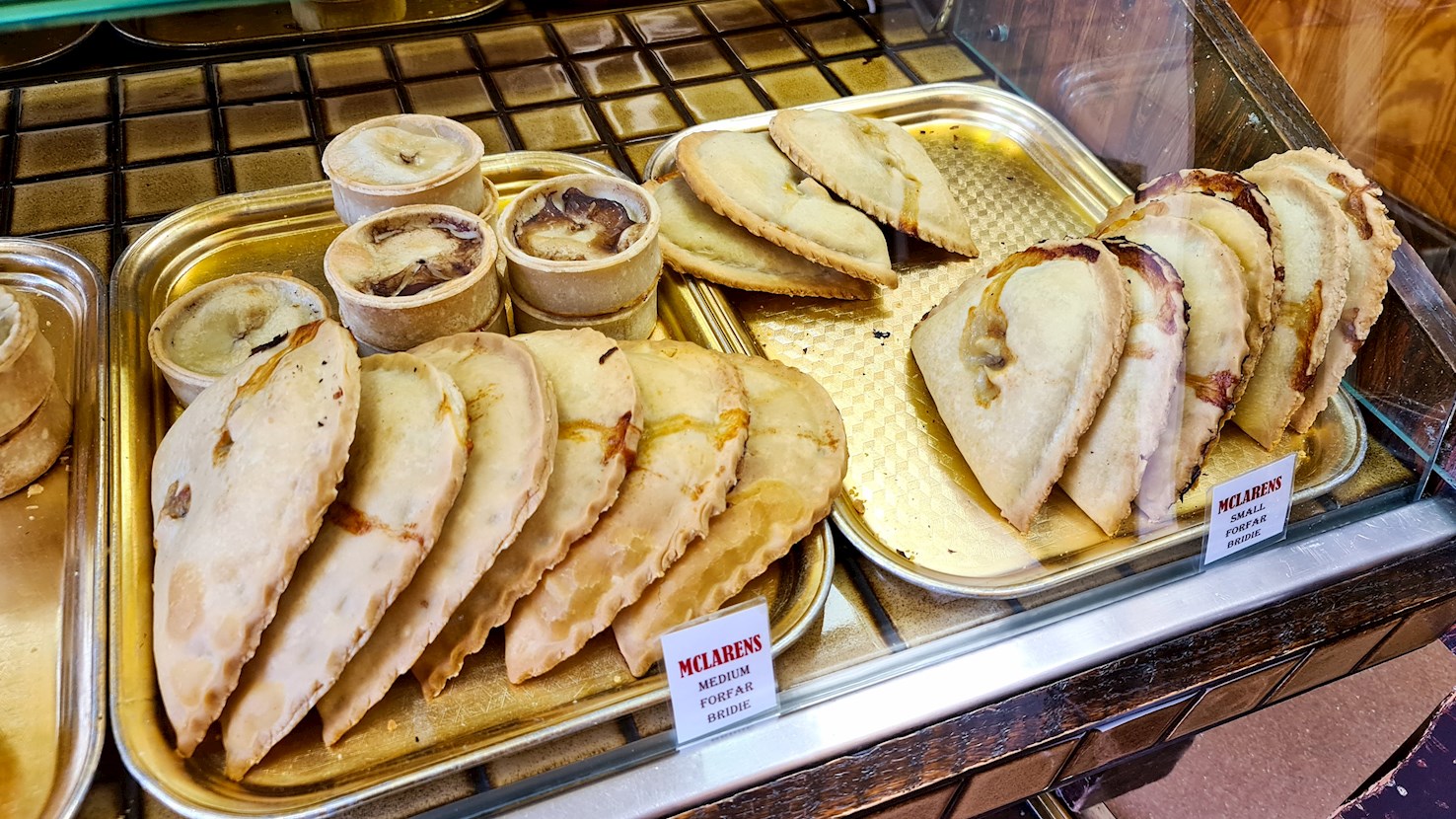
Named after the county town of Angus, where they originated in the 18th century as Scotland's answer to the already famed Cornish pasty, bridies are shortcrust pastry turnovers traditionally filled with chunks or strips of beef that was browned in suet with chopped onions. As the local stories claim, the delicious Forfar bridies took the other part of their name from a certain Margaret Bridie of Glamis who sold them at Forfarshire's weekly market. In 1896, they were mentioned in James Matthew Barrie's novel Sentimental Tommy, which made them popular across Scotland, and over time it has become a tradition to eat bridies for lunch on Saturdays.
Sneem black pudding is a blood sausage produced in the village of Sneem in County Kerry, Ireland. It is made from fresh pig’s blood mixed with oatmeal, onions, suet, and seasonings, and is notable for being a set pudding rather than a cased one. The mixture is cooked and pressed into rectangular trays or blocks, then sliced for serving, giving it a distinct flat shape unlike the more common sausage-style puddings found elsewhere in Ireland. Sneem black pudding is a recognized regional specialty and has received Protected Geographical Indication (PGI) status from the European Union, acknowledging its local production methods and distinct character linked to the area. The production of blood pudding in Sneem dates back to small-scale farmhouse practices where pig slaughtering was a communal and seasonal activity. Local families used every part of the animal, and the blood was combined with available grains and fat to create a sustaining food that could be stored and cooked easily. Over time, the method became associated specifically with the Sneem area, where pudding was prepared in trays rather than casings, reflecting both convenience and resource use in domestic kitchens without access to butchery equipment. Local butchers and home producers maintained the same approach through the twentieth century, and Sneem’s pudding gained reputation through regional fairs and markets, eventually being sold commercially in the wider Kerry region. Preparation involves collecting fresh pig’s blood and mixing it with finely chopped onions, oatmeal, suet, salt, pepper, and sometimes a small amount of spice. The mixture is poured into baking trays and cooked slowly until set, then cooled and sliced. This process produces a dense but tender texture and allows the oatmeal to absorb the blood evenly, giving the pudding its dark, smooth consistency. The absence of a casing makes it easy to handle and portion, and the texture differs from sausage-style black pudding by being slightly crumbly but cohesive. Some producers still cook it in cast-iron trays, maintaining a specific flavor profile influenced by the method and the balance of salt and grain. Sneem black pudding is usually eaten fried or grilled as part of a breakfast plate, often alongside white pudding, bacon, and eggs. It can also appear in starters, salads, or as an element in more elaborate dishes in Kerry restaurants. The pudding’s mild, clean flavor allows it to pair well with both savory and sweet accompaniments, such as apple compote, mustard, or soft goat’s cheese. It is eaten across Ireland but remains closely tied to its village of origin, where it continues to be made by a few producers using local ingredients and long-established recipes. Beverages that suit Sneem black pudding include Irish stout, which complements its earthy richness, or a dry cider, whose acidity offsets its smooth and slightly nutty texture.
TasteAtlas food rankings are based on the ratings of the TasteAtlas audience, with a series of mechanisms that recognize real users and that ignore bot,
nationalist or local patriotic ratings, and give additional value to the ratings of users that the system recognizes as knowledgeable.
For the “17 Best Rated Dishes with Suet” list until May 22, 2026, 989,161 ratings were recorded, of which 646,969 were recognized by the system as legitimate.
TasteAtlas Rankings should not be seen as the final global conclusion about food. Their purpose is to promote excellent local foods,
instill pride in traditional dishes, and arouse curiosity about dishes you haven’t tried.