



shutterstock

31 Best Rated
Dishes with Taro

Last updated on June 17, 2026
01

Taiwanese Hot Pot

4.4 ·

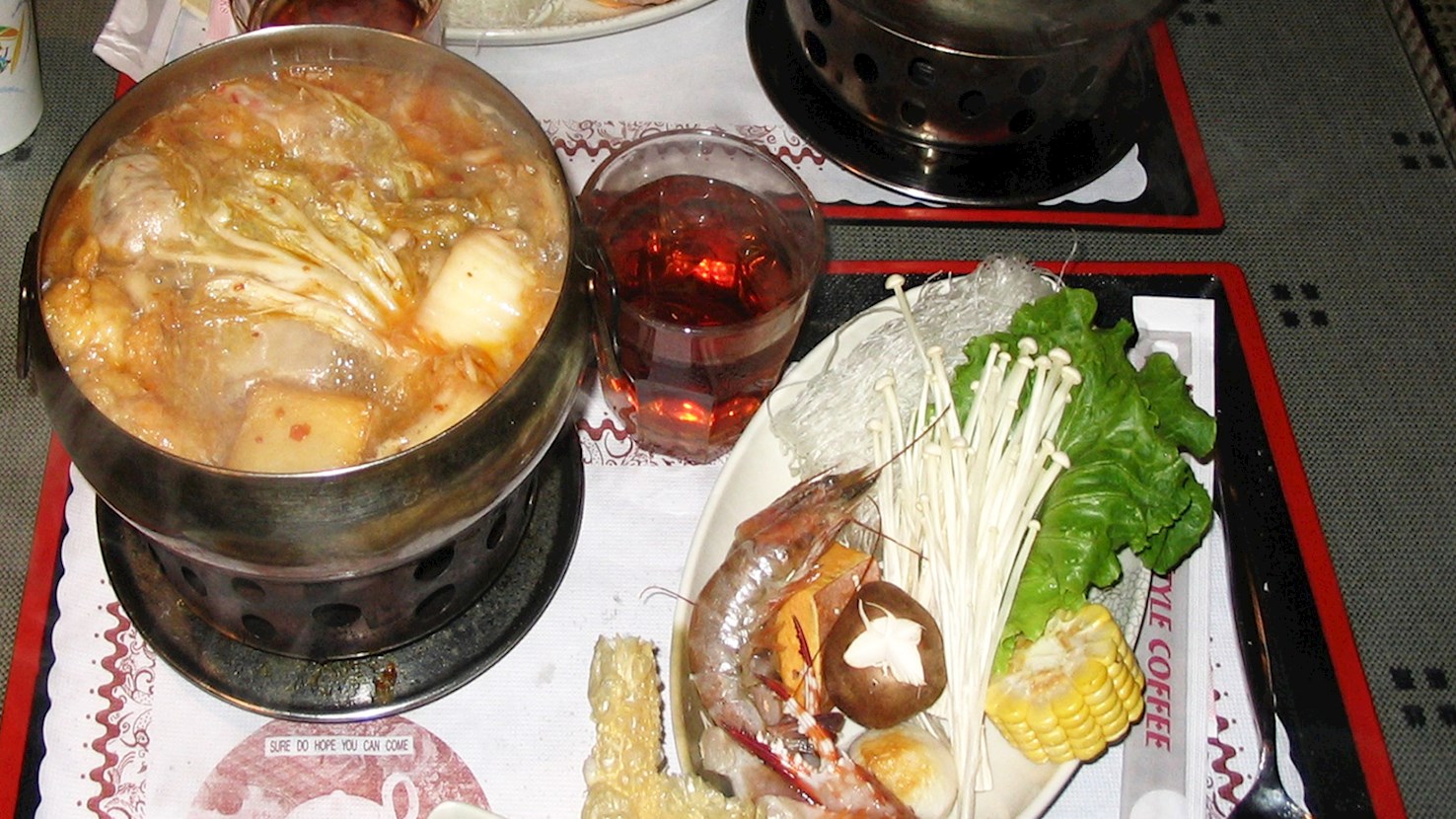
Taiwanese version of hot pot is eaten during the winter, and especially on cold and rainy days. It doesn't have a set recipe, but consists of a pot of broth and a variety of ingredients which are cooked in it, then dipped in the accompanying sauce before consumption. The broth can be made from bonito and kombu, Chinese herbs, pickled cabbage, pork bones, milk, miso, or kimchi. The ingredients cooked in it often include root vegetables, tofu, dumplings, fish cakes, fried taro, or thinly sliced meat. Most hot pot restaurants have a condiment bar with sauces and garnishes such as sha cha sauce (barbecue sauce derived from satay), soy sauce, white vinegar, black vinegar, sesame paste, garlic, cilantro, chili peppers, daikon, and sesame seeds. Taiwanese hot pot is a communal affair, with patrons sitting around the pot and each one cooking their own ingredients.

02

Ruam mit

3.6 ·

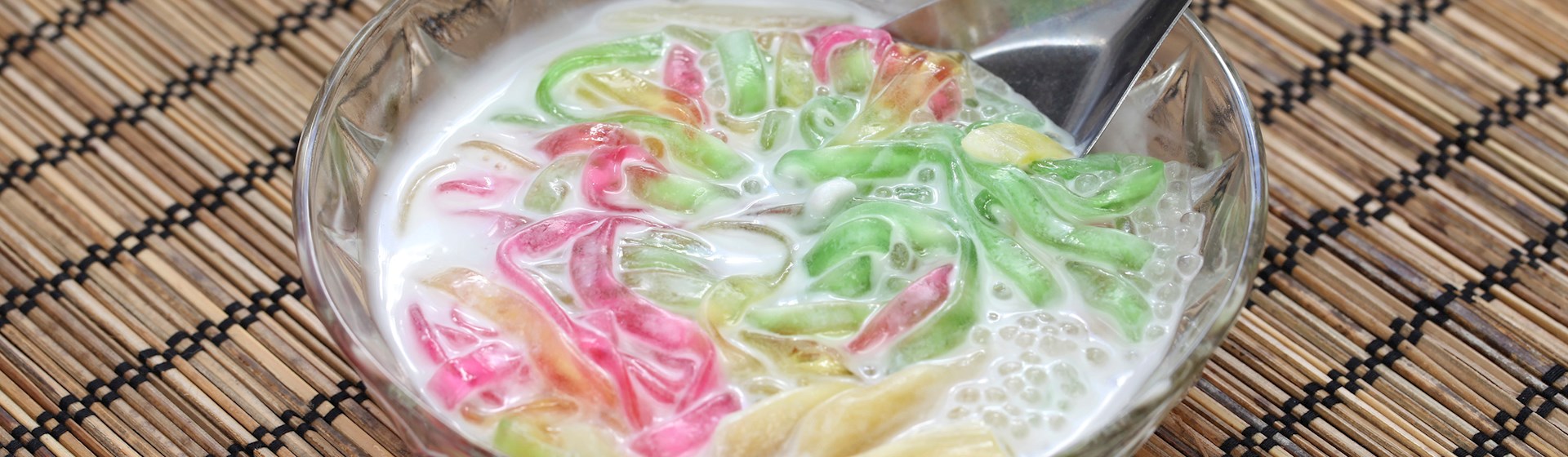
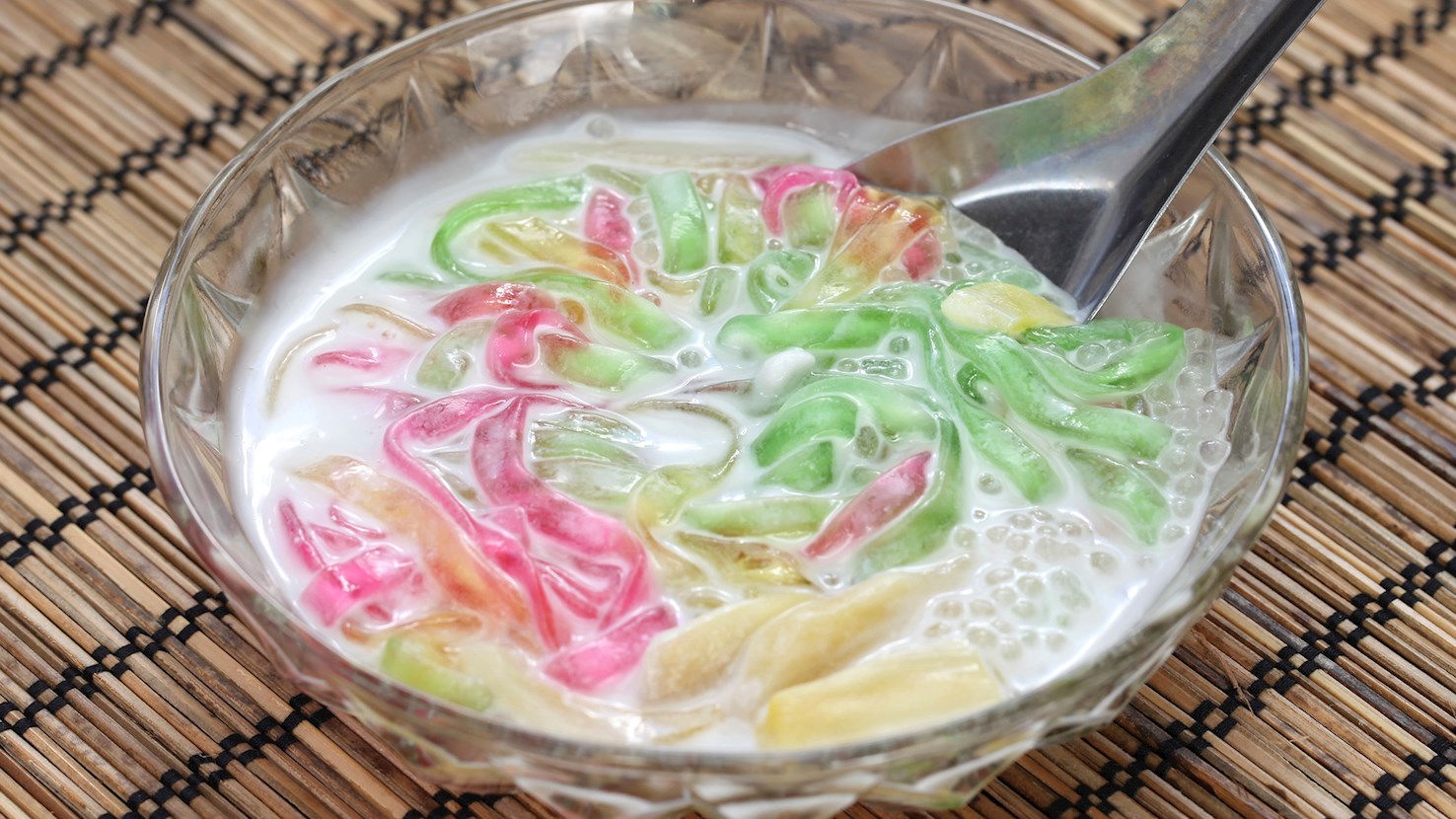
Ruam mit is a popular Thai dessert made with ingredients such as coconut milk, sugar, tapioca pearls, corn, lotus root, sweet potatoes, beans, and jackfruit. Each bowl typically includes starchy noodles that are flavored and colored with various ingredients, and which may come in the shape of thin strips or more elaborate decorative forms. There is no set recipe for ruam mit, so each cook or street vendor adds their own ingredients to the mix. It is often consumed as a cool refreshment on hot summer days, topped with shaved ice. In Thailand, it is one of the cheapest desserts, and each bowl typically costs around 15 baht. Interestingly, in Thai language, ruam means get together, and mit refers to friends, so it can be said that ruam mit is a meeting of many desserts in one simple, flavorful dish.

03

Haupia

3.5 ·

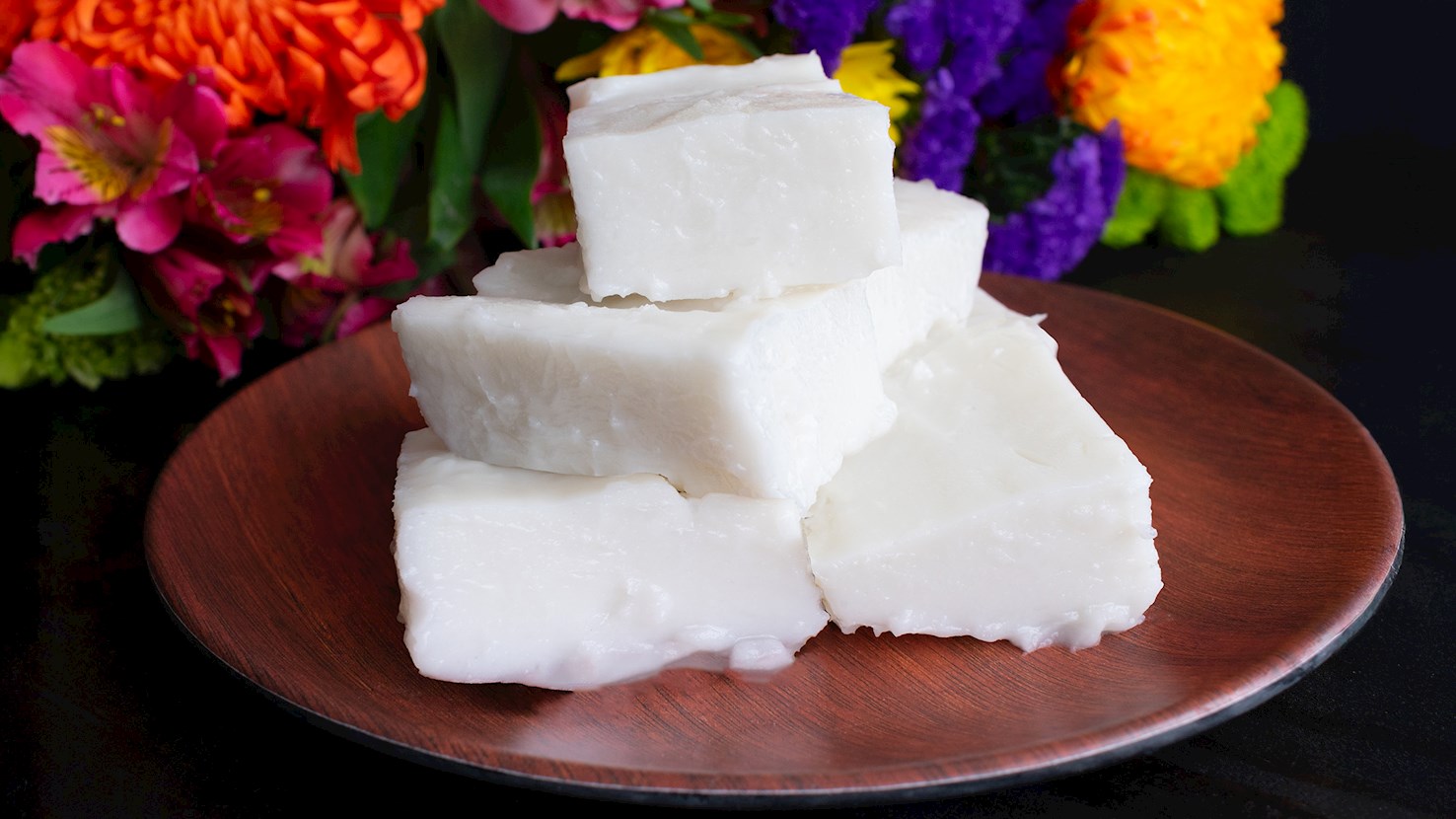
Haupia is a traditional Hawaiian dessert made from coconut milk, thickened into a smooth, jelly-like custard using arrowroot starch or cornstarch, and typically served chilled in small, white squares. Simple yet luxurious, haupia is a staple at Hawaiian luaus, family gatherings, and potlucks, offering a cool, creamy bite that perfectly captures the flavors of the islands. The texture of haupia falls somewhere between firm pudding and soft gelatin, depending on the starch used and the cooking time. It’s lightly sweet, with a clean, tropical flavor driven almost entirely by the natural richness of coconut milk. While classic haupia is unadorned and stark white, modern variations may layer it over chocolate crusts (as in haupia pie) or combine it with sweet potatoes, lilikoi (passionfruit), or even taro for fusion twists. Deeply rooted in Native Hawaiian cuisine, haupia reflects a culinary heritage that values simplicity, texture, and the natural bounty of the islands—especially the coconut, a sacred and versatile ingredient in Polynesian cultures. Apart from Hawaii, this pudding is also a staple in other Polynesian countries.

04

Wu gok (Taro puffs)

3.3 ·

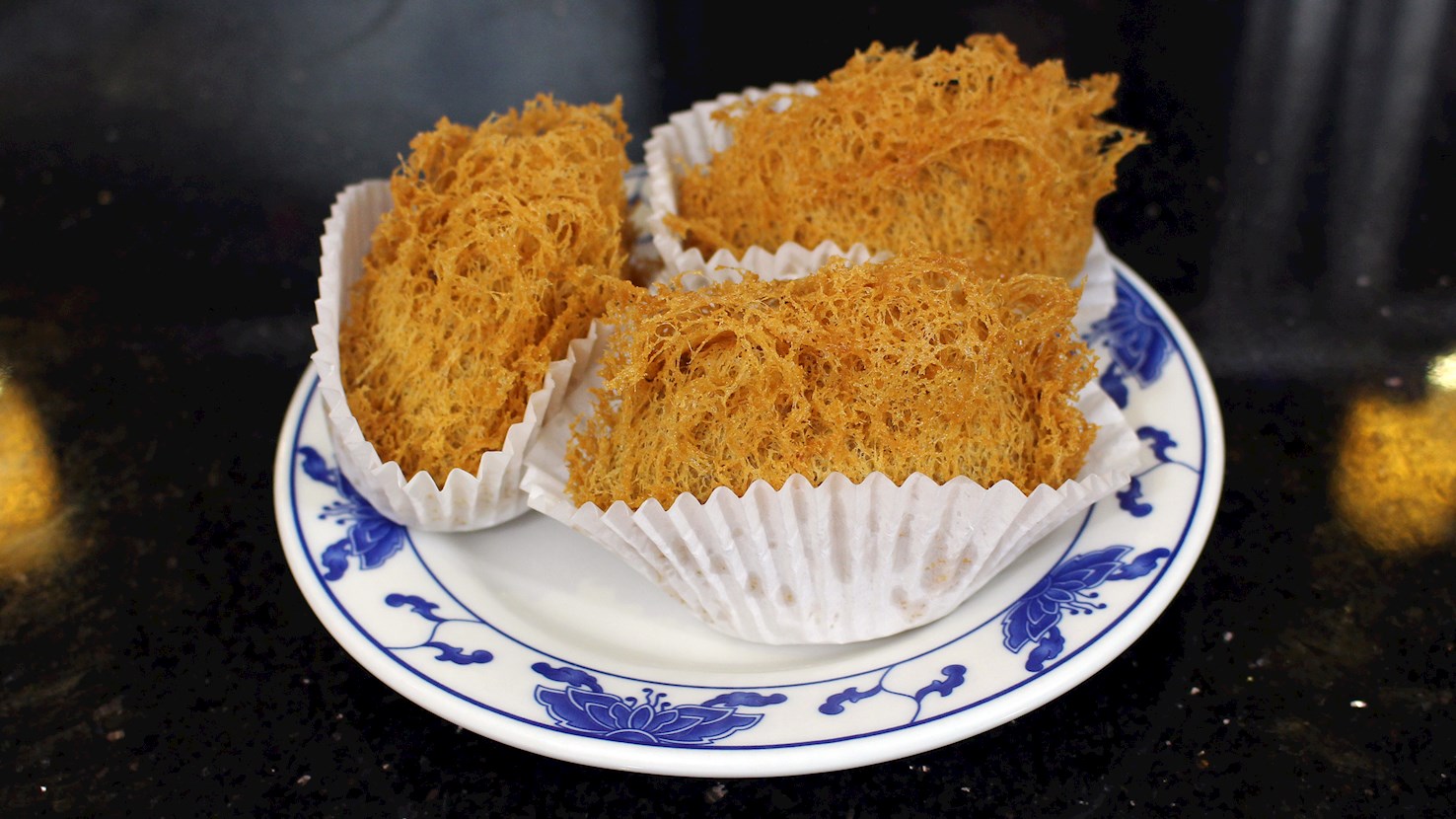
Wu gok are traditional dumplings originating from China, and they’re often served as a part of dim sum. In order to prepare the dumplings, taro root is steamed, mashed, stuffed with the fillings, and deep-fried. The dough for wrapping the filling is made with a combination of taro root, flour or wheat starch, lard, salt, sugar, and baking soda. The filling contains Chinese mushrooms, shrimp, onions, garlic, and ground pork that’s been marinated in soy sauce, cornstarch, sesame oil, and five-spice powder. There’s also a thickening sauce made with a mixture of chicken bouillon, sugar, rice wine, cornstarch, and salt. Once stuffed, the dumplings are deep-fried until golden and crispy.

05

Hai xian qiao chao (Seafood bird's nest)

3.3 ·

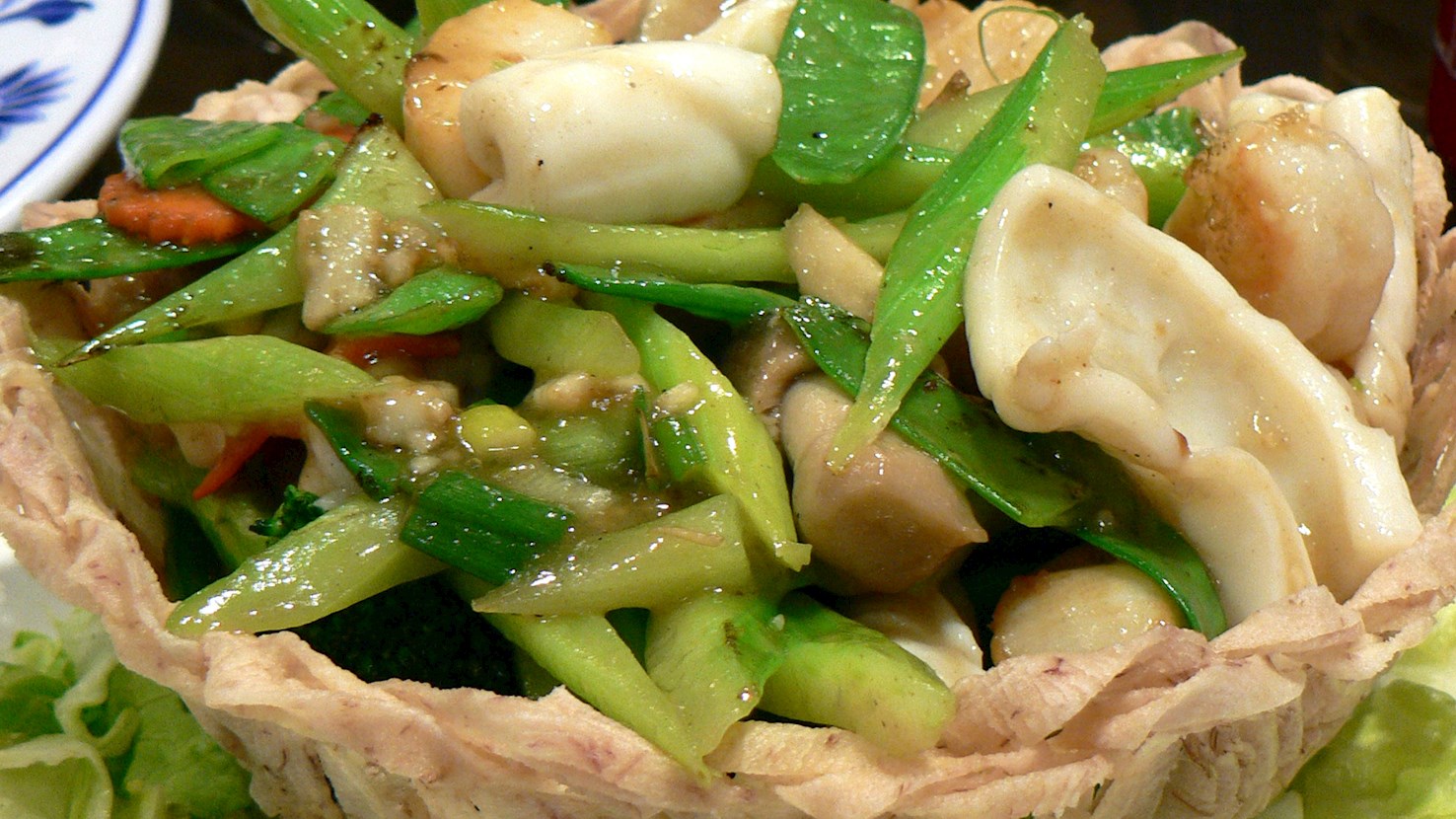
This seafood lover’s delight is typically served at upscale Chinese restaurants specialized in Cantonese cuisine. The contents of the bird’s nest usually include jumbo shrimp, squid, and scallops that are stir-fried with fresh vegetables, scallions, ginger, and garlic. All of the stir-fried ingredients are placed into an edible nest with a tough and crunchy texture, which is entirely made out of fried taro root or noodles. This luxurious dish is often reserved for special occasions such as weddings, New Year, or birthdays.

06

Yusheng

3.2 ·

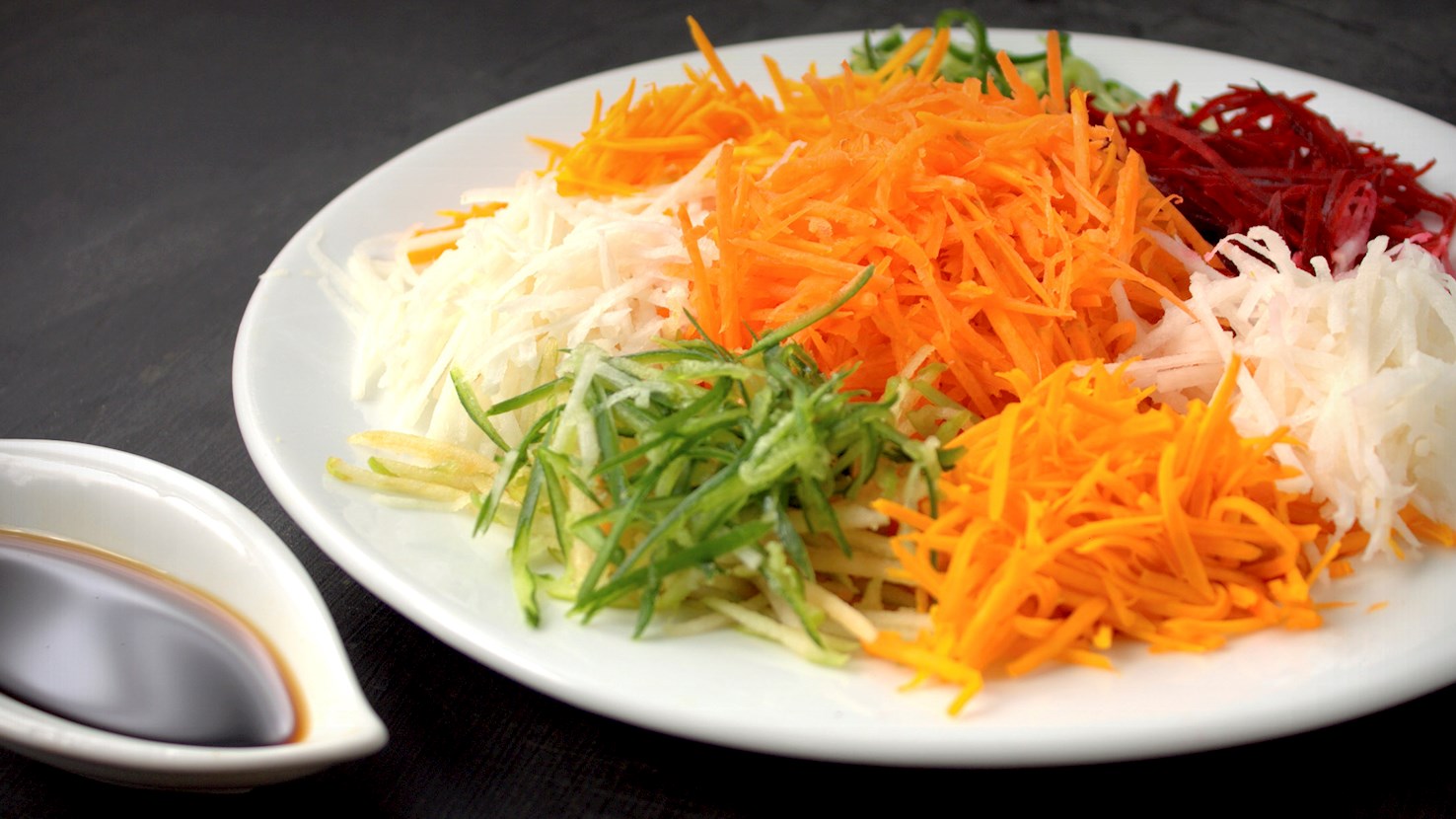
Usually consumed during the Chinese New Year celebrations, yusheng is a tasty salad made with slices of raw fish and shredded vegetables which are seasoned with spices and various toppings such as peanuts and sesame seeds. The dish is additionally flavored with yusheng sauce, most commonly consisting of plum sauce and sesame oil. The origins of the dish can be traced to south China, but nowadays, especially since the dish was repopularized in the 1960s in Singapore, the dish is eaten predominantly by the Chinese living in Singapore and Malaysia. Yusheng is typically presented as an appetizer in a multi-course dinner and is served in a very peculiar way - in a ceremony known as lo hei, as each ingredient is added to the plate, people gathered around the table will say auspicious greetings related to that ingredient. Once all the ingredients have been introduced on the plate, everyone will (on cue, and by using their chopsticks) toss the ingredients as high as they can while at the same time loudly proclaiming their New Year's wishes, and by doing so, predestine themselves to have a prosperous year.

07

Laulau

3.1 ·

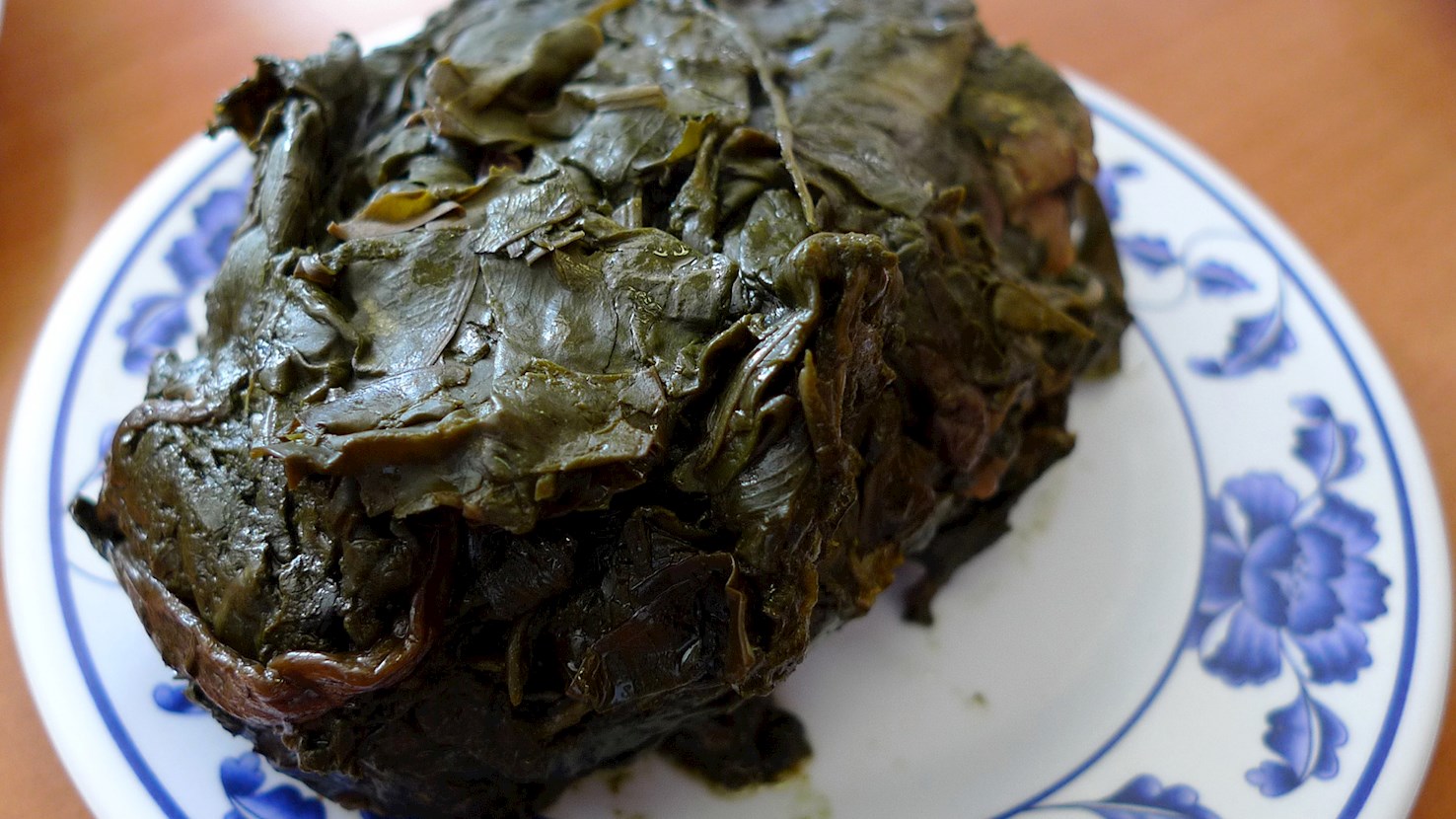
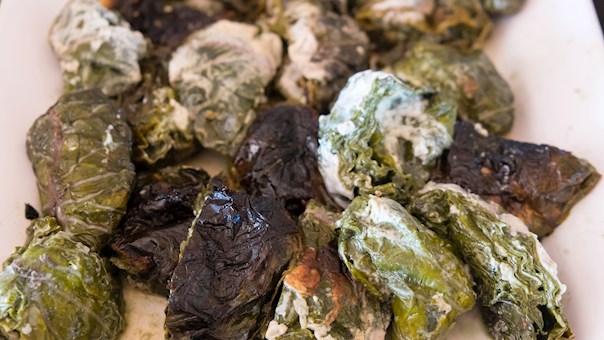
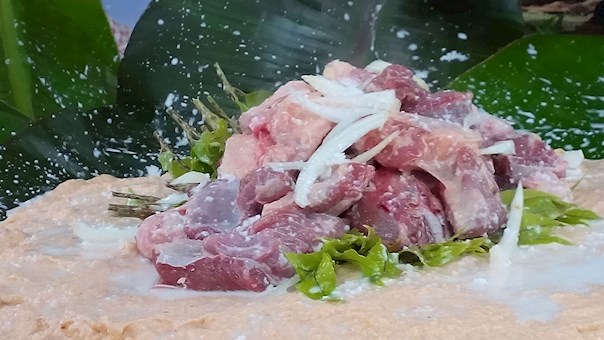
Laulau is a traditional Native Hawaiian dish. It's usually made by wrapping pork and butterfish in luau (taro) leaves, but nowadays beef, chicken, or sweet potatoes can be used in addition to pork or instead of it. Once assembled, laulau is placed into an underground oven called imu, and it's then covered with hot rocks and banana leaves. After some time, when the meat is fully cooked, the dish is ready to be served. Laulau is also sometimes prepared at home, and it's usually steamed instead of being cooked in an imu. It's recommended to serve it with rice and poi on the side.

08

Chè khoai môn (Vietnamese Taro Pudding)

3.0 ·

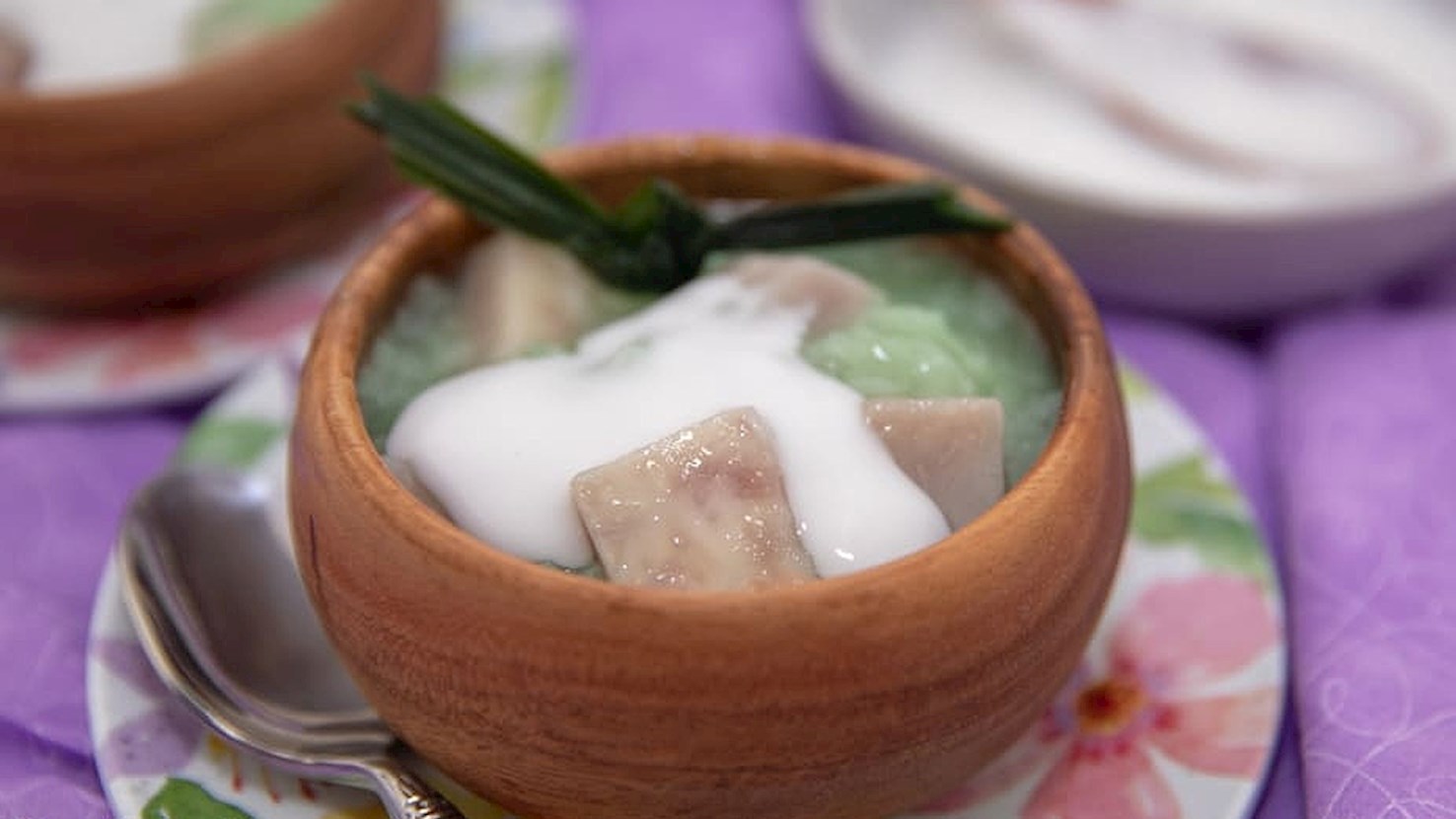
Chè khoai môn is a traditional taro pudding. This simple dessert is prepared with cubes of taro, sticky rice, pandan extract, and sugar. The cubes of taro are steamed until soft, then combined with cooked sticky rice, a few drops of pandan, and sugar. This pudding is served hot or chilled, and it's recommended to top it with coconut sauce before serving.

09

Yu tou gao (Taro cake)

3.0 ·

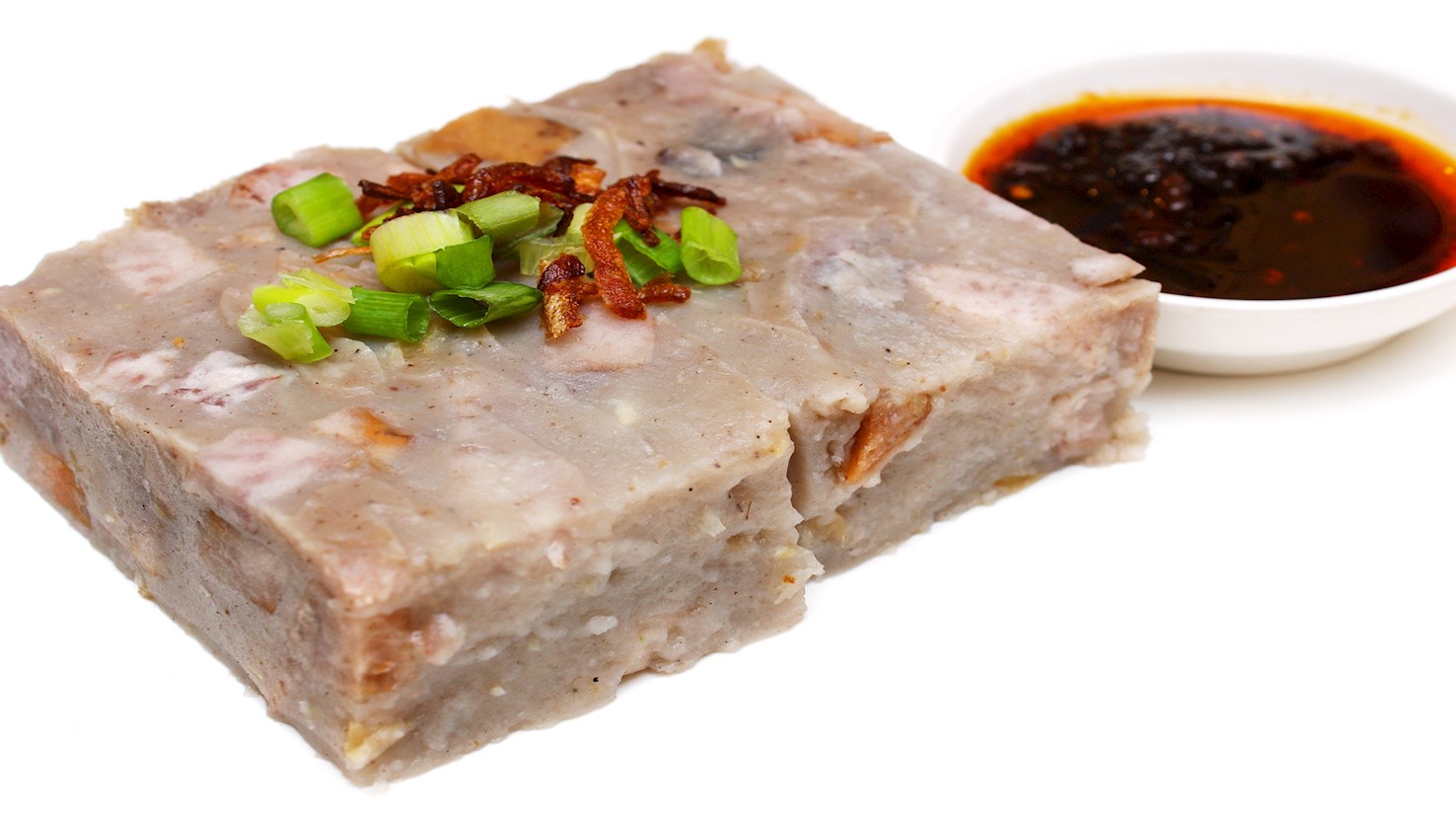
The chewy taro cake is a savory Chinese delicacy prepared with rice flour and stewed taro roots. In many ways similar to the traditional turnip cake, it usually incorporates diced Chinese sausage, pork, scallions, and mushrooms. Steamed in round or rectangular pans, it is usually shortly fried until crispy and golden before serving. Even though it is a staple in traditional dim sum restaurants in China and Hong Kong, it is also one of the most common snacks or side dishes served on Chinese New Year.

10

Poi

2.6 ·

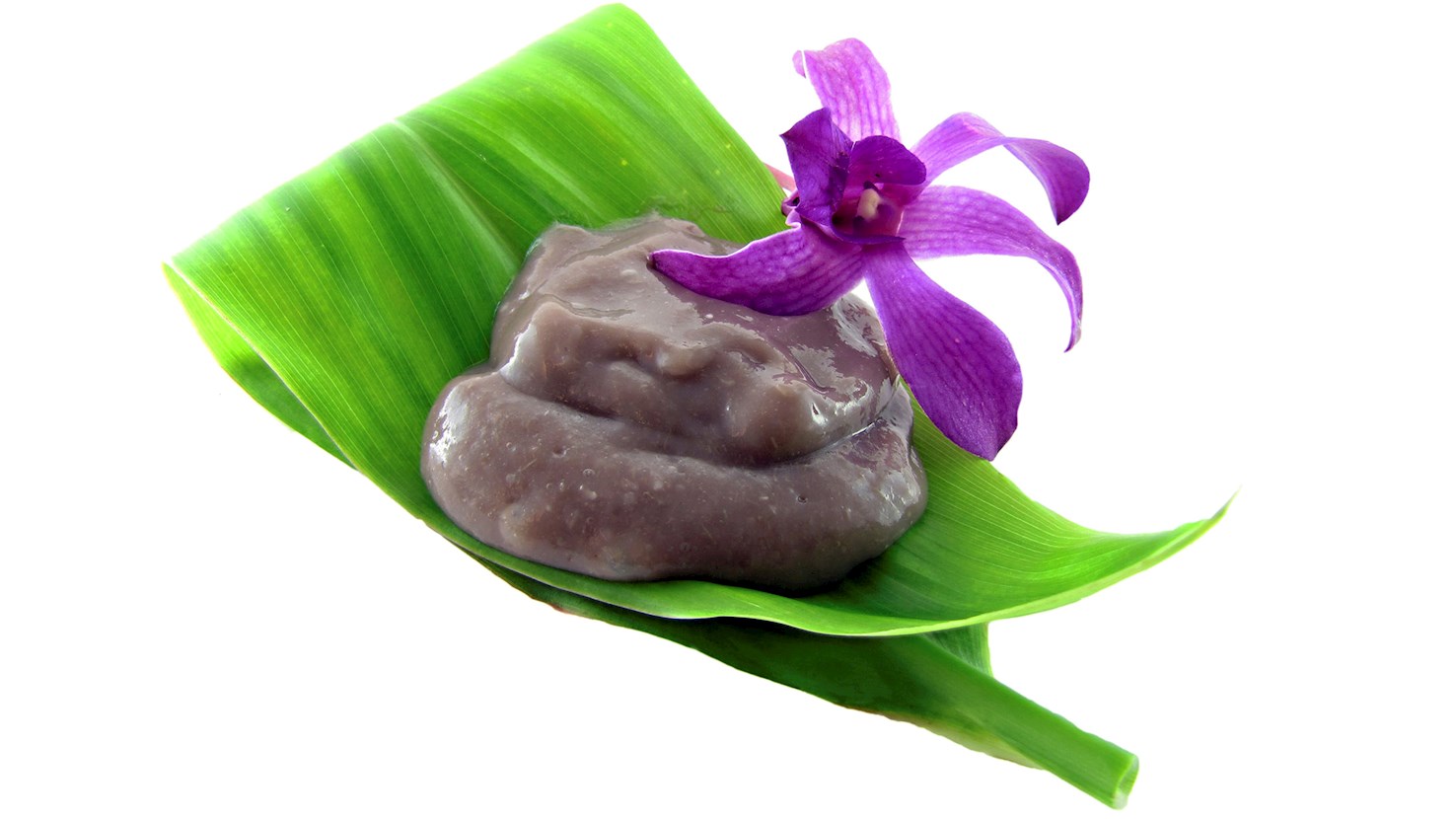
Poi is a traditional Hawaiian food, a nutritious, starchy dish made from the taro plant, prepared by smashing the cooked corm (underground plant stem) and adding water to it until it becomes a thick, sticky paste that is purple in color. It stimulates weight loss, lowers cholesterol, is a great source of vitamin B and calcium, and it has low fat and protein content. The taro plant was brought to Hawaii by the Polynesians in the year 450, and it is one of the oldest crops on Hawaii. Since taro is associated with the god Kane, creator of water, sun, and life - poi became a sacred part of Hawaiian life. When poi was served at the table, the consumers were forbidden from arguing, as a symbol of respect to its sacredness. Some like it thinner, some thicker, and it can be eaten immediately, when it is fresh and sweet, or when it has been left to sit a bit longer to ferment and lose some of the sweetness. It may be eaten for breakfast, on bread or buns, but it is traditionally paired with fish.

About this ranking

TasteAtlas food rankings are based on the ratings of the TasteAtlas audience, with a series of mechanisms that recognize real users and that ignore bot, nationalist or local patriotic ratings, and give additional value to the ratings of users that the system recognizes as knowledgeable. For the “31 Best Rated Dishes with Taro” list until June 17, 2026, 1,000,987 ratings were recorded, of which 657,348 were recognized by the system as legitimate. TasteAtlas Rankings should not be seen as the final global conclusion about food. Their purpose is to promote excellent local foods, instill pride in traditional dishes, and arouse curiosity about dishes you haven’t tried.

Similar lists