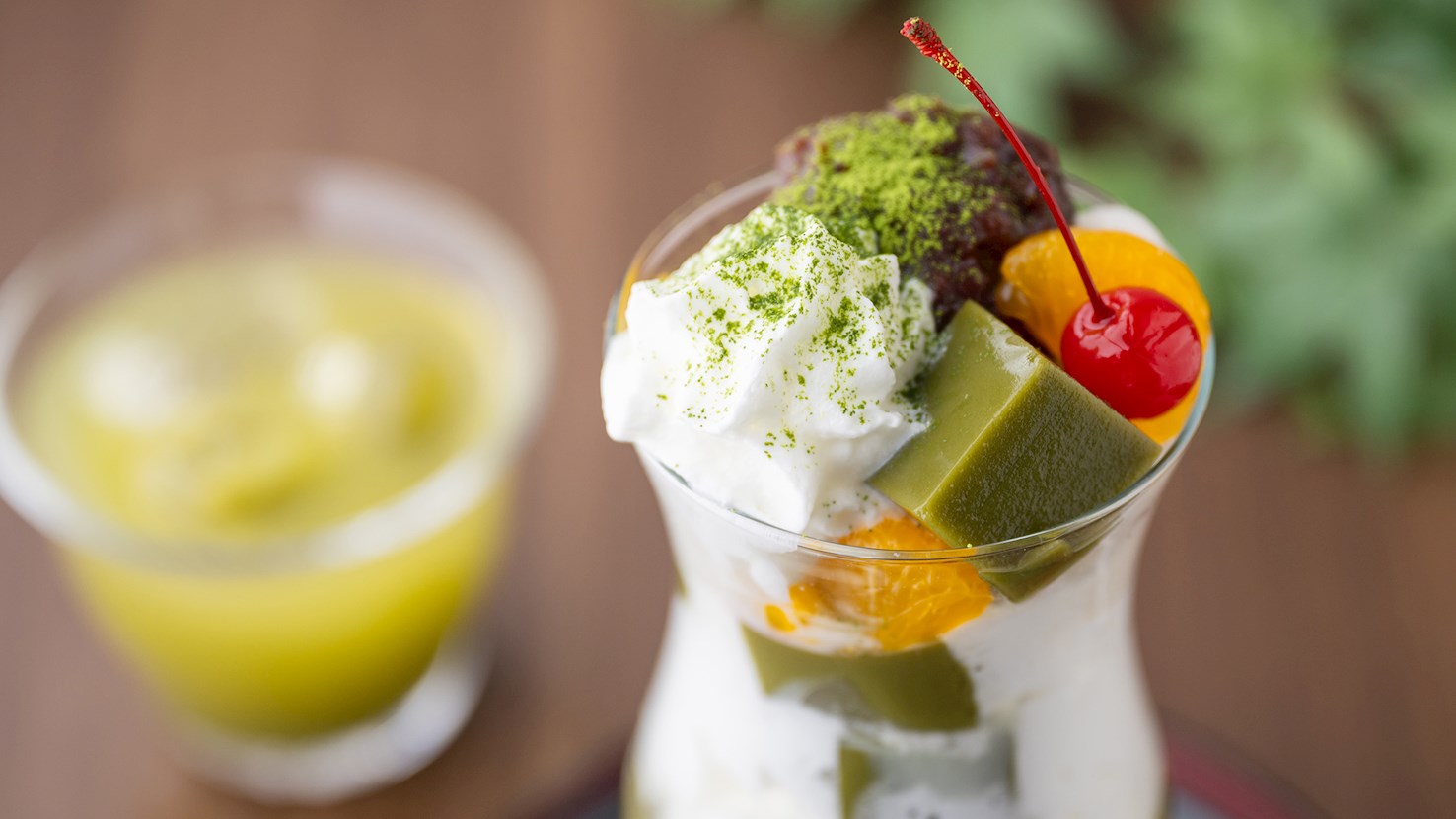
A matcha parfait is a delightful dessert that combines the earthy, rich flavor of matcha (a finely ground green tea powder) with the creamy, layered goodness of a parfait. It usually includes layers of matcha-flavored components like custard and whipped cream (or ice cream), which are alternated with layers of other ingredients like fruits (such as strawberries or kiwi), jellies, cereals, or sponge cake. The parfait may be topped with additional matcha powder, whipped cream, fresh fruits, nuts, or even sweet red bean paste, depending on the specific recipe or the chef's preference. Typically, it is served in a tall glass to showcase the beautiful layers and make the eating experience a visual delight as well. Matcha parfaits are popular in Japan and can be found in many Japanese cafes and restaurants, especially those specializing in sweets and desserts.
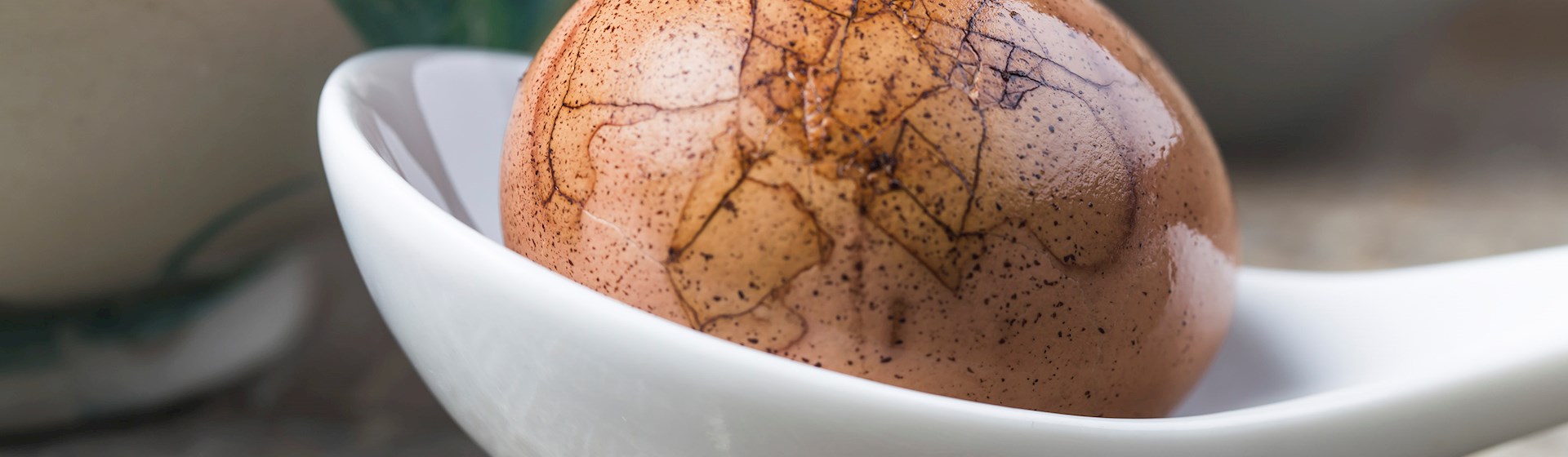
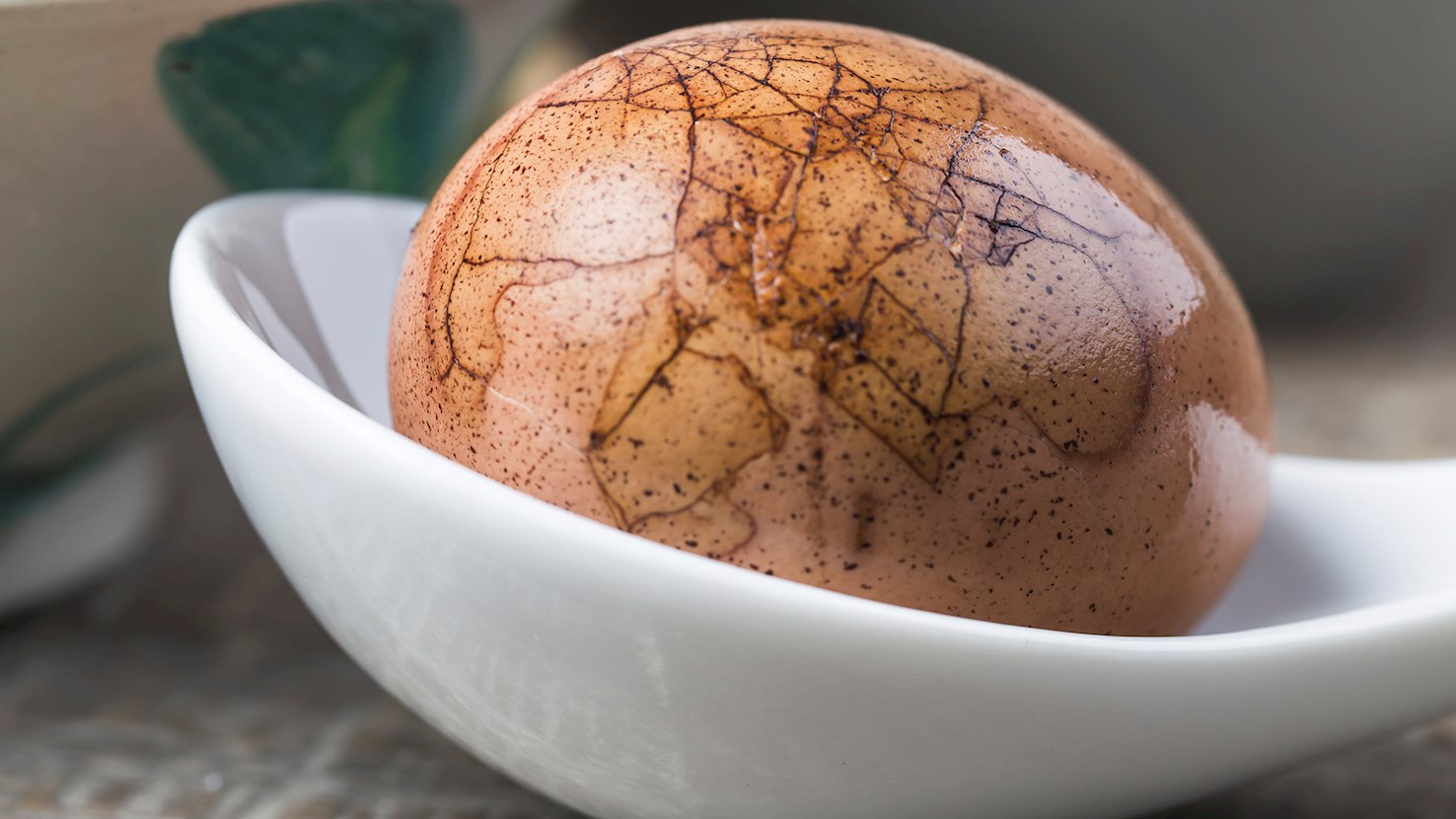
Despite its unusual name, tea is not the dominant flavor in tea egg, a popular, traditional snack item that originated in Zhejiang, but is found throughout China. The snack consists of an egg that is hard-boiled in (usually black) tea, soy sauce, and numerous spices such as anise, cinnamon, cloves, fennel, and peppercorns, which add a savory, slightly salty note to a normal egg. Tea egg is usually sold by street vendors, but it can also be found in numerous Chinese markets and Asian restaurants. It is commonly consumed on its own or served with accompaniments such as noodles or rice. Traditionally, tea eggs are eaten during Chinese New Year, symbolizing wealth, prosperity, and fertility.
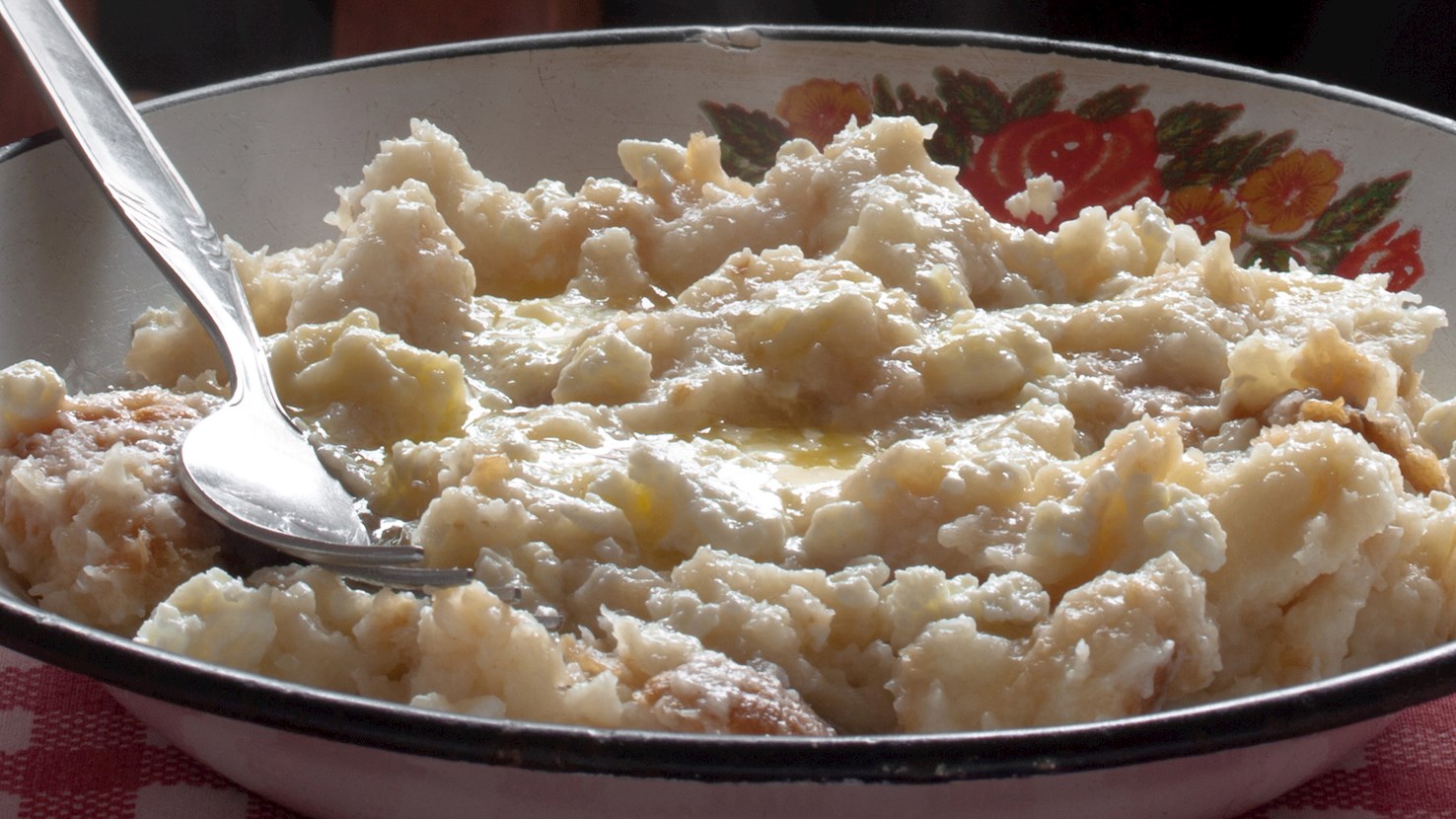
Popara, the Balkan version of bread mash, is an ancient dish that has been greatly appreciated as a quick and easy solution to use up leftover bread and to feed the whole family in the process. Since it is eaten in many countries across the region, there are many different ways of its preparation. The two crucial ingredients are bread, diced or torn into smaller pieces, and liquid, usually milk, water, or tea, that is used to blend the bread into a soft mass. The liquid is typically mixed with butter, vegetable oil, or lard to provide a more substantial meal. The bread can be shortly fried in the combination of liquid and fat, and in some versions, the heated mix is poured over the bread and stirred until it is thoroughly blended. Depending on tradition and preference, popara can be completely homogenous and creamy or it can have a coarse consistency filled with chewy bread pieces. Since plain popara is mild and neutral in taste, it can be prepared in both savory and sweet versions. Additional ingredients that are commonly used to uplift this nutritious meal include onions, garlic, full-fat cream, fresh cottage cheese, ground red pepper, or sugar in the sweet popara. It is hard to pinpoint the exact place where this simple and filling dish originated, but it is believed that it was invented out of necessity, during severe hardships, when many ingredients were scarce or hard to obtain. Today, popara remains a popular breakfast meal in many Balkan countries and regions.
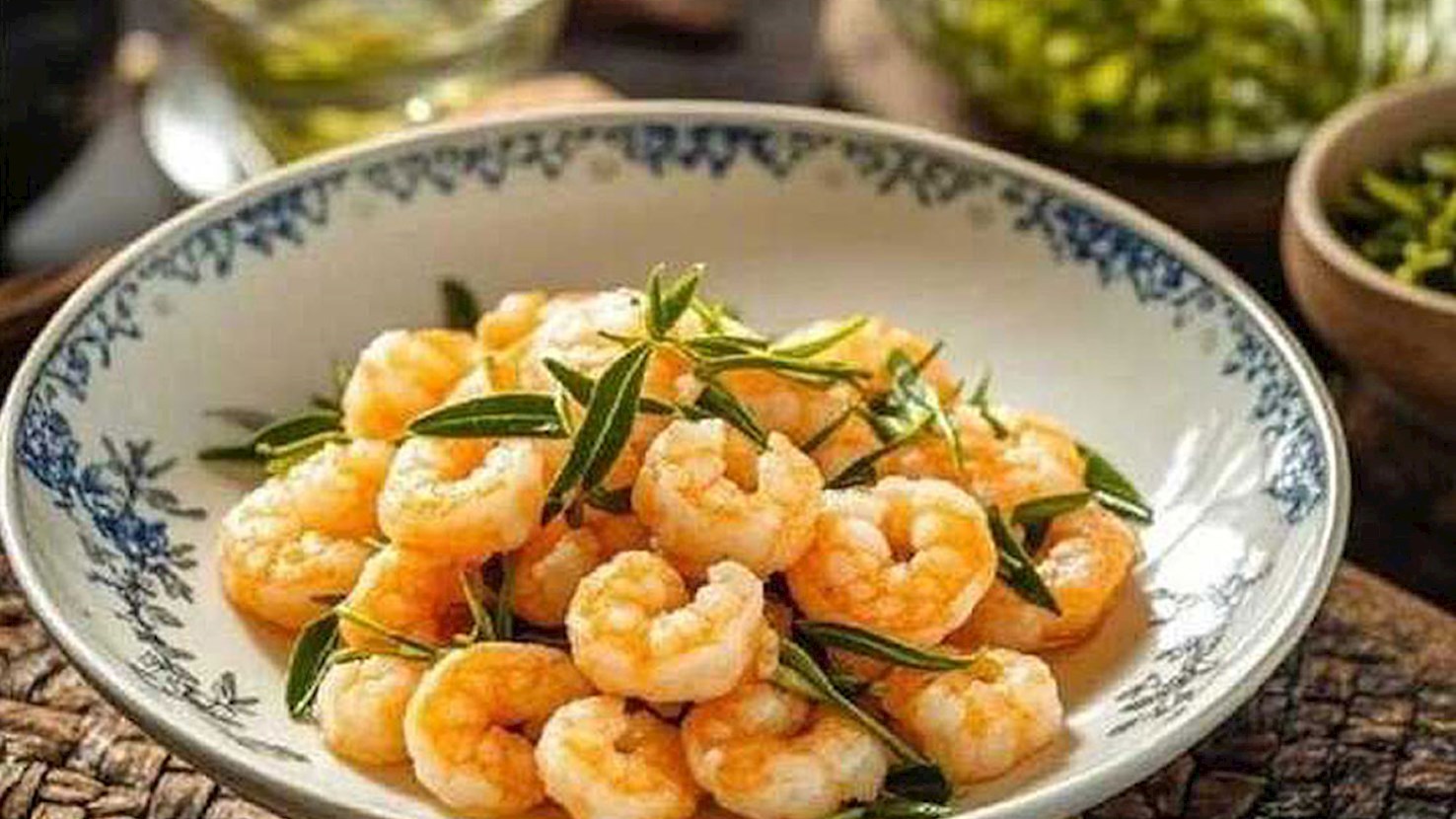
Regarded as a specialty of Hangzhou city, fried shrimps with Longjing tea is one of the best-known dishes of Zheijang cuisine that makes use of the outstanding Longjing tea. Large live shrimps are first soaked in a marinade of egg whites, cornstarch, and rice wine, and then cooked along with steeped Longjing tea. The fragrant and refreshing green shoots of Longjing tea beautifully complement the delicious white shrimps, giving this authentic dish an exquisite flavor. These stir-fried shrimps are served hot or chilled, drizzled with the cooking liquid and seasoned with salt and pepper to taste.
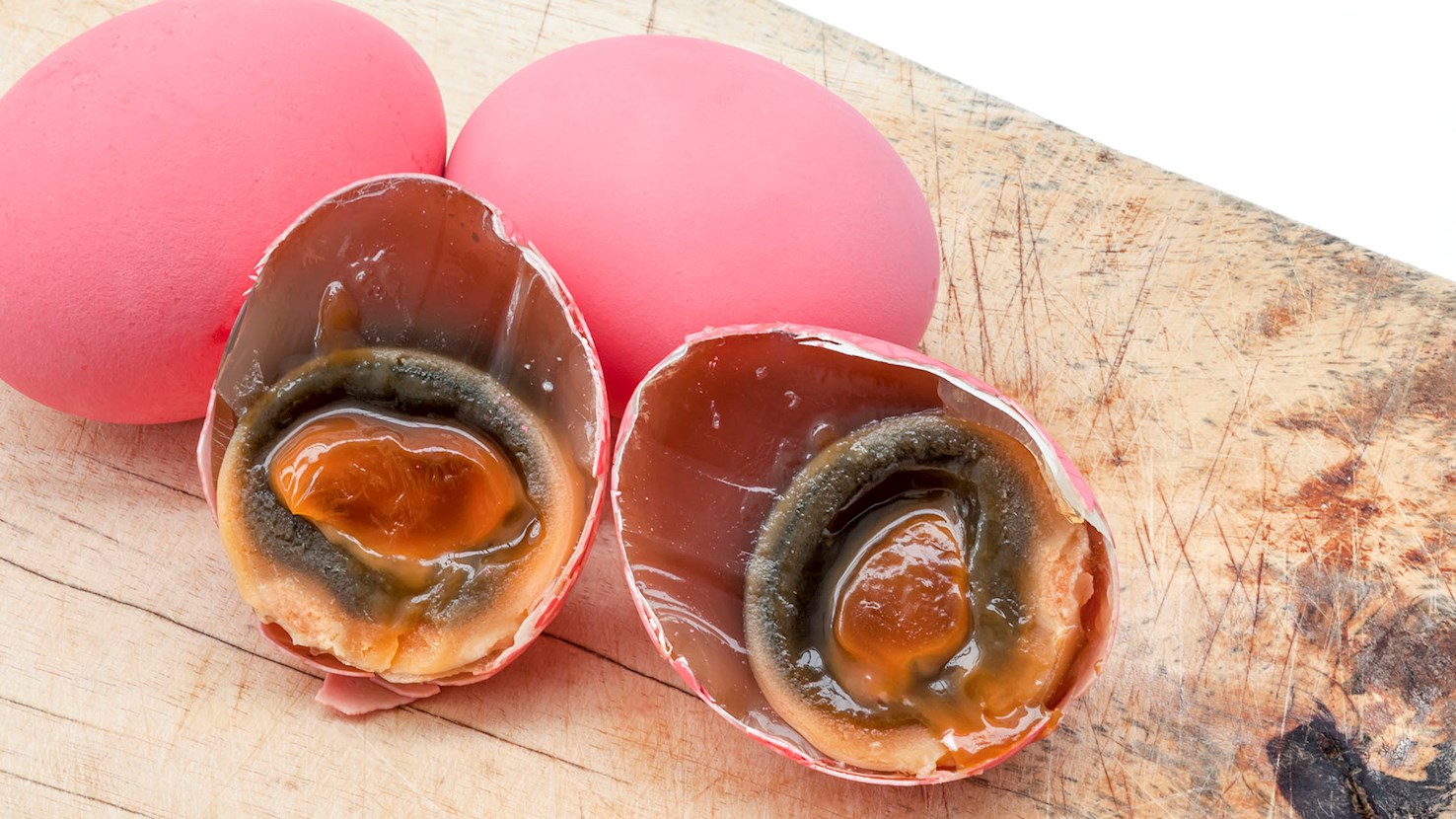
Pi dan, commonly known as a century egg, is a preserved egg product created by burying duck, quail, or chicken eggs in a highly alkaline mixture of clay, wood ash, salt, quicklime, and rice hulls for several weeks to several months. Historical accounts trace the discovery of this preservation method to Hunan during the Ming Dynasty, roughly six hundred years ago. A homeowner allegedly found duck eggs resting in a shallow pool of slaked lime used for mortar during household construction. Tasting these accidentally preserved eggs prompted the creation of a deliberate manufacturing process with added salt to improve the final flavor. The modern preservation process coats the raw egg with a paste of alkaline materials, which gradually raises the egg's internal pH from around 9 to 12 or higher. This severe chemical shift breaks down complex, flavorless proteins and fats into smaller, highly flavorful chemical compounds. The egg white transforms into a translucent, dark brown jelly with a salty taste. The yolk simultaneously turns into a dark green or grey creamy substance with a strong odor of sulfur and ammonia. The rice hulls prevent the eggs from sticking together in the curing vessel and form a protective crust on the outer shell. Certain curing methods produce delicate, white crystalline patterns resembling pine branches on the surface of the translucent egg white. People eat the preserved eggs on their own as a snack or slice them and add them to a warm bowl of rice congee with minced lean pork. Slices of pickled sweet ginger root frequently accompany the egg to cut through the rich, alkaline flavor. A popular serving method involves arranging wedges of the dark egg over a block of chilled silken tofu before pouring a dressing of soy sauce, black vinegar, sesame oil, and chopped cilantro over the plate.
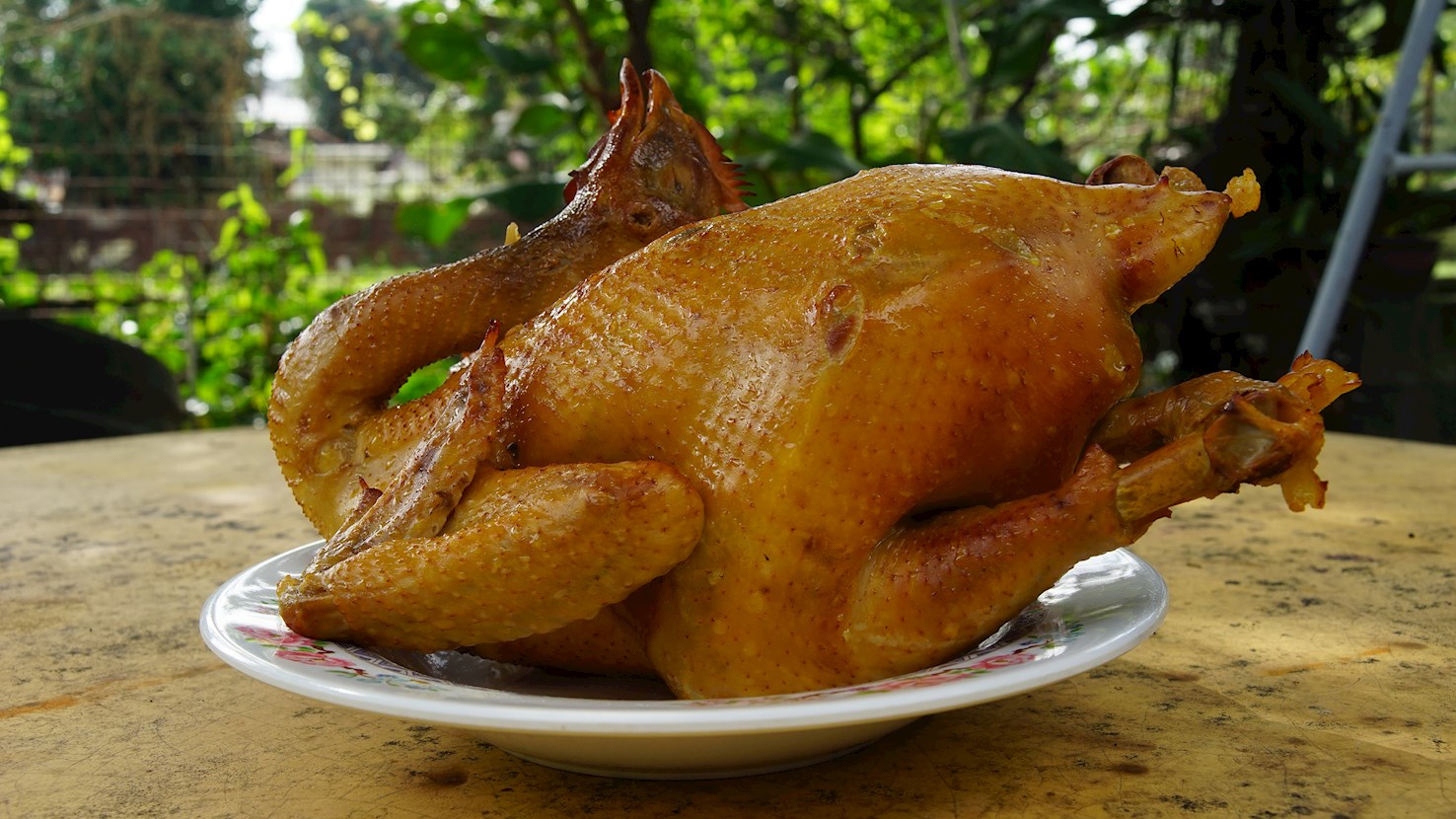
Tea-smoked chicken is a traditional dish that's especially popular in the northern parts of the country. It's usually made with a combination of a whole chicken, ginger, sesame oil, salt, and Shaoxing wine or sherry. The smoking materials include tea leaves (oolong is recommended), sugar, and barley. The chicken is rubbed with salt, chilled, rinsed, dried, flattened, scored, and smoked with a mixture of tea leaves, flour, sugar, and barley in a steamer. The bird is then rubbed with a mixture of wine, sesame oil, and ginger before it's steamed for about an hour or until fragrant. The meat is carved and the dish is often served with noodles on the side. If desired, garnish the chicken with chopped coriander before serving.
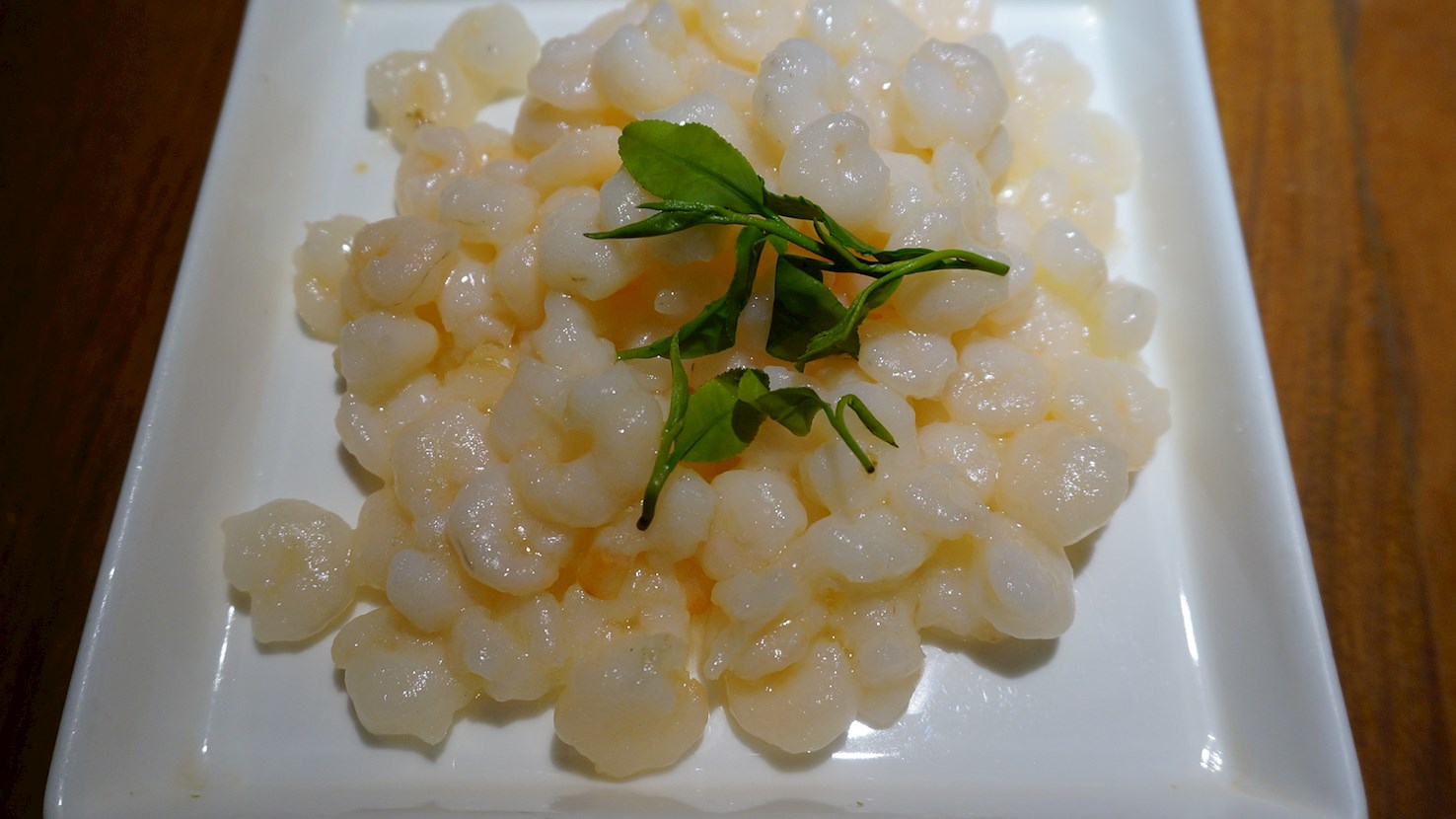
Lóngjǐng xiārén is a Hangzhou dish made with freshwater prawns stir-fried with Longjing tea, a green tea produced in the mountains around West Lake in Zhejiang Province. It is considered one of the regional dishes that highlight locally sourced ingredients, since both the tea and the prawns come from the same area and benefit from the soft water and mild climate of Hangzhou. The dish formed in an environment where tea cultivation was closely tied to local agriculture and where small, tender freshwater shrimp were commonly caught in nearby rivers and lakes. Cooks in Hangzhou began combining the two ingredients by infusing the prawns with the aroma of freshly brewed Longjing tea, using the tea both as a flavoring liquid and as an ingredient whose leaves remain visible in the finished dish. Over time, the preparation method became standardized around using very fresh prawns, lightly seasoned and cooked quickly so that the natural sweetness of the shrimp remains the focus. Preparation begins with peeling and deveining small freshwater prawns while keeping the meat intact. The prawns are usually tossed with a little egg white and starch to preserve their delicate texture during stir-frying. Longjing tea is brewed with water just below boiling temperature so the leaves remain green and aromatic, and the brewed tea is set aside for the cooking process. In a hot wok, the prawns are quickly stir-fried with mild seasonings (often only salt, a touch of rice wine, and a small amount of stock), before the strained Longjing tea and a portion of the soft tea leaves are added. The prawns are cooked only briefly, turning white and firm while absorbing the tea’s aroma. The finished dish is pale, lightly glossy, and studded with green tea leaves that contribute both color and a gentle vegetal note. A defining feature is the requirement for high-quality Longjing tea; inferior tea produces a dull color and lacks the characteristic aroma that distinguishes the dish. Lóngjǐng xiārén is served in Hangzhou restaurants, tea-focused establishments, and banquet settings, especially during spring when the first flush of Longjing tea becomes available. It is usually eaten with plain rice and mild vegetable dishes so the prawns and tea flavors remain prominent. The dish pairs well with Longjing tea itself, allowing the beverage to echo the flavors in the food, and also complements light broths, steamed freshwater fish, or neutral white wines that do not interfere with the dish’s subtle aroma.
TasteAtlas food rankings are based on the ratings of the TasteAtlas audience, with a series of mechanisms that recognize real users and that ignore bot,
nationalist or local patriotic ratings, and give additional value to the ratings of users that the system recognizes as knowledgeable.
For the “7 Best Rated Dishes with Tea / Infusion” list until June 17, 2026, 1,000,987 ratings were recorded, of which 657,348 were recognized by the system as legitimate.
TasteAtlas Rankings should not be seen as the final global conclusion about food. Their purpose is to promote excellent local foods,
instill pride in traditional dishes, and arouse curiosity about dishes you haven’t tried.