




shutterstock

14 Best Rated
Dishes with Tilapia

Last updated on August 17, 2026
01

Chả cá Lã Vọng (Turmeric Fish with Dill and Noodles)

4.1 ·

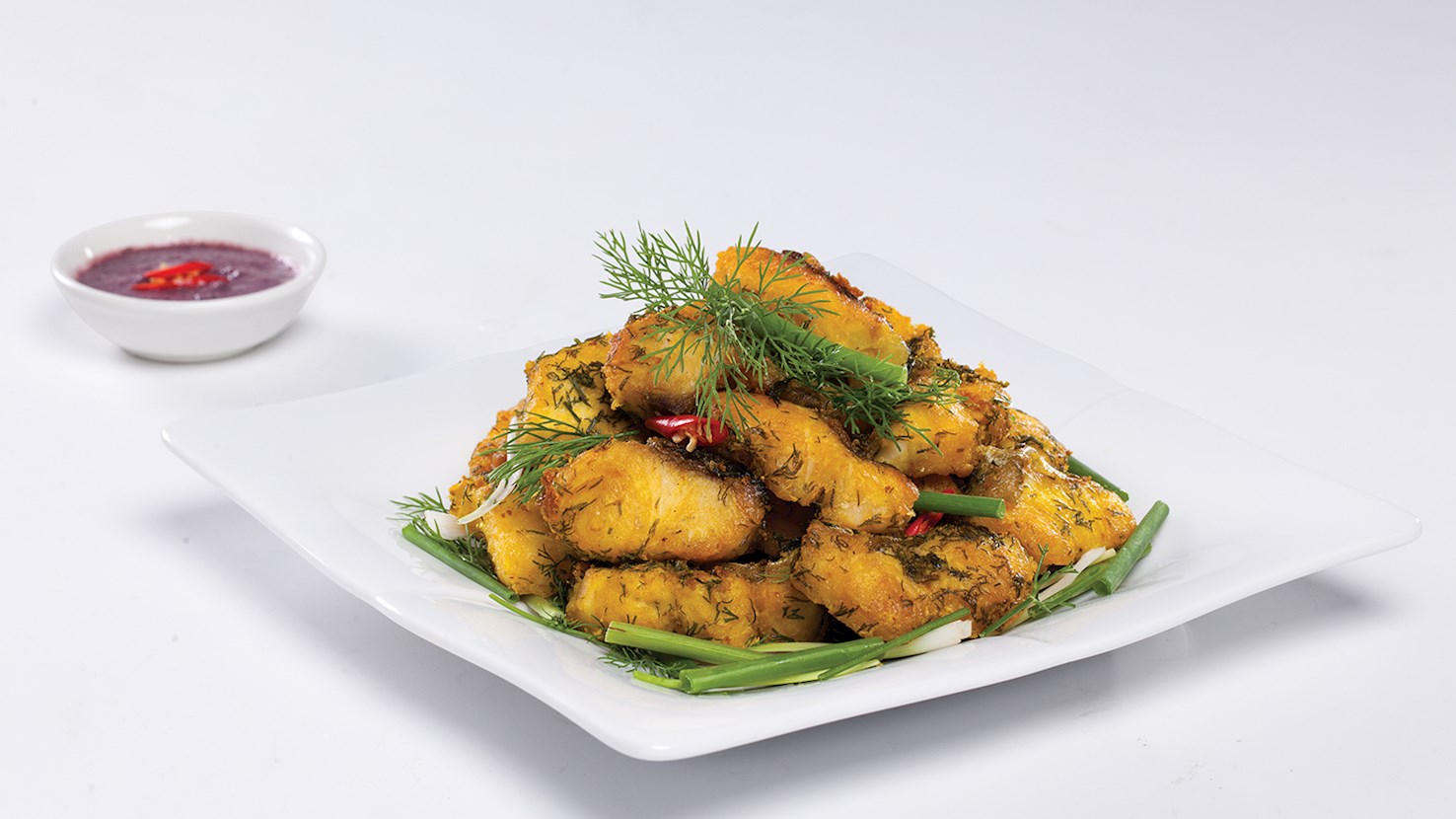
Chả cá Lã Vọng is a traditional dish originating from Hanoi. It consists of grilled fish with turmeric and dill. In order to prepare it, firm white fish such as catfish, cod, or tilapia is usually marinated in shallots, galangal, turmeric, garlic, shrimp paste, fish sauce, and oil. It is then grilled on both sides with dill and spring onions and served with vermicelli noodles, roasted peanuts, and a dipping sauce consisting of lime juice, garlic, fish sauce, and sugar. This dish dates back to the French Indochina days of Vietnam, and the resistance fighters used to meet in the Old Quarter of Hanoi. Their secret meeting place served grilled fish (chả cá), and outside of the establishment, there was a statue of Lã Vọng, a famous poet and resistance fighter, hence the name of the dish.

02

Ryba po grecku

3.5 ·

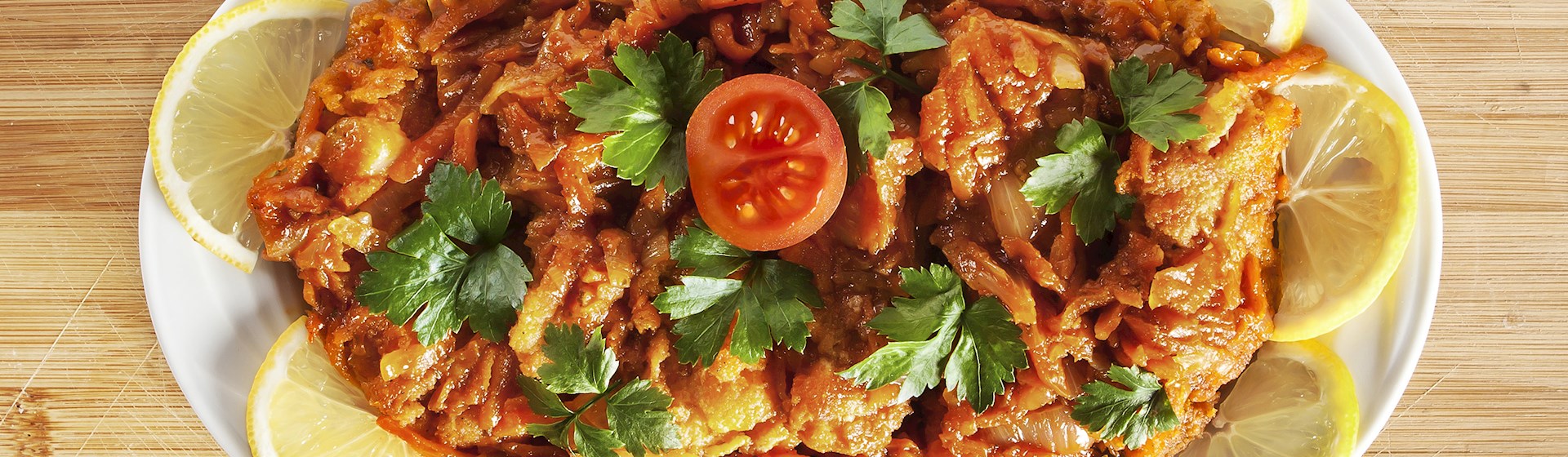
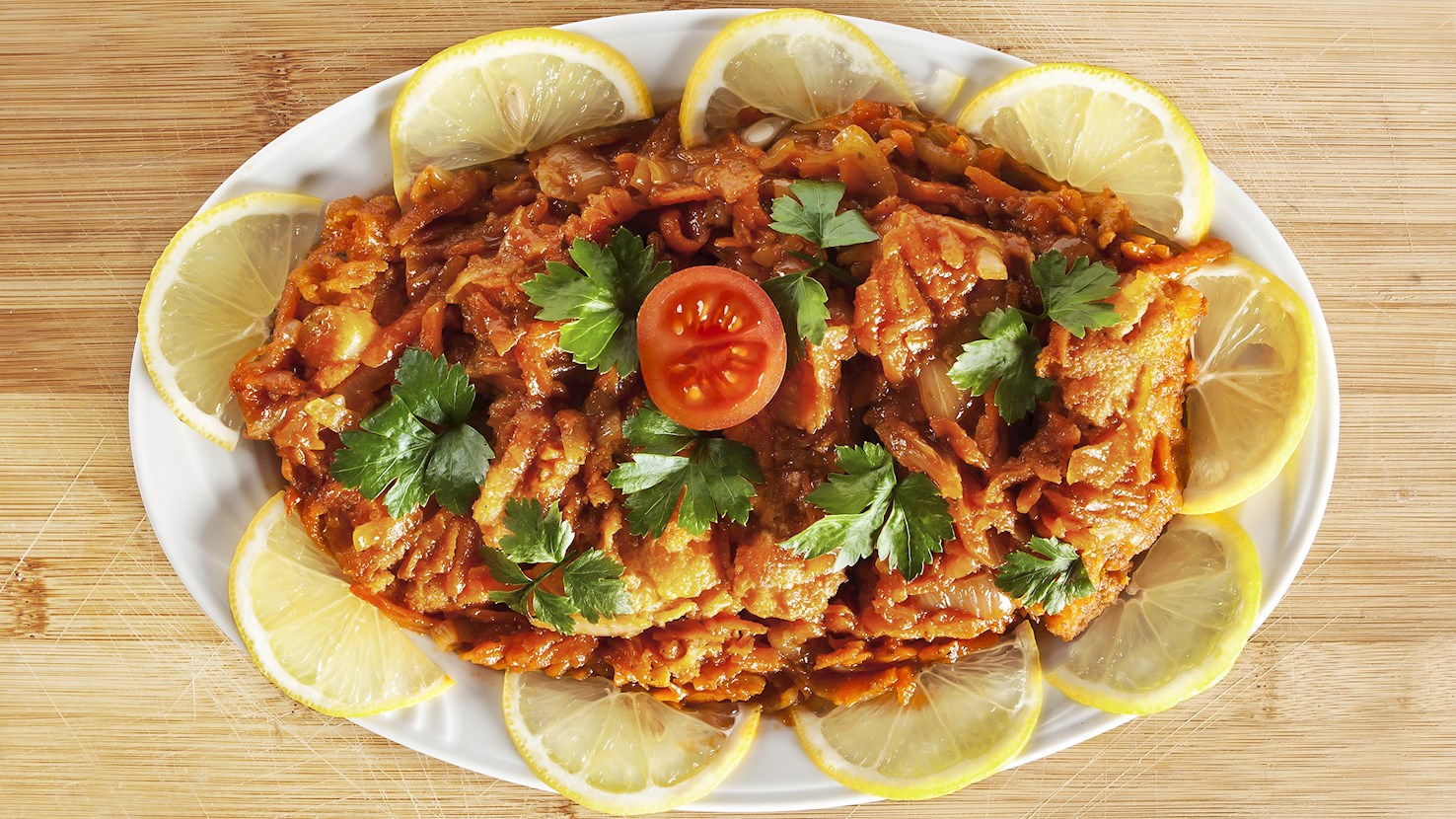
Ryba po grecku is a traditional fish dish originating from Poland. Although there are variations, the dish is usually made with a combination of fish fillets (cod, haddock, tilapia, perch, pike, etc.), carrots, celery, leeks, parsley, onions, oil, tomato paste, lemon juice or vinegar, bay leaves, paprika, salt, and pepper. The fillets are seasoned with salt and pepper, fried in oil on both sides, and set aside. The carrots and celery are grated and mixed with the other chopped vegetables before the mixture is sautéed over medium heat until soft. Near the end of cooking, the rest of the ingredients are stirred in and everything is sautéed for a few more minutes. The fillets are placed in a glass dish and topped with the vegetables. The process is repeated until everything is layered and used up, and the dish is then served hot or cold. Ryba po grecku is traditionally served on Christmas Eve as an appetizer, ideally with bread and butter on the side.

03

Pescado frito estilo de Yojoa

3.5 ·

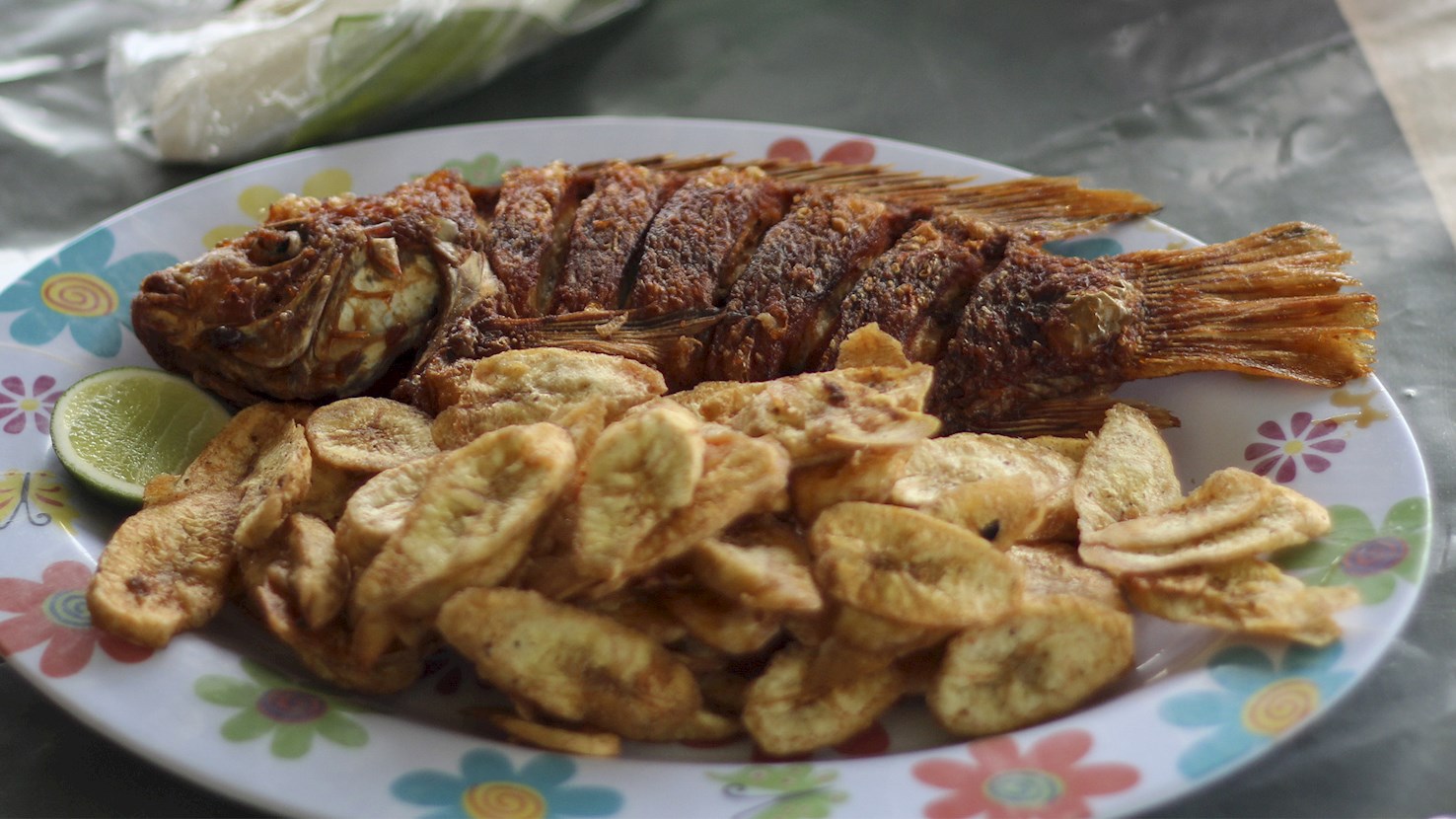
Originating from the Lago de Yojoa region, fried Yojoa fish is a traditional dish. The fish is seasoned with salt and spices and it's left to marinate overnight. The next day, it's deep-fried and traditionally garnished with pickled red cabbage, pickled onions, and lime slices, while deep-fried plantains, also known as tajaditos, make for an excellent side dish. The Yojoa fish has a slightly sweet flavor, which distinguishes it from other types of fried fish, and the marination process ensures that the flesh becomes delicious, flaky, and easily pulled off the bones.

04

Pla sam rot (Three-Flavor Fish)

3.3 ·

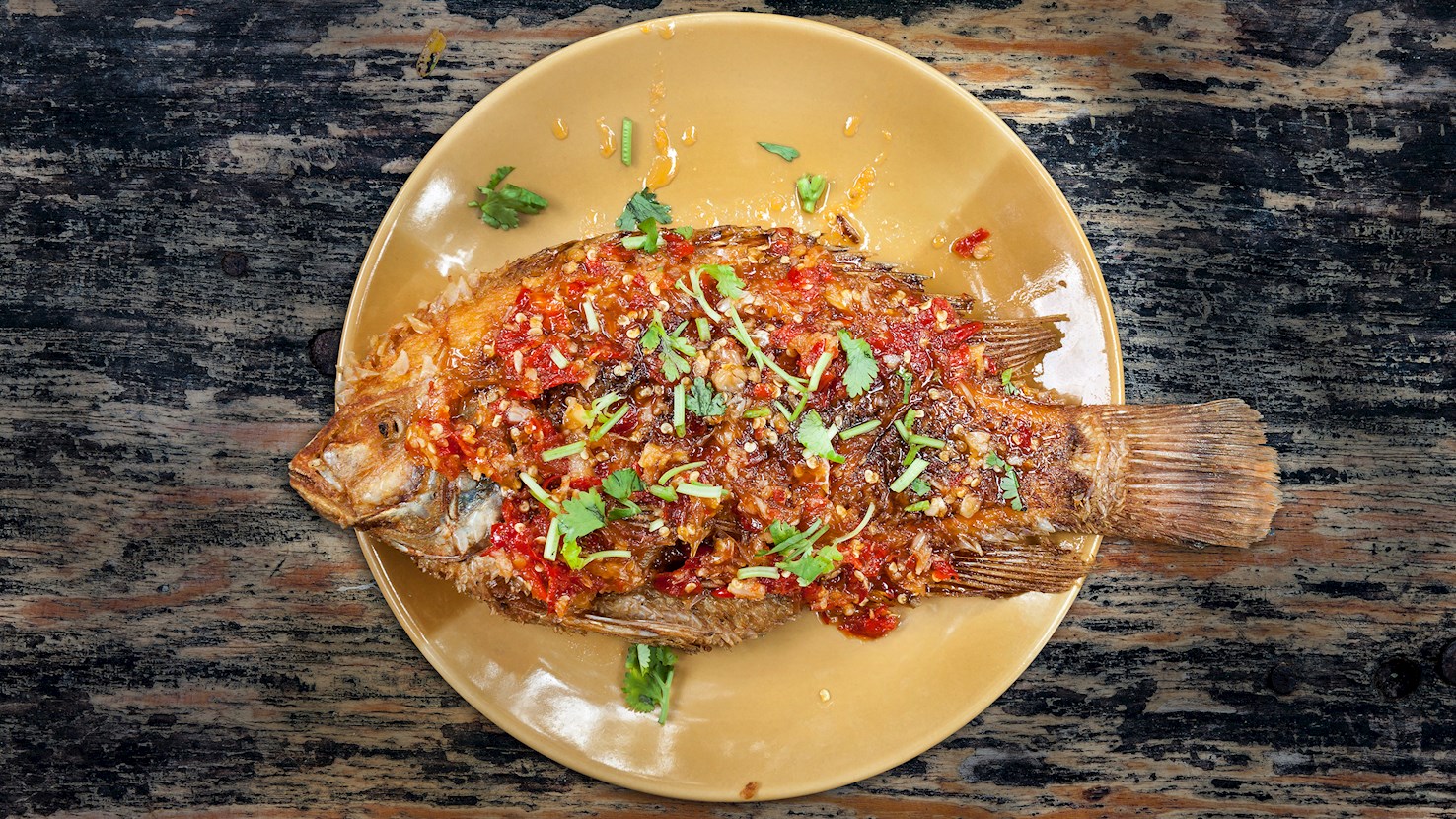
Pla sam rot is a traditional fish dish originating from Thailand. The dish is usually made with fish such as sea bass, tilapia, or snapper. The three-part sauce is made with a mixture of tamarind (sour), palm sugar (sweet), fish sauce (salty), and additional ingredients such as garlic, coriander, hot peppers, shallots, Thai basil, and oil. The fish is fried in oil and the sauce is then spooned over the fish. Pla sam rot is traditionally served on a platter as a shared meal, with steamed jasmine rice on the side.

05

Maito de pescado

2.9 ·

Maito de pescado is a traditional dish originating from the Pastaza region. The dish consists of river fish such as catfish, tambaqui, or bocachico that's wrapped in banana leaves, and it's then cooked in firewood. The leaves are tightly tied with natural fibers. In the past, the flavor would come only from the leaves, but nowadays people use salt, onions, or garlic for extra flavor. Once prepared, the maito (lit. wrap) is served with cassava, plantains, or potatoes on the side, which are products cultivated by the women farmers called Chagramamas. The dish is often paired with a cold glass of guayusa tea, and it can be found in traditional restaurants in the area.

06

Yétissé

n/a ·

Yétissé is a traditional African dish originating from Guinea. This stew is prepared with fish such as tuna, tilapia, or cod, vegetables such as eggplants, carrots, onions, garlic, and cassava, along with tomatoes, tomato paste, stock cubes, palm oil, hot peppers, ginger, okra, and rice. The stew is simmered until the vegetables become tender, and the browned fish is placed into the pot near the end of cooking. Once done, it's served with a combination of crushed okra and white rice. This communal dish is meant to be shared, so it's often served on a large plate with the stew in the middle and the rice all around it. Yétissé can also be prepared with beef or chicken, if desired.

07

Mufete

n/a ·

Mufete is a classic Angolan grilled fish dish originating from the capital Luanda, more specifically, a sandbar called Ilha de Luanda. Influenced by Portuguese cuisine, the central piece of this dish is grilled fish (either freshwater one like tilapia or saltwater one like horse mackerel and sardine), and it comes in two variants: light and full. The light version consists of only the fish and onion salsa, while the full version comes with additions such as beans, sweet potatoes, plantain, and cassava. Mufete was traditionally eaten at special events such as weddings and holidays. Still, nowadays, it is one of the favorite go-to dishes of Luandans (and Angolans in general), often eaten a few times per week.

08

Trondro gasy

n/a ·

Trondro gasy is a traditional fish dish originating from the highlands of Madagascar. The dish is usually made with a combination of onions, oil, tomatoes, garlic, salt, pepper, curry powder, watercress, and pieces of tilapia fish. The fish is added to the sauce, and some water is added to the pan in order for the dish to simmer until everything is fully cooked and the liquid has evaporated. Once done, trondro gasy is served hot over white rice.

09

Dahomey Fish Stew

n/a ·

Dahomey fish stew is a Beninese dish consisting of fillets taken from firm, low-fat fish that are rolled in flour and fried in oil until golden brown. They are then combined with cooked onions and tomatoes and left to simmer until the dish is served, preferably with rice. The dish is named after Dahomey, which is how Benin was known in the early 1970s, when the first recipe for this stew was published.

10

Shuǐ zhǔ yú

n/a ·

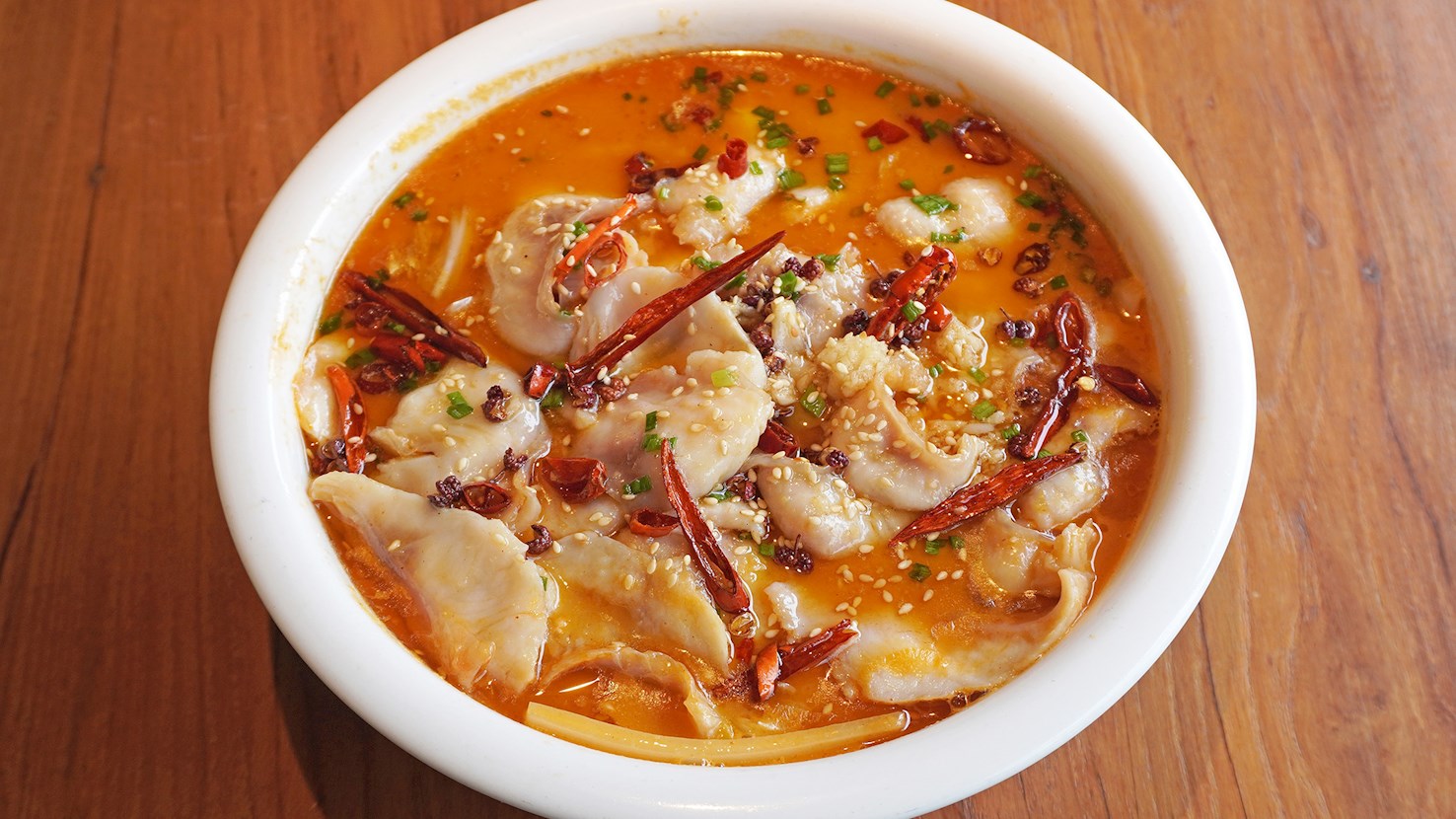
Shuǐ zhǔ yú is a Sichuanese fish dish known for its fiery broth, bold use of chili, and mouth-numbing Sichuan peppercorns. The name translates as “water-boiled fish,” but the method and seasoning make it much more complex than its name might suggest. The preparation begins by slicing freshwater fish fillets, usually grass carp or similar white fish, into thin pieces. These are marinated with salt, Shaoxing wine, and a bit of starch to keep the flesh tender. Meanwhile, a base is built by frying dried chilies, Sichuan peppercorns, garlic, and bean paste in oil to create an intensely fragrant sauce. Water or stock is added to form the broth, which becomes red and spicy. Vegetables such as bean sprouts or cabbage are often placed at the bottom of the serving bowl, then the marinated fish slices are quickly poached in the broth until just cooked. Finally, more dried chilies and peppercorns are scattered on top and doused with hot oil to release their aroma. One of the defining qualities of shuizhu yu is the layering of heat. Rather than being uniformly spicy, the dish offers a mix of fiery chili, numbing peppercorn, and savory bean paste that creates depth rather than just sharpness. The vegetables, cooked beneath the fish, absorb the broth and provide both texture and relief from the intensity. The method of pouring hot oil over the final dish also adds a dramatic fragrance that lingers as it is served. Today, shuǐ zhǔ yú is found not only in Sichuan but also in Chinese restaurants worldwide, often ordered as a centerpiece dish to share. It is typically eaten with plain steamed rice, which balances the strong flavors, and accompanied by other Sichuan dishes to complete a meal.

About this Ranking

TasteAtlas food rankings are based on the ratings of the TasteAtlas audience, with a series of mechanisms that recognize real users and that ignore bot, nationalist or local patriotic ratings, and give additional value to the ratings of users that the system recognizes as knowledgeable. For the “14 Best Rated Dishes with Tilapia” list until August 17, 2026, 1,026,063 ratings were recorded, of which 678,656 were recognized by the system as legitimate.

TasteAtlas Rankings should not be seen as the final global conclusion about food. Their purpose is to promote excellent local foods, instill pride in traditional dishes, and arouse curiosity about dishes you haven’t tried.

What People Say

Similar Lists