

tasteatlas

71 Best Rated
Dishes with Tuna

Last updated on June 17, 2026
01

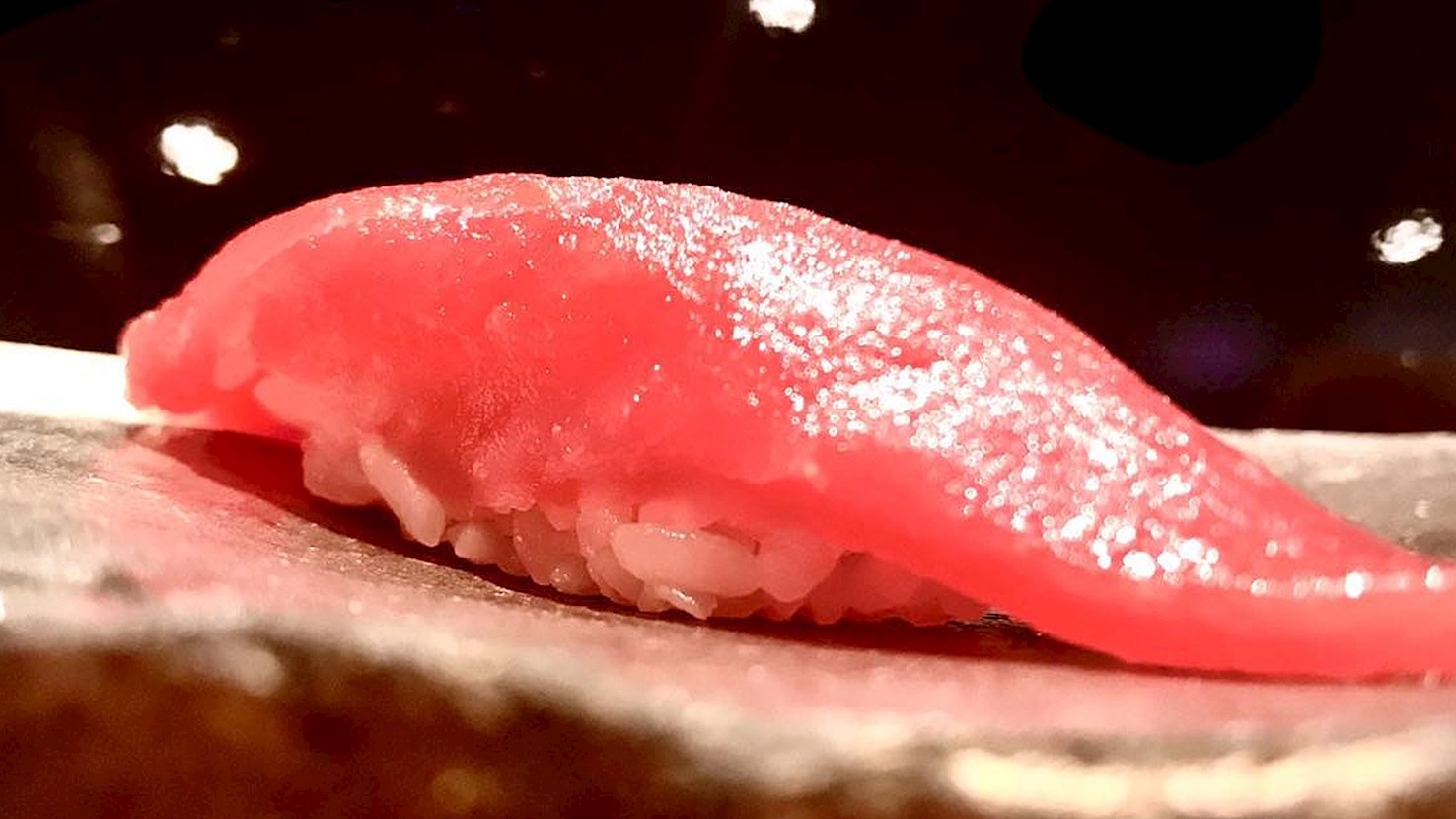
Otoro nigiri sushi

4.6 ·

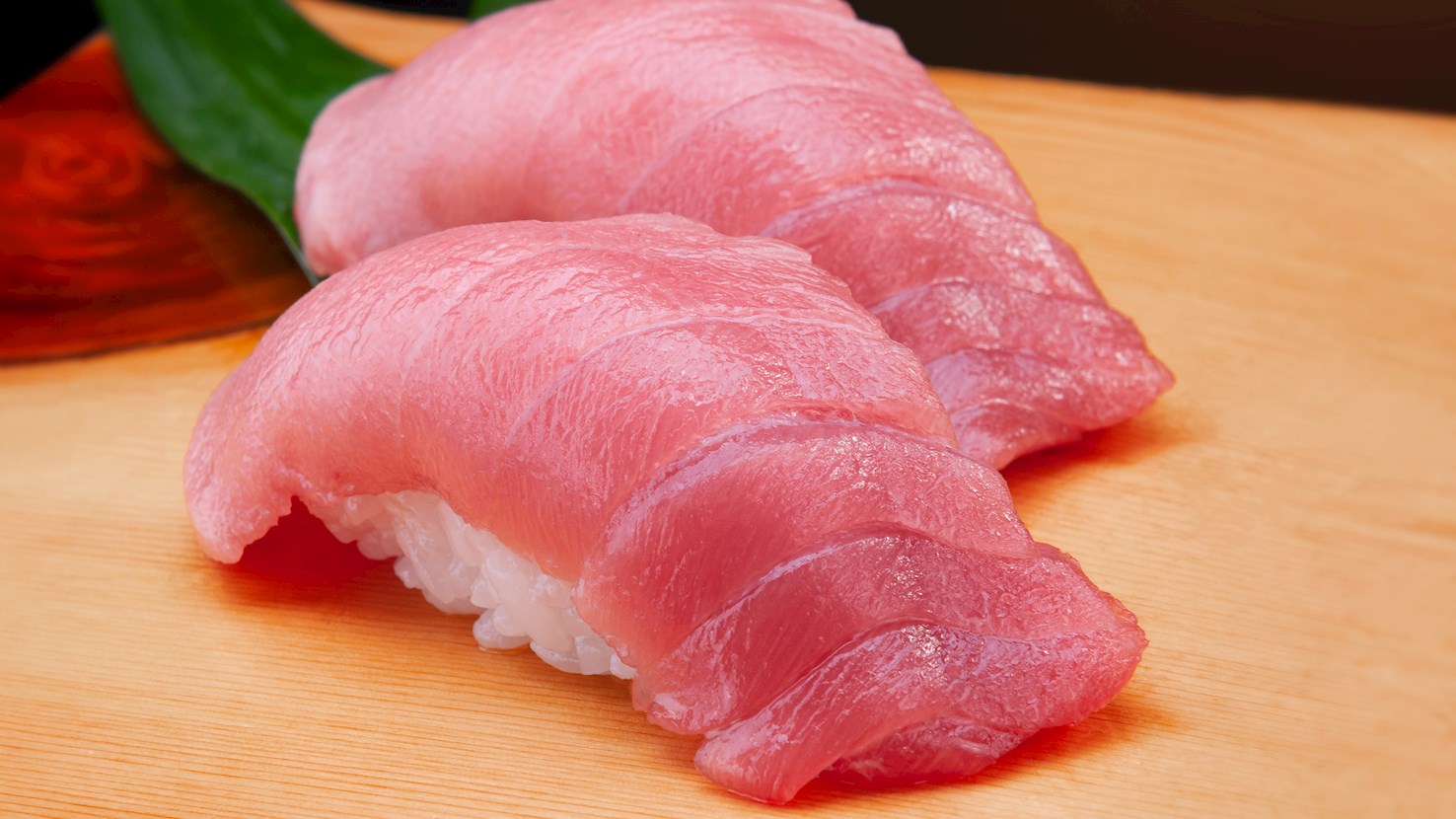
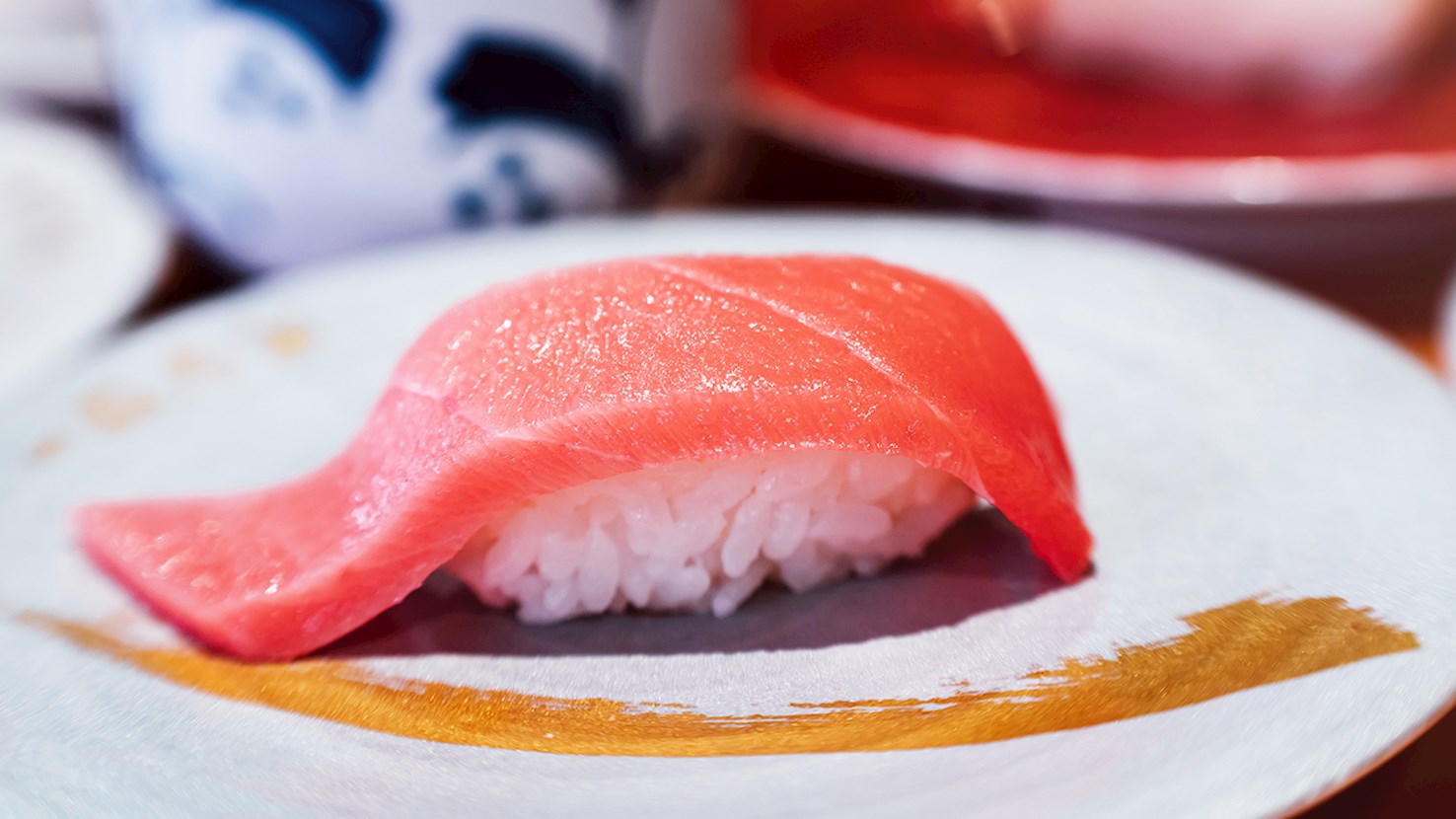
Otoro nigiri sushi is a traditional type of nigiri sushi. It consists of hand-pressed sushi rice that's topped with slices of fatty cuts of tuna. Different cuts of tuna are classified as otoro (fatty), chutoro (medium-fatty), and akami (red meat). The dish has a rich flavor and a melt-in-the-mouth texture that makes it quite expensive. Traditionally, this type of sushi is eaten by hand in a single bite. It's usually accompanied by soy sauce, wasabi, or pickled ginger (gari) on the side.

02

Chutoro nigiri sushi

4.6 ·

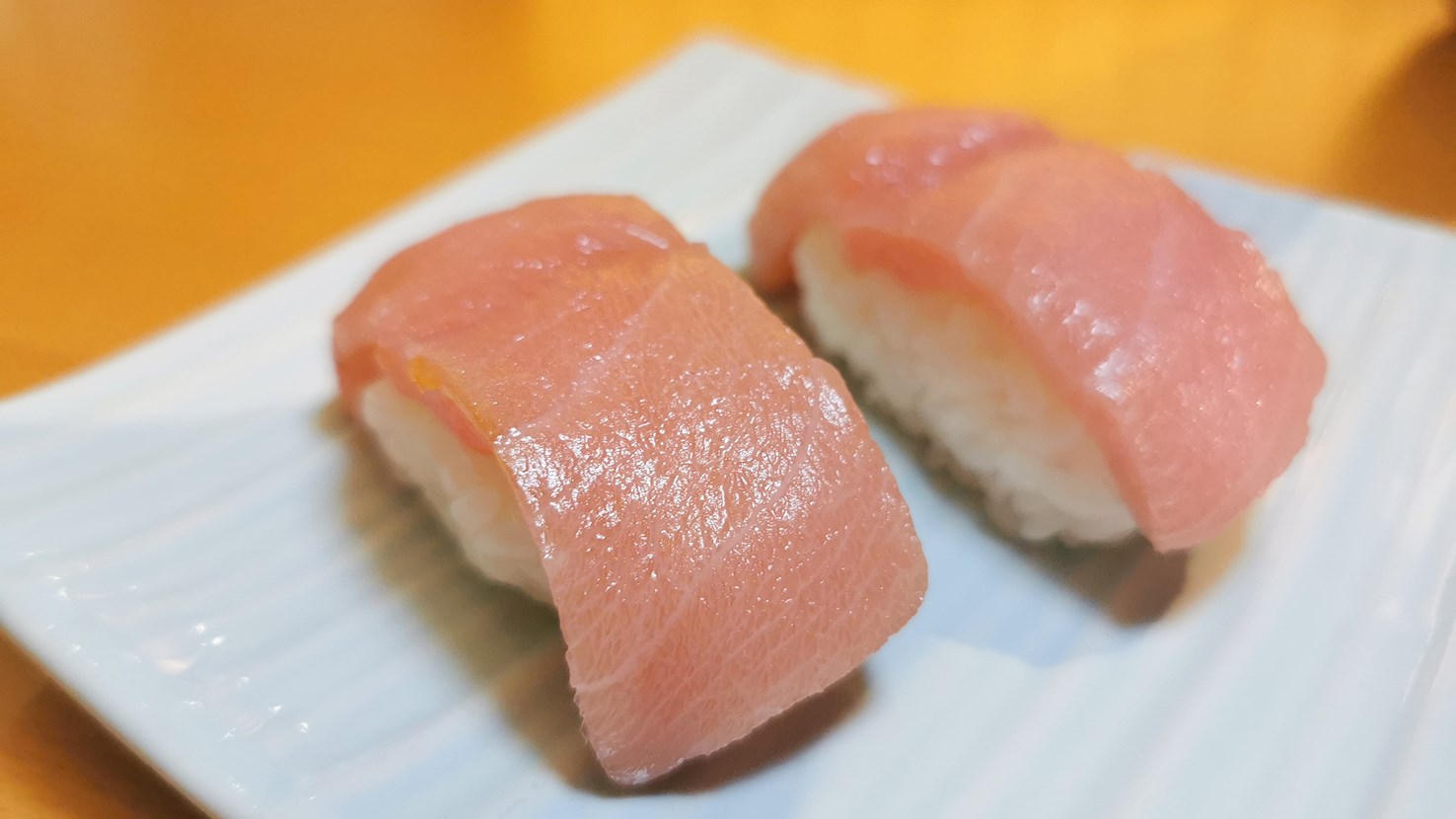
Chutoro nigiri sushi is a traditional type of nigiri sushi. It consists of hand-pressed sushi rice that's topped with slices of medium-fatty cuts of tuna. Different cuts of tuna are classified as otoro (fatty), chutoro (medium-fatty), and akami (red meat). The dish has a rich and deep flavor and a soft texture. Traditionally, this type of sushi is eaten by hand in a single bite. It's usually accompanied by soy sauce, wasabi, or pickled ginger (gari) on the side.

03

Kaisendon

4.5 ·

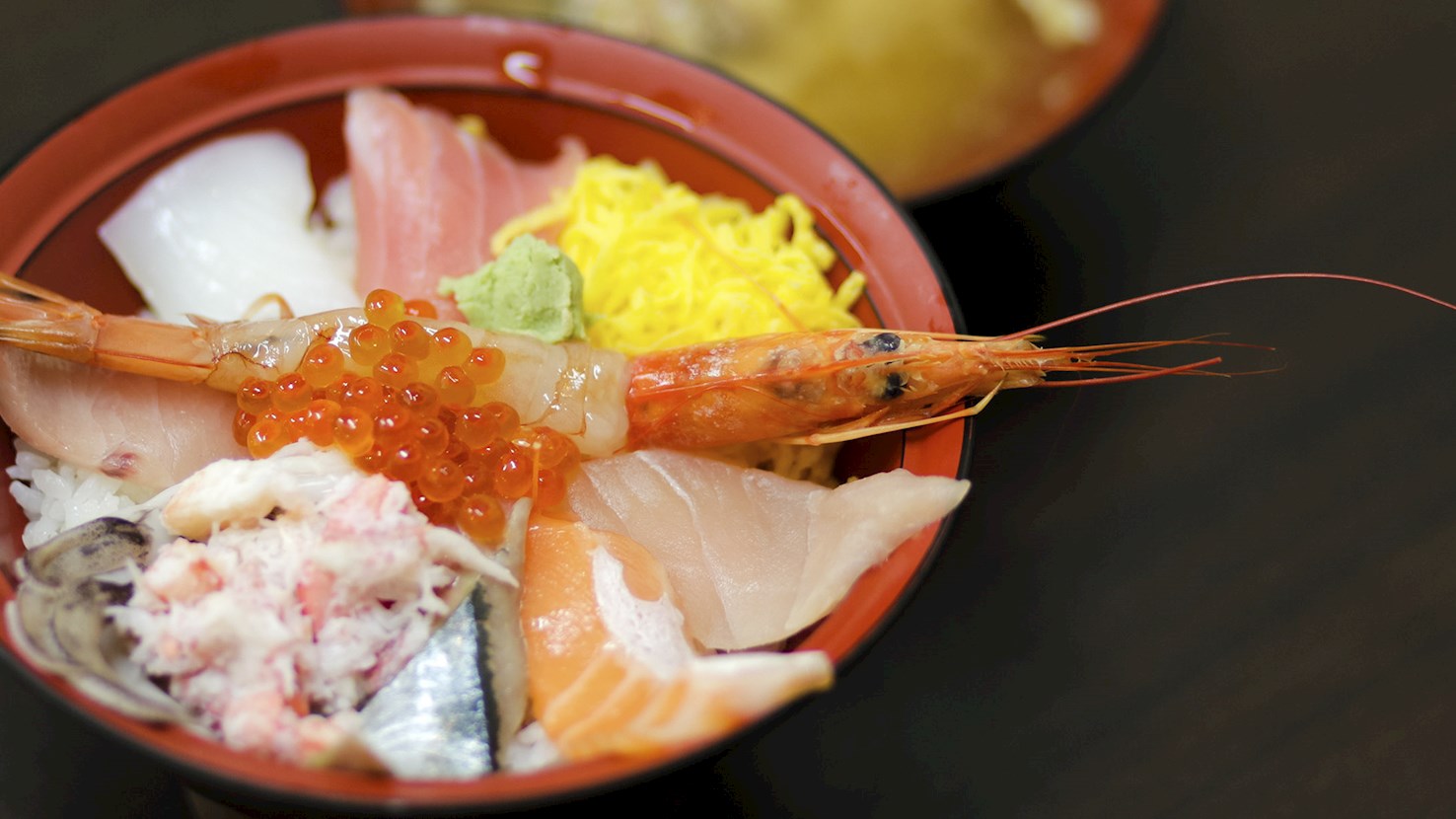
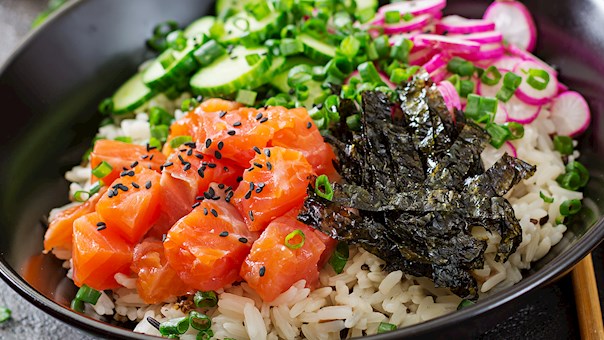
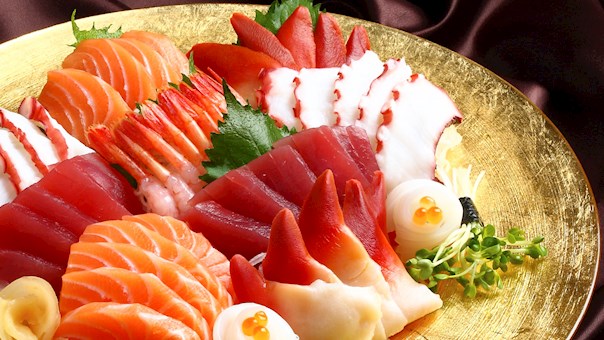
One of the most popular fresh seafood one-bowl donburi dishes, kaisendon consists of thinly sliced, assorted raw seafood called sashimi laid over freshly steamed rice. What kind of sashimi will be used in a kaisendon dish is not fixed, but the seafood selection depends on both location and season, and most often includes maguro (tuna), tai (sea bream), ama ebi (deep-water shrimps), hotate (scallops), uni (sea urchin), kani (crab), and sometimes even marinated ikura (salmon roe). Apart from sashimi, kaisendon is typically topped with toasted nori seaweed, myoga ginger, shiso or Japanese basil, cucumber, onions, and either fresh or pickled ginger. Before being placed on a bed of steamy rice, all of the ingredients are drizzled with wasabi-laced soy sauce, and the kaisendon bowl is lastly garnished with some white sesame seeds, white radish sprouts, and wasabi paste. In Japan, fresh seafood donburi dishes have a huge following; light yet nutritious, they make for a great lunch option and can be found at any sushi restaurant.

04

Maguro nigiri sushi

4.4 ·

Maguro nigiri sushi is a traditional type of nigiri sushi. It consists of hand-pressed sushi rice that's topped with slices of tuna. Different cuts of tuna are classified as otoro (fatty), chutoro (medium-fatty), and akami (red meat). The dish has a mild flavor and a rich texture that makes it great for sushi newcomers. Traditionally, this type of sushi is eaten by hand in a single bite. It's usually accompanied by soy sauce, wasabi, or pickled ginger (gari) on the side.

05

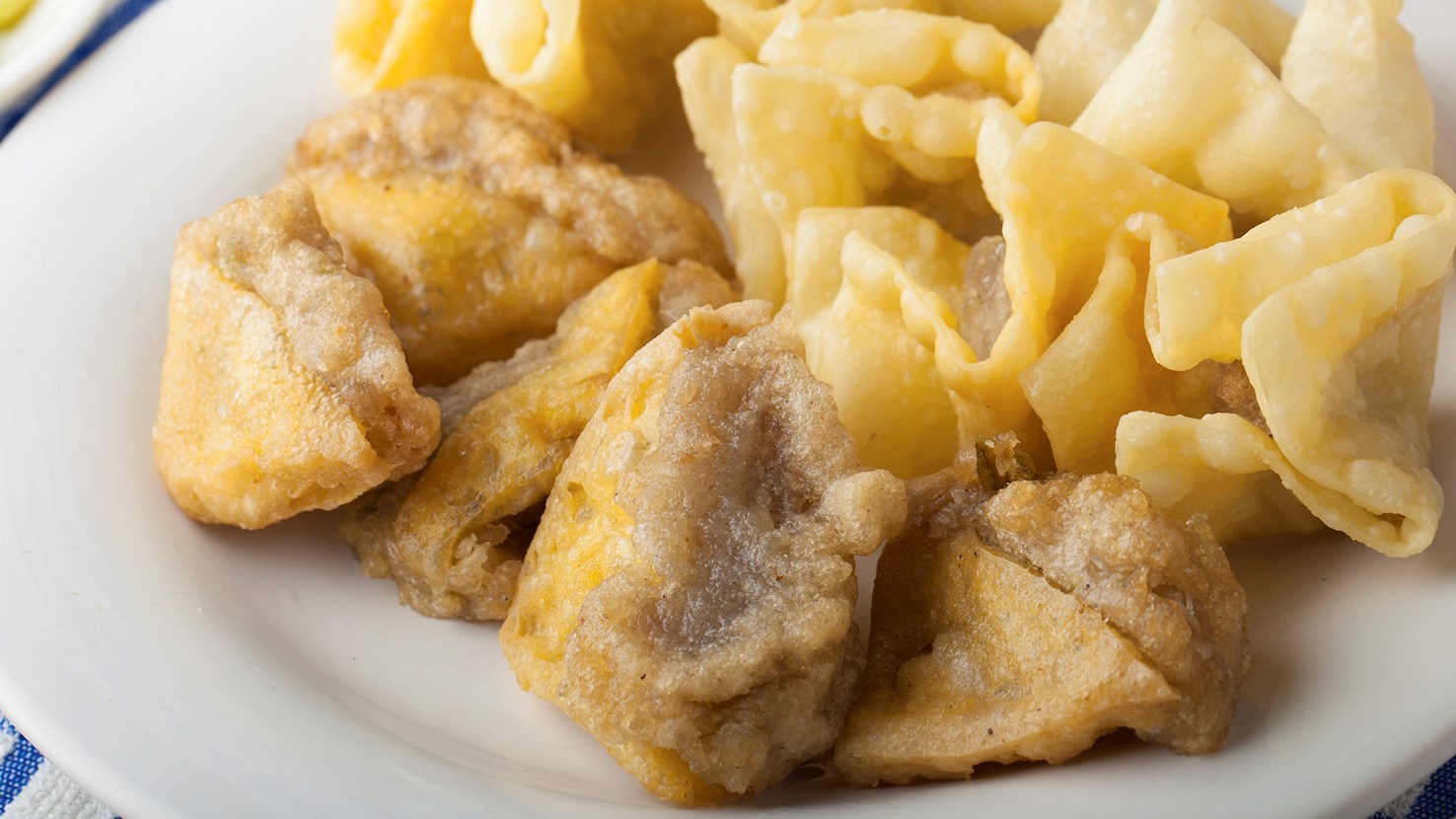
Batagor

4.4 ·

One of the most famous snacks in Indonesia is batagor, a fried fish dumpling served in a traditional spicy sauce. It has roots in the Chinese culinary tradition, which has left a trace on many Indonesian dishes. Although this famous snack is reminiscent of the more famous Chinese dumpling, its distinguishable characteristic is that it is fried, not steamed. The most common fish used to make the dish is wahoo, but tuna, mackerel, and even prawns can also be used. Potatoes, tofu, or cabbage are also occasionally added to the dish. Batagor is the perfect snack because of the way it is served. When fried, the dumplings are cut into small bite-sized pieces and covered in peanut, soy, and chili sauce with a splash of lime juice. It was invented in the 1980s in Bandung, but today it can be found throughout Indonesia. Since it is quickly prepared, it is commonly sold by street vendors, but it can also be found in many Indonesian restaurants.

06

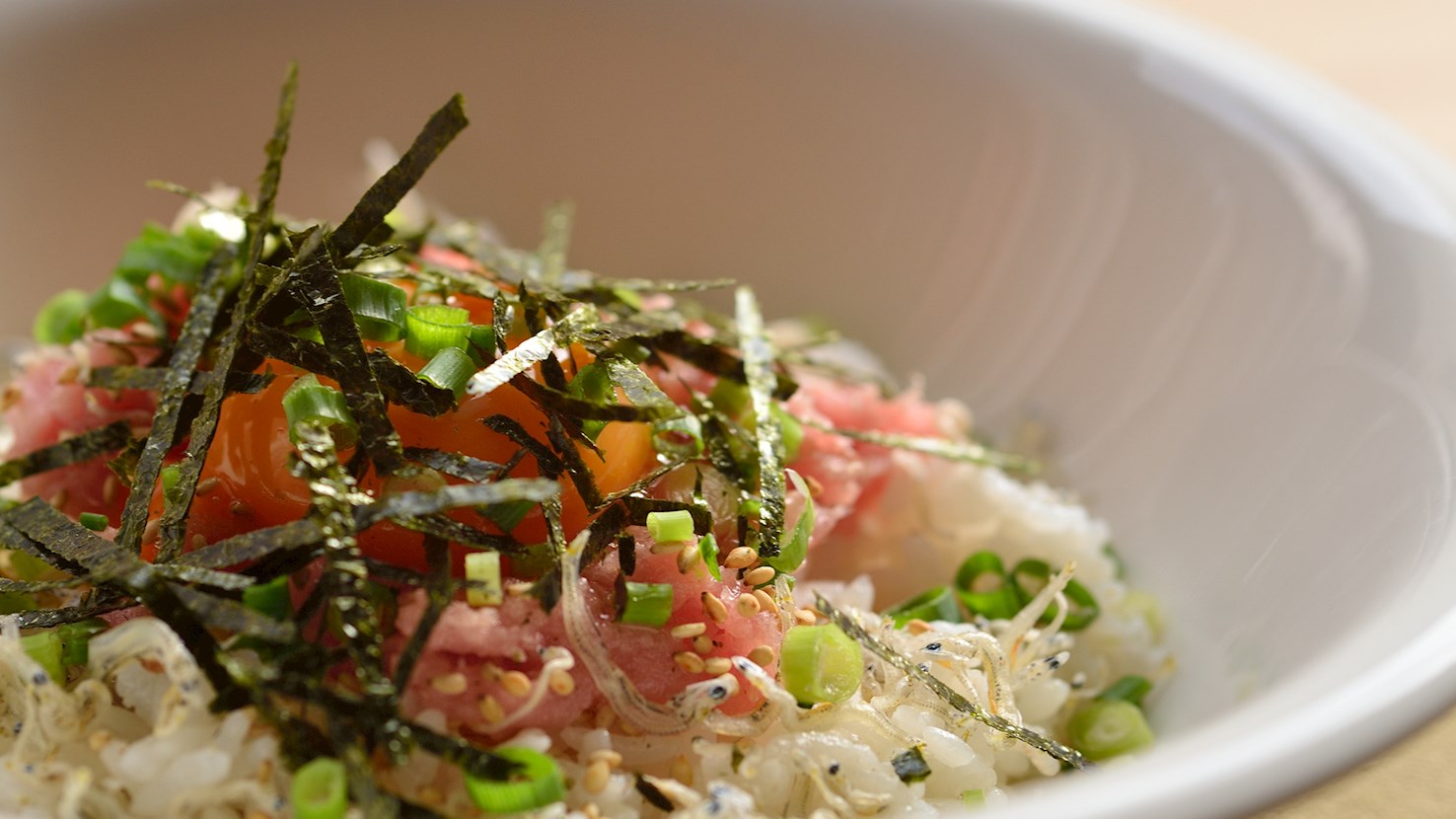
Negitorodon

4.4 ·

Characterized by an incredibly mild and refreshing flavor, negitorodon is a simple Japanese dish which consists of pieces of raw fatty tuna served over rice. Traditionally, tuna used in negitorodon is scraped around the bones or finely sliced, mixed with green onions, seasoned with soy sauce, then placed on a heap of plain steamed rice. It is easily adjusted with various ingredients and seasonings, and usually comes served with seaweed strips, wasabi, and a raw egg yolk.

07

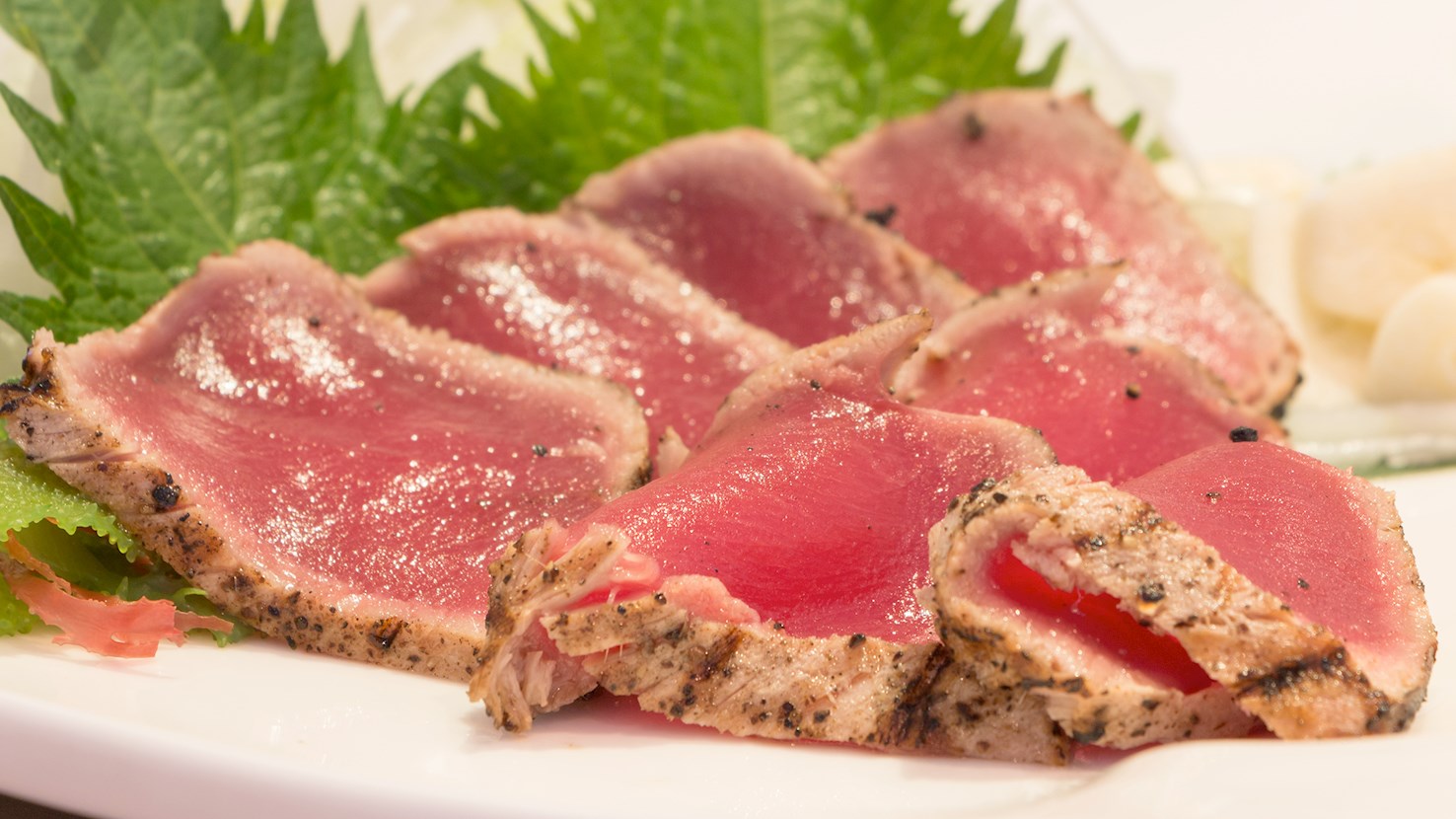
Tataki

4.3 ·

Tataki is the Japanese technique of preparing meat or fish, where the product is briefly seared and left raw in the middle. Most commonly, tuna steaks or beef tenderloin is employed in the tataki technique since perfect cuts allow equal searing on all sides. Meat or fish prepared tataki-style is primarily seared on all sides, then placed in an ice bath and left to chill. It is then sliced into thin pieces and neatly arranged on a plate. Although it is often regarded as a unique technique, meat and fish products prepared in tataki-style are often served alongside other sashimi dishes. It is also commonly eaten as a single dish in traditional Japanese restaurants, where it is usually offered as an appetizer. When the meat or fish is arranged on a plate, the whole dish is usually doused in soy or ponzu sauce that is mixed with citrus juice and aromatized with grated ginger, onions, and sliced garlic. Sakamoto Ryōma, a prominent figure in Japan in the 19th century, is believed to have invented this traditional Japanese technique in the ancient province of Tosa, which is now a part of Kōchi Prefecture. The region is known for skipjack tuna (katsuo) tataki in which pieces of tuna are seared over an open flame.

08

Causa rellena

4.3 ·

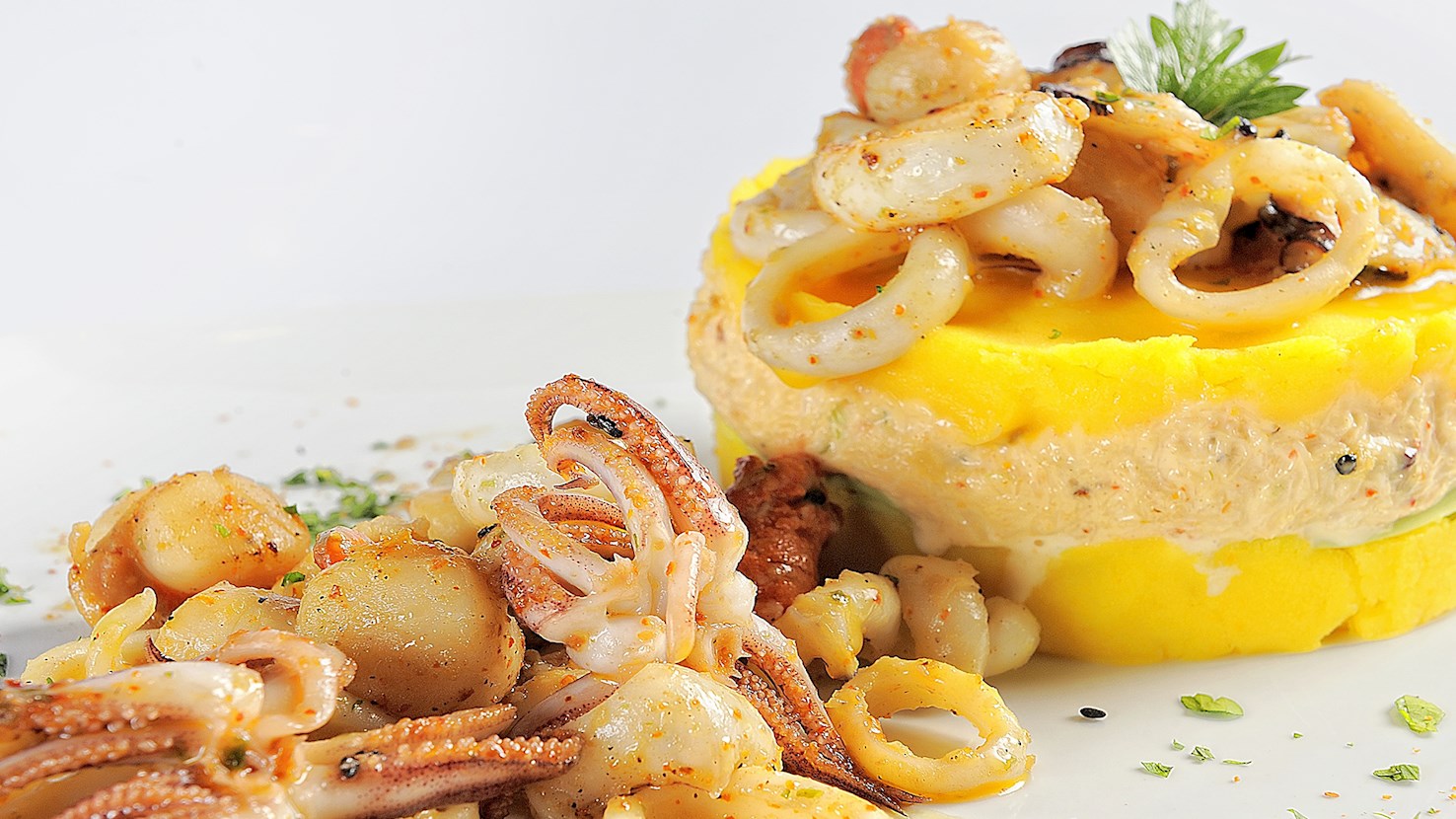
This traditional Peruvian delicacy is made with yellow potatoes and either tuna salad or chicken. Most often, the potatoes are molded or cut into circles, and the filling is sandwiched in between. The dish is flavored with mayonnaise, ají amarillo chilis, and lime or lemon juice. Causa rellena is typically served cold on a bed of lettuce, while the top is garnished with black olives, making it a perfect appetizer or a light meal on its own. It is believed that the dish was invented during the Pacific War. Food was scarce, and the Peruvian women started collecting potatoes and any other ingredients they could get their hands on. The women created causa rellena, then offered it to soldiers for the cause of defending their homes, hence the name of the dish.

09

Akami nigiri sushi

4.3 ·

Akami nigiri is a traditional type of nigiri sushi. It consists of hand-pressed sushi rice that's topped with slices of akami (red meat) tuna. There are also otoro (fatty tuna) nigiri sushi and chutoro (medium-fatty tuna) nigiri sushi varieties, and all of them are classified under maguro (tuna) nigiri sushi. Akami includes tuna and bonito, and the meat gets its red color from the high content of myoglobin and hemoglobin, which is typical for migratory fish. The slices are on the thicker side and the focus is on tuna's sticky and firm texture. Akami nigiri sushi is usually served with pickled ginger (gari), soy sauce, and wasabi on the side.

10

Chamchi gimbap

4.2 ·

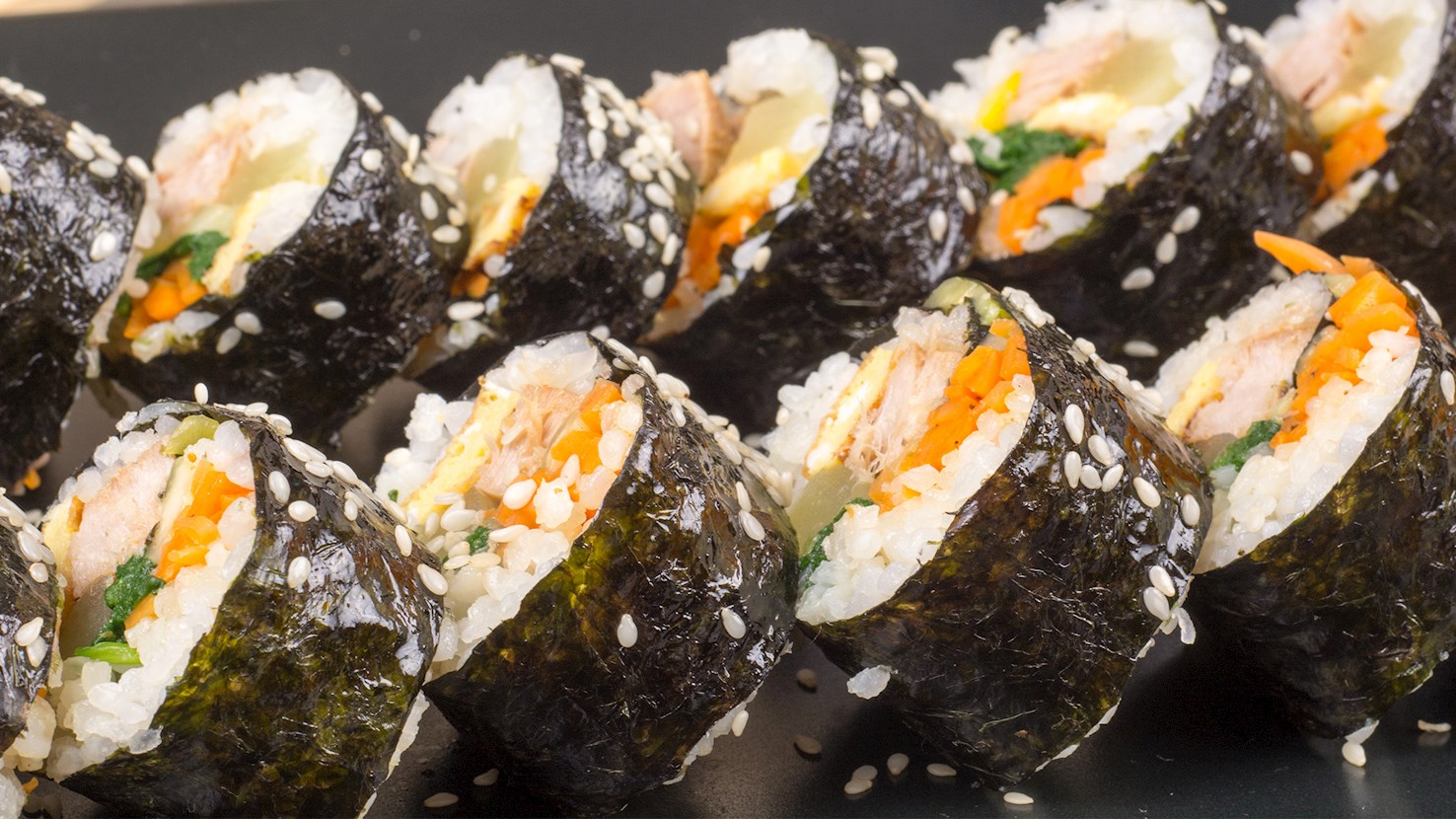
This gimbap (Korean rice roll) is made with canned tuna. Apart from rice and fish, the fillings may include other ingredients that are typically used in gimbap such as fresh or pickled vegetables, eggs, or fish cakes, while the tuna is often mashed and then combined with mayonnaise, mustard, and spices. The roll is traditionally wrapped in toasted seaweed, and it is served sliced into small, bite-size pieces.

About this ranking

TasteAtlas food rankings are based on the ratings of the TasteAtlas audience, with a series of mechanisms that recognize real users and that ignore bot, nationalist or local patriotic ratings, and give additional value to the ratings of users that the system recognizes as knowledgeable. For the “71 Best Rated Dishes with Tuna” list until June 17, 2026, 1,000,987 ratings were recorded, of which 657,348 were recognized by the system as legitimate. TasteAtlas Rankings should not be seen as the final global conclusion about food. Their purpose is to promote excellent local foods, instill pride in traditional dishes, and arouse curiosity about dishes you haven’t tried.

Similar lists