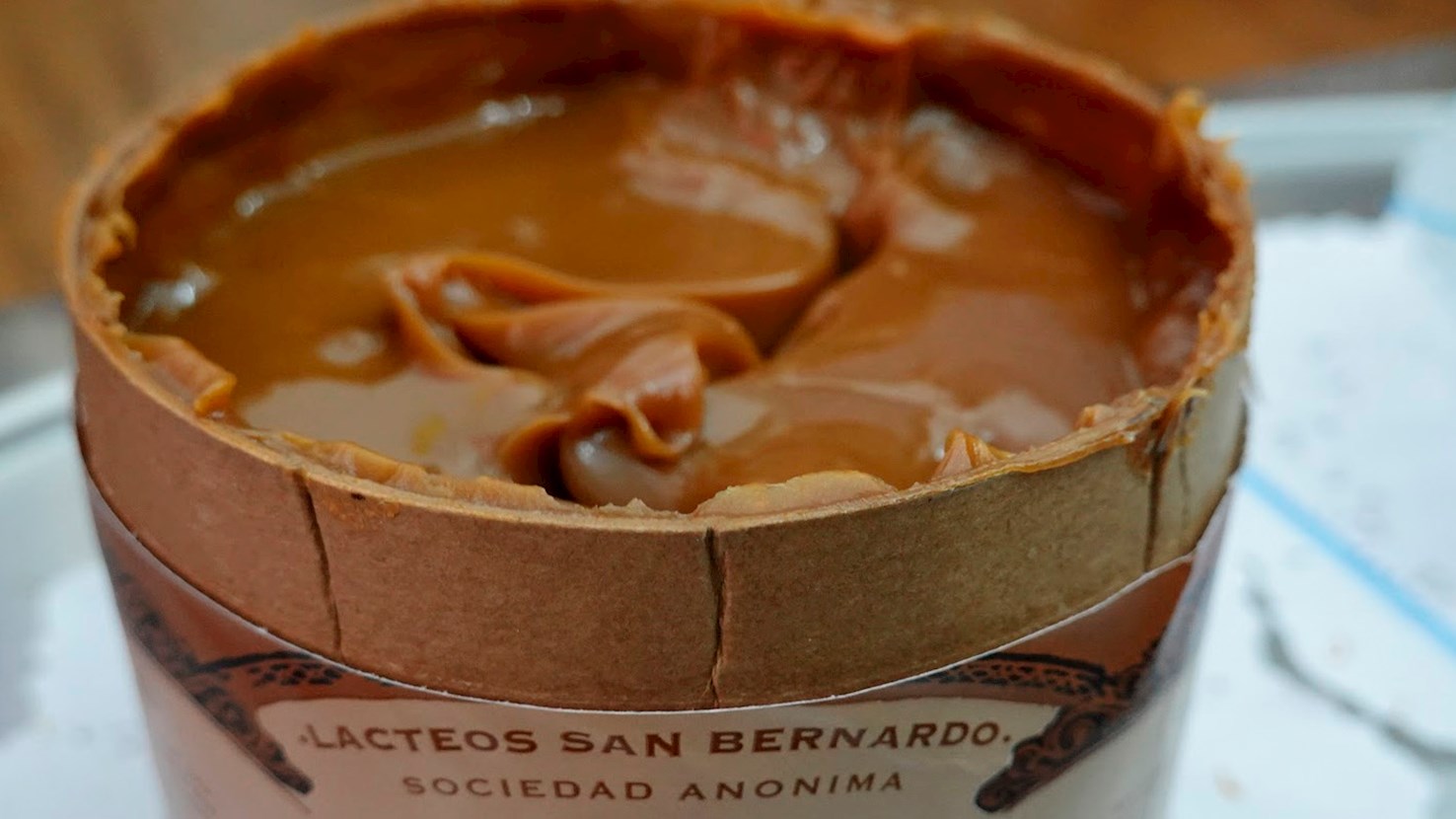
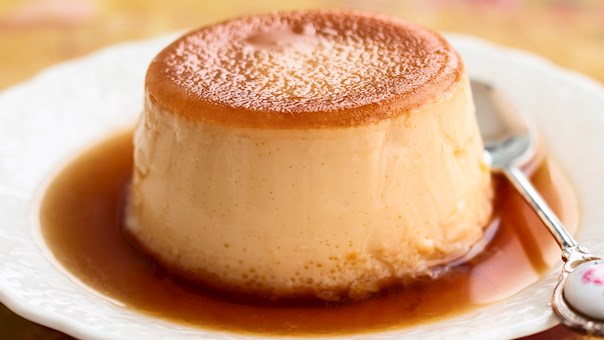
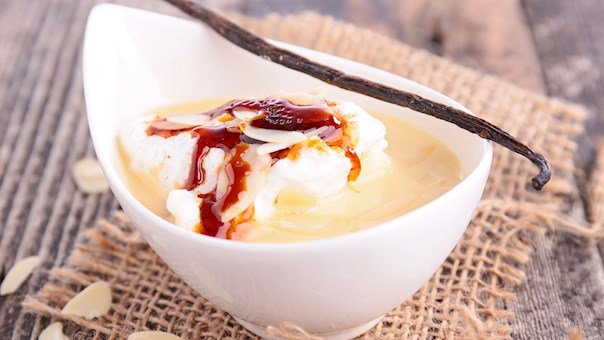
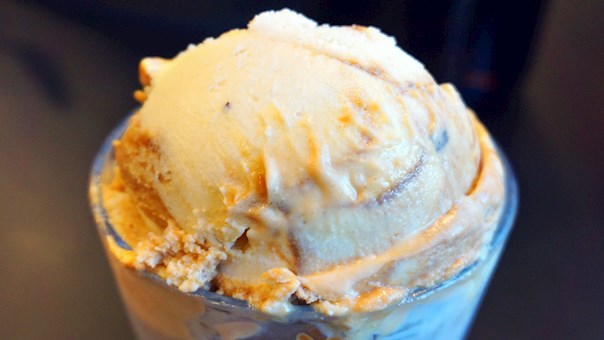
Dulce de leche is a type of condensed milk sweet from Argentina and Uruguay. Traditionally, it is made by heating sweetened cow's milk until it caramelizes and achieves a thick consistency, enough to act as a spread, a filling for cakes and pies, or an ice cream topping. The legend says that dulce de leche originated in Buenos Aires in 1829, when a maid of Argentinian leader Juan Manuel de Rosas was preparing la lechada by heating sugar and milk. As she left it on the fire a bit longer than usual, she noticed it had become a dark brown substance, and that's how dulce de leche was born. Other food historians claim it was first created in 1804 by Napoleon's cooks, while others theorize the recipe originated in Indonesia. Either way, it spread through Latin America, and nowadays almost every country in South and Central America has its unique variation. Still, only Argentina and Urugay call it "dulce de leche", and dispute over the exact place of origin. Today, dulce de leche is sometimes flavored with vanilla, lemon, or cinnamon, and is used to flavor candies, cakes, cookies, waffles, and ice creams.
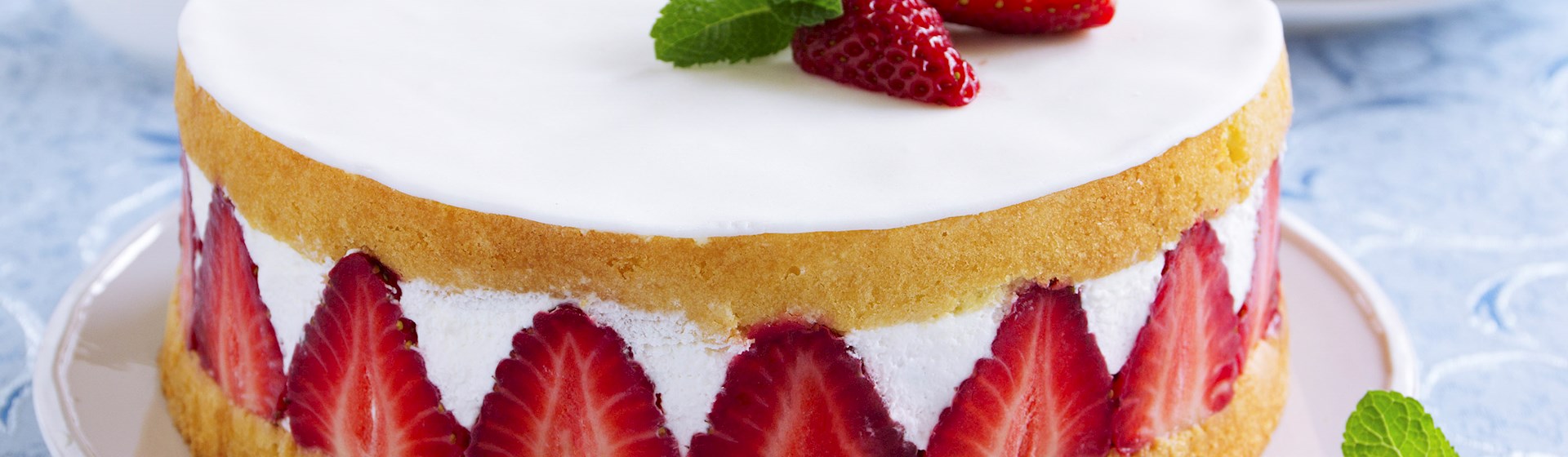
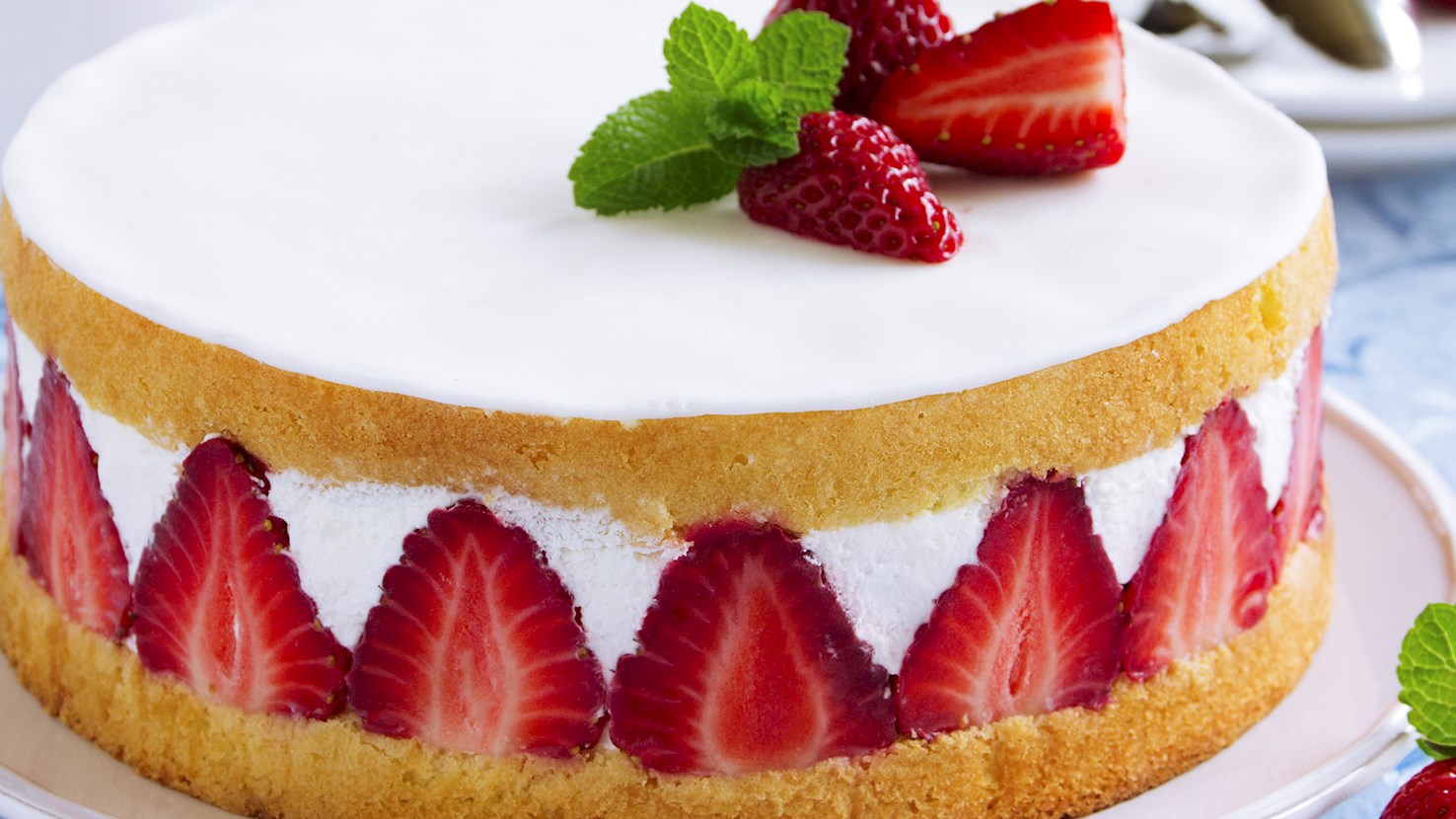
Fraisier is a highly structured, visually striking French dessert composed of two layers of kirsch-soaked génoise sponge, a rich vanilla crème mousseline, and a meticulously arranged border of fresh, halved strawberries, all sealed beneath a smooth layer of tinted almond paste, originating in France. Culinary precursors to the dessert emerged at the end of the 19th century when Auguste Escoffier codified a fresh strawberry cake in his seminal text Le Guide Culinaire. The recipe was subsequently advanced in the early 20th century by Pierre Lacam, who incorporated a sponge base and a distinct touch of kirsch liqueur. The definitive modern architectural construction was formally established in 1966 by the renowned Parisian pastry chef Gaston Lenôtre, who initially named his creation the Bagatelle in homage to the Bagatelle Gardens, explicitly replacing heavy traditional buttercream with a lighter, aerated mousseline to better showcase the delicate fresh fruit. The recipe begins by baking a light, airy vanilla génoise sponge cake, then slicing it horizontally into two even discs. A metal pastry ring is lined with a clear acetate collar to support the delicate internal components and ensure pristine visual edges upon unmolding. The bottom sponge layer is positioned inside the base of the ring and heavily saturated with a sweet, simple syrup infused with clear cherry liqueur. Fresh, uniformly sized strawberries are washed, hulled, cut exactly in half, and arrayed tightly against the interior wall of the collar, with the flat sides facing outward to create a graphic perimeter. A thick crème mousseline, formulated by vigorously whipping traditional vanilla pastry cream with softened butter until completely aerated, is piped meticulously between the standing berries and across the soaked foundation. The central cavity is filled entirely with additional chopped strawberries, which are completely enveloped by the remaining volume of the rich butter-based cream. Pressing the second sponge disc gently over the filling eliminates internal air pockets before the exposed cake surface is brushed generously with the remaining kirsch syrup. The entire assembly is refrigerated for several hours to thoroughly set the butterfat and stabilize the vertical structure. A thin, smooth disc of sweet almond paste, traditionally colored pale green or soft pink, is rolled out and pressed over the top surface to seal the dessert. Peeling away the metal ring and acetate band directly before serving exposes the striking cross-section of embedded red fruit. The chilled cake is sliced cleanly into sharp wedges and consumed in large quantities throughout the spring and summer harvest months. The intricate confection serves as a mandatory centerpiece for Mother's Day celebrations, warm-weather garden parties, and formal afternoon tea services.
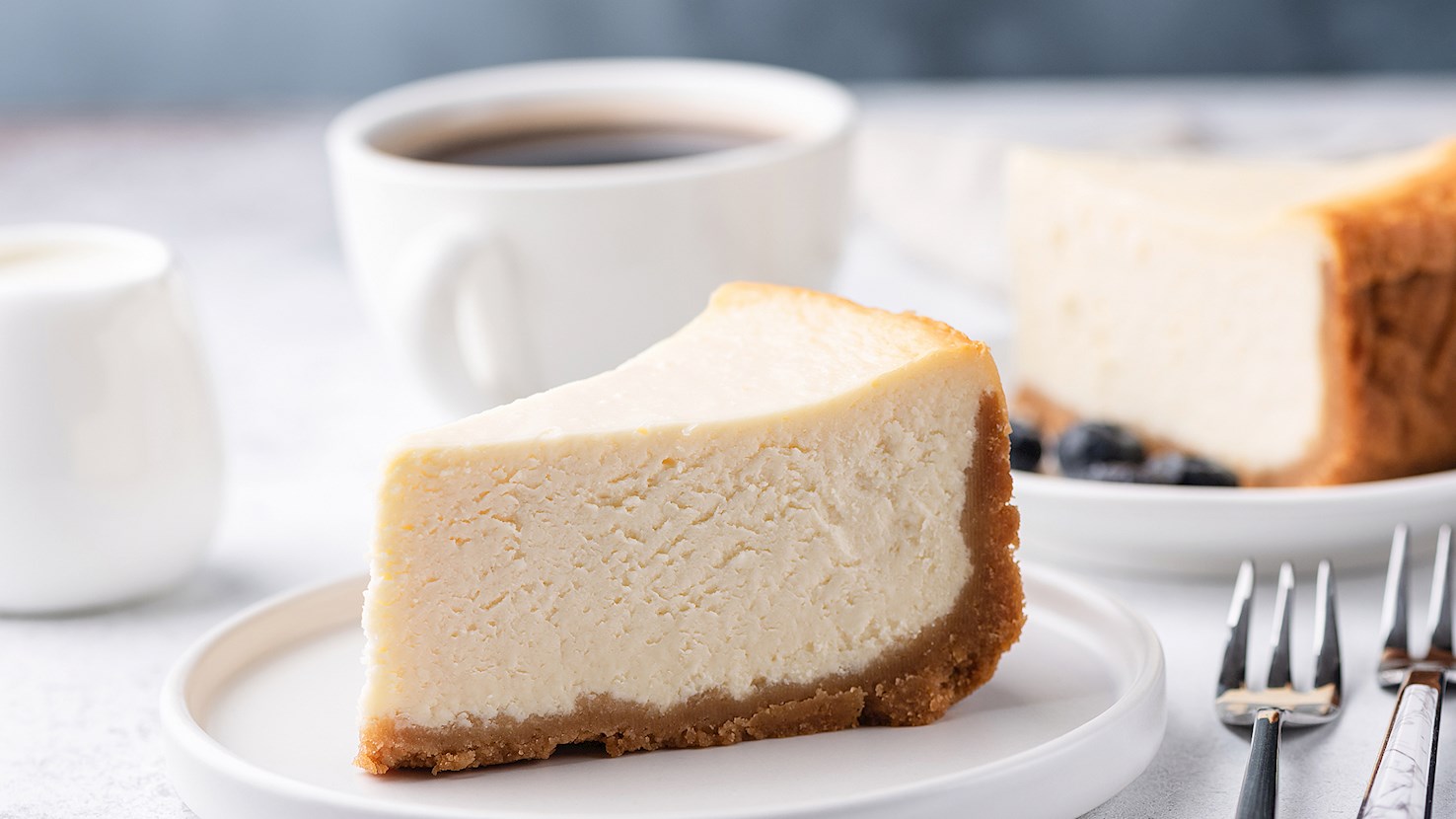
New York-style cheesecake is different from other cheesecakes mainly because of its heavy and dense texture that feels extremely smooth and rich. Its flavor should be sweet and tangy, not citrusy, chewy, or starchy. It is believed that the first New York-style cheesecake was made by Junior’s in the 1950s. The magic formula includes heavy cream, eggs, vanilla, cream cheese, and (optionally) sour cream, while the base usually consists of a sponge cake crust or graham cracker crust.
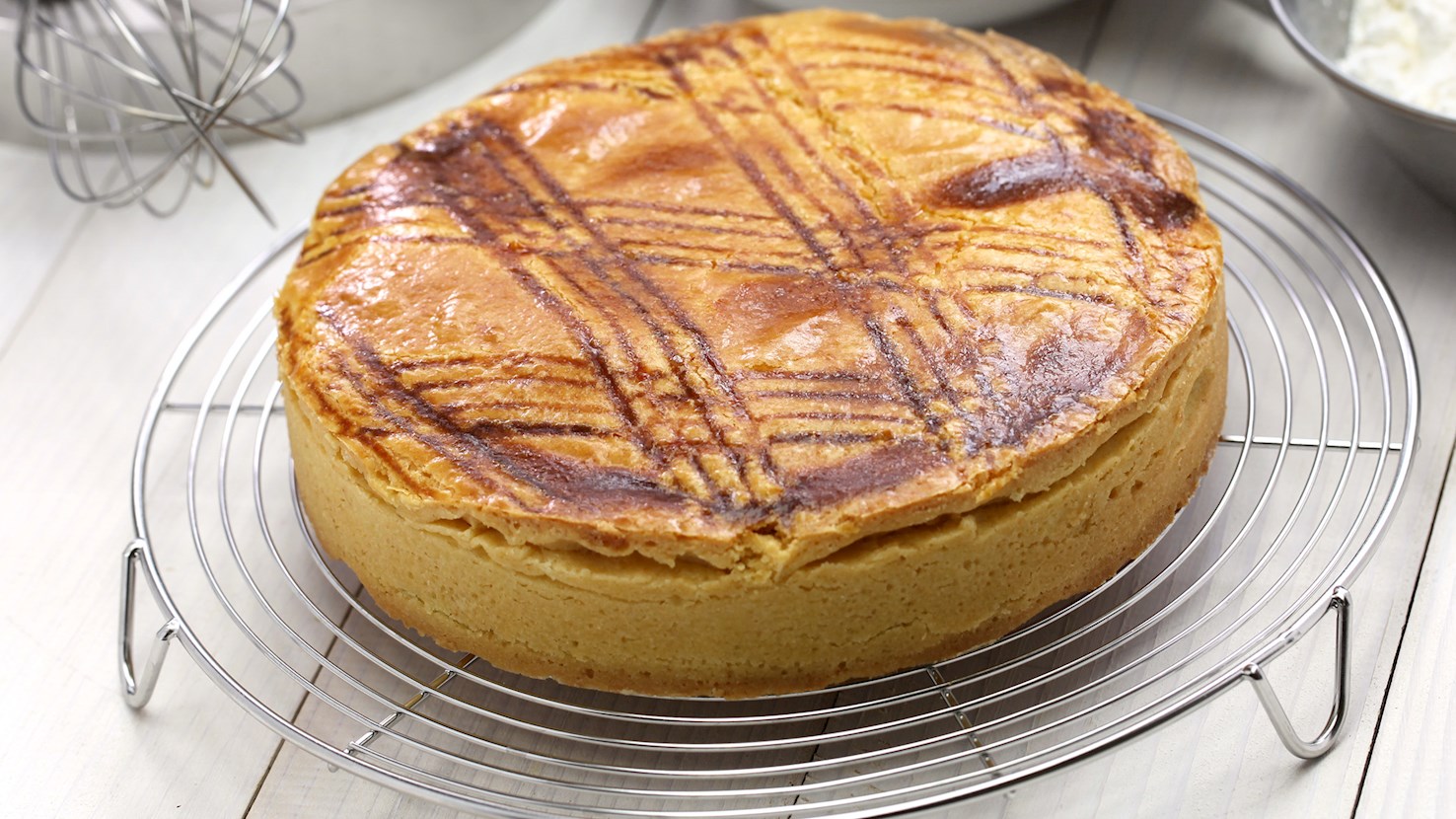
This classic Basque cake consists of two layers of shortcrust pastry and either a filling made with black cherry preserve or, more often, vanilla-flavored pastry cream. If made with black cherries, the top of the cake is usually decorated with the Basque cross (lauburu), while the version with pastry cream typically comes with a crosshatch pattern. Apart from vanilla, common flavorings may also include lemon zest, rum, or almond extract. Although it is traditionally associated with the entire French Basque Country, it is believed that the cake originated in the former French province of Labourd.
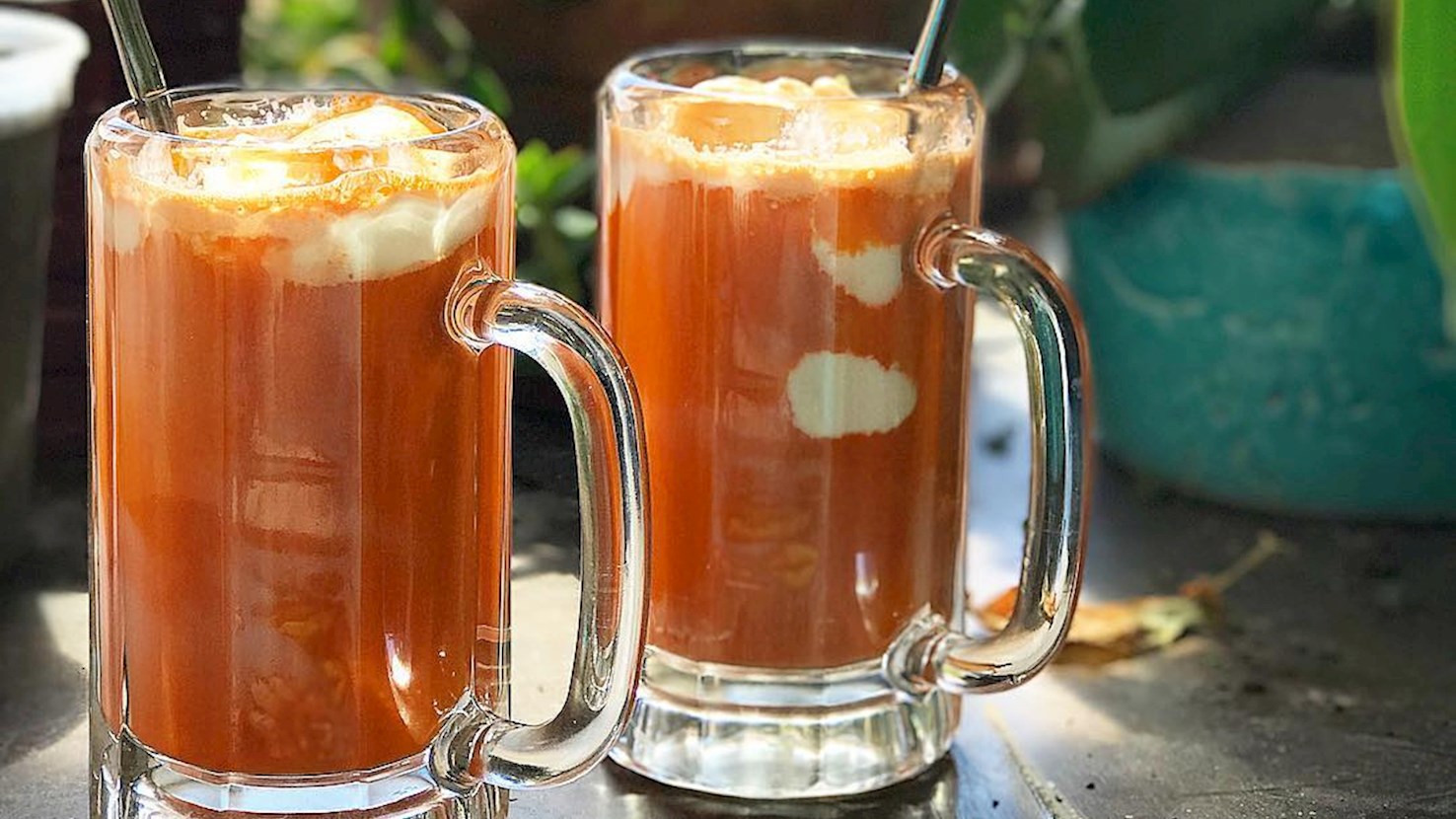
Havij bastani is a distinctive Iranian dessert beverage that combines carrot juice with ice cream to create a refreshing treat with both creamy and earthy flavors. This dessert is popular across Iran, especially in teahouses, juice shops, and during warmer months when its vivid color and rich sweetness offer a cooling respite. The name translates simply to “carrot ice cream,” and it is most commonly associated with Tehran and other large cities where juice culture has been an integral part of social life. The origins of havij bastani can be traced to Iran’s longstanding appreciation for fresh juices and dairy-based desserts. Throughout the 20th century, with the rise of modern cafes and ice cream parlors, carrot juice became a popular base for combining with creamy components such as bastani sonnati (saffron ice cream) or vanilla ice cream. As refrigeration and juicing equipment became more accessible, this combination was standardized into a menu item offered alongside other chilled beverages like faloodeh or sharbat. To prepare havij bastani, fresh carrots are juiced until smooth and slightly sweet. The juice is chilled and poured into tall glasses. A scoop or two of bastani sonnati or simple vanilla ice cream is gently added, creating a layered effect as the ice cream slowly melts into the juice. In some regions, a splash of rosewater or a sprinkle of cinnamon is used to enhance the aroma. Occasionally, crushed pistachios or slivered almonds are offered as a garnish. The dessert is served immediately with a straw and a long spoon to allow for sipping and scooping together. Havij bastani is enjoyed in cafes, juice bars, and even at home, often shared among family and friends as an afternoon refreshment or after a leisurely meal.
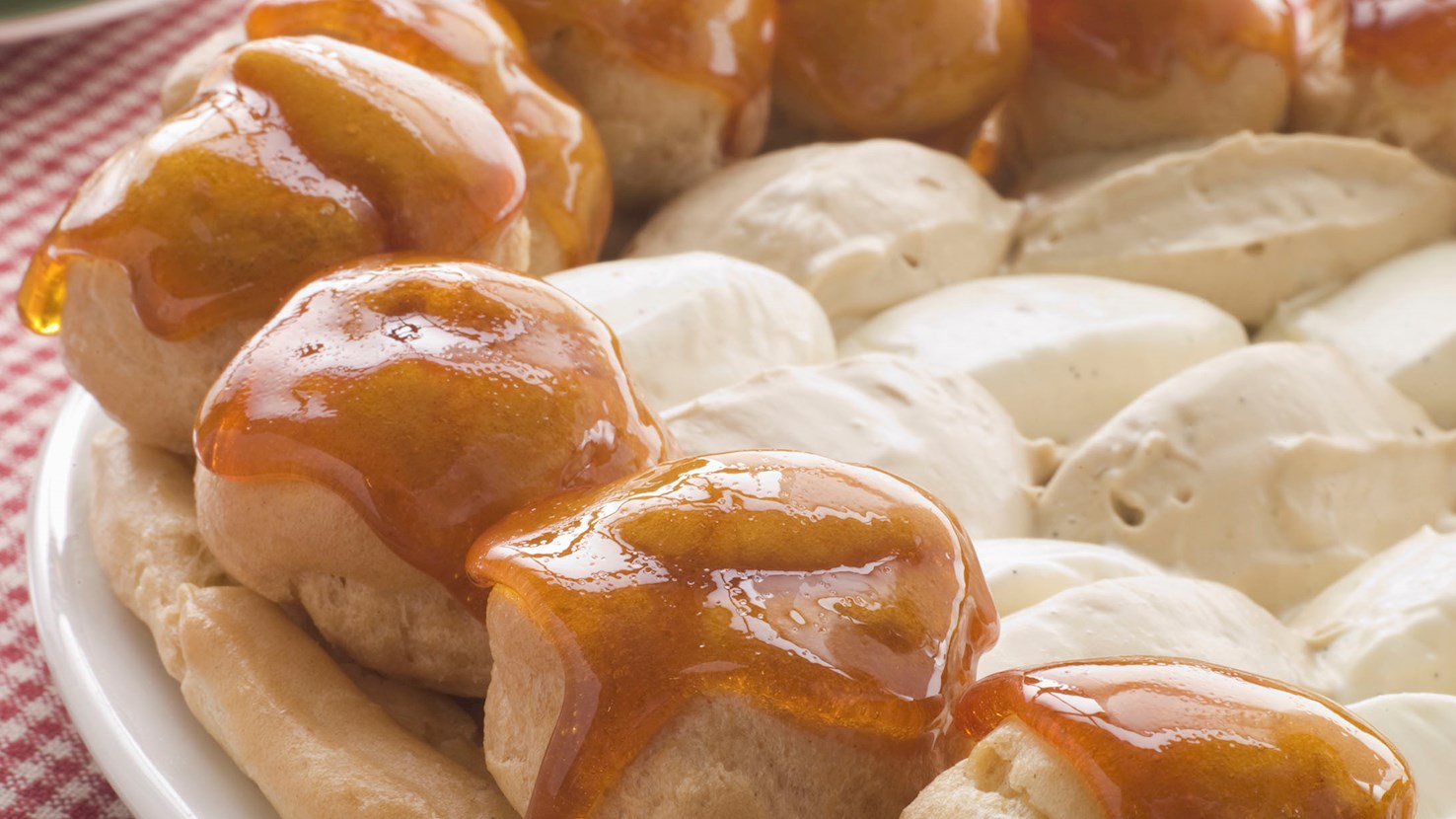
Named after Saint Honoré, the French patron saint of bakers, this intricate dessert is a true representation of French confectionery art. Saint Honoré cake unites all of the fundamental components of French pastry making: puff pastry, vanilla custard, choux pastry, and caramelized sugar. A puff pastry base is given a generous piping of custard and topped with delicate cream puffs dipped in caramelized sugar. Although this delicacy was invented in the 19th century, it is still considered one of France’s favorite desserts. This show-stopping treat requires great effort and skill to prepare properly, for which reason it is usually reserved for special occasions, celebrations, and festivities. Modern-day variations on this classic sometimes include unusual flavors or tropical fruits, but the basic vanilla flavored Saint Honoré cake is still by far the most popular.
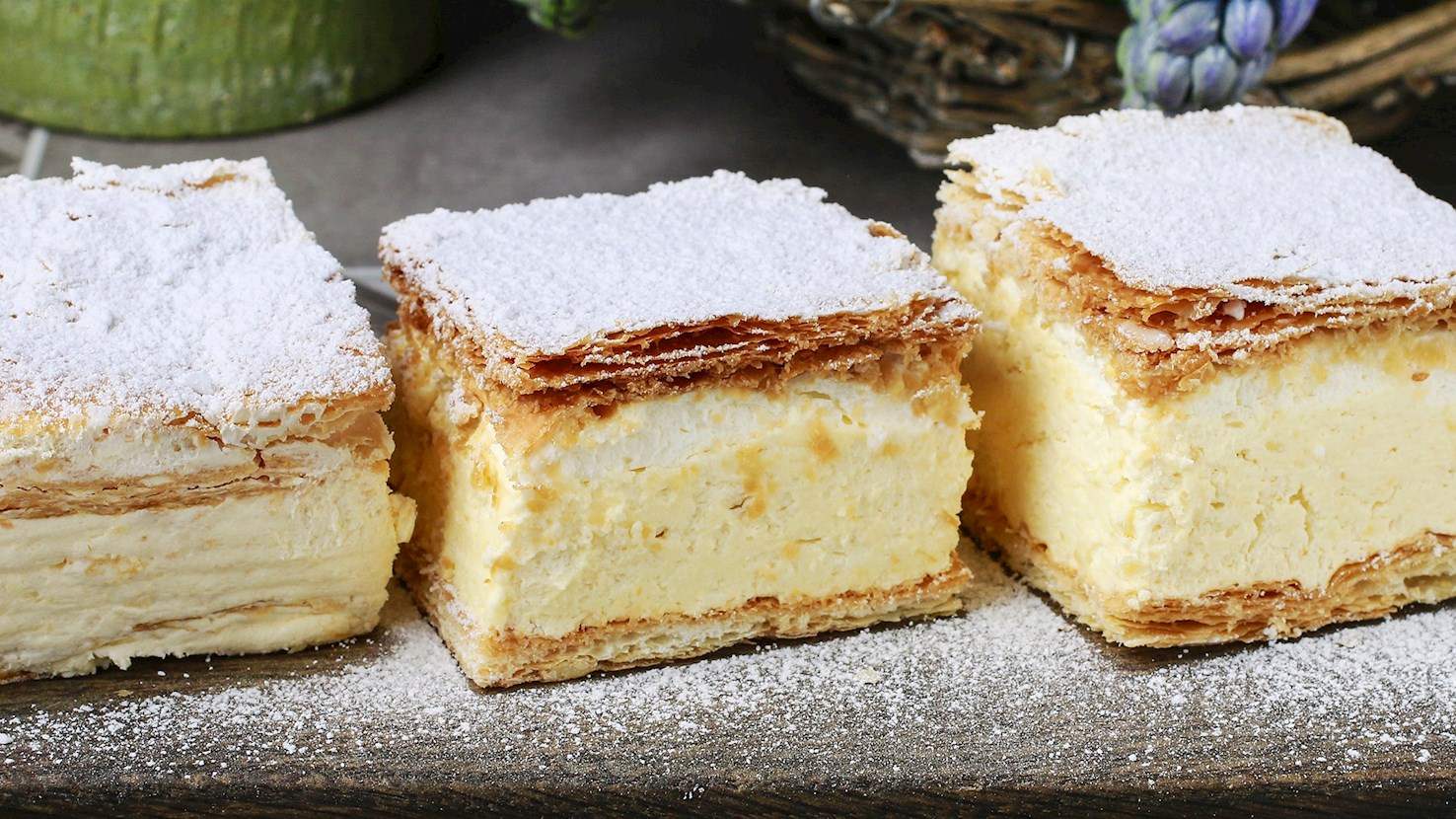
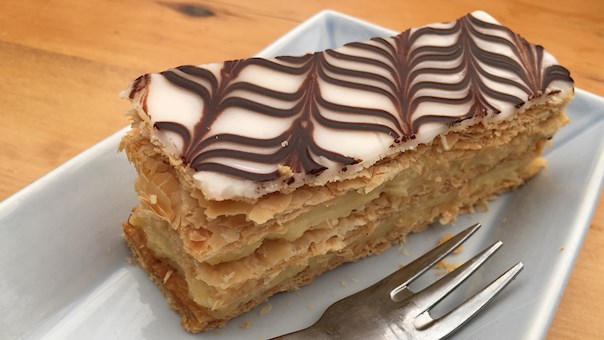
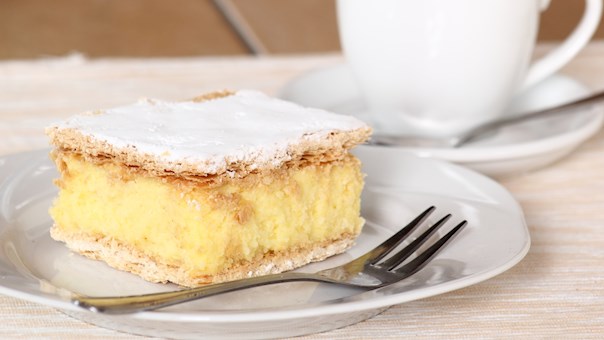
Cremeschnitte is a vanilla-flavored custard cream cake and an absolute classic among central and eastern European desserts. It is known by many names, most of which have stemmed from the German cremeschnitte, and literally translate to either cream slice or, in some cases, cream pie. According to Historical Sociolinguistics, it is believed that the origins of the cremeschnitte date back to the blend of two cuisines in the Austro-Hungarian empire. However, its Polish name Napoleonka indicates that this dessert might have possibly originated from the French mille-feuille, which is also known as the Napoleon - another pastry whose exact origin is unknown, even though its modern form was said to be influenced by improvements of Marie-Antoine Carême, the famous French chef-extraordinaire. Still, while the Napoleon is made up of three layers of puff pastry alternating with two layers of pastry cream, the typical cremeschnitte is made with only two layers of puff pastry held together by a hefty amount of vanilla-flavored pastry cream, which is sometimes topped with a thin layer of whipped cream. Cremeschnitte is most often simply sprinkled with icing sugar, but it can also be topped with a glossy and smooth glacé icing, and nicely decorated with a traditional chevron design. Two of the most popular cremeschnitte varieties include the aforesaid Polish Napoleonka or kremówka, which was known to be the favorite dessert of Pope John Paul II, and Slovenian kremna rezina, the signature dessert of Bled; a popular Alpine resort settled on the shores of the eponymous lake.
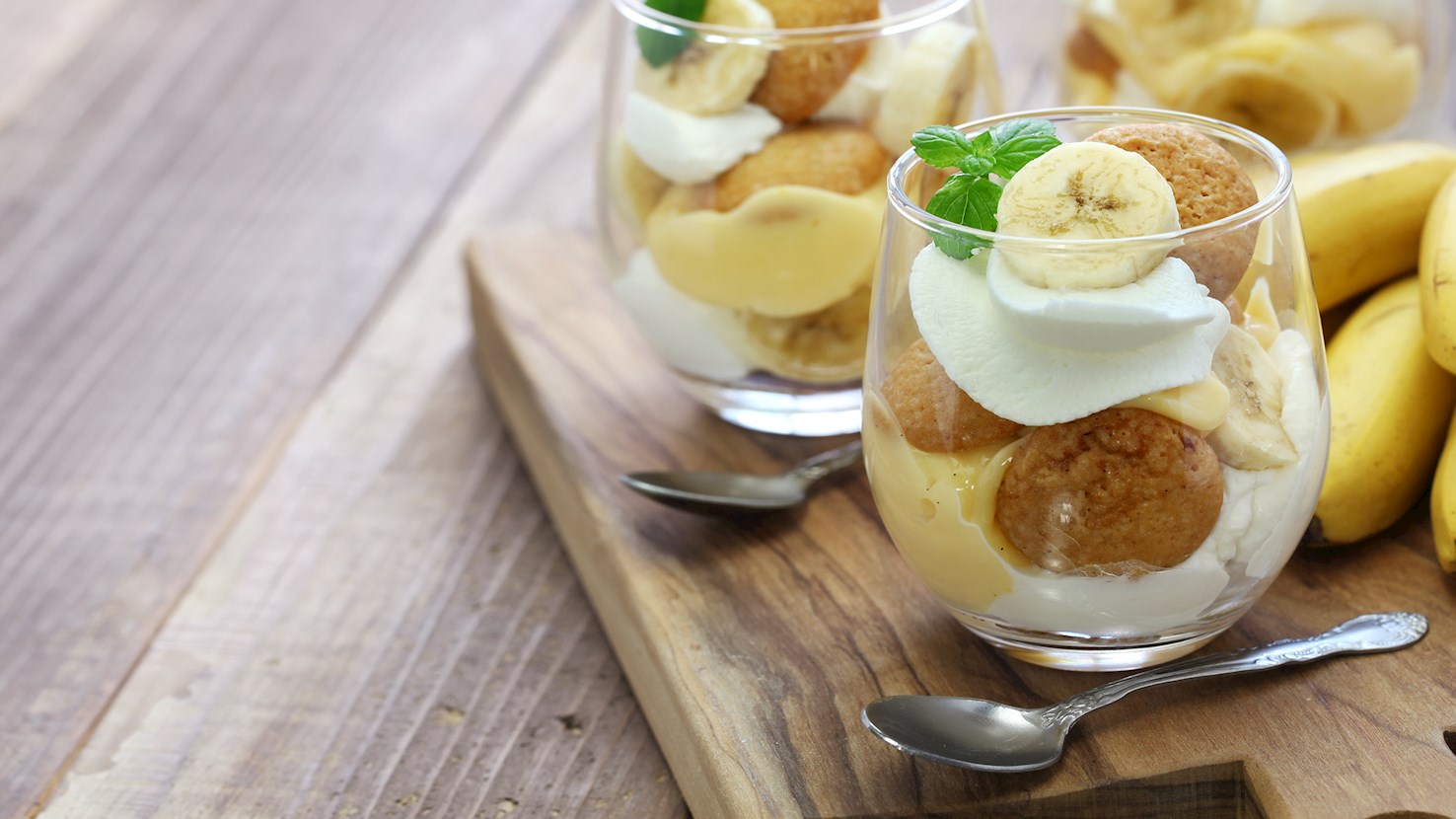
Banana pudding is a sweet treat originating from the Southern United States. It typically consists of layered vanilla custard, sliced bananas, and wafers or ladyfingers. The concoction is then topped with either meringue or whipped cream. This dessert became closely associated with the American South after WWII, when numerous banana pudding recipes started to get published in newspapers. Nowadays, there are many variations of this classic dessert that is often seen at church picnics and family gatherings.
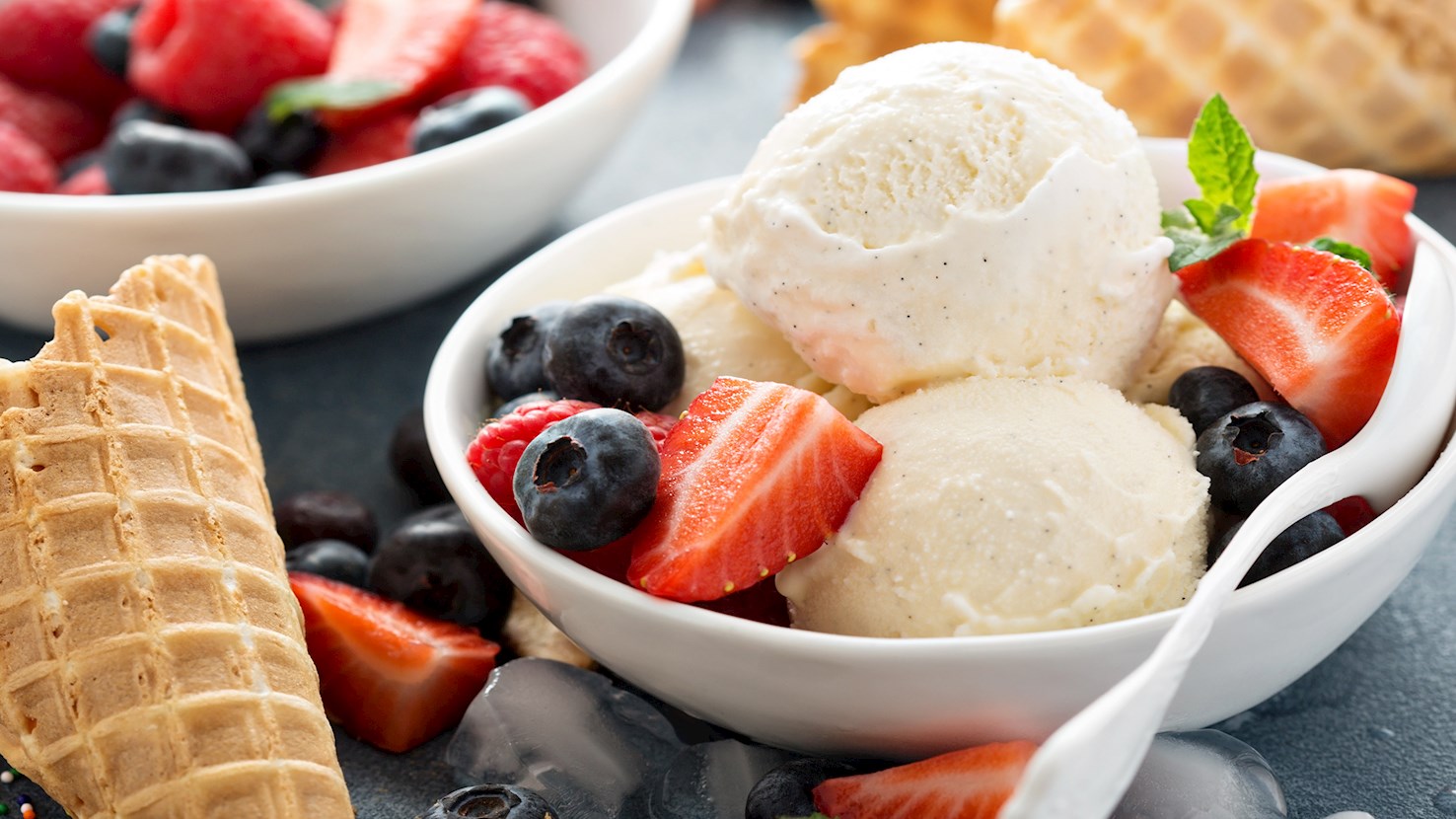
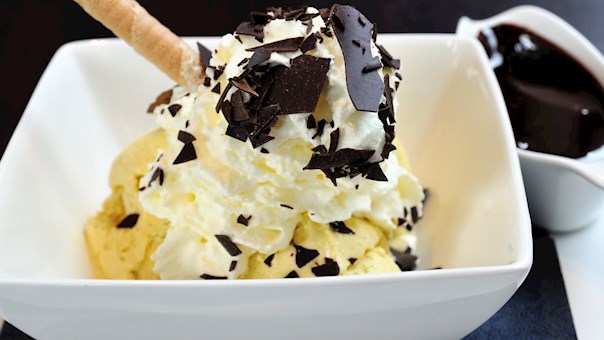
This classic gelato flavor is prepared with a base of milk, cream, eggs, and sugar that is enriched with flavorful vanilla beans. Like other gelato varieties, it is characterized by its dense, creamy texture and is often used as a base to which nuts, fruit, or other ingredients are added to create new flavors. Though one of the original types of gelato, this frozen vanilla-based delicacy remains as one of the most popular gelato flavors.
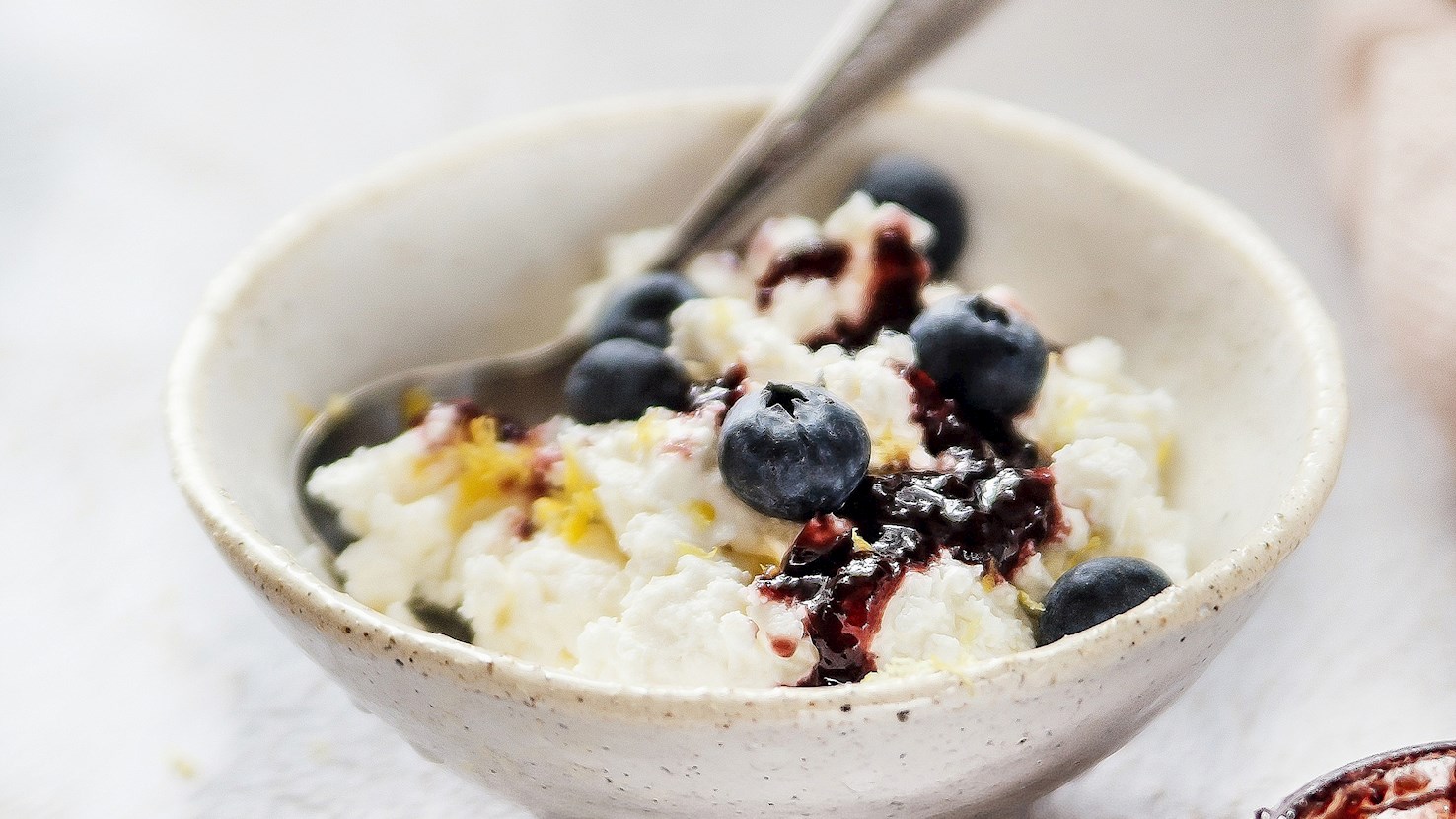
Kohupiimakreem is a chilled dairy dessert made from kohupiim, the country’s fresh curd cheese or quark, blended with cream and sugar until it becomes smooth, soft, and spoonable. It sits somewhere between cheesecake filling, whipped cream, and yogurt without being quite any of them: the curd keeps a faint tang and substantial body, while the cream lightens the texture and rounds out the acidity. Vanilla is probably the most familiar flavor, but raisins, cocoa, berries, fruit purées, jam, kissell, and kama are all common additions, and modern supermarkets in Estonia sell numerous individual cups of kohupiimakreem alongside yogurt and puddings. Major Estonian dairies still produce versions flavored with vanilla, strawberry, blueberry, banana, cocoa, raisins, forest berries, rhubarb kissell, and other fruits, which shows how firmly the dessert has moved from the home kitchen into everyday commercial dairy culture. Kohupiim itself has a much longer place in Estonian eating than the packaged cream does. Fresh cultured curd was an efficient way to use and preserve milk in a northern farming economy, and it became a recurring ingredient in cakes, buns, pancakes, fillings, and cold sweets. The precise point at which sweetened whipped kohupiim began to be regarded as a dessert of its own is not securely documented, so assigning it to one inventor or one year would be misleading. What is clear is that homemade kohupiimakreem was well established during the Soviet period, when people could mix dense packaged curd at home with fresh cream and whatever flavorings were available, including raisins or homemade raspberry jam. An Estonian dairy account describing household practice from that era recalls making the dessert this way, before the wide range of ready-made creams now found in shops became common. The recipe remains almost unchanged because it needs little improvement. Kohupiim, or a smoother kohupiimapasta, is mixed or beaten until free of large lumps; whipping cream is whipped separately with sugar, often with vanilla sugar, then folded into the curd. A contemporary Estonian recipe uses roughly two parts kohupiimapasta to one part 35% cream, sweetened modestly with vanilla and powdered sugar, producing a cream that is thick enough to hold its shape but still soft enough to spoon. If a coarser curd is used, it can be pressed through a sieve first, which gives a finer texture without removing the slight graininess that identifies it as a curd dessert rather than a custard. From that base, the variations are nearly endless. Fresh blueberries, strawberries, raspberries, blackcurrants, or lingonberries can be folded in or spooned over the top; fruit kissell creates a looser sweet-and-tart layer; raisins give a more old-fashioned everyday version; cocoa turns it into a chocolate dairy cream; and kama, Estonia’s roasted flour mixture of grains and peas, gives it a deeper, toasted flavor that is particularly local. Some recipes combine kohupiim and whipped cream with both berry sauce and kama, illustrating how easily the dessert absorbs other familiar Estonian ingredients without losing its basic identity. Unlike baked kohupiim desserts, kohupiimakreem normally requires no cooking. Its texture comes entirely from the curd and aerated cream, so temperature and mixing matter more than heat: it is chilled before serving, and excessive beating can make a light mixture dense rather than creamy. Commercial versions are often smoother and more uniform because manufacturers use kohupiimapasta rather than coarse curd, and some include fruit preparations, starches, or stabilizers to maintain texture during storage. Kohupiimakreem gets its character from the balance between richness and acidity. Whipped cream alone would be much softer and fattier, while plain kohupiim can be dense and sharply lactic; combining the two produces something substantial but fresh-tasting, with enough protein and structure to feel more filling than many puddings. This also explains why Estonians eat it not only as a formal dessert but as a snack, quick breakfast, children’s food, or simple sweet directly from the refrigerator. Commercial demand remains substantial: one major Estonian dairy reported producing around two million cups of kohupiimakreem per month at its Viljandi facility, showing how ordinary the product has become in the modern Estonian dairy aisle. At home, it is most often served cold in a bowl or glass, either plain or layered with berries, jam, kissell, fruit purée, crumbled biscuits, or kama. Tart berries are especially effective because they sharpen the mild dairy sweetness, while rye biscuits or oat cookies add texture without overpowering the curd. It can also be used between cake layers, spooned onto pancakes, or incorporated into no-bake desserts, and Estonian recipes regularly use flavored kohupiimakreem as a ready-made cake filling. Coffee and black tea are straightforward companions, particularly when the cream is served with biscuits or cake, while milk and berry drinks work naturally with plainer versions. A lightly sweet berry cordial can suit a fruit-based cream, but kohupiimakreem rarely needs an elaborate beverage pairing.
TasteAtlas food rankings are based on the ratings of the TasteAtlas audience, with a series of mechanisms that recognize real users and that ignore bot,
nationalist or local patriotic ratings, and give additional value to the ratings of users that the system recognizes as knowledgeable.
For the “77 Best Rated Dishes with Vanilla” list until October 17, 2026, 1,046,806 ratings were recorded, of which 695,538 were recognized by the system as legitimate.
TasteAtlas Rankings should not be seen as the final global conclusion about food. Their purpose is to promote excellent local foods,
instill pride in traditional dishes, and arouse curiosity about dishes you haven’t tried.














What People Say