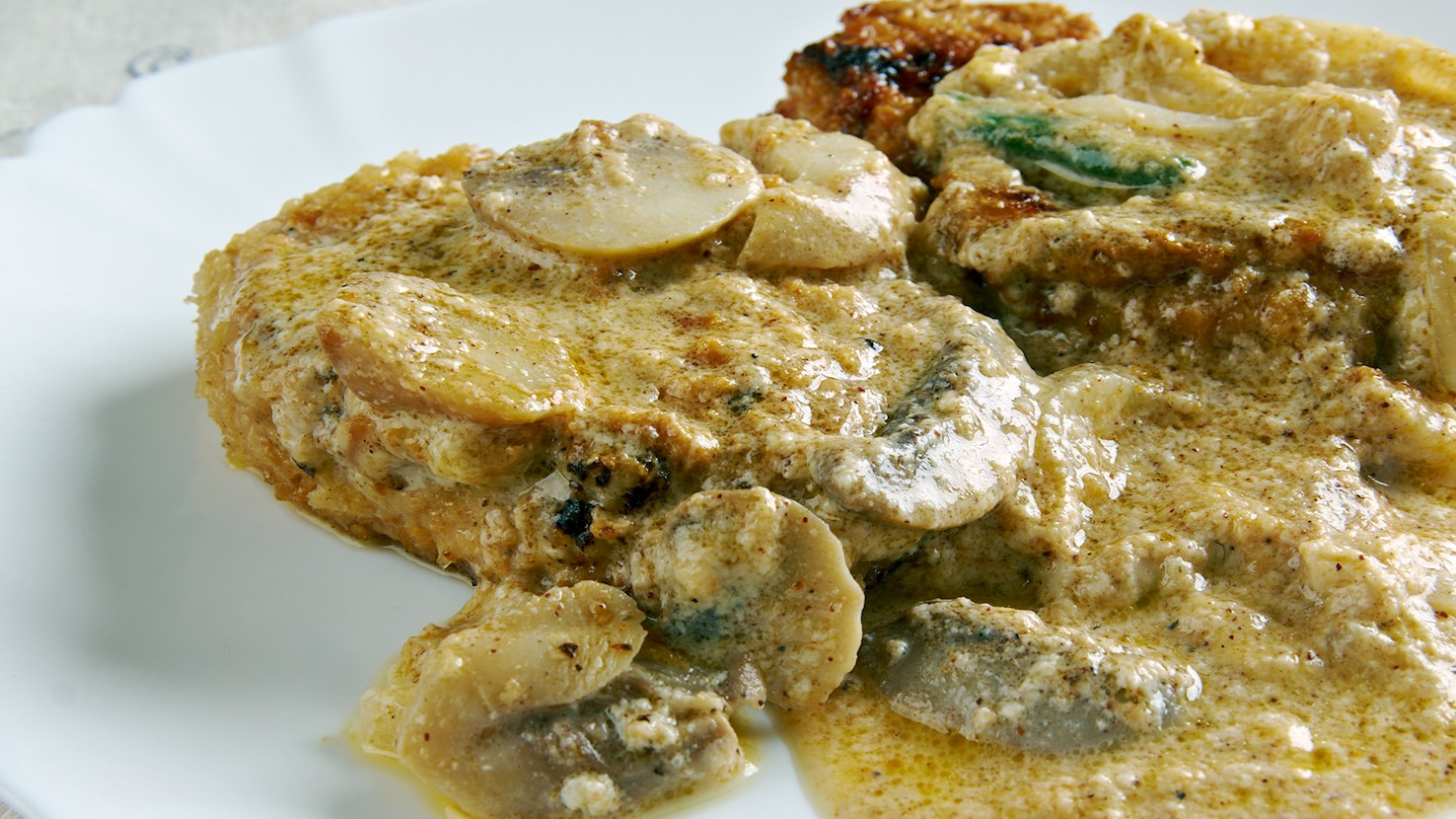
Jägerschnitzel is a traditional version of schnitzel that is topped with a gravy called Jägersoße, meaning hunter's sauce. Originally made with venison or wild boar, nowadays the most common types of meat used for this dish are pork or veal. In some regions of Germany, the meat cutlets are not breaded, but simply pounded until thin, then seasoned, and cooked. The delicious gravy that accompanies the schnitzel is made with mushrooms, bacon, onions, a splash of wine, and spices such as thyme, rosemary, salt, and pepper. Spätzle or various potato dishes and salads are most commonly served alongside this dish.
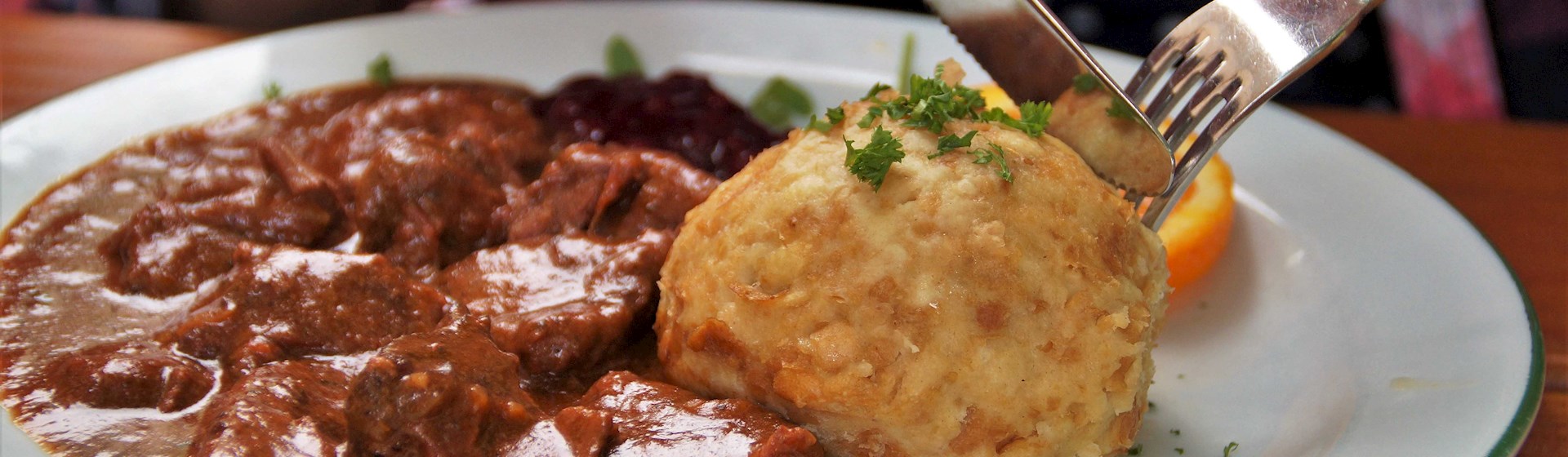
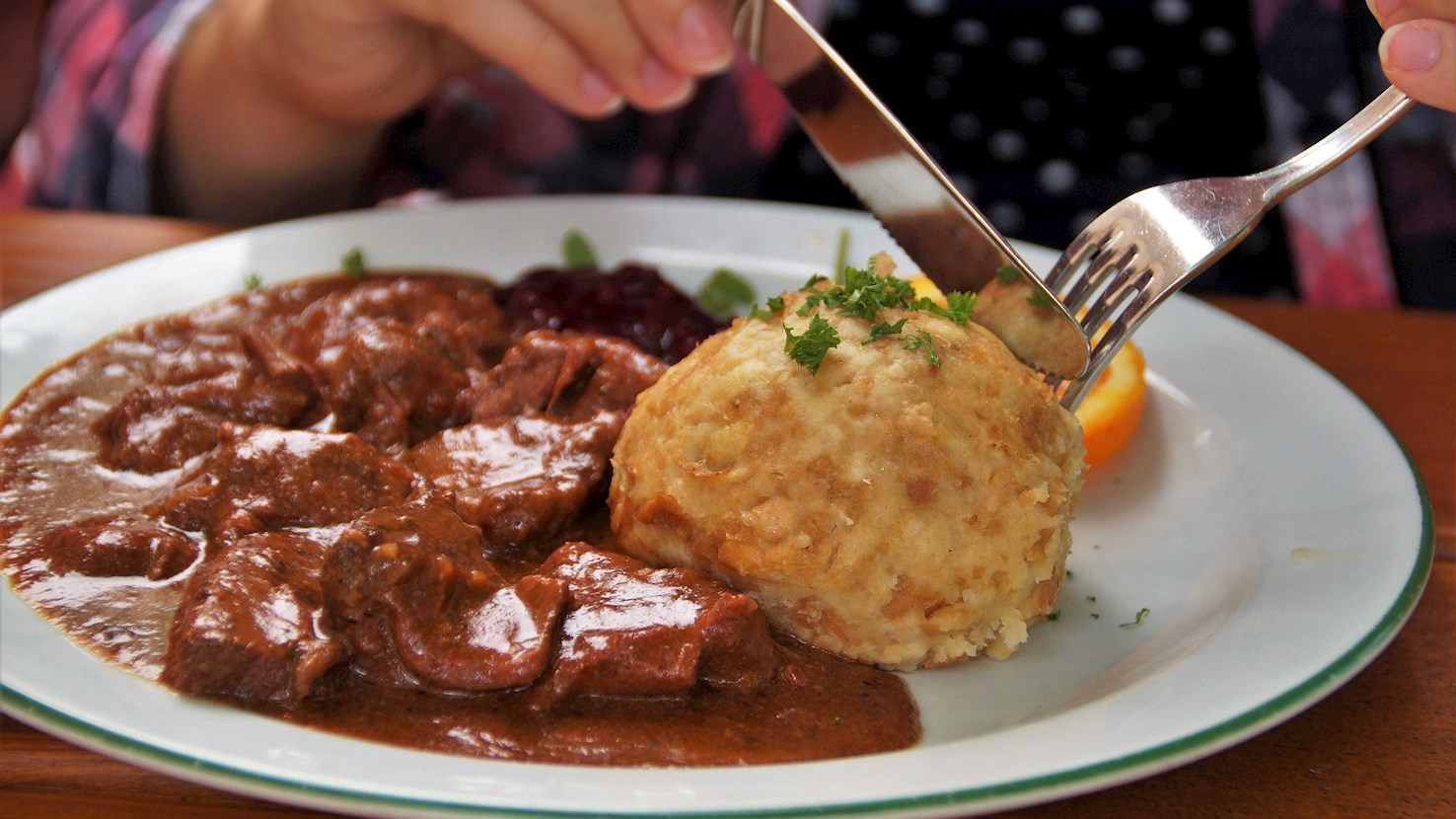
Hirschgulasch is a traditional type of goulash, a stew of meat, vegetables, and spices made specifically with venison, or deer meat, instead of the beef or pork that might be used in other types of goulash. The name of the dish translates to venison goulash. The venison is typically cut into small, bite-sized pieces and then slow-cooked with various ingredients like onions, garlic, tomatoes, and a variety of spices. Other ingredients can also be included, such as red wine, bay leaves, juniper berries, and herbs, all of which enhance the flavor of the dish. The result is a rich, hearty stew with a robust flavor.
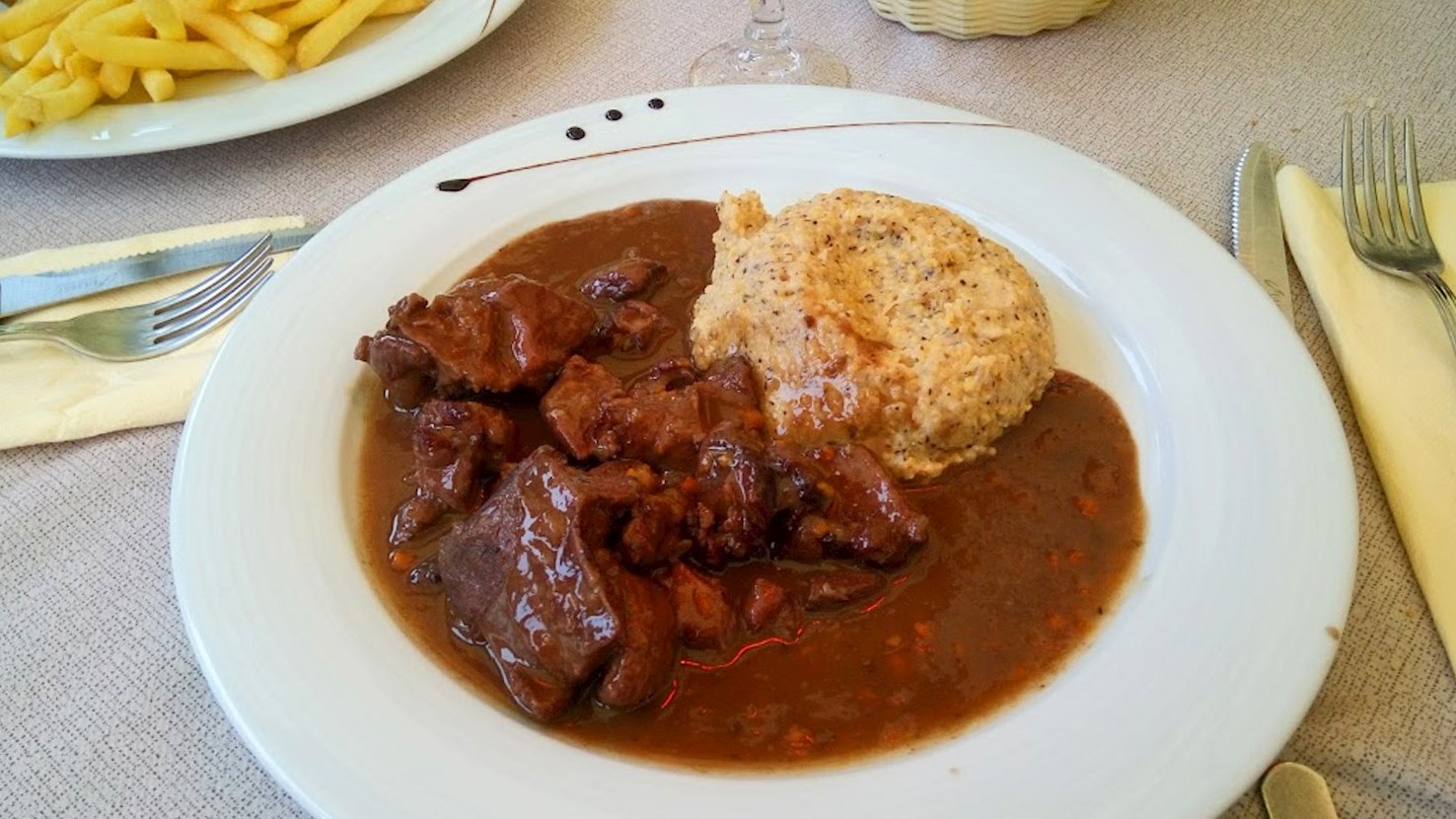
Salmì di cervo is a traditional dish originating from the Valtellina valley. Although there are variations, the dish is usually made with a combination of venison, red wine, pancetta, carrots, onions, garlic, celery, butter, olive oil, and herbs and spices such as nutmeg, cloves, bay leaves, sage, rosemary, thyme, juniper berries, peppercorns, salt, and pepper. Some recipes also use flour, tomatoes, pig blood, and mushrooms for extra flavor. The meat is cut into pieces and marinated in wine with the spices and herbs, carrots, onions, and garlic. The pancetta is sautéed in butter and olive oil, and the meat is browned in the same pan. Nutmeg, cloves, and salt are added to the dish, while the drained vegetables from the marinade are cooked into a sauce that's blended and reduced. The dish is served hot and it's typically accompanied by polenta on the side.
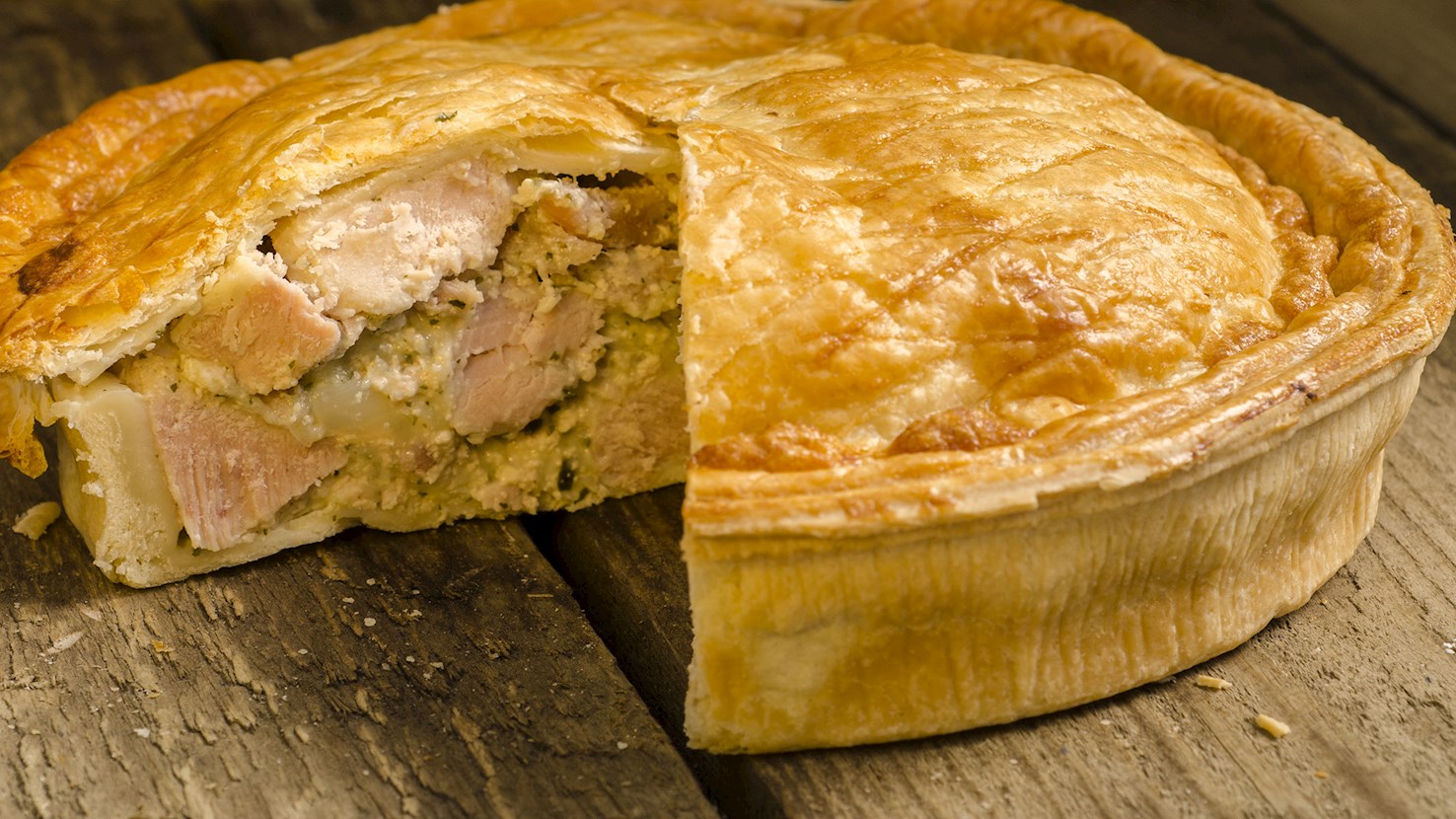
Game pie is a traditional dish consisting of a pastry shell filled with rich gravy and slowly cooked game meat such as venison, rabbit, and pheasant. The dish is typically prepared during the colder months, since the British game season usually runs through autumn and winter. It is believed that game pie became popular during the 16th century in Britain, when it was prepared with whatever meat could be found, such as pigeons and blackbirds. Today, the availability of game makes it easier to prepare even the more elaborate pies that are often heavily decorated or engraved in order to impress the consumers.
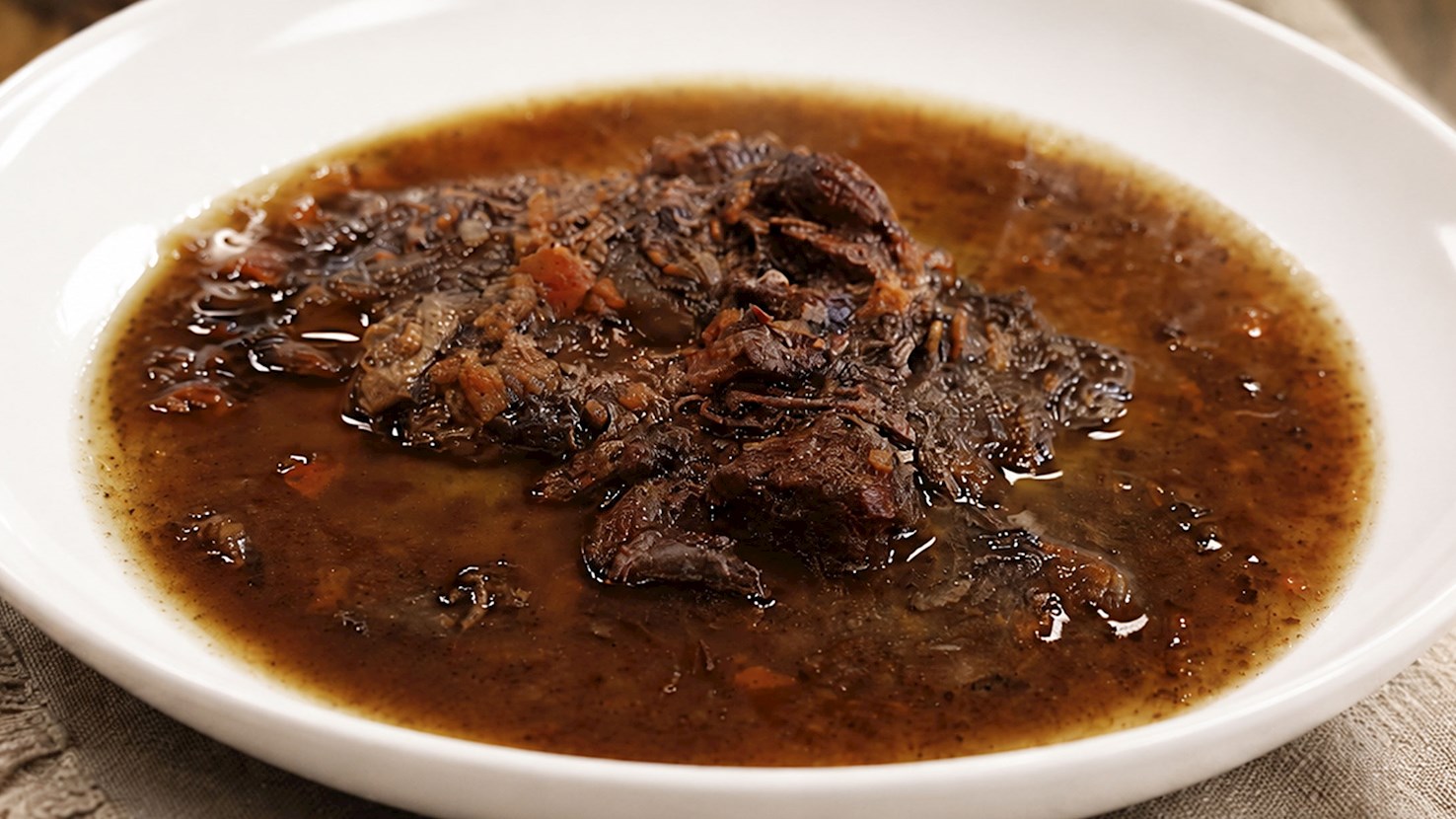
Hirschpfeffer is a venison stew from the alpine regions of Switzerland and southern Germany, known for its deep, savory flavor built from slow-cooked game meat, red wine, and spices. The name combines “Hirsch,” meaning deer, and “Pfeffer,” which refers not only to pepper but to a style of stew cooked with a thick, spiced sauce. It reflects the hunting and forest culture of Central Europe, where game has long played an important role in rural cooking, particularly during the colder months. The dish emerged from the need to preserve and tenderize tougher cuts of wild meat, transforming them into a rich and balanced meal that could sustain through winter. Its roots lie in the countryside kitchens of alpine hunters, where venison, once cleaned and dressed, was marinated in wine and vinegar with herbs to soften its texture and tame its gamey taste. The marinade, containing juniper, cloves, bay leaves, and pepper, also provided a base for the sauce, tying together acidity and spice. Over time, the dish moved from hunting lodges to domestic tables and restaurants, especially in regions where hunting seasons remained part of local life. Though each area developed its own version (some darker and more robust, others lighter with cream or root vegetables) the essence stayed the same: venison simmered slowly in a wine-based gravy until tender enough to fall apart. Preparation begins with marinating cubes of venison for a day or more in red wine, vinegar, and aromatics. The meat is then browned in butter or oil, and the marinade is strained and added back to the pot along with onions, carrots, and a small amount of flour to thicken the sauce. The mixture is simmered gently for several hours, allowing the flavors to deepen and the meat to soften. Toward the end, a touch of currant jelly or grated apple is sometimes stirred in to round out the acidity. The sauce becomes dark, glossy, and dense, coating the venison in a balanced blend of sweet, sour, and savory tones. The dish is eaten throughout the alpine regions, particularly in autumn and winter when game is fresh. It is served hot, often with sides that complement its richness, like spätzle, mashed potatoes, bread dumplings, or red cabbage are the most common. In Switzerland, lingonberry compote frequently accompanies it, adding a light fruit note that offsets the dark sauce. A glass of full-bodied red wine, often from local vineyards, completes the meal.
Acorn mush is a traditional Native American dish made by combining leached acorn flour, or acorn meal, with water. Traditionally, the acorn mixture was cooked in a unique, tightly-woven basket by carefully lowering fire-heated stones into the basket, and then stirring the stones until the mush thickened to a porridge-like consistency. The resulting porridge-like meal was normally eaten by using one’s fingers. Once a labor-intensive dish, these days, acorn mush is simply boiled in water over the stove. Also known as wiiwish, this traditional dish is often prepared for holidays such as Thanksgiving, and it is typically accompanied by vegetables or game meat such as venison and rabbit.
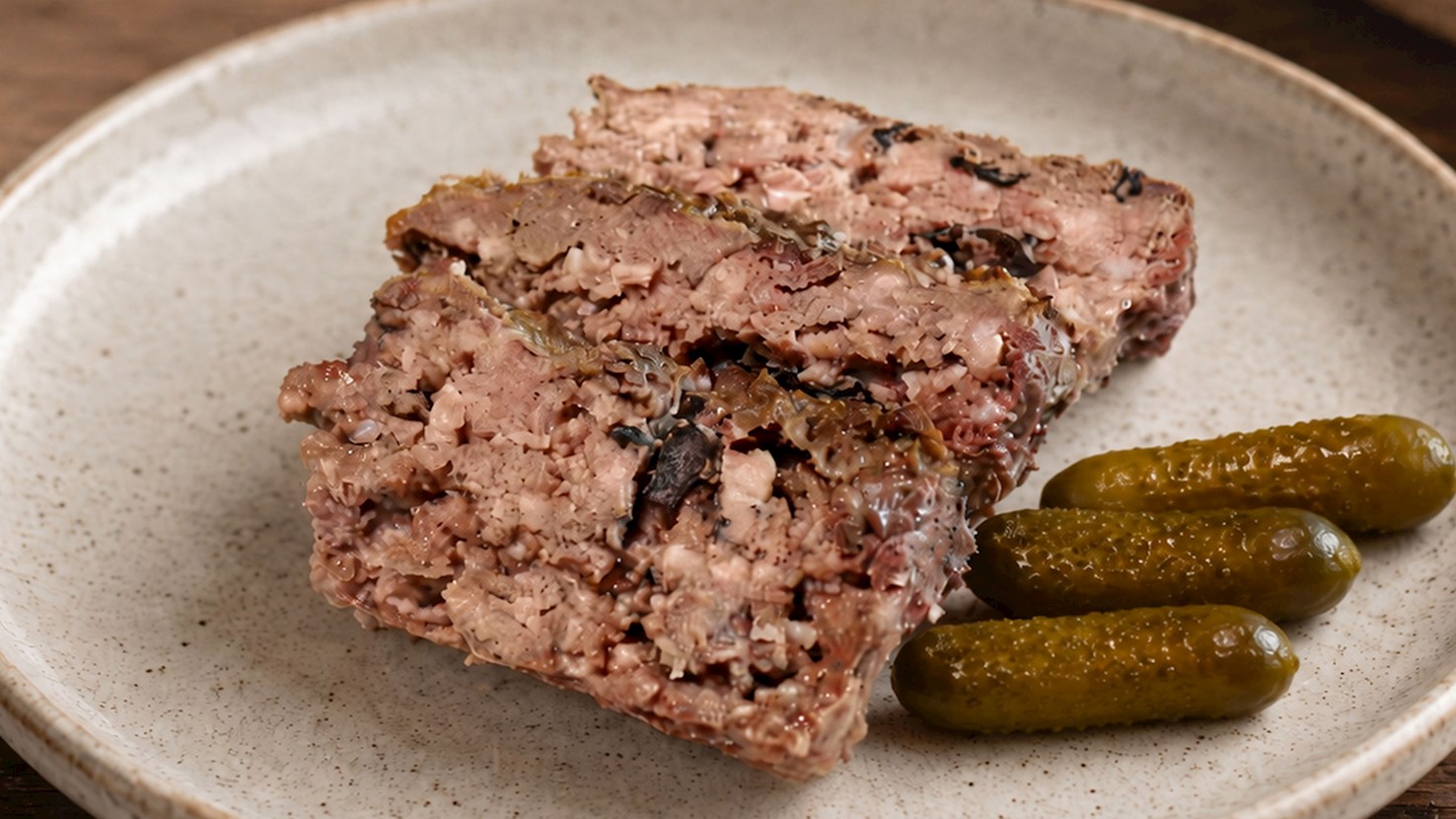
Terrine de cerf is a classic French dish made from coarsely ground wild venison, mixed with pork fat and liver, heavily seasoned, and baked slowly in a terrine. It’s meant to be eaten cold. The whole reason this dish exists goes back to traditional French hunting seasons. Venison is an incredibly lean meat. If you just ground it up and baked it, it would turn into a dry, crumbly mess. To fix that, the wild game is mixed with fatty cuts of domestic pork (like pork belly or fatback) and some pork or chicken liver. The liver acts like glue, holding everything together and giving the dish a rich, deep flavor, while the pork fat keeps it moist. Before any cooking happens, the meat usually sits in a marinade for a day or two—typically red wine or brandy mixed with juniper berries, thyme, garlic, and pepper. Once it’s ground and mixed, it's packed tightly into a ceramic dish. Sometimes, you’ll see pistachios or whole peppercorns mixed in for crunch. It’s baked in a water bath to keep the heat gentle so the fat doesn’t separate from the meat. But the most important part comes after it comes out of the oven: it's pressed down with a heavy weight and left in the fridge for a few days. This resting period is crucial because it allows the flavors to settle and blend. When it’s finally ready, you serve it in thick slices with a sharp mustard, some crunchy pickles (cornichons), and good bread.
Civet de chevreuil is a French game stew made with venison simmered in red wine, blood, and aromatics, originating from regions where deer hunting is a structured seasonal activity, including Burgundy, the Loire, the Jura, and parts of southwestern France. It belongs to the class of slow-cooked game dishes in which wine serves as both marinade and cooking liquid, allowing lean, firm meat to become tender while developing a concentrated sauce. The dish emerged in rural hunting areas where cooks used all parts of the animal, including the blood, to create a cohesive binding for the sauce and to ensure that the finished stew had depth without relying on flour or other thickeners. Households and inns associated with hunting culture adopted the method of marinating venison with wine, vegetables, and herbs to moderate the strong aroma of older animals and then cooking it slowly so the connective tissues softened and the flavors integrated. Preparation typically begins by marinating pieces of venison, often shoulder, neck, or leg, in red wine with onions, carrots, garlic, juniper, thyme, and bay leaf for several hours or overnight. After draining, the meat is browned in fat, while the marinade vegetables are sautéed separately. The wine from the marinade is strained, brought to a simmer, and added to the pot along with stock to form the cooking base. The stew is cooked at low heat until the meat becomes tender, a process that can take two to three hours depending on the cut and the age of the animal. Near the end of cooking, the sauce is thickened by incorporating fresh blood mixed with a small amount of vinegar or wine, which prevents coagulation on contact with heat. This step produces a smooth, dark, and cohesive sauce that coats the meat evenly. The finished dish has an intense, structured flavor shaped by the interplay of wine, aromatics, and game. Civet de chevreuil is eaten primarily in the game season during autumn and winter, served in rural homes, game-focused restaurants, and regional dining establishments that specialize in seasonal products. It is commonly accompanied by potatoes (mashed, steamed, or sautéed), along with root vegetables, mushrooms, or bread to absorb the sauce. The dish pairs well with robust red wines such as Burgundy, Rhône reds, Madiran, or Cahors, whose tannins and structure match the richness of the venison and the sauce’s depth.
Kutjevački srneći medaljoni is a traditional dish originating from Kutjevo. The dish is usually made with a combination of venison, flour, mustard, red wine, sour cream, stock, parsley, grapes, white wine, lemon, cinnamon, oil, salt, and pepper. The meat is cut into medallions, seasoned with salt and pepper, brushed with mustard, and rolled in flour. It is fried in oil on both sides and cooked in stock and red wine. The grapes are cooked in white wine with cinnamon and lemon slices. The medallions are arranged on slices of fried bread and topped with the grapes. The meat sauce is mixed with sour cream and parsley, and it is then served on the side in a separate bowl.
Pohorski pisker is a traditional stew originating from the region of Pohorje. Although there is no set recipe for this stew, it's usually made with any of the following ingredients: beef, venison, pork ribs, bacon, lamb, carrots, cabbage, garlic, onions, potatoes, parsley, barley, rye, buckwheat, wheat, chickpeas, beans, mushrooms, cranberries, sour cream, vinegar, salt, pepper, cumin, bay leaves, and marjoram. Depending on the season of the year, the stew is made with selected ingredients, and it should always contain meat and meat products, root vegetables, mushrooms, and some type of wheat. Once done, the stew is typically paired with medium-bodied wines such as Rhine Riesling, Chardonnay, or Pinot Gris.
TasteAtlas food rankings are based on the ratings of the TasteAtlas audience, with a series of mechanisms that recognize real users and that ignore bot,
nationalist or local patriotic ratings, and give additional value to the ratings of users that the system recognizes as knowledgeable.
For the “11 Best Rated Dishes with Venison” list until June 17, 2026, 1,000,987 ratings were recorded, of which 657,348 were recognized by the system as legitimate.
TasteAtlas Rankings should not be seen as the final global conclusion about food. Their purpose is to promote excellent local foods,
instill pride in traditional dishes, and arouse curiosity about dishes you haven’t tried.