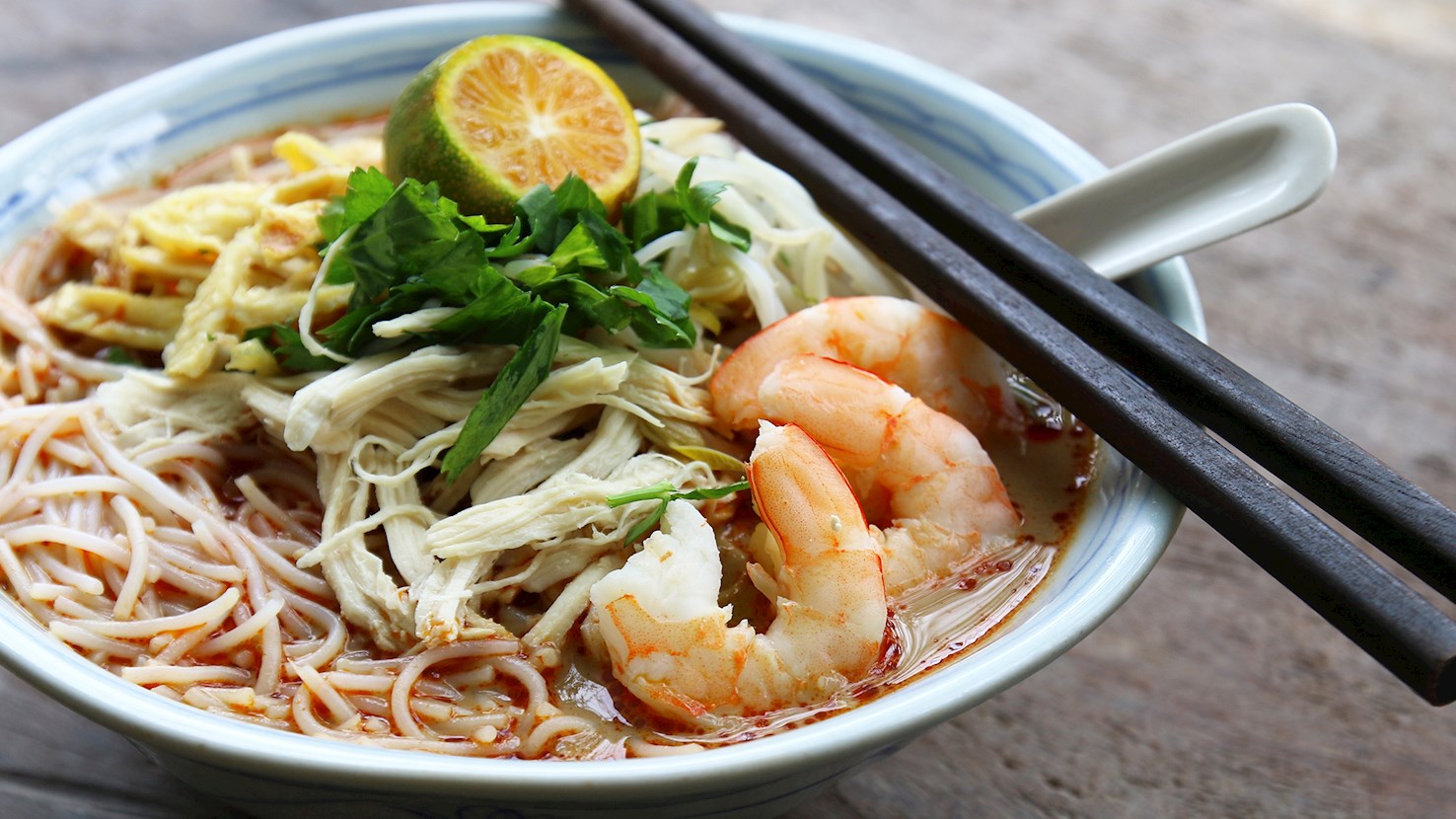
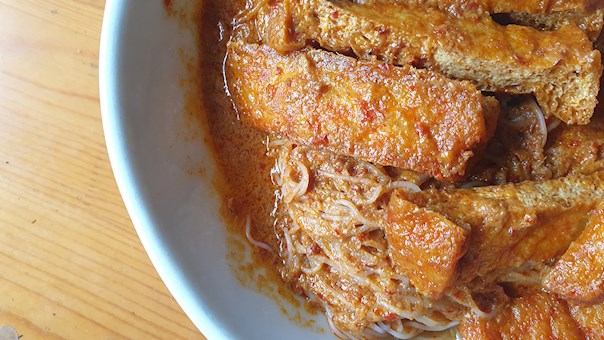
Closely related to other laksa varieties, Sarawak laksa is characterized by a subtle, mild flavor. Consisting of a flavorful chicken or shrimp-based broth that is seasoned with thick laksa paste, which sometimes includes more than twenty different ingredients, the soup is accompanied by vermicelli noodles, shredded omelet, cooked prawns, and shredded chicken. Spicy sambal and lime are traditionally served on the side. The origin of Sarawak laksa is still unclear, but it is believed that the dish appeared when Goh Lik Teck began to offer his noodle dish along Kuching’s Carpenter Street in 1945. According to popular belief, the thick paste used in the dish was popularized by the Tan family from Kuching, somewhere between the 1960s and 1970s. Tan Yong Him experimented with herbs and spices to create a basic paste, which he later distributed under the brand name Swallow. The product was soon picked up by many vendors, who then included Sarawak laksa on their menus. Today, it is a signature dish of Sarawak and the city of Kuching.
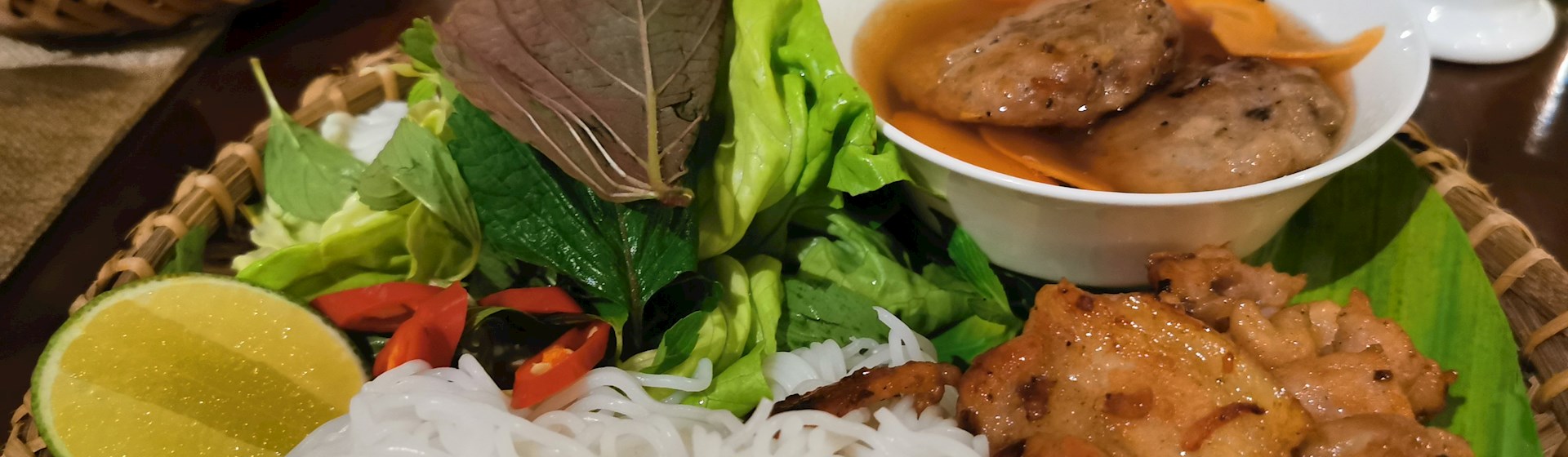
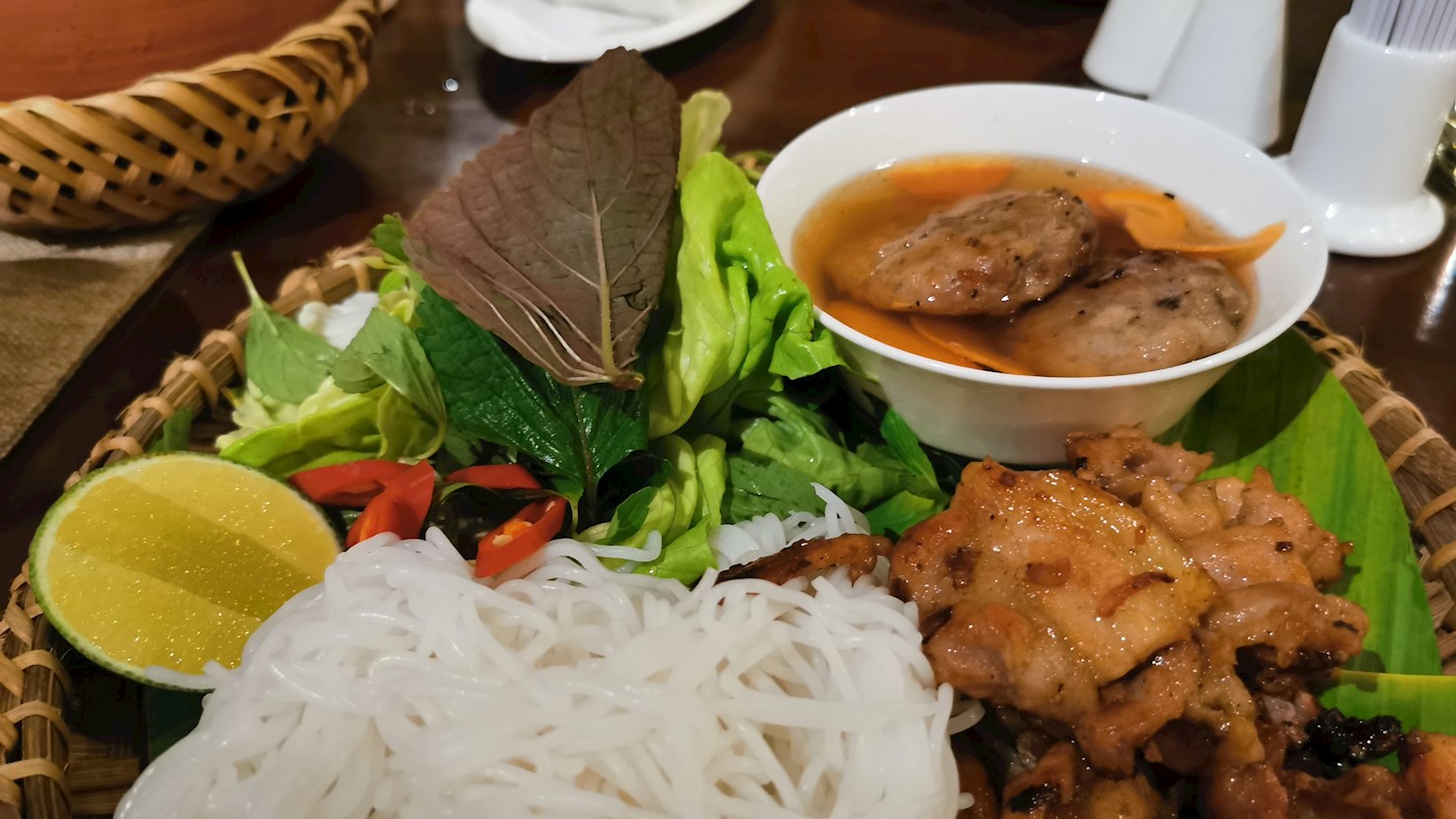
Bún chả is a pork and noodle dish that is intricately connected to Hanoi, where it is believed to have originated. The dish combines three elements: a bowl of grilled pork meatballs served in a cold broth, a plate of rice noodles, and a combination of various fresh greens such as perilla leaves, lettuce, coriander, and morning glory. Although bún chả or similar varieties can be found in other parts of Vietnam, the local Hanoi version is held in high regard. Not much is known about its history or origin, but the dish became internationally recognized in 2016 when it was featured on the show Parts Unknown – in which the host Anthony Bourdain enjoyed bún chả together with the former president Barack Obama.
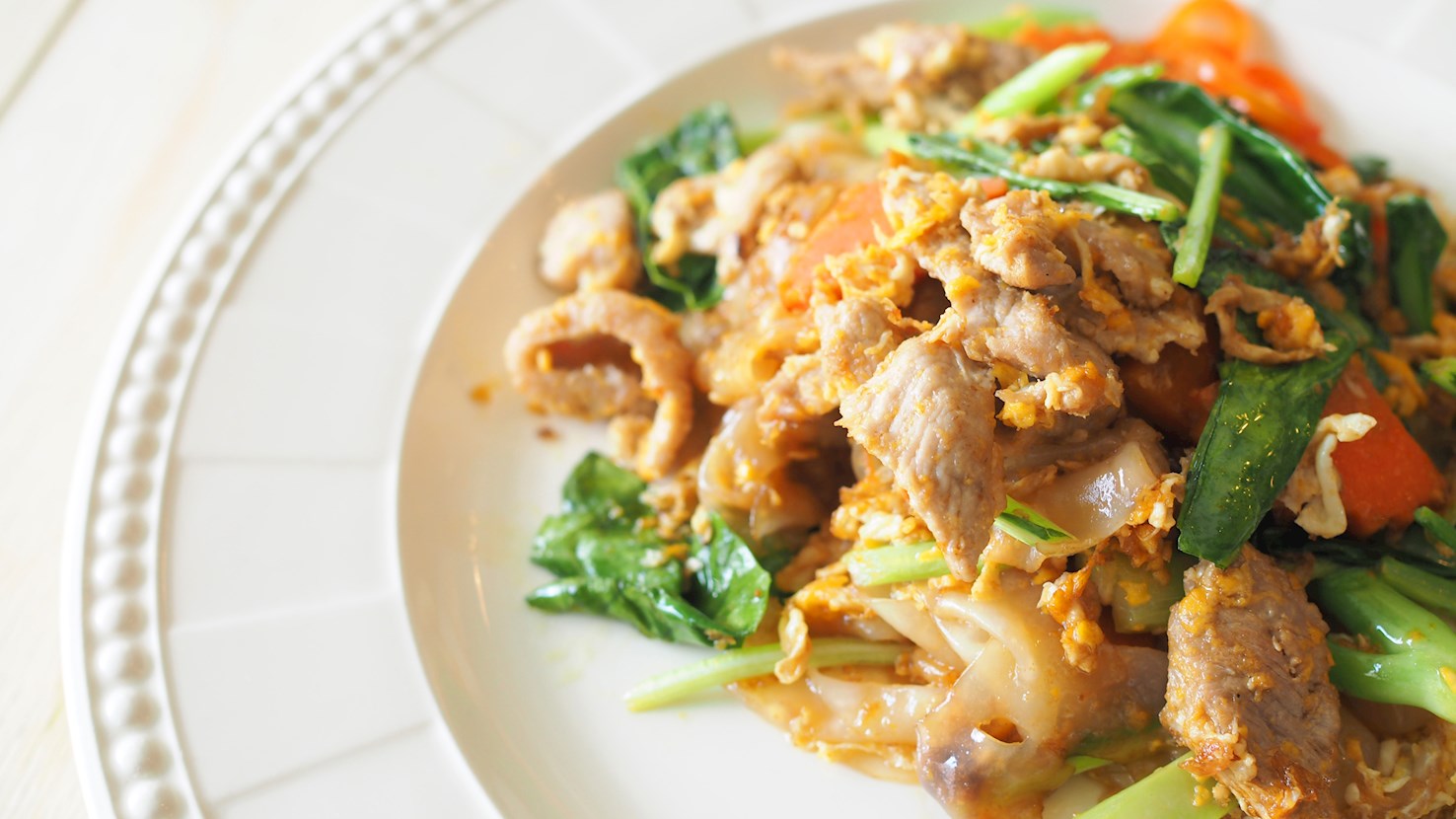
Phat si-io is a Chinese-style noodle dish originating from Thailand. The dish is often prepared and served from street stalls and consists of big noodles or vermicelli which are stir-fried with thinly sliced pork, beef, chicken, or seafood. The dish is popular because of its fragrant aroma coming from fried soy sauce (both light and dark varieties), garlic, eggs, and Chinese broccoli, which are also included in the pan. The dish is also spelled as pad see ew, with pad meaning fried, and see ew meaning soy sauce, so the name literally means fried soy sauce. Once done, it's recommended to serve phat si-io with chili sauce.
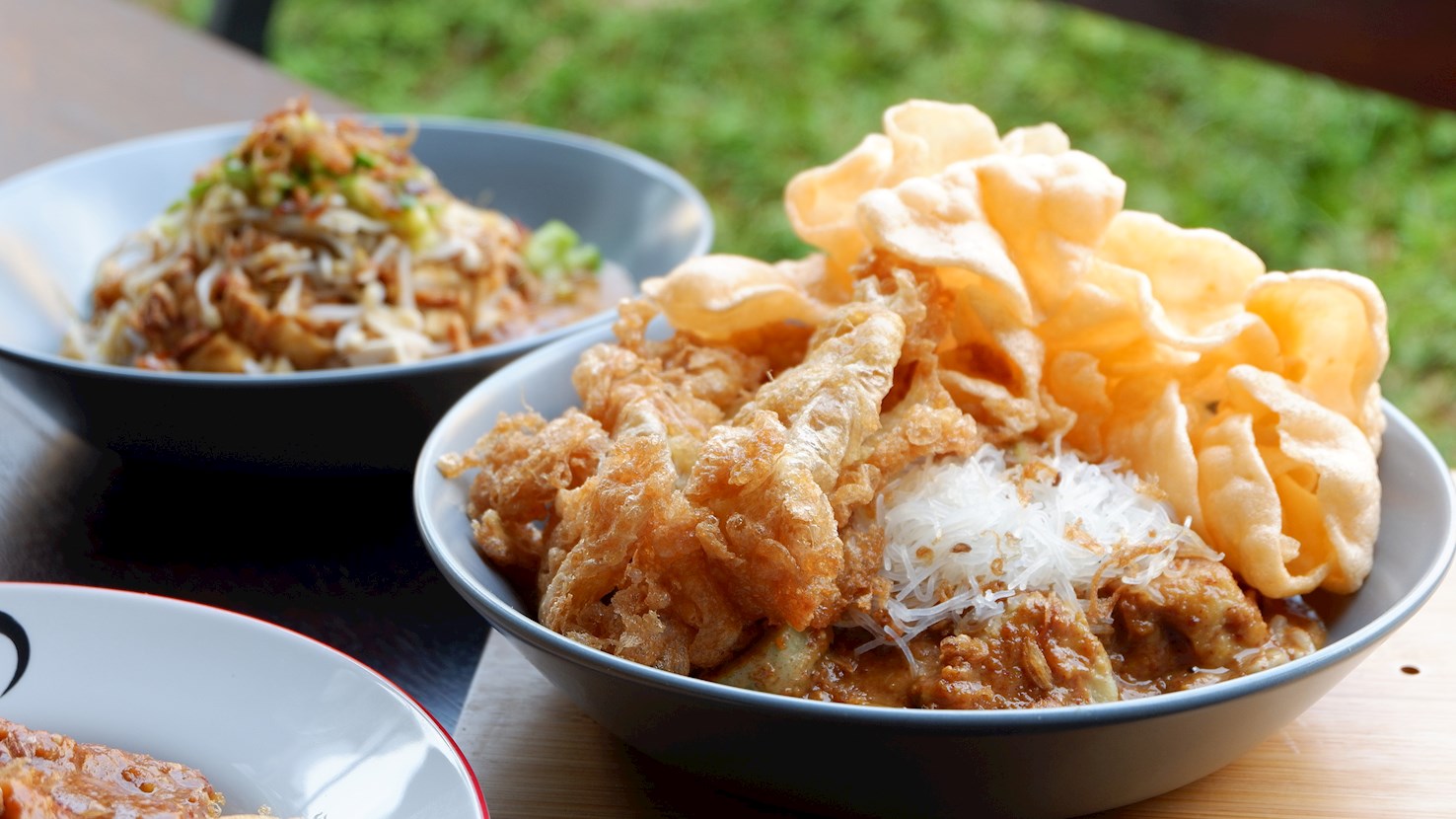
Ketoprak is a traditional street food dish that's often described as tofu salad. It's made with a combination of fried tofu, steamed rice cakes, rice vermicelli noodles, bean sprouts, cabbage, and cucumbers. The combination is served in peanut sauce and sweet soy sauce (kecap manis). It's usually topped with fried shallots and krupuk. The dish can be found at numerous ketoprak food carts throughout Jakarta, although there is still an ongoing debate about the origin of the dish – some claim that it was first made in Cirebon because the majority of street food vendors come from Cirebon. The tofu is freshly fried from the food carts, while the other ingredients are prepared in advance. Ketoprak is usually a vegan dish, but it's sometimes topped with a hard-boiled egg which makes it non-vegan.
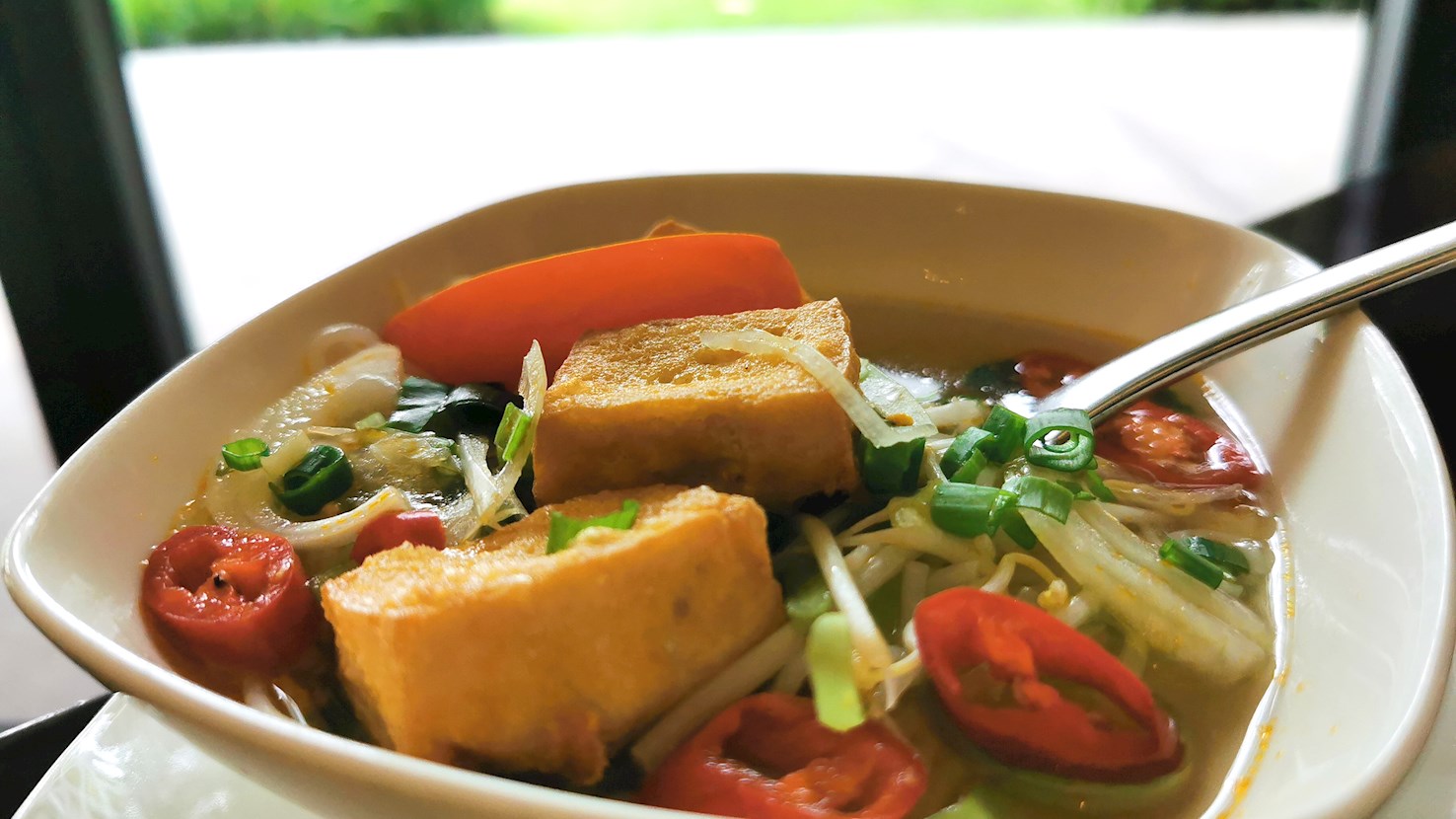
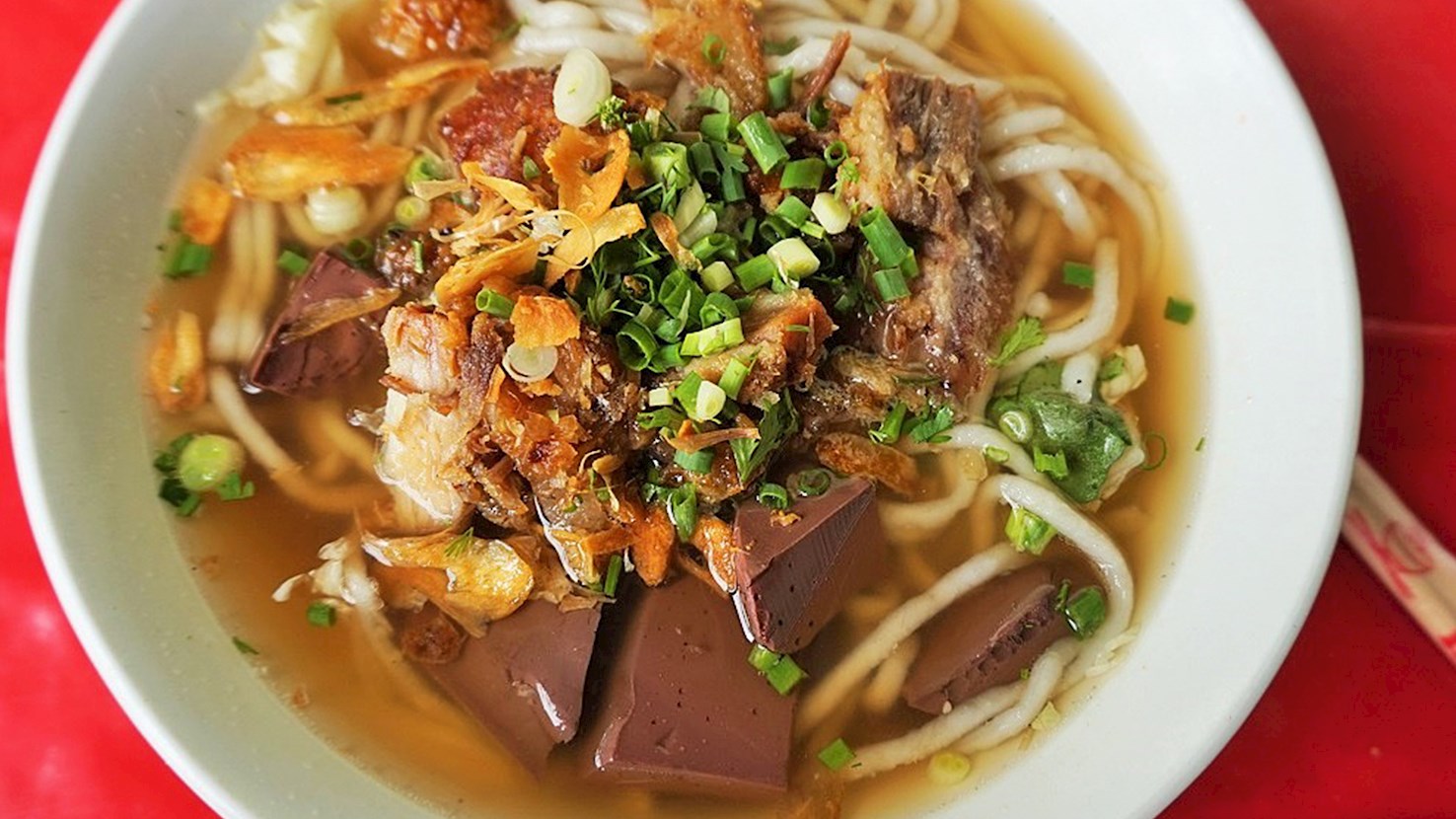
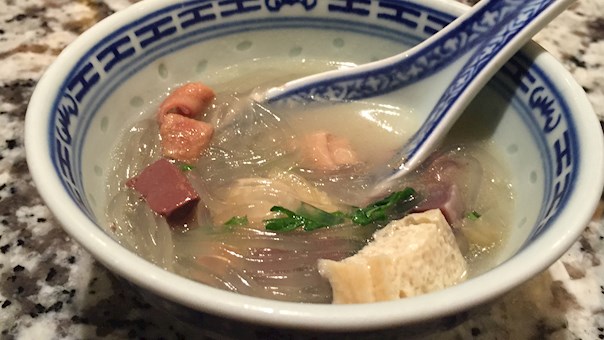
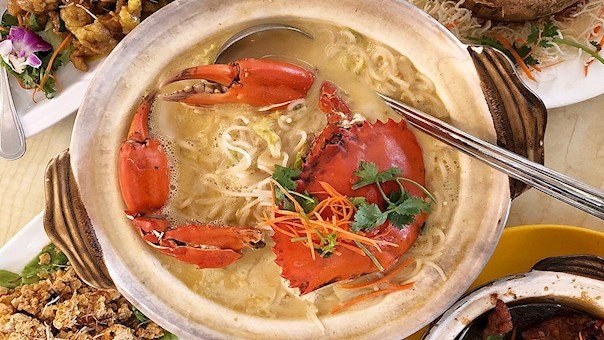
Bún riêu is a crab-based Vietnamese noodle soup. The dish is made in several versions, but the most popular one is made with a tomato base and goes under the name bún riêu cua. The soups are prepared with different broths, but they are always infused with crab paste and come served with vermicelli noodles, while the toppings typically include crab meat, pork, tofu, tomatoes, blood jelly, and a selection of fresh greens such as perilla or bean sprouts. The combination of sweet and sour flavors make bún riêu one of the favorite noodle dishes in the country.
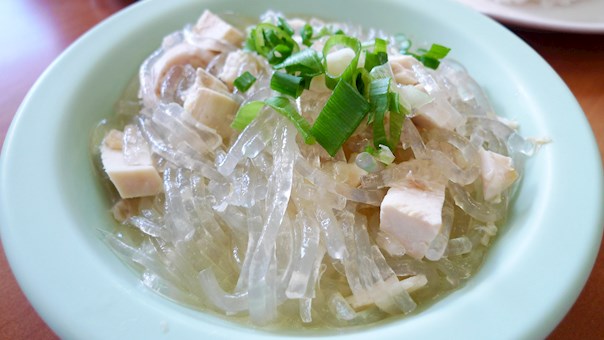
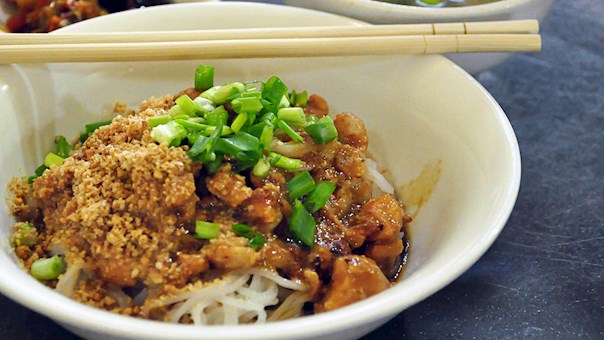
Mǎyǐ shàngshù is a Sichuan noodle dish known for its spicy, savory flavor and unique appearance, whose name translates to “ants climbing a tree.” Despite the vivid name, it contains no insects; instead, the dish features minced meat clinging to glass noodles, resembling small specks on branches. It originates from Sichuan province in southwestern China, where bean-based sauces, chili, and fermented seasonings form the foundation of much of the local cuisine. It developed as a humble home-cooked meal, created from simple, accessible ingredients: vermicelli noodles made from mung beans and small amounts of minced pork or beef. Because meat was scarce and precious in rural households, cooks learned to stretch its flavor by finely chopping and stir-frying it with seasonings to coat the noodles. Over time, the dish moved from family kitchens to restaurant menus, appreciated not for extravagance but for the way it transforms basic elements into a deeply flavored whole. It represents the resourcefulness and precision found throughout Sichuan cuisine, where layering condiments and aromatics creates depth far beyond the simplicity of the ingredients. Preparation begins with soaking the dried glass noodles until soft and pliable. Minced meat is fried in a hot wok with oil until fragrant, then mixed with doubanjiang, the Sichuan chili bean paste that provides the dish’s defining color and flavor. Aromatics such as garlic, ginger, scallion, and sometimes fermented black beans are added, along with soy sauce, rice wine, and stock. Once the sauce reaches a rich consistency, the softened noodles are added directly to the wok, where they absorb the liquid and take on a reddish hue. The result is a glossy tangle of noodles evenly coated with minced meat and sauce, the flavors concentrated and slightly smoky from the fried bean paste. A touch of sugar balances the salt and spice, while a small drizzle of sesame oil or vinegar may be added before serving. It is eaten hot, usually as part of a family meal or in small local restaurants specializing in Sichuan stir-fries and noodles. It can stand alone as a light meal or accompany rice and side dishes such as cold cucumber salad or stir-fried greens that temper the chili heat. In homes, it is often prepared for casual lunches or dinners, while in restaurants it appears as one of the essential items in the repertoire of Sichuan-style small plates.
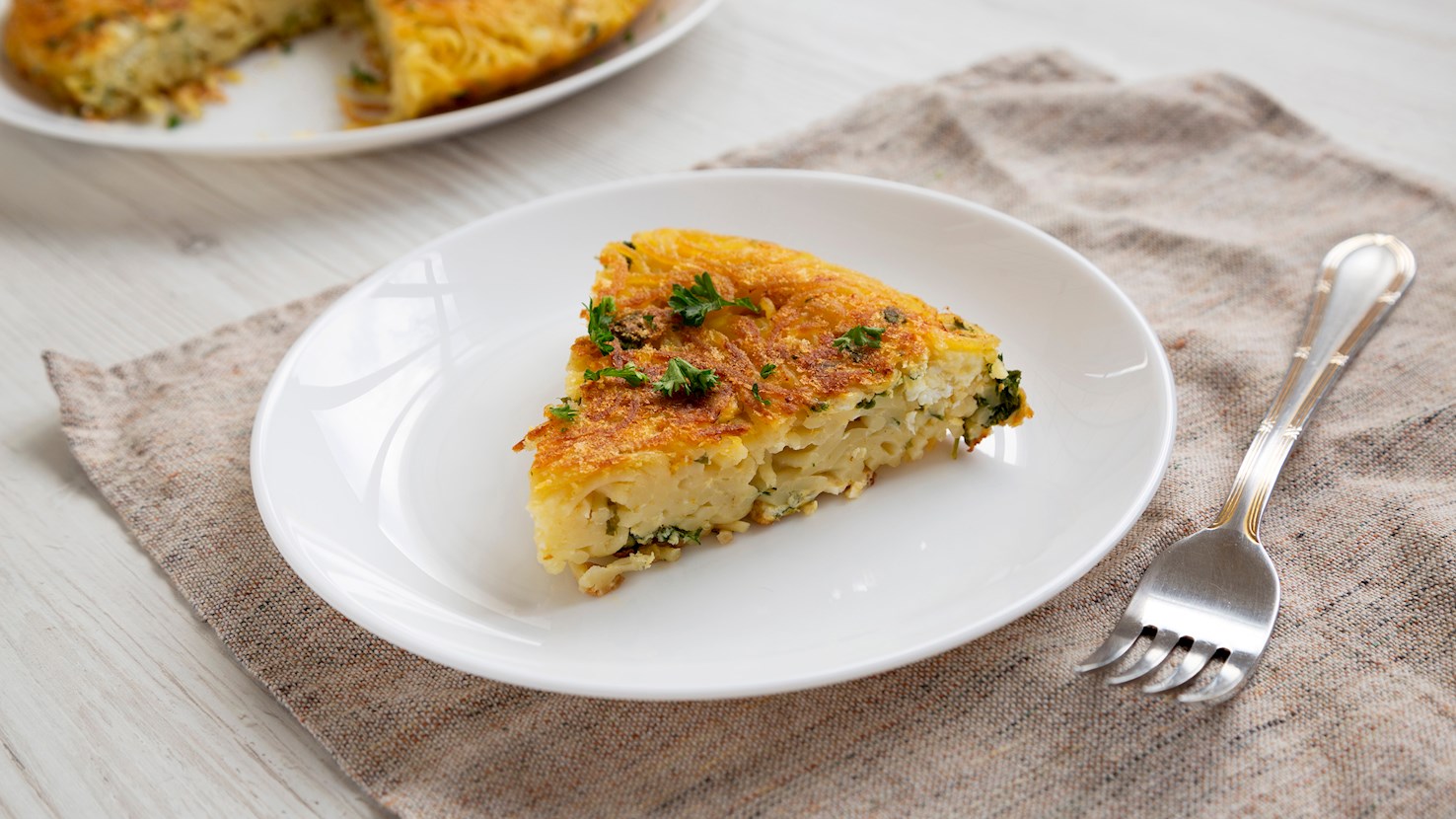
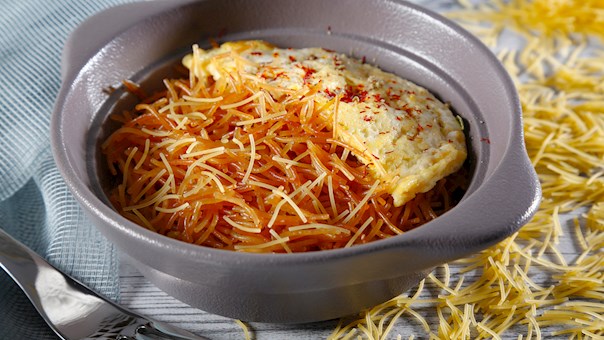
Froġa tat-tarja is a traditional pasta omelet. The dish is usually made with a combination of eggs, vermicelli, butter (or olive oil), grated cheese, salt, and pepper. The eggs are whisked and mixed with the cheese and cooked pasta. The mixture is seasoned with salt and pepper and fried in a pan in butter. Once it becomes firm, the pasta omelet is turned on the other side and cooked until golden. This pasta omelet is served immediately, while still warm. It's a great way to use leftover cooked pasta. There are many variations, including ingredients such as spinach, prosciutto, and scallions.
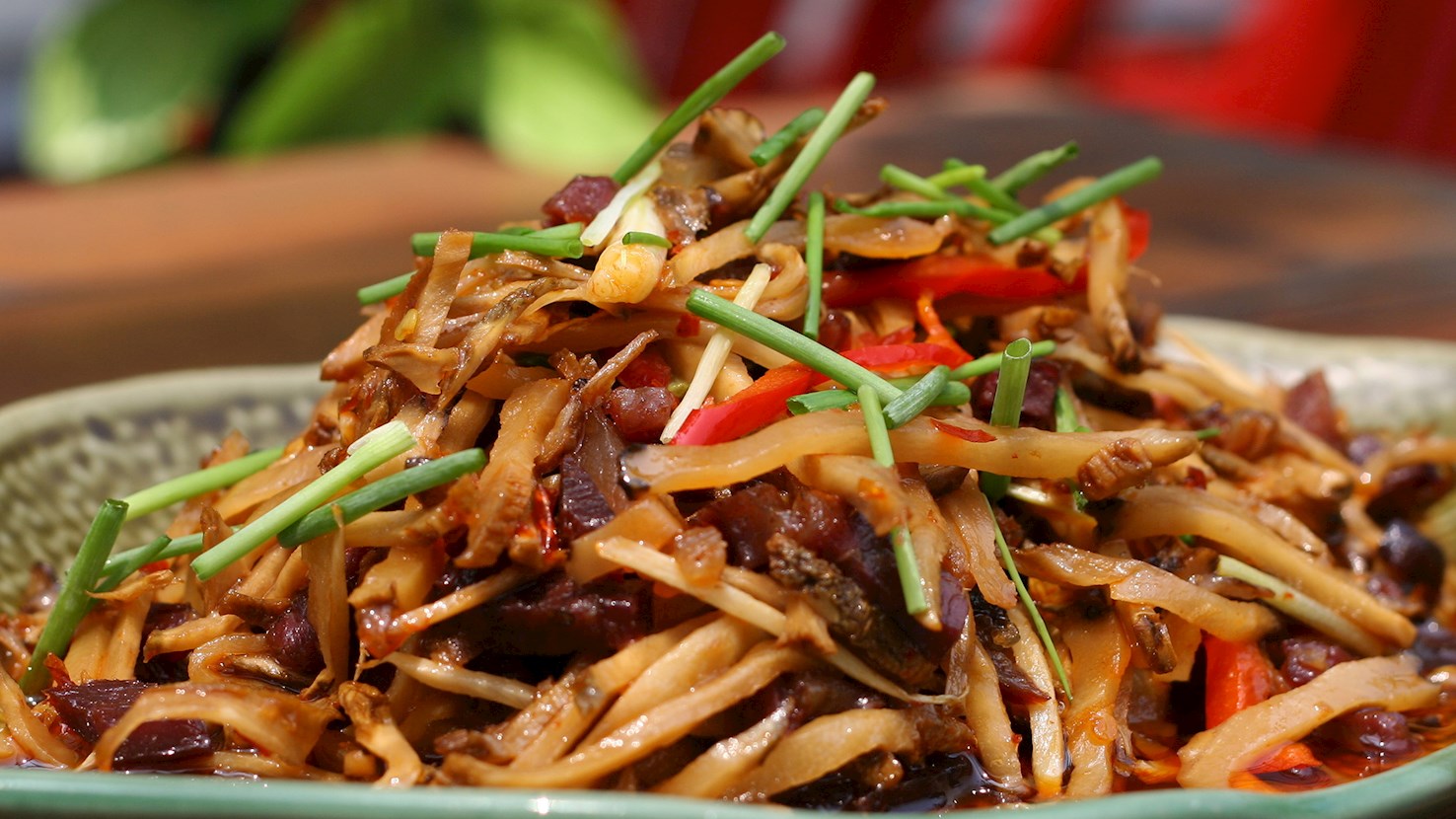
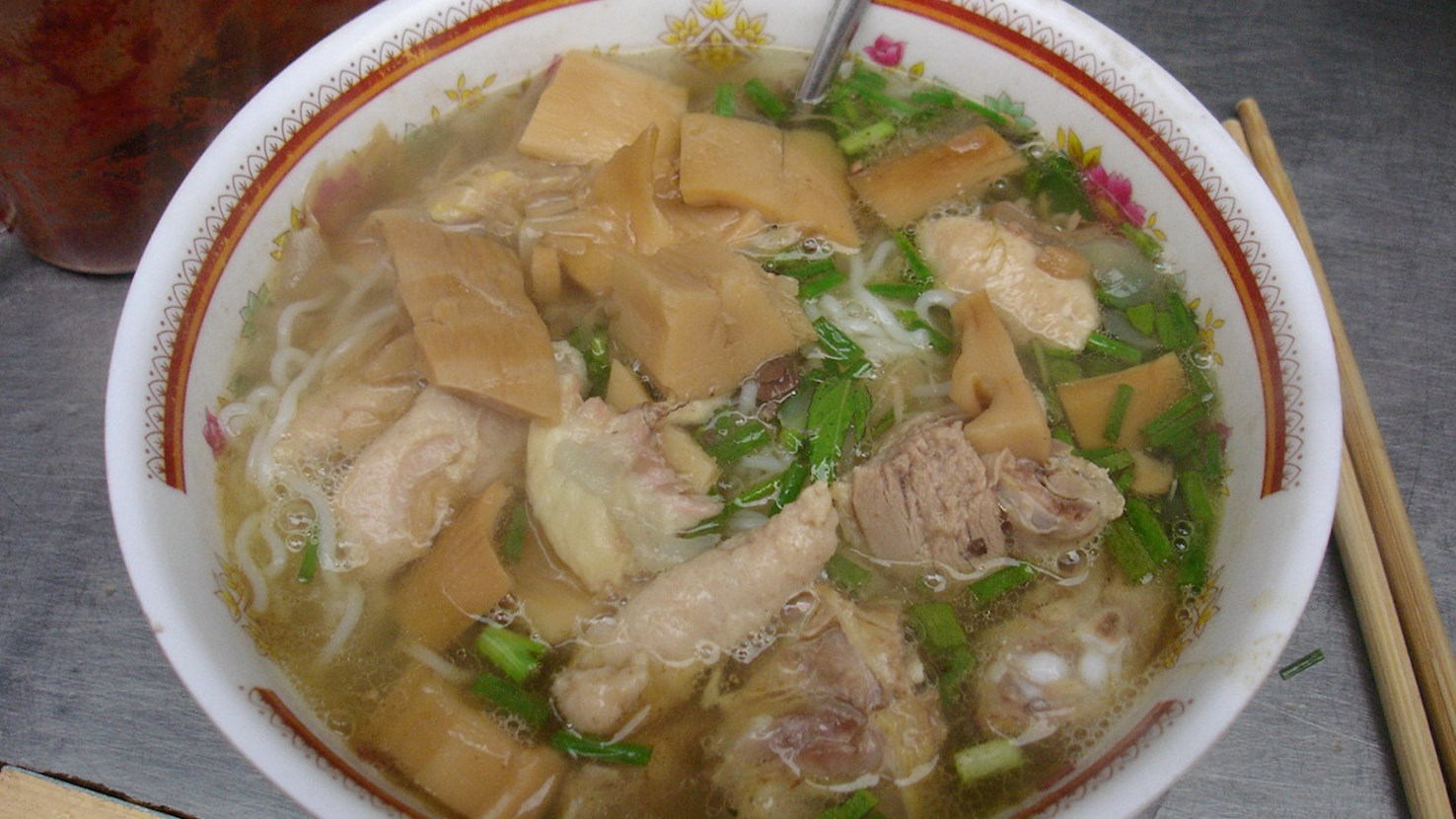
Bún măng vịt is a traditional soup made with duck and dried bamboo shoots as the main ingredients. Other ingredients usually include vermicelli noodles, ginger, onions, fish sauce, cabbage, shallots, chili peppers, and fresh herbs such as cilantro, mint, and perilla. The broth should be rich and fragrant. Once prepared, the duck meat is usually dipped in the ginger fish sauce that's traditionally served as an accompaniment to the dish. The dish is typically garnished with sliced green onions and coriander.
Khao poon (also known as lao laksa) is a spicy rice noodle soup originating from Laos. Over time, it has garnered extensive popularity in most of the Southeast Asian countries and in the US. It is considered a healthy and comforting dish due to a small amount of fat and a wide array of flavors. The classic recipe is made with boiled vermicelli noodles, shredded chicken, red curry paste, lemongrass, coconut milk, garlic, shallots, galangal, and bamboo shoots. The spiciness depends on the amount of curry paste and (optionally) fresh chilis used in the dish. For garnishes, fresh local greens are used - cilantro, shredded cabbage, mint leaves, and bean sprouts. The soup is typically served as a first course in Lao weddings and similar festive events.
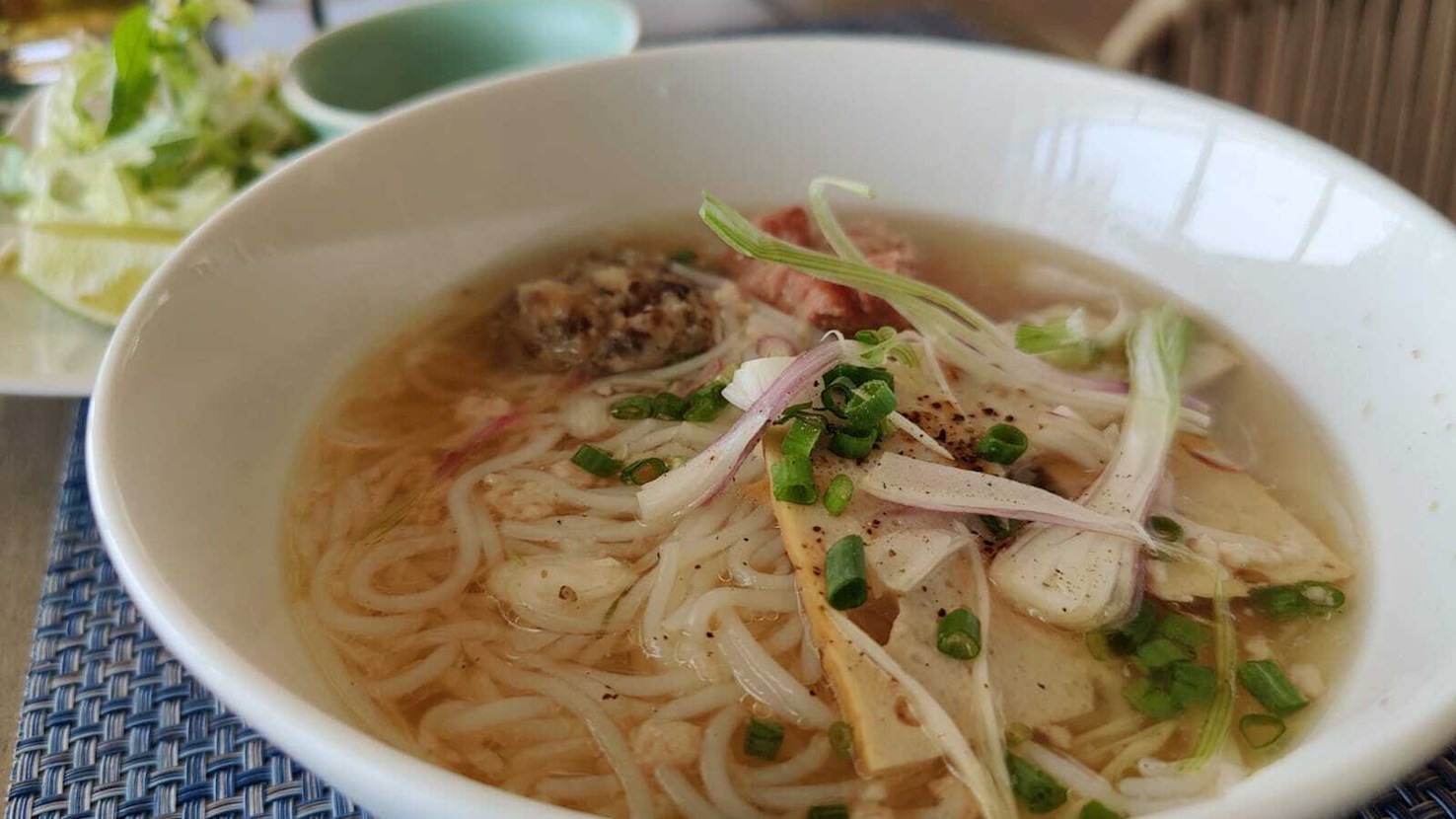
Bún mọc is a traditional noodle soup originating from Moc village, Nhan Chinh, Thanh Xuan, Hanoi. The main ingredients in the soup are vermicelli noodles and pork balls. The broth is usually made from shiitake mushrooms and pork ribs and bones, and the foam is skimmed off the surface regularly as the broth is simmering so that it remains clear and has a sweet, delicate, and rich flavor. The pork balls are made from raw pork sausages such as cha lua, cha chien, cha la, and cha que. Bean sprouts, shallots, black pepper, and cilantro are welcome additions to bún mọc, elevating the noodle soup's flavors to make it even more rich. Bún mọc is typically served piping hot, and it's often accompanied by chili sauce on the side.
TasteAtlas food rankings are based on the ratings of the TasteAtlas audience, with a series of mechanisms that recognize real users and that ignore bot,
nationalist or local patriotic ratings, and give additional value to the ratings of users that the system recognizes as knowledgeable.
For the “24 Best Rated Dishes with Vermicelli” list until May 22, 2026, 989,156 ratings were recorded, of which 646,964 were recognized by the system as legitimate.
TasteAtlas Rankings should not be seen as the final global conclusion about food. Their purpose is to promote excellent local foods,
instill pride in traditional dishes, and arouse curiosity about dishes you haven’t tried.