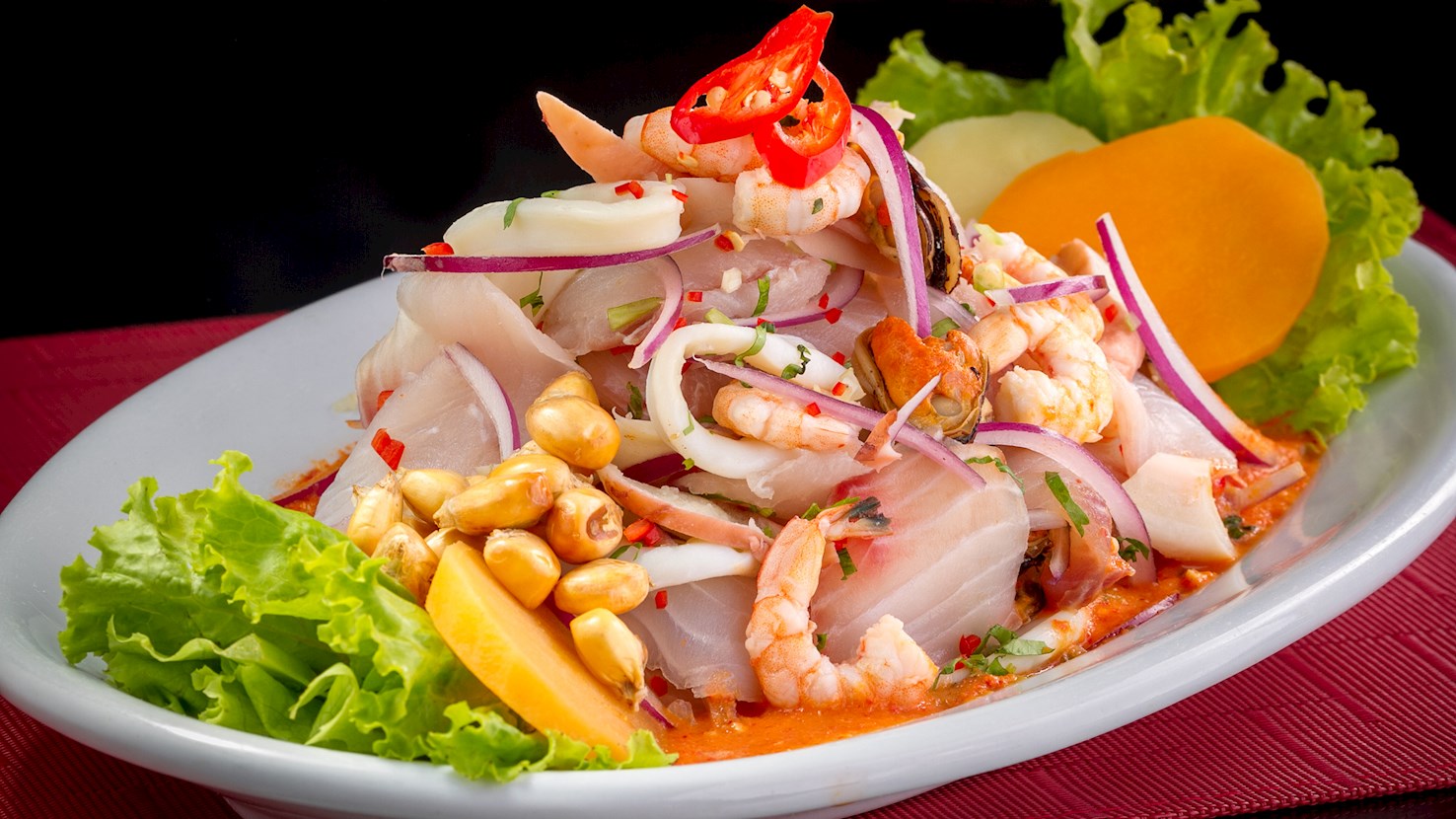
Ceviche mixto is a classic Peruvian appetizer that differentiates itself from other types of ceviche by the addition of various seafood ingredients to regularly used fish. Those include shrimp, squid, octopus, clams, or scallops. A few mussels or small crabs are sometimes also added to the dish. The seafood is typically marinated in lime juice, onions, garlic, celery, coriander, hot chili peppers, and salt. Ceviche mixto is often served with glazed sweet potatoes and Peruvian corn.
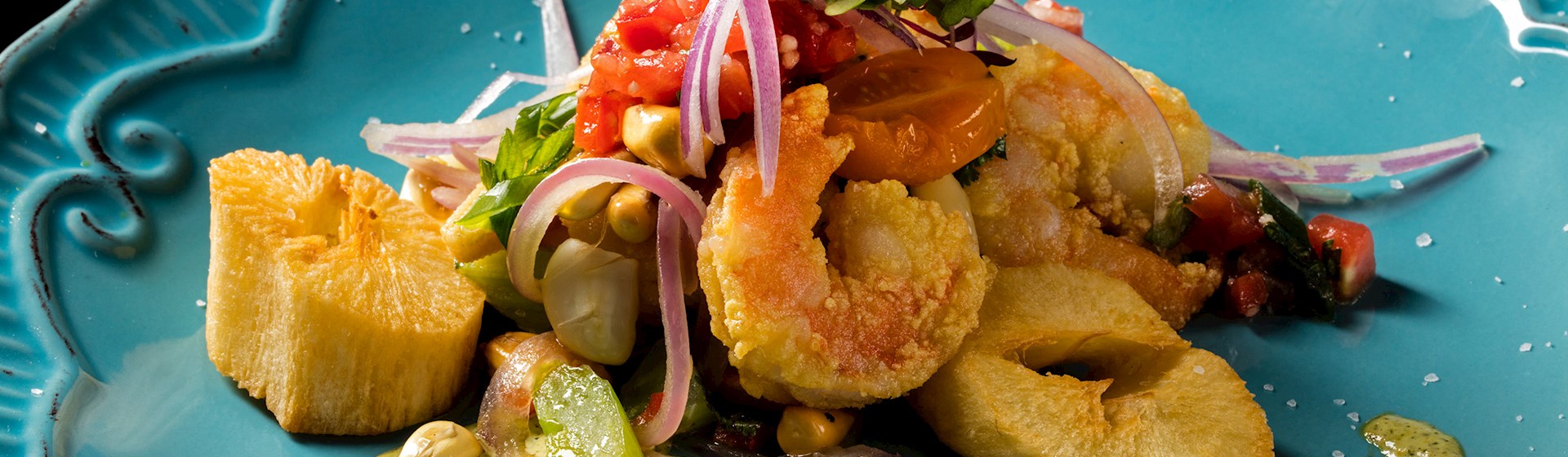
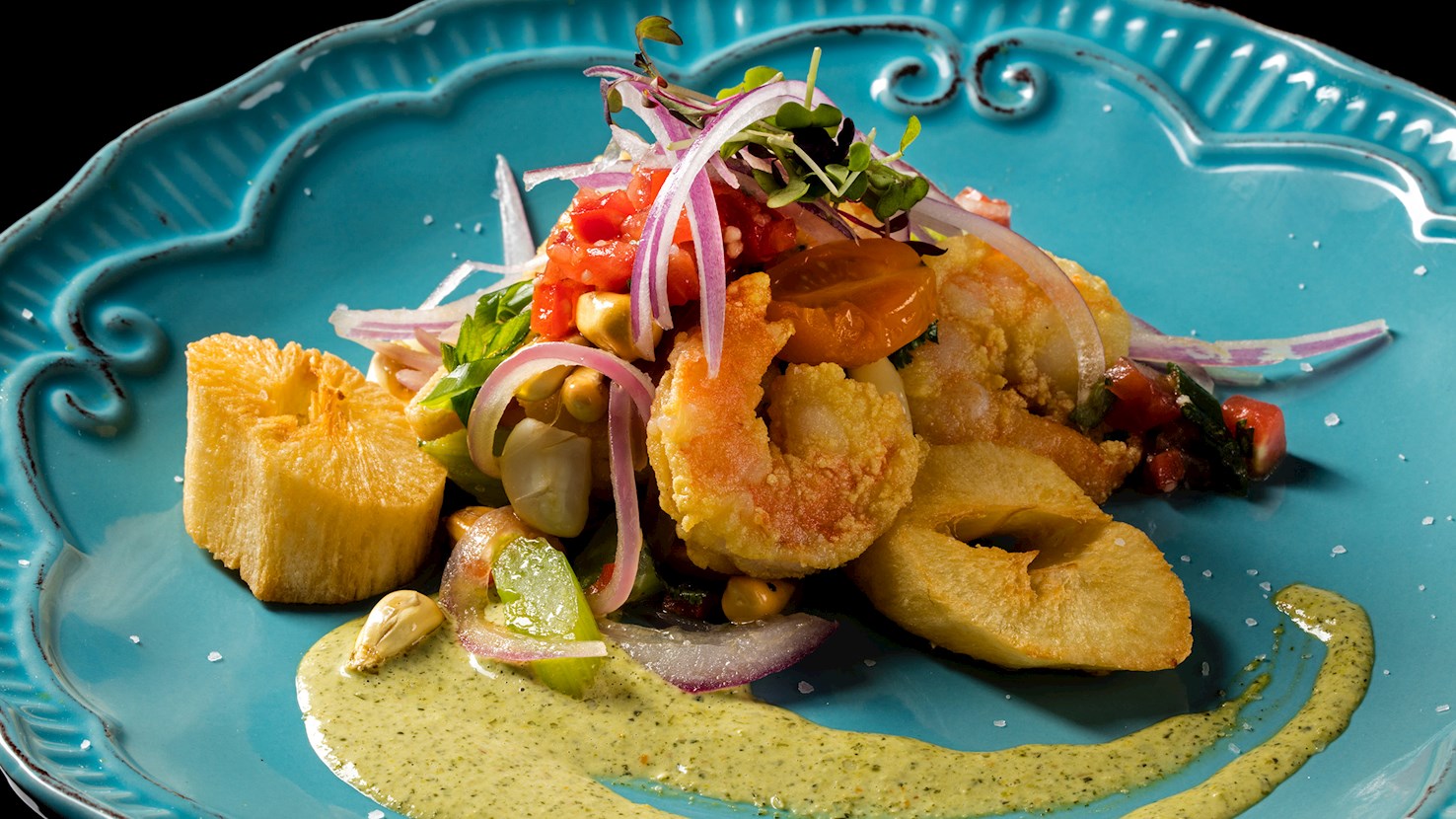
Peruvian jalea is a seafood dish of lightly breaded and deep-fried fish - most often tuna, halibut, cod, or striped bass - and other mixed seafood like octopus, squid, shrimps, and scallops. It is traditionally served with thinly sliced and fried plantains called chifles, and topped with a refreshingly tart salad of lime-marinated red onions, tomatoes, and cilantro. With an abundance of fresh local seafood during Lent weeks which coincide with the end of the summer in South America, jalea has become one of the Peruvian favorites of the fasting season, widely available in numerous cevicherias, restaurants specialized in ceviche and other seafood dishes. Jalea Peruana is typically enjoyed with salsa criolla, ají amarillo and rocoto sauces, and sided with some yucca chips or - for an extra crunch - sprinkled with toasted Andean chulpe corn nuts called canchas. The tasty palette of condiments also includes either mayonnaise or tartar sauce, and lime wedges.
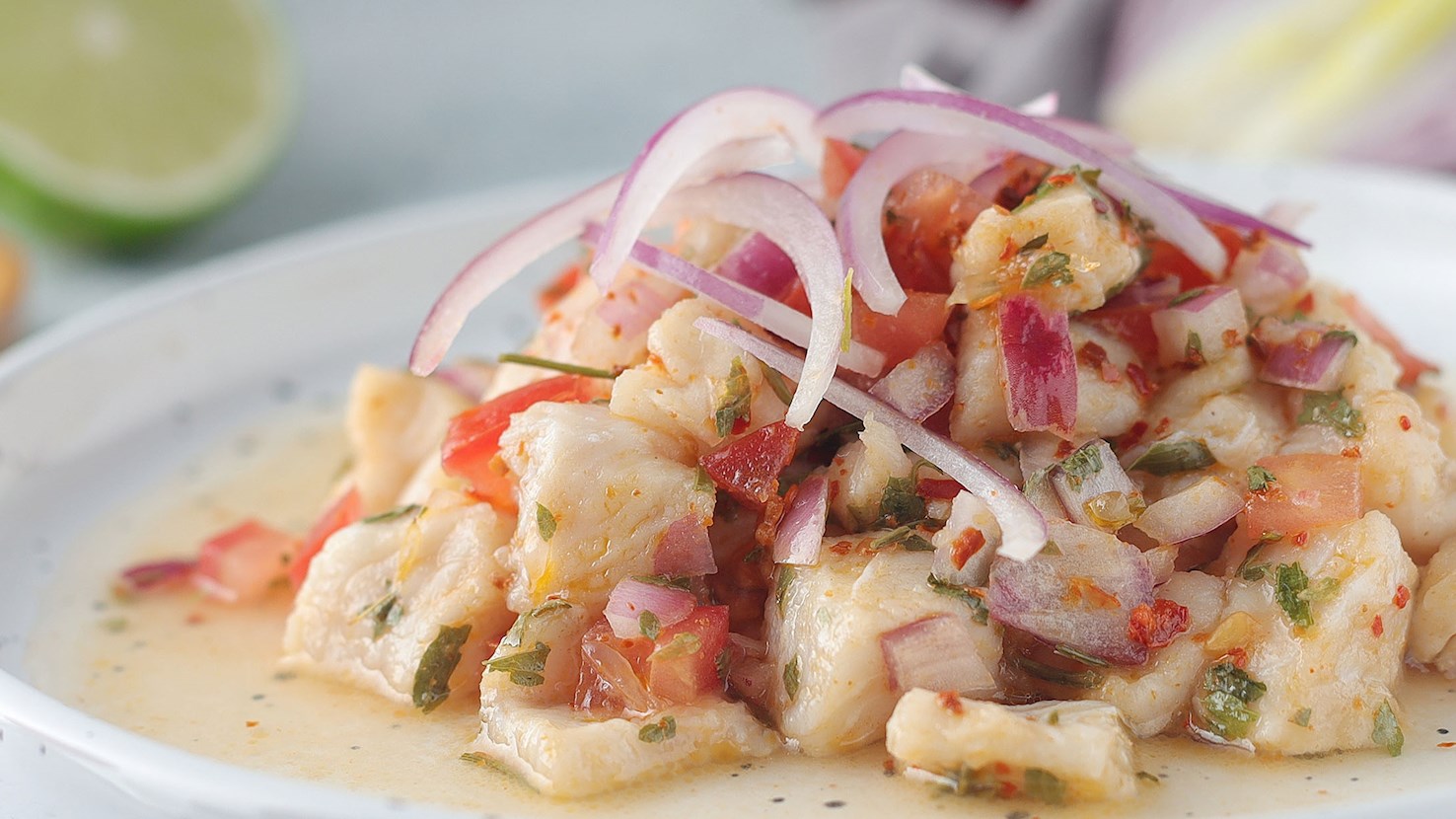
Ceviche is the national dish of Peru consisting of slices of raw fish or shellfish that is spiced with salt, onions, and chili peppers, then marinated in lime juice. Due to the acidity of lime juice, the texture of the fish changes, as does its color – from pink to white. The acidic marinade, also known as leche de tigre (lit. tiger's milk) "cooks" the meat without any heat involved in the process. For ceviche, fresh fish is an imperative, as fish and shellfish that are not fresh can cause food poisoning. Peruvians are used to fresh ingredients, so the fish will sometimes be prepared for ceviche less than an hour after being caught. Fish for ceviche can be divided into three categories: firm, medium, and soft. The dish was originally made by the natives who marinated fish and amarillo chiles in the juices of a native fruit called tumbo, which was replaced by lime juice when the Spanish brought limes and onions to the country. The flavors of ceviche are slightly acidic and spicy, with an intense aroma of the sea. Traditionally, it is served on a bed of lettuce with tiny pieces of corn, chunks of sweet potato, and boiled yuca. Cancha, a variety of popcorn made from large corn kernels toasted in salt and oil provides an ideal side dish. The dish is traditionally served at cevicherias, specialized ceviche restaurants that can be found all over the country, and it is so popular that it even has its day, known as National Ceviche Day.
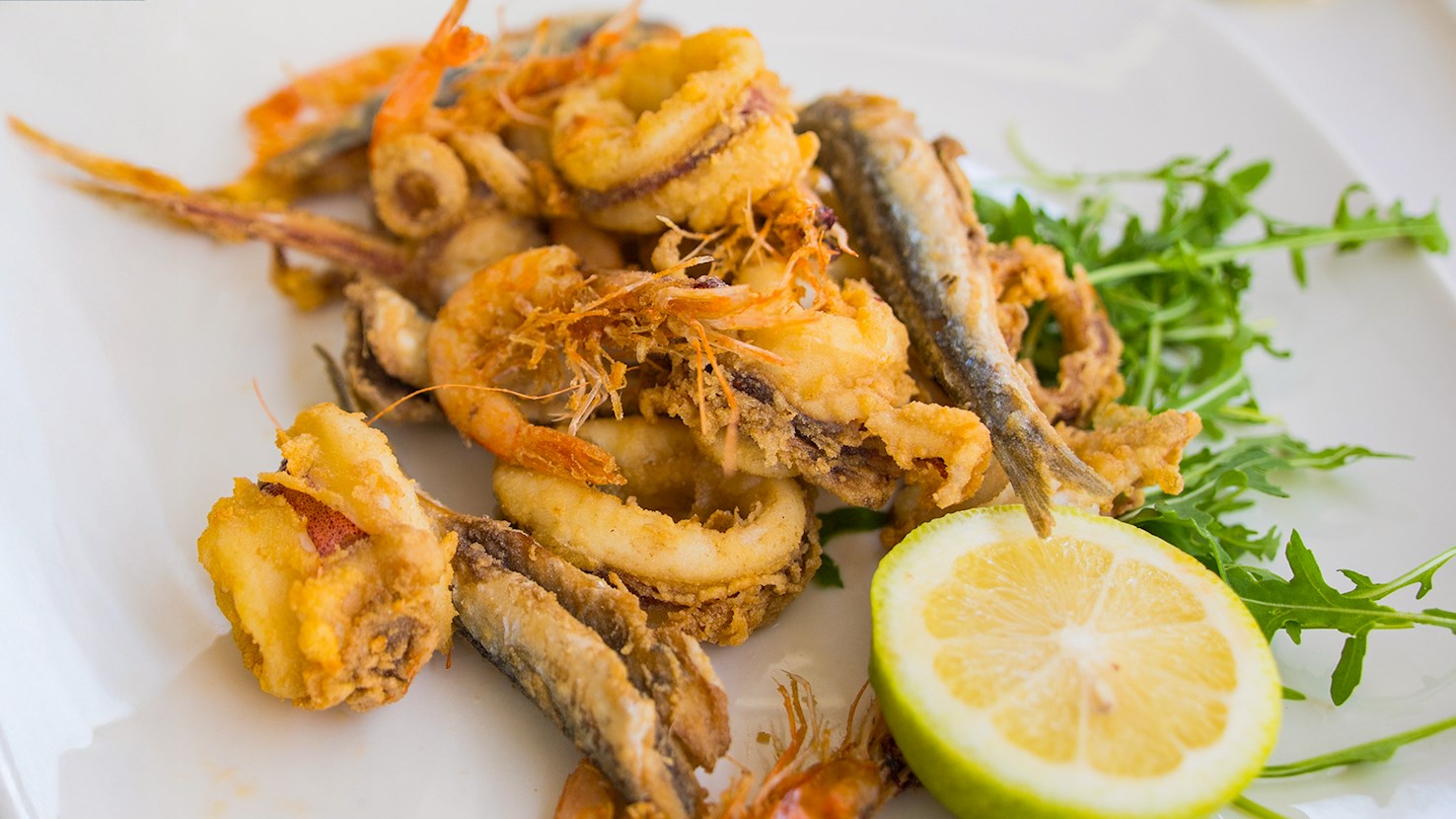
Assorted fried seafood known as fritto misto di pesce is hugely popular in Campania, but it is also found all over Italy. However, fritto misto is one of those dishes that differs widely across the country. Along the Italian seaside, it will always include crustaceans and mollusks, typically shrimp and squid, and often paranza, which is a collective name for very small whole fish such as fresh anchovies, sardines, baby mackerel, or mullet. Depending on the region, fritto misto is sometimes batter-fried, but the simplest method of preparing it is lightly coating the food in flour and quickly deep-frying it in hot oil until it forms a nice golden brown crust.
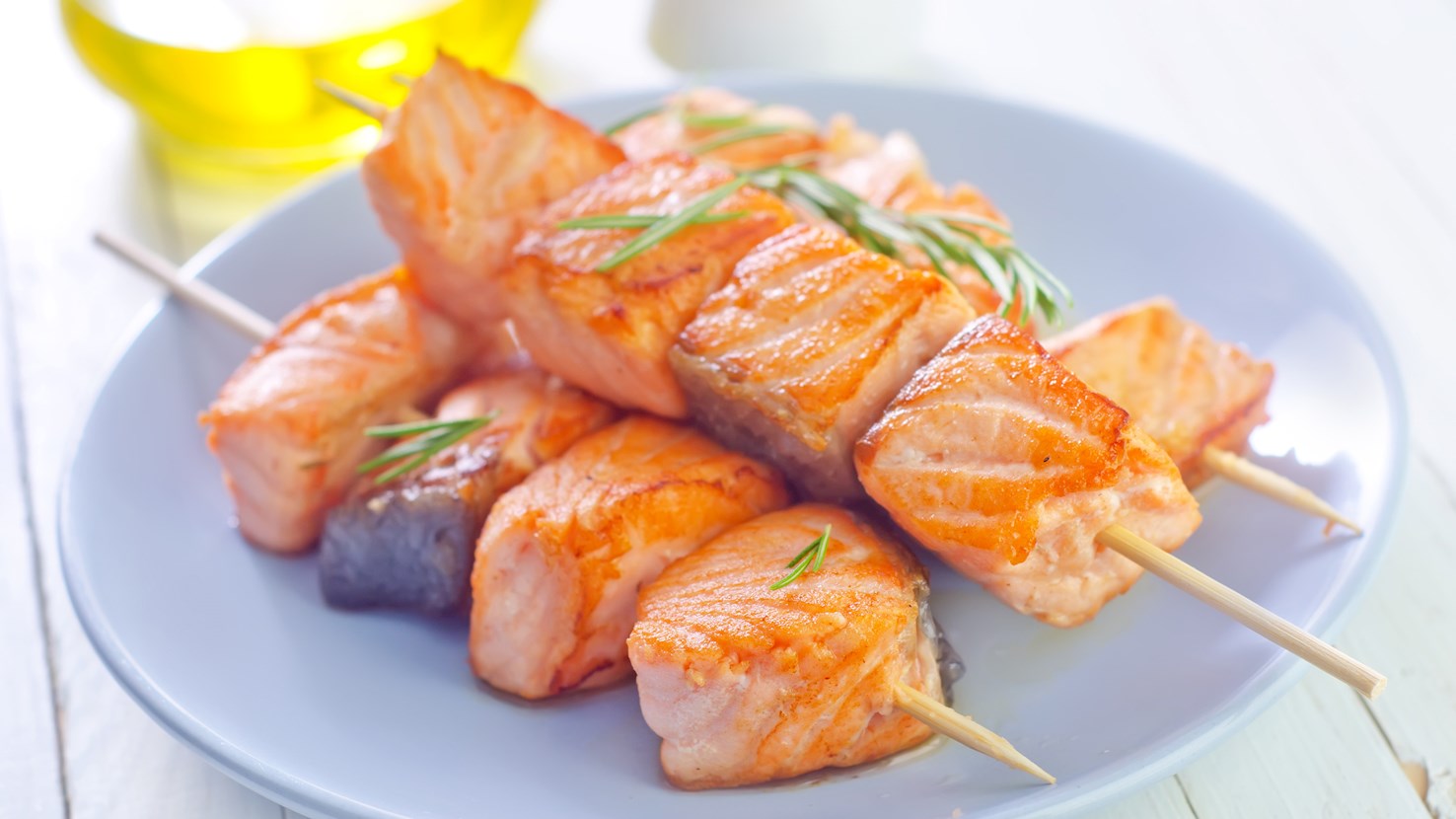
Anticucho de pescado is a traditional dish originating from Peru, consisting of fish on skewers. The dish is prepared by marinating firm white fish in a combination of garlic, paprika, salt, vinegar, lime juice, oil, cumin, and black pepper. The fish is then cut into cubes, placed on skewers and grilled until fully cooked. Once done, the fish skewers are served on a platter and the dish is traditionally accompanied by thick sliced of boiled potatoes, lettuce, corn, and aji amarillo sauce on the side for dipping. It's recommended to garnish anticucho de pescado with lemon wedges.
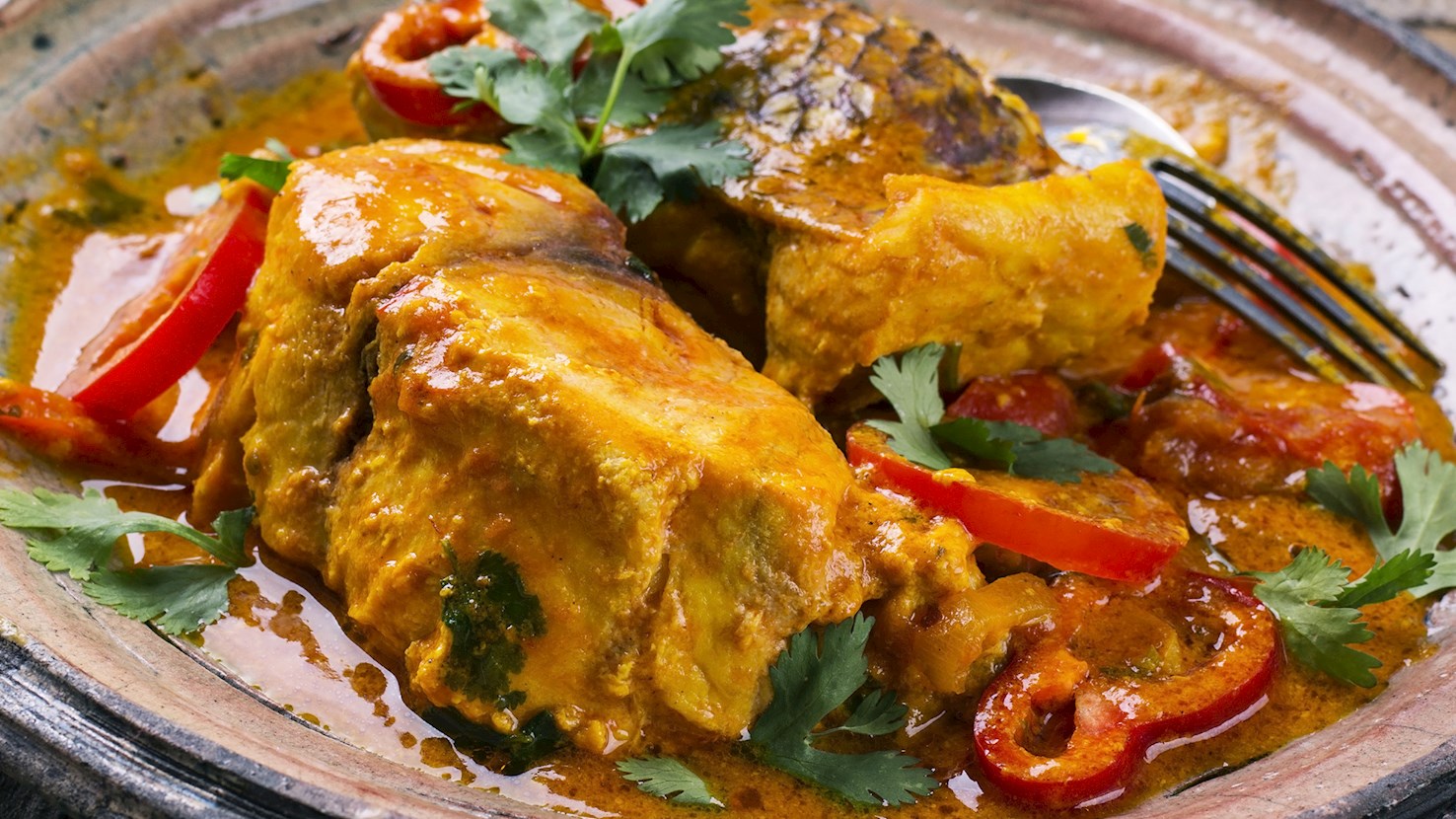
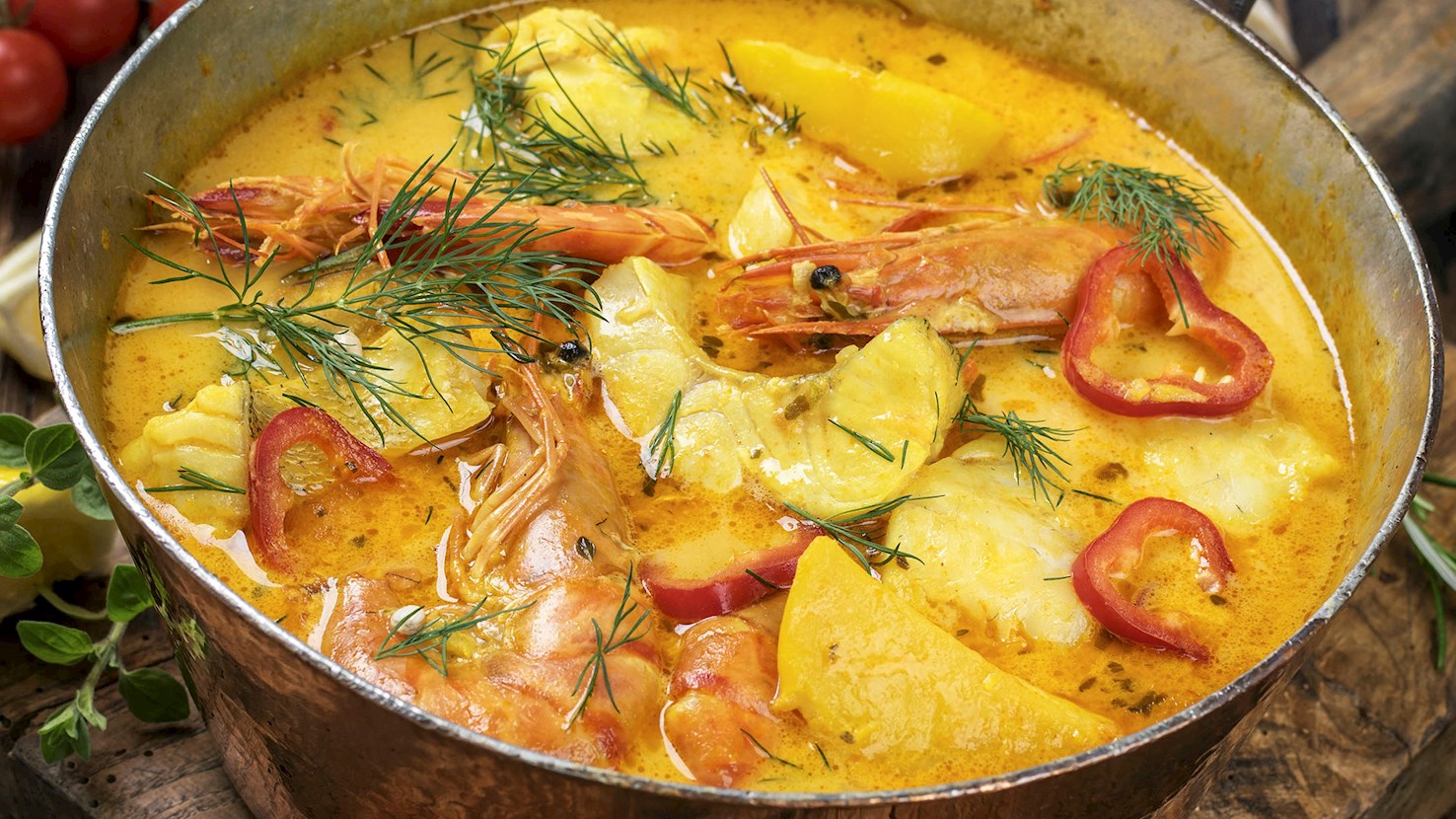
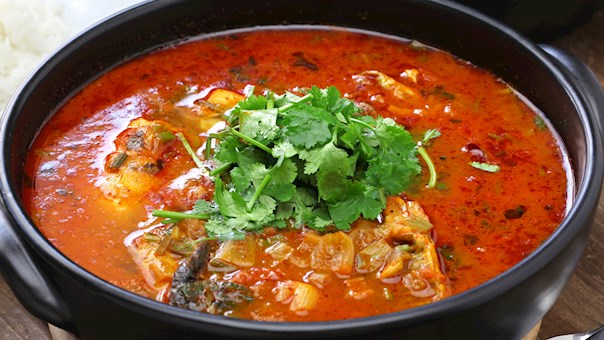
Moqueca Baiana is a seafood stew originating from the Brazilian state of Bahia, hence the word Baiana in its name. It consists of white fish, shrimps, or other seafood combined with coconut milk, dendê oil, lime juice, and various vegetables such as red and yellow peppers, tomatoes, spring onions, garlic, onions, and sometimes ginger. When done, the dish is typically garnished with chopped coriander, then served with rice and farofa. This seafood stew was originally prepared by the native people of Brazil. Over time, new elements were added to the stew, such as coconut milk, which was first introduced to Brazil by Portuguese colonists, and palm oil, which was brought over to the country by African slaves.
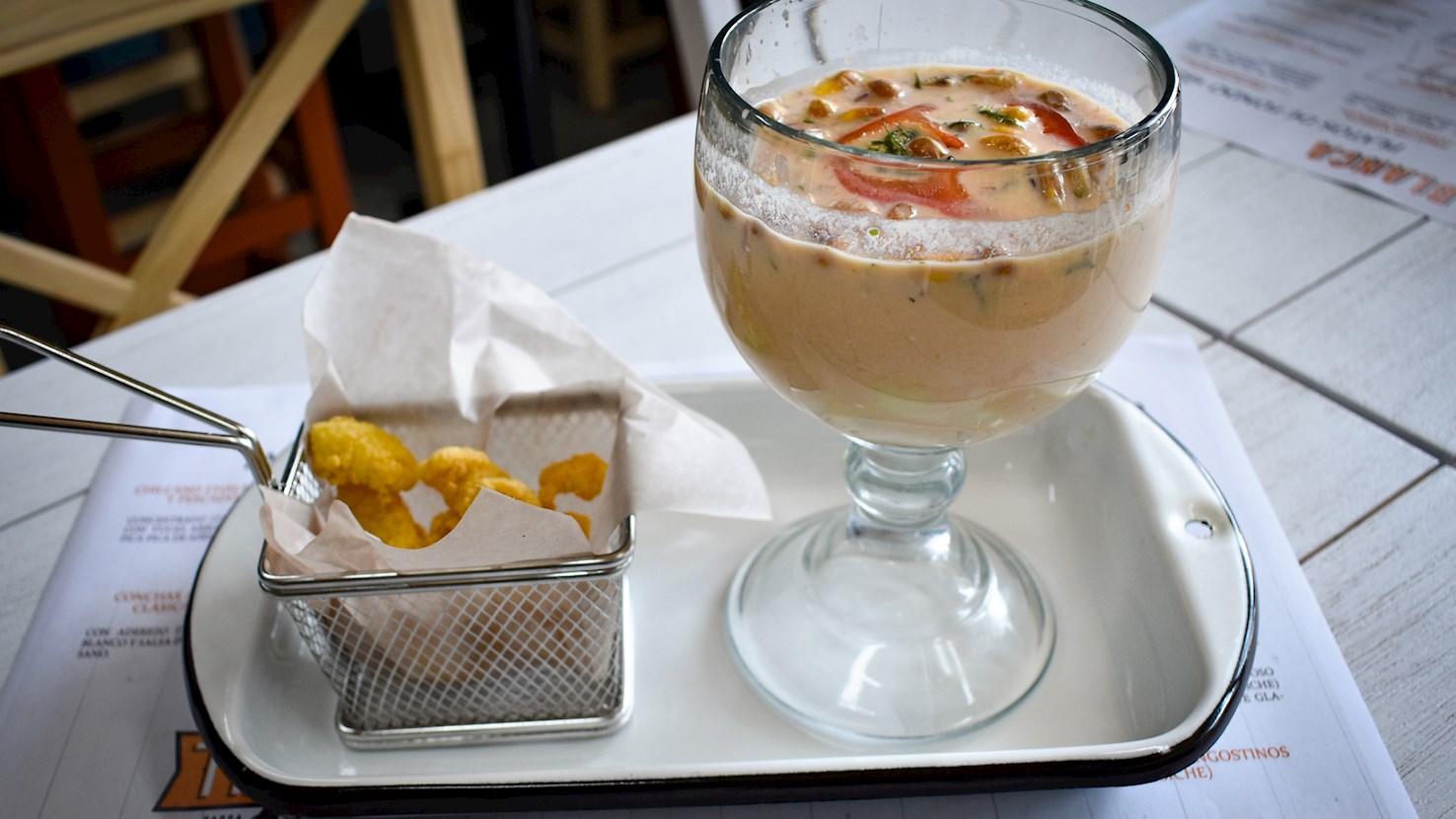
Leche de tigre is a highly acidic, intensely flavored citrus marinade primarily used to cure raw seafood, and it also serves as a refreshing standalone beverage or savory appetizer. Initially, this liquid existed simply as the leftover juice sitting at the bottom of a bowl after a meal of raw, cured fish. Over time, consuming this potent residual liquid became a widespread practice due to its reputation for delivering powerful restorative properties, specifically acting as a heavy remedy for severe hangovers and carrying rumors of being a strong aphrodisiac. This reputation directly inspired the name, translating to "tiger's milk," to symbolize the sudden surge of energy and vigor it supposedly provides. As its popularity surged, culinary establishments stopped treating it as a mere byproduct and started building it from scratch as a primary menu item. The preparation begins with aggressively blending freshly squeezed lime juice with aromatic herbs and small pieces of fresh white fish. A standard base drops sharp red onions, potent garlic cloves, fresh cilantro stems, a pinch of salt, and spicy local chili peppers—specifically the fiery aji limo—into a blender alongside cold fish stock. The high-speed blending emulsifies the fish proteins with the citrus, resulting in a distinctly milky, cloudy appearance. The mixture is carefully strained to remove any fibrous chunks, yielding a smooth, savory nectar that balances intense tartness with deep marine flavors. Beyond this sharp baseline, numerous heavy alterations exist to modify the texture and heat. Adding a splash of cold evaporated milk directly into the strained liquid is a heavily favored technique to soften the sharp citrus bite and enhance the creamy mouthfeel. Altering the specific chili peppers completely shifts the visual and aromatic profile; incorporating bright orange aji amarillo paste yields a sweet, fruity heat with a yellow tint, while pureed rocoto peppers dye the liquid a vibrant, deep red and introduce a significantly sharper, biting spice. Plant-based variations bypass seafood entirely, using mushroom broth, celery juice, or coconut milk to mimic savory depth. The tart liquid must be served heavily chilled. It arrives at the table in a tall shot glass or a small, wide-rimmed goblet, meant to be sipped directly from the glass. To turn the drink into a miniature, textured meal, the glass is frequently garnished with plump boiled shrimp, chunks of raw white fish, or crispy rings of deep-fried calamari suspended inside the liquid or hung over the rim. Handfuls of crunchy toasted corn kernels, known as cancha, and large, soft kernels of boiled choclo corn are dropped directly into the glass, while thick cubes of sweet orange potato are served alongside to help offset the aggressive acidity and heavy salt. Additionally, leche de tigre is sometimes mixed with coconut milk, vodka, and white wine for the creation of a unique cocktail.
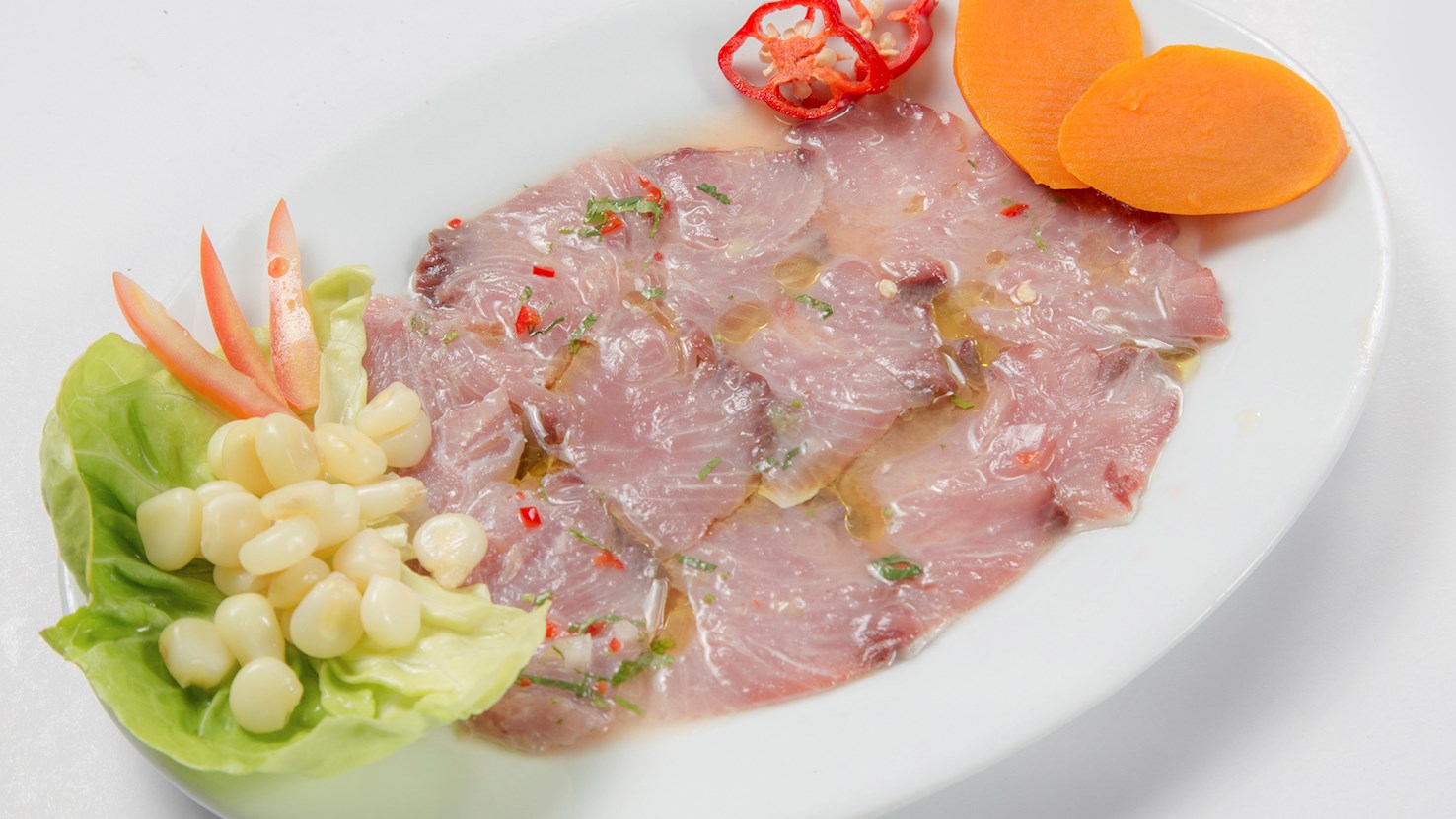
Tiradito is a traditional dish consisting of thinly sliced, well-chilled raw fish, chopped vegetables, and coriander, all drizzled with lime juice right before consumption, so the fish stays raw, unlike ceviche, where the fish is already cooked in citrus juices. The dish is most often served as an appetizer, and some cooks like to add their own touch – topping it with sliced onions, pickled jalapeños, boiled corn, and even crushed potato chips. It is believed that it takes a lot of skill and effort to make a perfect tiradito, but the most essential components while preparing it are a sharp knife and the freshest possible fish, which is the highlight of every tiradito.
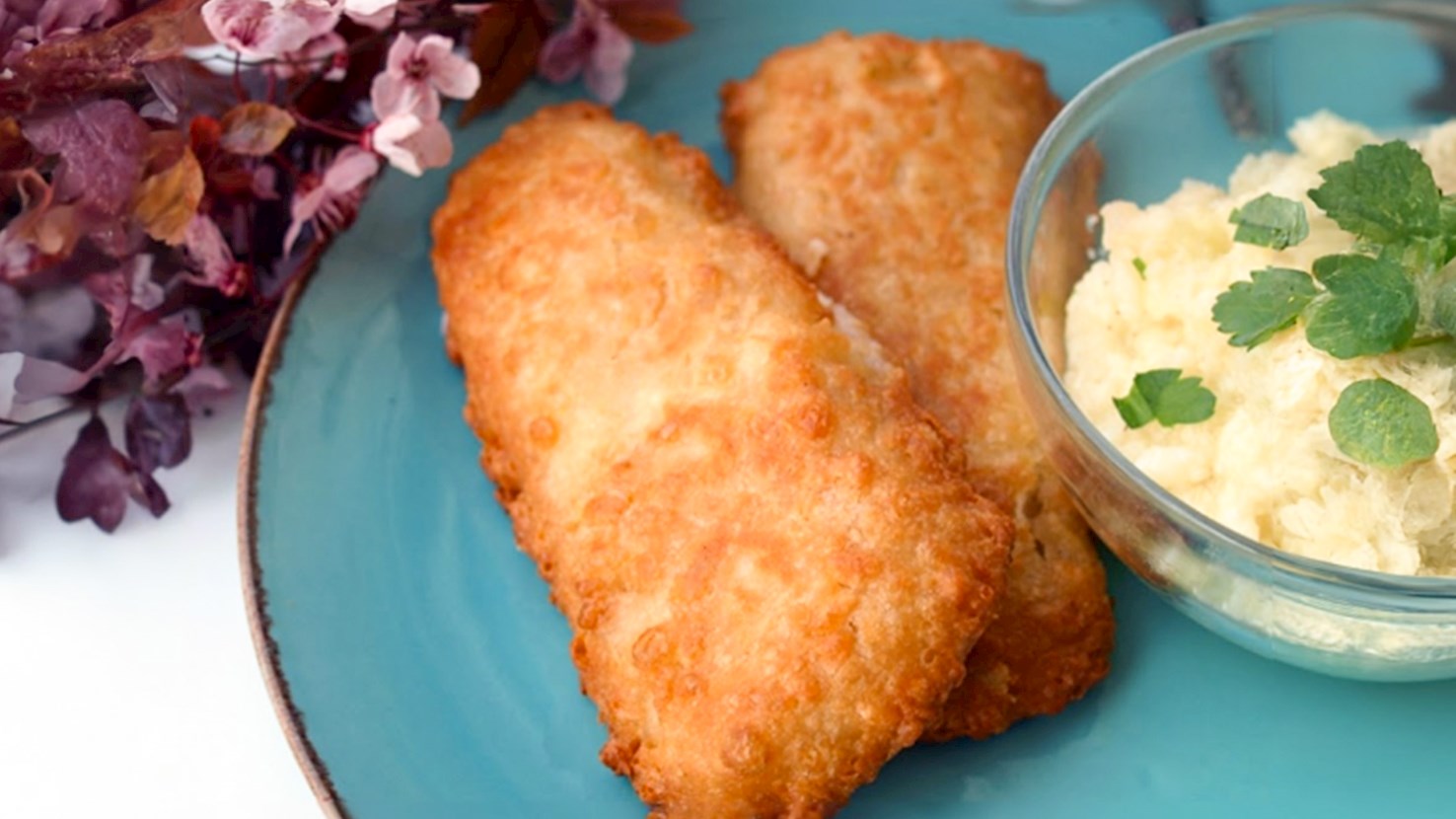
Though the term bakaliaros refers to cod fish, Greeks mainly use it to describe golden and crispy cod fritters. Whether it employs salt or fresh cod, the dish can be made with batter-fried pieces of cod or flaked cod that is then incorporated into a thick batter. The fritters are mainly served as a meze dish, and when accompanied by a thick, garlicky dip, they usually go under the name bakaliaros skordalia. Although they are eaten throughout the year, cod fritters are usually associated with a celebration that commemorates the Annunciation of Virgin Mary and the War of Independence, which is celebrated each year on March 25th.
Moqueca is a seafood stew with a base of palm oil and coconut milk or olive oil, combined with fish or shrimps (or both). The dish is stewed in traditional clay pots along with vegetables and fresh herbs, and it is traditionally served over rice. It can be traced back to 300 years ago, when it was first invented due to the fact that the Portuguese brought coconuts to the country, and slaves from Africa introduced palm oil to Brazilian cuisine. There are numerous versions of moqueca, such as moqueca Capixaba, or moqueca Baiana, from the Bahia state in the northeast of the country. The dish is traditionally garnished with fresh chopped cilantro on top, and accompanied by rice, pirão, or farofa.
TasteAtlas food rankings are based on the ratings of the TasteAtlas audience, with a series of mechanisms that recognize real users and that ignore bot,
nationalist or local patriotic ratings, and give additional value to the ratings of users that the system recognizes as knowledgeable.
For the “100 Best Rated Dishes with White Fish” list until July 17, 2026, 1,011,265 ratings were recorded, of which 666,015 were recognized by the system as legitimate.
TasteAtlas Rankings should not be seen as the final global conclusion about food. Their purpose is to promote excellent local foods,
instill pride in traditional dishes, and arouse curiosity about dishes you haven’t tried.