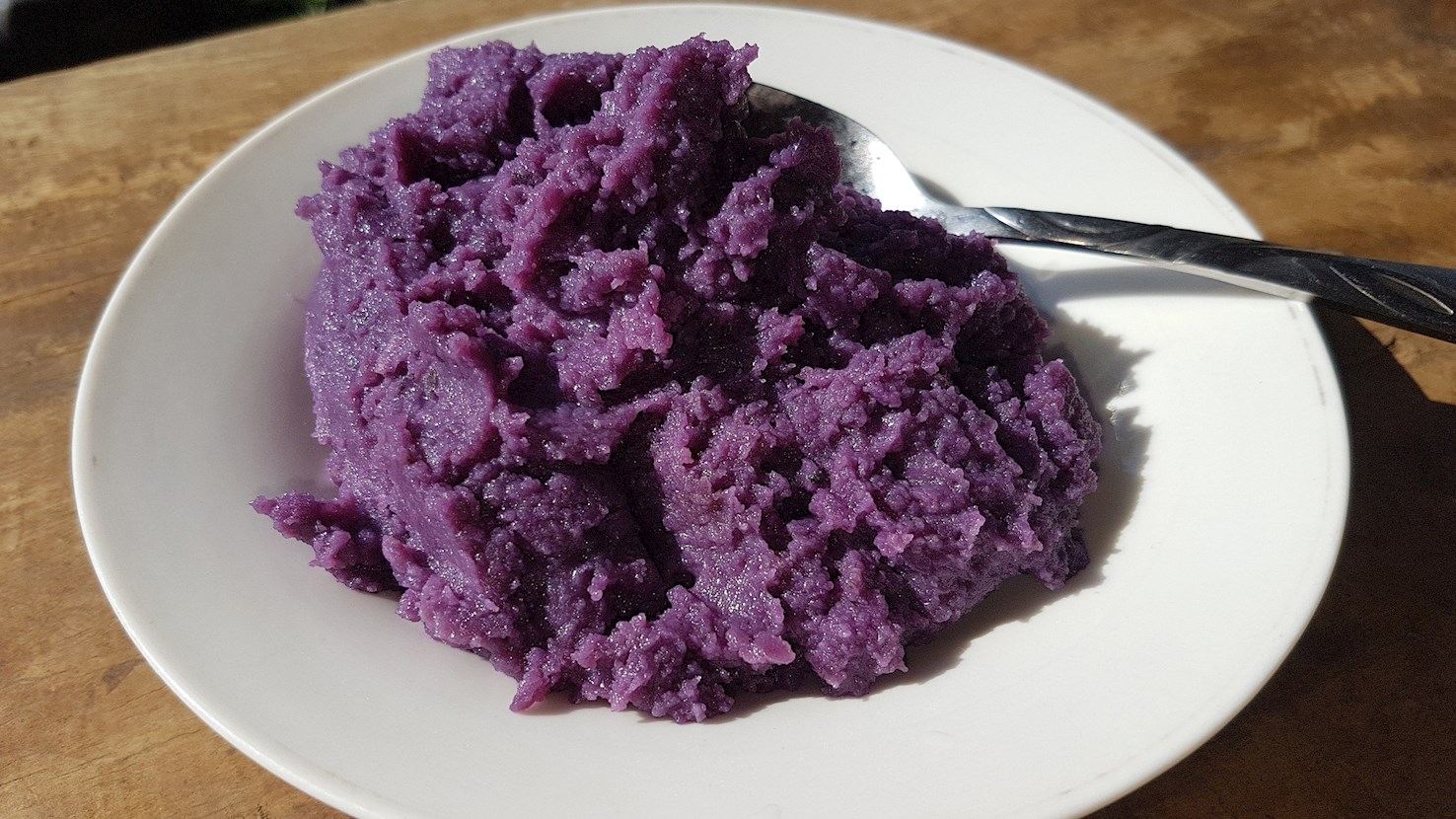
Ube halaya is a famous Filipino dessert made with purple yam. It is easily prepared by cooking mashed purple yams in plain milk, coconut milk, or condensed milk alongside sugar and vanilla essence. When set, it results in a slightly sweet treat that has a sticky texture and a unique purple color. Even though it can be eaten plain, ube halaya is often incorporated into other Filipino desserts or eaten as a creamy spread. It can be served well-chilled or lukewarm and is usually sprinkled with toasted coconut flakes or latik - the crispy Filipino coconut curds.
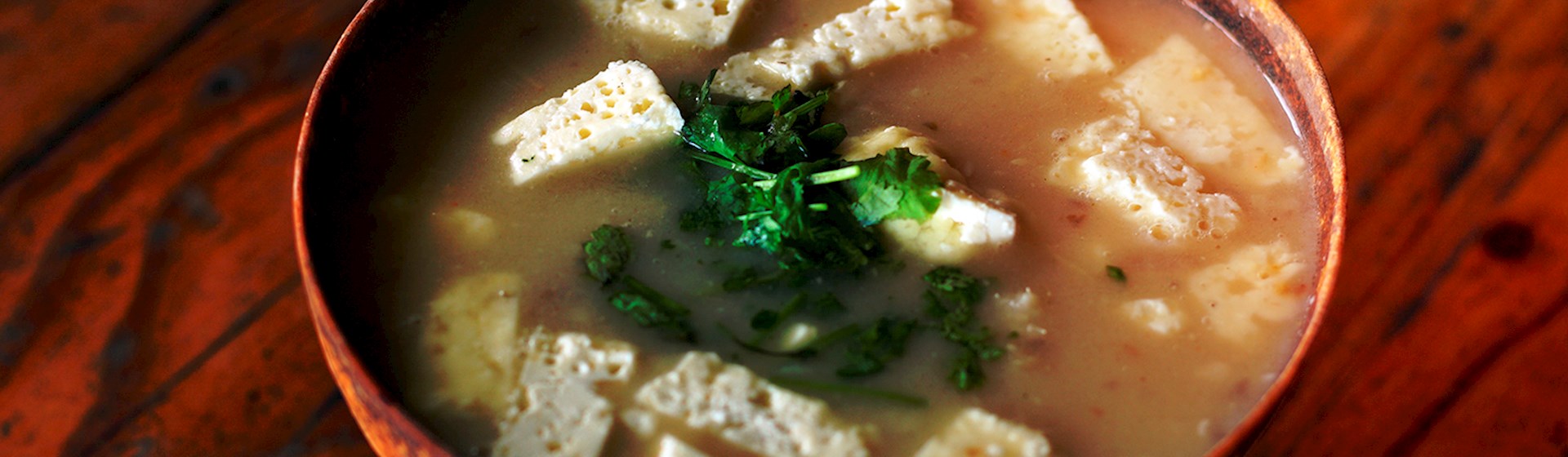
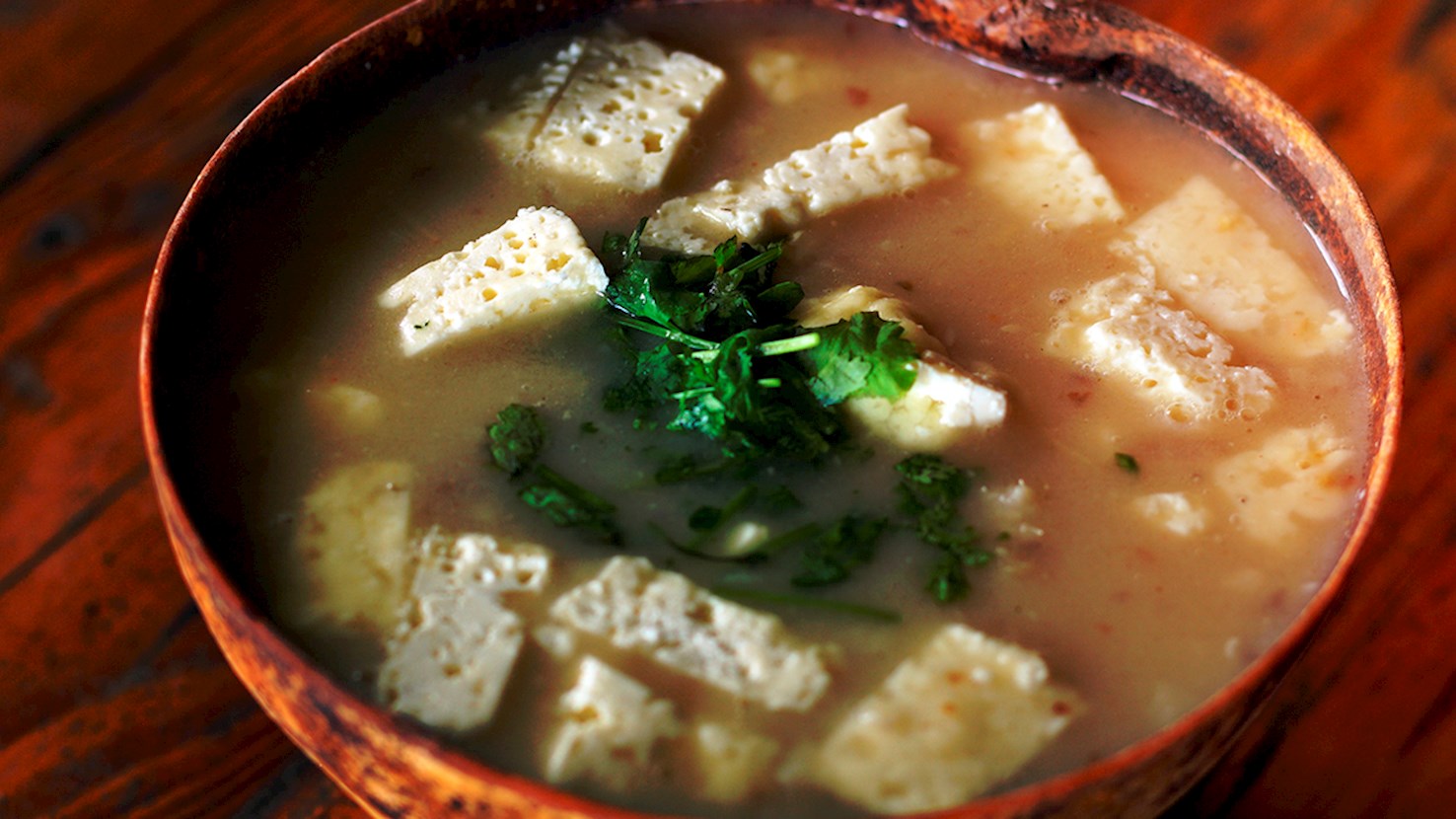
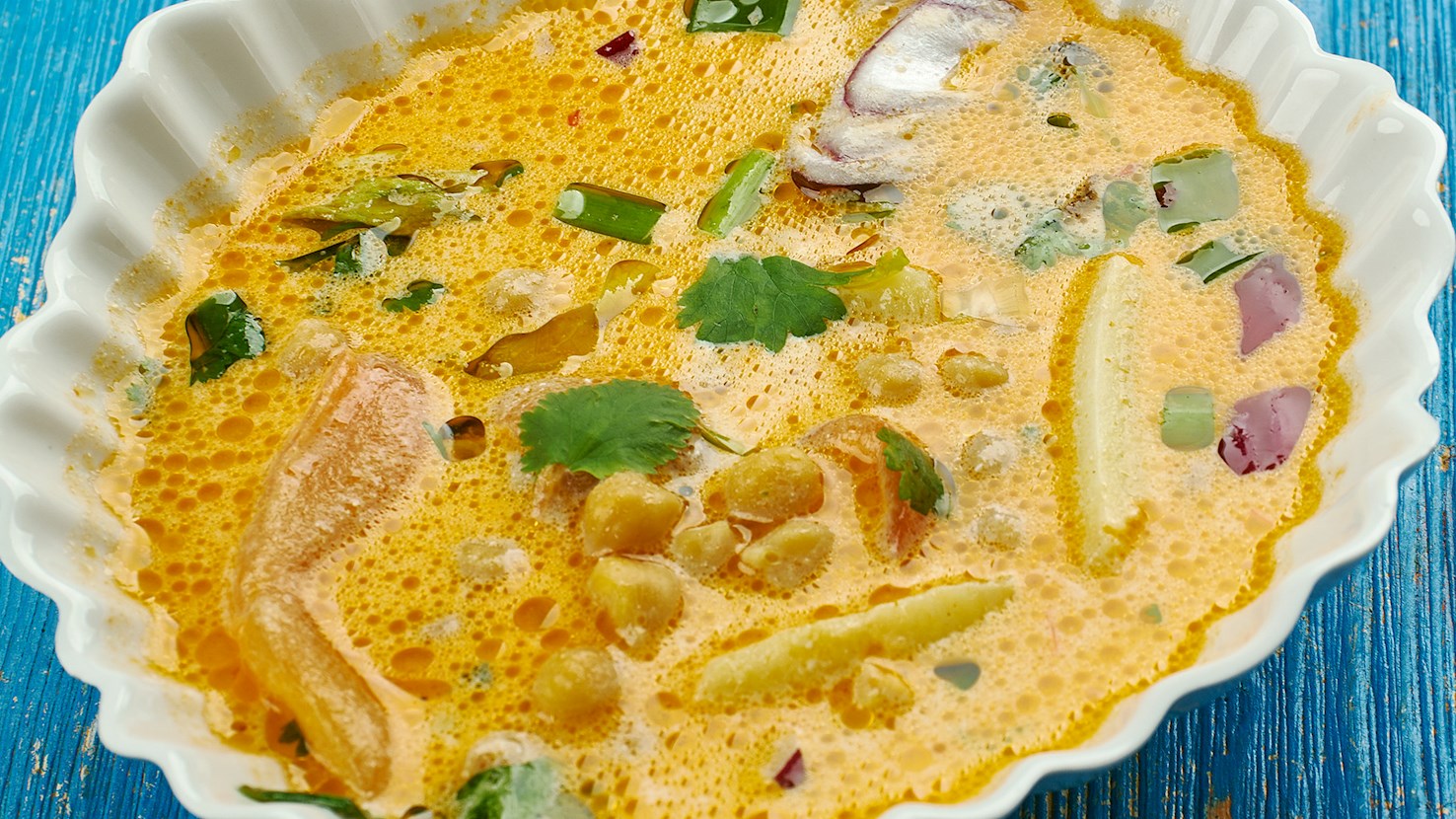
Mote de queso is a traditional soup originating from the Atlantic Coast area of the country. It's made with a combination of yam, salty and crumbly Costeño cheese, onions, garlic, scallions, tomatoes, cumin, and lime juice. There are many variations on the soup and most families have their own recipe. Once cooked, the soup should have a creamy consistency, with small and tender yam chunks here and there. It's often served with fried plantains or tostones on the side.
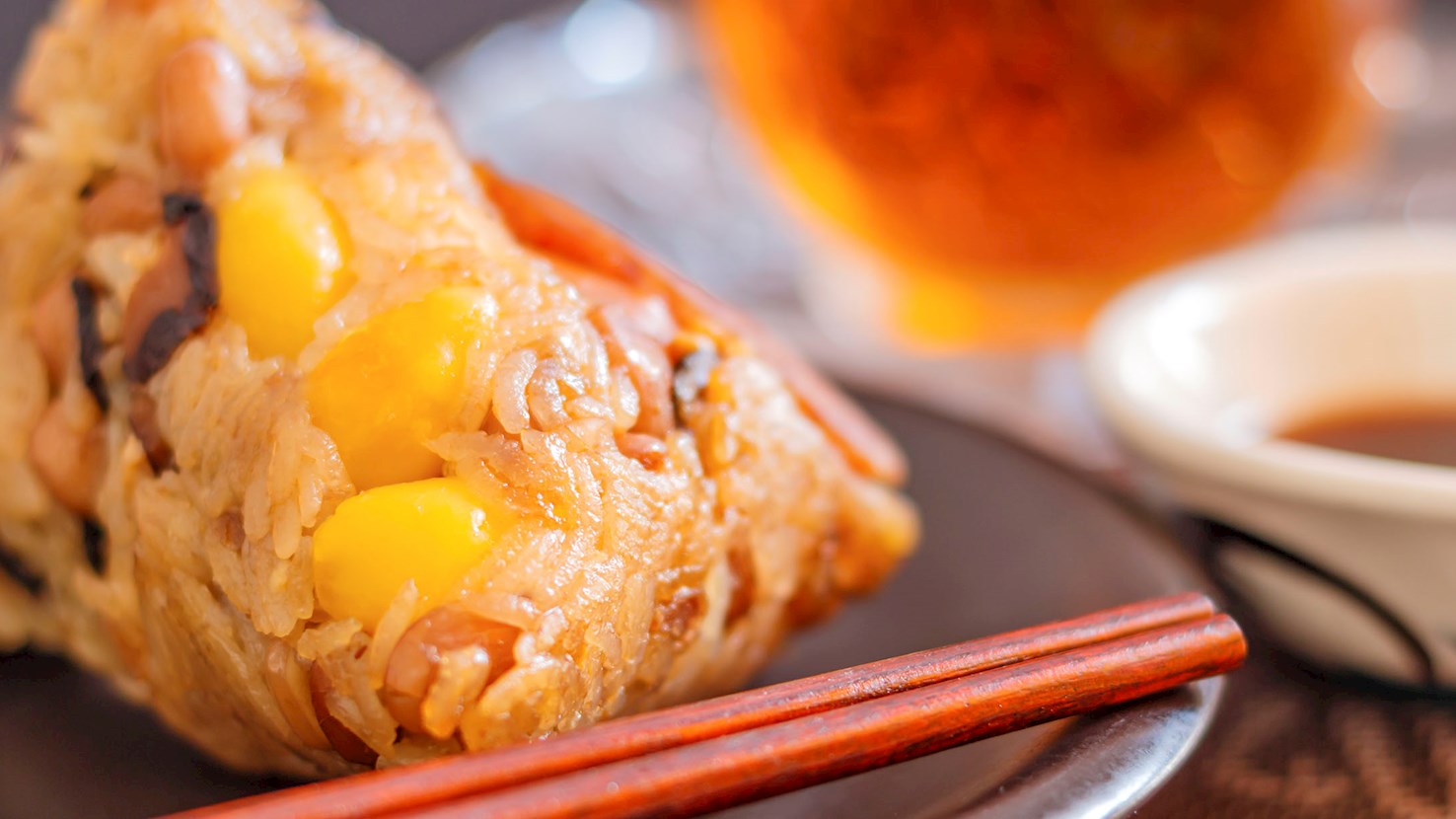
Zongzi is a stuffed glutinous rice dumpling, encased in bamboo or reed leaves and bound tightly with a string. The origin of the snack is directly tied to the Dragon Boat Festival, which occurs annually on the fifth day of the fifth month of the lunar calendar. Historical accounts tie this culinary practice to the death of Qu Yuan, a poet and minister of the State of Chu during the Warring States period. After Qu Yuan drowned himself in the Miluo River, local villagers threw packets of rice into the water to prevent fish from consuming his body. The modern preparation requires soaking short-grain glutinous rice in water until the grains soften. Large flat leaves from bamboo, reed, or lotus plants are washed and briefly boiled to increase their pliability. One or two leaves are folded into a hollow cone. The soaked rice goes into the base of the cone, followed by specific fillings, and another layer of rice covers the center. The remaining leaf edges are folded over the top to securely enclose the contents. Twine or natural plant fibers bind the entire package tightly to maintain its structural integrity. The wrapping process creates a tetrahedral, conical, or cylindrical shape. The bundled dumplings are submerged in boiling water and cooked for several hours. This prolonged boiling method gelatinizes the rice's starches and infuses the grain with the leaves' herbaceous aroma. The interior ingredients dictate the final flavor profile and differ significantly across regional lines. Northern variations are sweet and incorporate additions such as red bean paste, jujubes, or taro. Southern variations are savory, utilizing marinated pork belly, salted duck egg yolks, dried shiitake mushrooms, dried shrimp, roasted chestnuts, and peanuts. The cooked packages are removed from the hot water and drained. The string and leaves are stripped away just before eating, and the sticky-rice interior is consumed either warm or at room temperature.
Bouillon is a hearty and slightly thick Haitian soup made with meat, epis, yams, kelp, cabbage, plantains, potatoes, scotch bonnet peppers, and celery. It is sometimes served with small dumplings which are made by rolling the flour into a small amount of broth. The name of the soup is derived from the French word bouillir, meaning to boil. It is recommended to serve bouillon piping hot, preferably on rainy days.
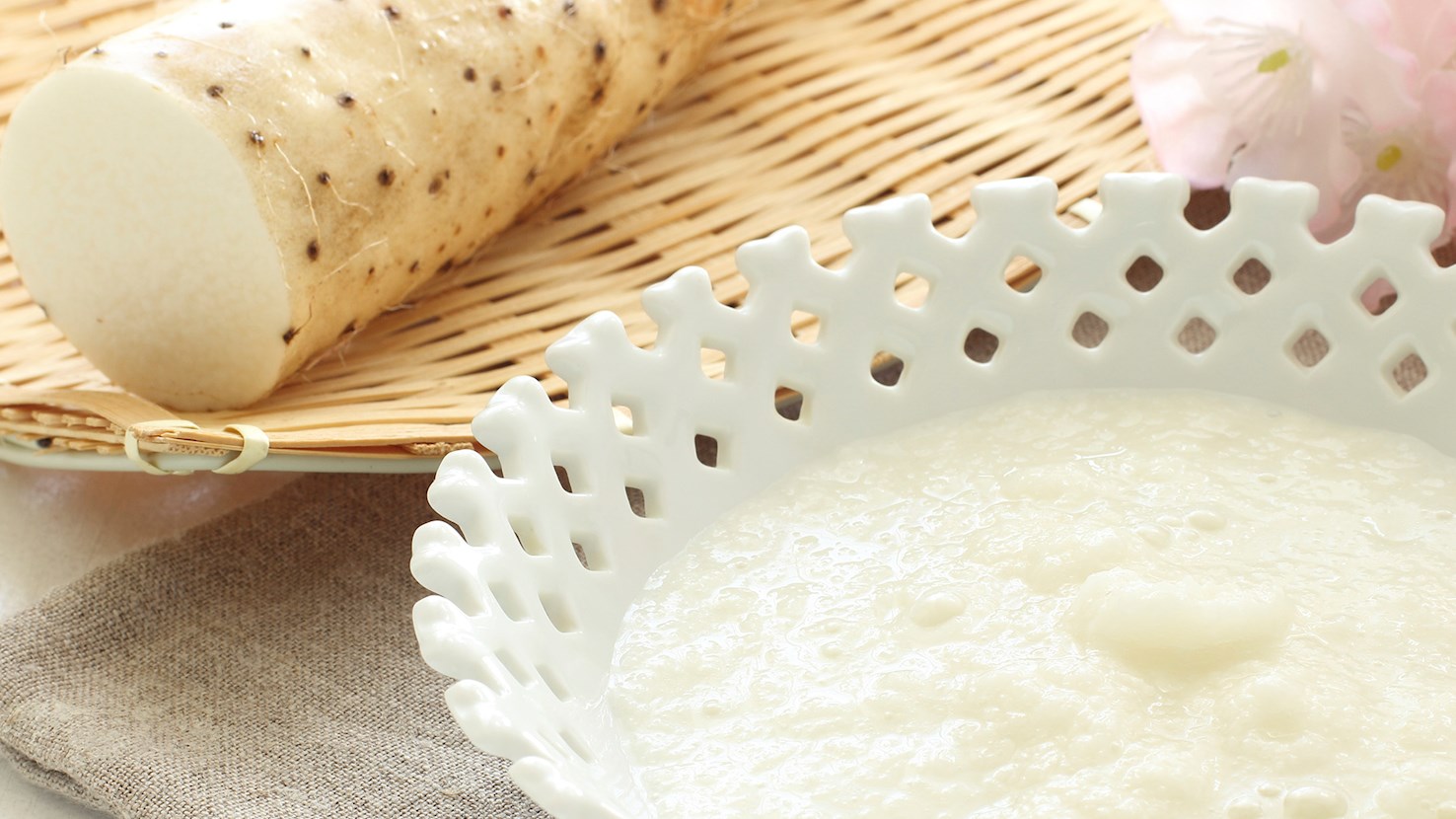
Tororo is a unique Japanese side dish that can also be used as an ingredient when added to other dishes. It consists of grated yam and is rich in vitamins and minerals. Traditionally, tororo is combined with wasabi, dashi, or spring onions. It is often added to noodle dishes in order to improve the flavor of the dish. Tororo is always served cold, and many people like to pour it over rice or salads, but it can also be consumed on its own, since it is very healthy. Its sticky, slimy texture is very appreciated in Japan because it is quite hydrating and acts as a refreshment, especially during the hot summer days.
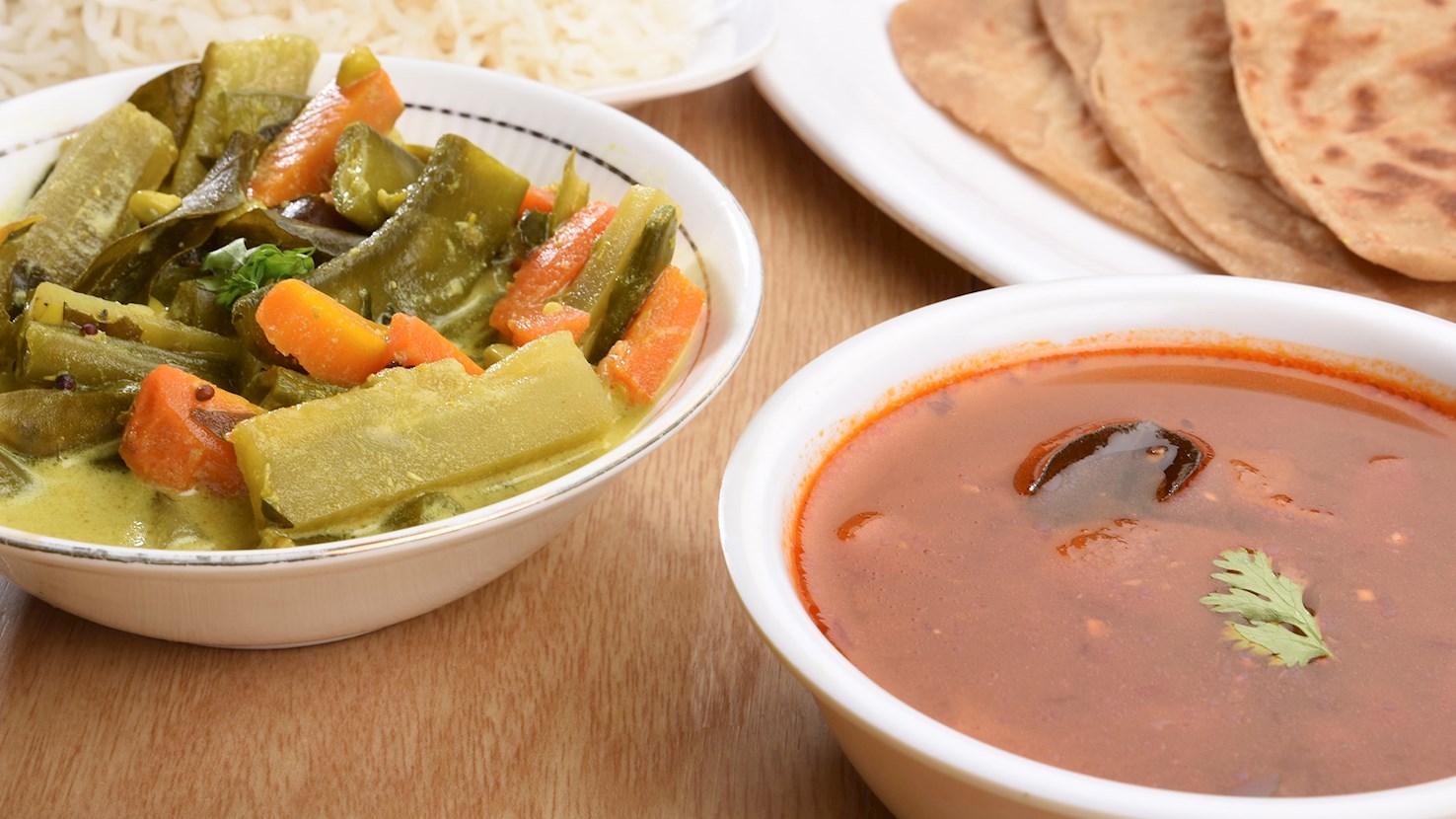
Avial is a vegetable stew from the state of Kerala, where vegetables are simmered in a thick, lightly spiced paste of ground coconut, cumin, and green chilies, then finished with a souring agent such as yogurt and a fragrant drizzle of raw coconut oil. Deeply woven into the cultural and culinary fabric of the Malabar Coast, the dish is an indispensable centerpiece of the Sadya—the grand, multi-course vegetarian banquet served on a fresh plantain leaf during festivals such as Onam and Vishu. According to popular Indian mythology, the invention of avial is attributed to Bhima, one of the Pandava brothers from the ancient epic, the Mahabharata. Legend states that during their period of exile, Bhima assumed the disguise of a cook in the kingdom of Virata and, when faced with an unexpected feast and a shortage of single vegetables, he resourcefully chopped up the available scraps of various root vegetables and gourds, boiling them together with grated coconut to create a dish that unexpectedly delighted the royal court. Another enduring tale attributes its creation to a king of Travancore who, loathing waste, ordered his chefs to combine leftover vegetables from a massive feast into a single, cohesive curry. A proper preparation explicitly avoids watery, soft, or overpowering vegetables like tomatoes, okra, or cabbage, relying instead on hearty, native produce that holds its shape. A typical combination includes elephant foot yam, ash gourd, raw green plantain, drumsticks (moringa pods), snake gourd, carrots, and yard-long beans, all uniformly sliced into thick, two-inch batons. Because these vegetables have vastly different textures, a skilled cook staggers their addition to the cooking pot—beginning with the dense yams and carrots, and ending with the softer gourds—ensuring that every component is perfectly tender but never reduced to mush. Minimal water is used; the vegetables are essentially steam-cooked in their own juices until they are ready to receive the dish's defining flavor profile. Once the vegetables are cooked, a coarsely ground paste of fresh grated coconut, fiery green chilies, and earthy cumin seeds is gently folded into the pot, providing a sweet, aromatic bulk that clings to the batons rather than forming a runny gravy. To balance the sweetness of the coconut and the heat of the chilies, a souring agent is introduced. While lightly whisked, slightly sour yogurt (curd) is the most traditional choice in Kerala, regional variations often utilize raw mango slices or tamarind extract, particularly in Tamil Nadu or the Udupi region, which yields a slightly different color and sharper tang. The cooking process is halted almost immediately after the souring agent is added to prevent it from splitting. The crowning glory of avial, however, is its final tempering—or rather, the lack of a traditional cooked tempering. Instead, a generous handful of bruised, fresh curry leaves is scattered over the hot vegetables, followed by a liberal pour of raw, unheated coconut oil. The pot is immediately covered, allowing the residual heat to trap the volatile essential oils and produce an intoxicating, deeply tropical aroma that permeates the entire dish. Avial is typically served with steamed rice, sambar, pickle, and papadom flatbreads.
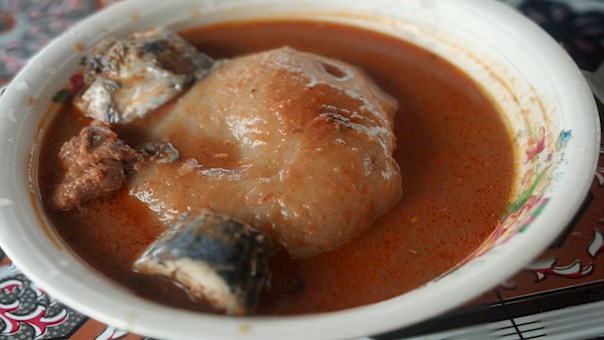
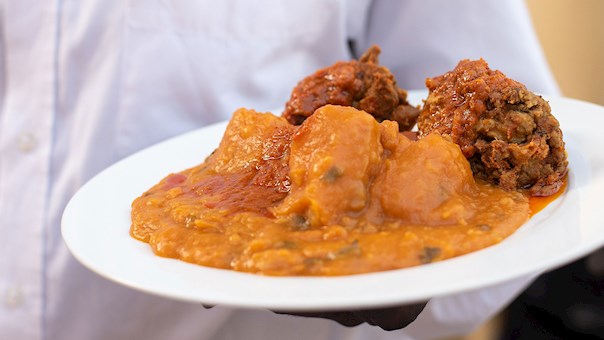
Pounded yam is a staple dish from Nigeria, made by pounding boiled yam until it becomes smooth, stretchy, and dough-like. The dish emerged from the long history of yam cultivation in West Africa, where yam has been one of the most important crops for centuries. Yams are celebrated not only as food but also as part of cultural rituals and festivals, marking harvest and community gatherings. The practice of pounding yam developed as a way to transform the tuber into a base that could complement richly flavored dishes like egusi soup, ogbono, or vegetable stews. This method spread widely across yam-growing regions and became a shared food identity among many West African peoples. Preparation involves peeling and cutting yam tubers into chunks, boiling them until soft, and then pounding them in a large wooden mortar with a pestle until the texture changes from lumpy to elastic and smooth. The process requires strength and rhythm, and in many households it is done by more than one person working together. Modern kitchens sometimes replace the mortar and pestle with yam pounders or mixers, but the essence of the dish remains in its consistency and texture. Once prepared, the pounded yam is shaped into round portions and served alongside soups, where small pieces are pinched off, rolled, and dipped into the accompanying dish. Today, pounded yam is eaten daily in many households across Nigeria, featured at celebrations, family gatherings, and communal feasts. It is considered both everyday food and a dish for special occasions, depending on the context in which it is served.
Karukan is a traditional sweet originating from Kagoshinma. It's made with a combination of rice flour, grated Japanese yam, water, and sugar. The combination is kneaded, then steamed, and the result is a spongy steamed sweet bread known as karukan manju. Originally, it was shaped into a block, but nowadays it's usually filled with red bean paste. If properly steamed, karukan's texture should be light and spongy. It's a popular snack in Kagoshima, but it can also be found all over Kyushu. It is believed that this steamed sweet was invented in 1854 according to the wishes of Lord Shimadzu Nariakira.
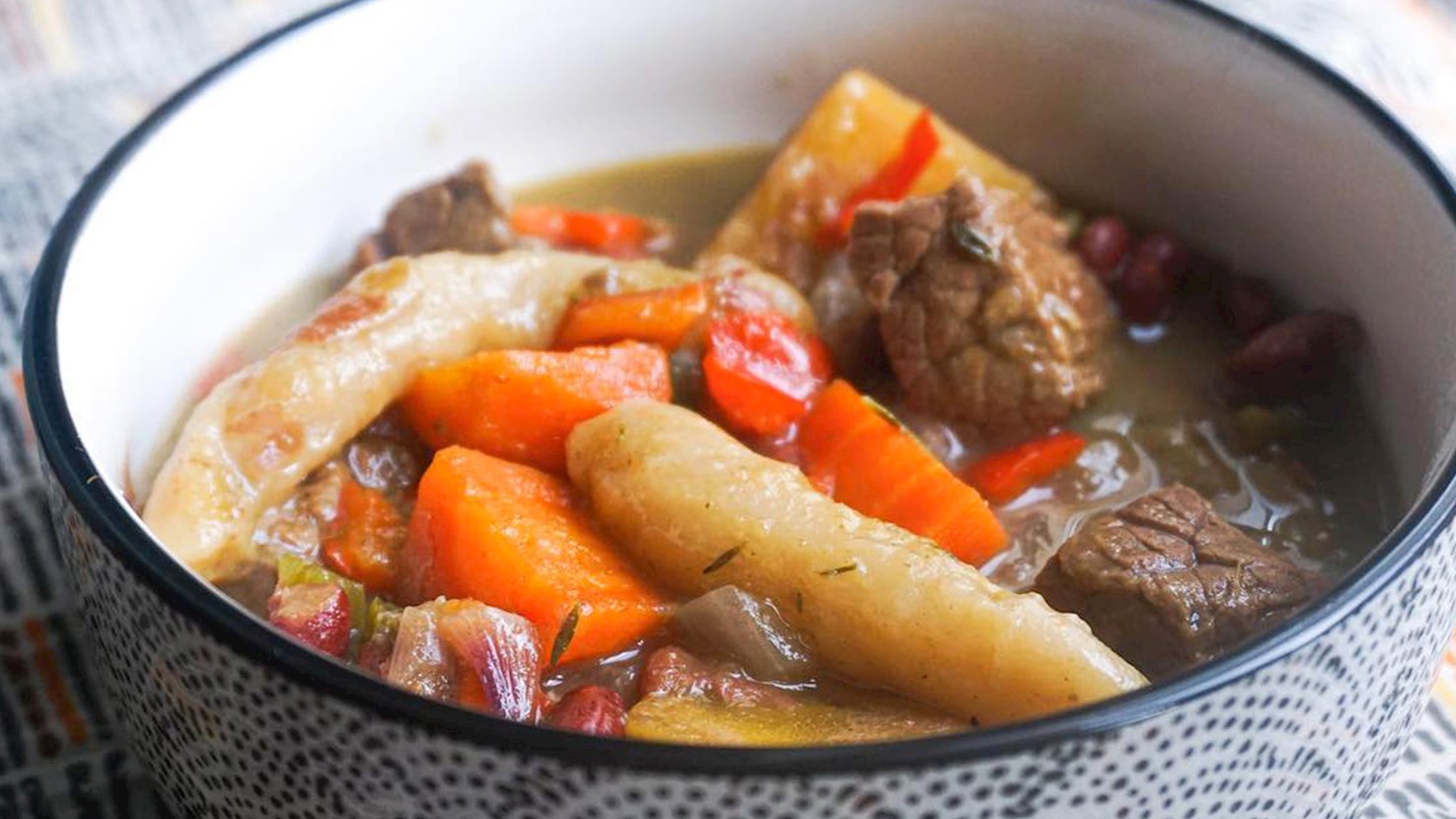
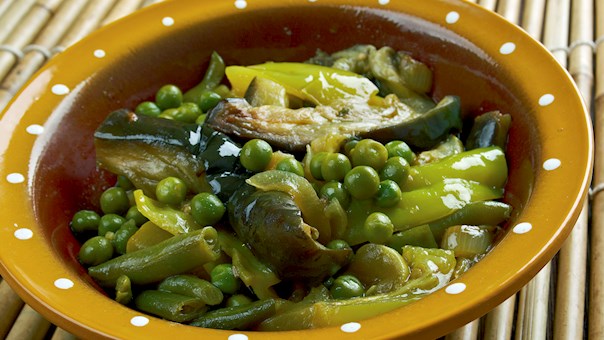
Gungo peas soup is a hearty legume-based soup prepared in Jamaica, made from gungo peas, also known as pigeon peas, simmered with vegetables, starches, herbs, and often meat to form a complete meal rather than a light starter. Its development is tied to the cultivation of pigeon peas in the Caribbean and to cooking practices shaped by African-derived foodways, where dried legumes were valued for their protein content and soups provided a practical way to combine plant foods with small amounts of meat to feed households efficiently. Preparation begins with boiling dried or fresh gungo peas until tender, then adding aromatics such as onion, garlic, scallion, and thyme, along with root vegetables like yam, sweet potato, carrot, and green banana, and frequently pieces of salted or fresh meat such as beef, pork, or pigtail, with dumplings sometimes added near the end to give body. The soup thickens naturally as peas and starches break down, without the use of flour or other thickeners, and seasoning is adjusted carefully so the peas remain the dominant element. It is served hot in deep bowls and eaten as a full meal, commonly prepared for family meals, weekends, and cooler days. Gungo peas soup is most often consumed on its own, sometimes with bread or crackers, and it pairs best with simple beverages such as water, ginger beer, or lightly sweetened drinks that balance the density and savory profile without competing with it.
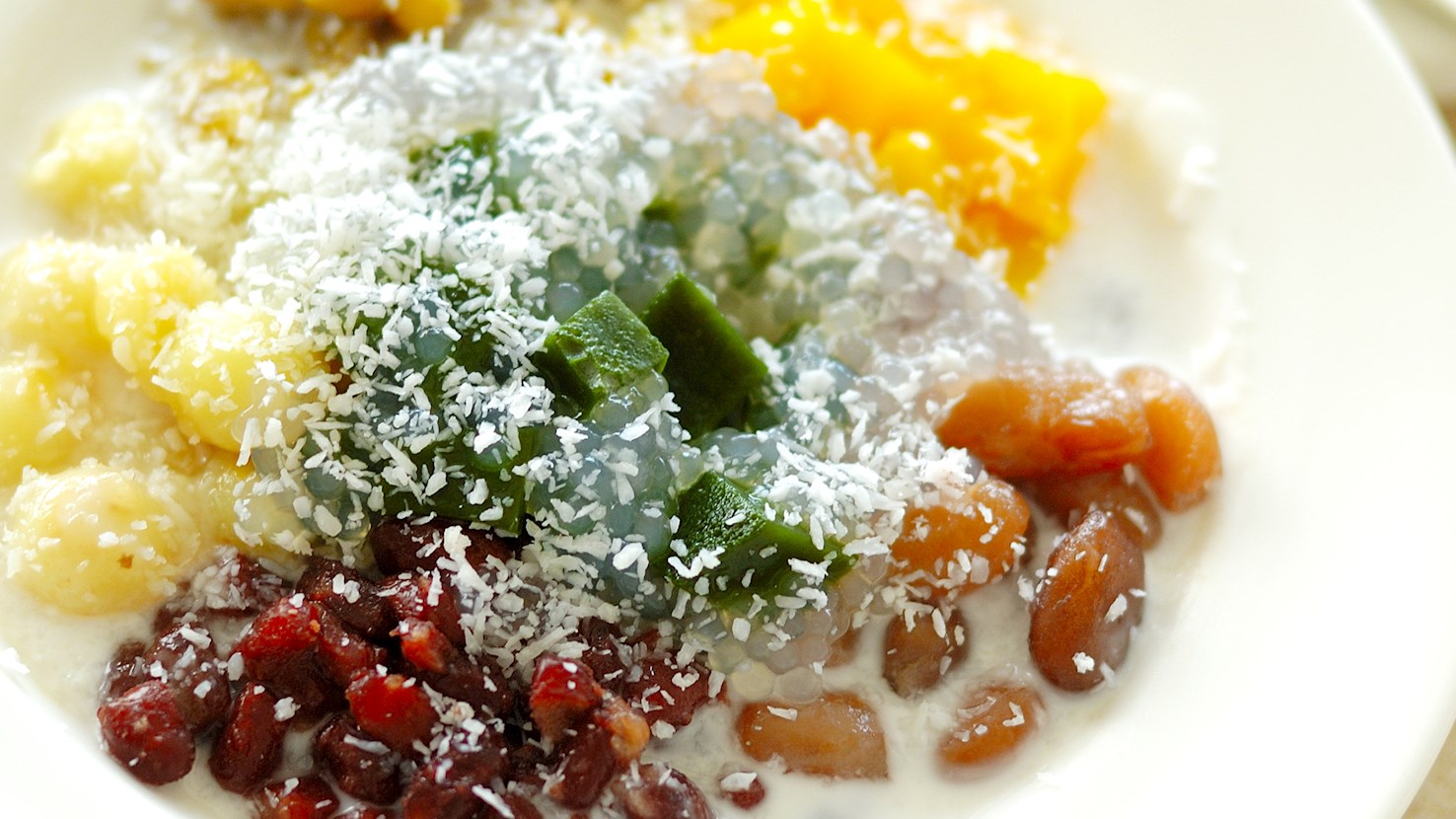
The colorful bubur cha cha is a dessert made with coconut milk, sago, yams, sweet potatoes, pandan leaves, bananas, and black-eyed peas. Pandan leaves provide it with a sweet and light aroma, tubers give the dessert its typical color and texture, sago thickens it, while coconut milk gives it creaminess. Bubur cha cha can be served warm or cold, and it is especially popular on hot summer days. This dessert is sometimes served for breakfast, while in the state of Penang, it is often sold as street food. Apart from Malaysia, bubur cha cha is also popular in Singapore.
TasteAtlas food rankings are based on the ratings of the TasteAtlas audience, with a series of mechanisms that recognize real users and that ignore bot,
nationalist or local patriotic ratings, and give additional value to the ratings of users that the system recognizes as knowledgeable.
For the “20 Best Rated Dishes with Yam” list until September 17, 2026, 1,037,815 ratings were recorded, of which 688,105 were recognized by the system as legitimate.
TasteAtlas Rankings should not be seen as the final global conclusion about food. Their purpose is to promote excellent local foods,
instill pride in traditional dishes, and arouse curiosity about dishes you haven’t tried.










What People Say