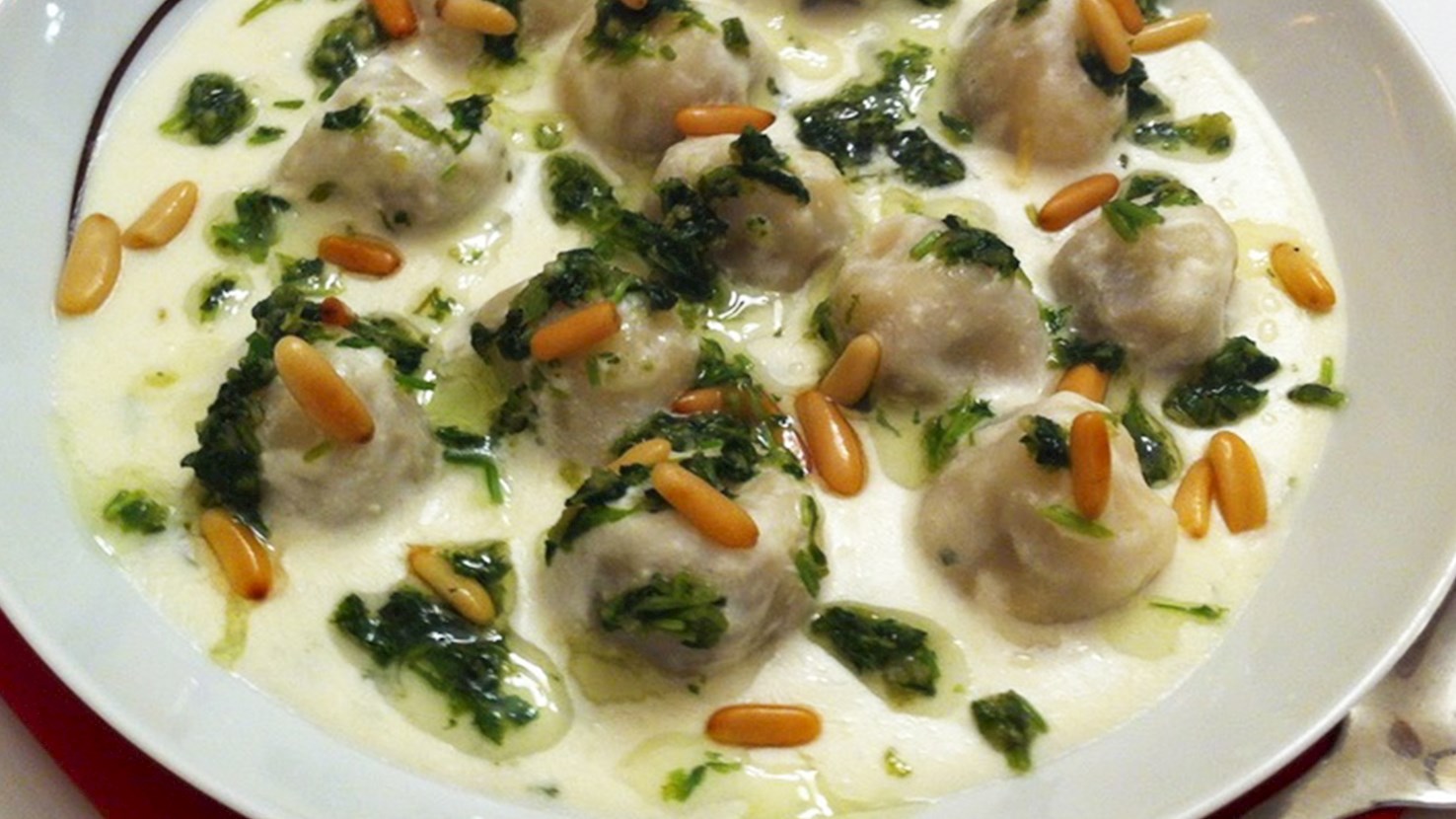
This combination of meat-stuffed dumplings and yogurt is common in Levantine cuisine. The dish consists of tiny dumplings—believed to have originated in Iran under the name joshpara—that are filled with a combination of meat and onions. The dumplings are cooked in yogurt that is seasoned with mint, garlic, or other spices, and the dish is then typically served warm. Because of its international status, there are many varieties of the dish that may employ labneh-based sauces, different types of meat, nuts, and various spices.
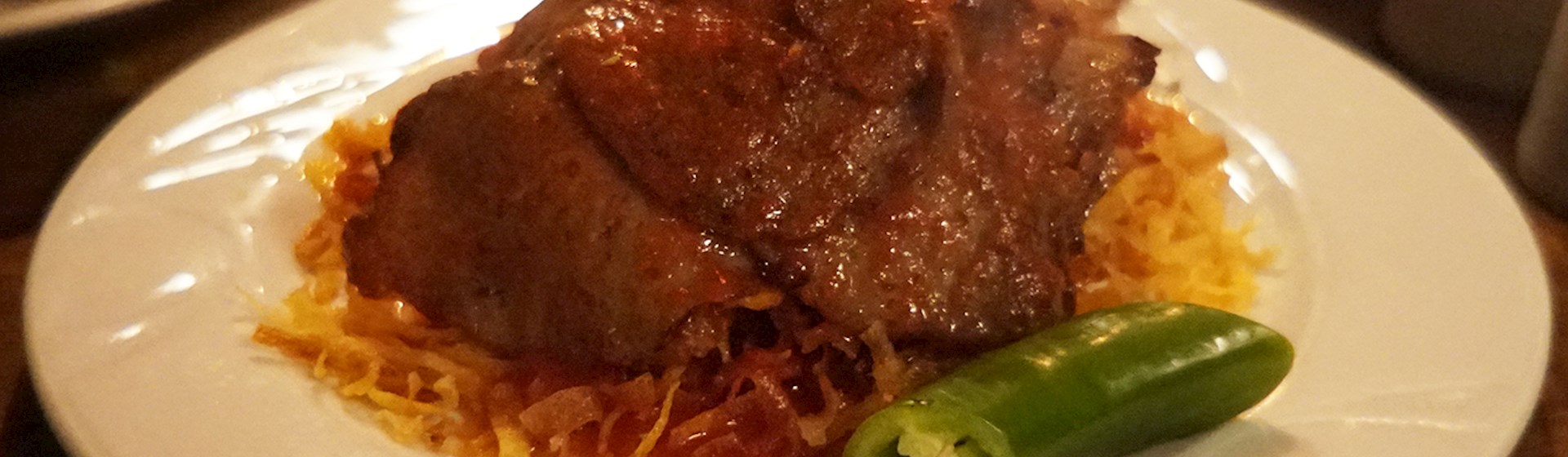
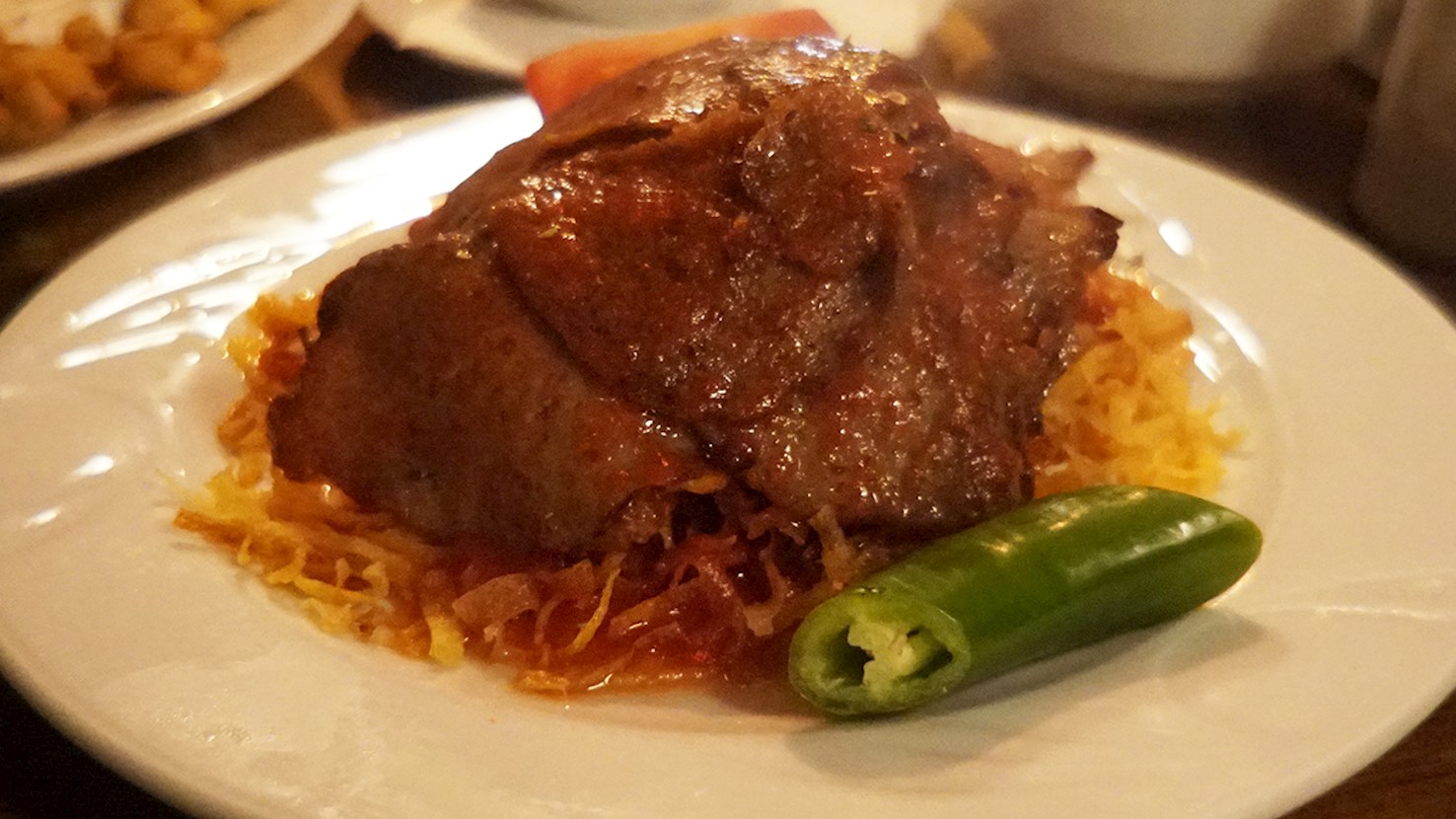
Çökertme kebabı is a traditional kebab variety originating from the Bodrum area. The dish consists of marinated strips of veal that are served with tiny fried potatoes, tomato sauce, and yogurt. The marinade is usually made with milk, olive oil, cumin, salt, and paprika, while the yogurt sauce that's served with the dish is enriched with garlic and salt. The meat is fried, then placed over the fried potatoes and the yogurt sauce. The tomato sauce is placed on the meat, and some people might garnish the dish with thyme sprigs or a few sautéed peppers and tomatoes.
This creamy Greek dipping sauce is usually prepared with a combination of feta cheese, milk or yogurt, hot peppers, garlic, and olive oil. Although it is a traditional dish, it is regionally influenced and may contain anything from roasted red peppers to other types of cheese. Tirokafteri is a standard Greek appetizer and a typical meze dish that is usually accompanied by warm pita bread.
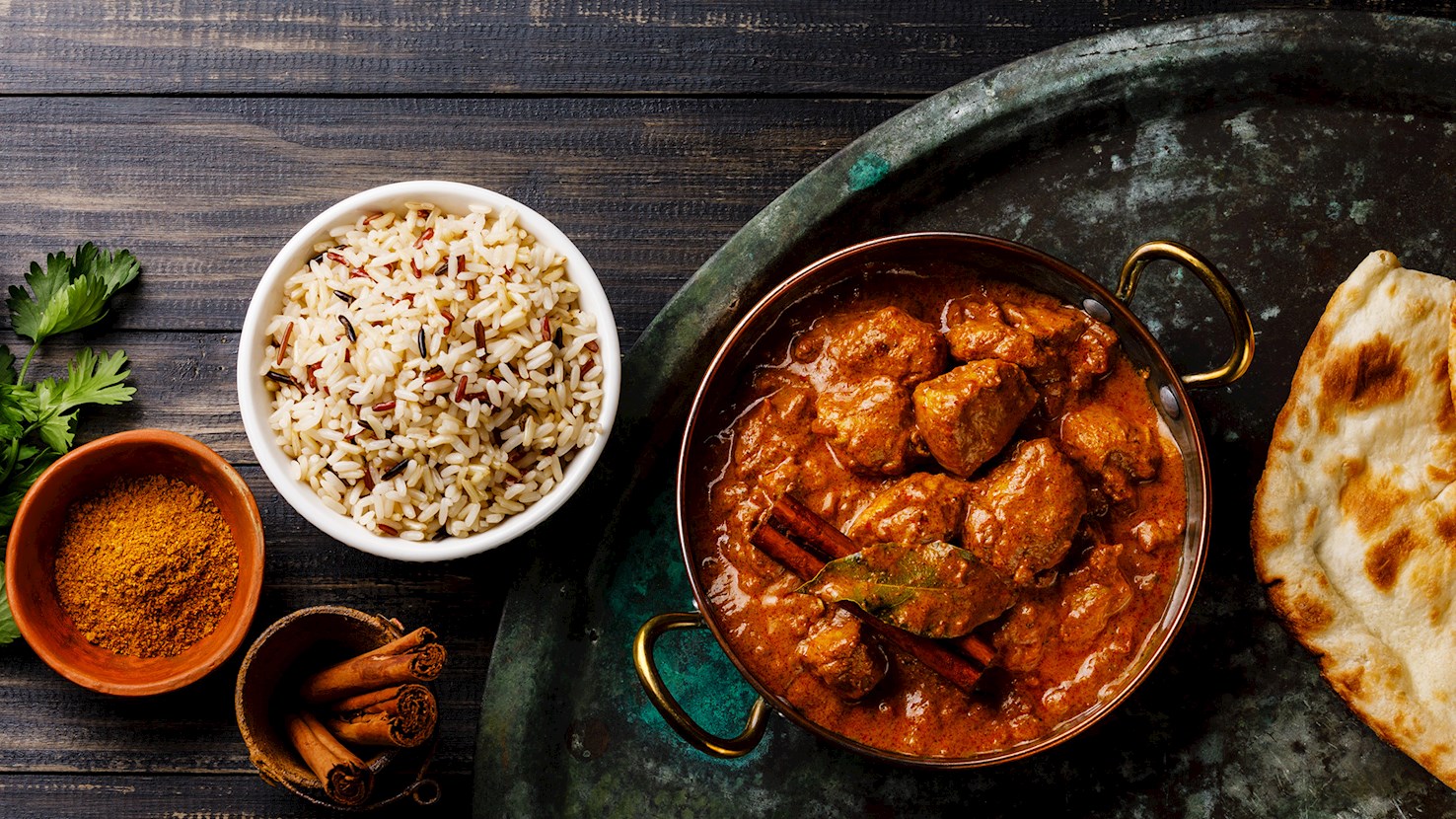
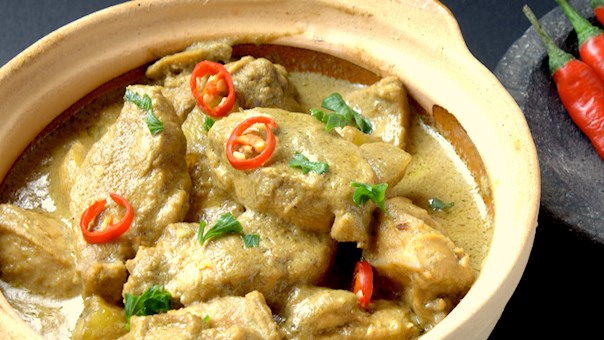
Chicken tikka masala is a British dish influeneced by Indian cuisine, consisting of marinated, tandoor-cooked chicken pieces that are served in a spiced tomato-cream sauce. The origins are still debated – some claim that it was invented in Glasgow in the 1970s by a Pakistani chef Ali Ahmed Aslam who added his tomato-cream soup into chicken tikka in order to please a customer, and others claim that the dish is simply a variation on Indian butter chicken or chicken tikka that's adapted to suit the British tastes. Nowadays, chicken tikka masala is even considered the country's national dish, and Foreign Secretary Robin Cook proclaimed chicken tikka masala a symbol of modern multicultural Britain in 2001.
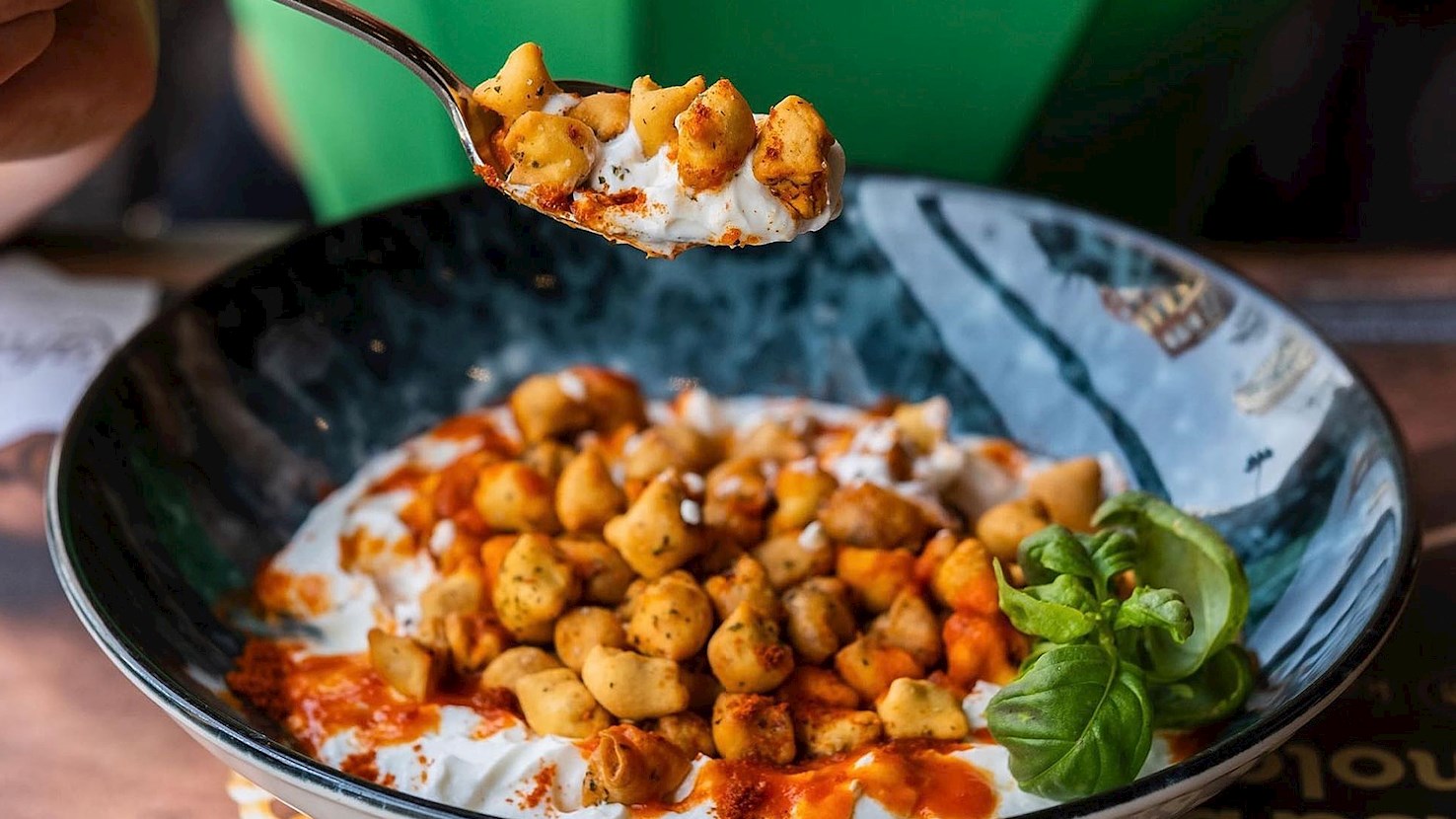
Manti are traditional Turkish dumplings filled with spiced ground meat and onions. The dumplings are most commonly topped with a sauce consisting of yogurt and garlic. The name of the dish is derived from mantu, meaning dumplings, and they were originally brought over from Central Asia to Türkiye by nomadic Turkish tribes in the 13th century. Today, manti dumplings are popular throughout Turkey, as well as in numerous other cuisines such as Armenian, Afghan, and Central Asian.
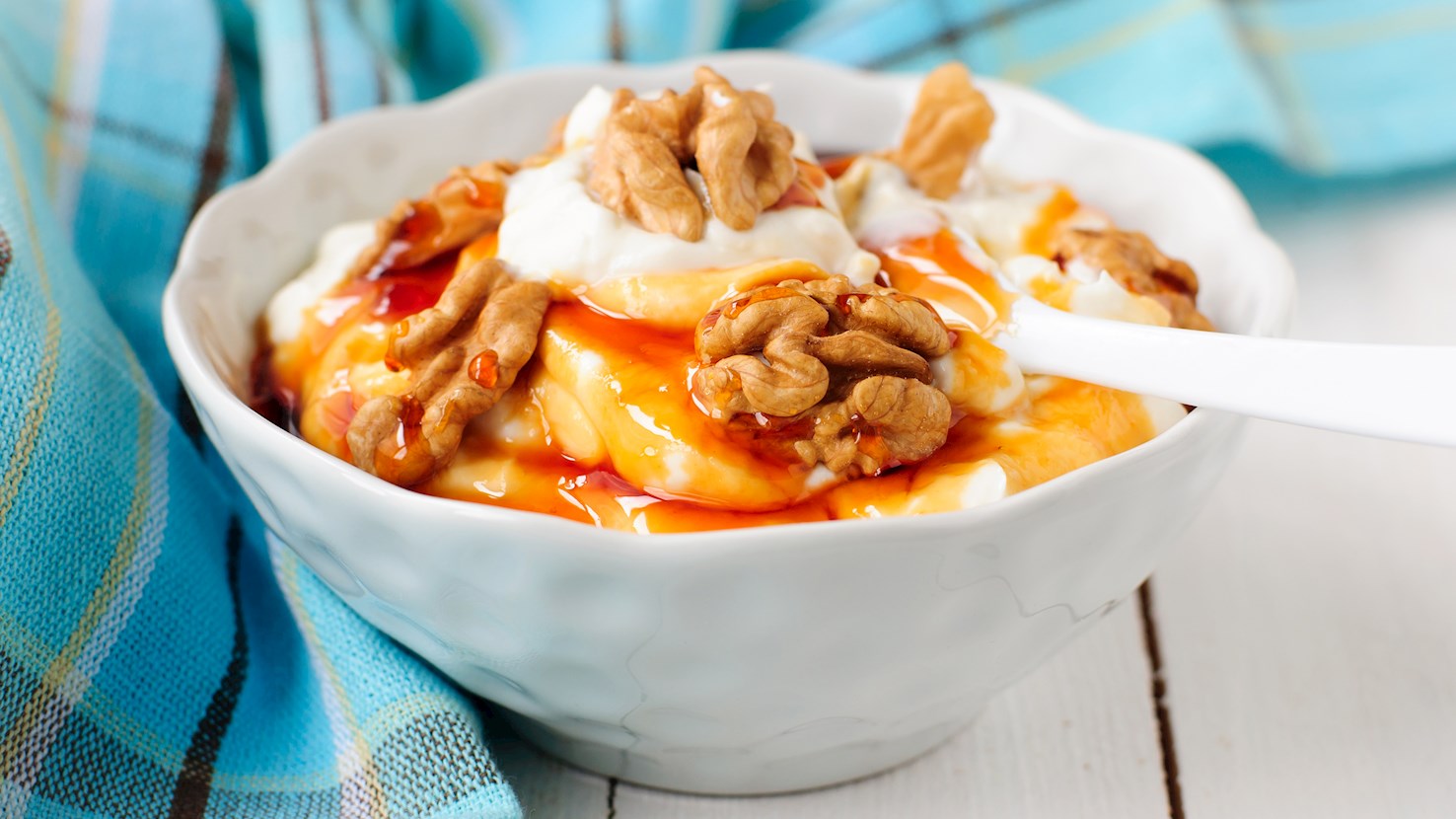
This simple no-bake treat consists of thick Greek yogurt that is doused in generous amounts of honey, then topped with walnuts. The yogurt is occasionally flavored with vanilla, while the best choice is to use traditional thyme honey and toasted walnuts. Though simple in ingredients, yogurt with honey is a staple in many traditional taverns across the country and is typically enjoyed as a light breakfast or a refreshing dessert.
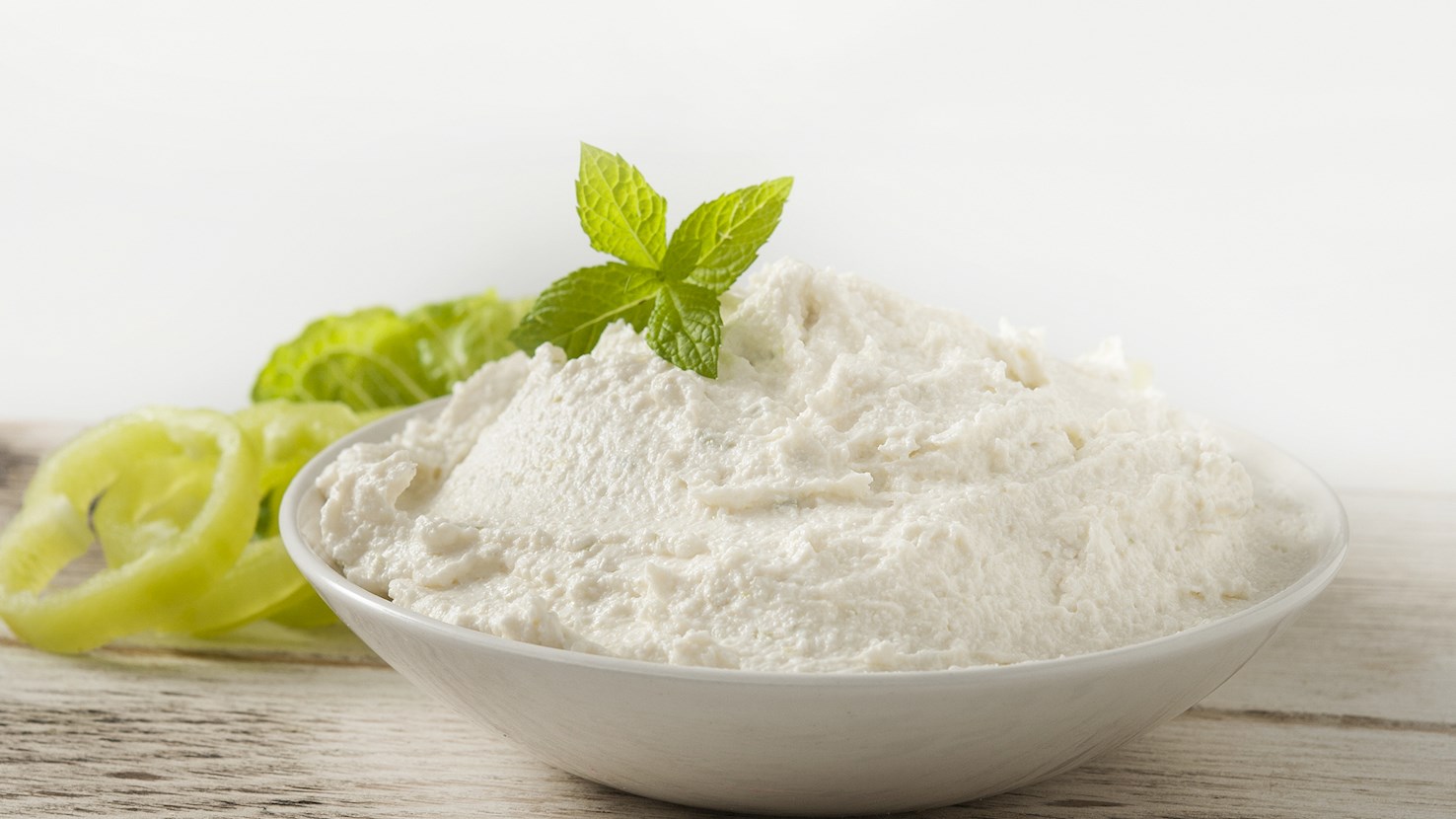
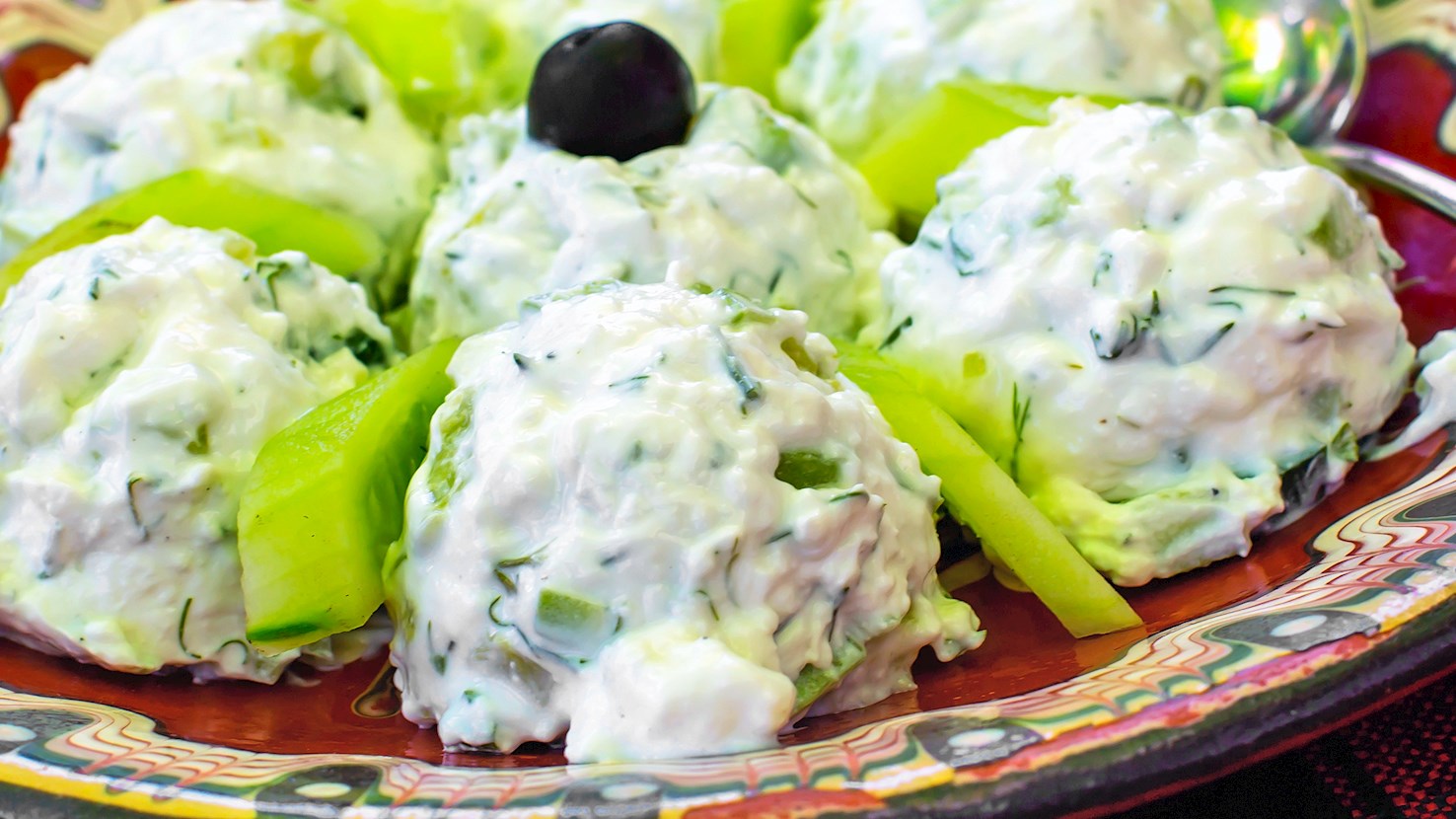
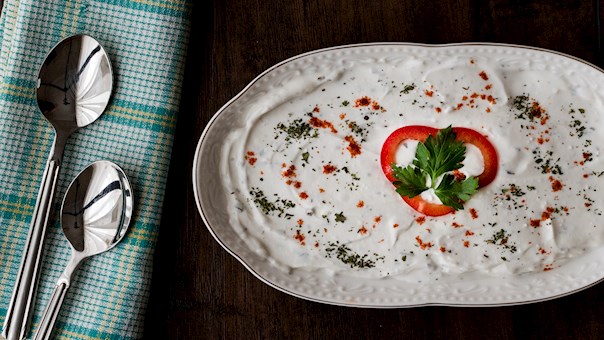
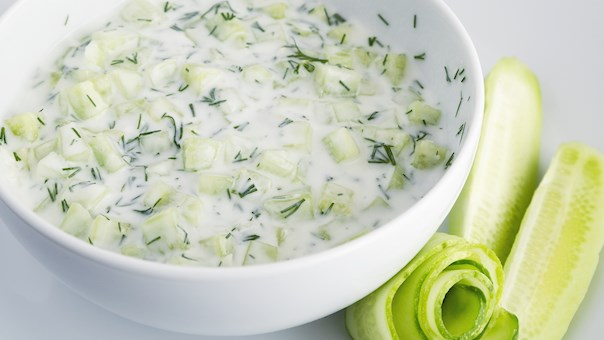
Named after its predominantly white color, Snezhanka or Snow White is a refreshing salad made with ingredients such as cucumbers, garlic, dill, oil, salt, and the Bulgarian staple – yogurt, in this case – strained to make it thicker. Walnuts, roasted peppers, and chopped parsley are sometimes added to the salad as a topping, according to personal preferences. Snezhanka is always served cold, either as an appetizer, meze, side dish, or a dip for pita bread. When served as part of a meze, it is traditionally accompanied by alcoholic beverages.
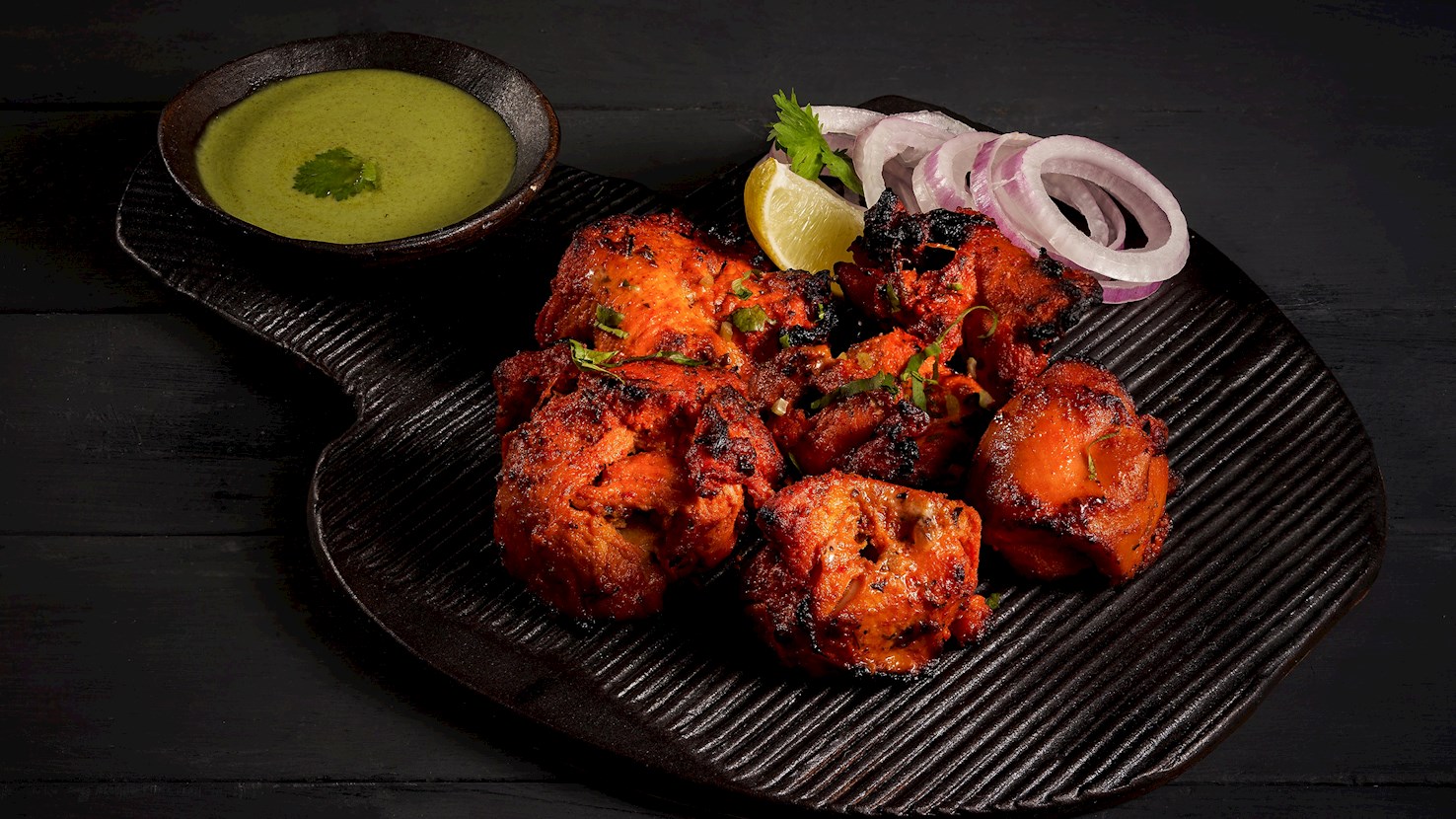
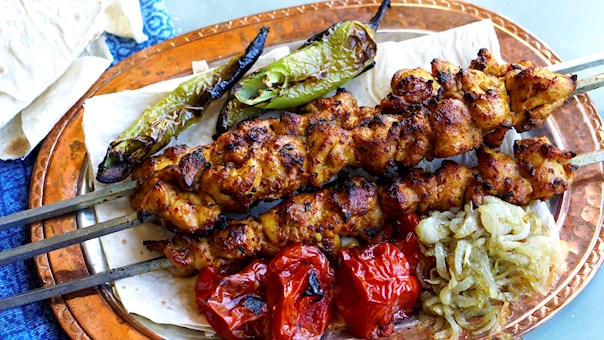
The most popular Indian dishes are those cooked over a blazing fire in the so-called tandoor, a cylindrical open-top clay oven fueled by wood or charcoal. The tandoori technique evolved from an old Middle Eastern method of baking bread, which spread to other parts of the continent, including northwestern India, where people began experimenting with cooking meats and other foods in tandoors, adding special marinades and spice rubs, both of which are now integral parts of Indian-style tandoori cooking. The marinade used in most tandoori dishes starts with yogurt; it holds well to the meat, lends a note of mild acidity, and keeps the herbs and spices in place. Even though the clay ovens themselves impart a special flavor to the food, most of it comes from the traditional combination of spices. Tandoori dishes are typically either intensely red or yellow colored, depending on the marinade ingredients: the red is provided by ground annatto seeds, while the yellow comes from saffron or turmeric. In addition, tandoori dishes are also traditionally flavored with ginger, garlic, coriander, cayenne pepper, and a combination of roasted and ground cardamom, cumin, cinnamon, cloves, nutmeg and black pepper called garam masala. This spice mixture imparts a mellow but savory flavor to tandoori dishes, whereas the heat can be adjusted to one's liking by adding more or less cayenne pepper. Apart from flatbreads such as naan, roti, paratha and kulcha, some of the typical tandoor-cooked dishes include a roasted paste of cashews, corn and cottage cheese called peshawari seekh; roasted potatoes stuffed with cottage cheese, vegetables and cashew nuts called balochi aloo; and Indian classics like paneer tikka, chicken tikka, tandoori chicken, and kalmi kebab.
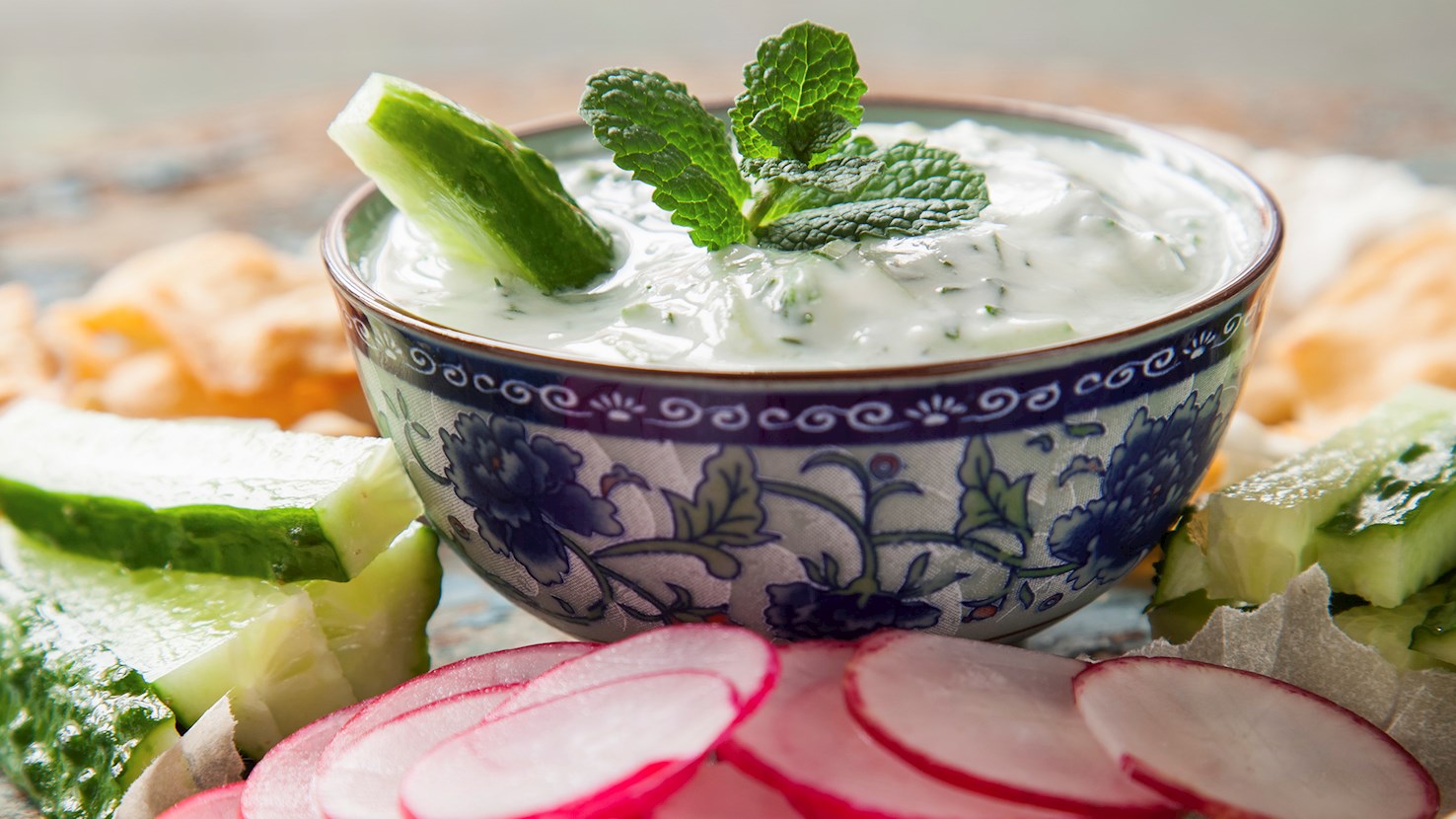
Tzatziki is a Greek concoction made from yogurt, cucumbers, garlic, and numerous herbs and spices such as dill, mint, or parsley. It is usually served as a sauce accompanying many meat dishes, as a simple dip, or an appetizer. Its name is derived from the Turkish word cacik, denoting a very similar dip, although some suspect that tzatziki was derived from the Indian raita dip. Tzatziki is always served cold, and it is especially popular to serve it with dishes such as gyros and souvlaki. Often, it is served with pita bread as part of the first course of a big meal. With its huge popularity, and the fact that it is one of the best summer dips, it is not strange that there are many regional variations of tzatziki, in countries such as Iran, Iraq, Turkey, Cyprus, Bulgaria, and Serbia.
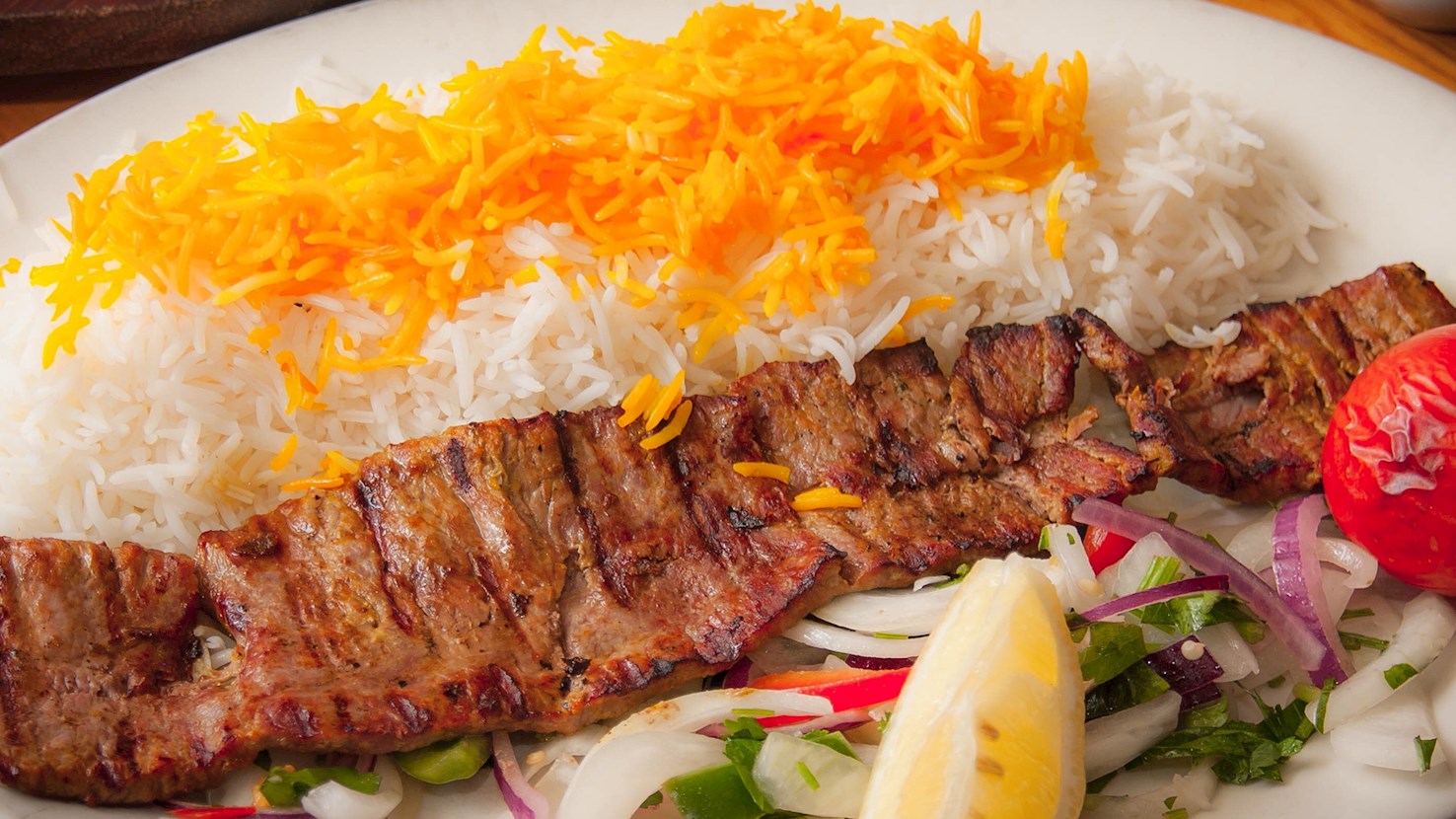
Kabab barg is a dish of thin slices of marinated lamb or beef, carefully skewered and grilled over hot coals to achieve a tender, juicy texture with a lightly charred exterior. Its name means “leaf kebab” in Persian, a reference to the flat, leaf-like cuts of meat. Kabab barg is most closely associated with Tehran and the broader culinary culture of Iran, where kebabs occupy a central place in everyday meals and festive gatherings alike. The dish has its origins in Persian grilling practices that stretch back centuries. Historical records and Persian cookbooks describe skewered meats prepared in royal courts and caravanserais, reflecting influences from nomadic cooking and regional tastes. Over time, kabab barg developed into a distinct preparation emphasizing finesse in both butchering and marination. Unlike minced kebabs such as koobideh, kabab barg relies on whole muscle cuts that are pounded thin to create an even, delicate bite. The meat is soaked in a mixture of grated onion, lemon juice, salt, pepper, and sometimes saffron, which both flavors and tenderizes the slices. Some recipes incorporate a little yogurt or olive oil to further enhance the texture. Before grilling, each piece is carefully threaded onto wide flat skewers to prevent curling or tearing over the fire. The grilling process requires skill and attention. The skewers are placed over a bed of glowing charcoal and turned frequently to cook the meat evenly without drying it out. As it grills, the kebab develops a light crust while remaining juicy inside. When fully cooked, it is brushed with melted butter or a saffron-infused baste to deepen the aroma and give a glossy finish. Kabab barg is traditionally served alongside steamed saffron rice, known as chelo, with a pat of butter on top. Grilled tomatoes, raw onions, and fresh herbs such as basil and tarragon are standard accompaniments, creating a balanced plate of rich protein, aromatic rice, and bright garnishes. In restaurants and at home, diners often sprinkle sumac over the meat to add a tart counterpoint.
TasteAtlas food rankings are based on the ratings of the TasteAtlas audience, with a series of mechanisms that recognize real users and that ignore bot,
nationalist or local patriotic ratings, and give additional value to the ratings of users that the system recognizes as knowledgeable.
For the “100 Best Rated Dishes with Yogurt” list until October 17, 2026, 1,046,806 ratings were recorded, of which 695,538 were recognized by the system as legitimate.
TasteAtlas Rankings should not be seen as the final global conclusion about food. Their purpose is to promote excellent local foods,
instill pride in traditional dishes, and arouse curiosity about dishes you haven’t tried.





What People Say