


shutterstock

Top 14 Dressings
in the World

Last updated on June 15, 2026
01

Pesto di limone (Lemon pesto)

3.7 ·

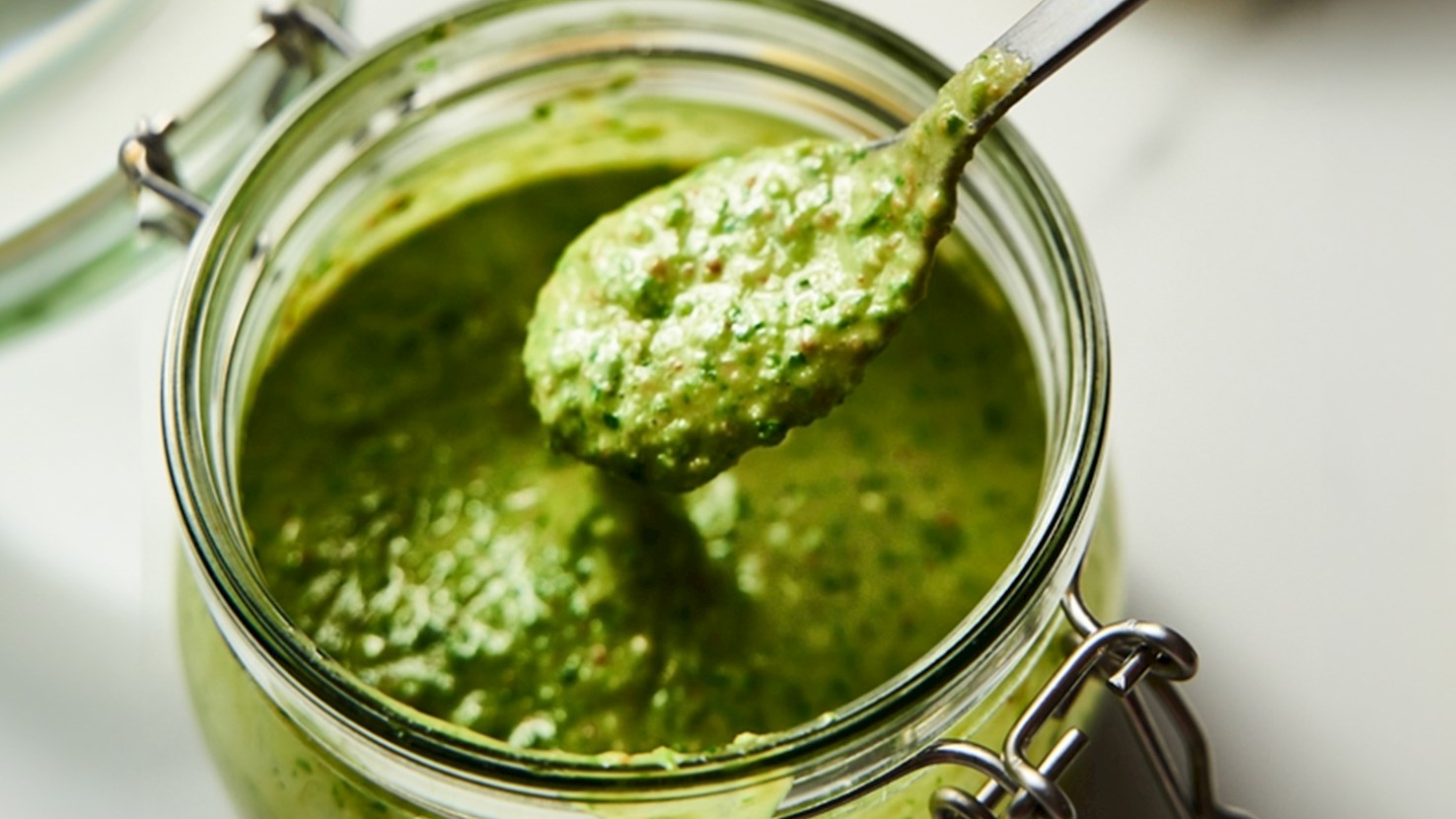
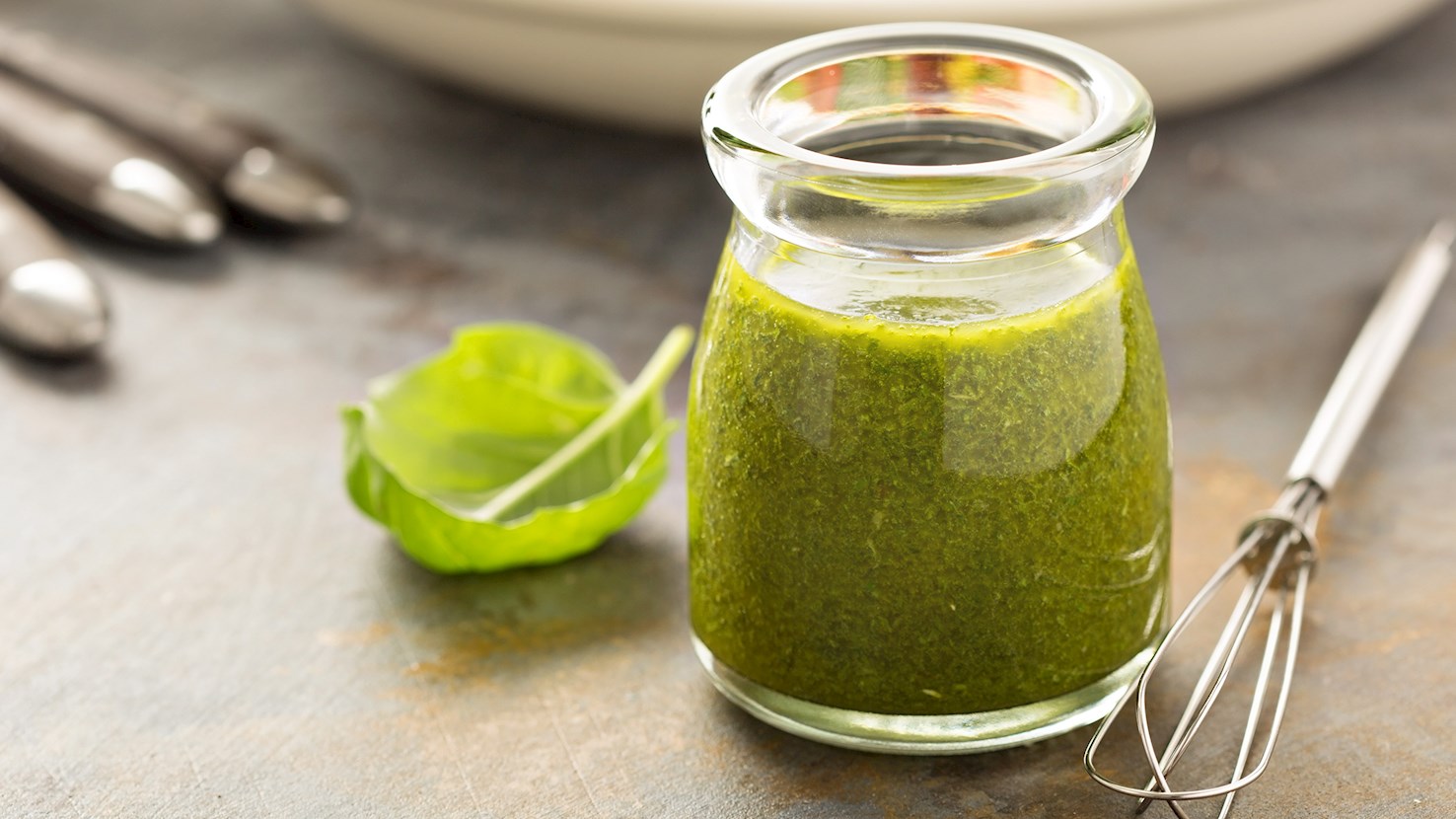
Pesto di limone, also known as lemon pesto, is a variant of the traditional Italian pesto sauce that incorporates lemon into its recipe. Originating from the Procida island near Naples, this pesto is a sauce consisting of lemon (both juice and zest), crushed garlic, pine nuts, Parmigiano-Reggiano cheese, coarse salt, basil leaves, parsley, and olive oil. The lemon introduces a bright, citrusy note to the sauce that is particularly enjoyable in summer or with seafood dishes. As with other pesto sauces, pesto di limone is often served with pasta, but it can also be used as a marinade for poultry and fish, a spread for sandwiches, a dip for vegetables, or a dressing for salads. Its versatility and fresh, vibrant taste have made it a popular choice in many contemporary Italian and Mediterranean dishes.

02

Blue Cheese Dressing

3.6 ·

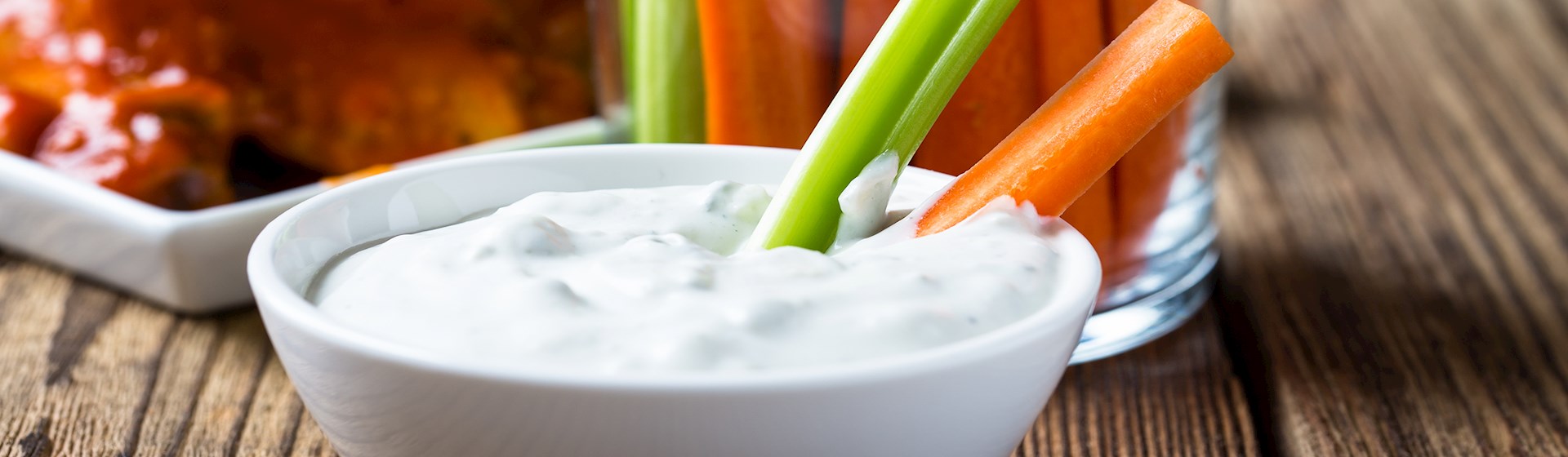
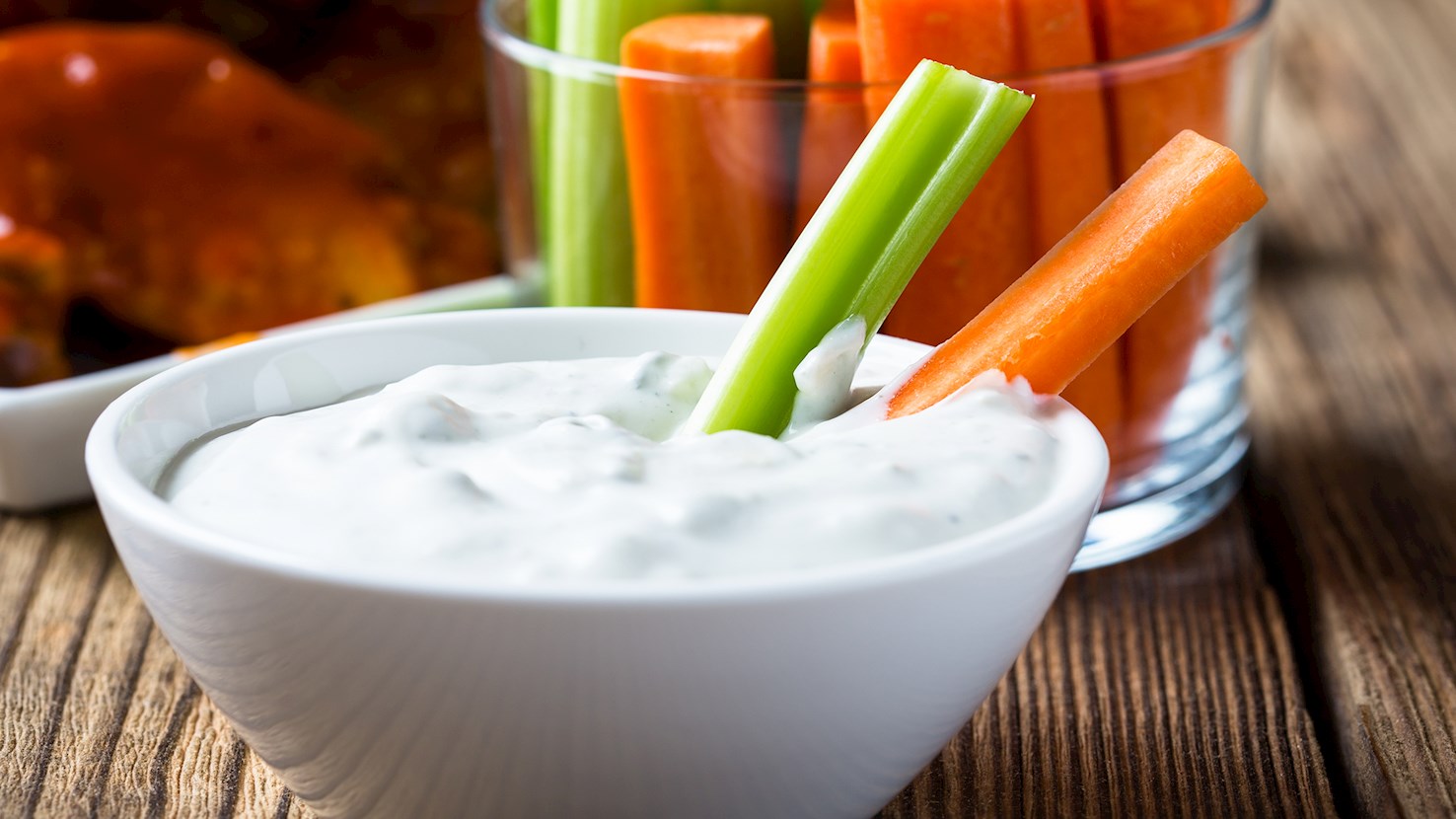
Blue cheese dressing is commonly used on salads but it can also be served as a dip accompanying crudités or Buffalo wings. It is prepared with a combination of blue cheese, milk, vinegar, sour cream or yogurt, mayonnaise, onion powder, and garlic powder. Not much is known about its origins, but the first written evidence of it was found in Edgewater Hotel Salad Book in 1928, although an earlier version of the dressing can be found in Fannie Farmer's 1918 cookbook. By the 1930s, blue cheese dressing gained popularity through the famous cookbook called The Joy of Cooking, written by Irma Rombauer.

03

Green Goddess Dressing

3.6 ·

Green goddess is an American dressing or a dip made with a combination of anchovy paste or fillets, mayonnaise, sour cream, garlic, parsley, chives, tarragon, and lemon juice. The ingredients are simply blended together until smooth. It is recommended to garnish the concoction with black pepper, if desired. Green goddess dressing is typically served as a salad dressing or as a dip for crudités. It can also be drizzled over seafood and grilled chicken or stirred into pasta or rice. It is believed that the dressing originates from the Palace Hotel in San Francisco, where it was made in 1923 by the hotel’s executive chef named Philip Roemer, who prepared it as a tribute to actor George Arliss and his play The Green Goddess.

04

Chermoula

3.6 ·

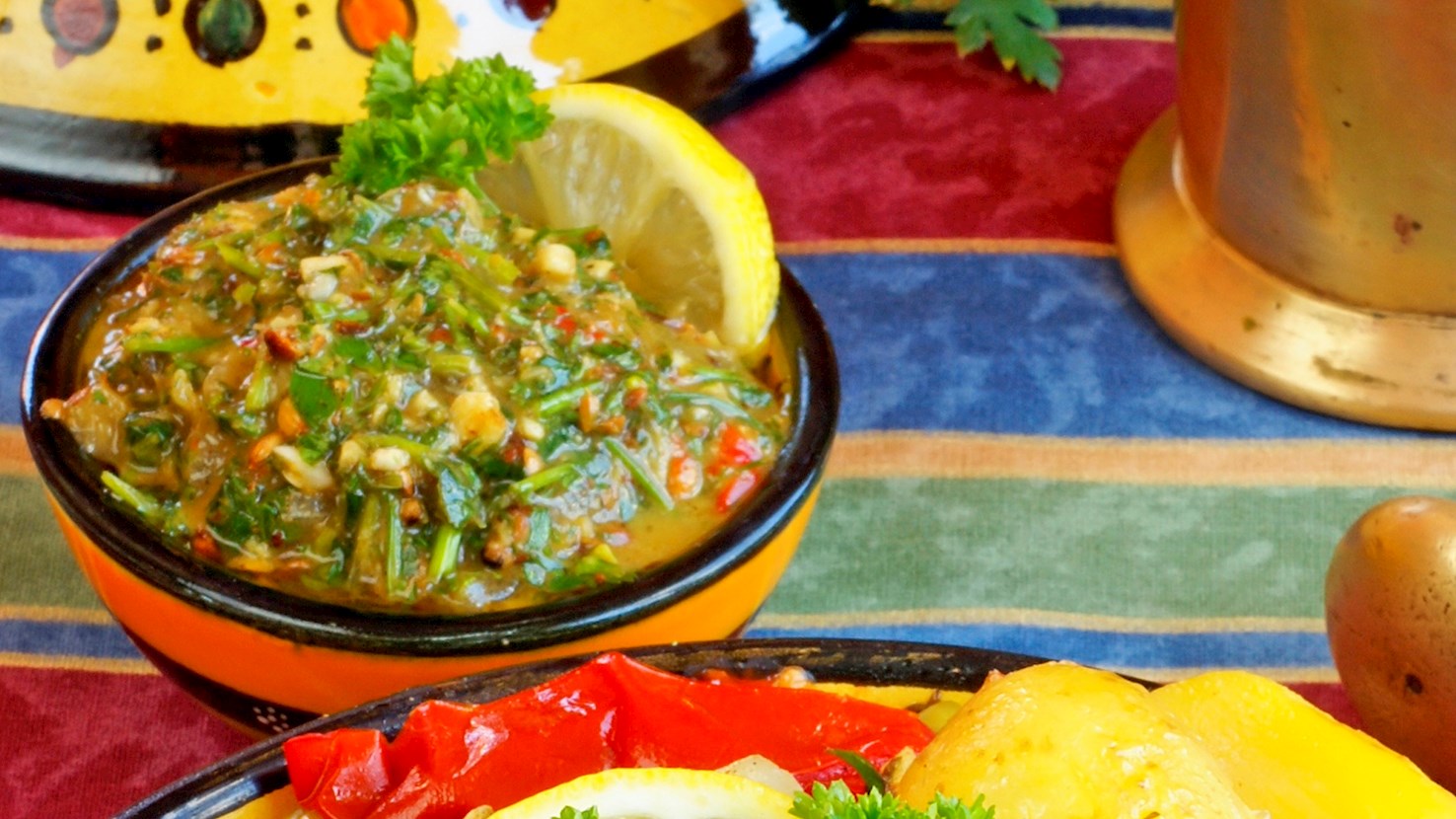
Chermoula is a North African marinade consisting of lemon juice, olive oil, coriander, parsley, garlic, cumin, paprika, chili peppers, and salt. The final result is a rough-textured paste that is traditionally used with fish or seafood dishes. Although it is mostly used to give flavor to fish, chermoula might also be used on meat and vegetables, as a dipping sauce, or as a dressing for salads.

05

Italian Dressing

3.5 ·

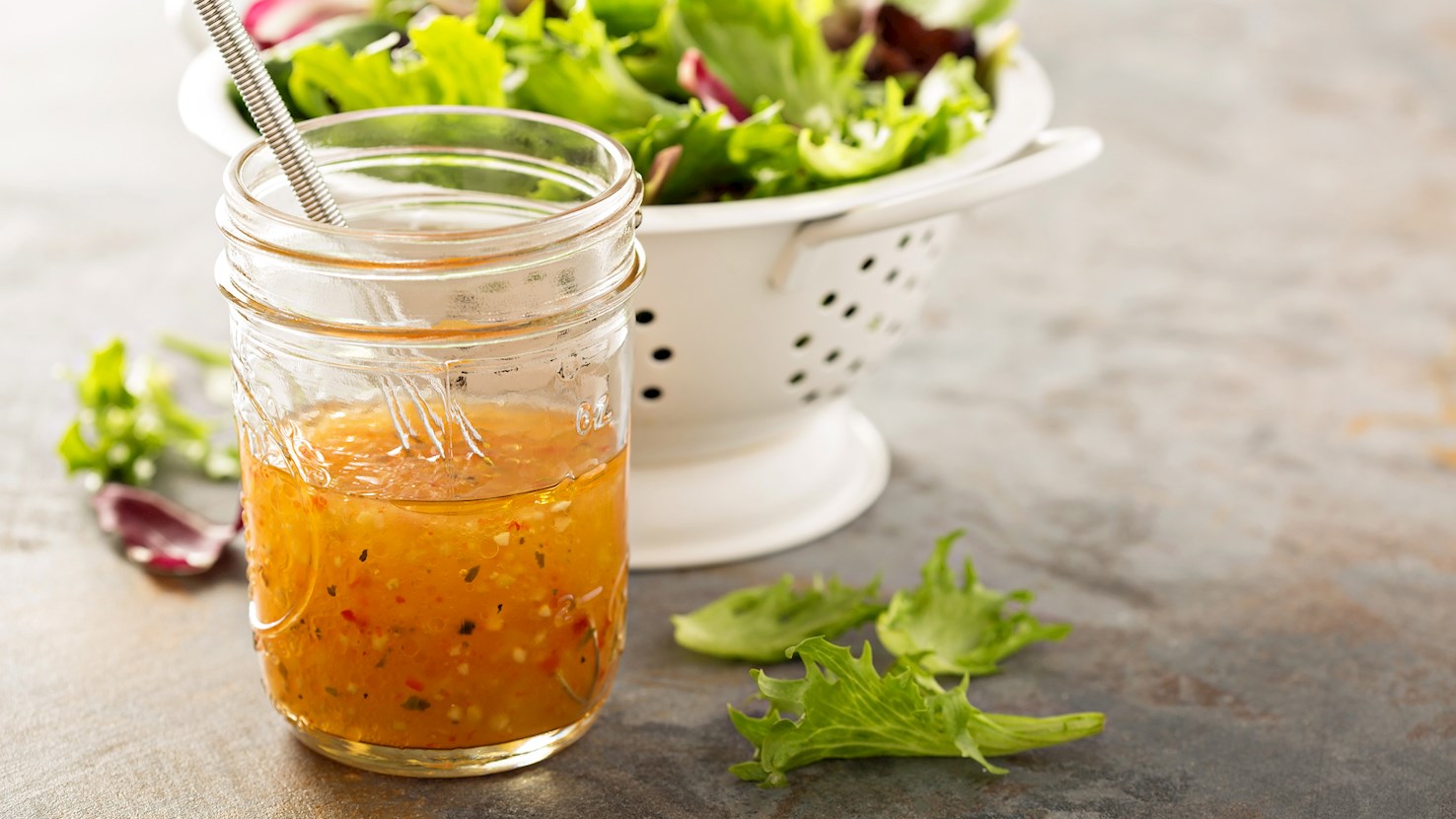
This popular salad dressing usually consists of water and either lemon juice or vinegar in combination with oil, bell peppers, sugar, and various herbs and spices such as dill, fennel, and oregano. It can also be used to marinate a variety of meats and vegetables. There is also a variety of this dressing called creamy Italian, made with the same ingredients and the addition of stabilizers and milk products. It is believed that Italian dressing dates back to 1941 in Massachusetts when it was first made by Florence Hanna, the daughter of Italian immigrants, whose husband had a restaurant called The '41 Cafe. Soon enough, the dressing became so popular in the restaurant that the Hannas couldn't keep up with the demand, and the rest is history.

06

Fry Sauce

3.5 ·

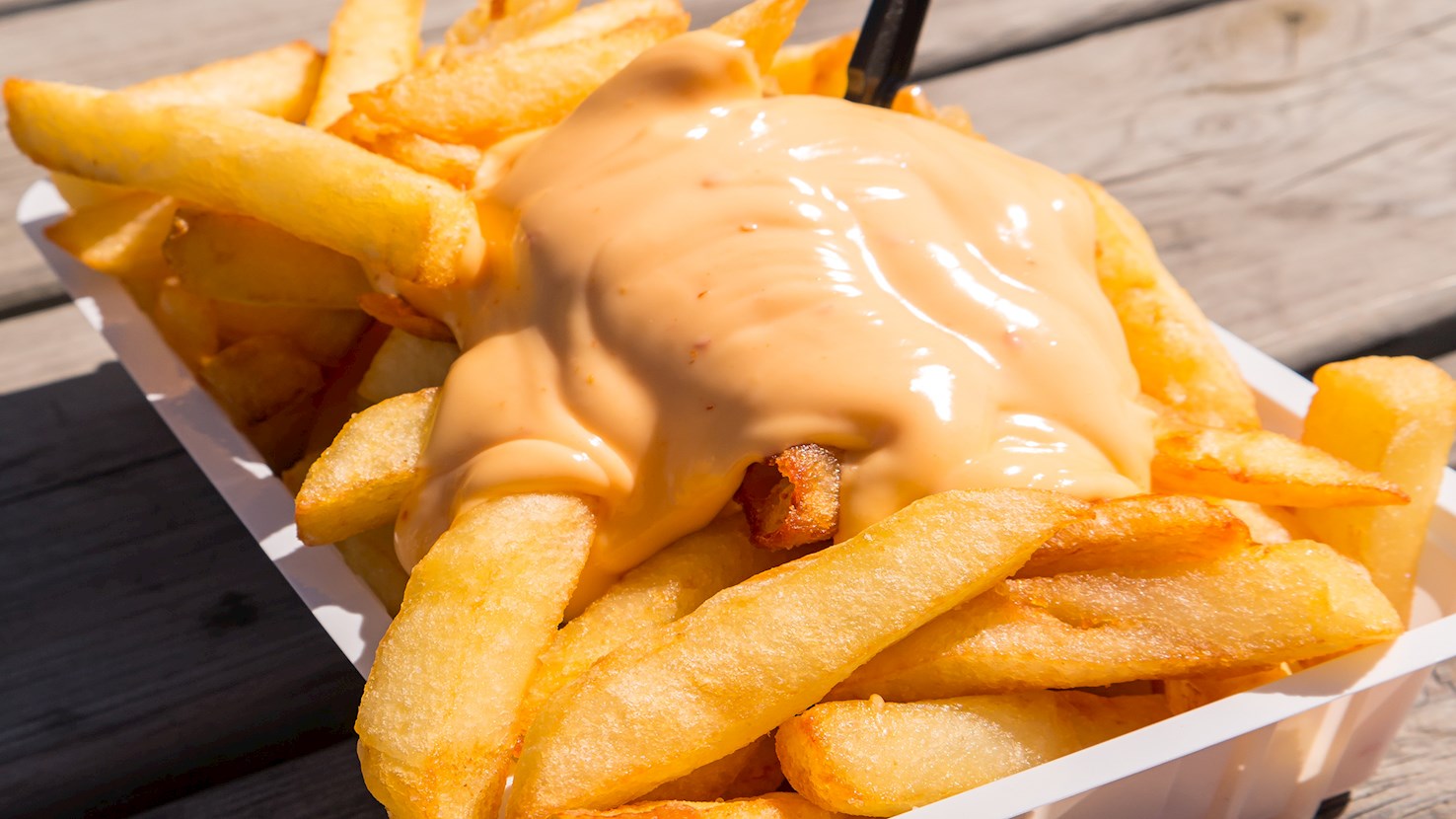
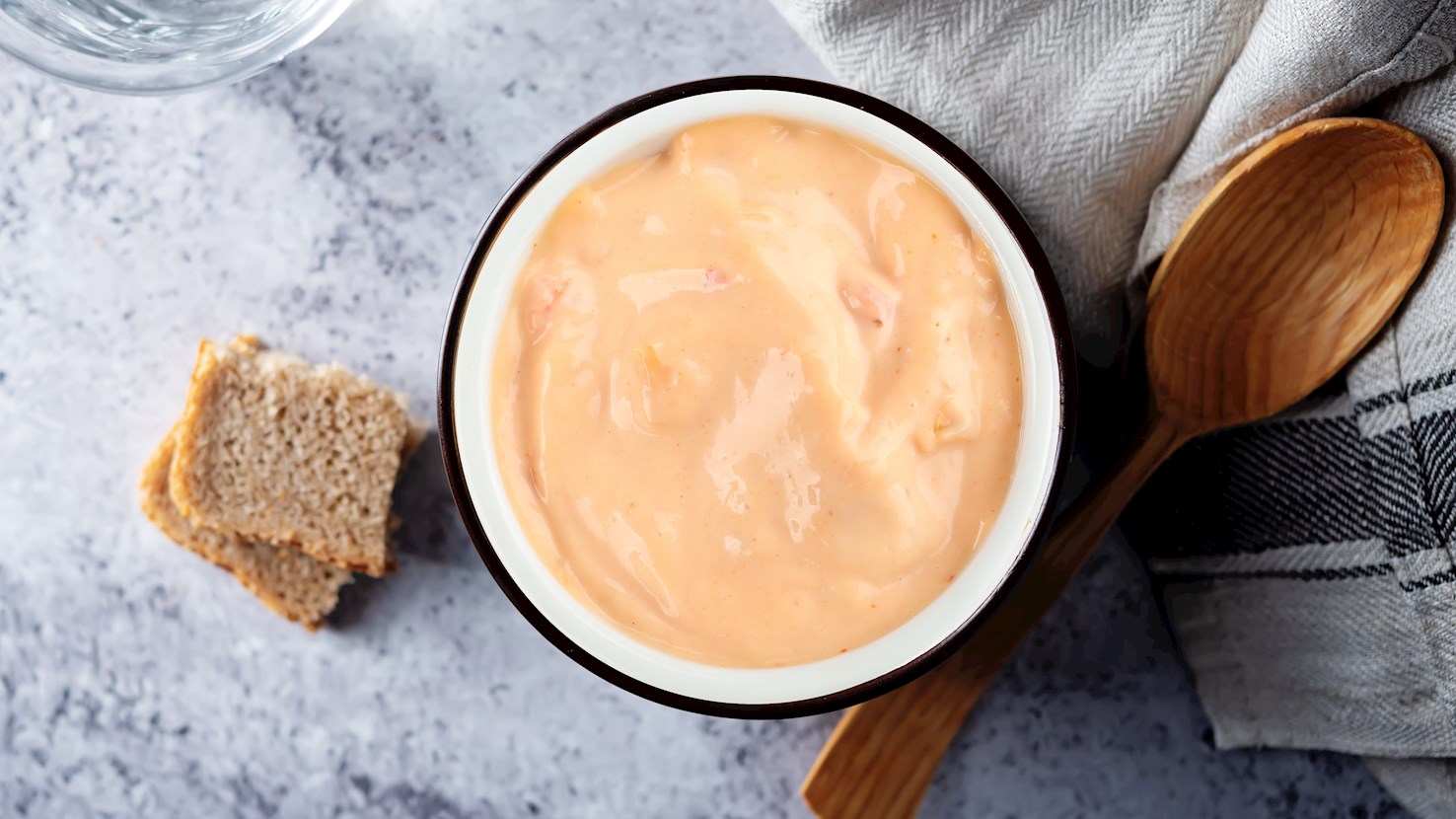
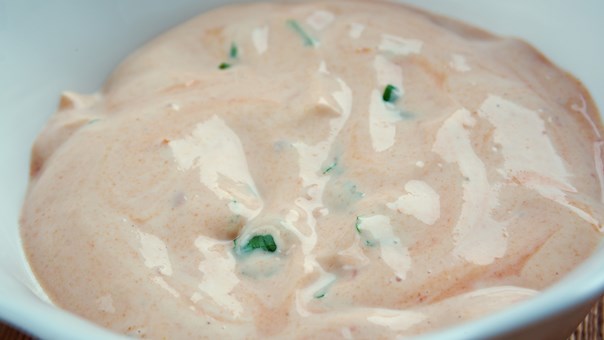
Originating from Salt Lake City, Utah, fry sauce consists of a simple combination of equal parts ketchup and mayonnaise or one part ketchup and two parts mayonnaise. The sauce has a thick, smooth consistency and is characterized by its pink color. Originally, it was invented in the 1950s by Don Carlos Edwards, a chef who first served it in his restaurant called Don Carlos' Barbecue in Salt Lake City. Today, fry sauce is typically used as a dip for french fries or as a condiment for burgers, and some people add extra ingredients to the sauce such as garlic and various spices.

07

Ranch Dressing

3.4 ·

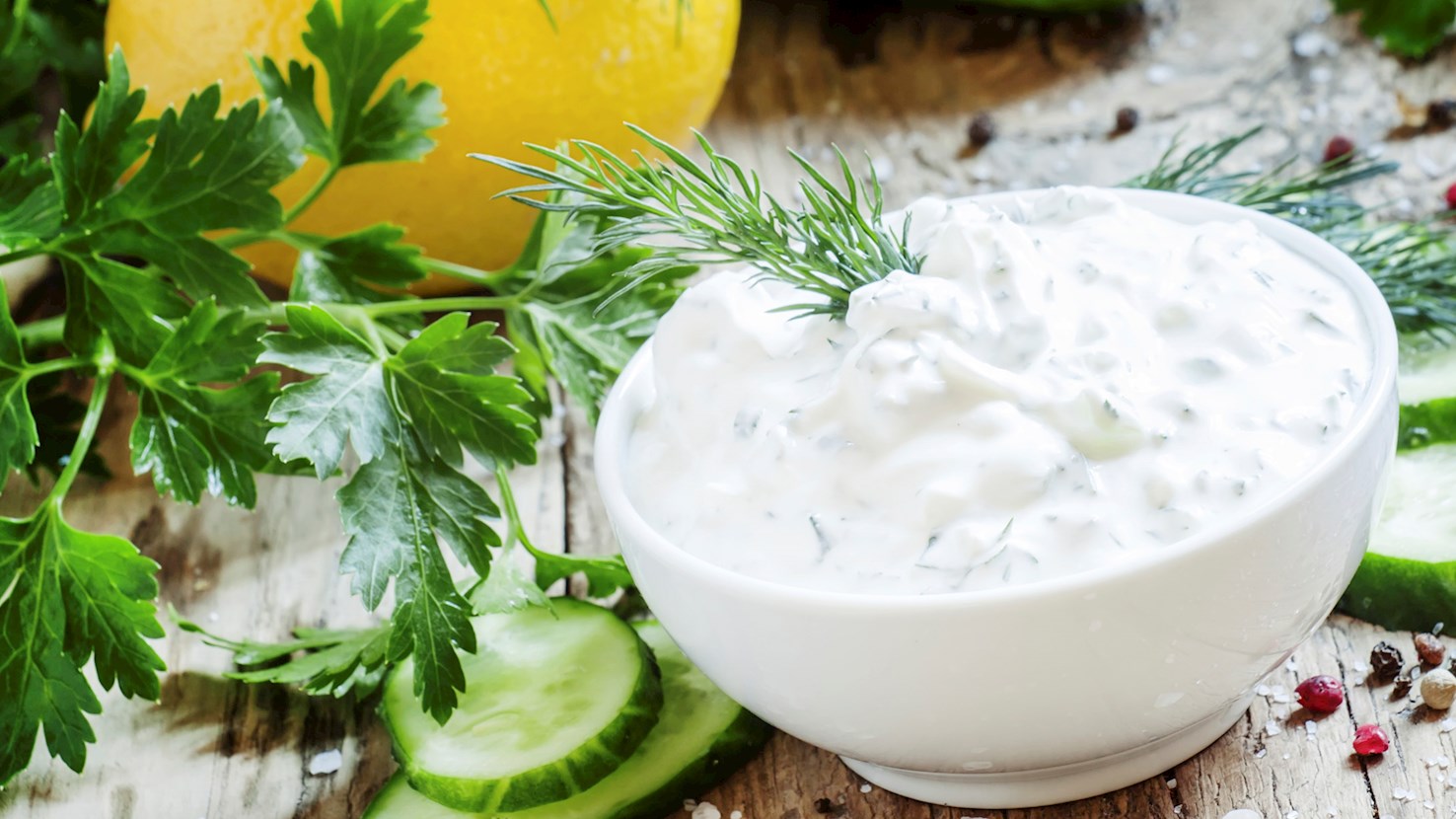
Ranch is a salad dressing or a dip consisting of buttermilk, salt, garlic, onion, herbs (such as dill, parsley, and chives), and spices (such as mustard seed, black pepper, and paprika) mixed into a mayonnaise-based sauce. Today, it is the number one salad dressing in the United States, but it was invented a long time ago, in 1954 by Gayle and Steve Henson on their ranch near Santa Barbara in California. The ranch was opened for visitors, who loved the flavors of their homemade salad dressing, which was named Ranch shortly after that, and it became the only dressing to ever be served at the ranch. The dressing gained huge popularity, and in 1972, the Hensons sold their brand to the Clorox Company for $8 million. In 1983, when a bottled version of the dressing appeared, the sales skyrocketed. It became so popular that it outsold other popular salad dressings such as Italian, Thousand Island, and Caesar. Today, it is sold in more than 30 countries, with varieties such as Cucumber Ranch, Bacon Ranch, and Spicy Ranch, and it is also being used as a dipping sauce, either on burgers or sandwiches.

08

Thousand Island Dressing

3.3 ·

Originally named after the Thousand Islands region along the upper part of the St. Lawrence River between Canada and the United States, this popular dressing appears to have more than one origin story. However, food historians have pointed out that the earliest printed reference to Thousand Islands dressing dates back to 1912. Though it is often referred to as the "secret sauce," this creamy dressing is commonly served as a condiment or dipping sauce, and most versions contain at least mayonnaise, ketchup, vinegar, sugar, and relish, with salt and pepper to taste.

09

Wafu

3.2 ·

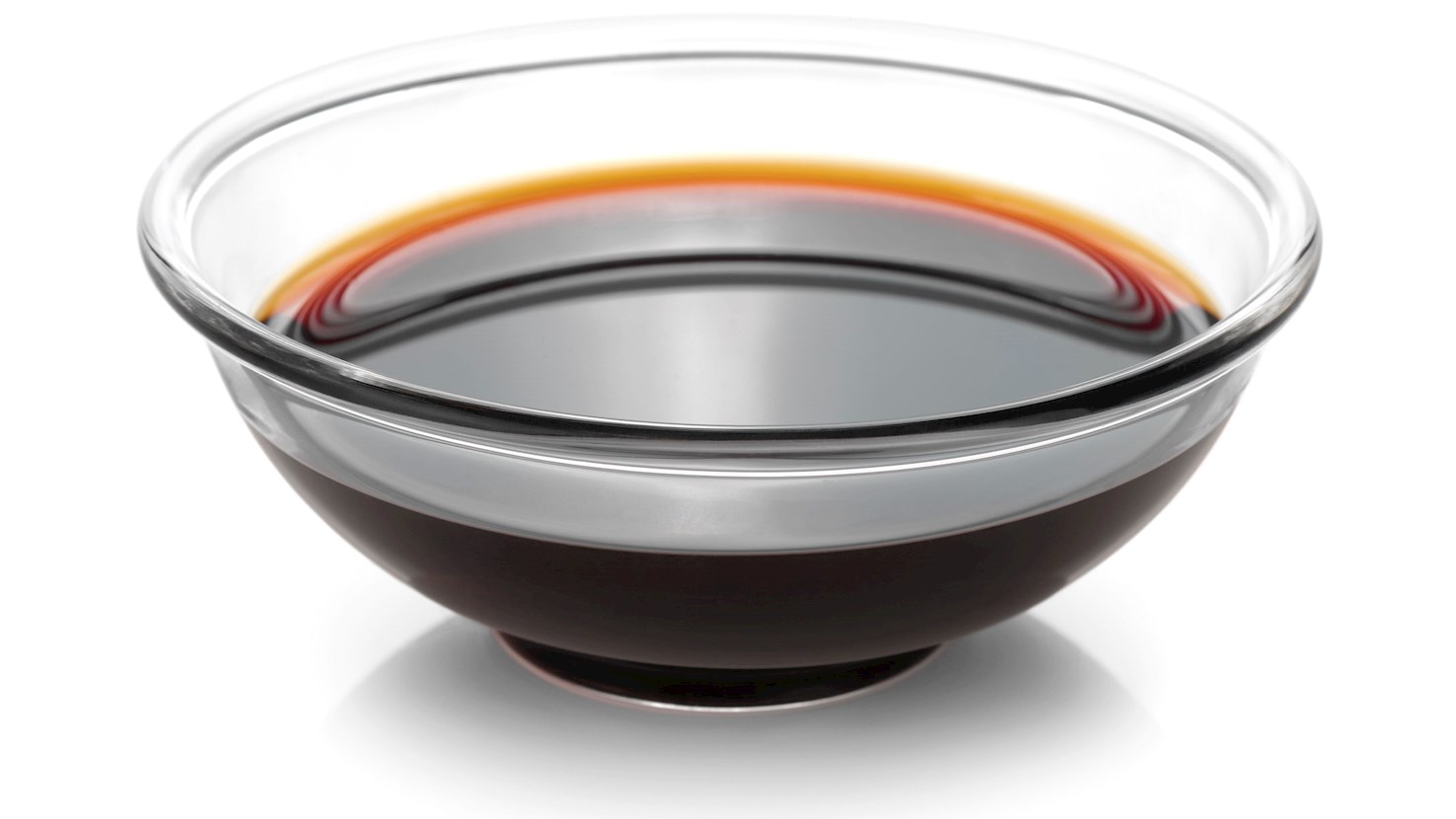
Wafu is the name commonly used to refer to numerous Japanese-style vinaigrette dressings. Although there are endless wafu varieties they are all built around one crucial ingredient - tosazu, the traditional Japanese fermented vinegar, elevated with the addition of soy sauce, kombu seaweed, mirin, and dried fish flakes. The addition of oil, and subsequently other ingredients, creates the famous wafu dressings. The possible variations of this traditional dressing are infinite, and the most common additional ingredients include lemon juice, grated ginger, grated or diced onion, seaweed, Japanese shiso herb, or wasabi. The addition of sesame oil creates another variety known as chūka-fū, translated as Chinese-style dressing. The Japanese prepare the wafu dressing at home or use the industrially-produced varieties which also offer an array of possibilities. This refreshing Japanese dressing can be used to season various salads, and there are no limitations when it comes to its consumption. It is often served with leafy green salads, or crunchy daikon and broccoli salads, and even with some fruit-based salad varieties. Whether homemade or store bought, wafu represents a staple ingredient in every Japanese household.

10

Russian Dressing

3.2 ·

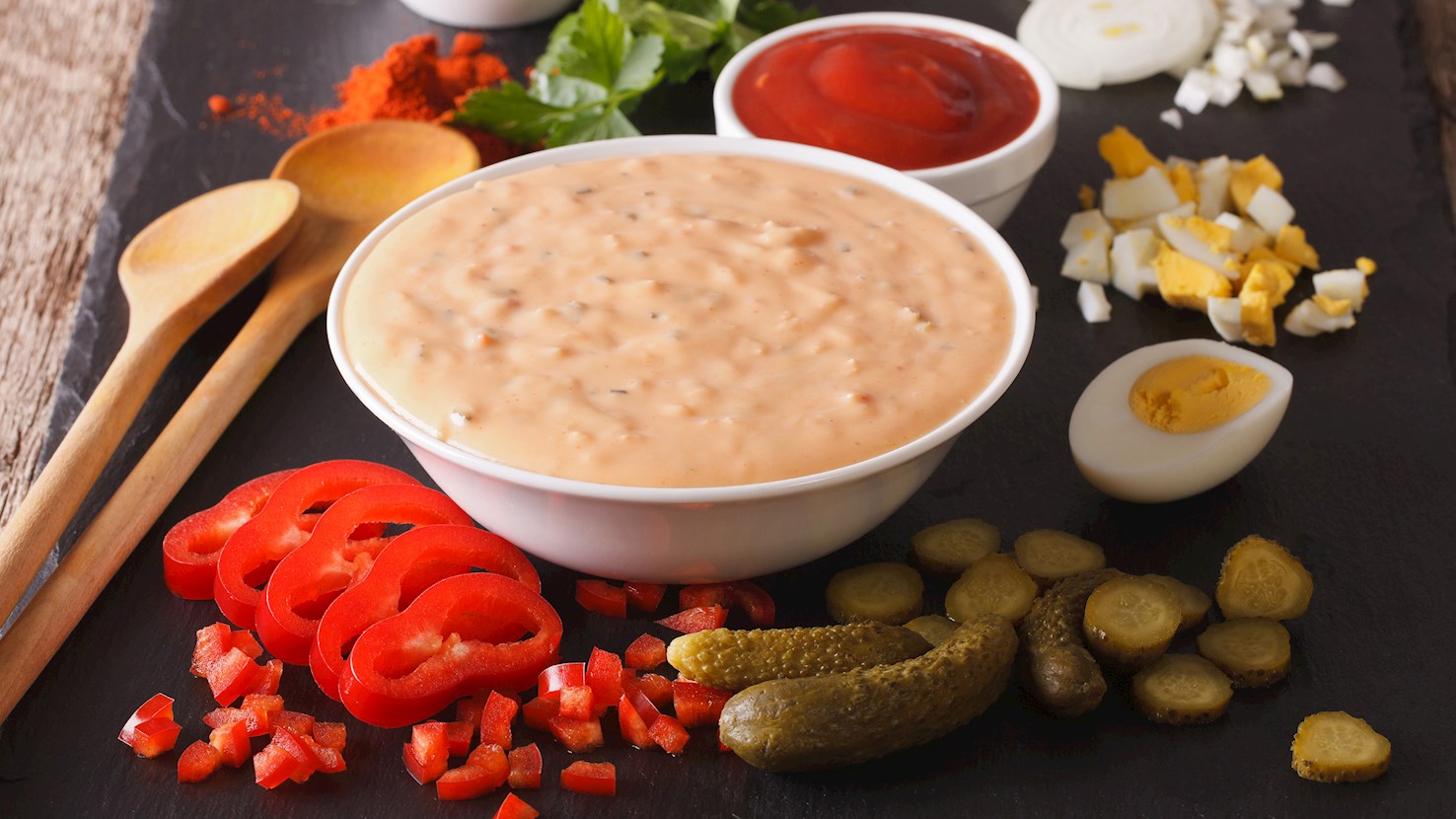
This flavorful salad dressing is based on mayonnaise and chili sauce or ketchup in its most basic variety, but there are a lot of other varieties with added minced pimento, green peppers, minced onion, chives, or chopped hard-boiled eggs. Aside from being used as a salad dressing, Russian dressing is also used as an ingredient in various dishes. Despite its name, it doesn't have Russian origins and it is a fully American invention.

About this ranking

TasteAtlas food rankings are based on the ratings of the TasteAtlas audience, with a series of mechanisms that recognize real users and that ignore bot, nationalist or local patriotic ratings, and give additional value to the ratings of users that the system recognizes as knowledgeable. For the “Top 14 Dressings in the World” list until June 15, 2026, 1,090 ratings were recorded, of which 900 were recognized by the system as legitimate. TasteAtlas Rankings should not be seen as the final global conclusion about food. Their purpose is to promote excellent local foods, instill pride in traditional dishes, and arouse curiosity about dishes you haven’t tried.

Similar lists