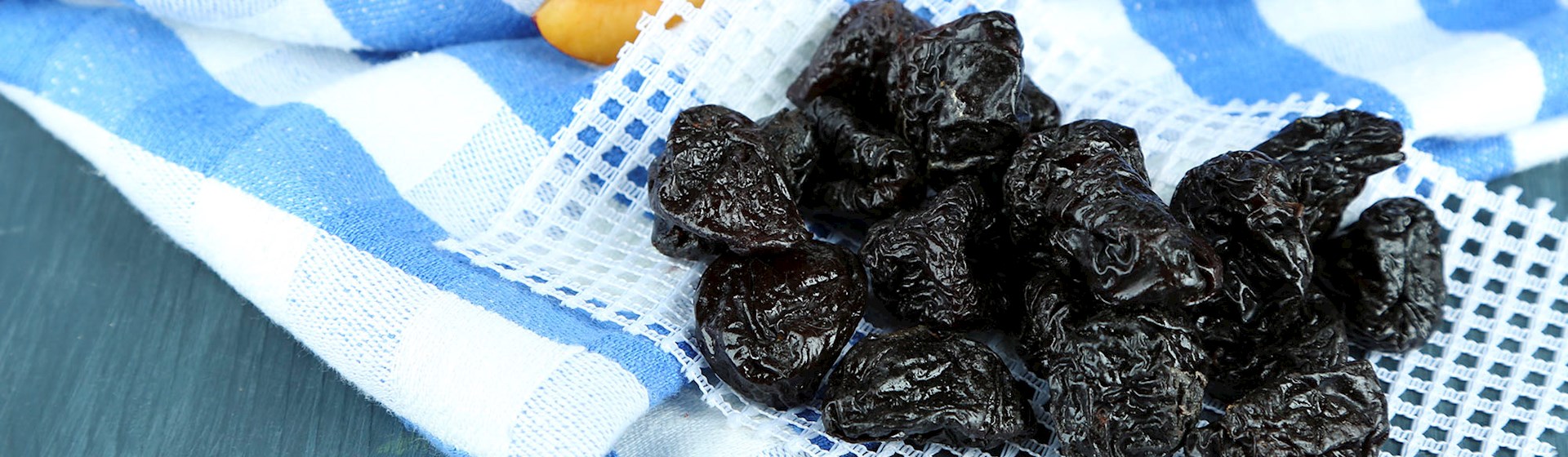
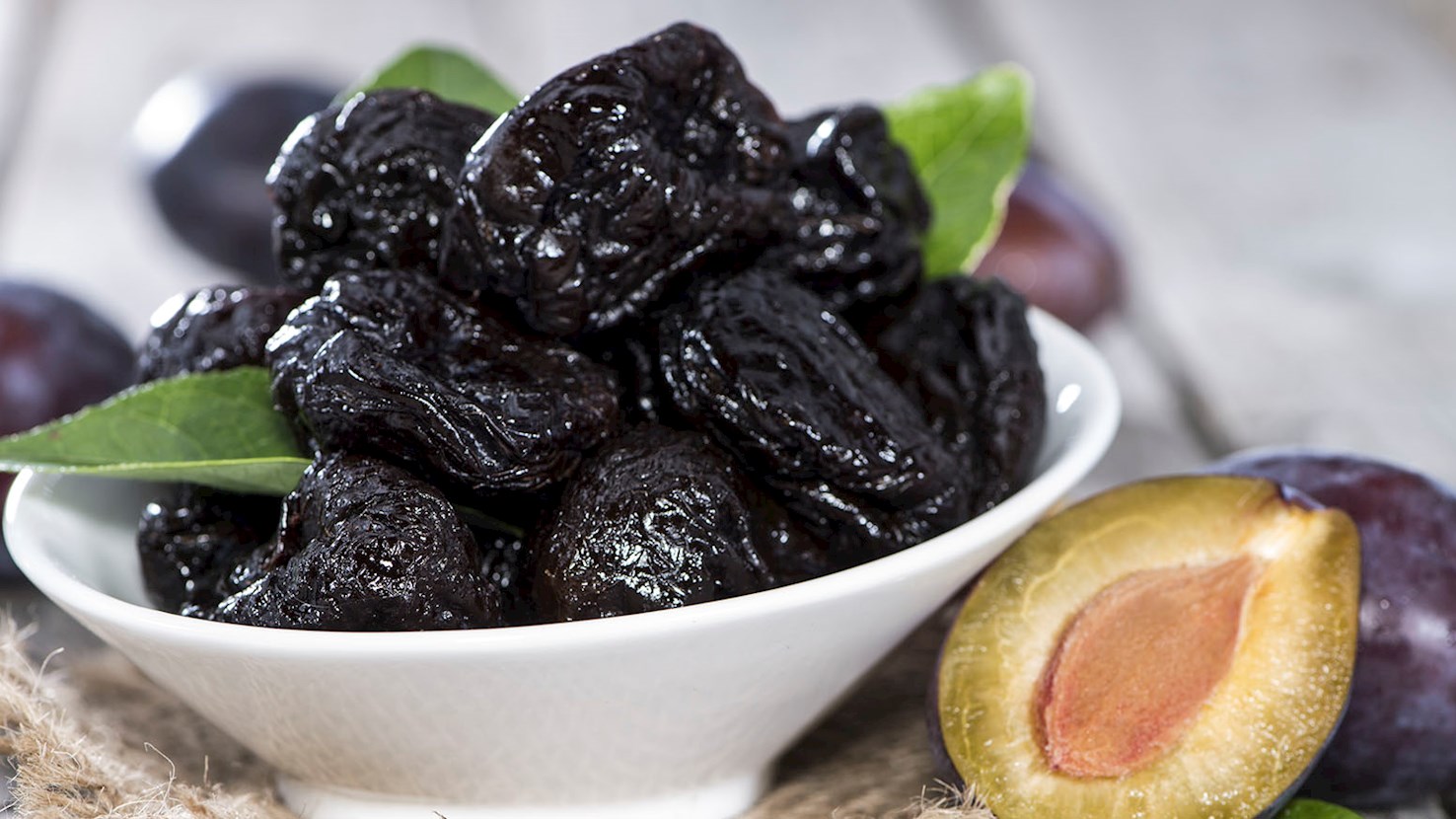
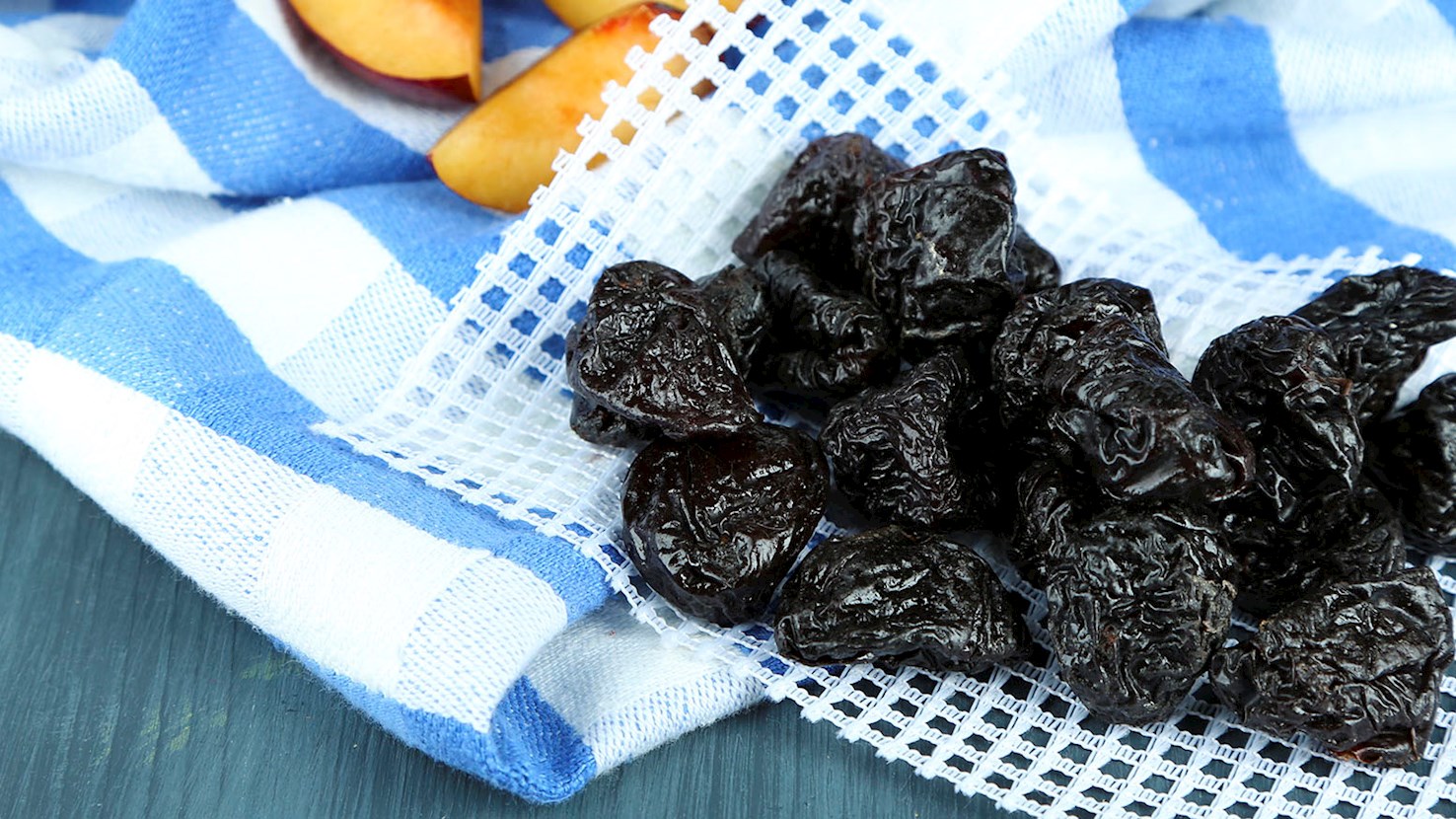
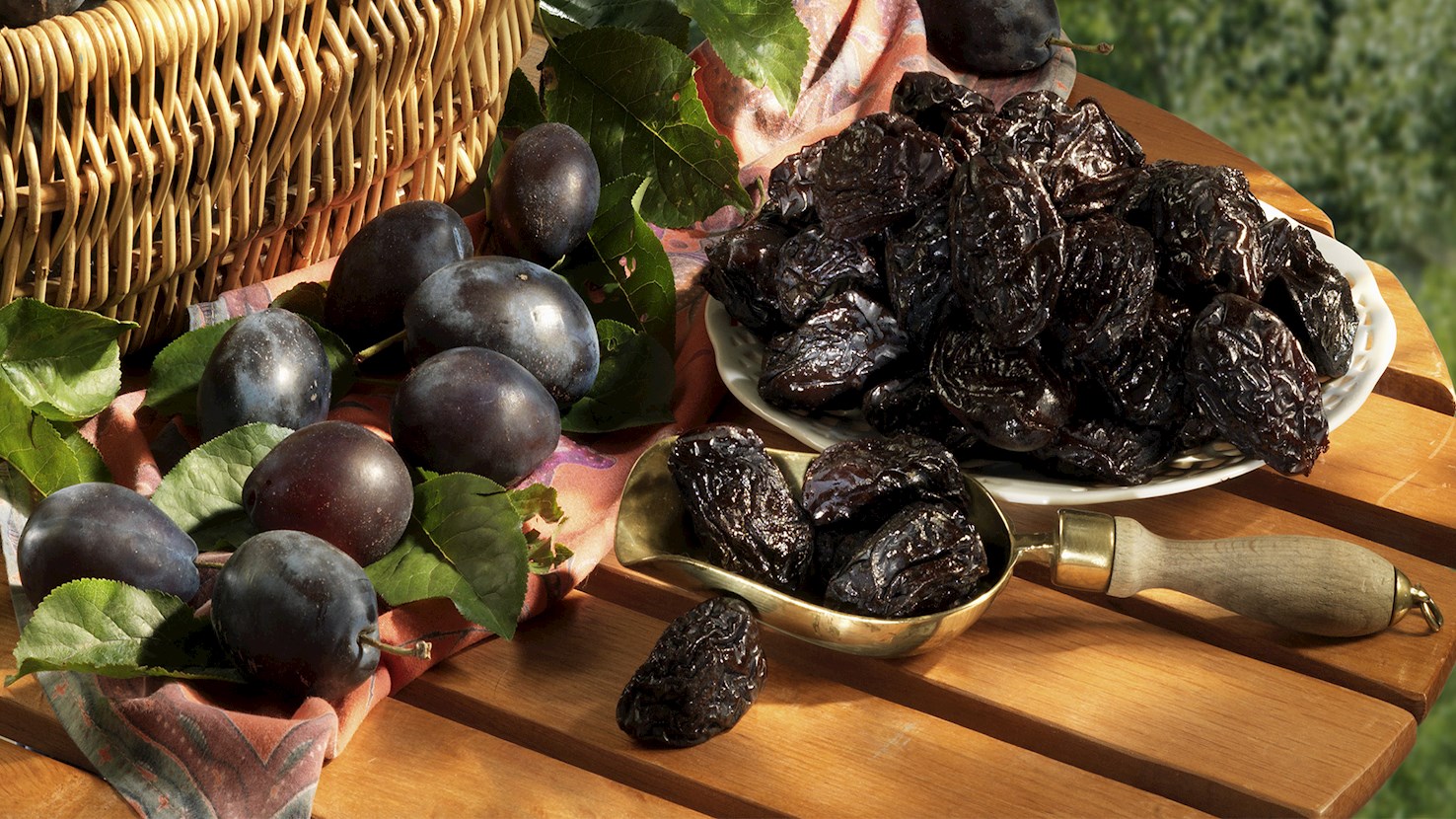
Śliwka szydłowska is a unique dried and smoked prune that can be either pitted or unpitted, produced in the Staszów district, Świętokrzyskie Voivodship in Poland, a region with rich lime soils and high amounts of sunshine which favorably influence the plum cultivation in the area. The prunes may be flattened or oblong in shape and have wrinkled, shiny skin with a dark blue exterior sheen. On the interior, there is a homogeneous, elastic flesh with a strong, pure and intense taste and a smoky scent. Only the blue plum Prunus domestica is suitable for the production due to its high sugar content and low water content, which are desirable properties for the smoking process, which is done in drying rooms for approximately 48 hours. The prunes are so popular that there is even an annual Plum Festival in Szydlów where traditional plum-drying processes are demonstrated.
Suska sechlońska is a dried and smoked prune grown and produced in the Malopolskie Voivodship in Poland. Its name refers to the Polish word for dried fruit, suska, while the word sechlońska refers to a place called Sechna, known for its traditional drying process. The prunes may be prolate or oblong and have wrinkled, sticky skin on the exterior which can be deep blue to black. On the interior, it has a juicy, pulpy and elastic flesh and the taste is delicately sweet with a smoky scent and aftertaste. Due to their high sugar content and low water content, only plums of the Prunus domestica variety are used in the process, making them suitable for drying and smoking. According to a local legend, a priest told his parishioners to plant plum trees as penance for their sins. In time, the parishioners started making plum vodka and getting drunk. In order to stop the drunkenness trend, the priest ordered that the fruit had to be dried, so the parishioners couldn't convert it to alcohol, and that is how the tradition of drying and smoking Suska sechlońska came to be.
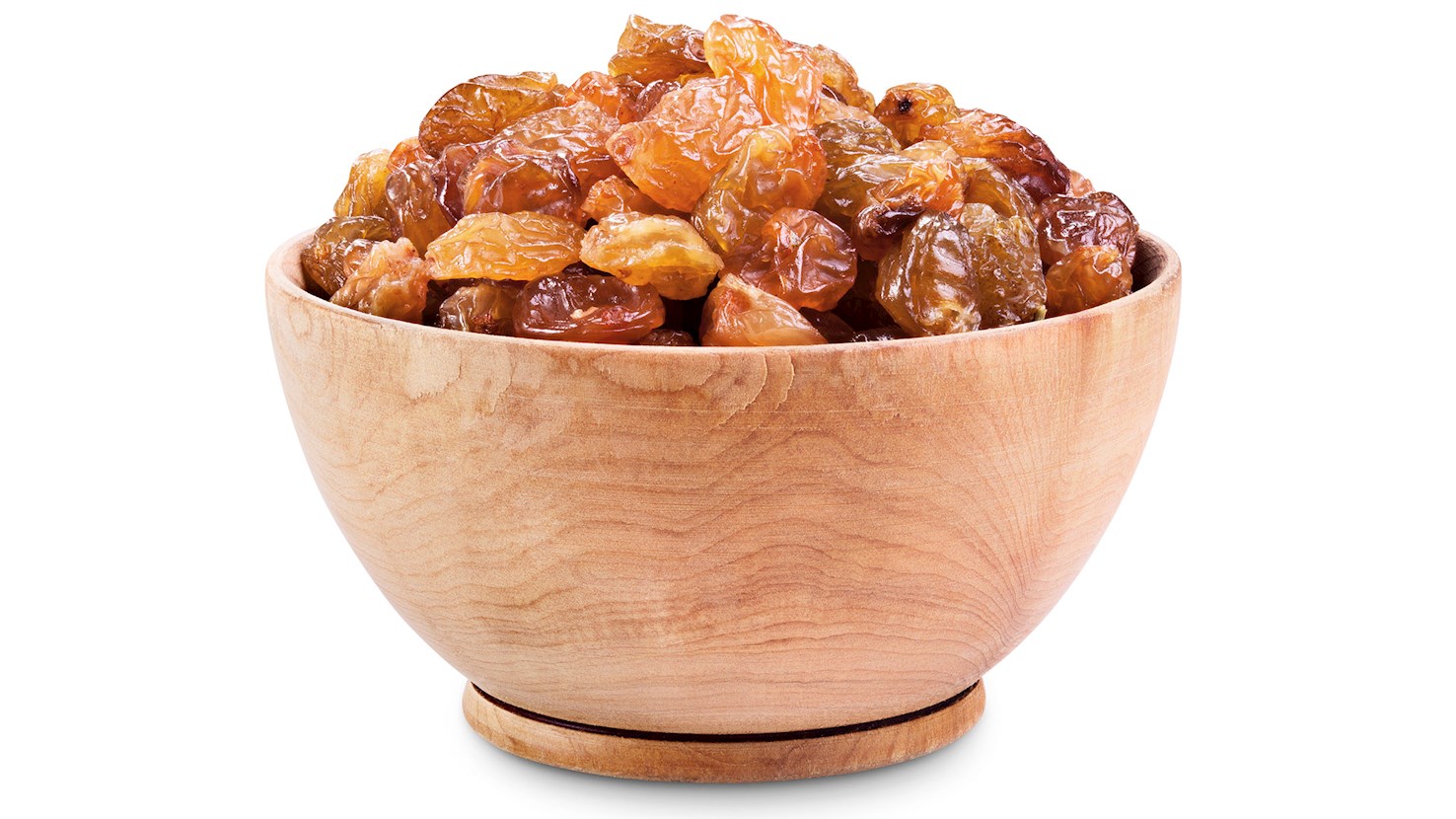
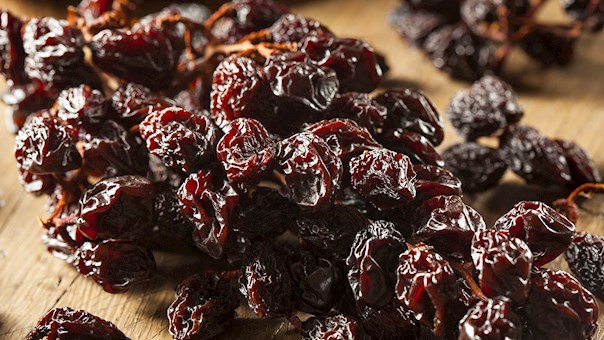
These dried grapes (sultanas) are produced exclusively from Sultanina grapes. This variety replaced the local Cretan varieties of grapes in the early 20th century, when refugees from Asia Minor arrived and began cultivating Sultanina grapes using their traditional skills and knowledge. Due to the island's low level of precipitation and long hours of sunshine in July and August, these grapes have an extremely high sugar concentration. The grapes are harvested from mid-August through mid-September and are put to dry immediately after they are picked. These sultanas have a distinctive golden-brown color, a flavor reminiscent of vanilla, a high sugar content at a minimum of 75%, and a maximum moisture content of 16 %. These raisins are very well known on the international market and are often used to prepare cakes and other desserts.
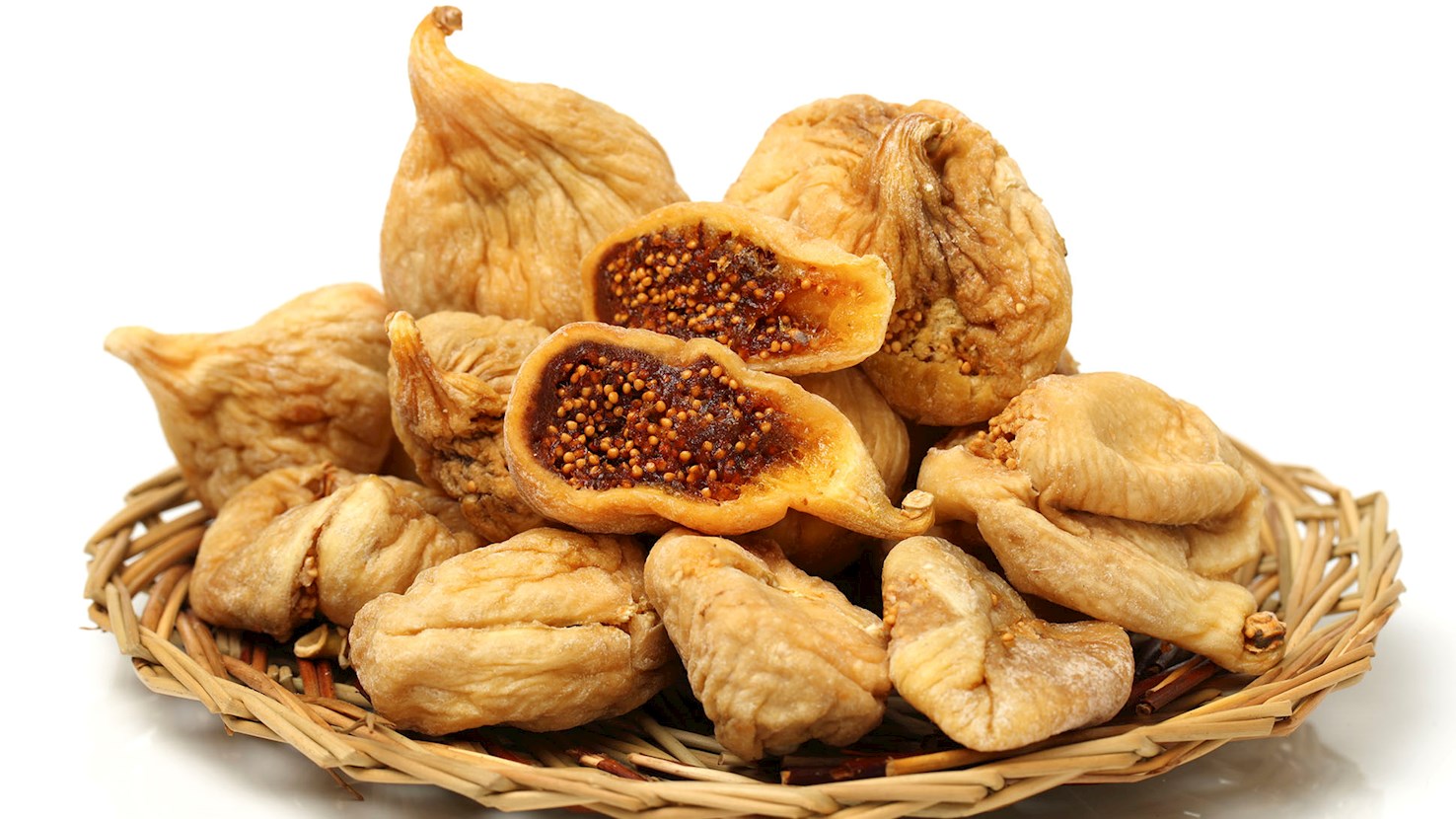
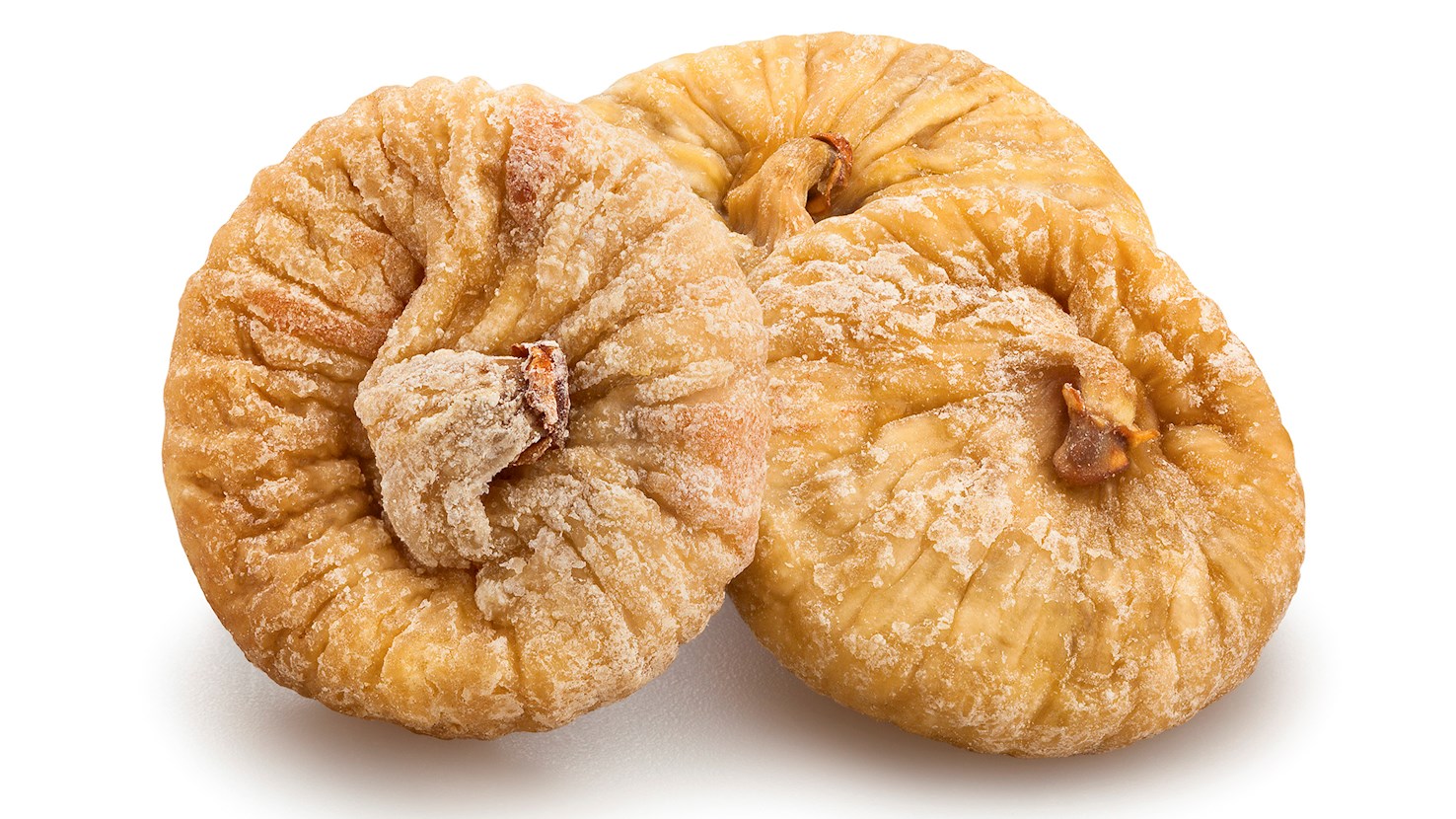
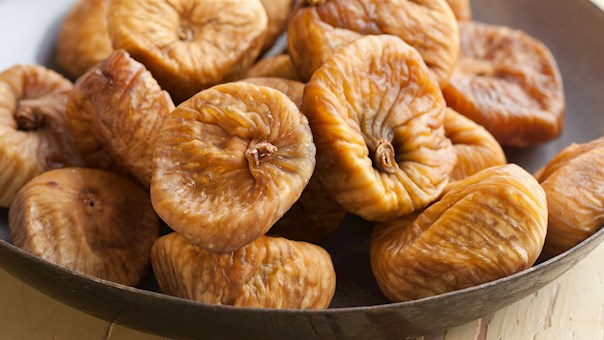
These large dried figs are made from Traganika variety figs grown exclusively in the municipality of Kymi on the island of Evia. The fig tree of this local variety has hardly any natural pests, which means it can be organically fertilized and requires no pesticides. Kymi figs are harvested from August until the end of September. They are gathered when fully ripe and placed in wooden baskets called 'telara'. They are processed in special chambers using sulphur vapors and cut in half, and are then left to dry naturally in the sun for 4 to 5 days. After drying is complete, the parts are stuck back together by their insides to form the final product, called 'askada'. They are then are washed in hot water to soften, cleaned, and left to dry for another 24 hours. These figs have gained great recognition among consumers, and many products are also made from Kymi figs, such as fig bars,fig jams, and fig honey dressings.
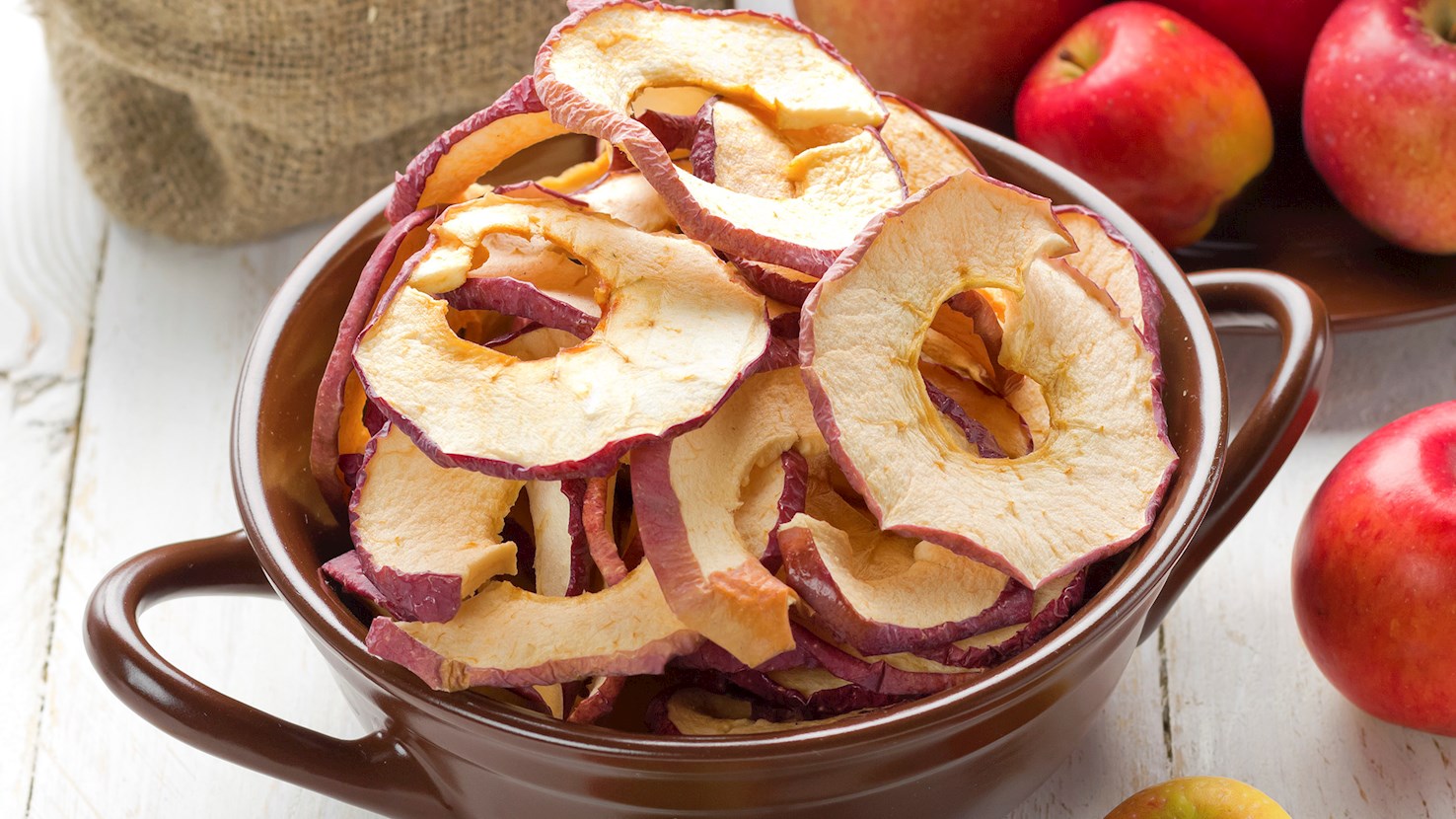
This popular Czech snack is prepared with pitted and sliced apples that are slowly air-dried or dehydrated in the oven. Depending on the size and cut, their texture varies from thin and crispy to thick and chewy. Although they are most commonly enjoyed as a quick and healthy snack, křížaly can be used as a nutritious addition to porridges and various desserts, or as festive Christmas decorations.
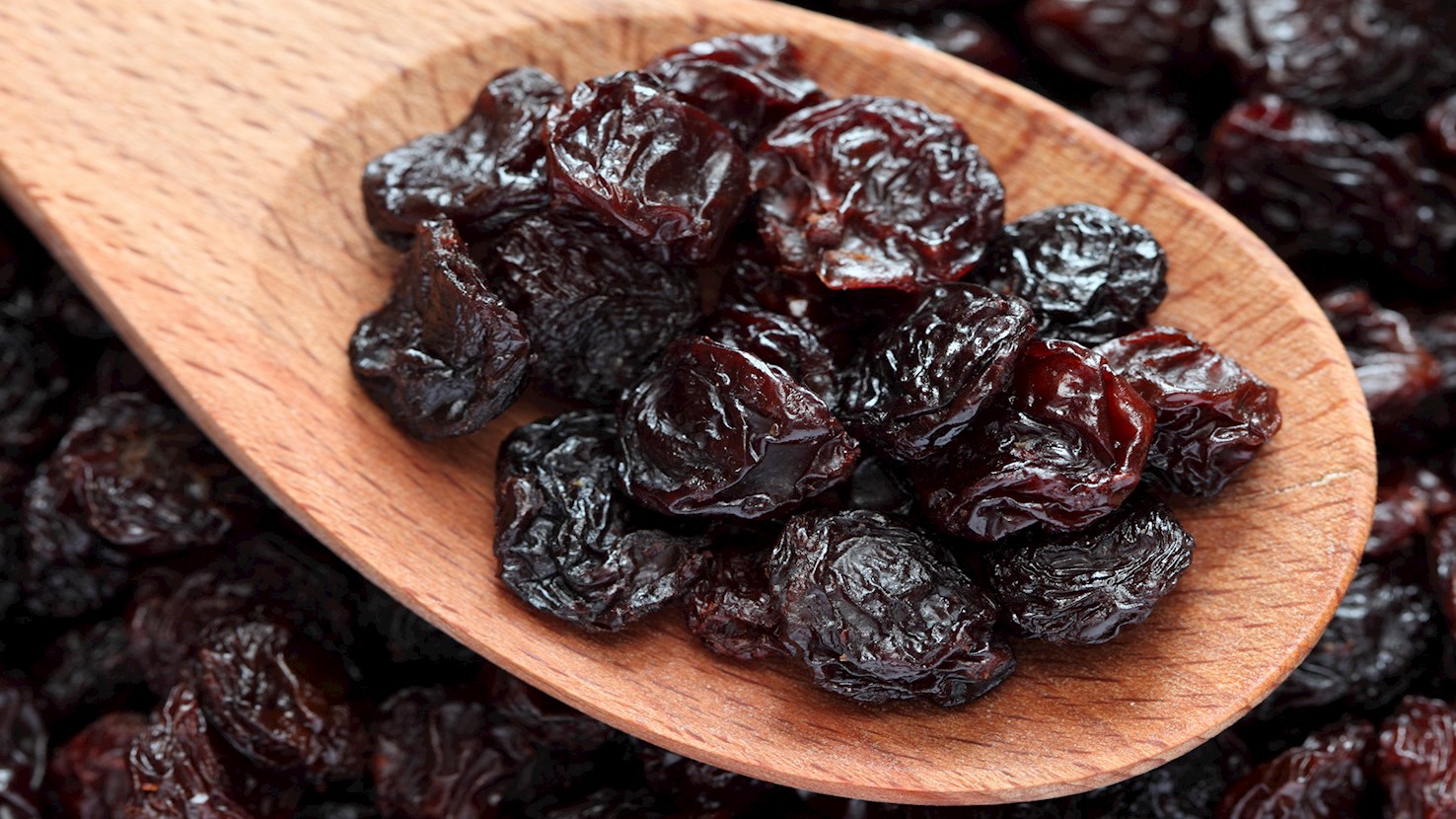
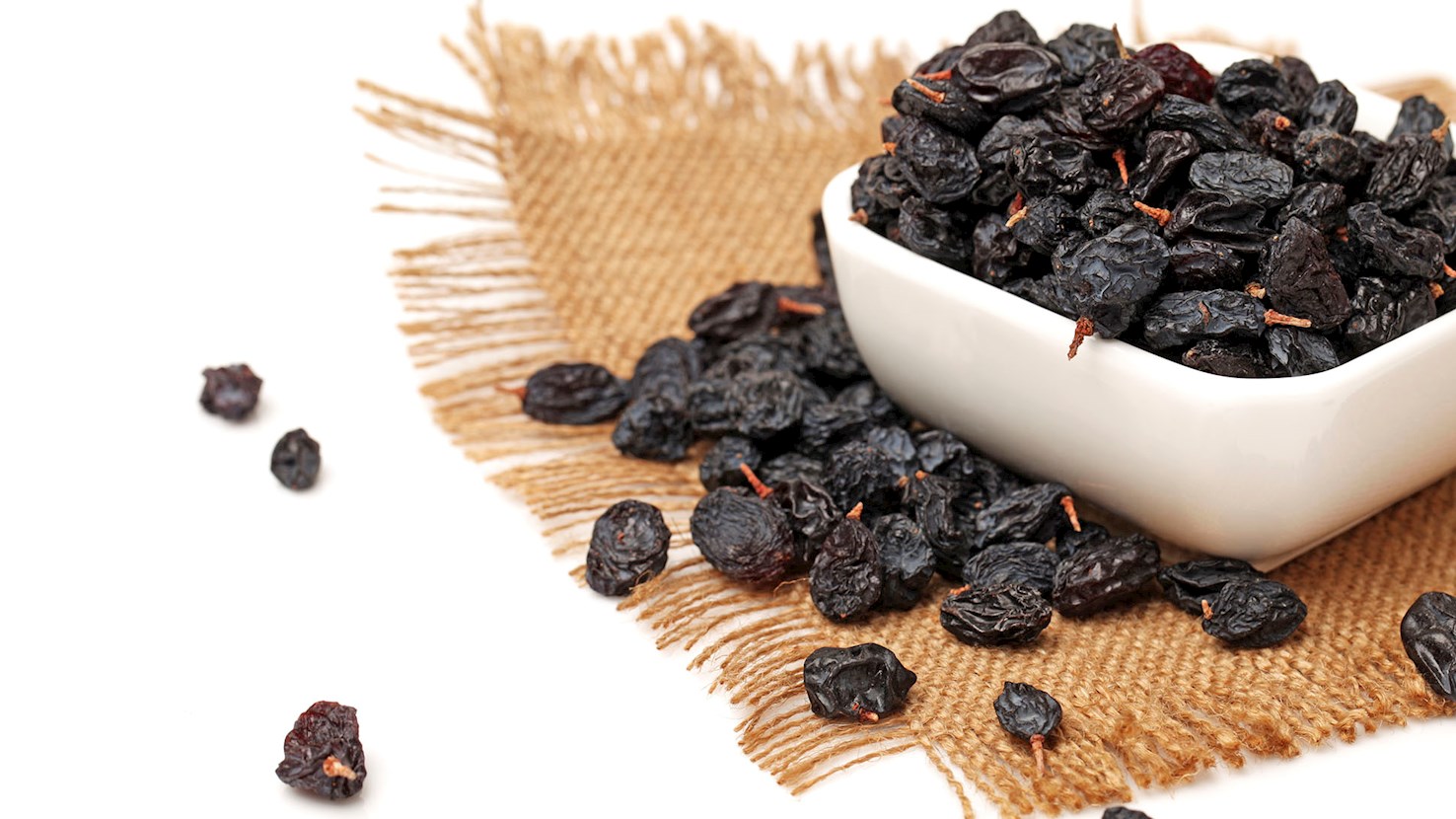
This variety of raisin has been produced since the 13th century in the ancient city of Aigio in the northern Peloponnese, on the hills overlooking the Gulf of Corinth. The Corinthian raisin is made from small, sweet, seedless grapes of the black Vostizza variety that have been dried naturally in the open air. These raisins are sorted manually and cleaned several times before final packaging, and they are sometimes glossed with vegetable oil to make them shinier. Corinthian raisins are very small and have an intense flavor, with an almost 75% sugar content. They are blue-black in color, and their scent is strong and fruity. These raisins are a significant source of vitamin C and natural antioxidants. They can be eaten raw, but they are most commonly used in the preparation of sweet or savory dishes. This raisin is world famous, and is exported in great quantities.
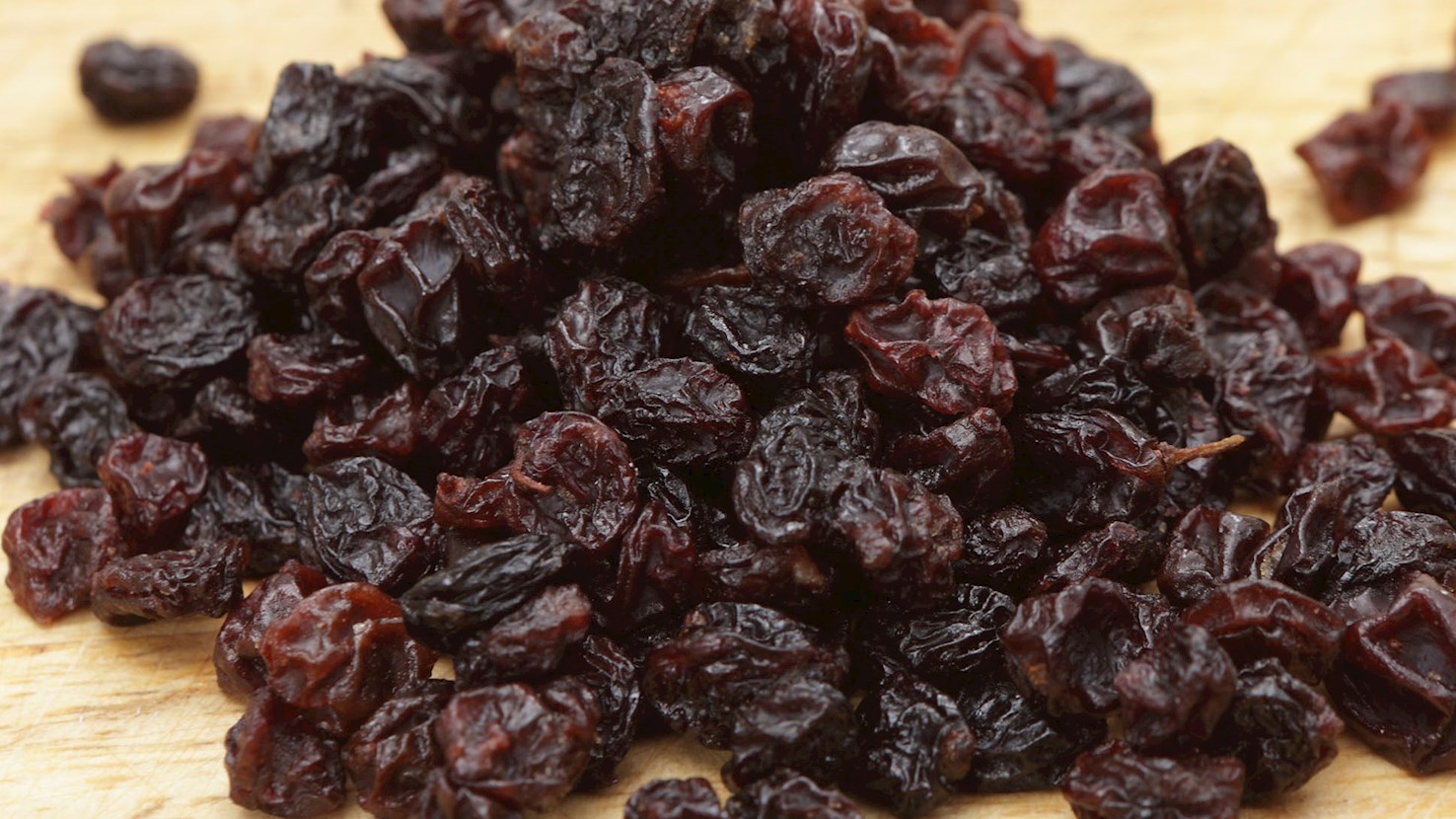
Internationally marketed under the name Zante currants and also known as Corinthian raisins, Stafida Zakynthou are dried berries of the small, sweet, seedless grape cultivar called Black Corinth, grown and sun-dried naturally on the island of Zakynthos from the 16th century. The exceptional quality of these raisins is a result of the special soil and climate conditions on the island where long hours of sunshine and high temperatures during the summer contribute to their high sugar content and to their characteristic sweet flavor. The crop is harvested by hand when the grapes acquire the needed sweetness and become deep purple. They are immediately left to dry on the ground on paper or plastic grape racks. No chemicals are added to quicken the procedure. Once the drying is complete, the clusters are rubbed gently in order to separate and remove the stalks. These currants are of exceptional quality and unique taste which makes them highly requested among consumers.
Agen prunes are the dried fruits of the prune d'Ente plum tree variety that is grown in the Aquitaine region of France, namely between the rivers of Lot and Garonne. Plums have been introduced to the region in the 13th century when a Crusader returning from Syria brought with him some pits and gave them to the local monks who began cultivating them, while Agen prunes have been produced since the 16th century and take their name from the riverside town which has been an important port for the transport of dried fruits throughout France and the rest of Europe. These glossy, almost black, amber-fleshed prunes make for a great addition to foie gras, or stews and roasts made with pork, game or poultry, but they also go amazingly well with aged and blue cheeses, or they can be used for making compotes and various desserts.
This variety of raisin is produced from black wine grapes in Ilia prefecture, where they have been produced since the beginning of the 14th century. These raisins owe their special characteristics to the excellent soil and weather conditions in the region. This sweet grape variety can be harvested in August, earlier than other grapes. They are also rounder, more uniform in shape and have a deep black color. There are two methods of drying used in Ilia – one is to directly expose the grapes to the sun on special surfaces called alonia, and the other is to dry them in the shade on special frames, which takes longer but produces raisins with superior color. Ilias raisins enjoy a high reputation today, and the majority of the raisins produced are exported to the European Union, especially to Germany, the Netherlands, and the United Kingdom.
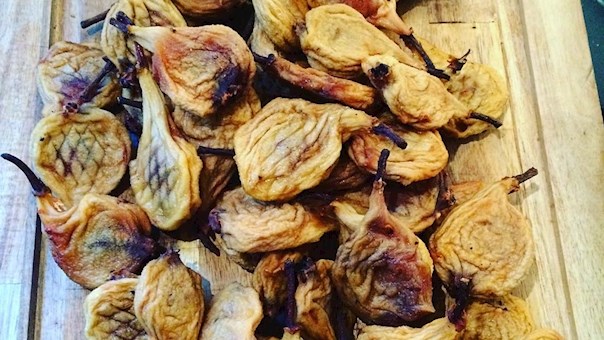
These dried figs of the Smyrna variety are produced in the villages of Taxiarchis, Neos Pyrgos, Agios Georgios, Orei, Istiaia, Kamaria, and Kastaniotissa in the northern part of the island of Euboea. The area benefits from the neighboring mountains and the Aegean Sea breeze, and it enjoys a favorable Mediterranean climate with long hours of sunshine, which gives the succulent, thin-skinned Taxiarchi figs a particularly sweet flavor. They are carefully hand picked in August and then slowly dried under the sun, which coaxes out a wonderful light yellow color and an intense honey-caramel aroma. Taxiarchi figs make for an excellent all-day snack, but they can also be enjoyed chopped into salads or as an appetizer with cheese and cold cuts.
TasteAtlas food rankings are based on the ratings of the TasteAtlas audience, with a series of mechanisms that recognize real users and that ignore bot,
nationalist or local patriotic ratings, and give additional value to the ratings of users that the system recognizes as knowledgeable.
TasteAtlas Rankings should not be seen as the final global conclusion about food. Their purpose is to promote excellent local foods,
instill pride in traditional dishes, and arouse curiosity about dishes you haven’t tried.









What People Say