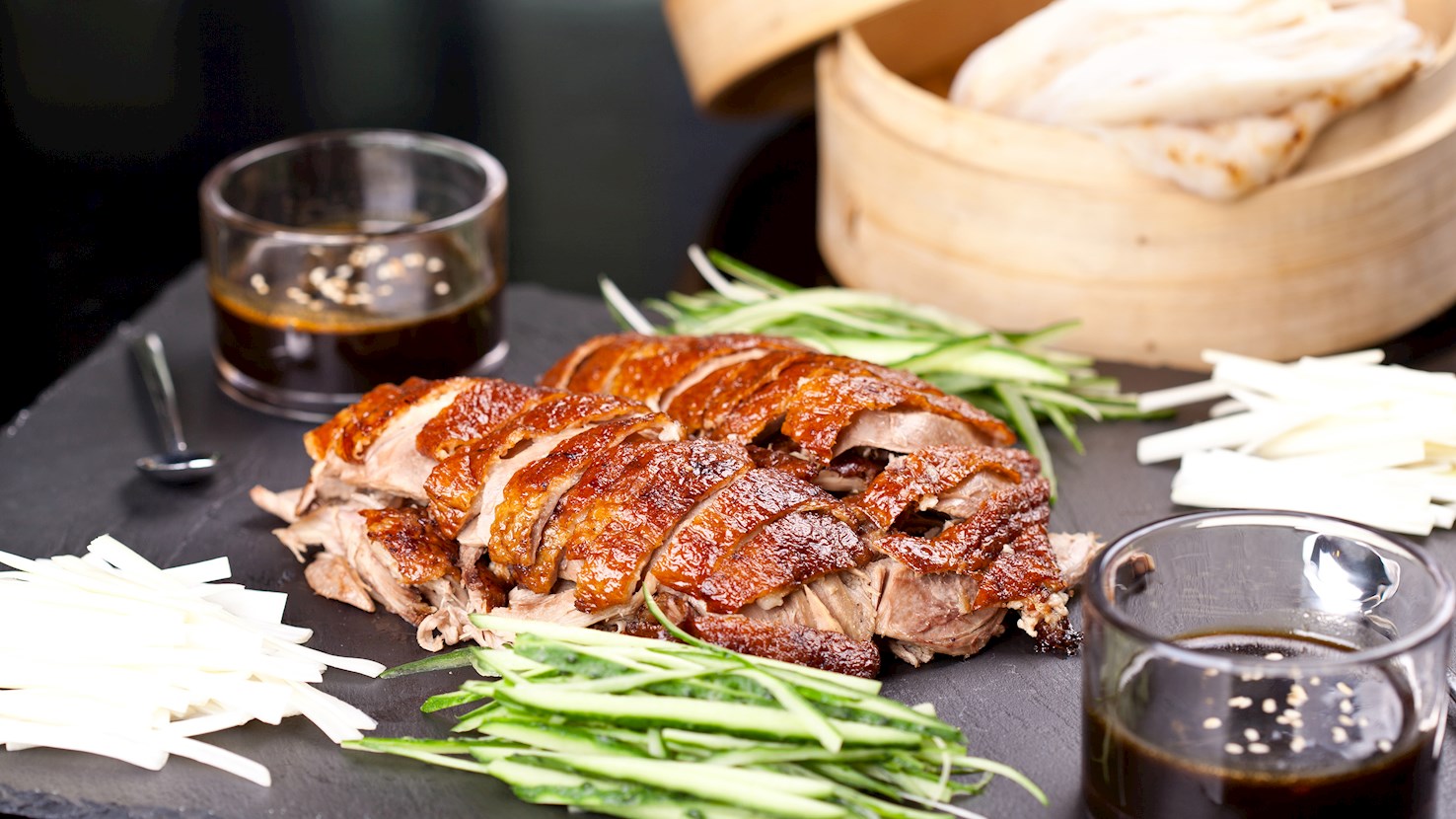
The history of Peking duck goes back to China's Yuan Dynasty of the 13th century. Bianyifang, Beijing's oldest restaurant specializing in Peking duck has been in business since the Jiajing reign of the 16th century, serving as a testament to the popularity of this succulent, tantalizing dish. The duck is cooked until the skin turns golden and crispy and the meat becomes tender, slightly sweet, and moist. Both the meat and the skin are then folded in thin pancakes or steamed white buns. To make an authentic Beijing kao ya, the duck must be a white feathered American Pekin, hung for 24 hours, and pumped with air through a small puncture between the breasts and wings. It is usually brushed with a mixture of ginger, oil, hoisin sauce, honey, and rice vinegar, then vertically hung and slowly roasted to perfection. When the dish is served, the skin will often come first as an appetizer, followed by the meat which is accompanied by cucumbers, scallions, hoisin sauce, buns, and pancakes. With its 400-year history, exquisite flavors, and elaborate preparation, it comes as no surprise that Peking duck is one of the most famous Chinese dishes.
Zhangcha duck is a duck smoked with tea and camfor, originating from the Chinese province of Sichuan which is famed for its spicy dishes. The preparation of this meal is a five-step process; first, it’s marinated, then boiled, air-dried, smoked, and finally, fried. When served, pieces of duck meat are topped on gebao — a clam-shaped bun.
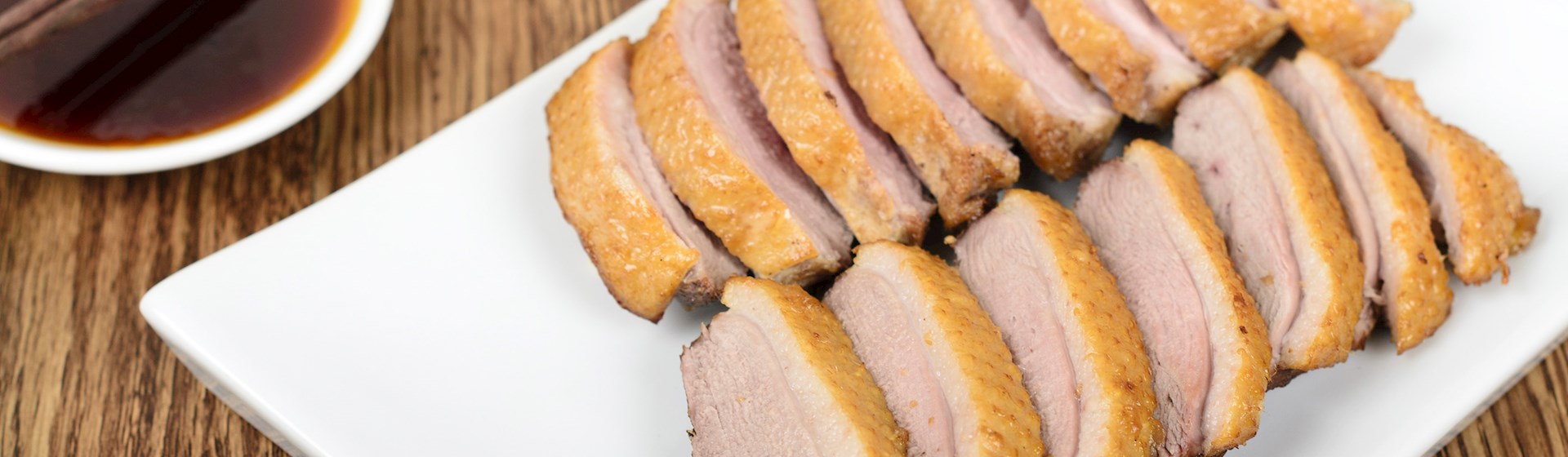
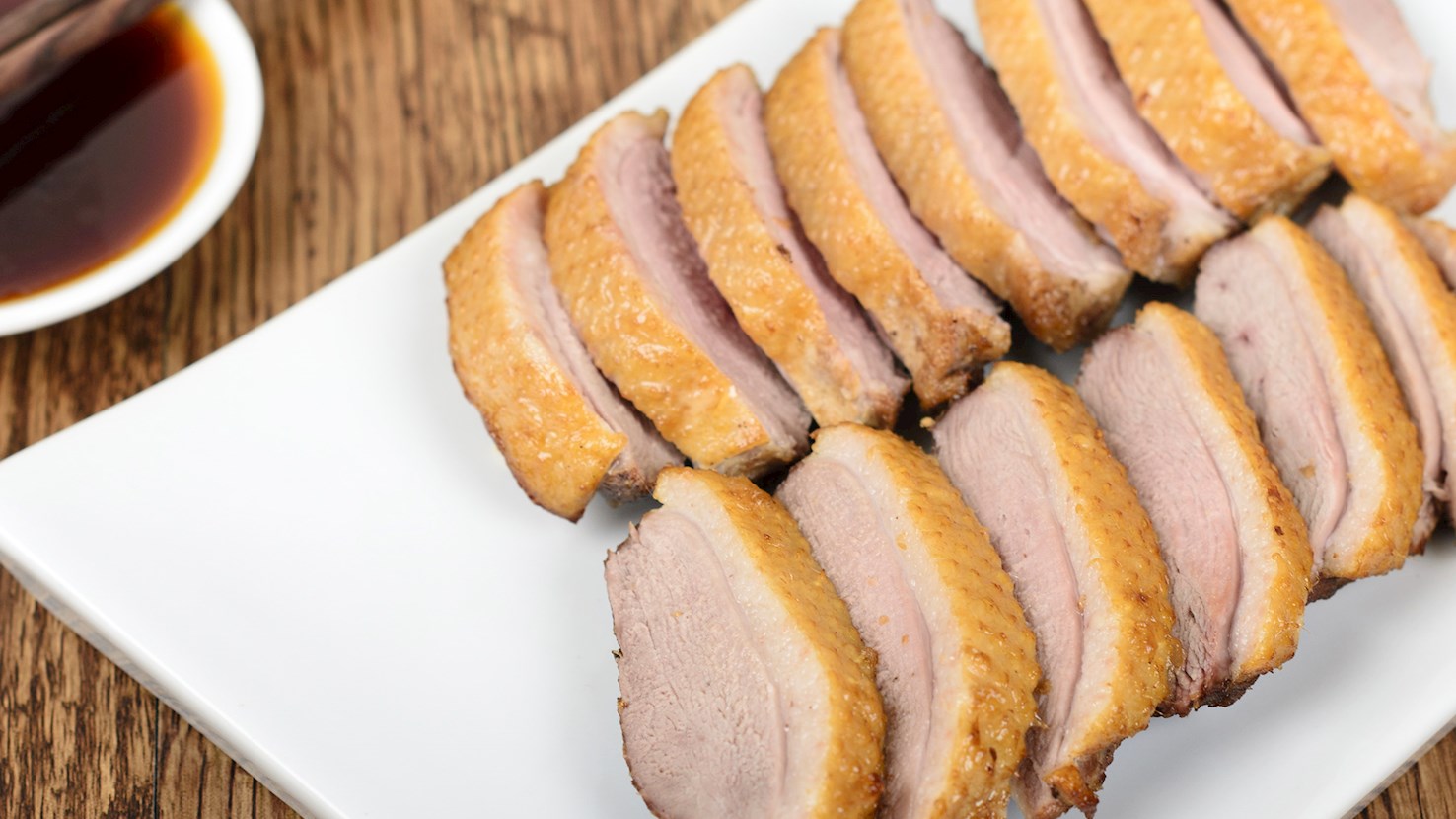
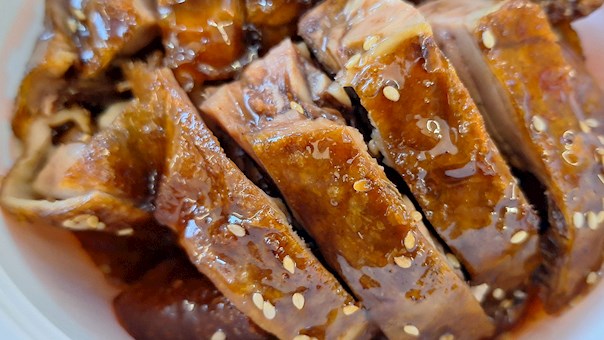
Hangzhou-style duck pickled in soy sauce is a delectable specialty dish of Hangzhou cuisine that delivers the authentic flavors of the region. This dish consists of duck meat cooked in a marinade, and it is then covered with soy sauce and served alongside rice or noodles. Deliciously crispy on the outside while remaining tender and moist on the inside, the duck is commonly served chilled. This dish is aromatic, predominantly savory, and slightly sweet in flavor. It is traditionally prepared and consumed during the celebration of the Chinese Lunar New Year.
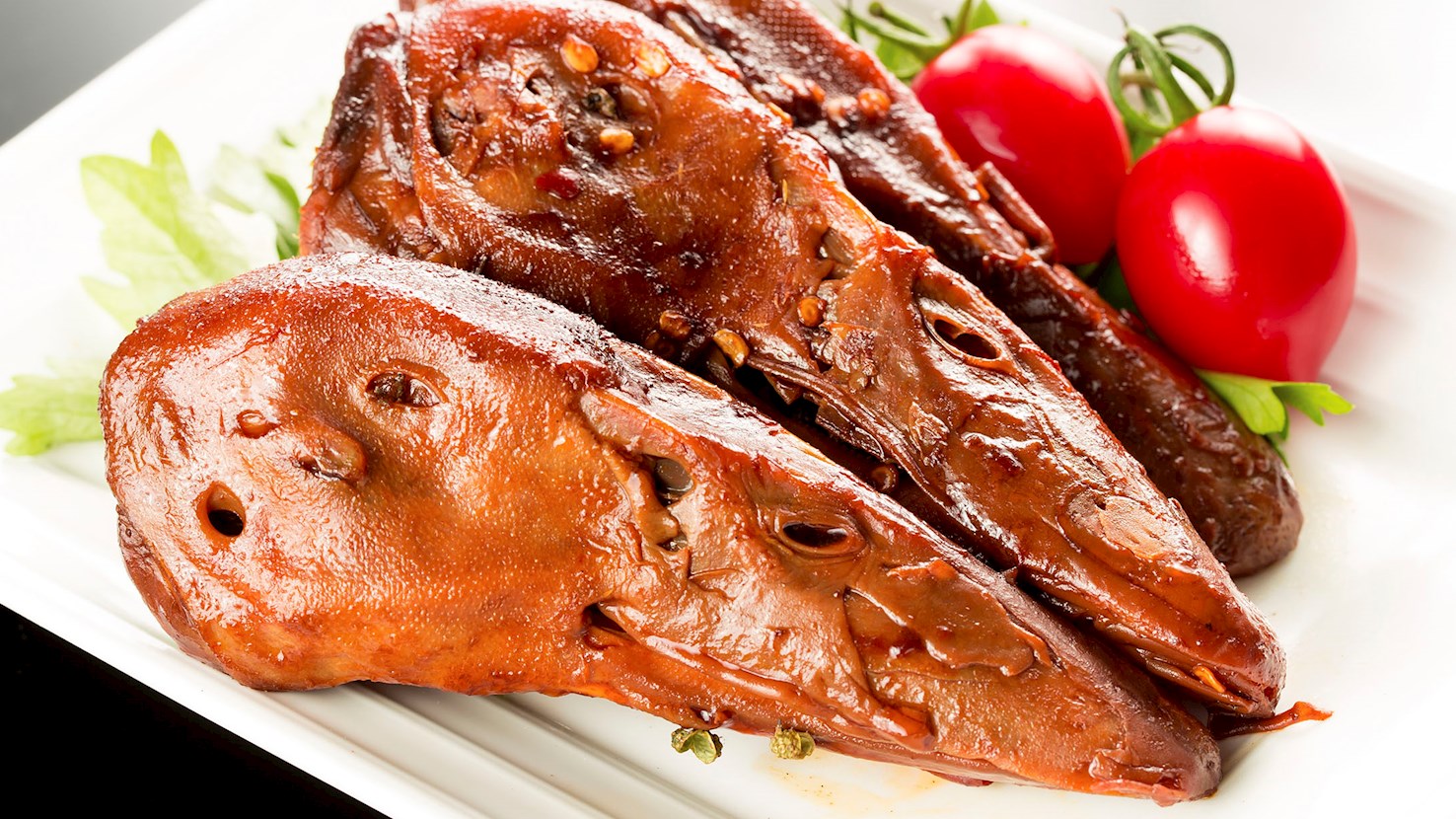
Duck's head is a spicy local specialty from the Chinese city of Wuhan, but it is also a snack that is commonly eaten throughout China, most notably in Shanghai. The dish is made by stir-frying a head of duck with the addition of herbs and spices. Duck's head has a crispy taste as a result of the stir-frying method, and it is claimed to be a healthy food, with one of the duck's head store owners claiming that it helps one's brain power when consumed. Some say that the taste of the dish is not unlike eating a spicy chicken wing, while the others, such as Kellie Schmitt of CNN, describe it as one of Shanghai's weirdest foods. When the head is served, it should be pried open with one's fingers to get to the tender meat on the interior.
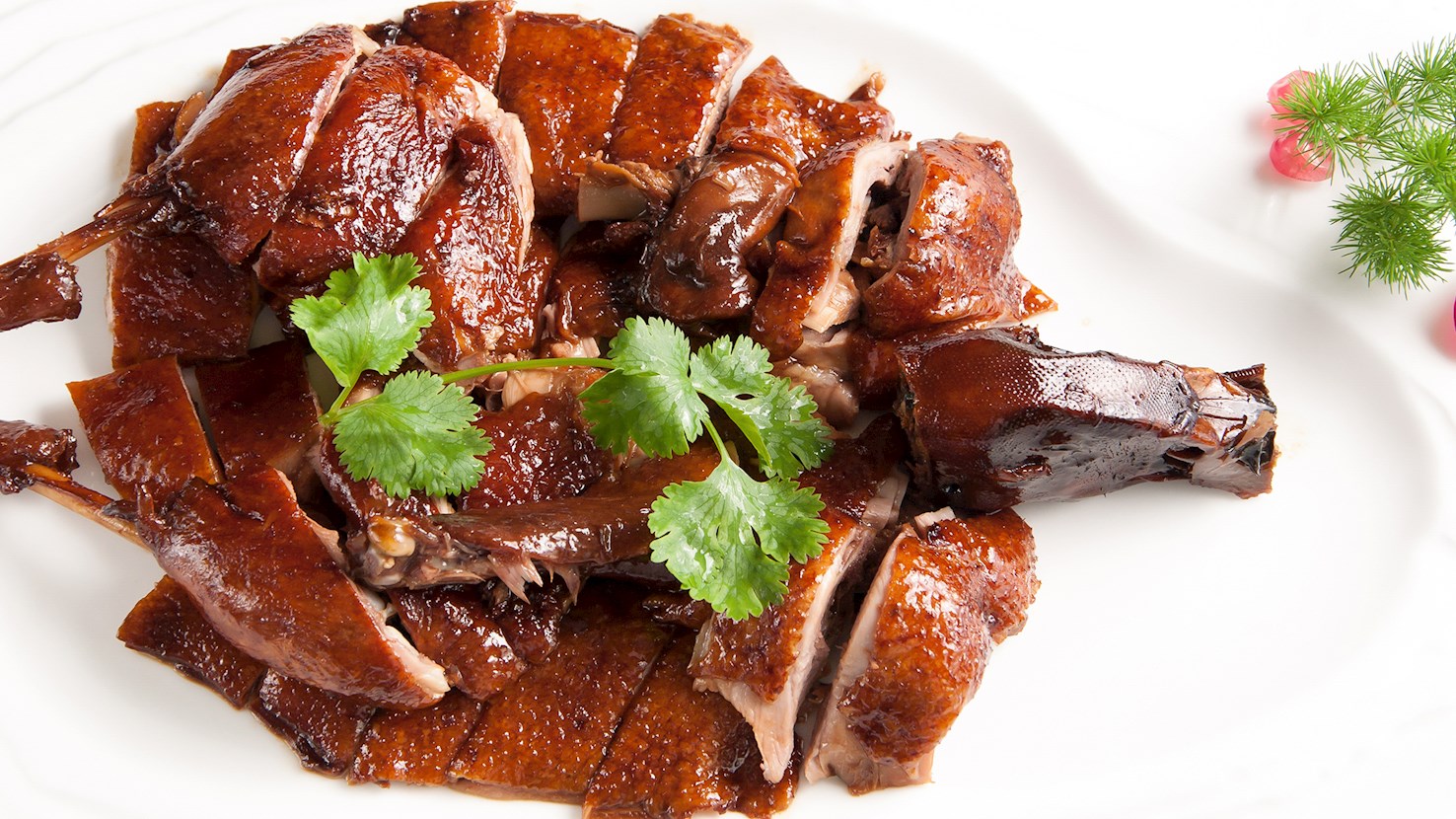
Teochew braised duck is a traditional dish from the Chaozhou region of China, especially popular in the Singaporean Teochew community. This dish exemplifies the Teochew culinary style, which emphasizes the preservation of the original flavors of the ingredients and employs techniques like braising and slow cooking. The duck is cleaned, and its inner cavity might be stuffed with various aromatics or seasonings, depending on the recipe. The primary braising liquid typically consists of a mixture of soy sauce, water, sugar, and a variety of aromatics like star anise, cinnamon, and ginger. Some recipes may also include rice wine, garlic, and other ingredients. The duck is braised in this mixture for an extended period until tender and flavorful, absorbing the rich, savory flavors from the braising liquid. Once cooked, the duck can be sliced and served with a portion of the reduced braising liquid that serves as a sauce. The skin should be glossy from the braising liquid, and the meat tender and flavorful. In Teochew communities, this dish might be found at celebratory events, festivals, or family gatherings, but can also be found on hawker stands.
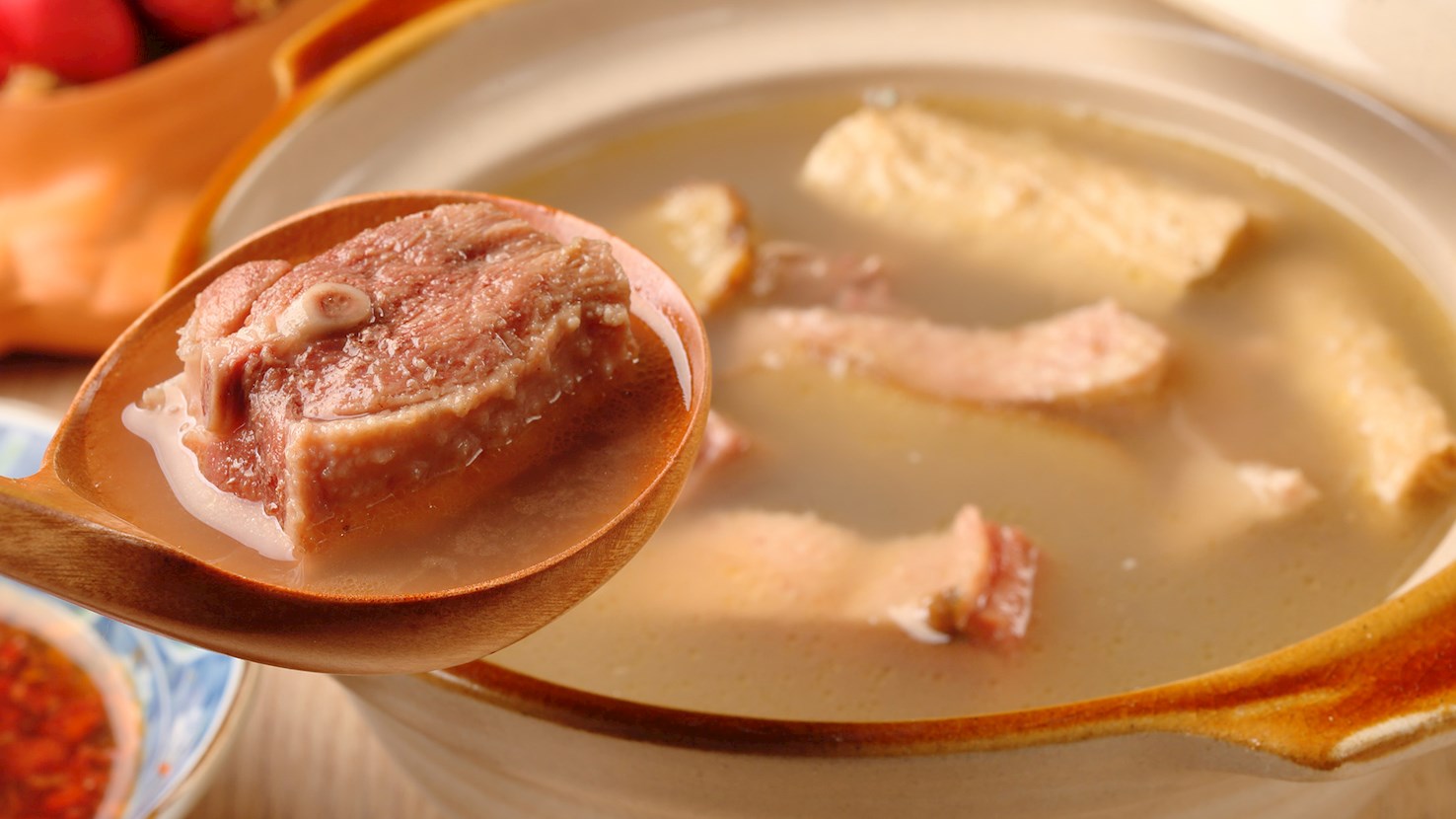
Jiāngmǔ yā is a duck dish from Fujian in southeastern China, most closely associated with the Fuzhou area, where ginger-based preparations are widely used in home cooking and small eateries. It is made by simmering duck with large quantities of smashed or sliced ginger, producing a broth that is aromatic, warming, and lightly spicy. The dish developed in regions where duck farming and ginger cultivation were both common, and cooks relied on ginger to counteract the strong aroma of local duck breeds while creating a soup suitable for cooler seasons and household meals that required simple, reliable ingredients. Over time, the method of pairing duck with ginger became a defining feature of certain Fujian stews, especially in inland villages where duck was raised year-round and ginger was harvested in significant quantities. Preparation begins with chopping duck into bone-in pieces, blanching them briefly to remove impurities, and sautéing the pieces with dense amounts of ginger until fragrant. Water or a light broth is added, and the mixture is simmered until the duck becomes tender and the broth gains depth from both the fat and the ginger. Some families add rice wine to enhance the aroma or include goji berries for a mild sweet note, but the core profile centers on duck, ginger, and a clear, steady simmer that integrates the flavors. The broth takes on a slightly golden appearance, and the ginger softens but retains enough firmness to be eaten by those who enjoy its sharpness. A notable feature is the reliance on mature ginger rather than young ginger; its stronger heat and fibrous texture withstand the long simmering time and shape the final taste of the broth. Jiāngmǔ yā is eaten at home, in small Fujianese restaurants, and in some banquet settings during cooler months. It is commonly served with rice, steamed greens, light pickles, or plain noodles that absorb the ginger-infused broth. It pairs well with mild teas such as oolong or jasmine, and in some households it is eaten with a small amount of rice wine that complements the warmth contributed by the ginger.
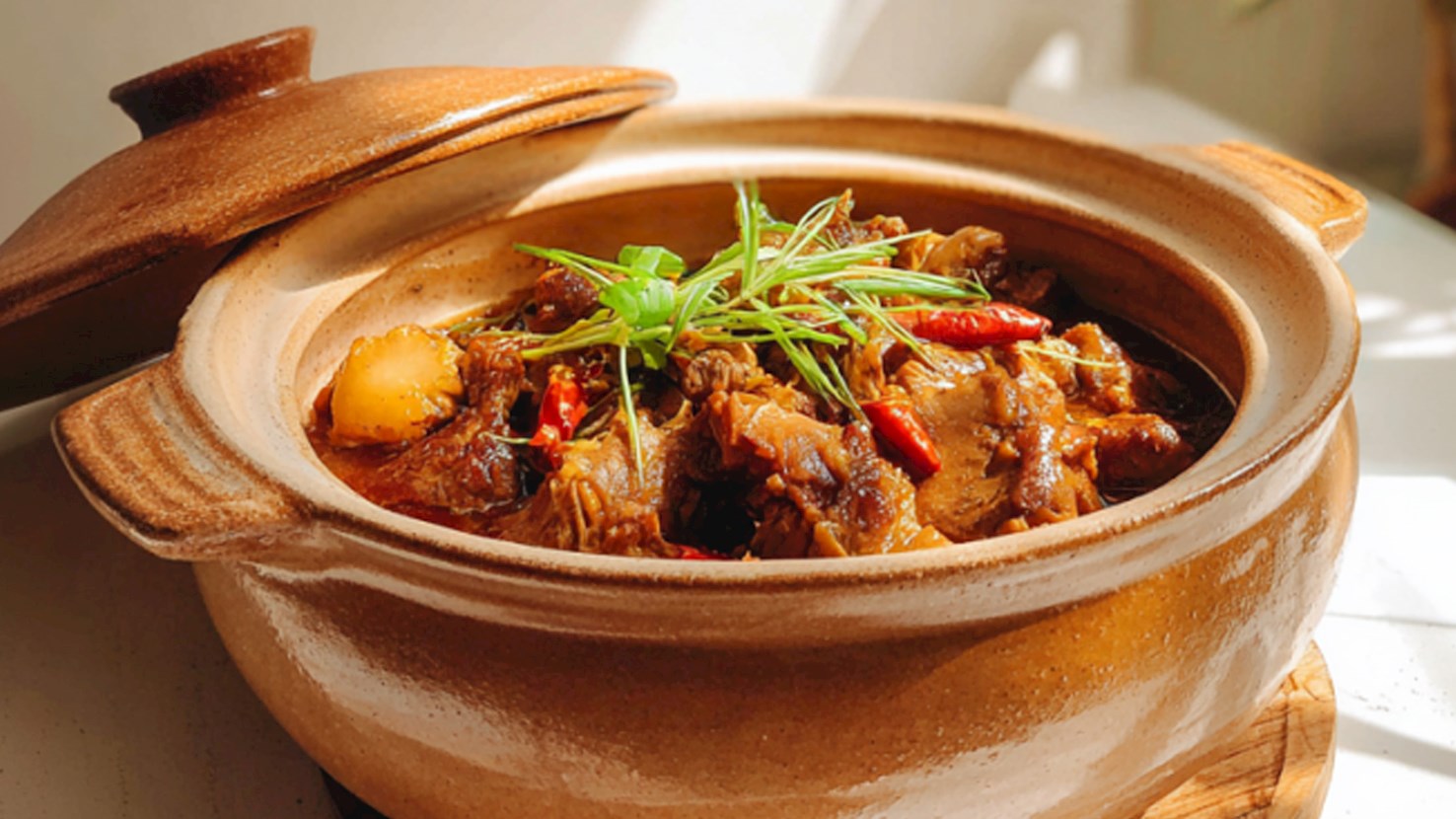
Píjiǔ yā is a braised duck dish cooked with beer, originating in Sichuan. Its name, meaning “beer duck,” comes from the central role beer plays in tenderizing the meat and enriching the sauce, resulting in a deeply savory dish known for its balance of richness and complexity. The recipe grew out of the evolution of Chinese braising techniques and the introduction of beer into domestic cooking in the early 20th century. As cooks experimented beyond the classic soy sauce and rice wine bases of red-cooked dishes, they found that beer imparted a gentle sweetness, subtle bitterness, and malty depth that paired exceptionally well with the rich flavor of duck. This adaptation quickly gained favor in both household kitchens and restaurants, turning píjiǔ yā into a sought-after specialty that bridges older cooking practices with newer ingredients. To prepare píjiǔ yā, a whole duck is cut into pieces and blanched to remove impurities before being seared with aromatics such as ginger, garlic, scallions, and dried chilies. Once browned, beer is added along with soy sauce, sugar, and spices like star anise or cassia bark, creating a braising liquid that infuses the duck as it simmers gently. The slow cooking allows the flavors to concentrate, the alcohol to cook off, and the sauce to thicken into a rich glaze that clings to the tender meat. Depending on the recipe, fermented bean paste or dark soy may be added to deepen the color and umami. Píjiǔ yā is typically served hot and shared family-style as a centerpiece dish. It is often paired with steamed rice, which soaks up the sauce, and light vegetable sides or pickled greens, which offset the richness. In many cases, diners enjoy the same beer used in cooking alongside the meal, completing the experience with complementary flavors.
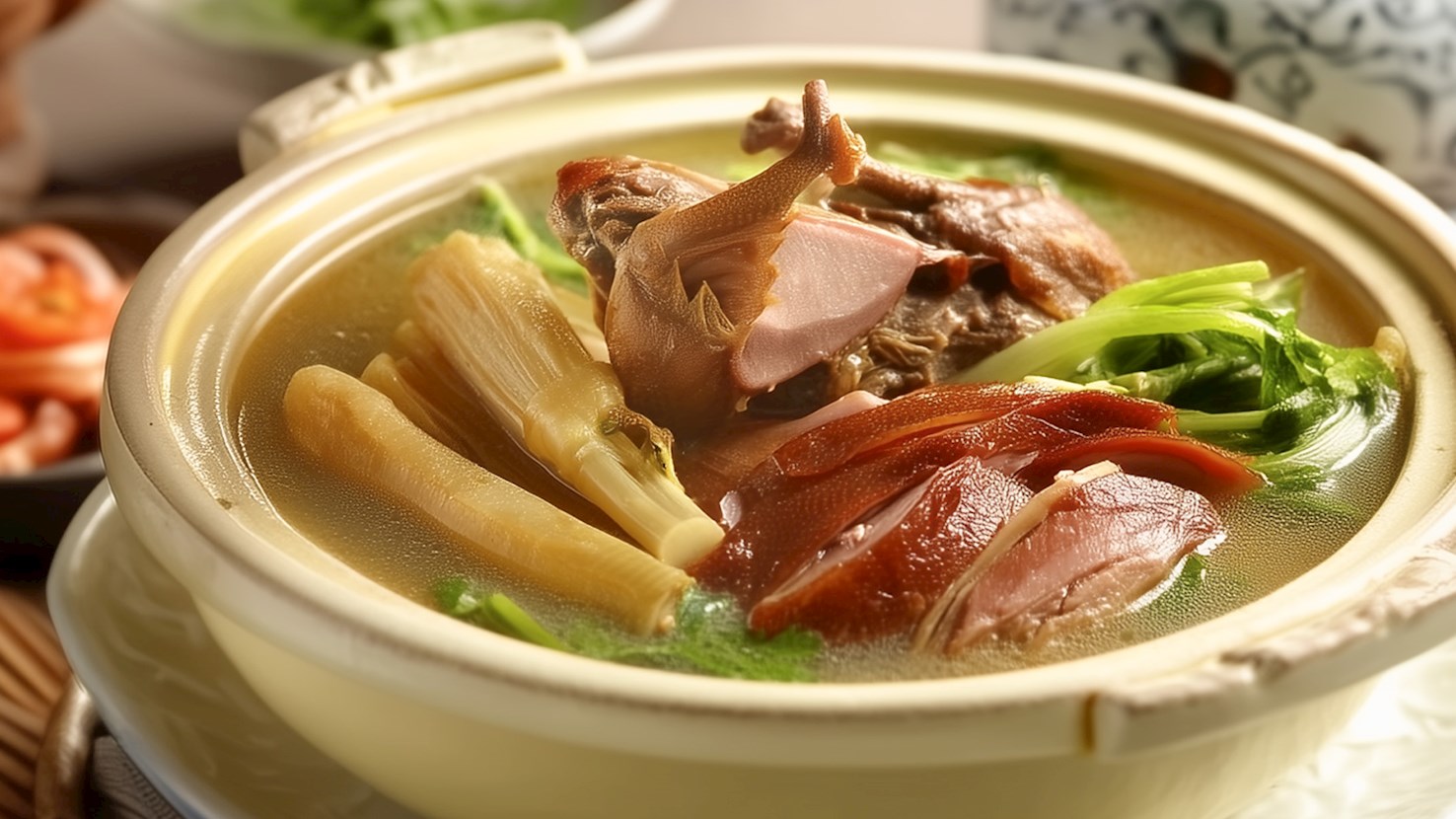
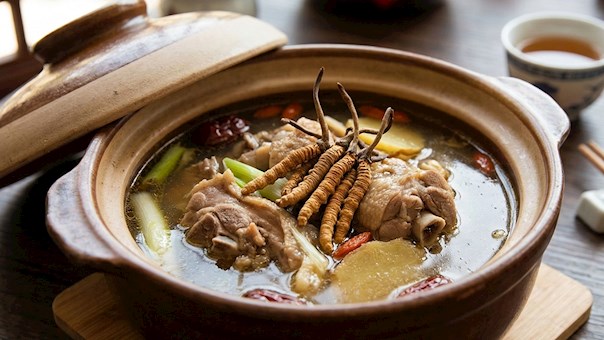
This traditional Chinese dish is made with old duck meat that is stewed with bamboo shoots, chunks or slices of Chinese ham, rice wine, scallions, ginger slices, and seasonings. The tender duck meat is beautifully complemented by the crunchy bamboo shoots and by the saltiness of the ham. This soup-like stew is typically served as a nutritious lunch or dinner.
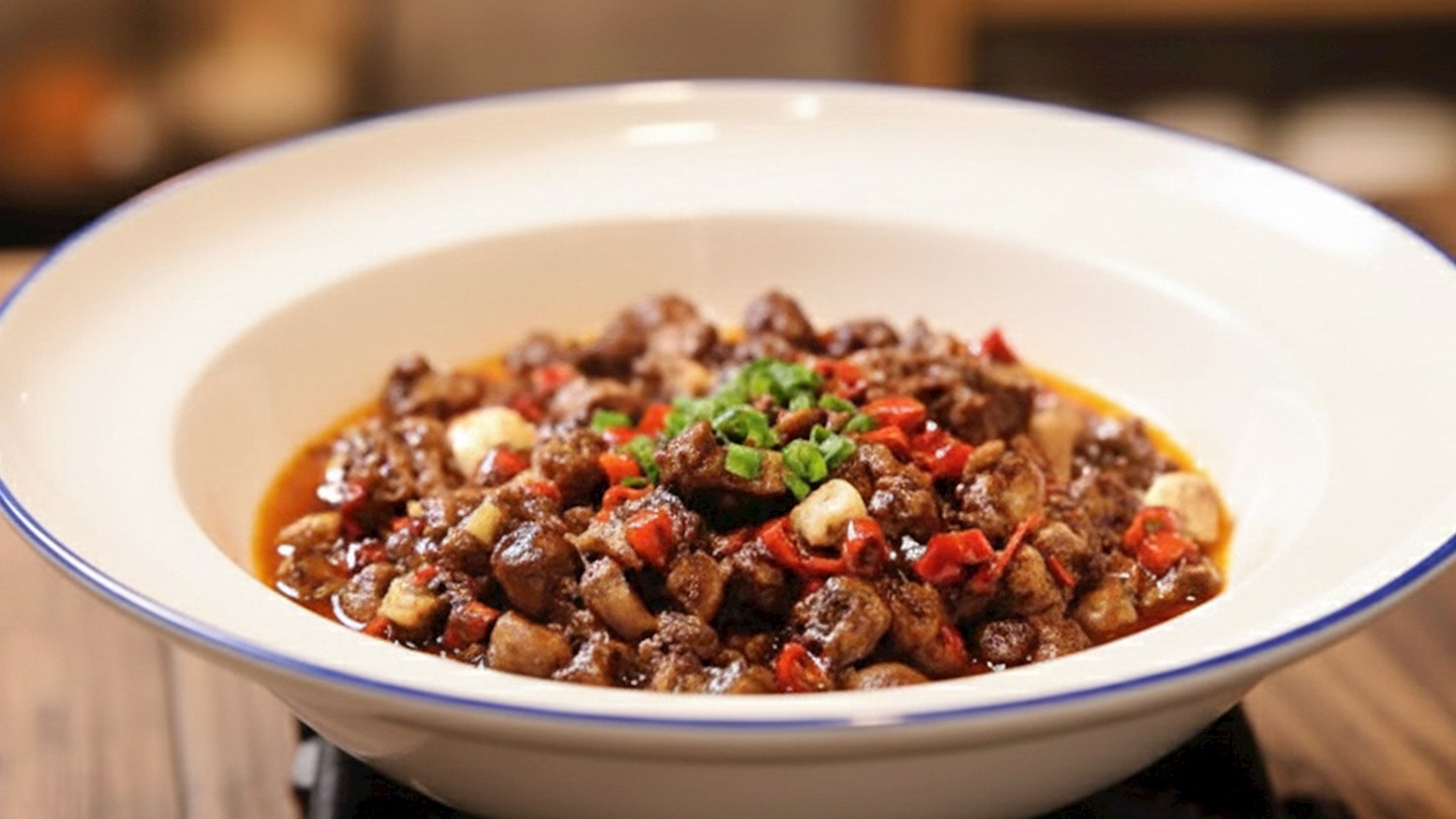
Yǒngzhōu xuèyā is a blood-pressed duck specialty from Yongzhou. The name literally means “pressed blood duck,” referring to the technique of enriching the sauce with the duck’s fresh blood, which is carefully handled to give the dish its deep flavor and distinctive texture. Its roots stretch back centuries to rural households, where duck was a prized ingredient reserved for important occasions. The practice of incorporating blood into the cooking process arose as a way to make full use of the animal and to intensify the flavor of the sauce, a technique that gradually became a hallmark of local culinary skill. Over generations, the dish gained renown beyond Yongzhou, appearing on banquet tables, restaurant menus, and in regional food festivals as a symbol of local cooking. Preparation of yǒngzhōu xuèyā begins with a fresh duck, which is cleaned, cut into small pieces, and marinated with salt, Shaoxing wine, and spices such as ginger and star anise. The duck pieces are first stir-fried in hot oil until their surface is slightly crisp and the fat is rendered, creating a rich base. Aromatics such as garlic, chili, and fermented bean paste are added to deepen the flavor. Once the meat is nearly cooked, a small amount of the duck’s fresh blood, often mixed with a little vinegar to prevent coagulation, is stirred in off the heat. The blood thickens the sauce and coats the meat in a glossy, savory glaze without forming clots. The result is tender duck with a rich, slightly earthy sauce that balances spiciness, umami, and depth. Achieving the right texture and taste requires skill: too much heat will cause the blood to curdle, while too little will leave the sauce thin and underdeveloped. Yǒngzhōu xuèyā is most often served as a main dish at communal meals, especially during family celebrations, festivals, and banquets. It is typically paired with steamed white rice, which balances the richness of the sauce, and it may be accompanied by lighter vegetable dishes or simple soups to round out the meal. The dish is particularly well-suited to the colder months, when its warming qualities are most appreciated. It pairs well with robust Hunan side dishes and, in more formal settings, with strong-flavored wines or baijiu.
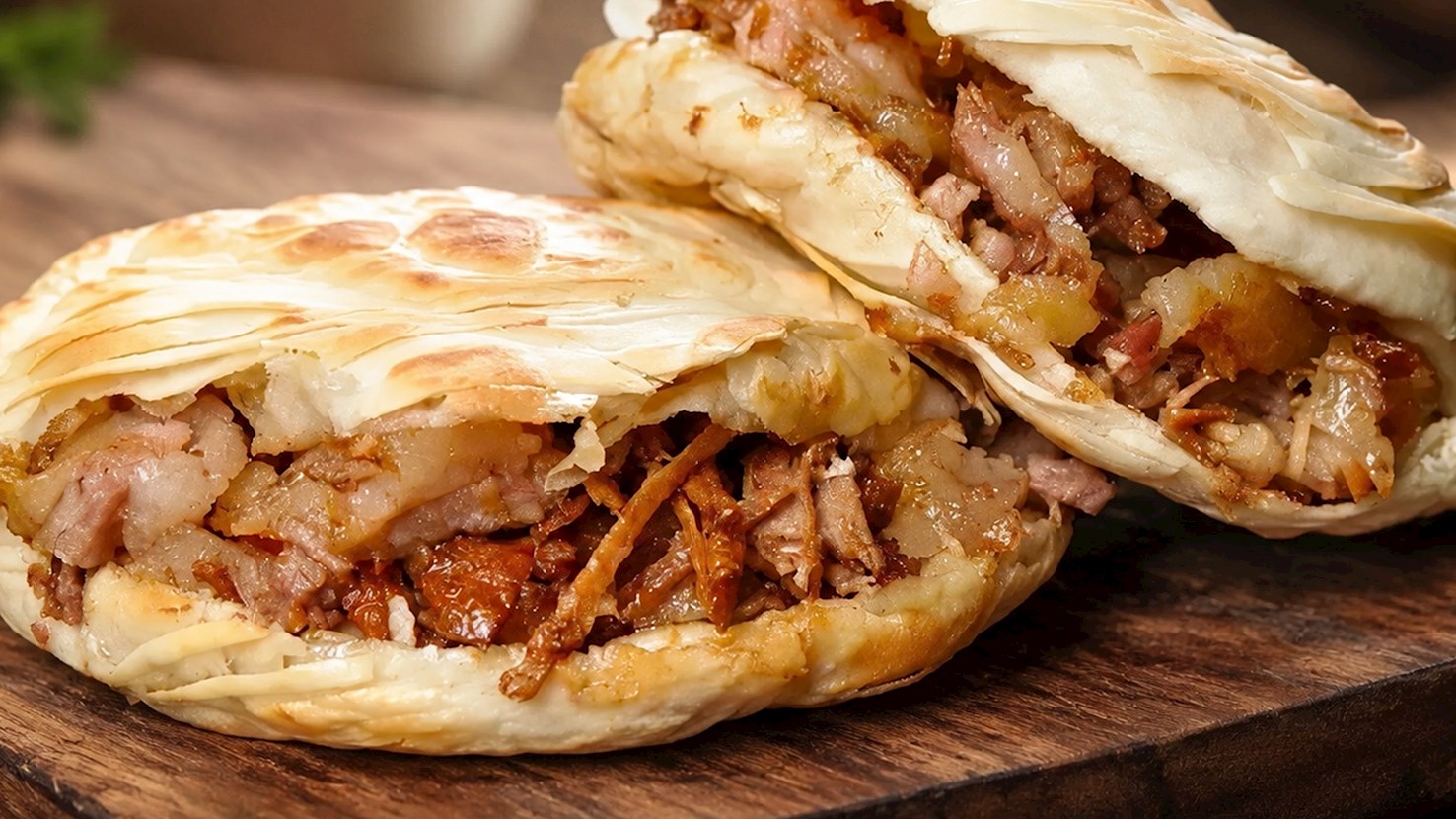
Kǎoyā ròujiāmó is a variation of the famous Shaanxi street food, ròujiāmó, where the usual braised pork or beef filling is replaced with roast duck, often inspired by Beijing’s renowned kǎoyā or Peking duck. It brings together two culinary traditions: the bread-centered snack culture of northwestern China and the rich, lacquered duck cooking of the capital. This hybrid form is less old than the pork-based original, but it has found a place in markets and casual eateries, especially in cities where regional Chinese cuisines blend and adapt to modern tastes. The preparation of the bread remains much the same, using wheat flour dough formed into discs and baked on a griddle or in clay ovens until crisp on the outside but pliable enough to split open. The duck, however, changes the profile of the dish. Instead of long-braised meat, the filling comes from roast duck with its rendered skin and tender flesh, chopped together with scallions, cucumber, and sometimes a brush of sweet bean sauce or hoisin-like condiments. This introduces both a smoky and slightly sweet note, contrasting with the denser, savory character of the original pork version. Kǎoyā ròujiāmó is usually eaten as a quick meal in food courts, markets, or roadside stalls, and it can serve either as a snack or as part of a larger spread that might include cold noodles, dumplings, or soups. It pairs well with sour plum juice, chrysanthemum tea, or even light lagers, all of which balance the richness of the duck.
TasteAtlas food rankings are based on the ratings of the TasteAtlas audience, with a series of mechanisms that recognize real users and that ignore bot,
nationalist or local patriotic ratings, and give additional value to the ratings of users that the system recognizes as knowledgeable.
For the “Top 12 Chinese Duck Dishes” list until May 16, 2026, 620 ratings were recorded, of which 527 were recognized by the system as legitimate.
TasteAtlas Rankings should not be seen as the final global conclusion about food. Their purpose is to promote excellent local foods,
instill pride in traditional dishes, and arouse curiosity about dishes you haven’t tried.