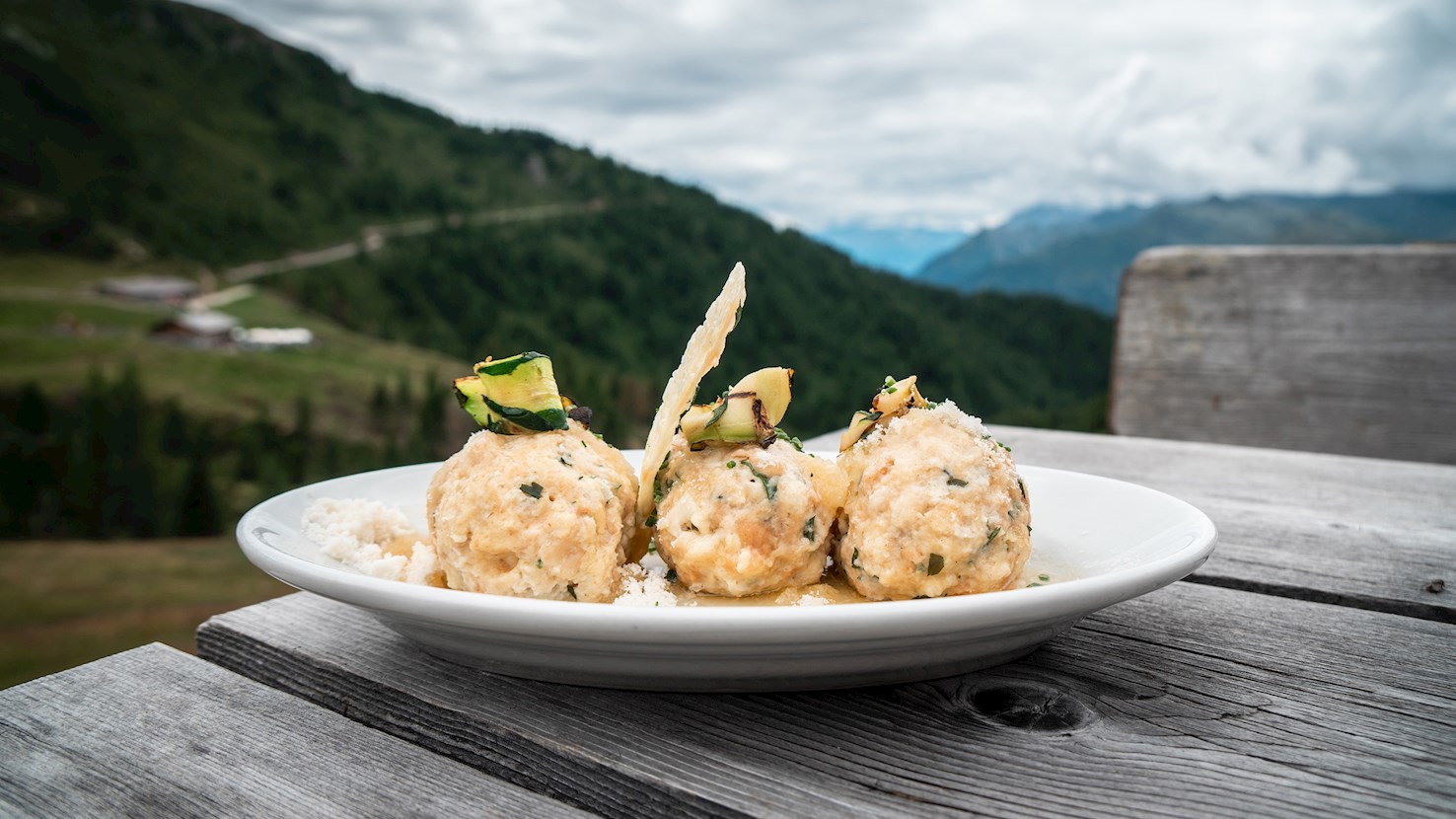
Käseknödel is a traditional dumpling enriched with cheese originating from Tyrol and South Tyrol. These cheese dumplings are typically served as a side dish that shows an inventive way of using leftover stale bread. The stale bread is mixed with cheese, eggs, butter, milk, onions, parsley, salt, and pepper. Käseknödeln are usually boiled in water or fried in butter on both sides until golden brown and then served in a broth or with various salads and stews.
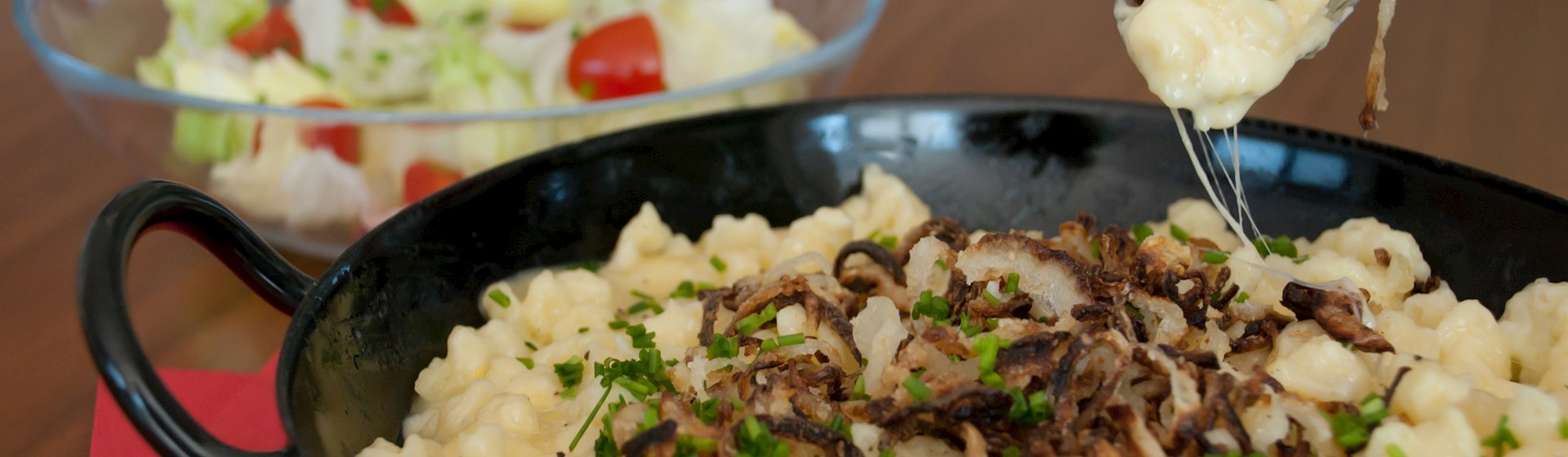
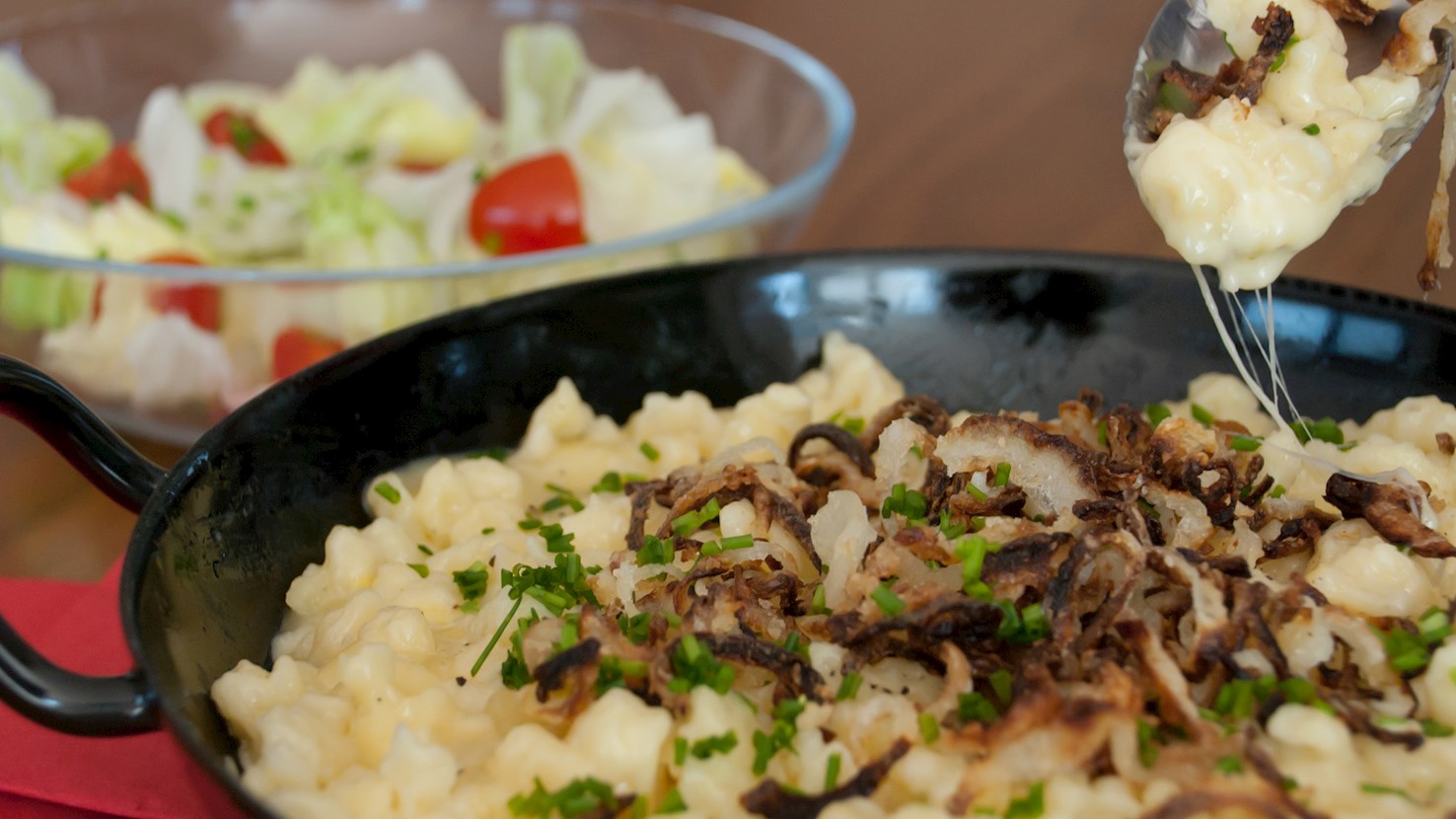
Kasnocken is a savory dish made by coating small dumplings with melted cheese and caramelized onions. The dish is said to originate from Austria’s Pinzgau region (congruent with the Zell am See district), and in line with the place of origin, the cheese used when preparing the dish is the Pinzgauer Bierkäse, characterized by its strong odor and mild flavors. Since this is one hearty meal, a shot of schnapps is traditionally taken afterwards for improving digestion.
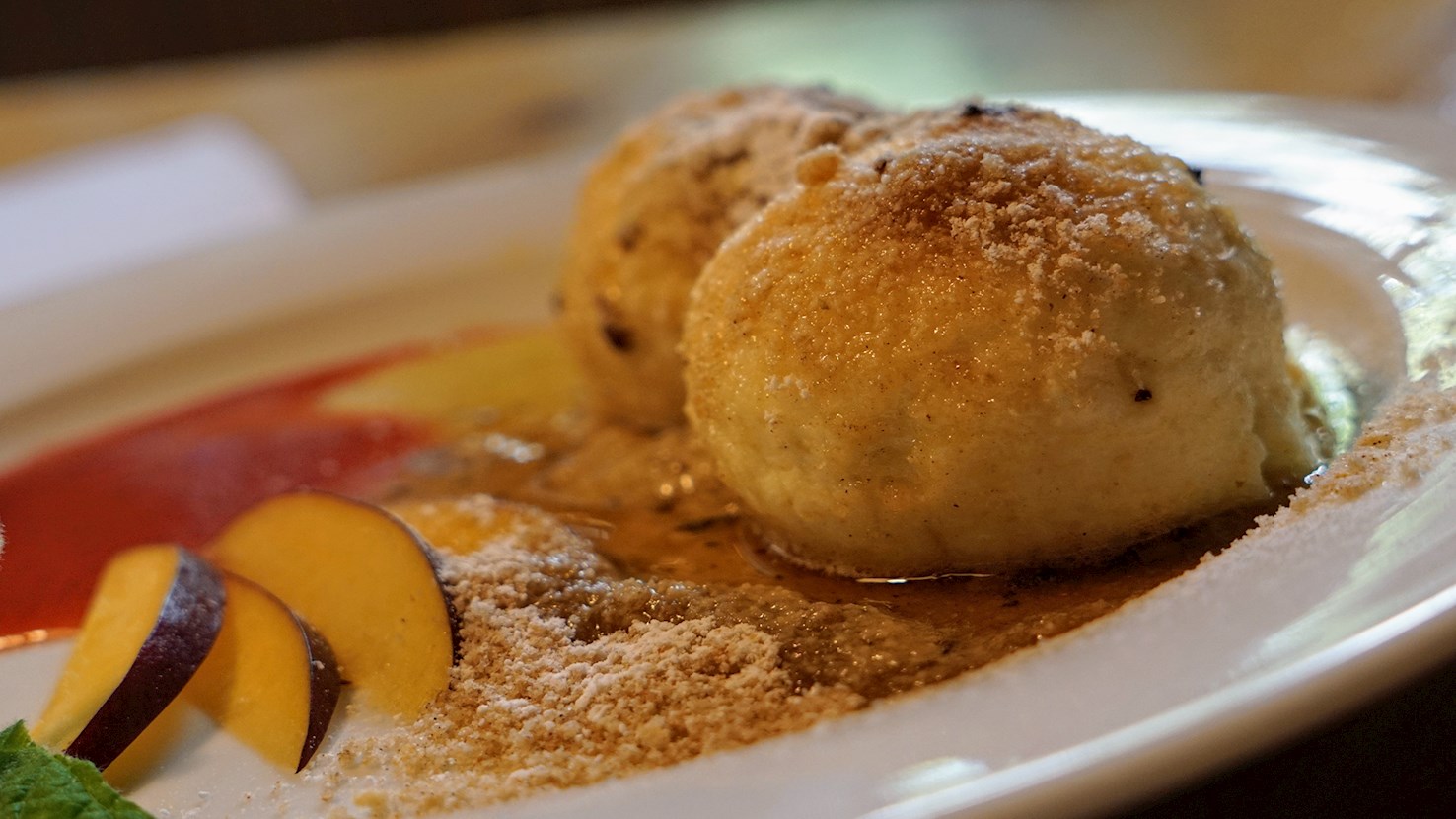
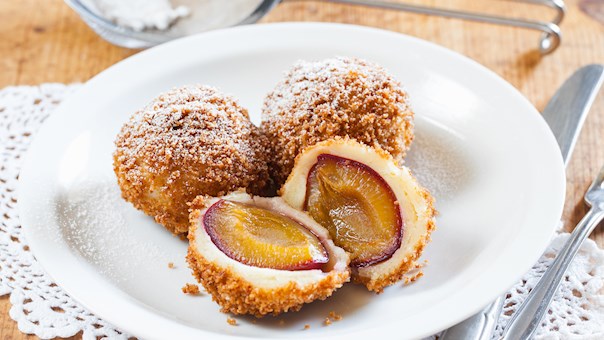
Wachauer marillenknödel is a classic Austrian dish consisting of a depitted Wachau apricot that is encased in a light dough which is then shaped into a dumpling, cooked, and rolled in breadcrumbs that have been fried in butter. The dough can be made either with soft cheese or potatoes, while the breadcrumbs are often seasoned with powdered cinnamon. Although the delectable Wachau apricot dumplings are served generously dusted with icing sugar, some might think that they are served as a dessert, but the dumplings are traditionally consumed as a main dish.
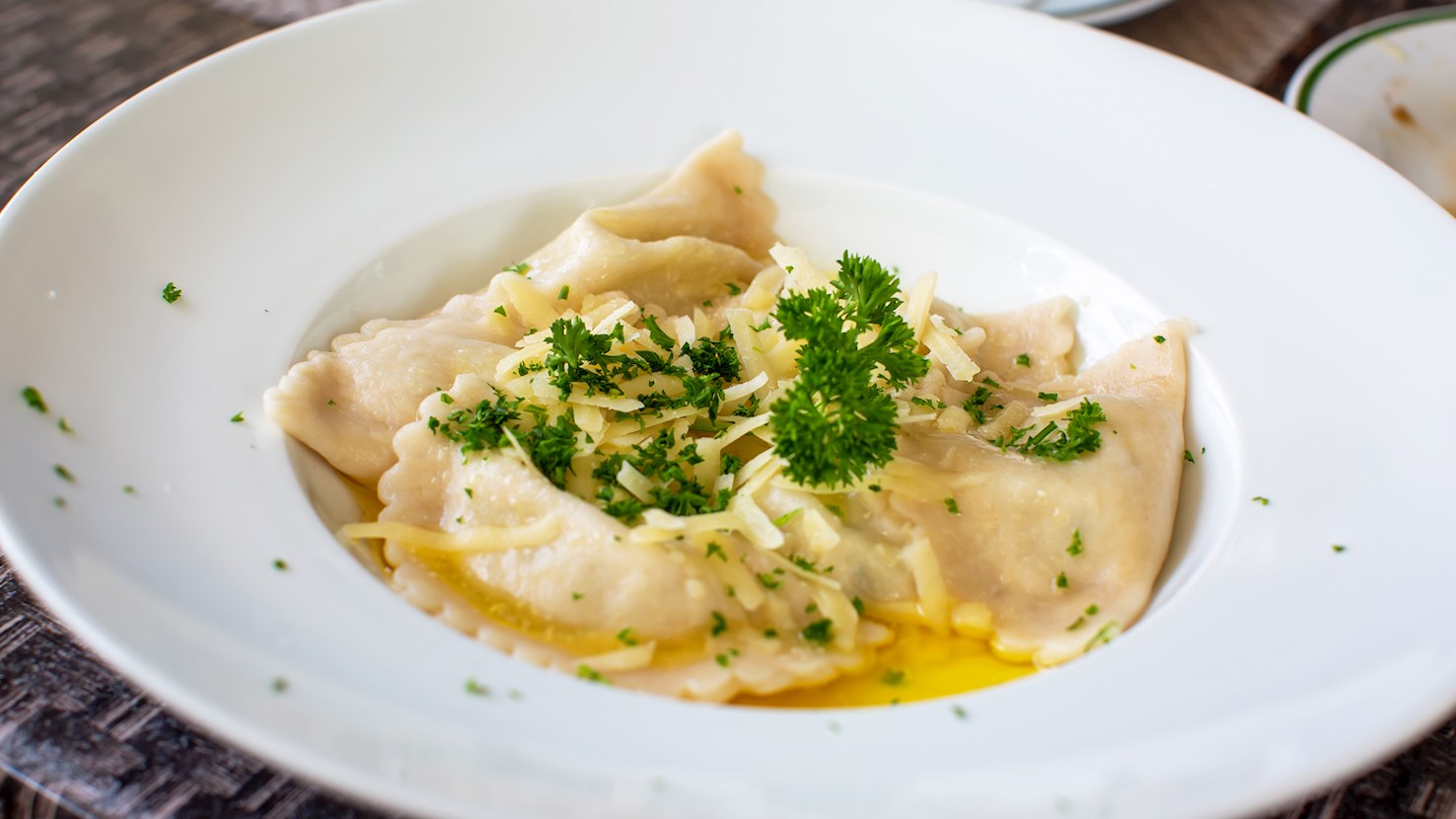
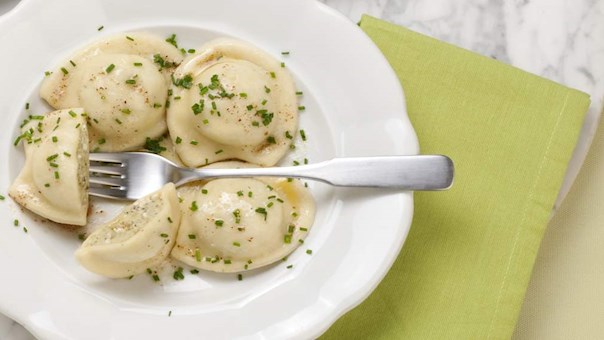
Mezzelune or schlutzkrapfen is a unique pasta variety that is popular both in Italy and Austria, especially in the area of South Tyrol. The pasta has a semicircular shape, which is the reason why it is called mezzelune (half moons in Italian). The dough is typically made from wheat and buckwheat flour, semolina, eggs, and olive oil. The pasta is stuffed with various ingredients, just like ravioli. Common fillings include ingredients such as cheese, mushrooms, potatoes, meat, or spinach. Mezzelune are often served with sauces such as pesto and paired with seafood, sausages (salsiccia), or fresh vegetables such as cherry tomatoes.
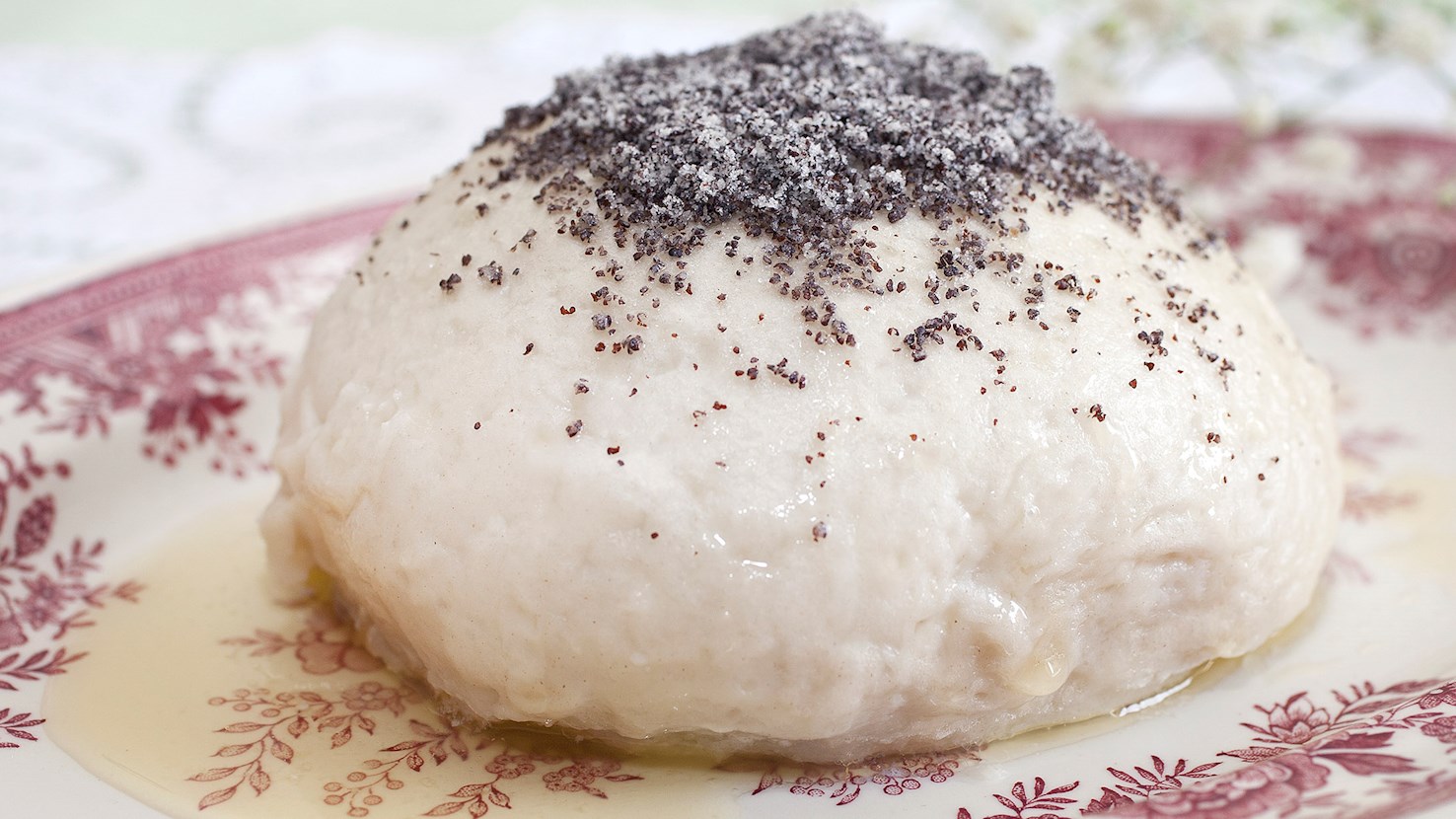
Germknödel is a famous Austrian steamed yeast dumpling. It consists of soft dough which is filled with rum-spiced plum jam. Before serving, the dumpling is generously doused with melted butter or vanilla-based sauce and sprinkled with a considerable amount of poppy seeds. Believed to have originated in the eastern or southern parts of Austria, this unique dessert is nowadays associated with the famous Austrian ski resorts, where it has become an irreplaceable winter staple. Even though germknödel is nowadays consumed as a dessert, this was not the case when it first appeared in Austrian cuisine. Like many other Austrian dishes such as buchteln and kaiserschmarrn, it was invented as the main dish meant to be eaten during Lent, when meat was usually avoided. This is the main reason why it is still served in an unusually large form. Germknödel should always be freshly prepared and served warm. In Slovakia and the Czech Republic, these soft steamed buns are known as parené buchty and buchty na páře. Apart from plum jam, they are occasionally filled with other fruit jams, sweetened fresh cheese, poppy seeds, or chocolate.
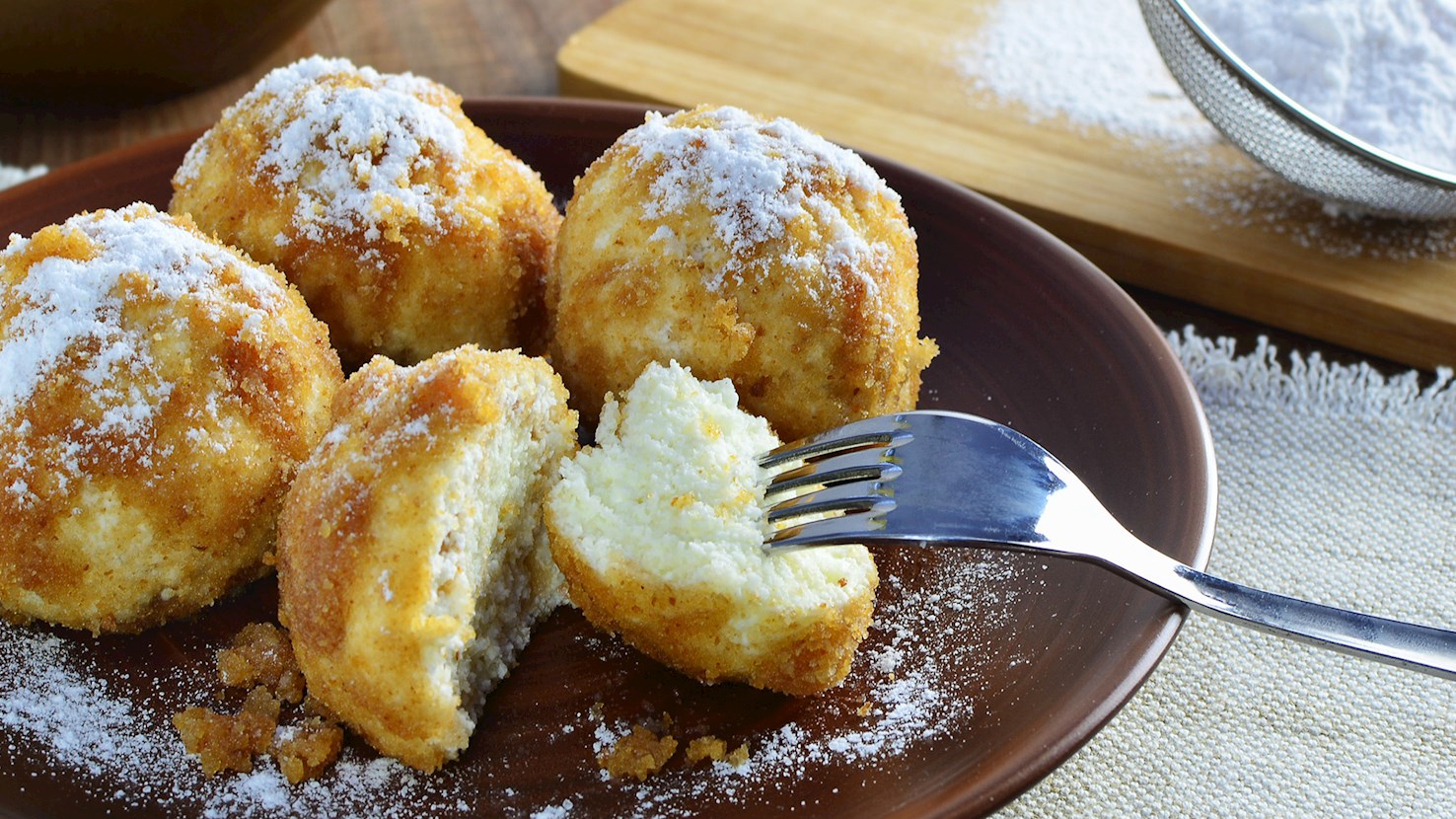
Túrógombóc (or topfenknödel in German) are traditional Hungarian and Austrian dumplings of Bohemian origin that are made with fresh cottage cheese (túró cheese in Hungary), semolina, and eggs. The shaped dumplings are cooked and then coated in fried breadcrumbs which can be seasoned with cinnamon and vanilla. The key is to use as little semolina as possible to make the dumplings airy and light. Túrógombóc are usually served with sweetened sour cream, sweet sauces, and fruits.
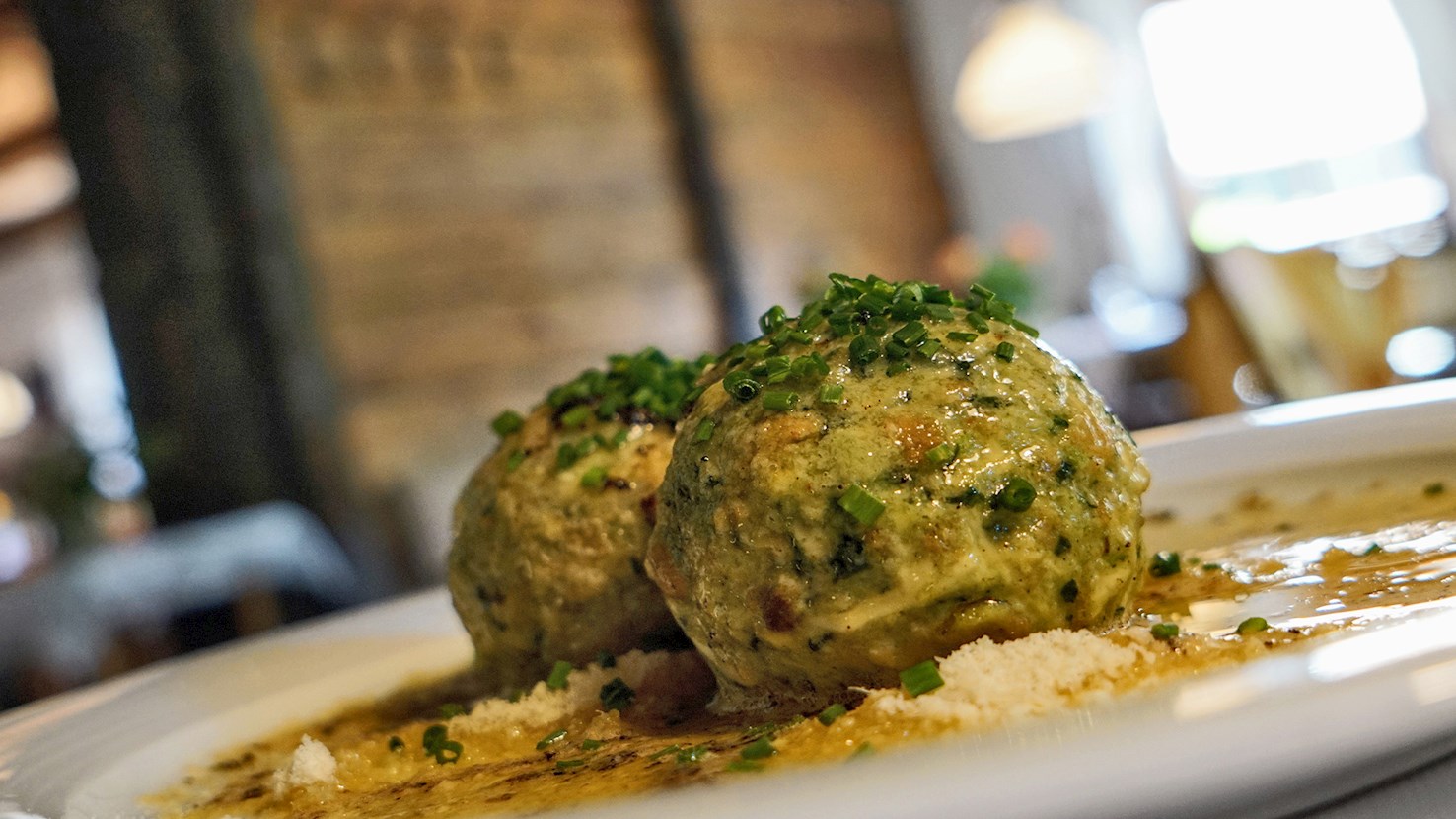
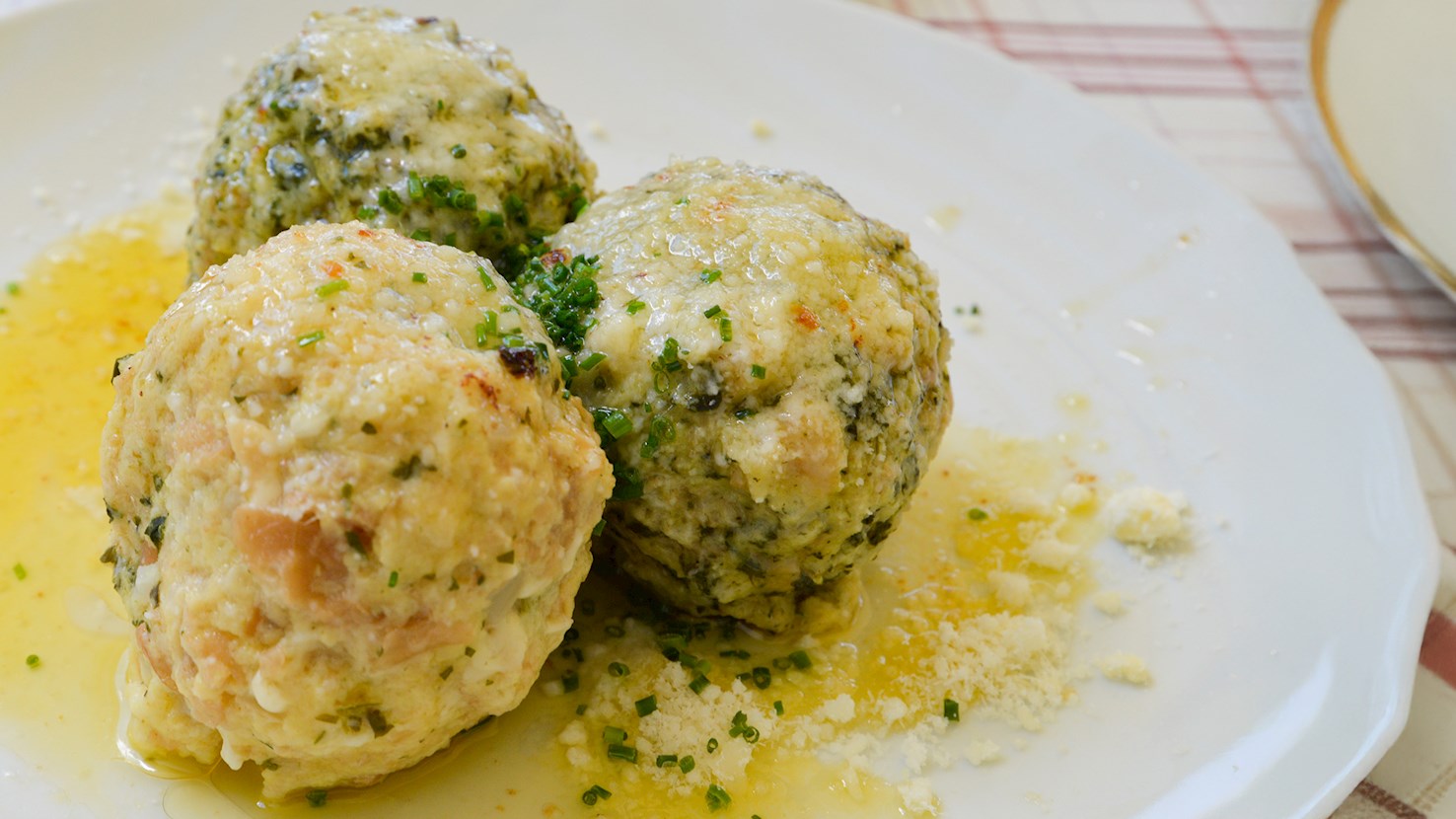
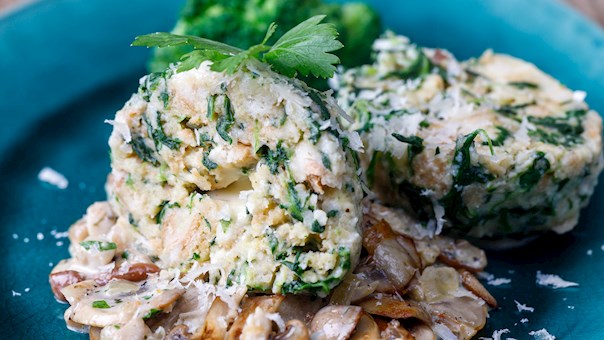
Spinatknödel is a spinach dumpling from Tyrol that is usually served as a side dish. It provides an inventive way of using up leftover stale bread, which is combined with a combination of spinach, eggs, butter, garlic, onions, and cheese, preferably parmesan. After they have been boiled, the dumplings are traditionally drizzled with melted butter and sprinkled with grated cheese.
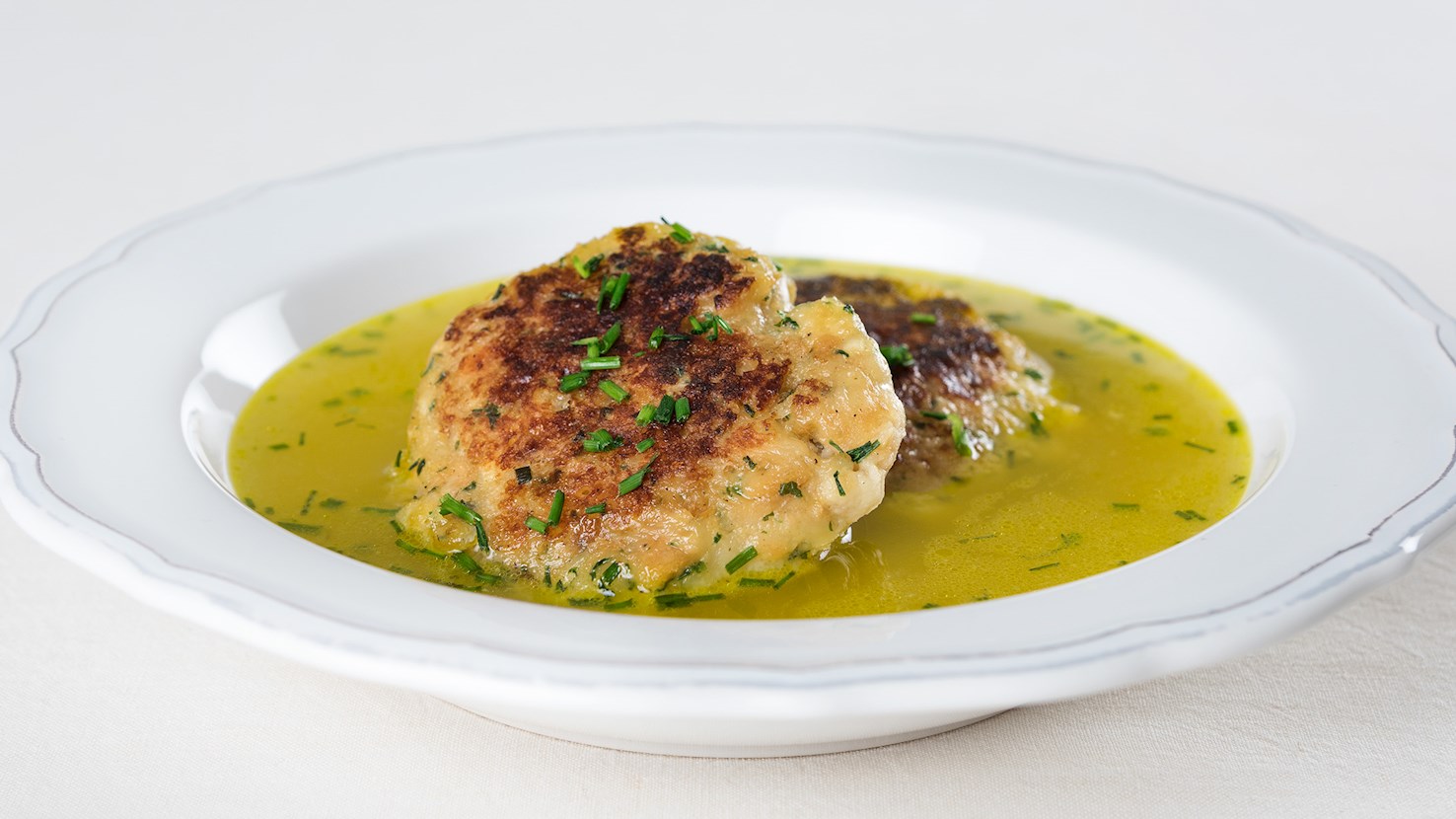
Kaspressknödeln are Austrian cheese dumplings originating from Tyrol. Although people refer to them as dumplings, they are actually not cooked in water, but fried in a pan, and they also don't have the typical shape of a ball – the mixture is formed into patties instead. The dumplings are made with a combination of bread cubes, grated mountain cheese, butter, milk, onions, eggs, seasonings, and fresh herbs such as chives and parsley. Once prepared, kaspressknödeln are fried in butter until golden brown on both sides. They are either served in a broth or used in a variety of salads.
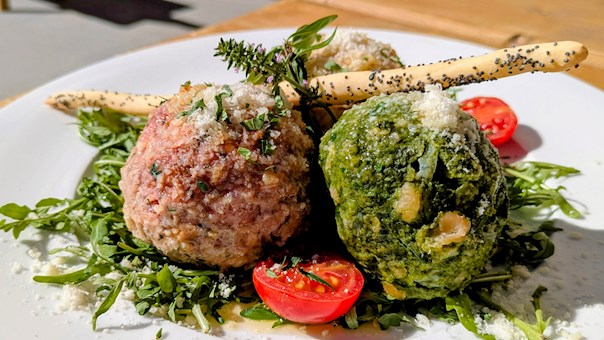
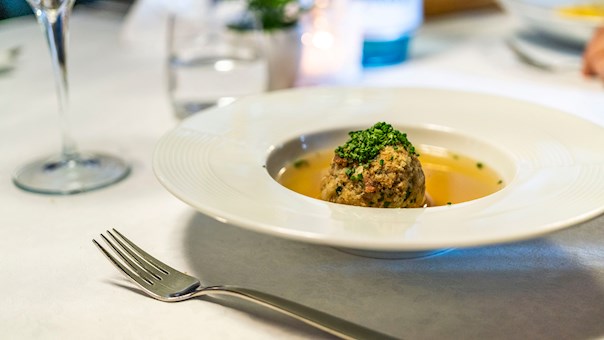
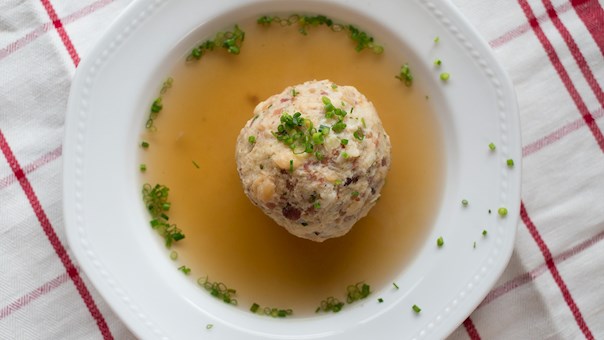
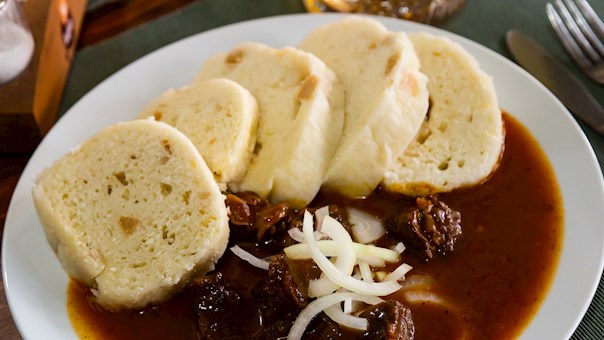
Tiroler knödel are traditional dumplings from the Tyrol region of Austria that are hearty and rustic, reflecting the mountainous region they come from. The dumplings are typically made from stale bread, milk, eggs, and onions, with the distinguishing inclusions of speck, spinach, cheese, mushrooms, and other local ingredients. Once the dumpling mixture is prepared, it's usually shaped into balls and boiled. There is also a slightly different variety from the Italian regions of South Tyrol and Trentino, locally known as canederli, which are generally much harder and more compact. The finished dumplings might be served in a rich broth and eaten as a soup or served as a side dish with meat and gravy.
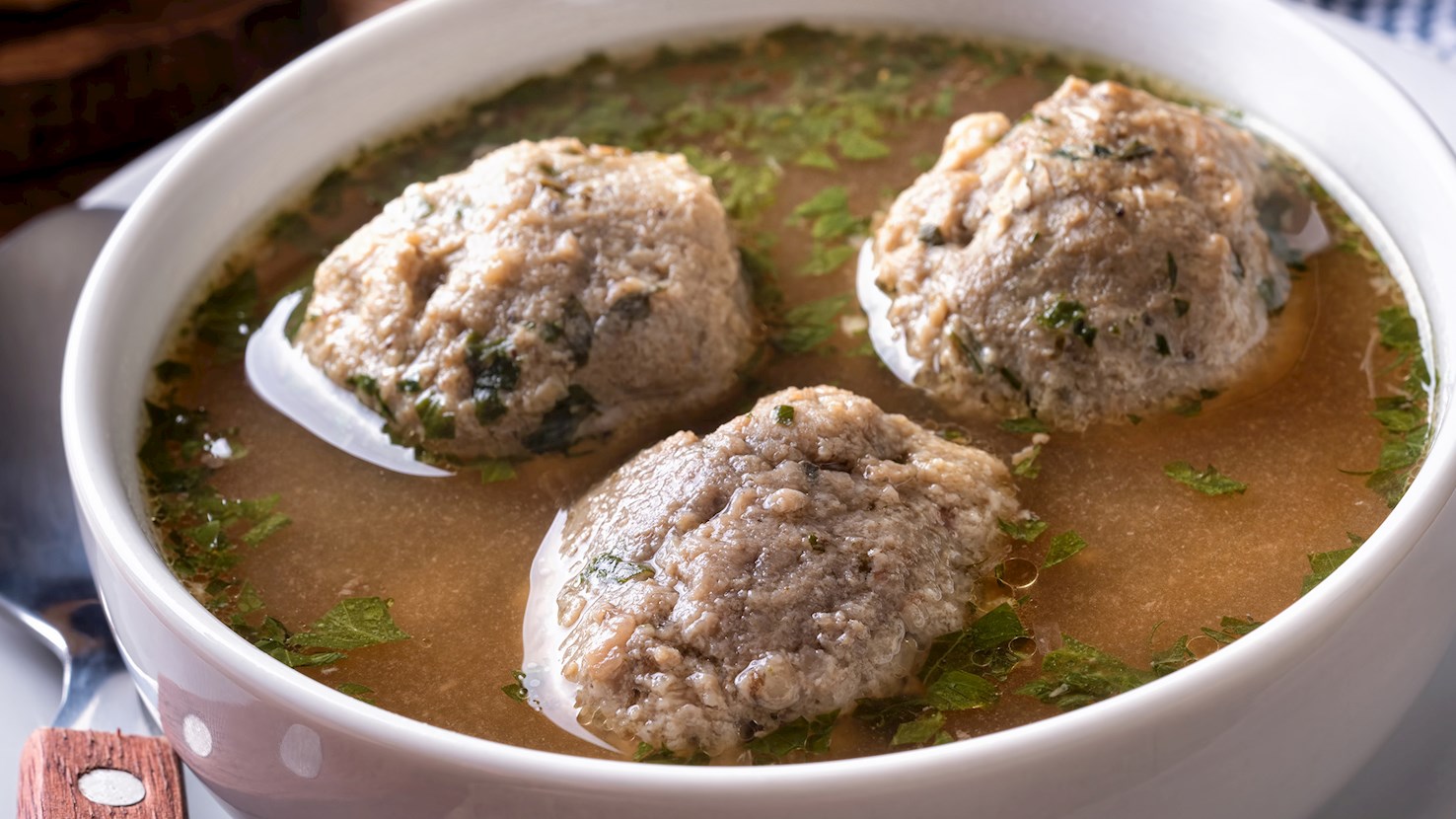
Leberknödel is a type of liver dumpling originating from southern Germany and Austria, especially associated with the regions of Bavaria, Swabia, and parts of Austria such as Salzburg and Upper Austria. The dish consists of finely ground liver, commonly from beef or pork (sometimes even veal), combined with stale bread rolls soaked in milk, eggs, onions, fresh herbs, and spices to create a dense, flavorful mixture that can be shaped into large, round dumplings. The liver is typically minced or passed through a grinder until smooth, then carefully mixed with the other ingredients to form a cohesive mass. Once shaped, Leberknödel are gently simmered in salted water or clear broth until firm and cooked through. These dumplings are commonly served in two main ways. They can be presented in a clear beef broth as a soup, known as Leberknödelsuppe, where the dumpling absorbs some of the broth’s flavor while adding richness to the liquid. Alternatively, they are served as a more substantial main dish accompanied by sauerkraut and boiled or mashed potatoes. The flavor is distinctly savory and robust, reflecting the use of liver and the aromatic additions of marjoram, parsley, and occasionally nutmeg or pepper. Preparation requires attention to achieve the correct texture, which should be tender but not falling apart when cooked. Leberknödel has a long history as a practical and nourishing food in rural and urban settings, where no part of the animal was wasted and organ meats were valued for their nutritional content. Today, it appears in both everyday cooking and regional restaurant menus, especially in southern Germany and Austria, where it remains an example of regional comfort food made with simple, accessible ingredients. The dumplings are typically prepared fresh, although they can also be made in advance and reheated in broth.
TasteAtlas food rankings are based on the ratings of the TasteAtlas audience, with a series of mechanisms that recognize real users and that ignore bot,
nationalist or local patriotic ratings, and give additional value to the ratings of users that the system recognizes as knowledgeable.
For the “Top 24 Austrian Dumplings” list until September 15, 2026, 1,010 ratings were recorded, of which 813 were recognized by the system as legitimate.
TasteAtlas Rankings should not be seen as the final global conclusion about food. Their purpose is to promote excellent local foods,
instill pride in traditional dishes, and arouse curiosity about dishes you haven’t tried.




What People Say