

shutterstock

Top 3 Baltic Dumplings

Last updated on June 15, 2026
01

Koldūnai

4.3 ·

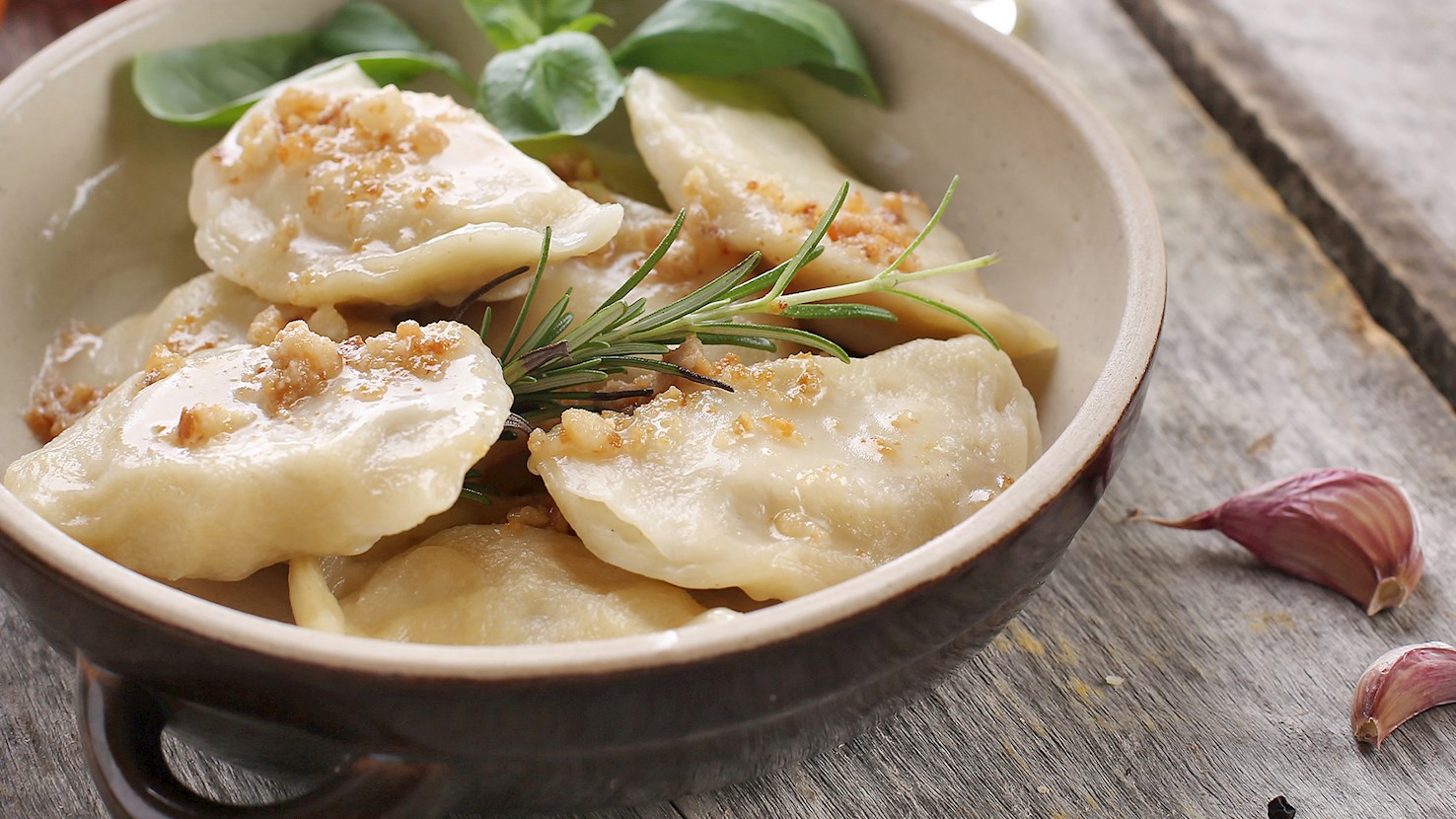
Known as koldūnai in Lithuania, kalduny in Belarus and kołduny in Poland, these stuffed dumplings boiled in salted water are a staple of regional cuisine. Traditionally filled with minced pork, beef, chicken, curd cheese, or mushrooms, they make for an excellent lunch choice and can be enjoyed with a variety of garnishes, from butter and black pepper to mayonnaise, sour cream, crispy bacon, or spirgučiais (a type of pork rind).

02

Cepelinai

4.2 ·

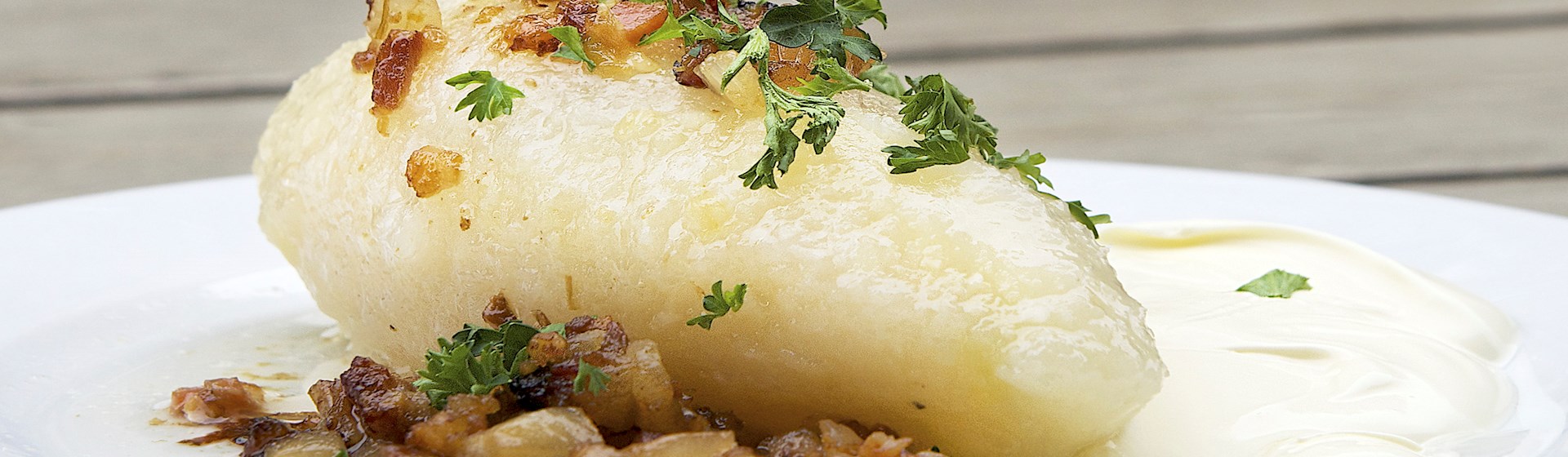
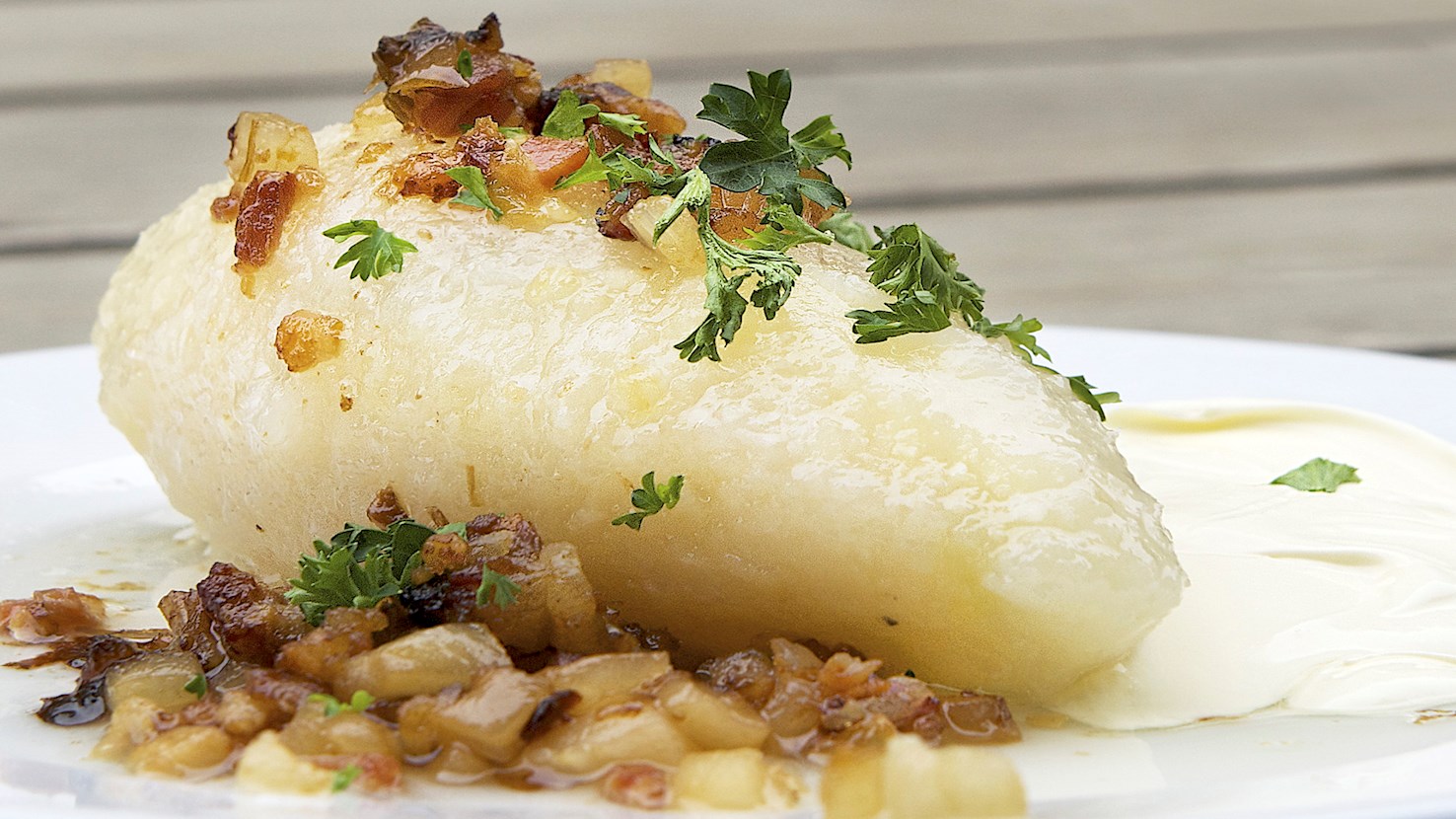
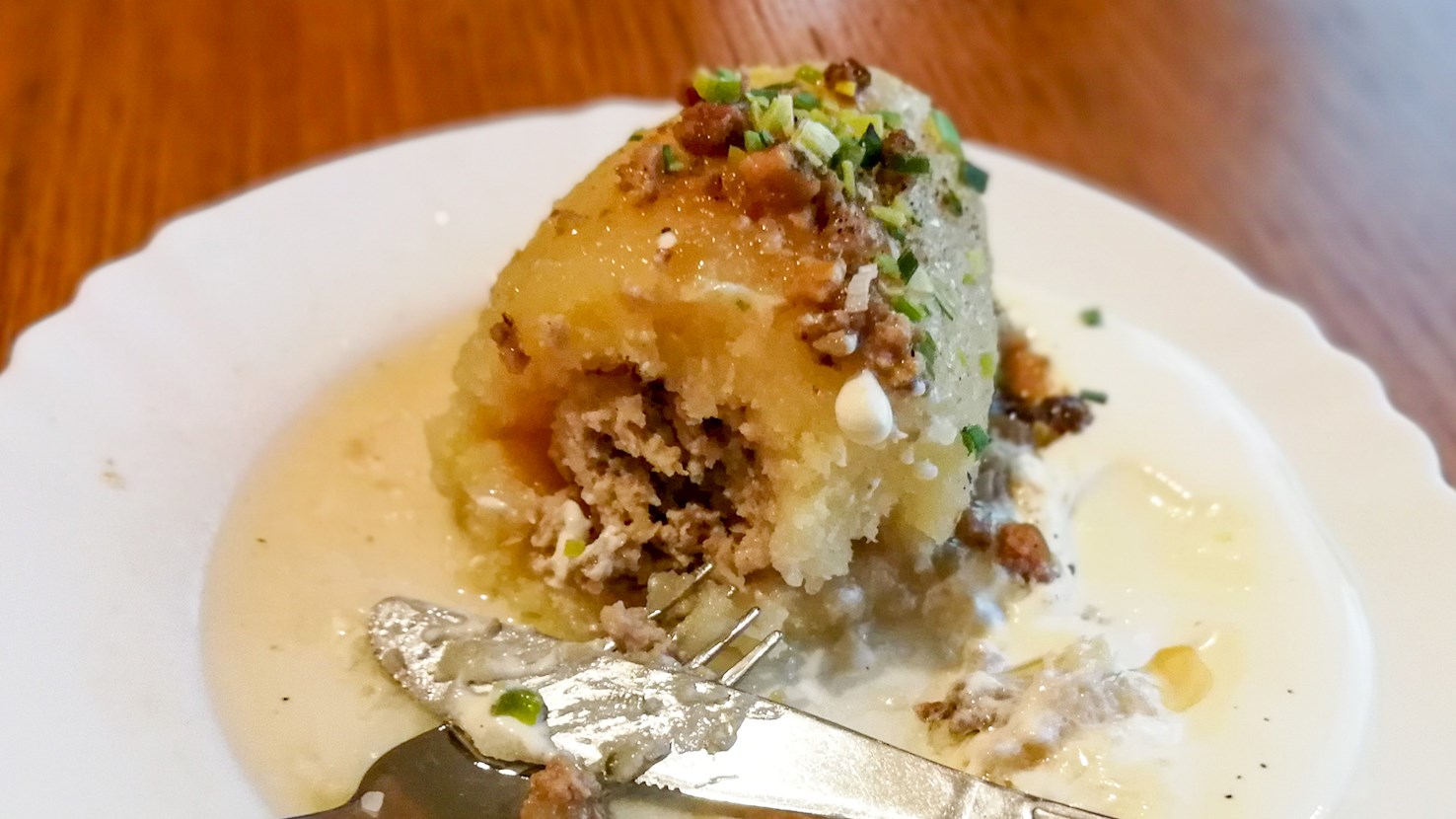
Cepelinai is the national dish of Lithuania consisting of potato dumplings stuffed with spiced ground meat. The dumplings are traditionally quite large, served with bacon, pork rinds, and a sour cream and milk-based sauce after they have been boiled in plenty of salted water. The dish is named after Graff von Zeppelin, due to the resemblance between the dumplings and the airship. It is believed that cepelinai have German origins and are based on Kartoffelknödel. There are many versions of the dish, and similar dumplings can be found in countries such as Denmark, Norway, Ukraine, and Belarus. However, cepelinai remain the most popular in Lithuania and the northeastern part of Poland.

03

Kukuliai

4.0 ·

Kukuliai are Lithuanian ball-shaped dumplings that are typically made with grated potatoes and a wide range of fillings such as beef, chicken, fish (žuvies kukuliai) or cottage cheese. Although the kukuliai can be baked, boiled, or fried the same way as gnocchi and other East European dumplings, Lithuanians flavor them with herbs (marjoram being a popular choice) or sesame seeds. These dumplings can be served with finely chopped horseradish, dill pickles in sour cream, sauteed bacon-onion mix, or tomato and rosemary sauce. And while some think that kukuliai and cepelinai are the same, others tend to disagree - kukuliai are usually smaller and are shaped into balls, while the cepelinai are larger, oblong, and have slightly pointed ends.

Read more
View all
View map
About this ranking

TasteAtlas food rankings are based on the ratings of the TasteAtlas audience, with a series of mechanisms that recognize real users and that ignore bot, nationalist or local patriotic ratings, and give additional value to the ratings of users that the system recognizes as knowledgeable. For the “Top 3 Baltic Dumplings” list until June 15, 2026, 491 ratings were recorded, of which 306 were recognized by the system as legitimate. TasteAtlas Rankings should not be seen as the final global conclusion about food. Their purpose is to promote excellent local foods, instill pride in traditional dishes, and arouse curiosity about dishes you haven’t tried.

Similar lists