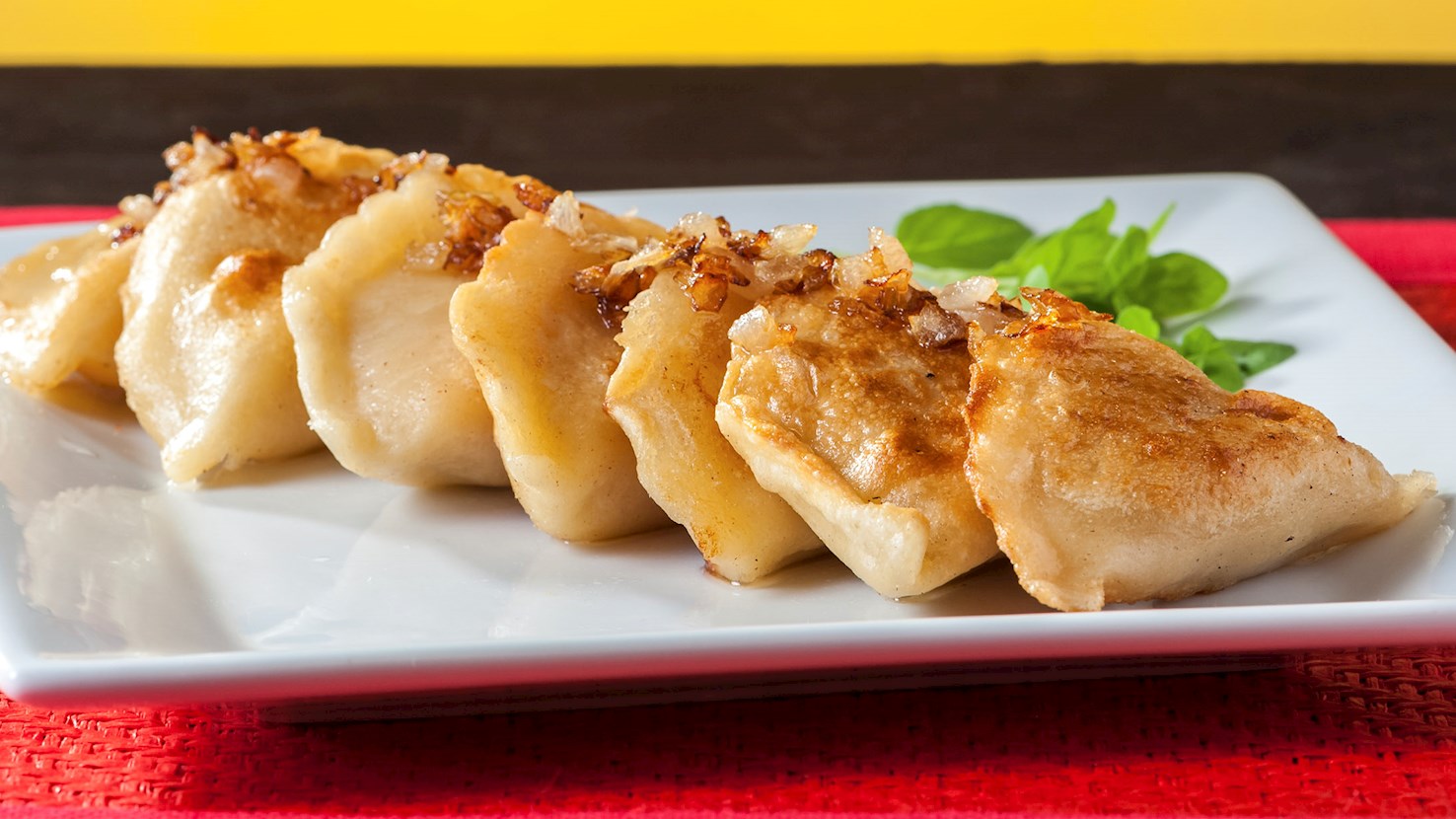
Originally brought to the Pennsylvanian region by immigrants from Eastern Europe, pierogies have become a unique staple dish, both in the city of Pittsburgh and all over Western Pennsylvania. Pierogies are soft, semicircular dumplings that are traditionally filled with potatoes or cheese, but the number of fillings is virtually countless and limited only by imagination. In Poland, pierogies have been made since the 13th century, and they had been brought to the United States during the late 19th and the early 20th century, when Pittsburgh experienced a population boom during the Great Migration. As pierogies are inexpensive and portable, they were a common meal in the lunch boxes of numerous mill workers during the Industrial Age. Today, the dish is served both in upscale restaurants and in the kitchens of Polish descendants throughout the region. Their popularity even gave birth to the Great Pierogie Race (a mascot race of six contestants in giant pierogie costumes) during the baseball game of the local sports team called the Pittsburgh Pirates.
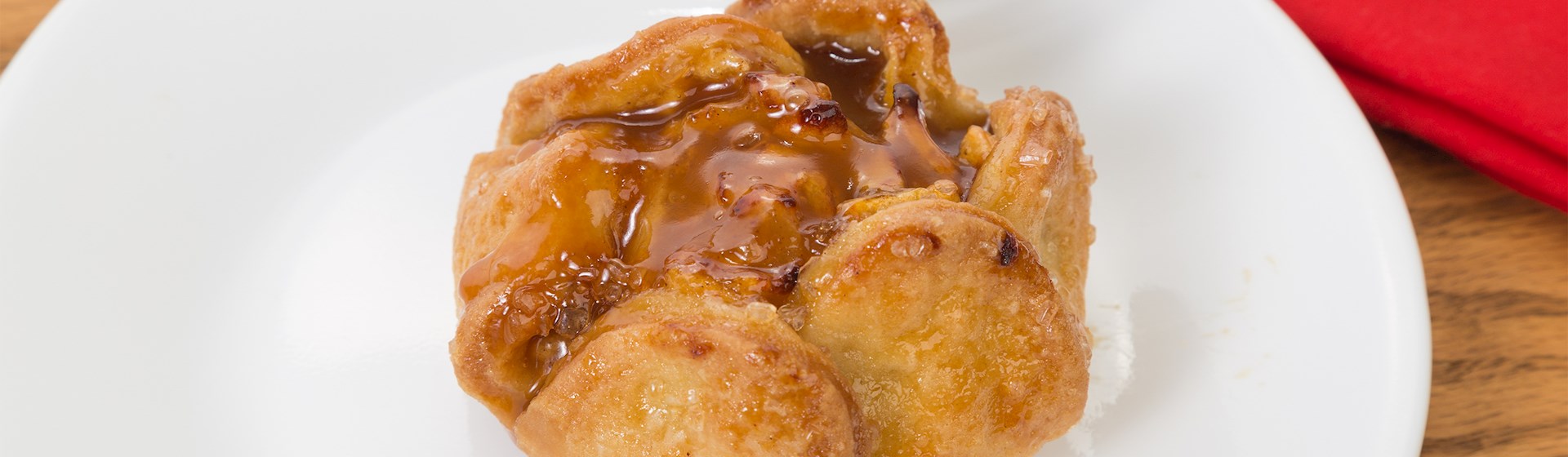
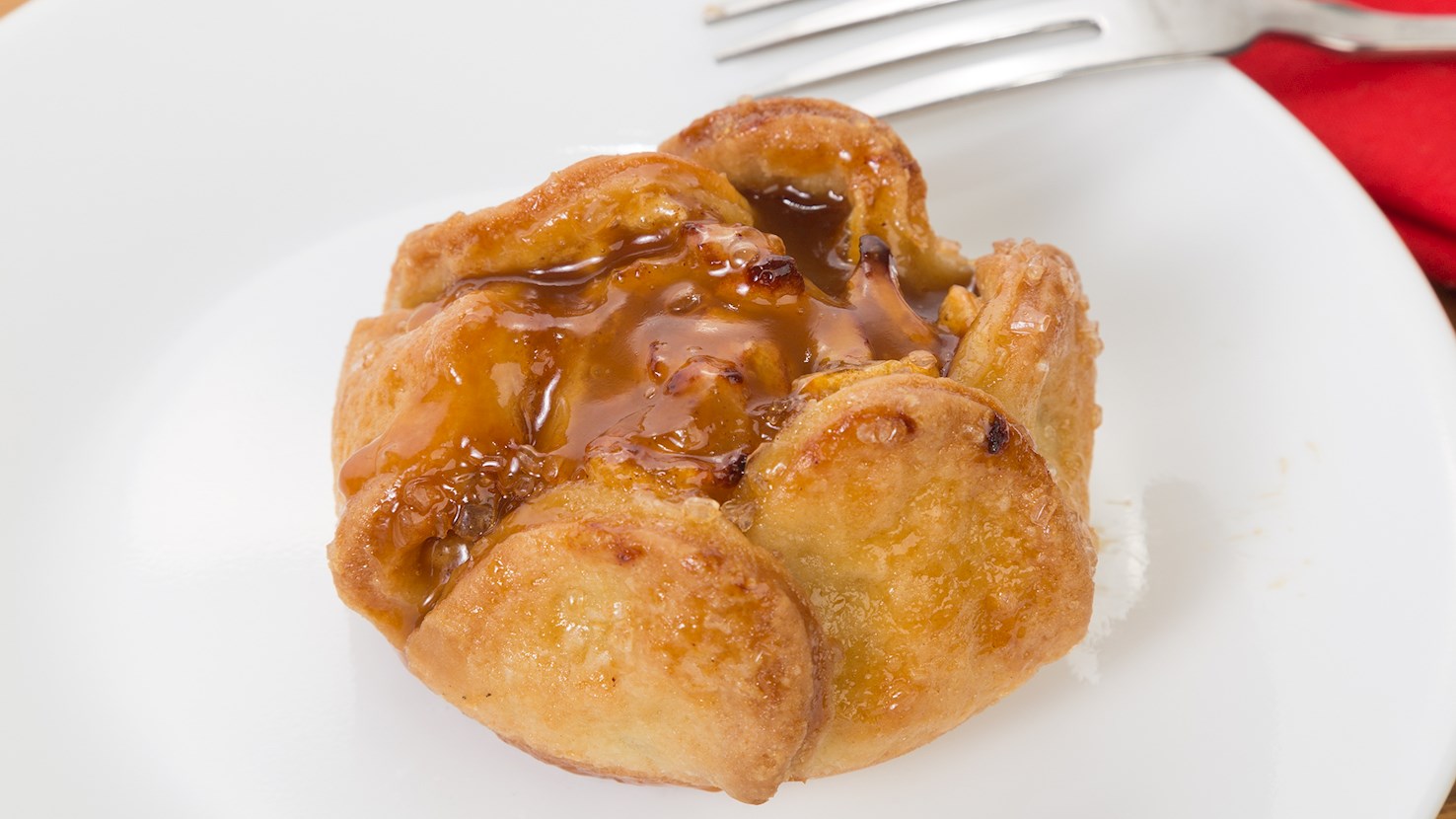
Apple dumpling is made from a whole, cored apple wrapped tightly in pastry dough and baked in sweet syrup until the fruit softens and collapses into a tender mass. A single dumpling is usually served in a shallow bowl, fully soaked with the thick baking liquid. Cold heavy cream or a large scoop of vanilla ice cream is often placed beside the hot pastry, where it quickly melts into the spiced syrup, turning it into a rich sauce. The origins of apple dumpling are linked to early 18th-century England. Culinary author Hannah Glasse published one of the first widely recorded recipes in her 1747 book The Art of Cookery Made Plain and Easy. European immigrants later brought the method across the Atlantic, where it became especially rooted in the agricultural Amish and Mennonite communities of Pennsylvania. Because apple orchards were abundant in the region, the combination of baked fruit and dough became a common breakfast and dinner item across the mid-Atlantic during the 19th century. The recipe starts with a firm baking apple, such as Granny Smith or Rome Beauty. The apple is peeled, and the entire core is removed while the fruit is kept whole. A thick filling made from brown sugar, ground cinnamon, nutmeg, and unsalted butter is packed tightly into the hollow center. The stuffed apple is then placed on a square of rolled pie dough. The dough is folded up around the fruit and pinched at the top, sealing the whole apple inside a raw pastry shell. The wrapped apple is arranged in a deep baking dish. A separate syrup made from boiling water, white sugar, and extra butter is poured directly into the pan, surrounding the base of the dumpling. As it bakes in a hot oven, the dough absorbs some of the liquid and becomes crisp on top, while the steam trapped inside the pastry softens the apple. Chopped walnuts, pecans, or sweet raisins are sometimes mixed into the butter-and-sugar center, adding texture against the soft baked apple. In another version, the standard water-and-sugar syrup is replaced with reduced apple cider, dark rum, or caramel, resulting in a thicker, stickier glaze around the bottom of the crust. Some versions use flaky puff pastry instead of standard shortcrust pie dough, producing a lighter shell that breaks apart more easily. Today, apple dumpling is especially popular in the Pennsylvania region.
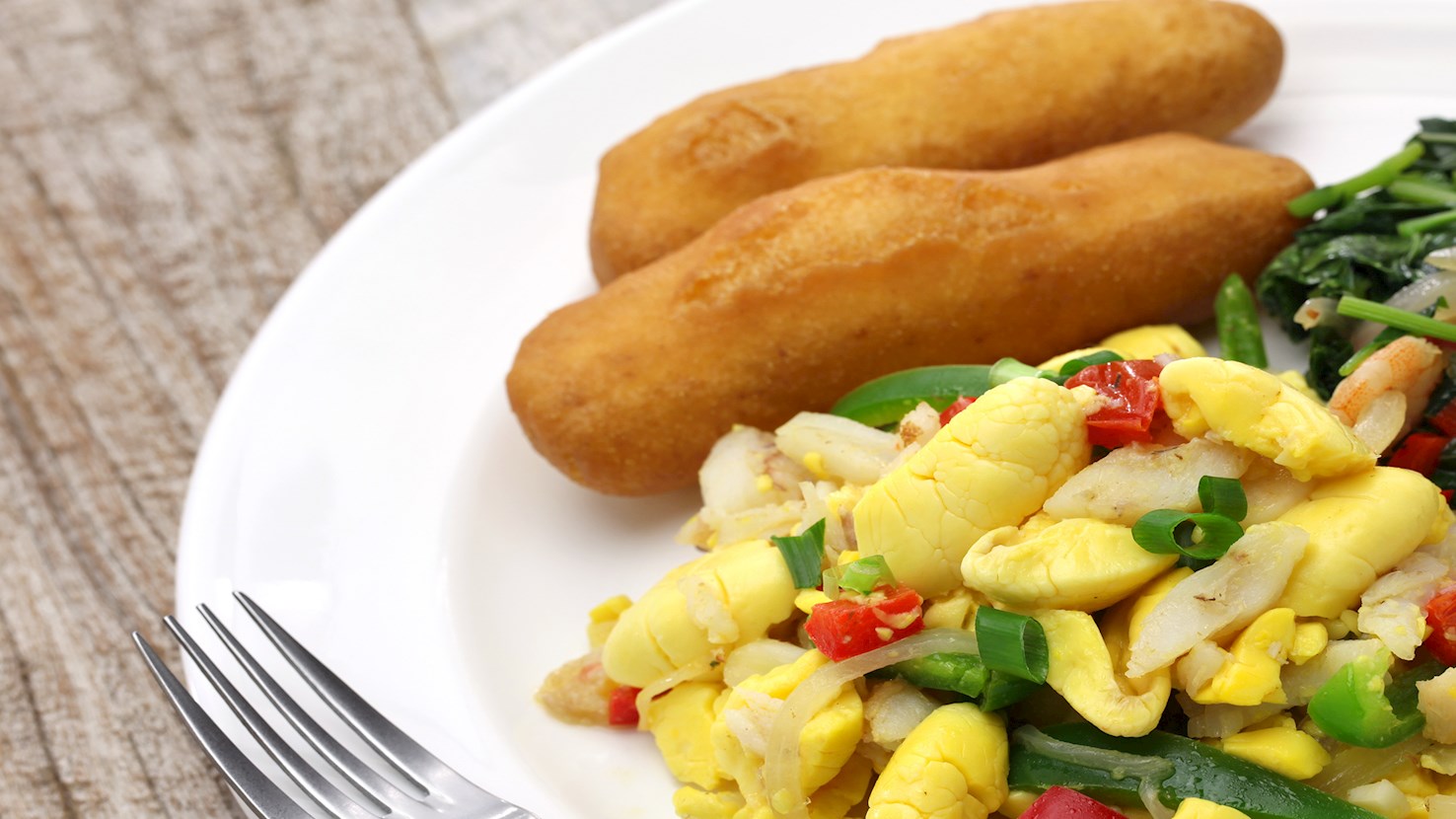
Festival is a Jamaican fried dumpling made from a dough of flour, cornmeal, sugar, salt, and water, shaped into elongated pieces and fried until golden and crisp on the outside and soft inside. It is commonly served alongside fried fish, escovitch fish, jerk meats, and other street-food dishes in Jamaica. The combination of cornmeal and a touch of sweetness distinguishes festival from plain fried dumplings, making it a staple at cookshops, roadside stalls, and beachside fish shacks throughout the island. Its development can be traced to the evolution of Jamaican fried doughs in the twentieth century, when cooks began incorporating cornmeal and sugar into basic flour dumplings. Fried dumplings have long been part of Jamaican cooking, but festival emerged as a sweeter variation designed to pair well with spicy foods such as jerk chicken and hot pepper sauces. The inclusion of cornmeal may reflect influences from earlier Caribbean and African preparations using ground maize, while the sweetened dough reflects local preferences for balancing spicy or acidic dishes with mild, slightly sweet sides. By the mid-century period, festival had become a recognized item at jerk stands and seaside restaurants, and it spread widely as Jamaican street food culture grew. Preparation begins by mixing flour, cornmeal, sugar, and a small amount of salt in a bowl. Baking powder is added to help the dough rise slightly. Water or milk is added gradually to form a soft, pliable dough, which is then kneaded briefly until smooth. The dough is divided and shaped into long, slightly tapered pieces that resemble small torpedoes. These pieces are fried in hot oil until they puff slightly and turn a uniform golden brown. The finished festival has a crisp exterior and a tender, slightly sweet interior with a mild corn flavor. Festival is eaten throughout Jamaica, especially with fried escovitch fish, steamed fish, peppered shrimp, jerk chicken, jerk pork, or roast fish. It also appears at parties, family gatherings, and beachside eateries where seafood is cooked to order. It pairs well with drinks such as ginger beer, ting, coconut water, cold lager, rum punch, or sorrel drink, all of which complement the light sweetness and fried texture of the dish.
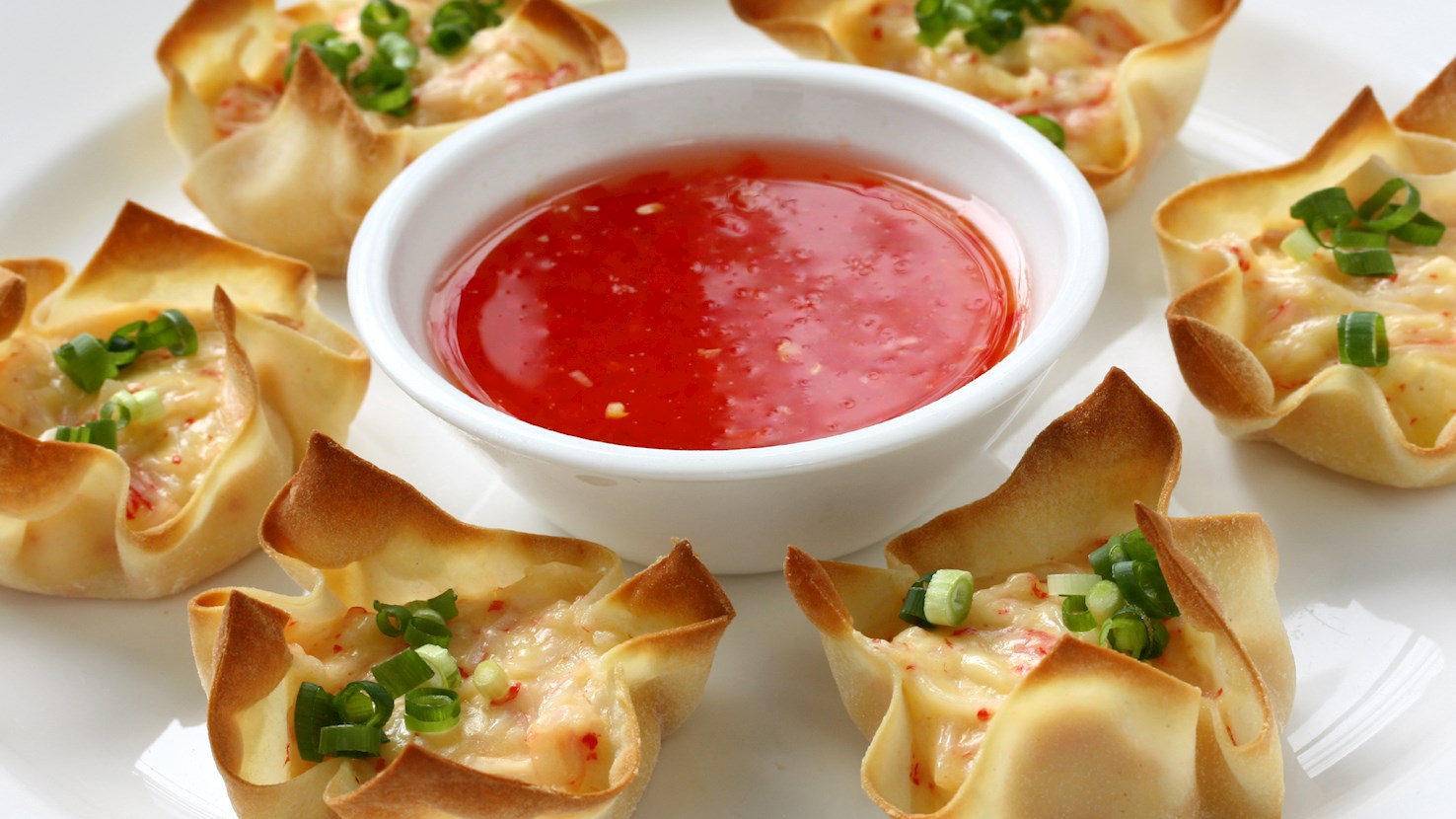
Crab rangoon is an American-Chinese dish consisting of a deep-fried dumpling that is stuffed with crab meat, garlic, scallions, and cream cheese. It is believed that the first crab rangoon was invented at Trader Vic's bar in either Oakland or San Francisco, although some claim that it was invented in Missouri for the World's Fair in 1904. Regardless of the origins, today this appetizer can be found in numerous Chinese-style restaurants throughout America, where it is often served with dips such as mustard, soy sauce, or plum sauce on the side.
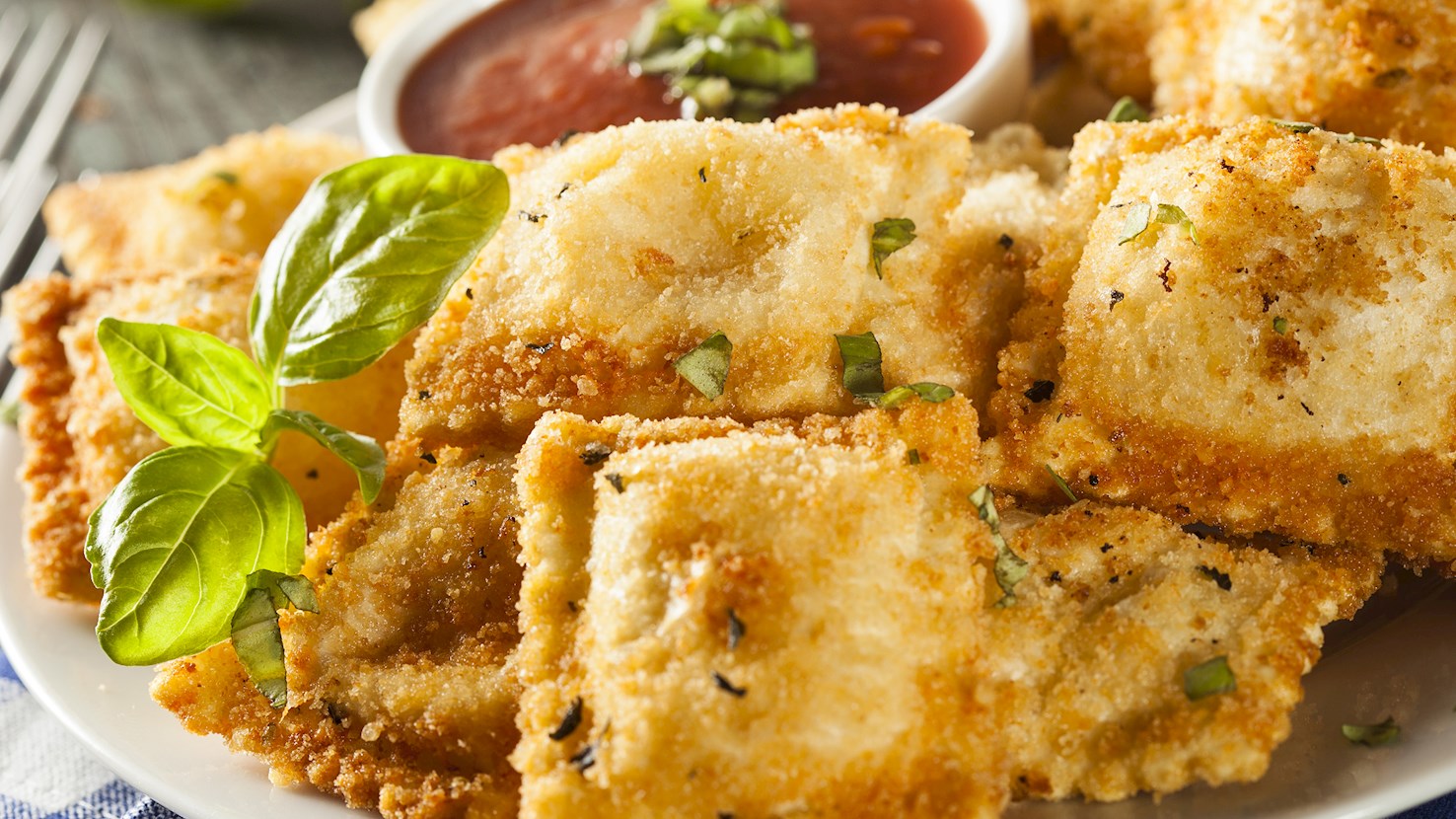
Toasted ravioli is a St. Louis specialty consisting of crunchy, breaded pasta that is topped with grated parmesan and served with a marinara-style sauce on the side. The dish is served hot as an appetizer. Despite the name, toasted ravioli are deep-fried, not toasted, making it yet another example of a misnomer. Food experts believe that the first iteration of the dish was made in the 1950s, at a restaurant called Angelo Oldani's. The ravioli can be filled with a variety of ingredients, and some of the most popular ingredients include eggs, cheese, spinach, and beef.
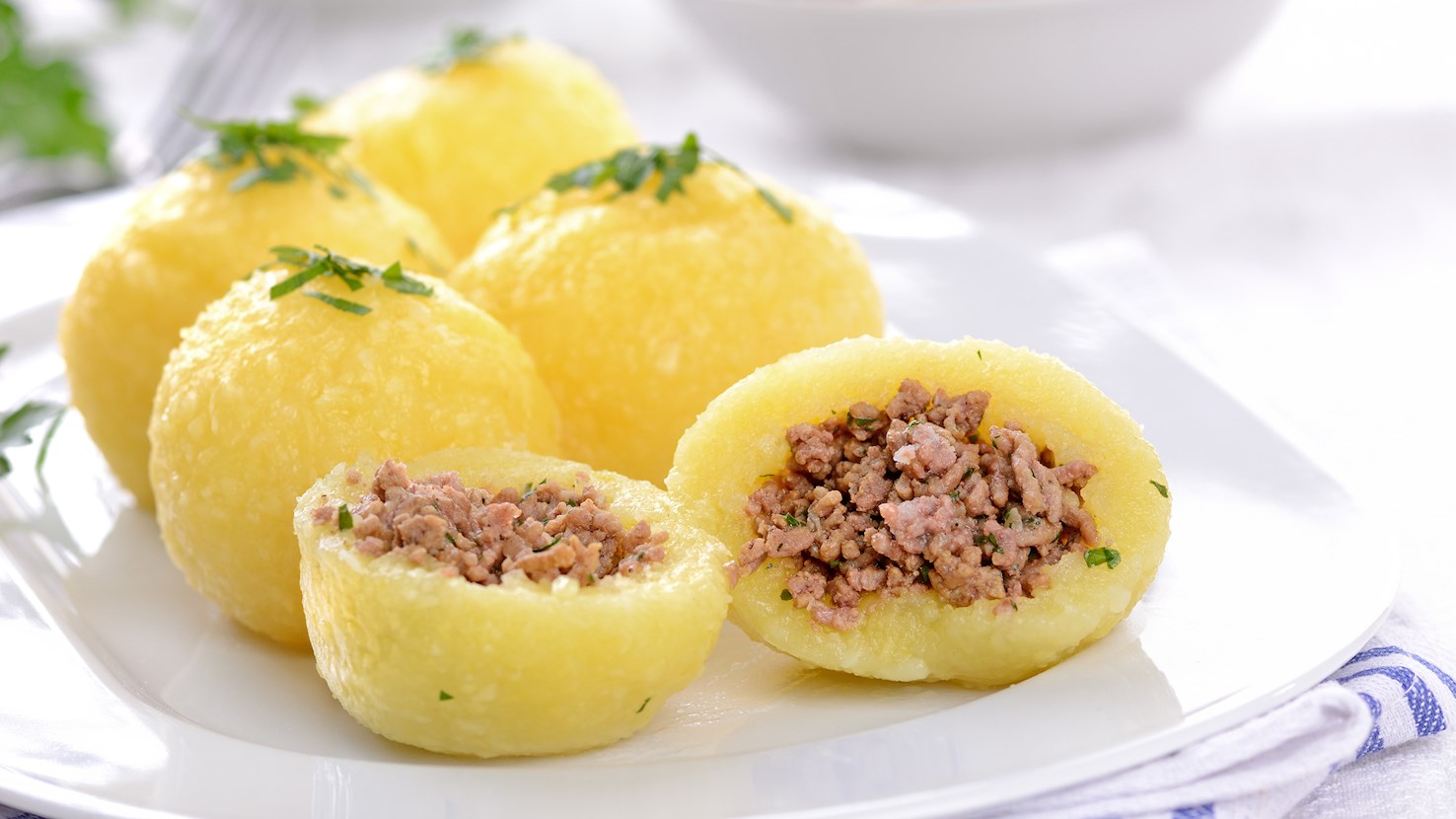
Poutine râpée is a traditional Acadian dish consisting of a boiled potato dumpling that is stuffed with salted pork. The dumplings can be made from grated or mashed potatoes, and they typically have a greyish color and bland flavor. There are a few ways to consume these dumplings: plain, sprinkled with pepper, white sugar, brown sugar, or even molasses. The dish is usually prepared for special and festive occasions such as Christmas.
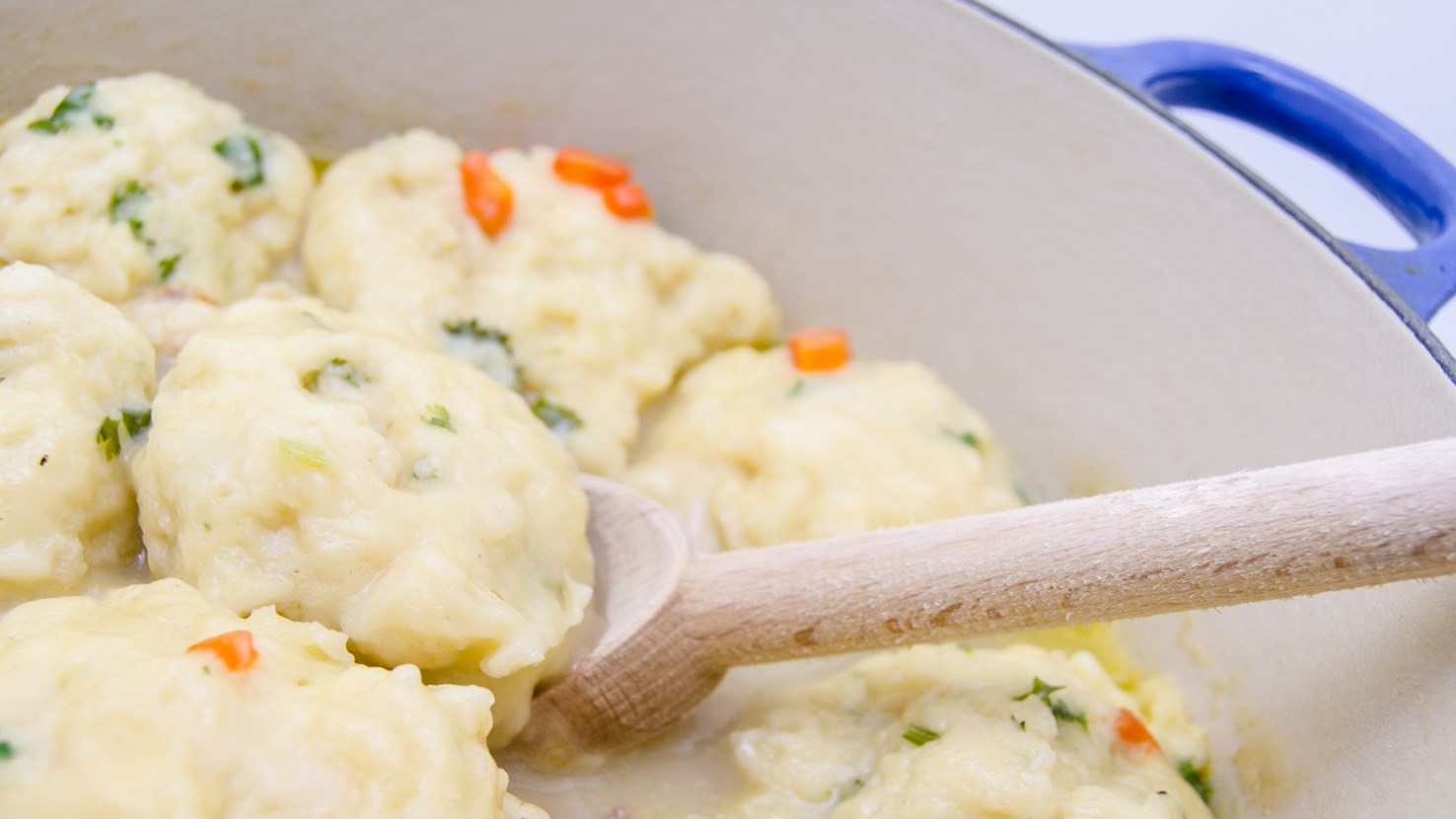
Chicken and dumplings is a thick, savory stew made with boiled chicken meat and soft pieces of dough cooked directly in a rich poultry broth. Its origins are firmly tied to the South and Midwest during the early to mid-19th century. Early printed recipes for similar boiled meat dumplings appeared in Mary Randolph’s 1824 cookbook The Virginia House-Wife, but the combination of stewed poultry and flour dumplings became especially widespread during the Great Depression of the 1930s. Farming families often used older, tough egg-laying hens that no longer produced eggs, simmering them for hours until the meat became tender. Large amounts of inexpensive flour and water were then used to stretch the valuable animal protein and feed large households on a strict budget. Preparation begins by placing a whole bone-in chicken in a large pot of water with chopped celery, white onions, and carrots. The pot simmers steadily for several hours, until the meat falls away from the bones and a rich yellow broth develops. The solid ingredients are removed, leaving only the seasoned liquid behind. The chicken meat is shredded by hand into bite-sized pieces and set aside, while the bones are discarded. The dumpling dough is made by cutting cold vegetable shortening, lard, or butter into all-purpose flour, then adding baking powder and mixing in whole milk or buttermilk until a cohesive dough forms. The way the dough is shaped strongly affects the final texture of the stew and creates clear regional differences. In the drop method, a wet, highly leavened batter is scooped with a spoon and dropped directly into the boiling broth. This creates fluffy, round dumplings that resemble soft, wet biscuits. In the rolled method, a stiffer dough is rolled out on a heavily floured surface and sliced into flat, wide squares or thick strips. When these flat pieces enter the hot broth, the extra surface flour dissolves into the liquid, thickening it into a dense, opaque gravy. Small ingredient changes can easily shift the basic flavor and texture. A prominent Appalachian version replaces wheat flour with coarse cornmeal, producing denser, grittier dumplings that absorb broth without falling apart. Some modern kitchens add heavy cream or evaporated milk in the final minutes of cooking, creating a richer, whiter sauce. Another common adjustment is to add frozen green peas or diced sweet carrots back into the strained broth along with the shredded chicken, bringing color and mild vegetable sweetness. The shredded poultry is returned to the thickened broth just long enough to heat through. The steaming stew is then served directly from the stove in deep, wide bowls. A heavy dusting of freshly cracked black pepper usually covers the surface. Because of its rich fats and heavy starches, chicken and dumplings function as a complete main course.
Slippery dumplings is a traditional dish originating from Delaware. The dish consists of baked chicken that's served with slippery dumplings on the side. The dumpling dough is rolled, cut into squares, then cooked in chicken broth, and as a result it makes the dumplings slippery. During cooking, a rich and soupy chicken gravy develops in the pot. This dish is a staple of fundraising dinners and church suppers in Delaware, and many restaurants offer it on their menus. Chicken and slippery dumplings are also often served with succotash or green beans on the side.
Grandpères is a French Canadian dessert that was very popular in Quebec during the Depression. It is made by boiling dumplings in a combination of maple syrup and water. The dumplings consist of flour, baking powder, butter, and milk. Grandpères are traditionally served piping hot with the syrup in which they were cooked. If desired, they can be accompanied by a scoop or two of vanilla ice cream.
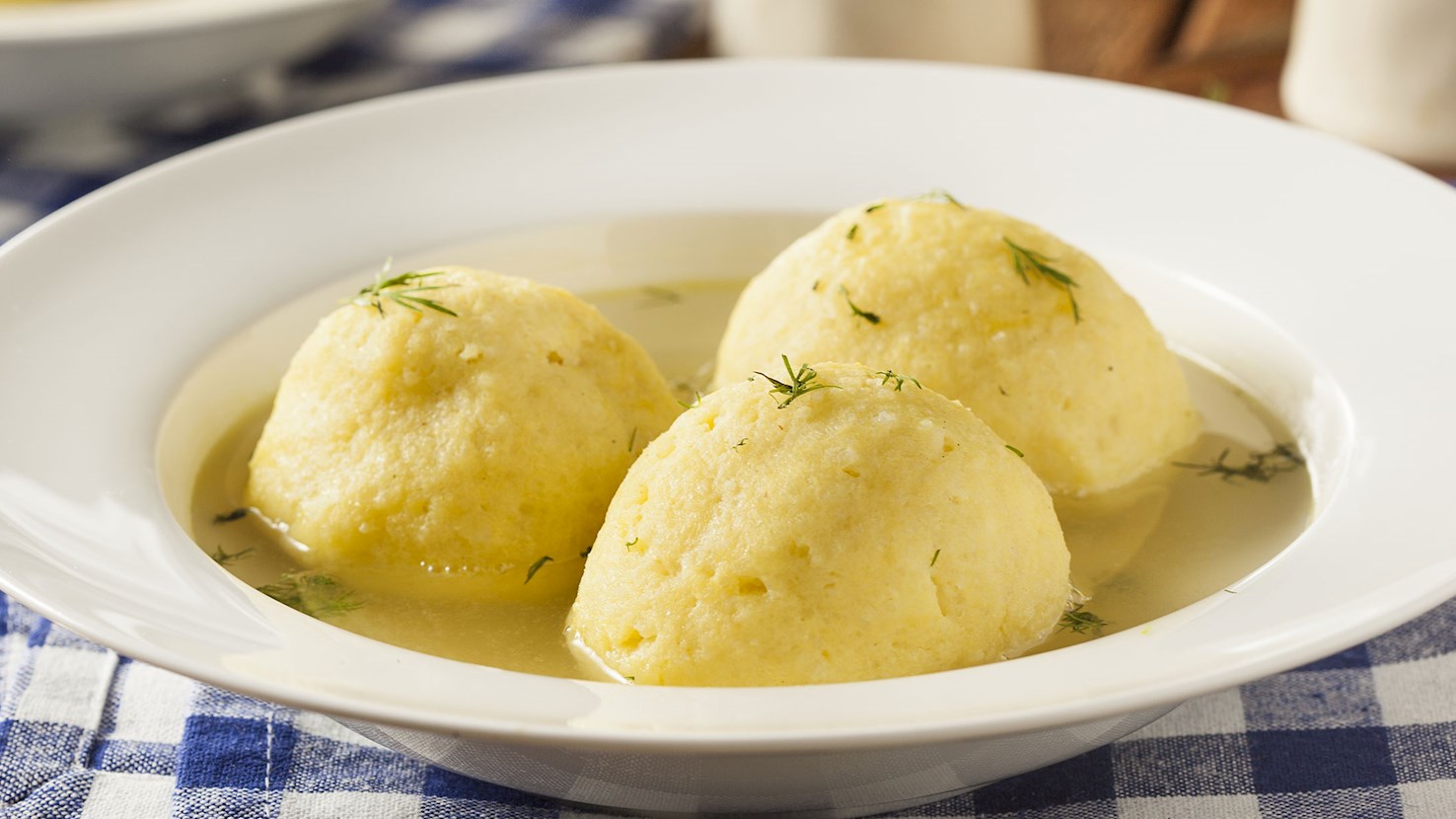
Matzah ball is a dumpling made from matzah meal, eggs, fat, and liquid, most commonly served in clear chicken soup. It is one of the best-known dishes of Ashkenazi Jewish cooking, especially associated with Passover, when leavened bread is avoided, and matzah becomes the central grain product of the holiday table. The dumpling is called kneidlach in Yiddish, and although it is simple in composition, it carries a surprisingly wide range of textures, styles, and family opinions. Some matzah balls are light, tender, and airy enough to break apart easily with a spoon, while others are dense, firm, and almost chewy, with enough structure to hold their shape in hot broth. Both versions have loyal defenders, and the difference often comes down to ingredient ratios, the amount of resting time, and whether the mixture is handled gently or packed tightly. The basic mixture begins with matzah meal, ground from crisp, unleavened matzah. It is combined with beaten eggs, salt, pepper, and a fat, traditionally schmaltz (rendered chicken fat), which gives the dumplings their deep, savory flavor. Oil is often used in modern kitchens, especially for convenience or dietary reasons, but schmaltz remains the ingredient most closely connected with the old-fashioned taste of matzah ball soup. A little water, broth, or seltzer may be added to loosen the mixture, and some cooks use seltzer in the hope of making the dumplings lighter. After mixing, the batter is chilled so the matzah meal can absorb the liquid and become firm enough to shape. The balls are then formed with damp hands and simmered, usually in salted water or broth, until they swell, soften, and cook through. Matzah balls are typically served in a soup dish known as matzah ball soup. The broth is usually chicken-based, clear but flavorful, often prepared with carrots, celery, onions, herbs, and sometimes parsnip or dill. A good matzah ball should absorb some of the soup without turning soggy, adding body to the bowl while still letting the broth remain the main source of warmth and aroma. The flavor is gentle rather than showy: eggy matzah meal, rich fat, black pepper, chicken broth, and the faint sweetness of cooked vegetables. Although matzah ball soup is strongly associated with Passover, it is eaten year-round in Jewish homes, delicatessens, diners, and restaurants. For many families, it is also a dish of care, served during holidays, Sabbath meals, cold weather, illness, or any occasion that calls for something restorative. This reputation has made it one of the emblematic comfort foods of Jewish cuisine, particularly in North America, where Jewish delis helped bring it into broader public recognition. In those settings, matzah balls are often served generously, sometimes one large dumpling in a deep bowl of soup, sometimes several smaller ones surrounded by sliced carrots and fresh dill. Regional and household variations are common. Some cooks add chopped herbs, garlic powder, onion, ginger, or nutmeg to the mixture, while others insist that the dumpling should taste only of matzah meal, egg, schmaltz, and pepper. Some prefer compact matzah balls that sink in the pot, while others look for floaters that rise lightly and feel almost cloudlike. The debate between “sinkers” and “floaters” is part of the dish’s character, because matzah ball soup is as much a family memory as a recipe.
TasteAtlas food rankings are based on the ratings of the TasteAtlas audience, with a series of mechanisms that recognize real users and that ignore bot,
nationalist or local patriotic ratings, and give additional value to the ratings of users that the system recognizes as knowledgeable.
TasteAtlas Rankings should not be seen as the final global conclusion about food. Their purpose is to promote excellent local foods,
instill pride in traditional dishes, and arouse curiosity about dishes you haven’t tried.







What People Say