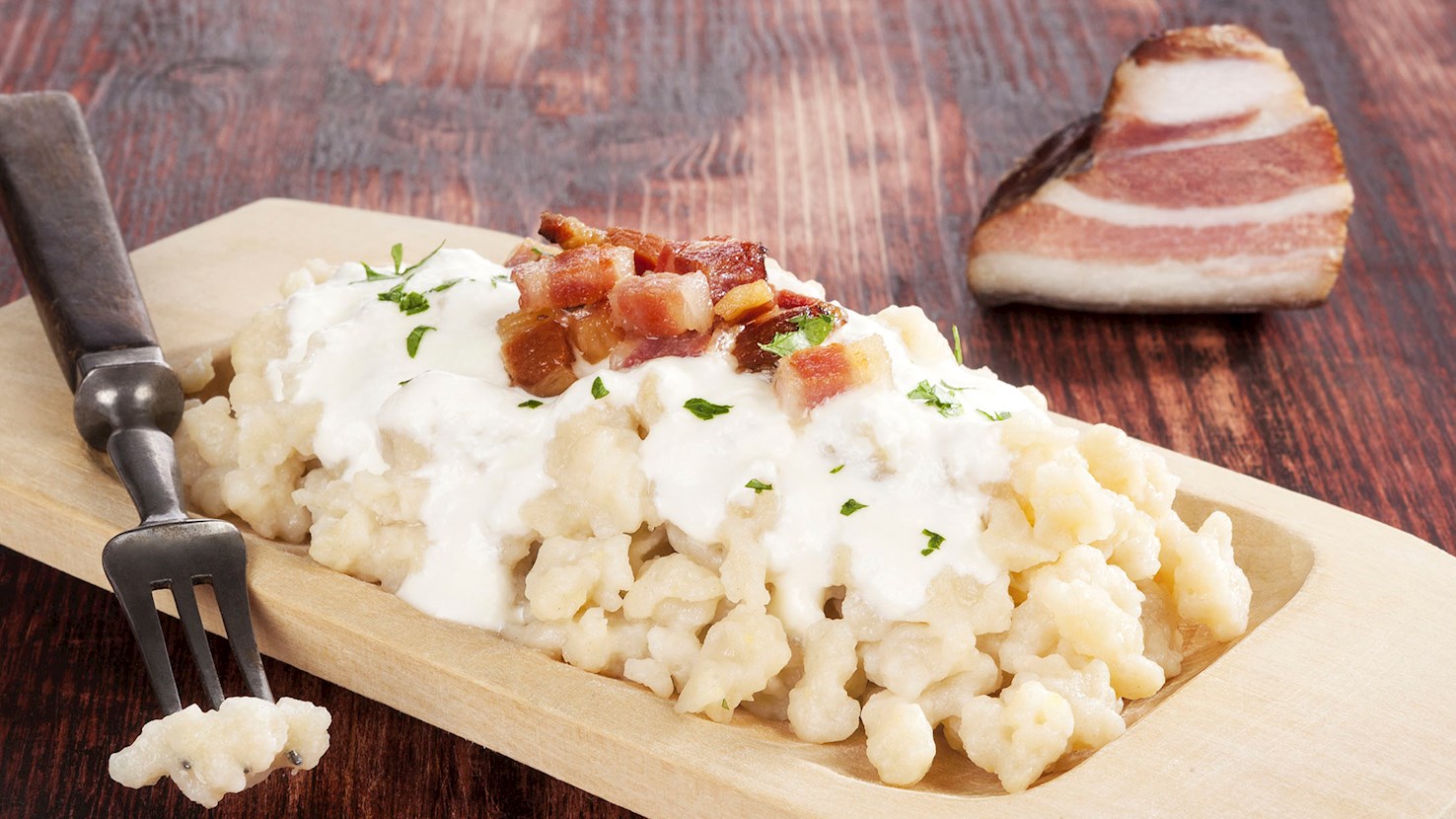
Bryndzové halušky is a modest and simple meal consisting of three elements: halušky, bryndza, and bacon. Halušky is a traditional name for a type of dumpling made with grated raw potatoes and flour. The second essential ingredient in this dish is bryndza, a flavorful cheese made from sheep's milk, authentic to the Liptov area. The original Slovak bryndza is salty, strong, crumbly, and light gray, while the mass-produced varieties are usually milder, lighter, and typically have a certain percentage of cow's cheese. Bryndza is added directly to halušky and mixed thoroughly until it melts. The third and the final part of this dish is bacon, typically cut into pieces, fried in a pan, and sprinkled on top of the dish. This hearty meal is a symbol of pride for Slovaks, and it symbolizes Slovak cuisine as it is: simple, straightforward, and traditional.
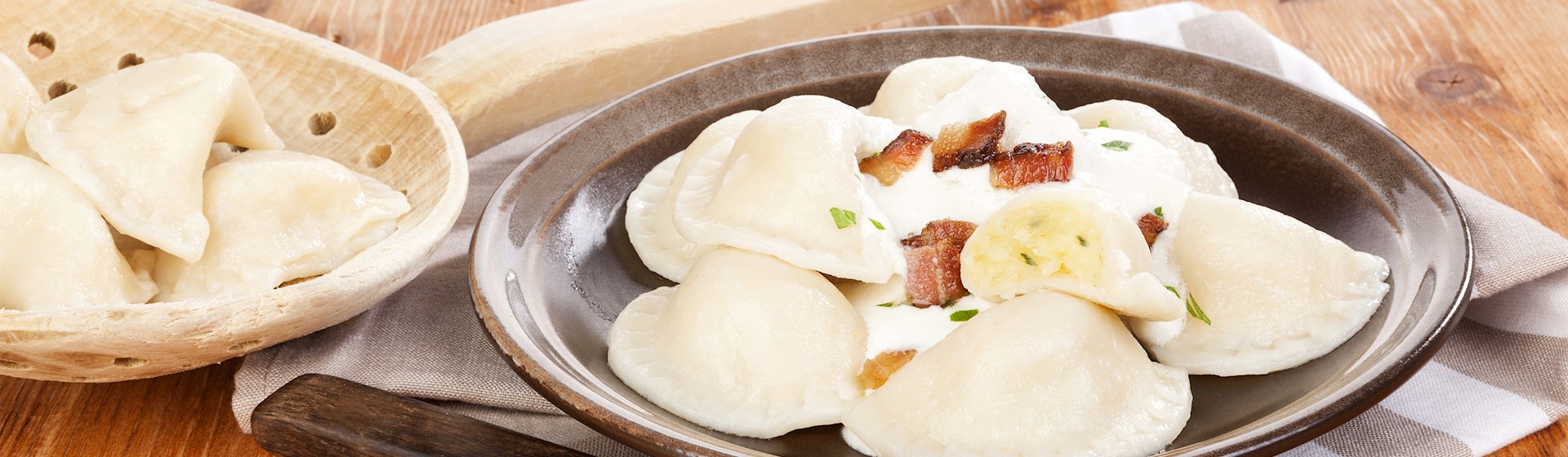
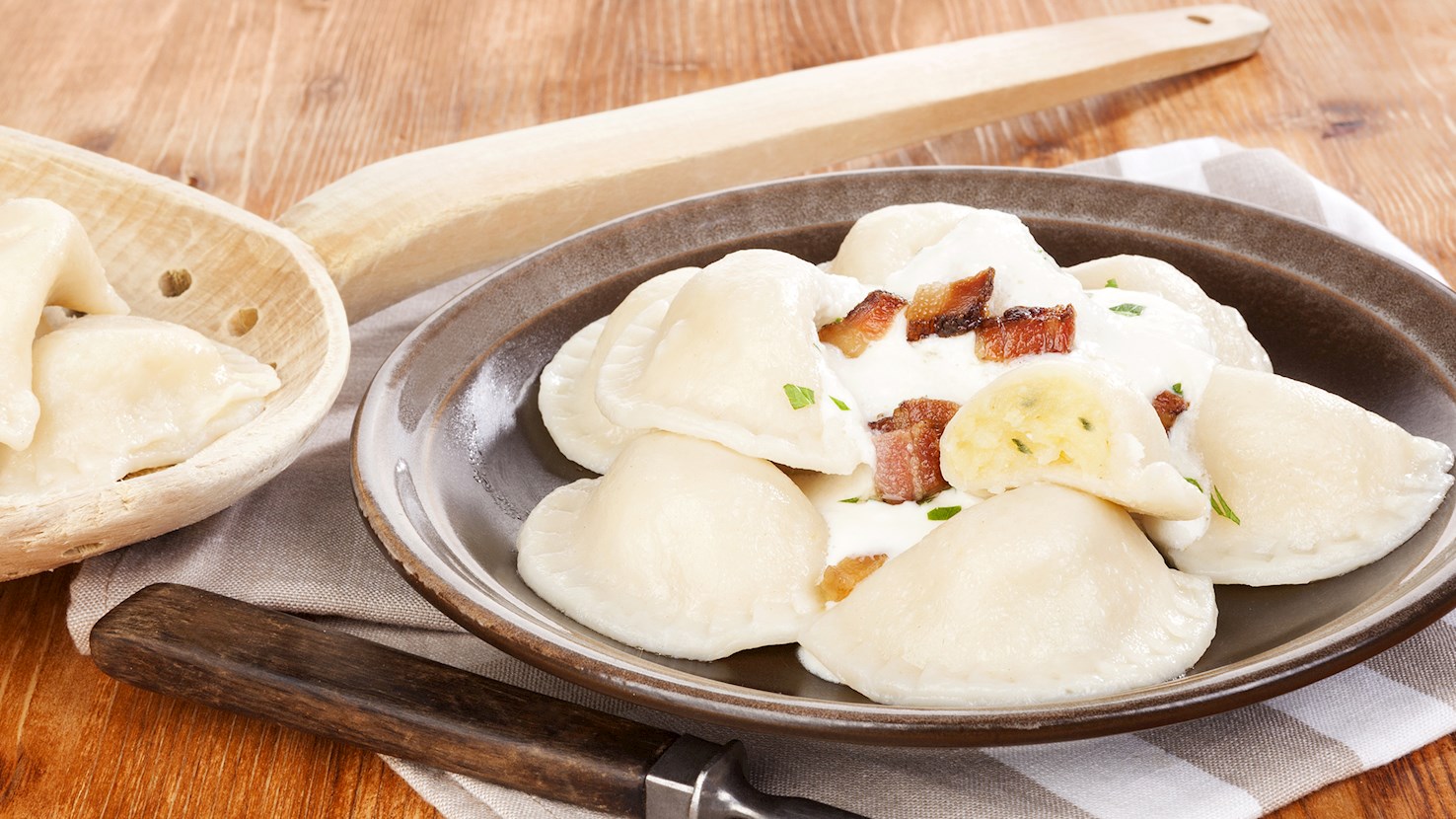
The Slovak version of the famous Polish pierogi consists of a thin potato dough that is wrapped around a combination of grated potatoes and a traditional sheep cheese known as bryndza. These crescent-shaped dumplings are usually cooked (and occasionally fried) until golden and crispy on the exterior. When served, they are traditionally topped with fried bacon, chives, and a dollop of sour cream.
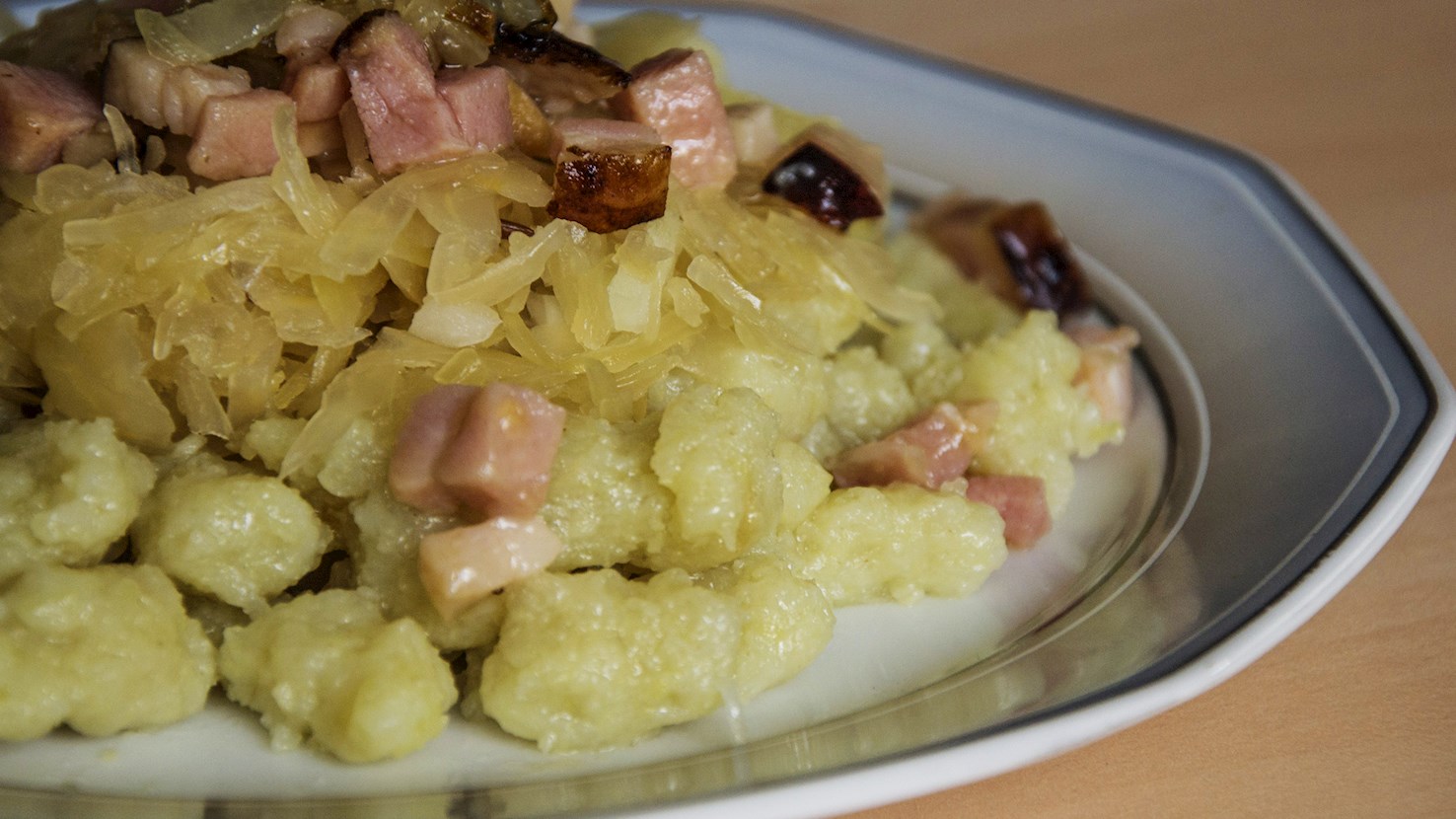
This simple, rustic Slovak dish consists of a combination of traditional halušky dumplings and tangy sauerkraut. The soft and small halušky are a unique variety of potato dumplings, incorporated in various Slovak dishes. In strapačky, their mild taste perfectly pairs with the sour, lightly sweetened and stewed sauerkraut. The dish is often garnished with crispy bits of bacon and it is typically served as a filling main course.
Parené buchty are soft, pillow-shaped Slovakian dumplings crafted from an enriched yeast dough. The ingredients include flour, milk, eggs, butter, sugar, and yeast. Crucially, they are cooked entirely by steam rather than baked or fried. This cooking method ensures they remain pale and moist, developing a light, airy interior and a gentle sweetness. Their tender surface does not form a crust, allowing them to readily absorb butter, sauces, or sweet toppings. The dish developed in Central European households as yeast dough cooking became firmly established. In historical kitchens that often lacked ovens, steaming offered a dependable method for preparing rich doughs. Furthermore, substantial, starch-based foods already played a central role in everyday meals across the region. Making parené buchty centers on mixing and kneading a smooth, elastic dough and allowing it to fully rise. The dough is then divided into portions, which are frequently filled before being shaped into buns. Finally, they are steamed closely arranged above simmering water; this technique allows them to expand evenly and cook through without drying out. While the defining feature of the dish is the exclusive use of steam, common variations exist. These include differences in the size or richness of the dough, as well as a variety of fillings such as plum jam, apricot jam, poppy seed paste, or sweetened quark. Parené buchty are eaten hot and are most often served as a sweet main dish. They are typically finished with toppings like melted butter, powdered sugar, cocoa, or vanilla sauce. A staple in homes, school cafeterias, and casual eateries, they are not treated as handheld pastries; instead, they are eaten with a spoon or fork and often paired with sweet sauces, or fruit-based accompaniments.
TasteAtlas food rankings are based on the ratings of the TasteAtlas audience, with a series of mechanisms that recognize real users and that ignore bot,
nationalist or local patriotic ratings, and give additional value to the ratings of users that the system recognizes as knowledgeable.
TasteAtlas Rankings should not be seen as the final global conclusion about food. Their purpose is to promote excellent local foods,
instill pride in traditional dishes, and arouse curiosity about dishes you haven’t tried.



What People Say