Štruklji is one of the most typical Slovenian dishes, consisting of different varieties of rolled dough that is filled with either savory or sweet ingredients such as cottage cheese, walnuts, apples, and poppy seeds. They can be found throughout Slovenia–in home kitchens, restaurants, and numerous mountain huts. Štruklji can be baked or cooked, and one unique variety of the dish is especially popular during spring and summer, when štruklji are filled with fresh tarragon. Originally, the dish was prepared at celebrations and festivities in order to celebrate the end of hard labor at the farms, and the practice was present until the 1930s, when people started making štruklji throughout the year.
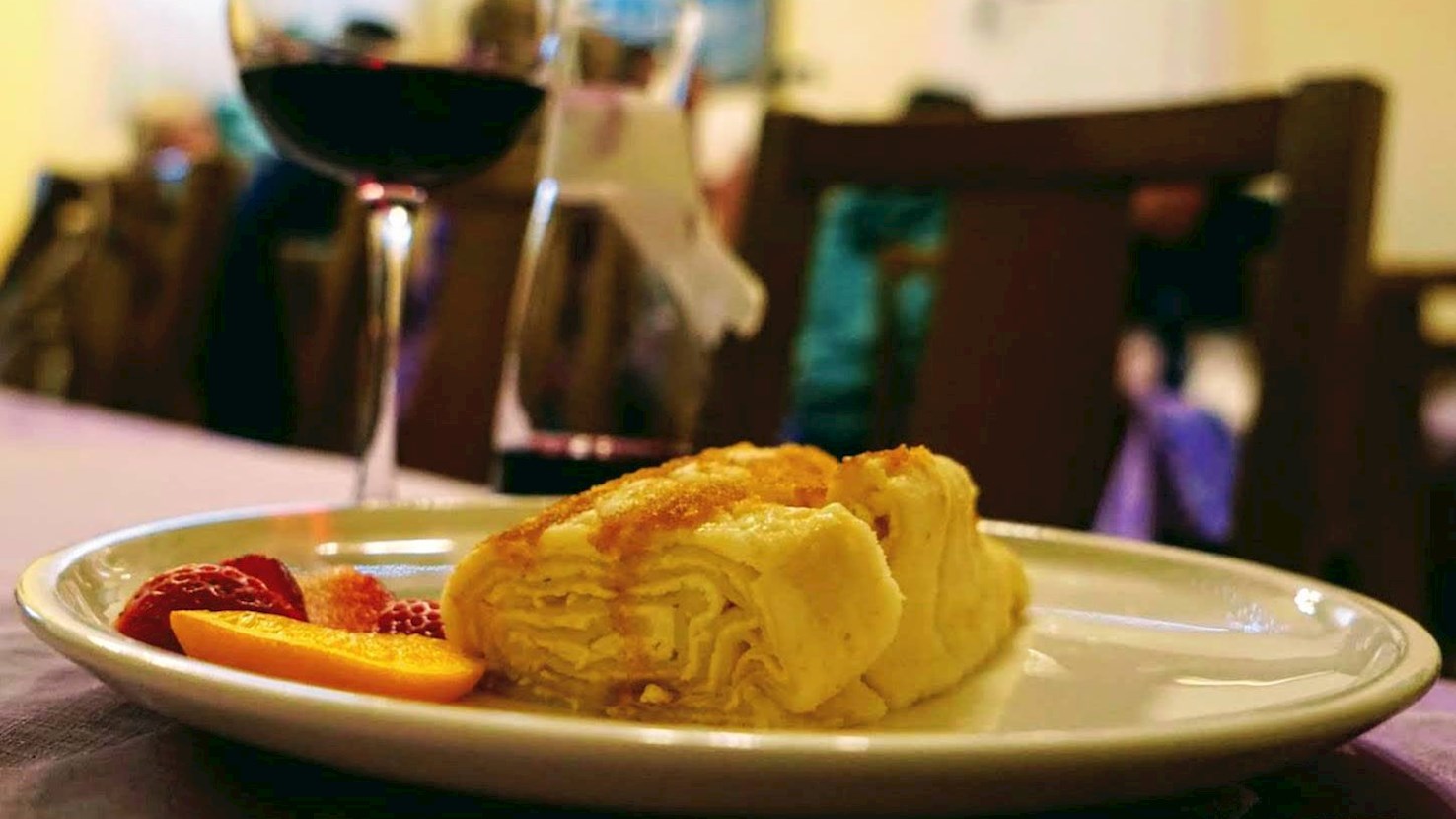
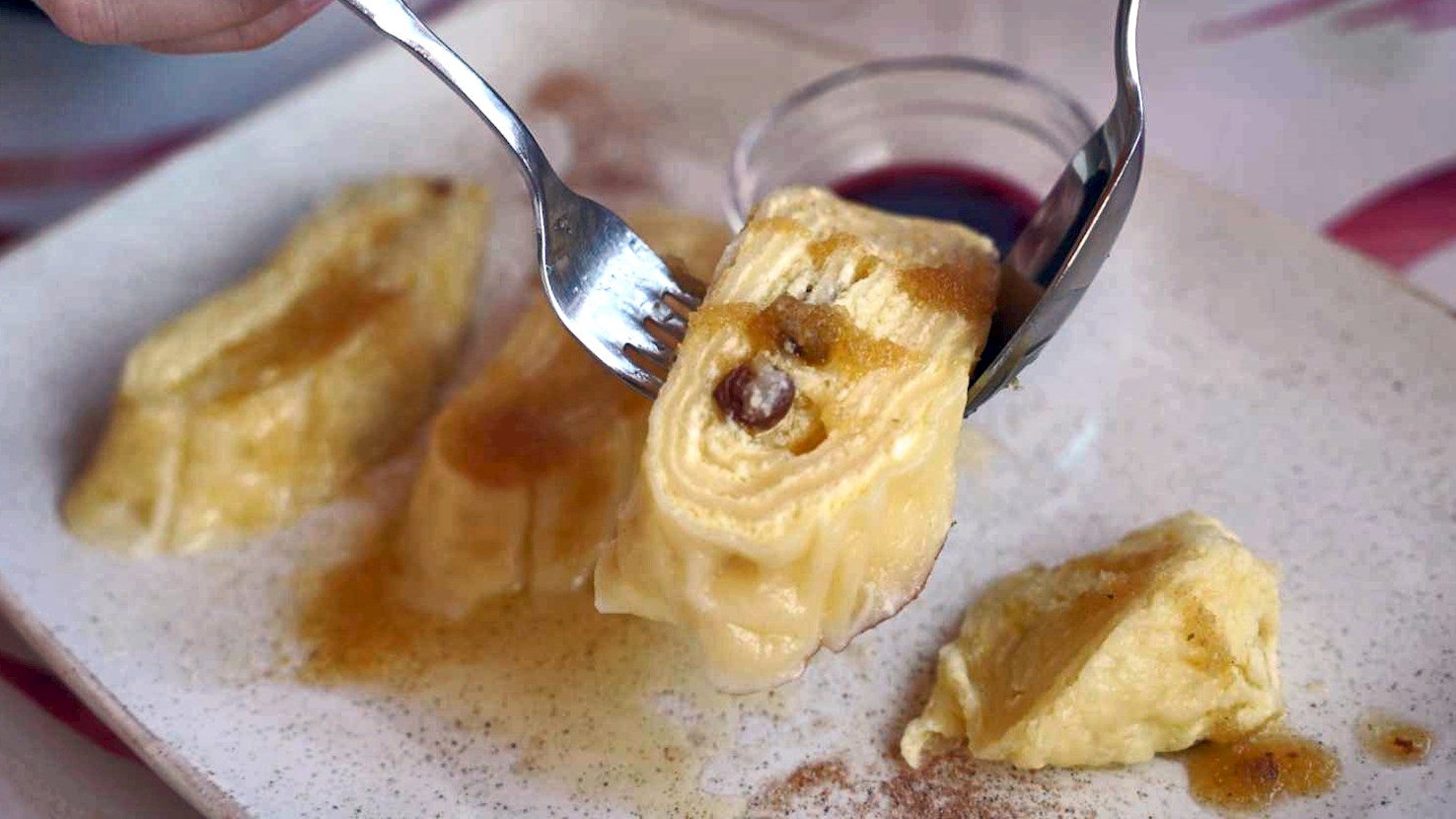
Sirovi or skutni (skutini) štruklji is a traditional variety of štruklji originating from Slovenia. The dough is made with a mixture of flour, water, eggs, oil, and salt. Once rested, it's rolled out into thin sheets that are topped with a mixture of sour cream and skuta (curd cottage cheese). Sugar and raisins are sometimes added to the mixture, but they're not mandatory. The dough is rolled up into a log, and the štruklji are wrapped in a kitchen cloth and then boiled in salted water until fully cooked. Once they've been taken out of the pot, the štruklji are cut into smaller pieces, and the dish is then enjoyed as it is or topped with breadcrumbs fried in butter.
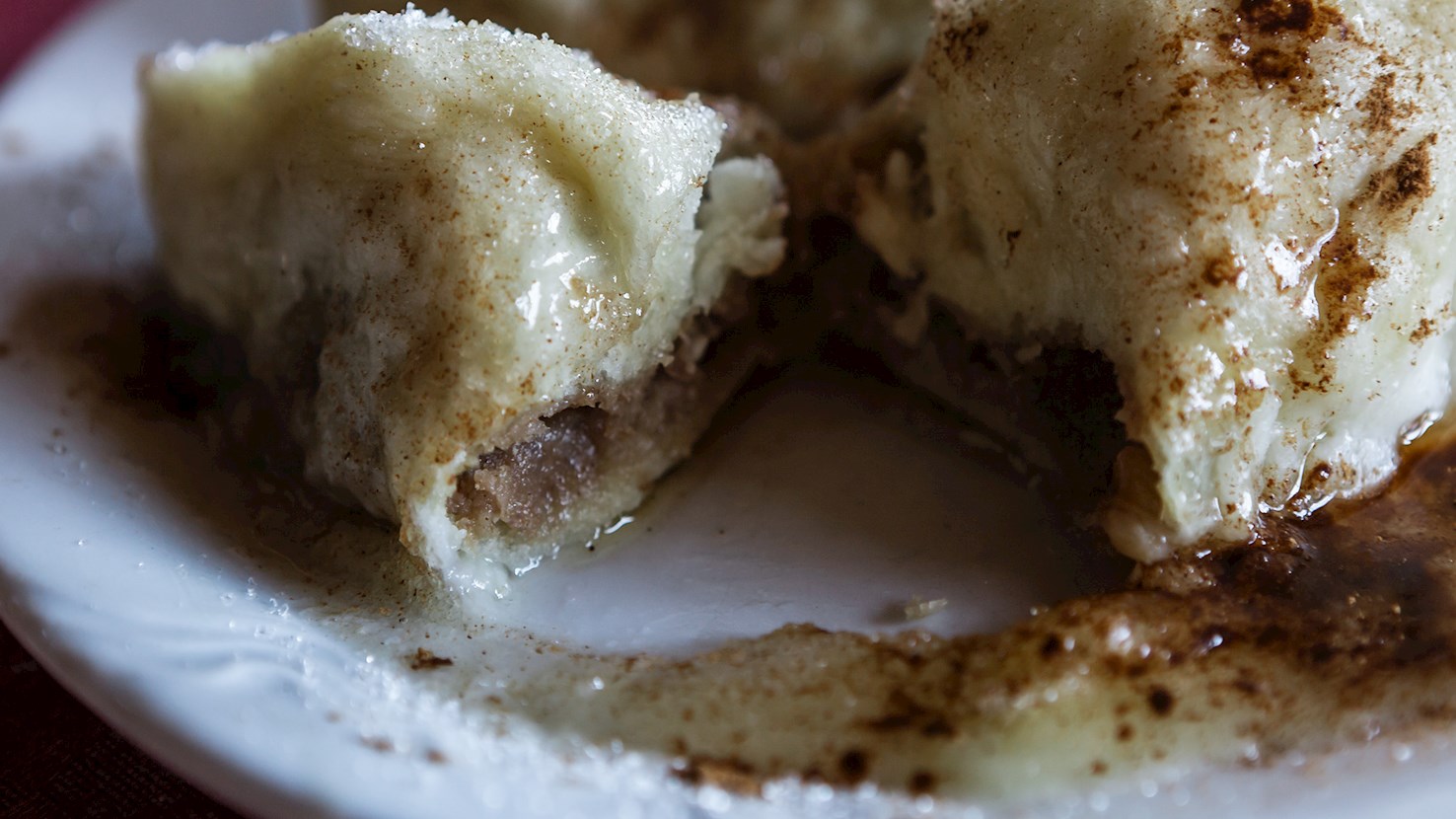
Although they originated as a festive dish that was only served on special occasions, štruklji from Kobarid have become a favorite local dessert that is enjoyed throughout the region. They are prepared with a thin layer of dough and a sweet walnut filling that is enriched with raisins, lemon zest, vanilla, and rum. When the filling is neatly wrapped, each štrukelj is gently pressed in the middle to achieve its typical shape. It is said that this tradition allows chefs to leave their signature on each handmade štrukelj. These sweet dumplings are best served warm, preferably doused in syrup and dusted with cinnamon, sugar, and ground walnuts, or sprinkled with buttered breadcrumbs.
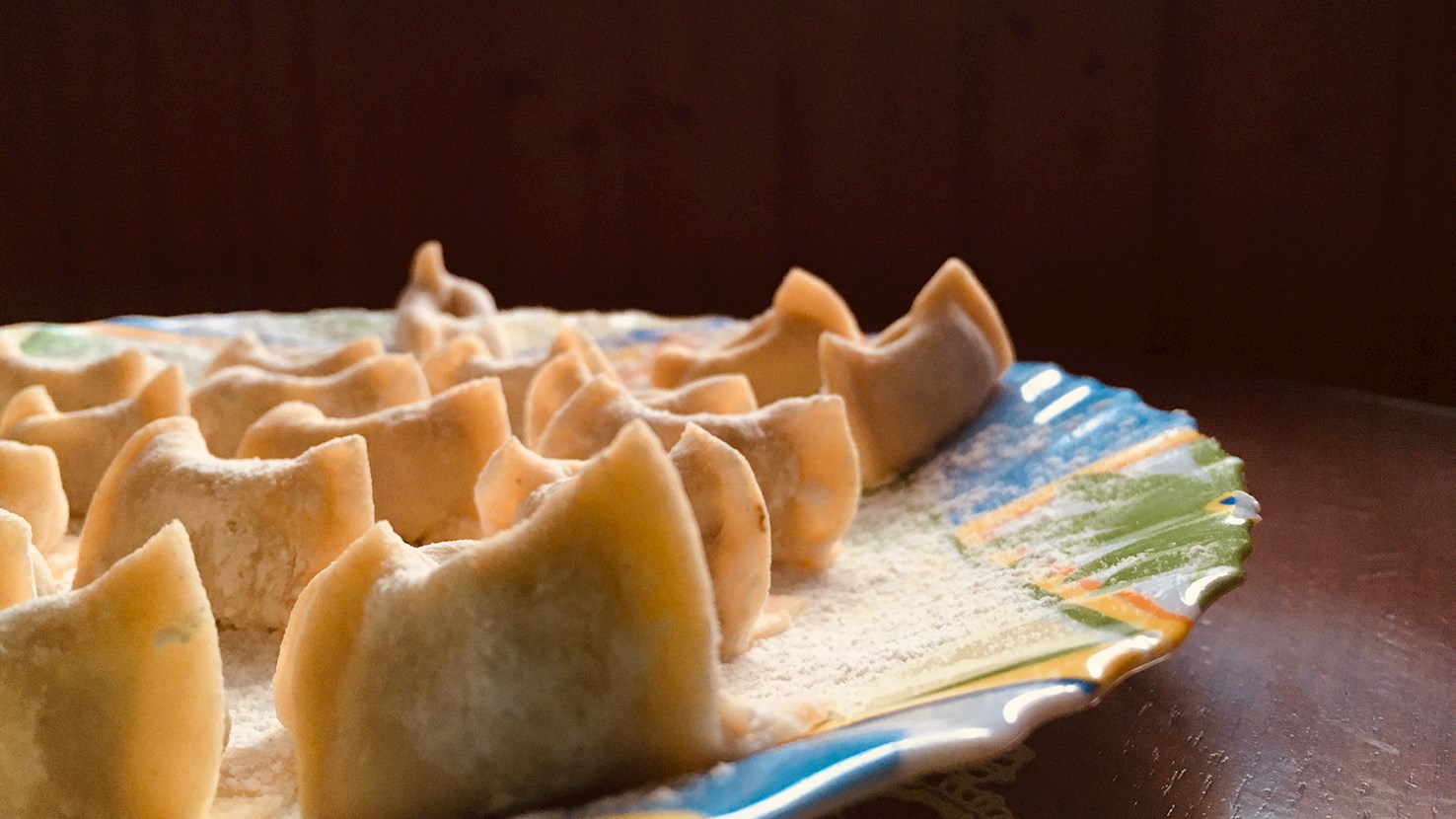
Traditionally prepared in western Slovenia, namely the town of Idrija, this popular pasta dish can be described as a variety of ravioli. Žlikrofi are made with two layers of thin pasta dough wrapped around the filling, and apart from their charming shape resembling a bicorne hat, their authentic potato filling is even more distinctive. Ever since the first references to this delicious Slovenian dish, except for the variations in the filling, the recipe hasn't significantly changed over the years. The oldest written source is found in a 1936 book Naš Idrijski Kot, in which the author describes how the popular žlikrofi were prepared only on special occasions when they were typically filled with potatoes, meat, or turnip mash. Although it has been suggested that Idrijski žlikrofi are in fact quite similar to the Austrian Schlickkrapferl (dumplings filled with offal and fresh herbs), their true origin hasn't yet been discovered.
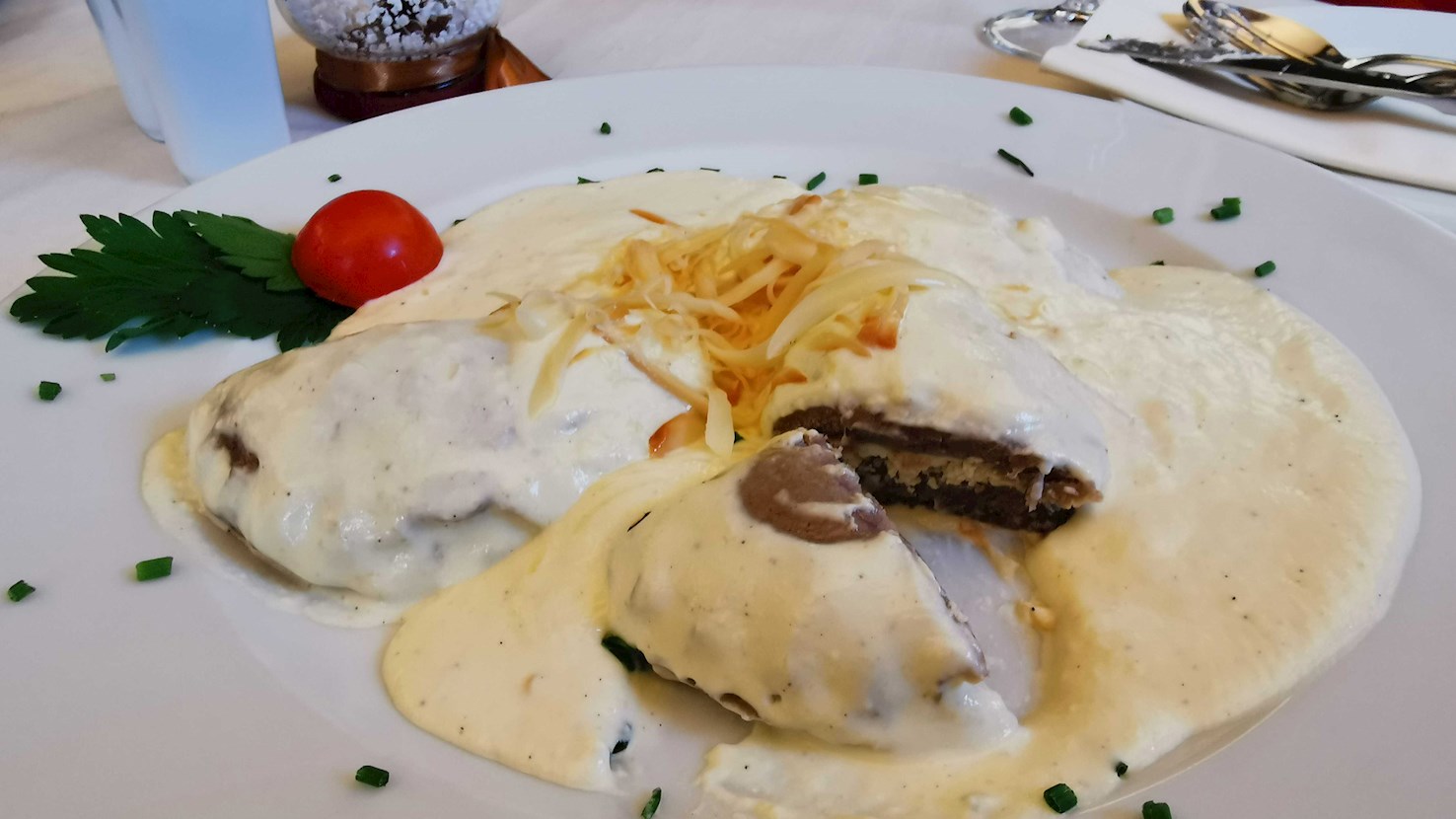
Ajdovi štruklji is a traditional type of Slovenian štruklji. The dough is usually made with a combination of salted water and buckwheat flour. Once prepared, a smooth mixture of skuta (white curd cheese), eggs, sour cream, and salt is spread over the dough, and it is then tightly rolled in order to make štruklji. The štruklji are boiled in salted water and then cut into slices before serving. Although the combination of skuta, eggs, and sour cream is the most favored filling, it can also be made with walnuts, various cheeses, or sweet ingredients.
Ajdovi krapi are traditional buckwheat dumplings filled with a mixture of cottage cheese and millet porridge. They are traditionally served topped with sour cream and sprinkled with cracklings. Although ajdovi krapi are a typical Slovenian side dish, they can easily be enjoyed as the main course. There is also a sweet version which is usually filled with hazelnuts and served doused in vanilla sauce.
Kostelske hrge are traditional Slovenian dumplings originating from the town of Kostel. They’re made with a combination of potatoes, eggs, cracklings, garlic, salt, pepper, butter or lard, parsley, flour, and breadcrumbs. The potatoes are peeled, washed, and grated, then mixed with the eggs, cracklings, garlic, salt, pepper, and chopped parsley. The mixture is stirred and mixed with flour in order for the dough not to stick. The dough is shaped into dumplings, which are then boiled in salted water. They’re topped with breadcrumbs, cracklings, or sour cream, then served on their own with seasonal salads, or more commonly as an accompaniment to venison.
Gluhi štruklji are soft dumpling-like rolls made from risen yeast dough and cooked in boiling water or steam, without the cheese, walnut, tarragon, fruit, or other filling found in most types of štruklji. They are especially associated with Gorenjska and other parts of central and northern Slovenia, although comparable unfilled versions are known elsewhere in the country. Their name literally means “deaf štruklji,” but in culinary usage, gluhi indicates that the rolls are empty or unfilled, which separates them from the much larger family of filled Slovenian štruklji. They developed as one of the simpler ways of turning flour, water, yeast, and salt into a substantial cooked food at a time when richer ingredients such as cottage cheese, eggs, butter, nuts, and dried fruit were not necessarily available for everyday cooking. Štruklji, as a broader category, have been prepared in Slovenian lands for centuries. Gluhi štruklji became particularly associated with rural households, where inexpensive dough could feed several people and accompany foods that provided most of the meal’s flavor. Sources from Gorenjska describe preparing them during major farm work such as sowing, harvesting, and mowing, as well as during fasting periods and larger celebrations, showing that their simplicity did not restrict them to ordinary weekday meals. The basic dough is similar to bread dough: wheat flour is mixed with yeast, lukewarm water, and salt, kneaded until smooth, then left to rise until noticeably expanded. Some versions add oil, milk, egg, or a little fat, and buckwheat flour can also appear, but the defining principle remains: no separate filling. Once risen, the dough may be shaped into individual short rolls or rolled into a longer cylinder and divided into pieces. Around Tržič, štruklji were formed into pieces approximately five to ten centimeters wide, allowed to rise again, and then cooked in salted water. Other cooks steam them, which generally gives a lighter, drier surface and helps the dough keep its shape as it expands. The dough needs room during cooking because yeast-raised štruklji can increase substantially in size, and a crowded pot can leave them unevenly cooked. Once firm but still soft inside, they are removed, rested briefly, and sliced or pulled into pieces. At this point, a dish built from extremely modest ingredients becomes much more flexible. Melted butter and toasted breadcrumbs can be spooned over the slices, while older savory versions are dressed with fried onions, cracklings, or rendered pork fat. One documented preparation tears the cooked rolls apart with a fork and tosses them with browned onion, giving their otherwise mild dough considerably more flavor. Their lack of filling is also what makes them particularly effective beside sauces. Rather than competing with a stew or braise, the porous cooked dough readily absorbs gravy, which explains their longstanding use with goulash, steaks or other meat served in sauce, sour turnip, sauerkraut, and similar substantial dishes. They can even be cut into pieces and added to beef broth as a soup accompaniment. Sweet versions also exist: buttered slices may be sprinkled with sugar, poppy seeds, nuts, or breadcrumbs, or served with fruit or vanilla sauce, although savory versions remain most closely associated with the name. Gluhi štruklji still appear in Slovenian home cooking and restaurants specializing in regional food, particularly in Gorenjska, where they pair naturally with beef, game, pork, mushroom sauces, cabbage, or sour turnip. They are generally served warm and are at their best soon after cooking, when the interior remains light and springy enough to absorb sauce without becoming heavy. With meat and gravy, a light Slovenian red or an uncomplicated lager pairs well, while sour milk or buttermilk suits a simpler meal of štruklji dressed with onions or cracklings.
Grušavi žlinkrofi are traditional dumplings originating from Slovenia. These small dumplings are typically filled with dried pears and topped with honey. The dough is made with a combination of flour, eggs, milk, and oil. It is then shaped into small loaves that are left to rest before they're rolled out and the filling, consisting of dried pears, is spooned on top of the dough. Another piece of dough is placed on top, and the dumplings are then cut into squares and pinched in order to be sealed. Once done, the dumplings are usually sprinkled with a combination of breadcrumbs fried in fat and honey.
Ubrnjenik or obrnenk or ubrnenk are traditional Slovenian dumplings originating from the Upper Savinja Valley region. The dumplings are made from roasted wheat, buckwheat (most commonly), or corn flour and boiling salted milk. Cream and butter are added for better consistency and flavor, and the mixture is then shaped into balls that are served warm or cold. Ubrnjenik is often accompanied with sour milk, yogurt, or a cup of coffee on the side. The dish is quite heavy, and in the past it was prepared for the farmers' breakfast, before they started a day of hard work in the fields. The farmers also used to wrap ubrnjenik in horseradish leaves and eat the dumplings for lunch.
TasteAtlas food rankings are based on the ratings of the TasteAtlas audience, with a series of mechanisms that recognize real users and that ignore bot,
nationalist or local patriotic ratings, and give additional value to the ratings of users that the system recognizes as knowledgeable.
TasteAtlas Rankings should not be seen as the final global conclusion about food. Their purpose is to promote excellent local foods,
instill pride in traditional dishes, and arouse curiosity about dishes you haven’t tried.







What People Say