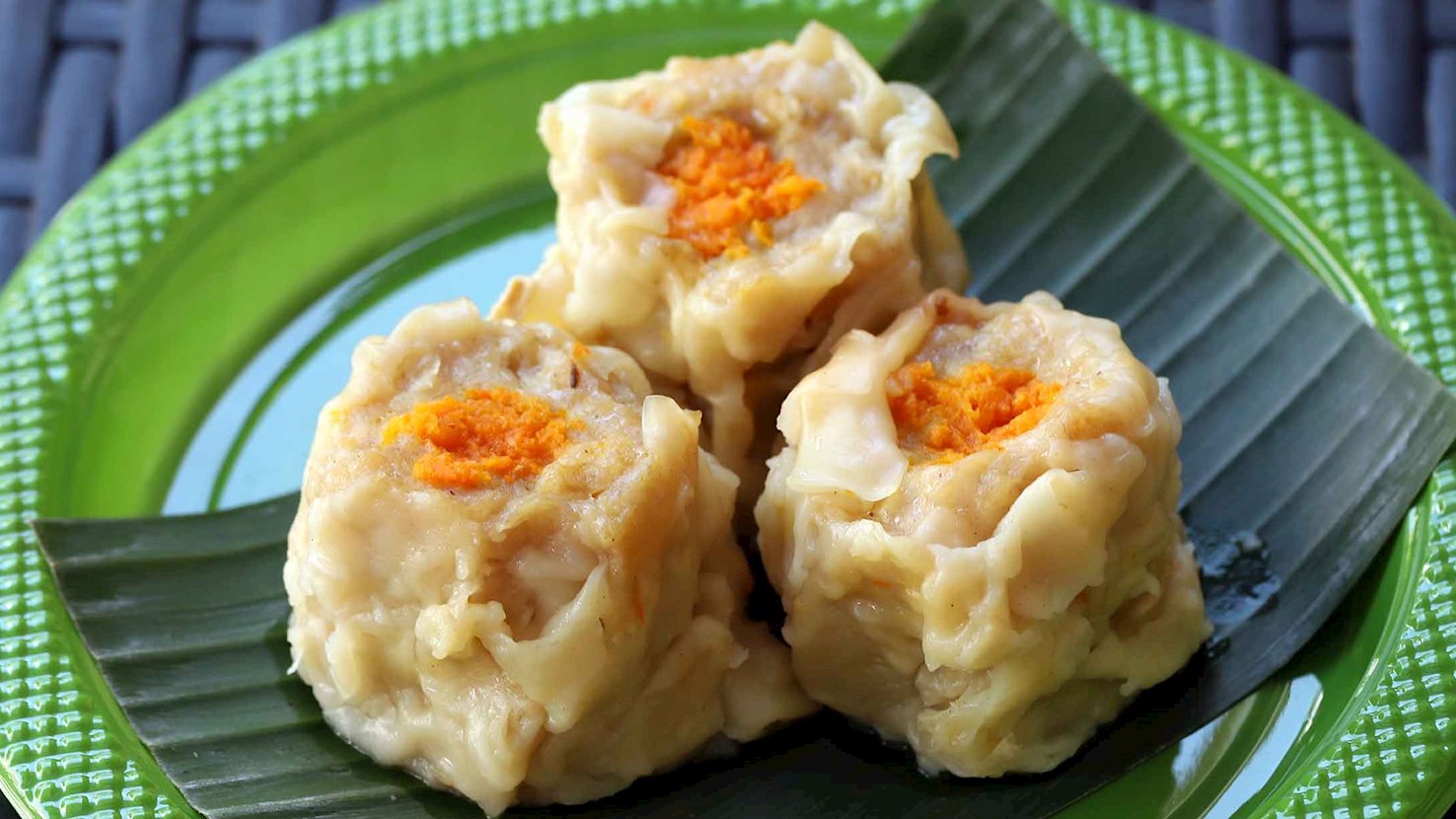
Siomay is a steamed dumpling filled with a dense fish and tapioca paste, permanently paired on a plate with steamed cabbage rolls, boiled potatoes, soft white tofu, hollowed-out bitter gourd, and a hard-boiled egg, all covered in a sweet and spicy peanut sauce. The history of this street food traces back to Chinese immigrants who introduced the pork-filled dim sum known as shumai to the archipelago. Local populations adapted the original ingredients to meet Islamic halal dietary requirements by replacing the pork filling with locally caught fish. Spanish mackerel, known regionally as ikan tenggiri, serves as the standard protein base for the filling, though some variations use ground tuna, prawns, or threadfin. Blending the raw, minced seafood with tapioca flour, shallots, garlic, salt, and white pepper creates a highly sticky and resilient paste. Sellers pack this savory paste into round wonton wrappers, stuff it directly into slices of tofu, and press it into the centers of sliced green pare, a sharply bitter gourd. A large, multi-tiered metal steamer gently cooks the dumplings and the accompanying whole potatoes, cabbage leaves, and eggs until they are fully tender. Mobile vendors strap these hot steamers onto the backs of bicycles or mount them on wooden pushcarts to travel through residential neighborhoods and busy commercial streets. A customer selects their preferred combination of fish dumplings and vegetables from the hot steam bath. The seller immediately snips the chosen items into bite-sized pieces using a pair of sharp metal scissors directly over a shallow plate or a folded paper cone. A thick, warm peanut sauce goes directly over the chopped pieces. Creating this sauce requires frying raw peanuts until golden before grinding them into a paste with red chili peppers, garlic, shallots, palm sugar, tamarind juice, and salt. A finishing squirt of fresh kalamansi lime juice cuts through the nuts' heavy fat. A heavy drizzle of kecap manis, a molasses-like sweet soy sauce, creates a dark webbing over the top of the plate. The final combination balances the chewy, savory seafood paste with the sharp snap of bitter gourd, the neutral starch of potato, and the rich heat of peanut gravy. The city of Bandung in West Java claims the most famous iteration of this meal, frequently marketed as Siomay Bandung by street vendors far outside the city limits. People consume this warm meal at any hour of the day as a filling snack or a casual dinner, eating the sauce-drenched pieces with a fork and a spoon.
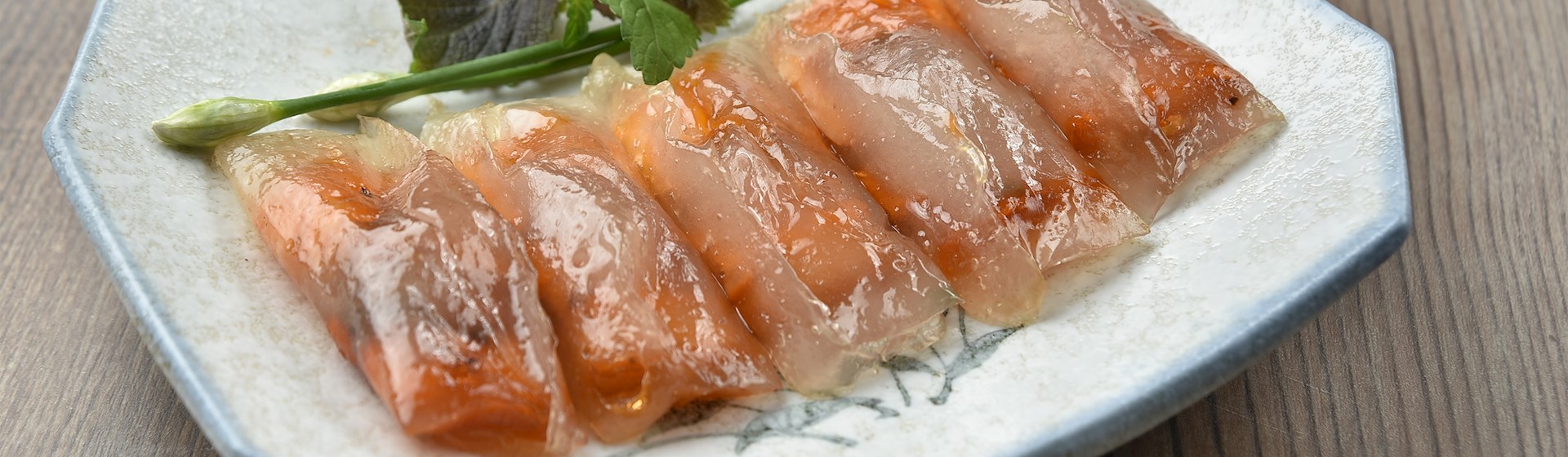
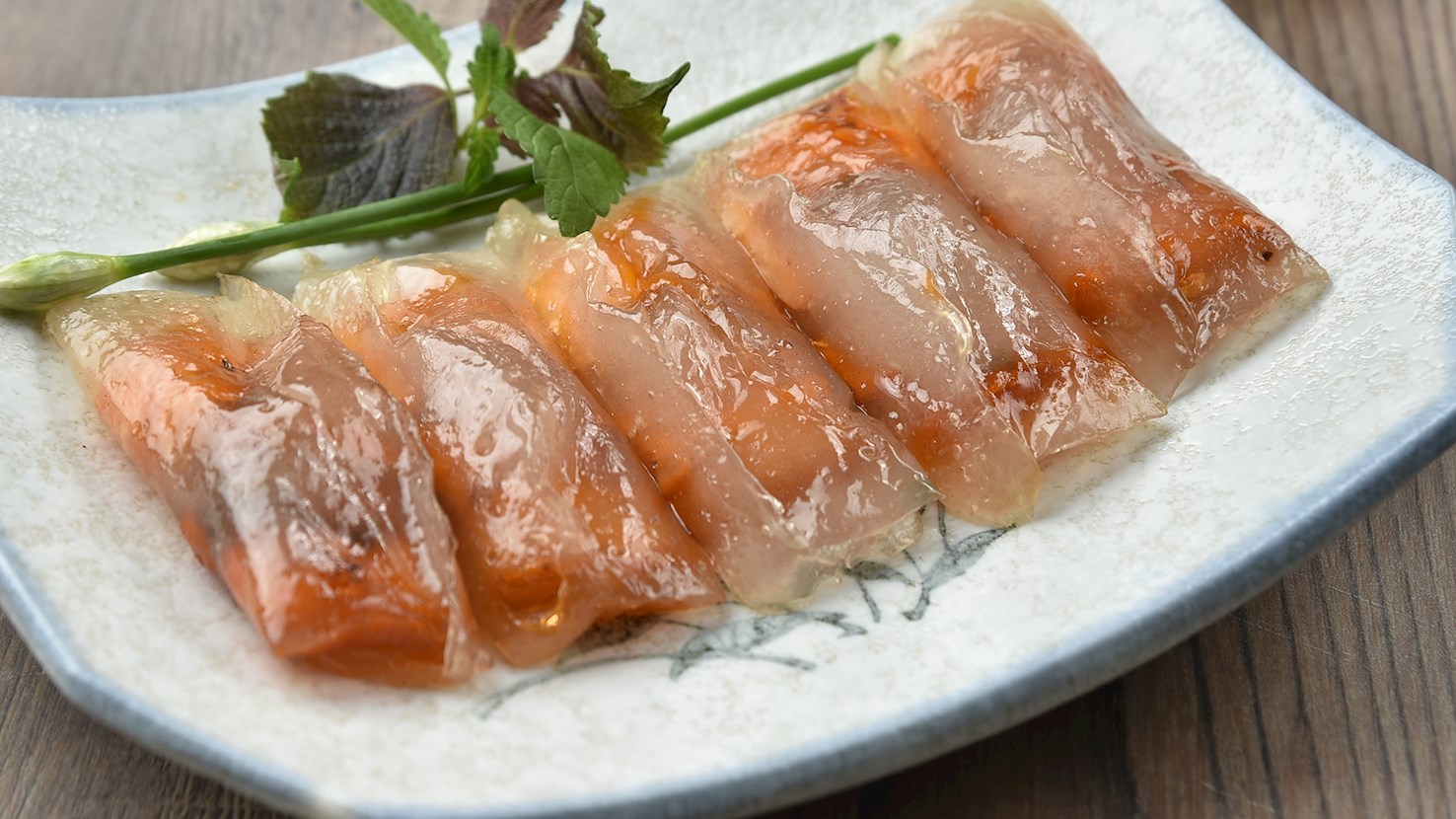
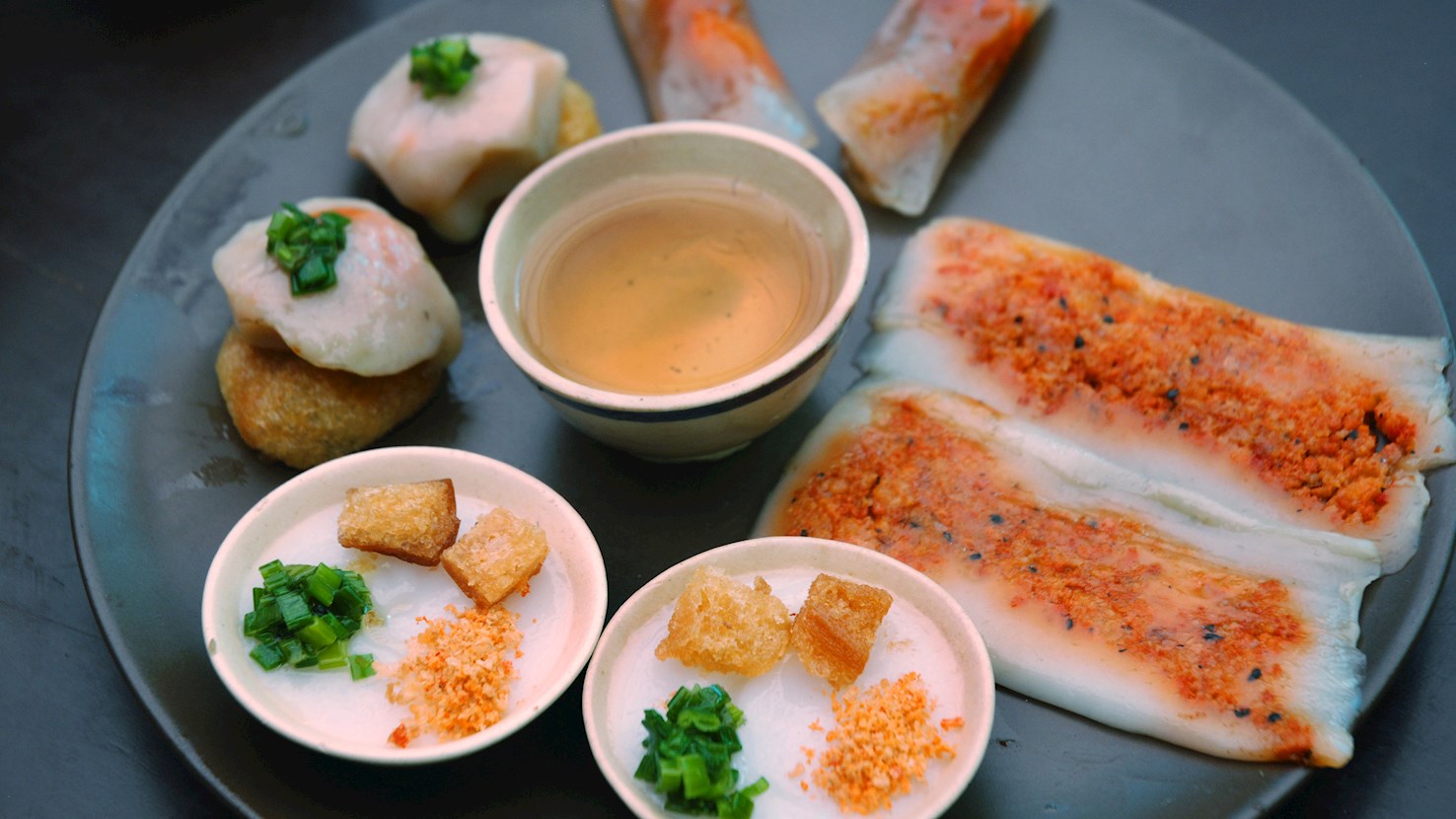
These translucent Vietnamese dumplings are usually prepared with tapioca-based wrappers and a filling which typically combines shrimps and fatty pork. The dumplings can be cooked or wrapped in banana leaves and then steamed. They are traditionally served with a fish-based dipping sauce on the side. It is believed that bánh bột lọc originated in Huế – the ancient imperial city known for its balanced, sophisticated specialties.
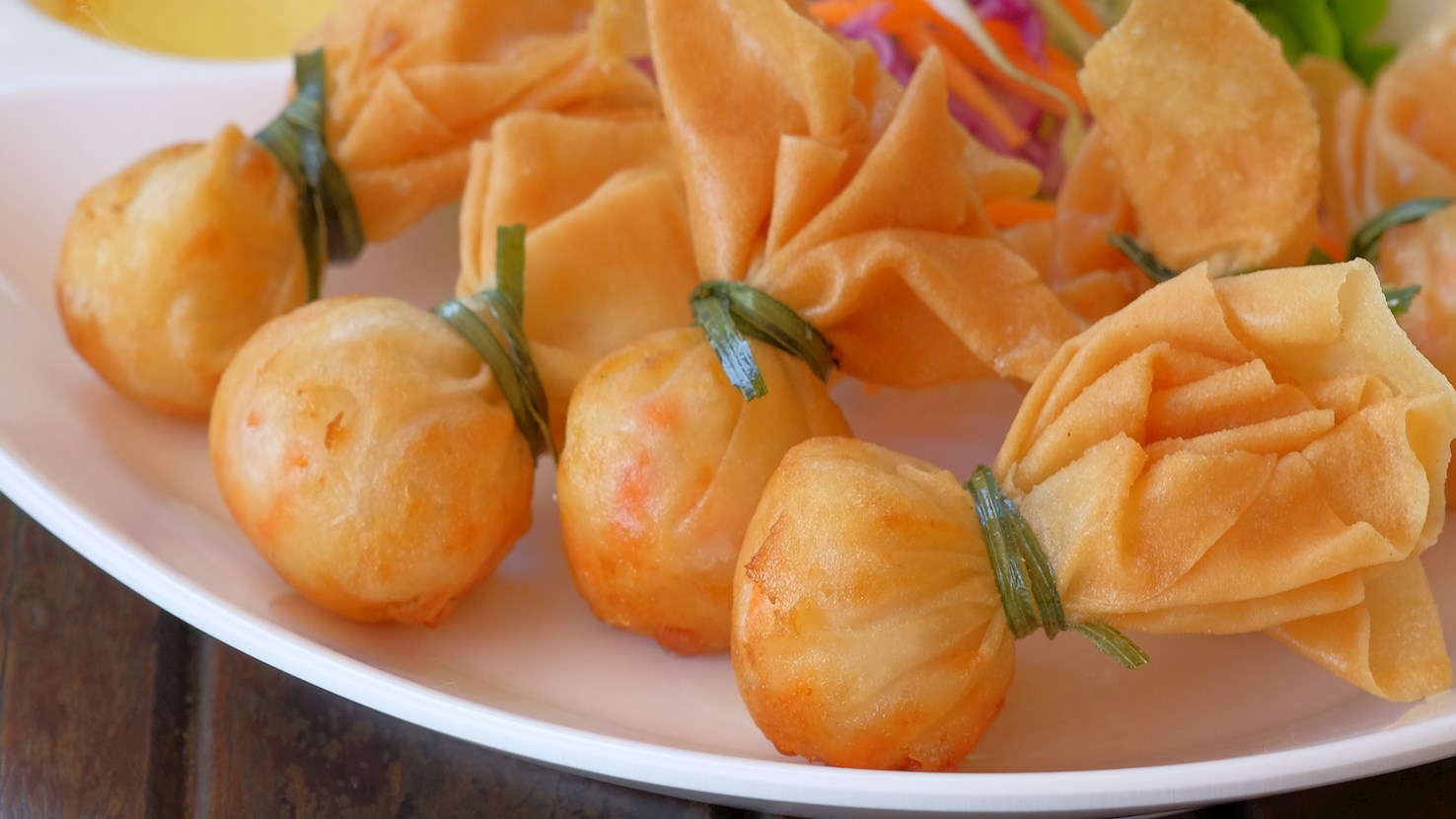
Also known as gold purses or golden bags, thung thong are crispy Thai dumplings filled with water chestnuts, green onions, mushrooms, and ground pork or chicken. The ingredients used for the filling are first sautéed with soy sauce, oyster sauce, fish sauce, and sugar. Apart from this main filling, thung thong is additionally enriched with an aromatic paste made with garlic, peppercorns, and coriander roots or stems. These tasty dumplings are fried until golden brown, and when done, it is recommended to serve them with sweet chili sauce on the side.
Bánh nậm is a traditional dumpling origianting from Hue. The batter is made with a combination of rice and tapioca flour, sugar, and salt, while the filling consists of shrimps, minced pork, salt, pepper, sugar, shallots, annatto oil, and green onions. The rectangular and flat dumplings are wrapped in banana leaves, then steamed. When served, bánh nậm is traditionally accompanied by fish sauce for dipping on the side. The dumplings are typically sold at the markets because the banana leaves make them easy to transport and keep the interior supple and soft.
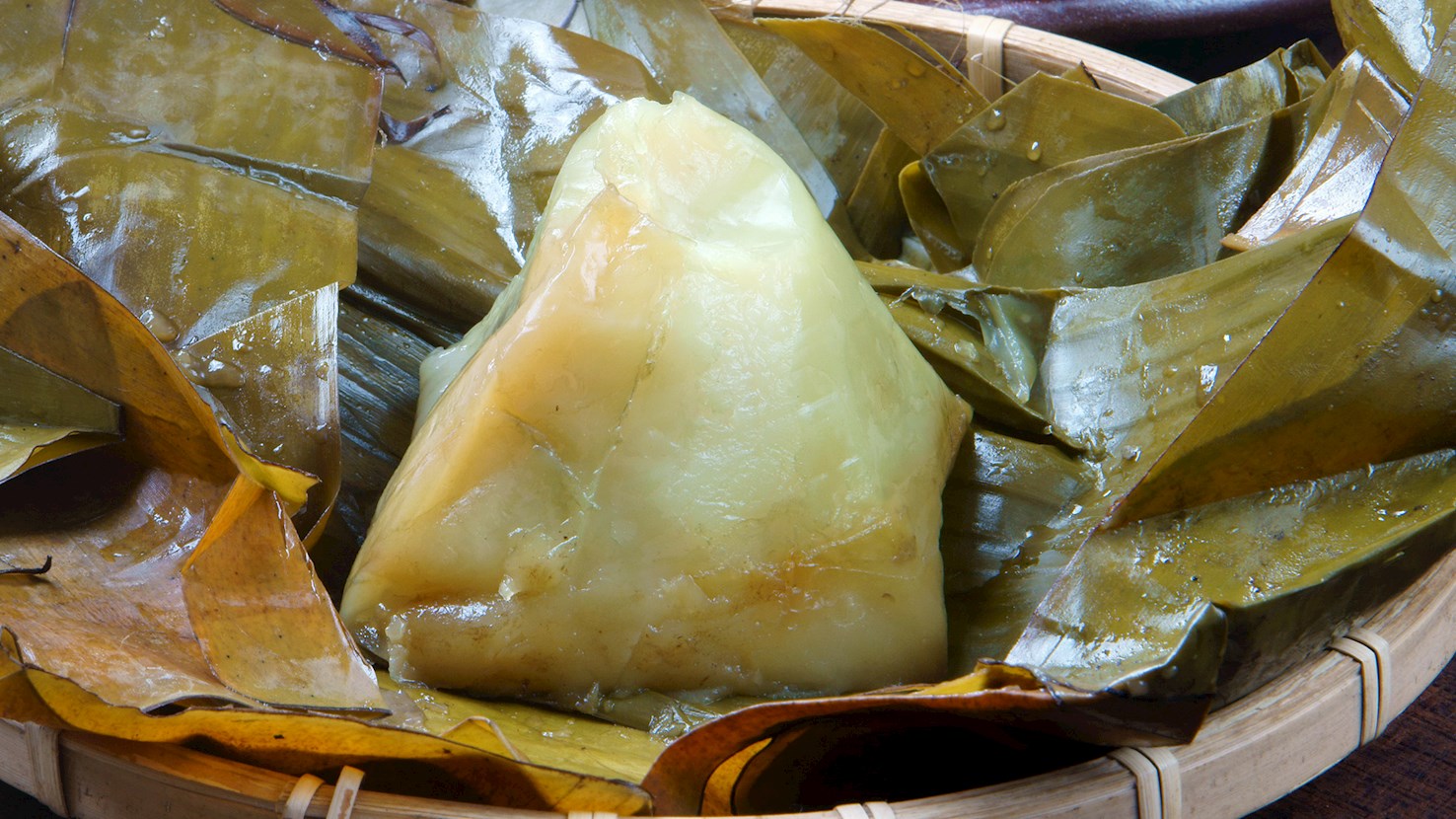
Bánh giò is a stuffed rice flour dumpling that is usually associated with Northern Vietnam. This typical breakfast dish is made with a thick paste consisting of rice flour and pork or chicken broth and a savory filling that combines ground pork, shallots, wood ear mushrooms, and seasonings. The rice flour paste is stuffed into pyramid-shaped banana leaves, and the filling is then placed in the center before the pouch is folded and steamed. Bánh giò are best served warm, and although these large dumplings can be eaten plain, they are occasionally accompanied by various sauces.
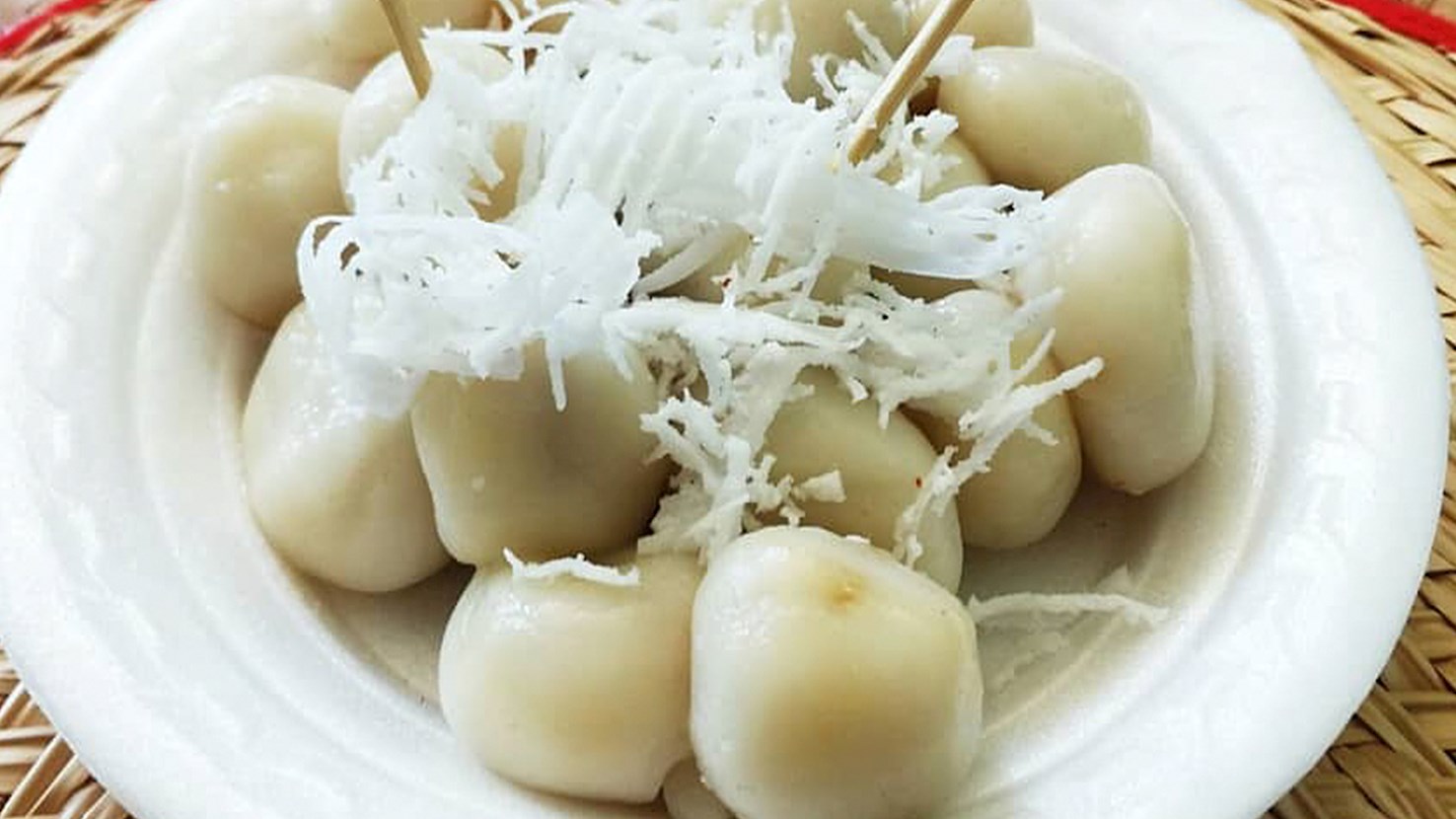
Mont lone yay paw, meaning round snack on the water, is a traditional sweet snack made by combining glutinous rice flour, rice flour, water, and salt. The combination is shaped into smooth balls, which are then typically filled with palm jaggery or palm sugar. This sweet derives its name from the tendency of the rice balls to float to the surface of the boiling water or coconut milk in which they’re being cooked once they’re done. Shredded or desiccated coconut is often sprinkled over the rice dumplings, and they’re usually served on a banana leaf while still warm. Mont lone yay paw is typically prepared for festive occasions such as Myanmar New Year (known as Thingyan or Water Festival), when groups of friends, neighbors, and family members gather to roll batches of rice balls and cook them in a big pot of boiling water over an open fire.
Bánh ít trần is a traditional rice dumpling. The dough is made from rice flour, salt, and water, while the filling is often a mixture of mung beans, pork or shrimp, onions, salt, and pepper. Once assembled, they're traditionally wrapped in banana leaves and steamed, then drizzled with onion oil. These savory dumplings are usually served with a dipping fish sauce and a combination of pickled carrots and white onions.
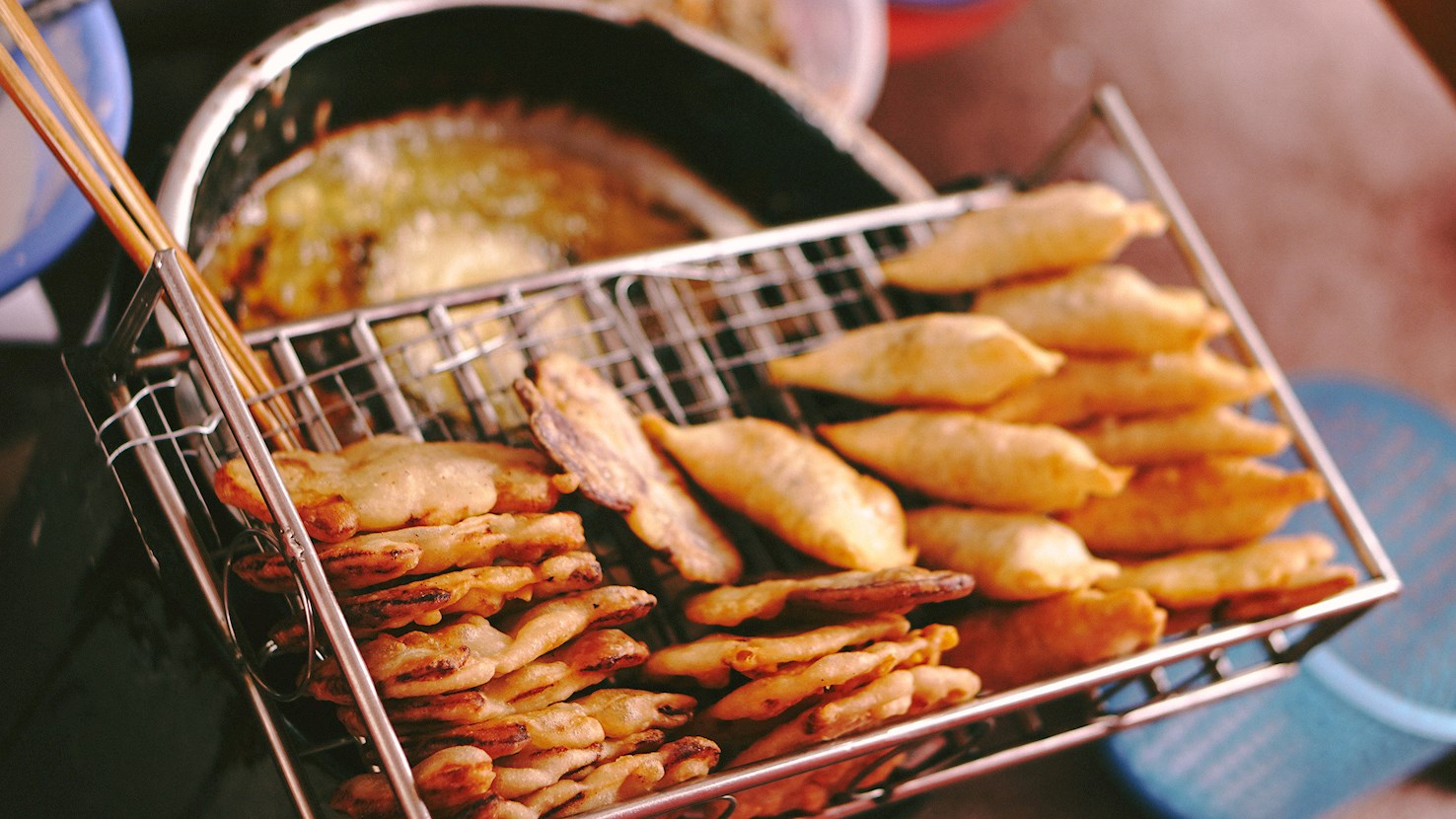
Bánh gối are crispy Vietnamese dumplings. The wrapper is usually gyoza skin or a combination of flour, sugar, salt, water, and baking powder, while the filling includes soaked and chopped glass noodles, wood ear mushrooms, minced pork, shredded carrots, and shallots or white parts of spring onions. Once assembled, the dumplings are fried in hot oil until golden and crispy. Bánh gối is traditionally accompanied by a dipping sauce on the side, consisting of lime juice, fish sauce, sugar, garlic, and chili peppers. The dish is also often served with fresh herbs such as lettuce, basil, and coriander.
TasteAtlas food rankings are based on the ratings of the TasteAtlas audience, with a series of mechanisms that recognize real users and that ignore bot,
nationalist or local patriotic ratings, and give additional value to the ratings of users that the system recognizes as knowledgeable.
For the “Top 8 Southeast Asian Dumplings” list until June 15, 2026, 269 ratings were recorded, of which 159 were recognized by the system as legitimate.
TasteAtlas Rankings should not be seen as the final global conclusion about food. Their purpose is to promote excellent local foods,
instill pride in traditional dishes, and arouse curiosity about dishes you haven’t tried.