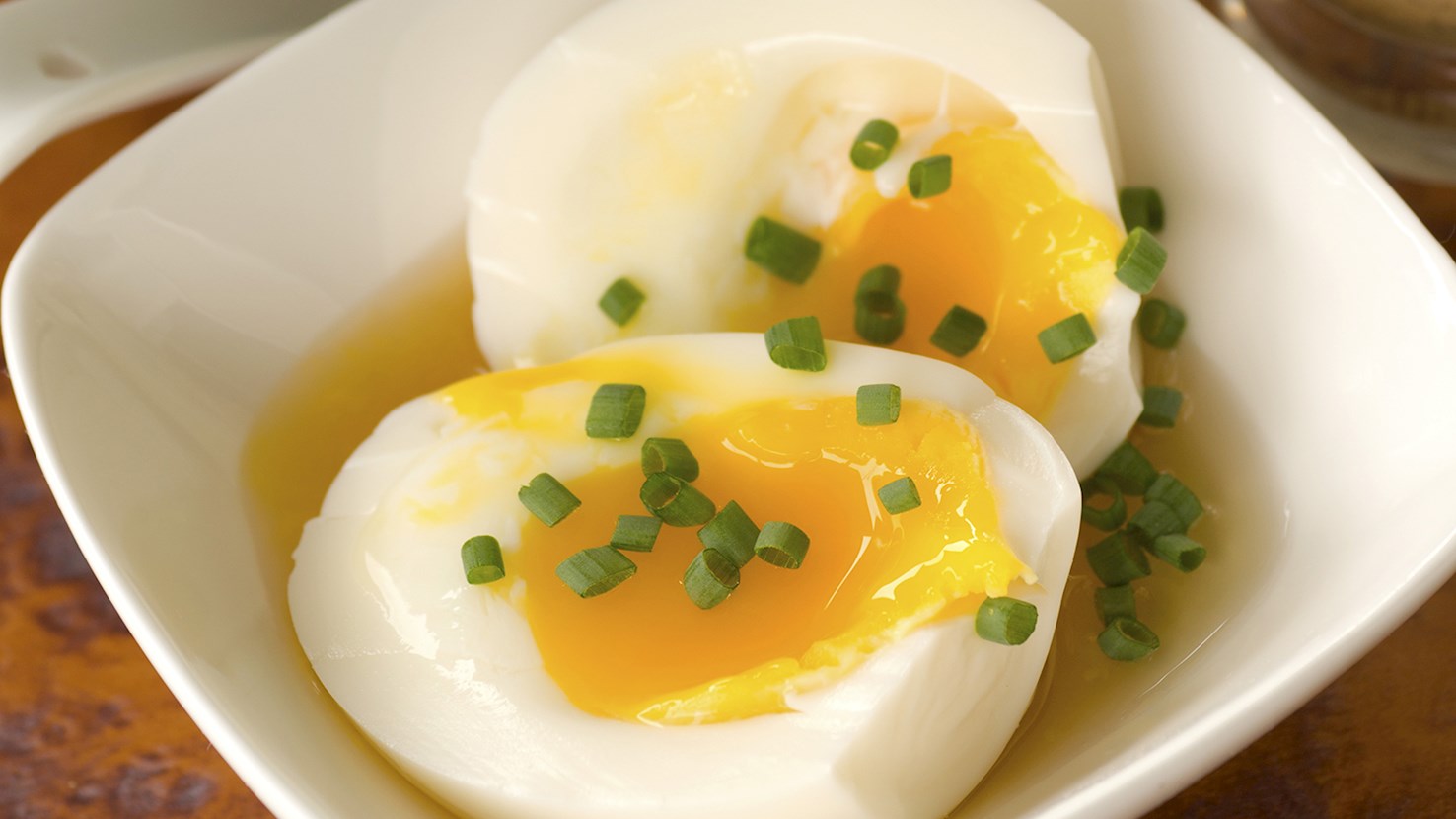
Ajitsuke tamago is a traditional dish consisting of soft-boiled eggs that have been soaked in mirin and soy sauce. The egg yolks should be custardy if properly prepared, and the eggs are eaten as a snack, a part of bento, or more commonly, enjoyed as a ramen topping. The eggs are boiled for a few minutes so that the yolk remains runny, and they are then chilled and soaked (overnight or for a few days) in a combination of water, mirin, and soy sauce. This is the basic preparation, and some cooks might add their own secret ingredients to the marinade to make the eggs more flavorful.
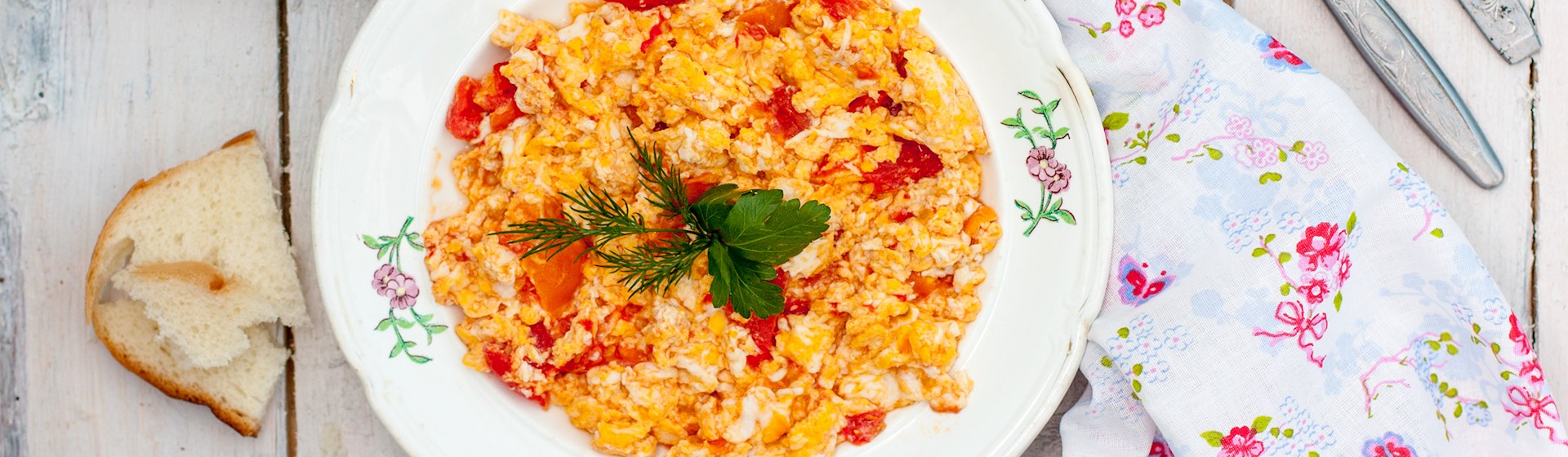
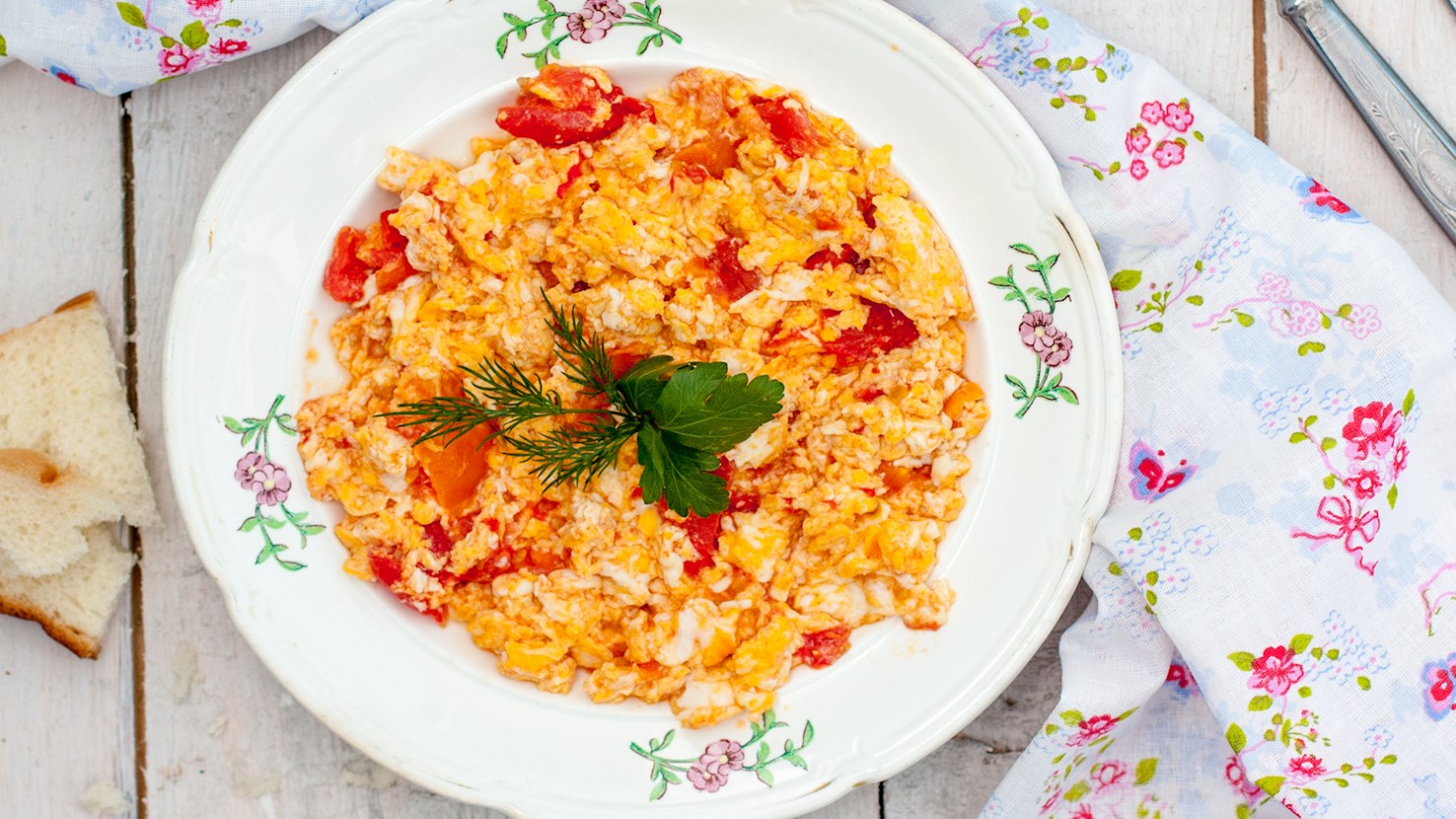
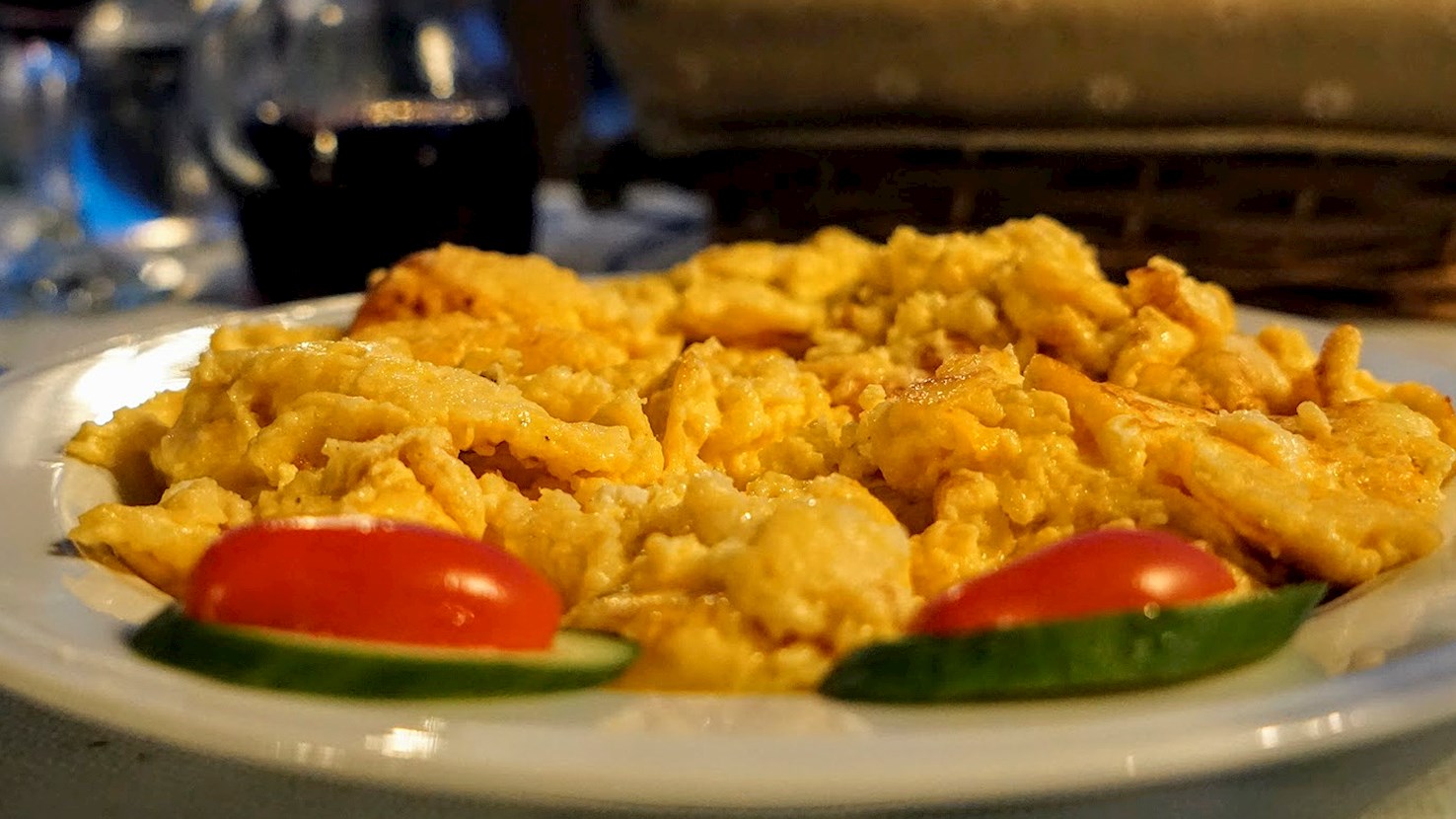
This popular Greek dish, which goes under the name strapatsada or kagianas, consists of diced, sautéed tomatoes that are seasoned with fresh herbs, then combined with lightly beaten eggs and topped with crumbled feta cheese. With its rustic appeal and clean, refreshing flavors, it is mainly enjoyed as a light main course or a side to various roasts or grilled meat. Even though it is traditionally associated with Ionian islands, it is commonly eaten throughout the country.
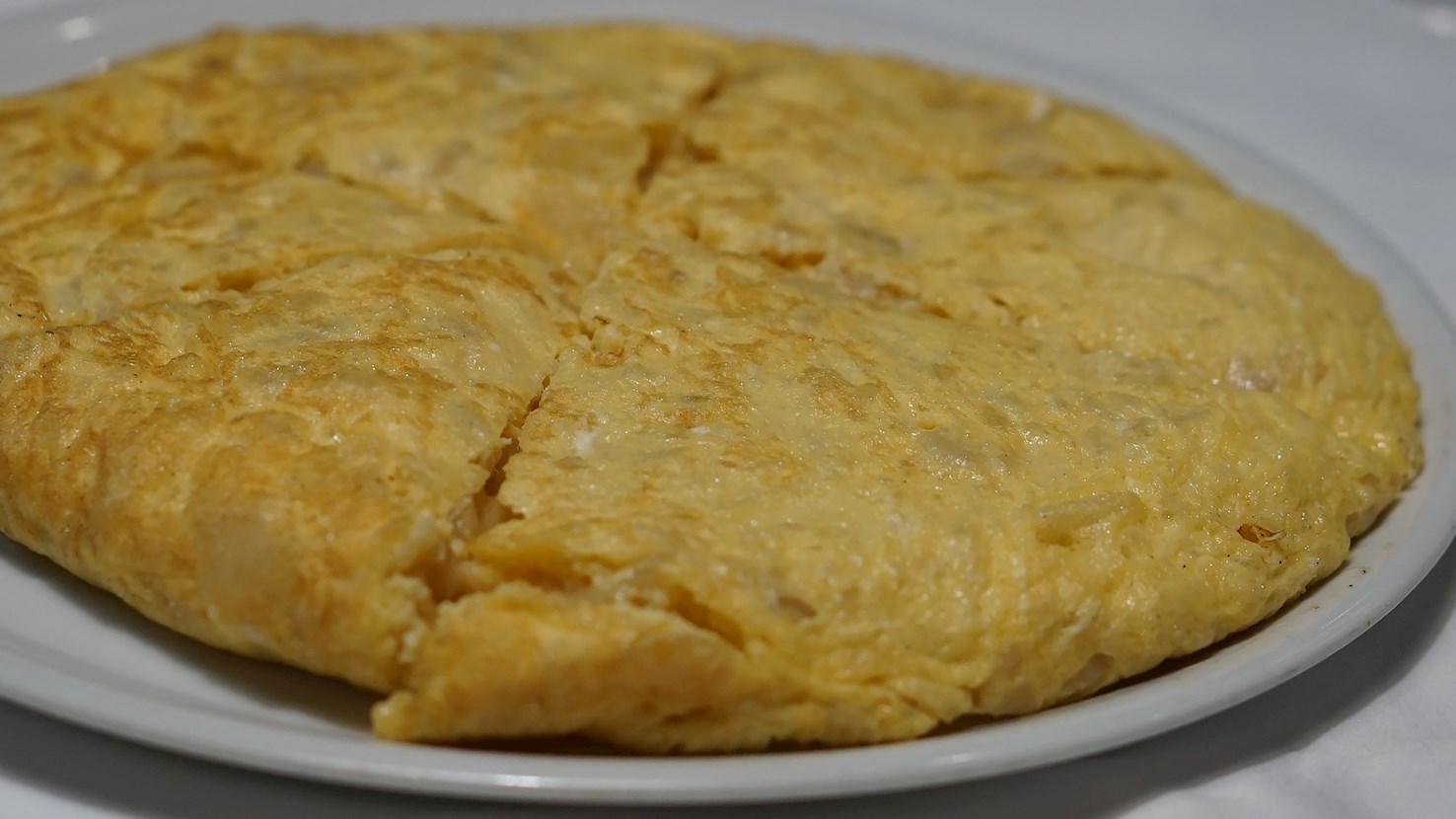
Tortilla de Betanzos is an omelet made with eggs, potatoes, oil, and salt, cooked briefly on both sides so that a thin set exterior surrounds a soft, often flowing center. It contains no onion and uses a generous proportion of egg, leaving the potato pieces coated in a loose, creamy mixture. The surface is yellow to lightly golden, and cutting a wedge can release egg onto the plate. Galician-grown Kennebec potatoes and free-range eggs are often used, though the potato variety and oil choice vary by recipe. The potatoes are cut into small, thin, irregular slices and fried until tender, often with lightly browned edges. Olive oil is common, but some specialists use sunflower oil to fry the potatoes and olive oil to cook the assembled omelet. The eggs are mixed just enough to combine the yolks and whites without beating in much air, then combined with the warm potatoes and salt. The mixture goes into a lightly oiled pan and is turned with a plate or lid, sometimes several times, over the heat in short intervals. These brief cooking periods form the outer layer while leaving much of the egg inside unset; some cooks finish with the pan’s residual heat after removing it from the burner. The balance varies from a thick, creamy interior to one that flows readily when cut, and local versions also differ in thickness. The dish’s restaurant reputation is closely associated with La Casilla, which opened in Betanzos, Galicia, in 1910. Its cook, Angelita Rivera, helped make this style known through a family preparation she had learned from her mother and grandmother. La Casilla’s recipe calls for very thin potato slices, four eggs per serving, and a set outer layer surrounding an interior that spread across the plate when cut. La Casilla’s reputation continued under later cooks, while establishments including Casa Miranda and Mesón O Pote became further reference points for the style. Betanzos promotes it through the Semana da Tortilla, an annual event in which local bars and restaurants offer their versions for tasting and competition; the municipal rules restrict the ingredients to potatoes, eggs, oil, and salt. Restaurants commonly serve a whole tortilla for sharing, while smaller portions are offered as pinchos, individual servings usually cut from the round omelet. Bread accompanies the plate and is used to pick up the loose egg left around the potatoes.
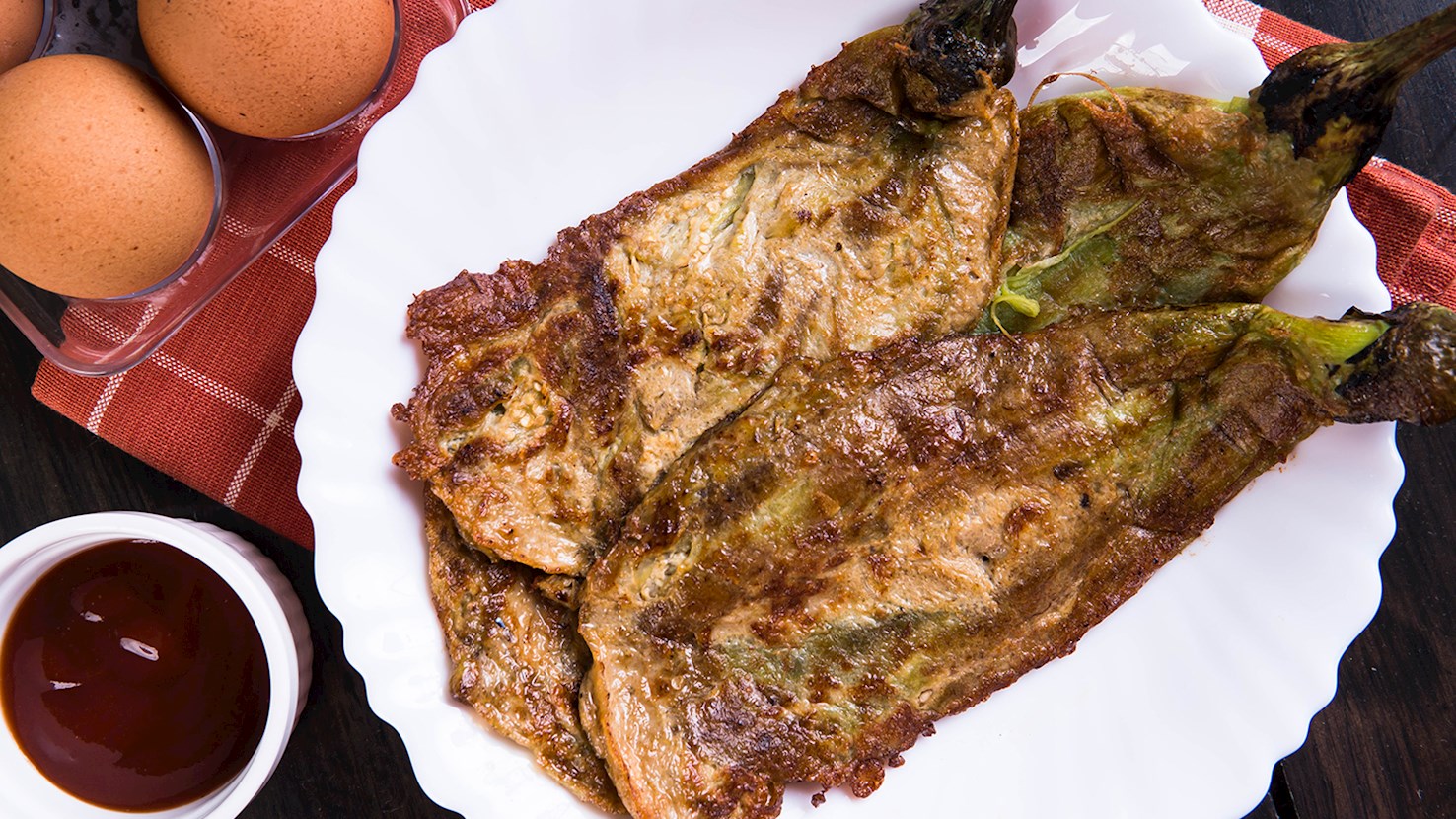
Tortang talong is a simple Filipino dish made with a combination of roasted eggplants and lightly beaten eggs. Whole eggplants are dipped into the egg mixture and are then shortly pan-fried until the entire dish starts to resemble a crispy omelet. This versatile delicacy is easily adapted with additional ingredients such as ground meat and vegetables, and it is traditionally served accompanied by steamed rice and tomato or banana ketchup. Inexpensive and quickly prepared, tortang talong can be enjoyed at any time of day as a hearty breakfast, lunch, or dinner.
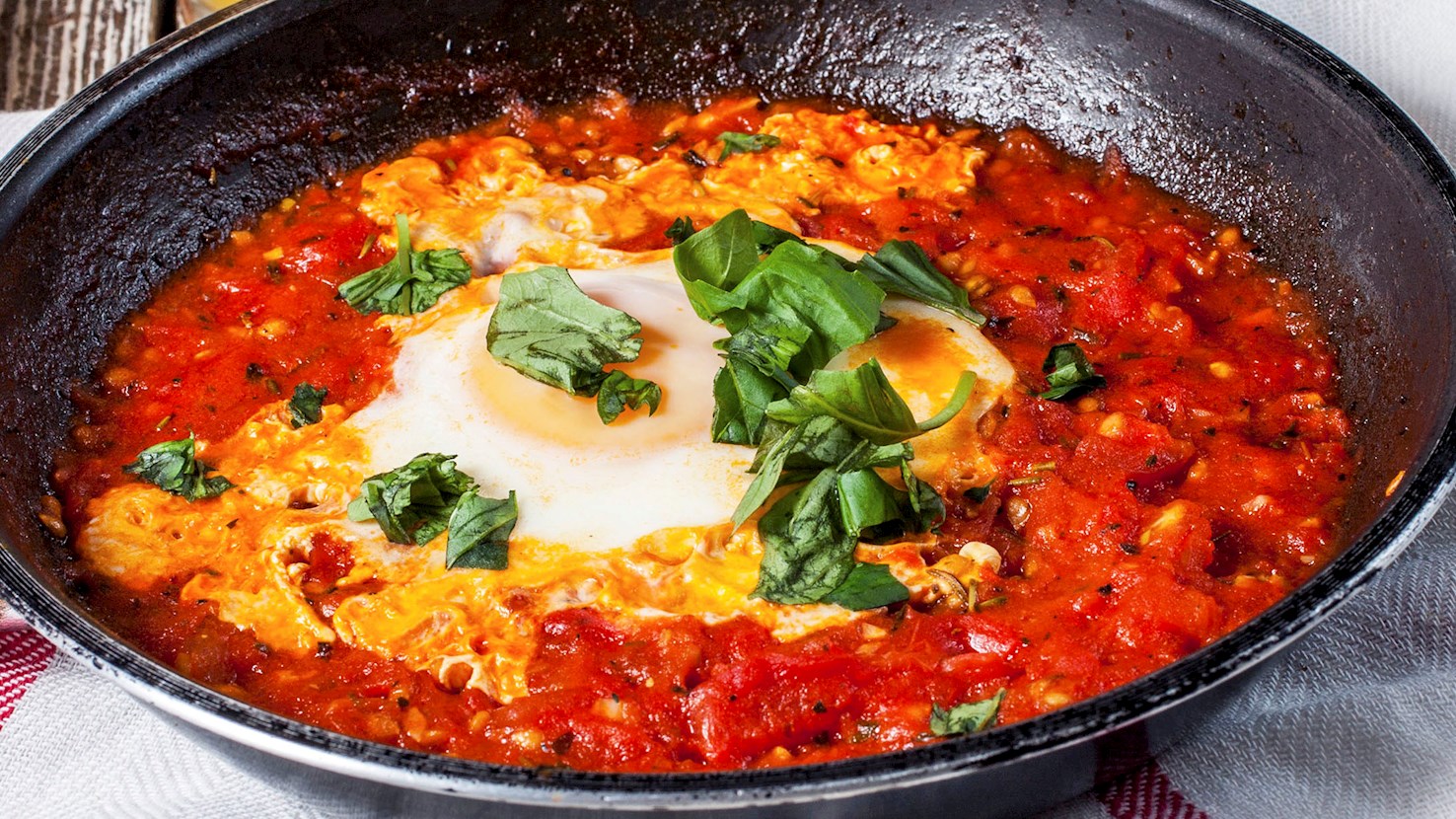
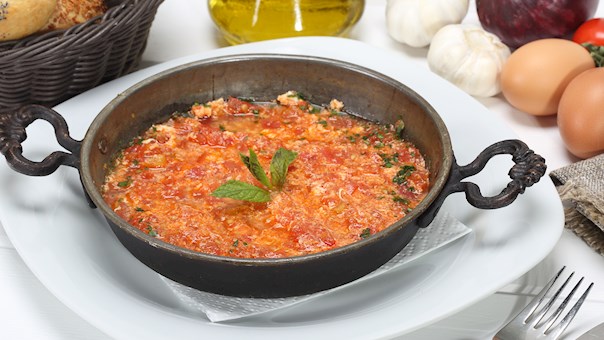
Shakshouka is a delicious combination of eggs poached in a spicy tomato sauce. Although it has an unusual name, the dish is straightforward and easy to make. It is usually made in a skillet in which onions, tomatoes, and spices are cooked until they form a delicious tomato sauce. Eggs are then added directly to the tomato sauce and poached until done. Merguez sausage can also be added to the dish. It is believed that shakshouka originated in Tunisia, but the dish is well-known and commonly eaten throughout North Africa and the Middle East as well. Almost every region has formed their distinctive variety of shakshouka: in Egypt, eggs are usually scrambled and served in a sandwich, and in Israel it is often served with salty feta cheese on top. The consistency of the sauce and eggs is also variable – the sauce can be thinner or thicker, while the eggs can be completely firm or soft. For a more nutritious meal, meat, most commonly sausages, can be included in the dish. Shakshouka is suitable for any meal of the day and is usually served warm or sizzling hot, with bread on the side. Because it is budget-friendly, simple, and easy to prepare, the dish has recently gained popularity both in Europe and North America.
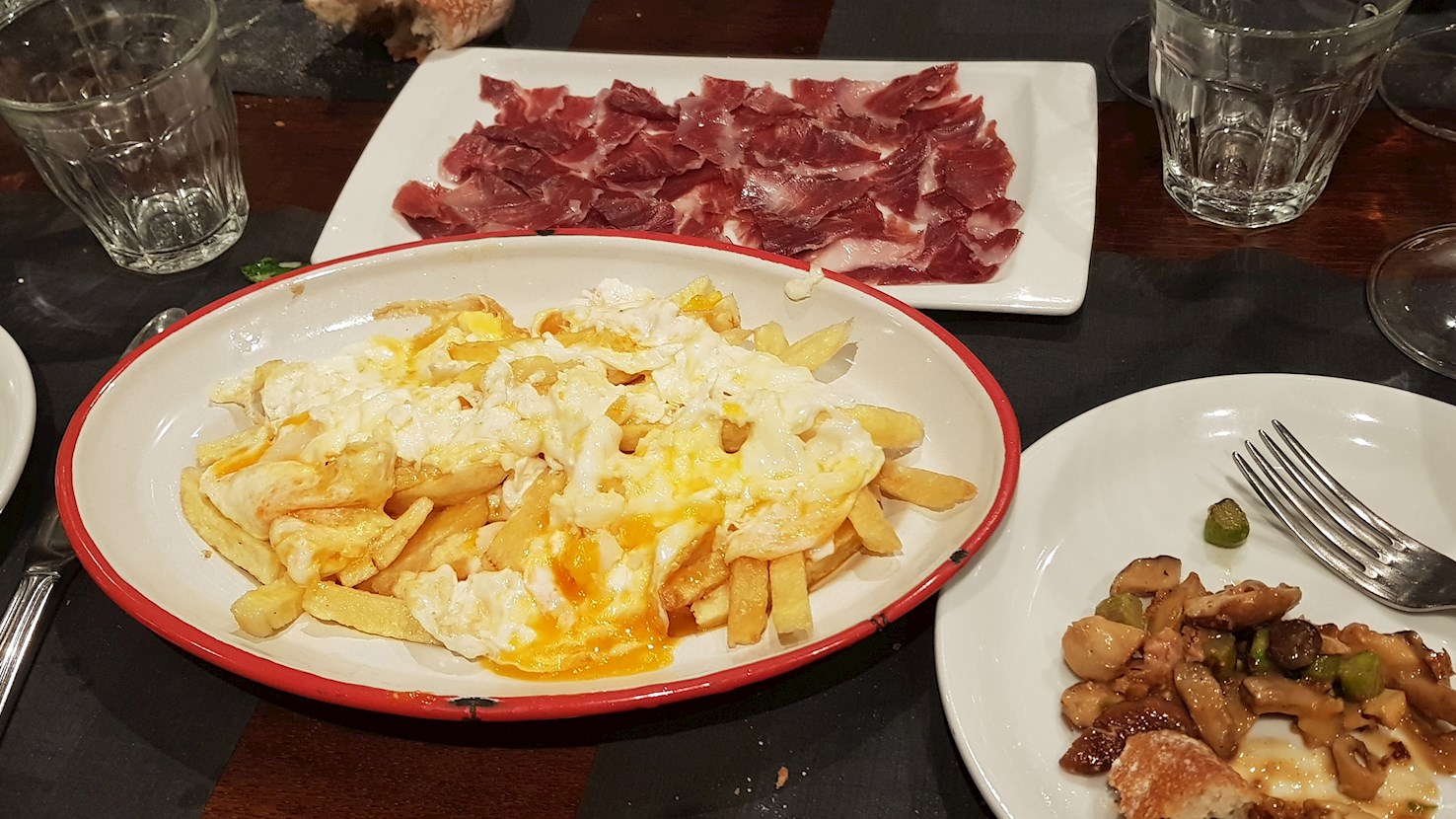
The simple and inexpensive huevos rotos (lit. broken eggs, also known as huevos estrellados) is a Spanish dish that is a specialty of Madrid. It consists of eggs fried in olive oil, which are then placed over french fries. The dish is traditionally topped with chorizo pieces, seafood, or slices of Iberian ham. The eggs should be cut so that the yolk drizzles down over the french fries, which are used to soak up the yolk. Although the dish is easily found throughout Madrid, its origins are quite murky, and nowadays, huevos rotos are also very popular in the Canary Islands, and Portugal also boasts its own version of the dish.
Staka me ayga is a simple Cretan dish consisting of poached or fried eggs and local staka (a type of buttery cream mixed with flour). The combination is usually seasoned with salt and pepper, and it is typically enjoyed warm for breakfast. Eggs with staka are often paired with apaki (smoked pork), another traditional Cretan product. Staka is a unique specialty of Cretan cuisine, and it can also be eaten as a spread on slices of bread or as a side dish.
Ispanaklı yumurta is a traditional dish that's quick, filling, and healthy. It's made with a combination of eggs, spinach, onions, olive oil, red pepper flakes, and garlic. The onions and garlic are sautéed in olive oil, followed by the spinach and red pepper flakes. The eggs are then added to the pan, and the combination is left to simmer until the egg whites set. This dish is served piping hot, either on its own, or with crusty bread and a glass of yogurt on the side.
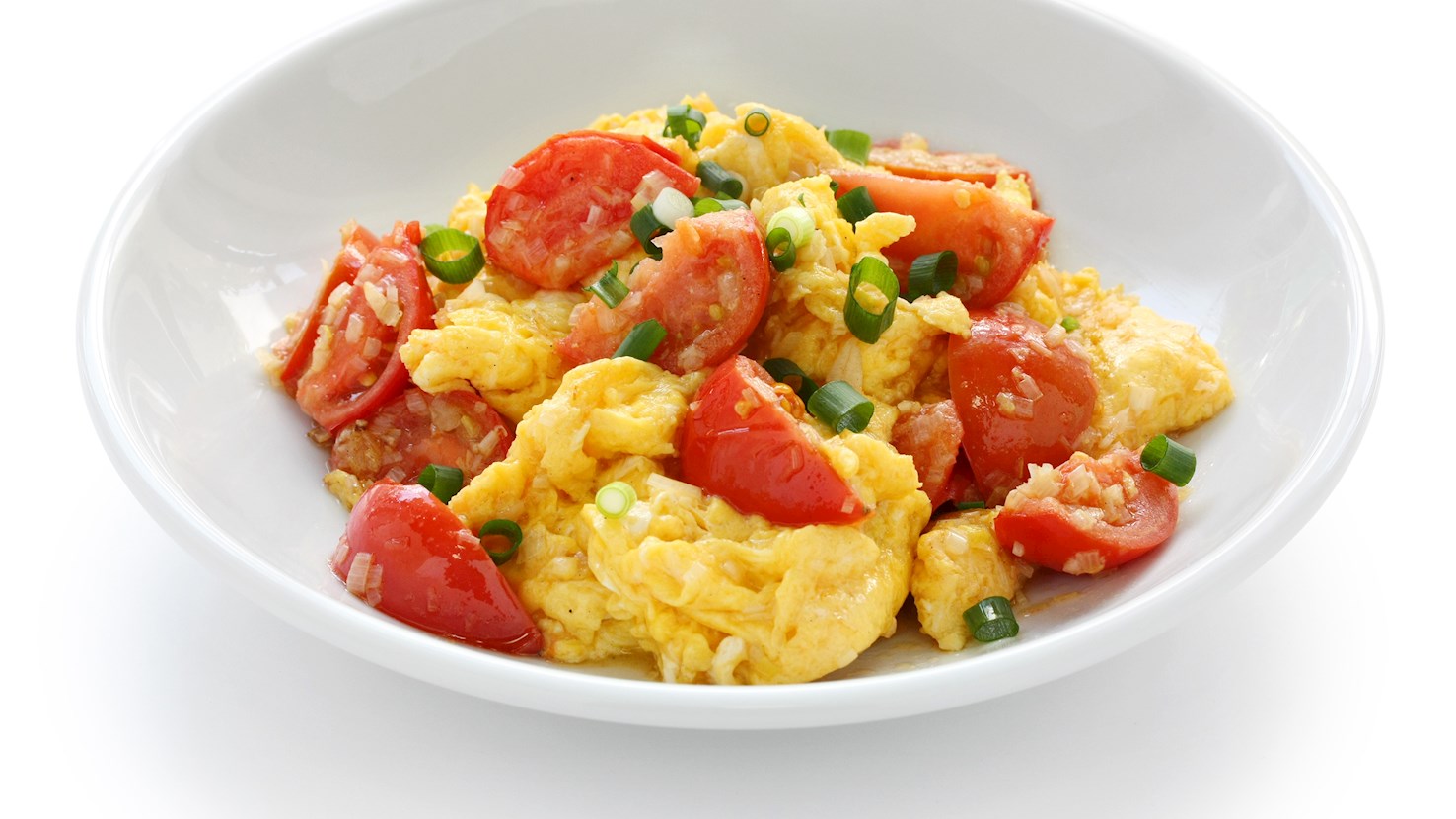
Fan qie chao dan is a traditional dish based on eggs on tomatoes. Other ingredients usually include oil, salt, sugar, and potato flour or cornstarch. The eggs are scrambled into large curds and then stir-fried with sliced tomatoes in oil. Sugar and salt are added to taste and everything is then mixed with the potato flour (or cornstarch) and a bit of water, if desired. This dish is served hot and it's enjoyed at home and in restaurants. Fan qie chao dan is especially popular in school canteens. There are many variations on the dish, including ingredients such as Shaoxing wine, garlic, ginger, or white pepper.
Fourtalia is a traditional omelet hailing from the island of Andros. Although the ingredients may vary from area to area, the basic recipe always contains eggs, potatoes, and sausages. The cut potatoes are fried in olive oil and pork fat, with the addition of sausage bits just after the potatoes start to turn golden. At this stage, you can add peppers, onions, and bacon, if desired. The final step is the addition of beaten eggs, and the omelet is then fried until fluffy or firm, based on personal preferences. Fourtalia should always be served hot, straight out of the pan. If desired, garnish it with fresh mint on top.
TasteAtlas food rankings are based on the ratings of the TasteAtlas audience, with a series of mechanisms that recognize real users and that ignore bot,
nationalist or local patriotic ratings, and give additional value to the ratings of users that the system recognizes as knowledgeable.
For the “Top 100 Egg Dishes in the World” list until November 15, 2026, 10,922 ratings were recorded, of which 7,273 were recognized by the system as legitimate.
TasteAtlas Rankings should not be seen as the final global conclusion about food. Their purpose is to promote excellent local foods,
instill pride in traditional dishes, and arouse curiosity about dishes you haven’t tried.




















What People Say