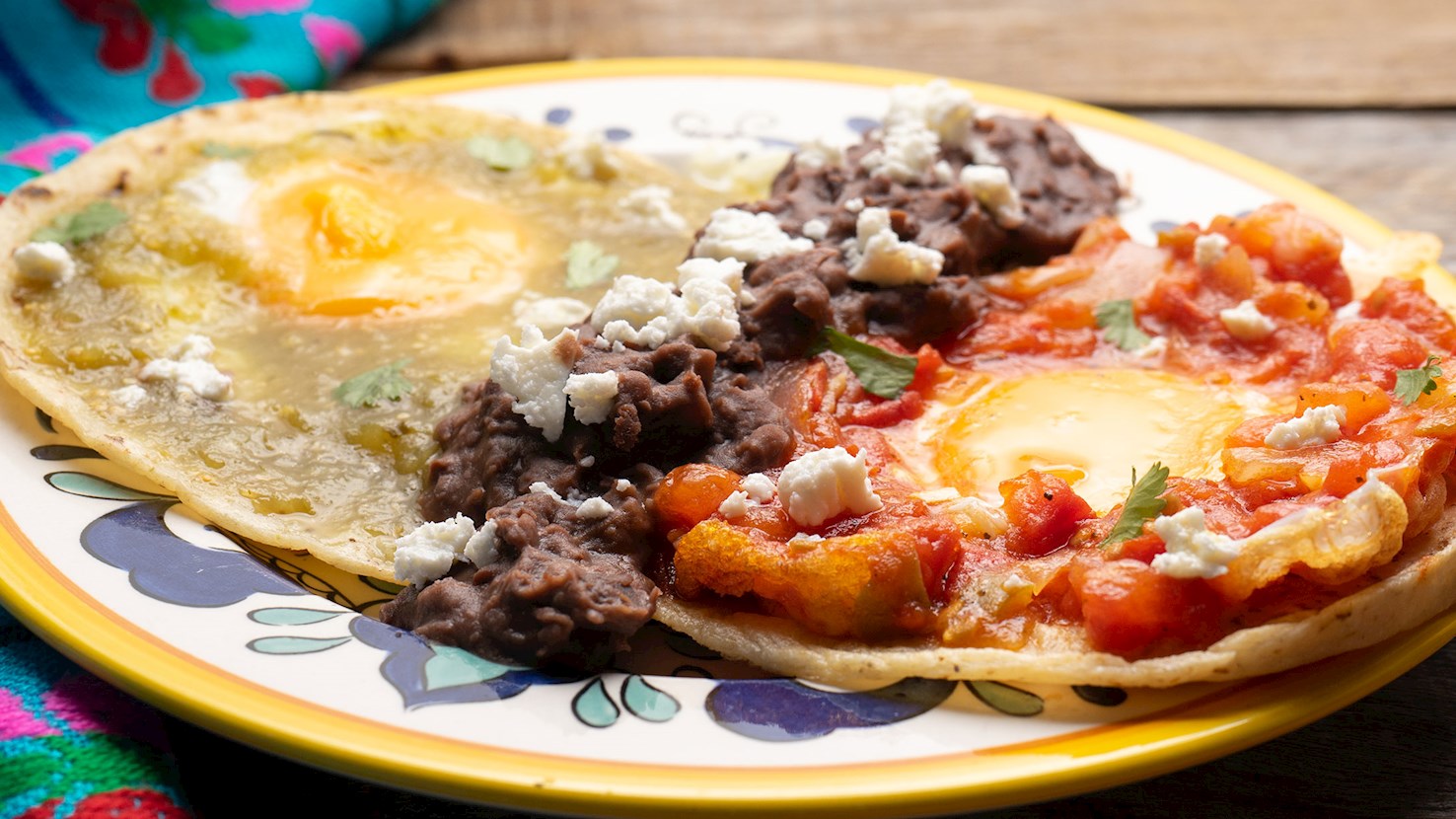
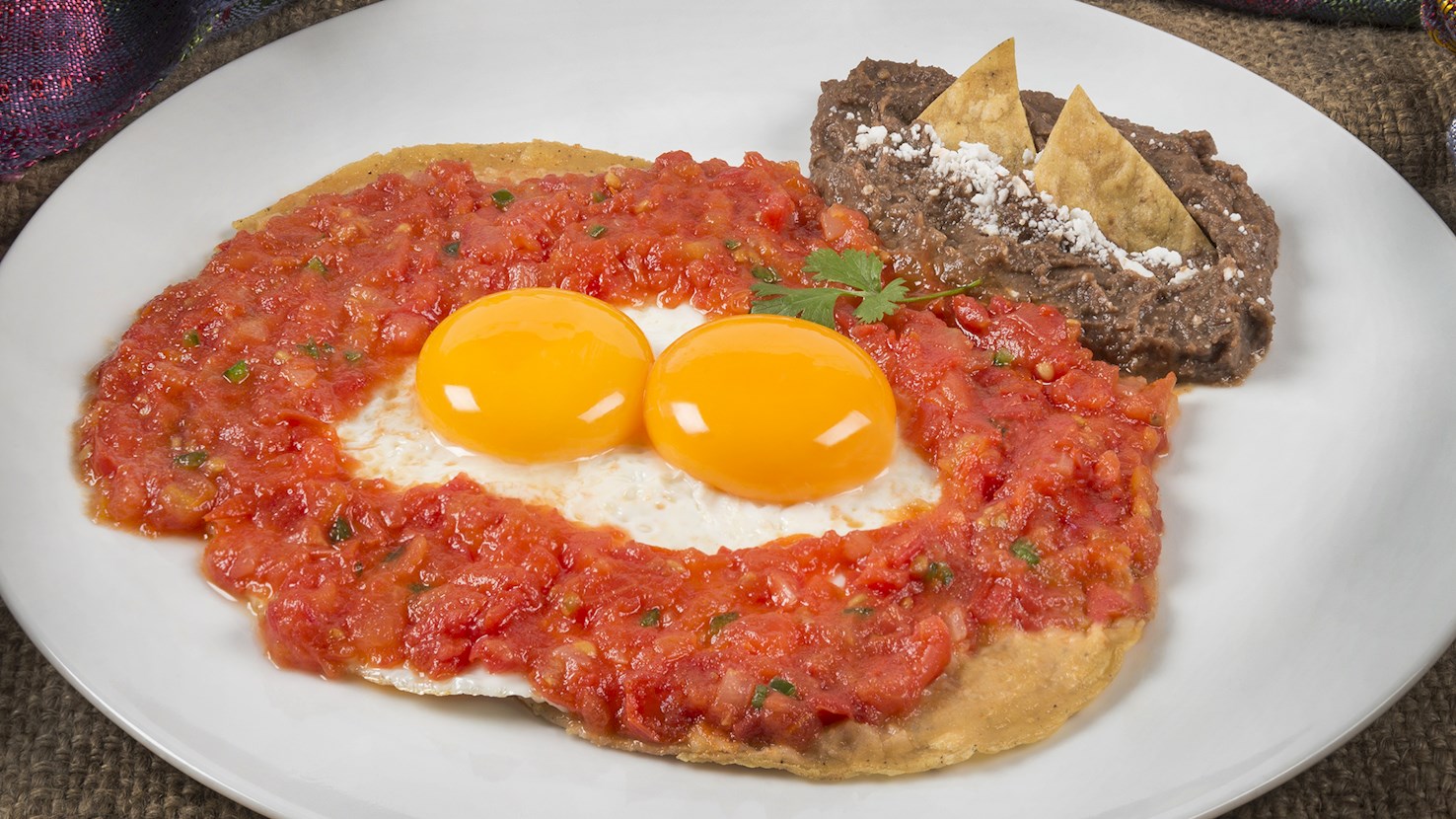
Huevos divorciados is a breakfast platter featuring two sunny-side-up eggs sitting on lightly crisped corn tortillas, visually and physically separated by a thick wall of refried beans, with one egg drenched in a roasted red tomato salsa and the other covered in a tart green tomatillo salsa. The name itself translates directly to "divorced eggs," serving as a literal visual pun representing a split marriage, with the dense beans acting as the barrier between the two contrasting sauces. The origins of this morning meal trace back to the early 20th century across central and southern rural farming communities, where roadside eateries routinely combined two staple condiments onto a single plate to showcase their daily salsa batches without having to choose just one. The recipe starts with heating a thin layer of oil in a wide skillet. Two whole corn tortillas drop into the hot fat for just a few seconds until they blister and firm up slightly, ensuring they retain enough flexibility to be cut with a fork. After moving the tortillas to a wide plate, two whole eggs go into the same skillet and fry until the whites set completely solid while the yolks remain entirely liquid. The hot eggs slide carefully onto the waiting tortillas. A ladle of warm salsa roja—a blend of roasted red tomatoes, garlic, white onions, and jalapeños—pours directly over the first egg. The second egg receives a heavy coating of salsa verde, built from boiled green tomatillos, sharp serrano peppers, and fresh cilantro. To complete the separation, a massive scoop of hot, fat-laced refried black or pinto beans gets dragged right down the center of the plate between the two tortillas. The final touch involves crumbling salty white cheese directly over the beans and scattering chopped cilantro across the entire platter. Huevos divorciados is eaten by dragging pieces of the yolk-soaked tortillas through the contrasting sauces and the savory beans, intentionally mixing the separated elements back together bite by bite. Kitchens constantly tweak the baseline ingredients to incorporate leftover proteins from previous meals. A common practice involves hiding a layer of shredded chicken or aggressively spiced pork chorizo directly underneath the eggs before adding the sauces, turning it into a much heavier, calorie-dense breakfast. Another popular tweak replaces the beans entirely with a tall pile of chilaquiles—fried tortilla chips tossed in extra salsa—adding a severe crunch to the soft eggs. When ripe avocados are available, thick slices often fan out over the beans, introducing a cold, creamy element that neutralizes the lingering heat of the two chilies.
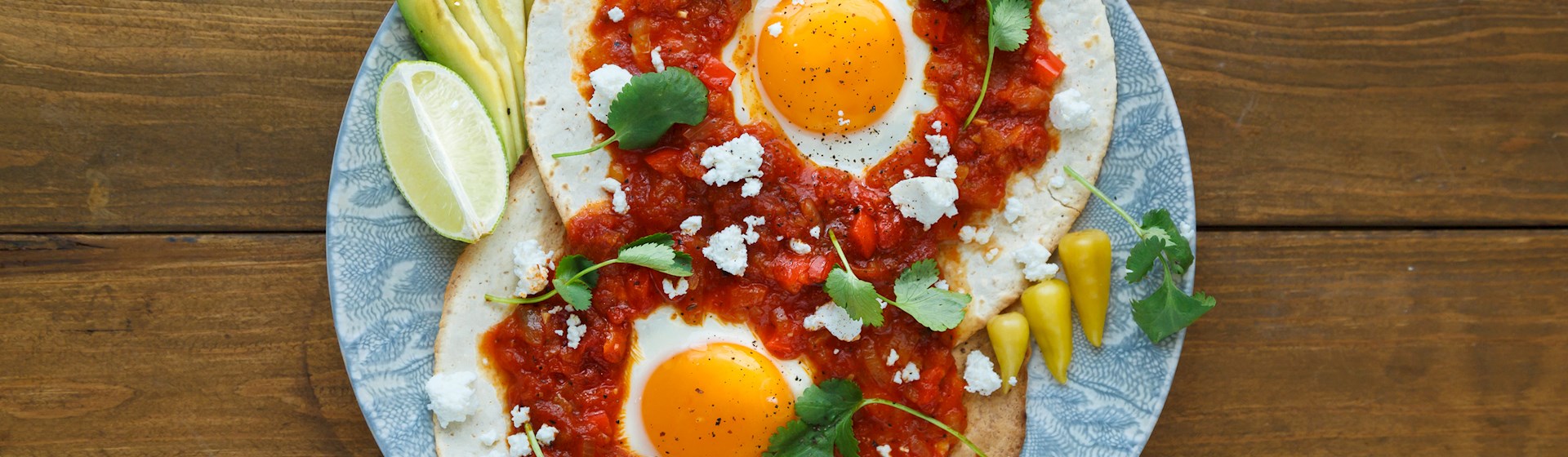
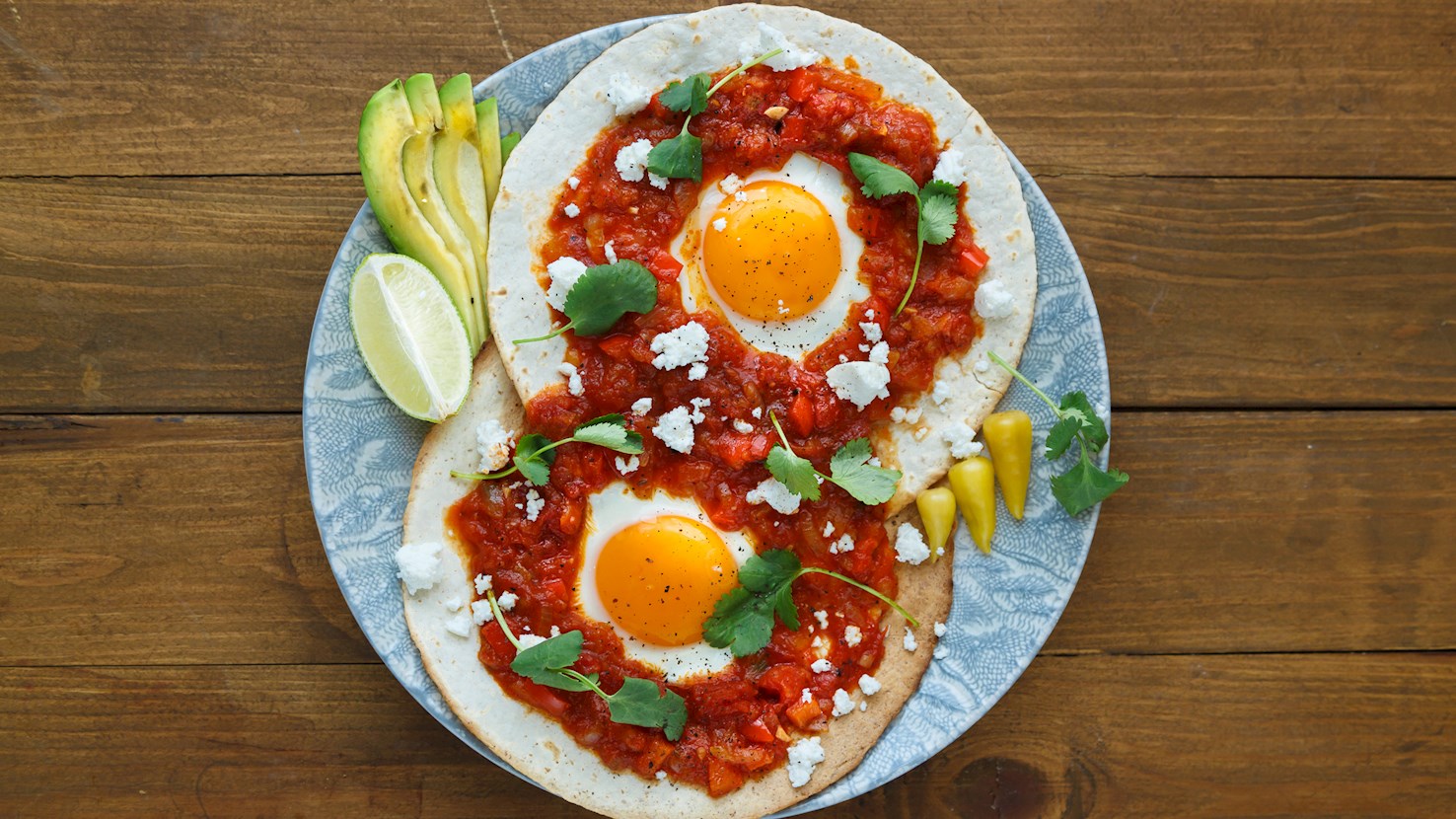
Affectionately called the breakfast of champions, huevos rancheros is a traditional breakfast dish from Mexico consisting of tortillas, eggs, beans and, sometimes, a selection of meats, all covered with a tomato-chili sauce or salsa. Originally a hearty meal served to farm employees in rural Mexico, the dish found its way north to San Antonio in the USA, just a few miles from the Mexican border. From there, numerous variations ensued and huevos rancheros became a staple throughout North America with newly added ingredients such as avocado slices, garlic-chile sauce, and melted cheese. Traditionally, it is accompanied by fresh, crisp lettuce and sour cream. This breakfast classic may not look like much, and visually it's a bit of a mess, but the spicy, saucy combination is considered by many to be a delicious hangover cure and a breakfast food staple, varying from one establishment to another.
Gorditas de huevos are thick corn masa cakes split along one edge and filled with scrambled eggs, often seasoned with chiles and garlic. The cakes are cooked on a comal, a flat griddle, until browned on both sides, then opened while warm and filled. They have a firm outer surface and a soft, dense interior, with the egg tucked into the pocket. The simplest versions use corn dough, salt, water, and eggs; chile sauce and other seasonings vary between preparations. The dough can be made from fresh masa or from masa harina mixed with water. Both use nixtamalized corn, cooked and soaked in water with food-grade lime before grinding. The dough is shaped into small, round disks, thicker than ordinary tortillas. As they cook, the upper and lower layers can separate, allowing the cook to cut an opening along the edge. The eggs are prepared separately and spooned inside after the gorditas come off the griddle. For a red chile filling, dried chiles are toasted and blended with garlic and water, then heated in a skillet with beaten eggs. The eggs cook into curds coated in the sauce, giving the filling its reddish color and chile flavor. Other preparations use fresh green chiles or add salsa to eggs that have already been scrambled. The choice of chile determines much of the heat so that egg-filled gorditas can be relatively mild or noticeably spicy. Corn and eggs are the basic ingredients; cheese, meat, and beans belong to particular fillings rather than every version. In Durango, egg fillings are sold alongside other guisos, or cooked fillings, such as shredded meat, beans, and chicharrón. One well-established preparation combines scrambled eggs cooked in lard with strips of roasted poblano chile. The gorditas are cooked on the comal and filled as soon as they are opened. Gorditas de huevo perdido is a similar, made with eggs, tomato, and chile. These variations differ mainly in the egg mixture but retain the thick corn casing. Gorditas de huevos are eaten hot for breakfast or as a snack. Salsa roja or salsa verde—red or green chile sauce—is commonly served alongside to add more sauce to the filling as needed.
Huevos motuleños is a popular Mexican dish categorized by many as a true representative of comfort food at its best. The dish, named after a Yucatan town, consists of crispy tostadas topped with eggs, plantains, roasted tomatoes, and beans, combining both Mayan and Caribbean flavors in one plate. It is believed that the dish was invented by a Lebanese restaurant owner named Jorge Siqueff Febels when he invited too many guests in his restaurant. As there were not enough bowls and plates, he served all of the side dishes and accompaniments on top of tostadas and eggs, and huevos motuleños was born (and instantly loved). Today, there are a number of variations on the dish with added green peas, lime wedges, salsa, or ham.
Huevos migas is a Mexican egg-based dish originating from the Michoacan region. It is made with a combination of soaked bread or tortilla pieces, stock, tomatoes, onions, garlic, chili peppers, and eggs. Cheese and sausage pieces are often added for extra flavor and texture, but due to the fact that the dish is quite popular during Lent, sausages are omitted at that time. Once prepared, huevos migas are usually served immediately, ideally with hot tortillas on the side.
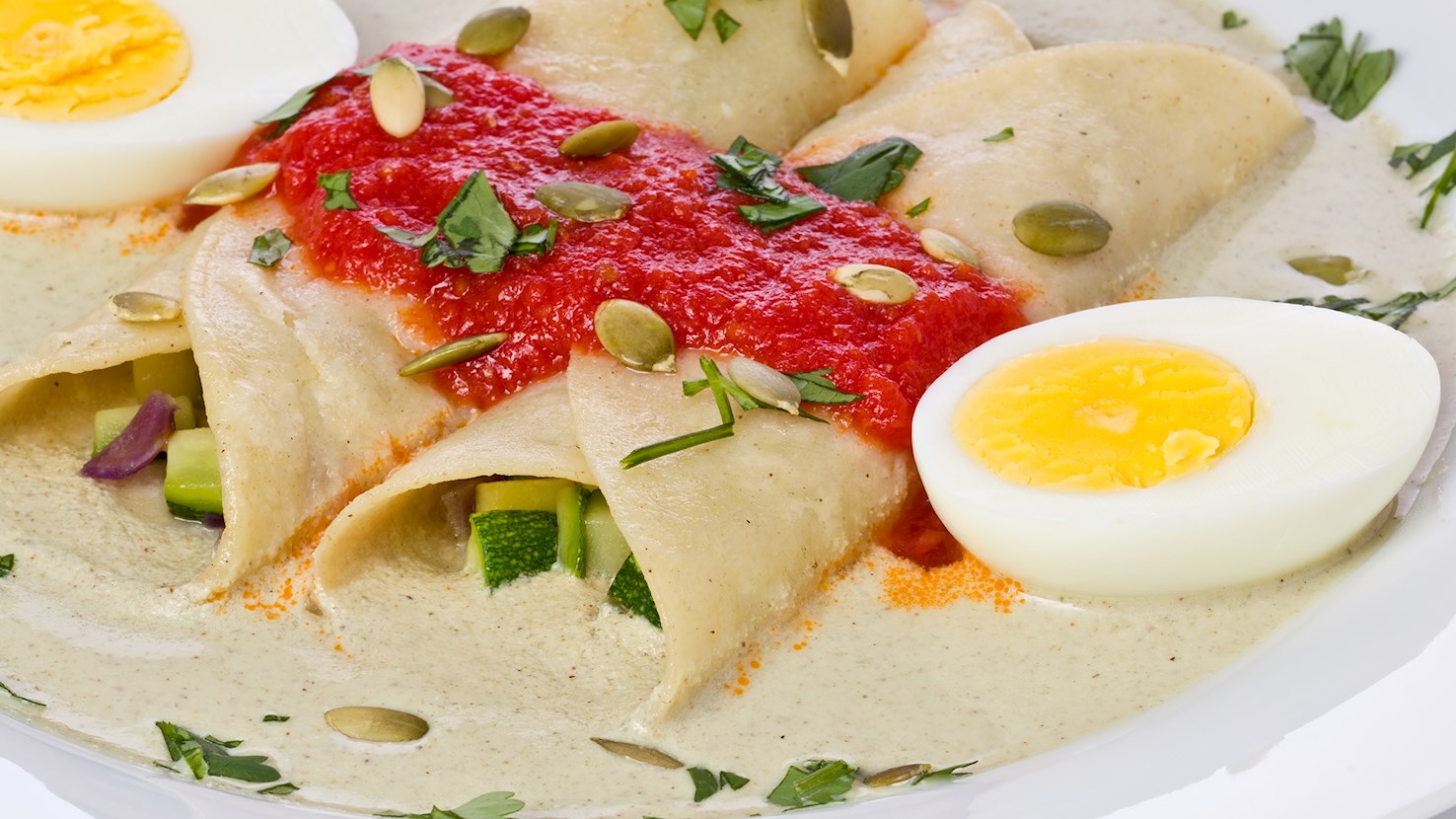
Papadzules are rolled corn tortillas from the Yucatán Peninsula, dipped in a creamy pumpkin seed sauce, filled with chopped hard-boiled eggs, and topped with roasted tomato salsa. The dish is closely associated with Maya cooking and the region's agricultural staples, especially maize, squash seeds, tomatoes, and epazote. The name is usually explained in Maya terms, often interpreted as "food" and "lord" or "master," although the exact translation remains debated. One common interpretation links the dish to food served to nobles, important guests, and later to Spanish arrivals, while its reliance on squash seeds, maize, tomatoes, and regional herbs reflects a cooking tradition rooted in the peninsula's ingredients before the widespread use of European livestock. The dish begins with hulled pumpkin seeds, or pepitas, which are toasted and ground into a fine paste. This paste is mixed with warm broth infused with fresh epazote leaves, producing a thick, smooth, pale green sauce with an earthy, herbal flavor. Eggs are boiled until firm, peeled, and chopped into small pieces. Fresh corn tortillas are warmed briefly on a griddle until soft and pliable, then dipped into the pumpkin seed sauce, laid flat, filled with a line of chopped egg, and rolled into compact cylinders. Once the rolls are arranged side by side on a serving platter, more of the green pumpkin seed sauce is poured over the top. A second sauce, known as chiltomate, provides a bright contrast to the rich seed sauce. It is usually made by roasting ripe tomatoes, white onion, and whole habanero chiles until lightly charred, then blending and simmering the mixture until it becomes smooth and slightly thickened. The red tomato salsa is spooned over the green-coated tortillas, creating the characteristic contrast of colors and flavors. Although hard-boiled eggs are the most common filling, local versions may use shredded roasted chicken or slow-braised pork shoulder instead, turning the dish into a richer, meat-based main course. Other variations avoid meat entirely and use pan-fried white cheese or sautéed chaya leaves as the filling. Papadzules are served warm, usually on a wide ceramic platter, with the sauce-soaked tortillas arranged in a row. A few drops of dark green pumpkin seed oil may be added over the tomato salsa for extra nuttiness, while raw habanero slices are sometimes served on the side for sharper heat. The soft tortillas are eaten with a fork and knife, cutting through the pumpkin seed coating and tomato salsa to reach the firm egg filling inside. A cold, citrus-forward fruit drink is a common accompaniment, helping balance the dense, earthy flavor of the pepitas, epazote, and sauce.
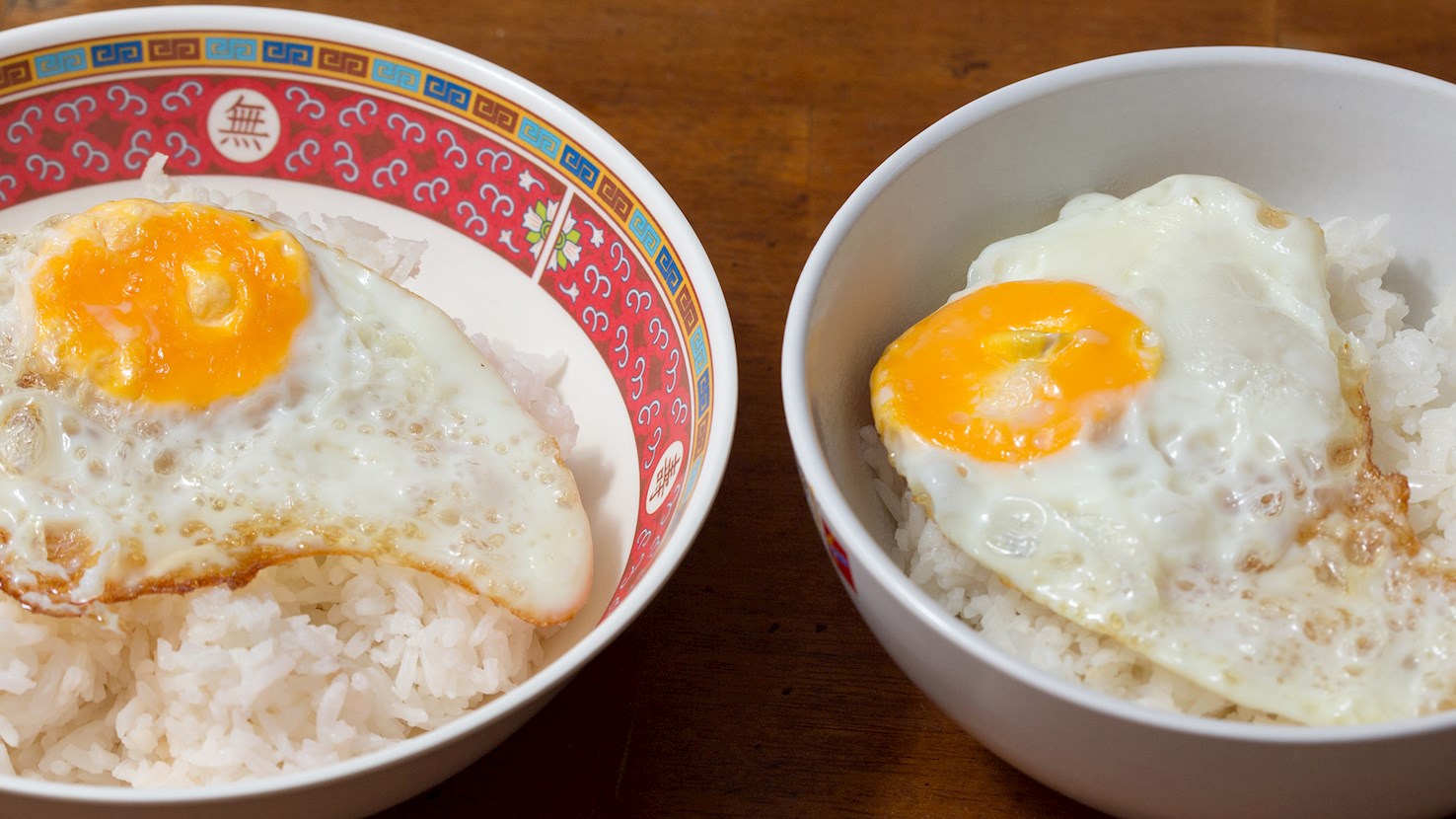
Arroz con huevo is a popular lazy lunch throughout Latin America, consisting of rice that’s topped with a fried egg. This humble dish used to be called comida de pobre (poor people food), but today it is enjoyed by people of all socio-economic classes. The dish has numerous variations, so in the Caribbean it is commonly accompanied by plantains, while the Spaniards pair it with a savory sofrito. It is recommended to top arroz con huevo with some freshly grated cheese and finely chopped parsley.
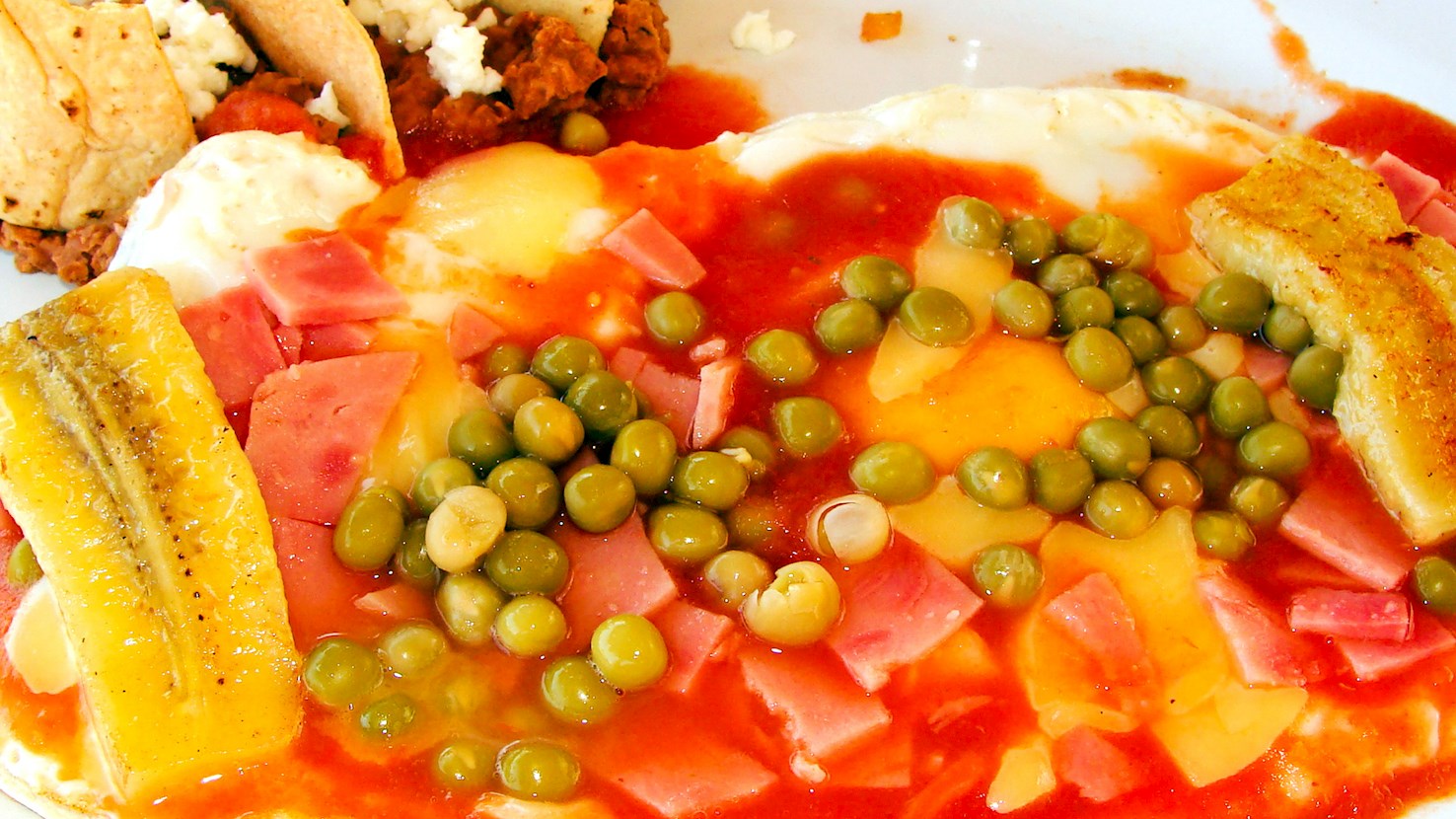
Huevos ahogados (lit. drowned eggs) is a simple Mexican dish consisting of eggs that are poached in a sauce made with tomatoes, onions, garlic, and (sometimes) chili peppers. Peas are often added for extra flavor and texture. After the eggs have been ''drowned'' in the sauce, they are usually served with warm tortillas, avocado slices, and refried beans on the side, making for a great breakfast that is also a hangover cure for those in need.
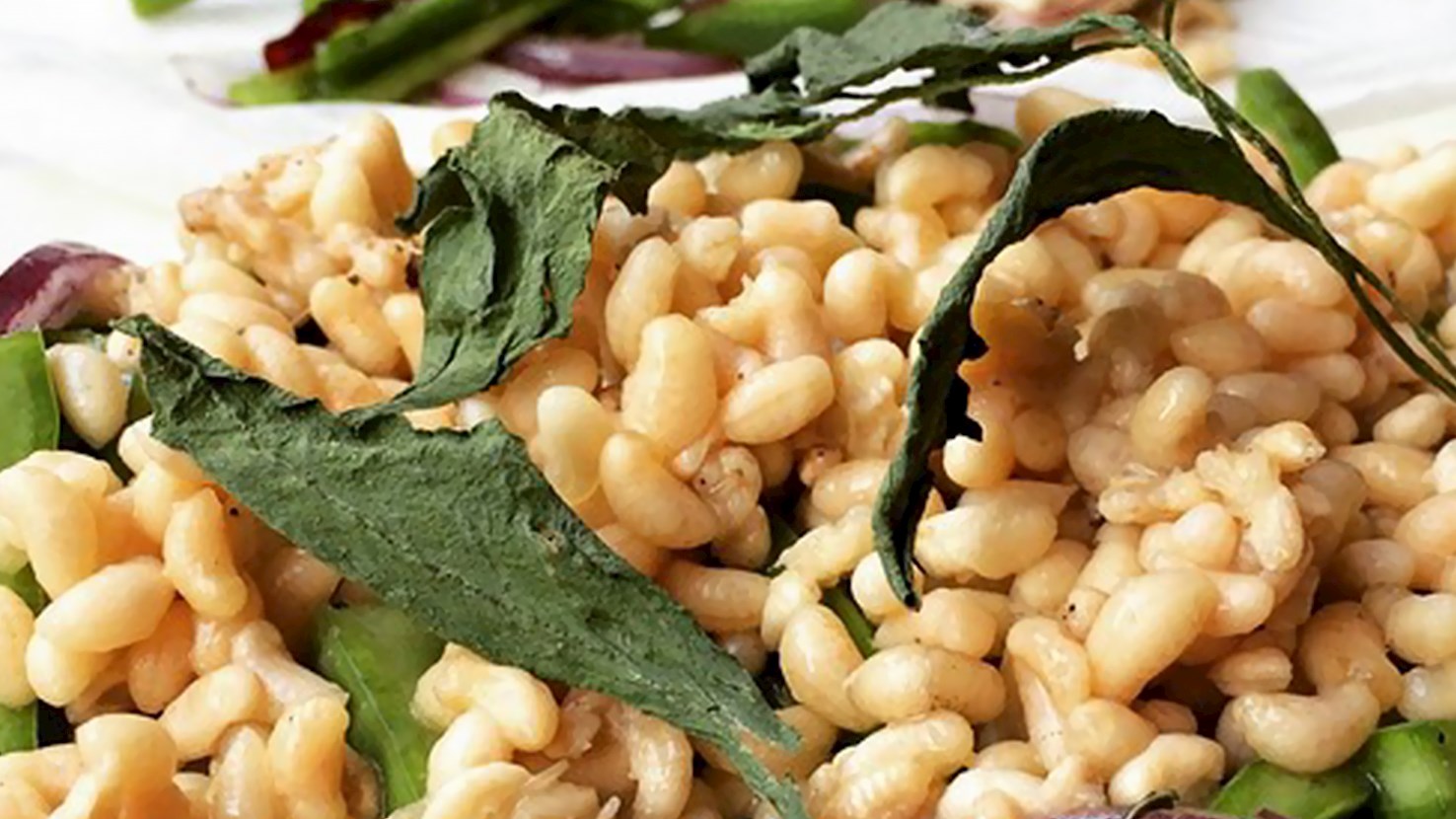
Mixiote de escamol is a preparation in which pale, tender ant brood is packed with seasonings and cooked in its own moisture, often with nopales, onion, chili, and epazote. It is particularly associated with Hidalgo and is also prepared in the neighboring State of Mexico, where escamoles are part of the central highlands' regional cuisine. The name is also written in the plural as mixiote de escamoles. Siete cueros, however, refers to a different preparation: the layered corn-and-bean tamales of Oaxaca, not an alternative name for this dish. Here, the important wrapping is the mixiote, a thin membrane from a maguey leaf, which also names the food cooked inside it. Escamoles are commonly described as ant eggs, but the edible harvest includes immature stages, especially larvae and pupae, of ants belonging to the genus Liometopum. Cream-colored and small enough to resemble plump grains, they have a delicate texture and a mild, slightly sweet flavor that needs relatively little seasoning. Both insect consumption and cooking in maguey membranes have roots in Mexico before the Spanish arrival. The dish belongs to the food culture of the maguey-growing highlands, where people developed edible-insect gathering and the use of different parts of the agave plant alongside farming. Escamoles are harvested from underground nests, sometimes located near magueys or trees, and finding and opening those nests requires practical knowledge of the ants and their surroundings. Their fresh season generally falls in spring, especially March and April, with timing varying by locality and conditions. The limited harvest and labor involved help explain why escamoles can be costly even when their preparation is relatively restrained. The wrapper deserves as much attention as the filling. A natural mixiote is a fine, flexible surface membrane rather than a thick piece of agave flesh. It holds the ingredients together while keeping their juices close to the food. Modern preparations may use cooking parchment or aluminum foil instead, and some combine the natural membrane with an outer foil layer for support. The packet method remains recognizable even when the wrapping changes. Unlike a tamal, this preparation does not require a covering of corn dough: opening the parcel reveals the escamoles and vegetables directly. Recipes vary, but nopales often accompany it. Their green flavor and moist texture give substance to the filling without requiring a heavy sauce. In one version from Axapusco, in the State of Mexico, diced, cooked nopales are mixed with escamoles, finely chopped onion, green chili, epazote, and a small amount of fat, then wrapped and steamed. Cooking and draining the cactus beforehand helps control the liquid inside the parcel. Other methods begin by softening onion with nopales and chili, then gently incorporating the escamoles before wrapping. This preliminary cooking mellows the onion’s sharpness and lets the ingredients finish together without prolonged heating. Epazote adds a strong herbal aroma, so use it sparingly; too much can overpower the mild flavor of the escamoles. Green chilies provide fresh heat, while versions using chile mora introduce a smoky note. Neither a red chili marinade nor a thick sauce is compulsory, even though both are familiar in meat-filled mixiotes. Some preparations use butter, others vegetable fat or little added fat; butter is a post-contact addition rather than evidence that the whole recipe has remained unchanged for centuries. Once filled, the membrane is folded or gathered securely to keep the cooking juices inside. Steaming is common, though some versions with partly cooked fillings are finished as packets on a comal. The aim is a moist filling with the individual escamoles still recognizable, rather than a browned or crisp mixture. Their softness distinguishes this preparation from escamoles sautéed uncovered, where direct contact with the pan can give a firmer surface. Mixiotes de escamoles are eaten in regional households and restaurants, particularly during the fresh harvest season, and can be served as a small course or a more substantial portion with vegetables. The parcel is opened on the plate, and the filling is spooned into warm corn tortillas along with a little of its juice. Salsa is best offered separately so diners can adjust the heat without covering the escamoles’ flavor. A lightly seasoned bean accompaniment is sufficient if a larger meal is wanted; plain water or a modest serving of pulque makes sense alongside the tortillas and herbal filling.
TasteAtlas food rankings are based on the ratings of the TasteAtlas audience, with a series of mechanisms that recognize real users and that ignore bot,
nationalist or local patriotic ratings, and give additional value to the ratings of users that the system recognizes as knowledgeable.
For the “Top 9 Mexican Egg Dishes” list until November 15, 2026, 1,196 ratings were recorded, of which 582 were recognized by the system as legitimate.
TasteAtlas Rankings should not be seen as the final global conclusion about food. Their purpose is to promote excellent local foods,
instill pride in traditional dishes, and arouse curiosity about dishes you haven’t tried.




What People Say