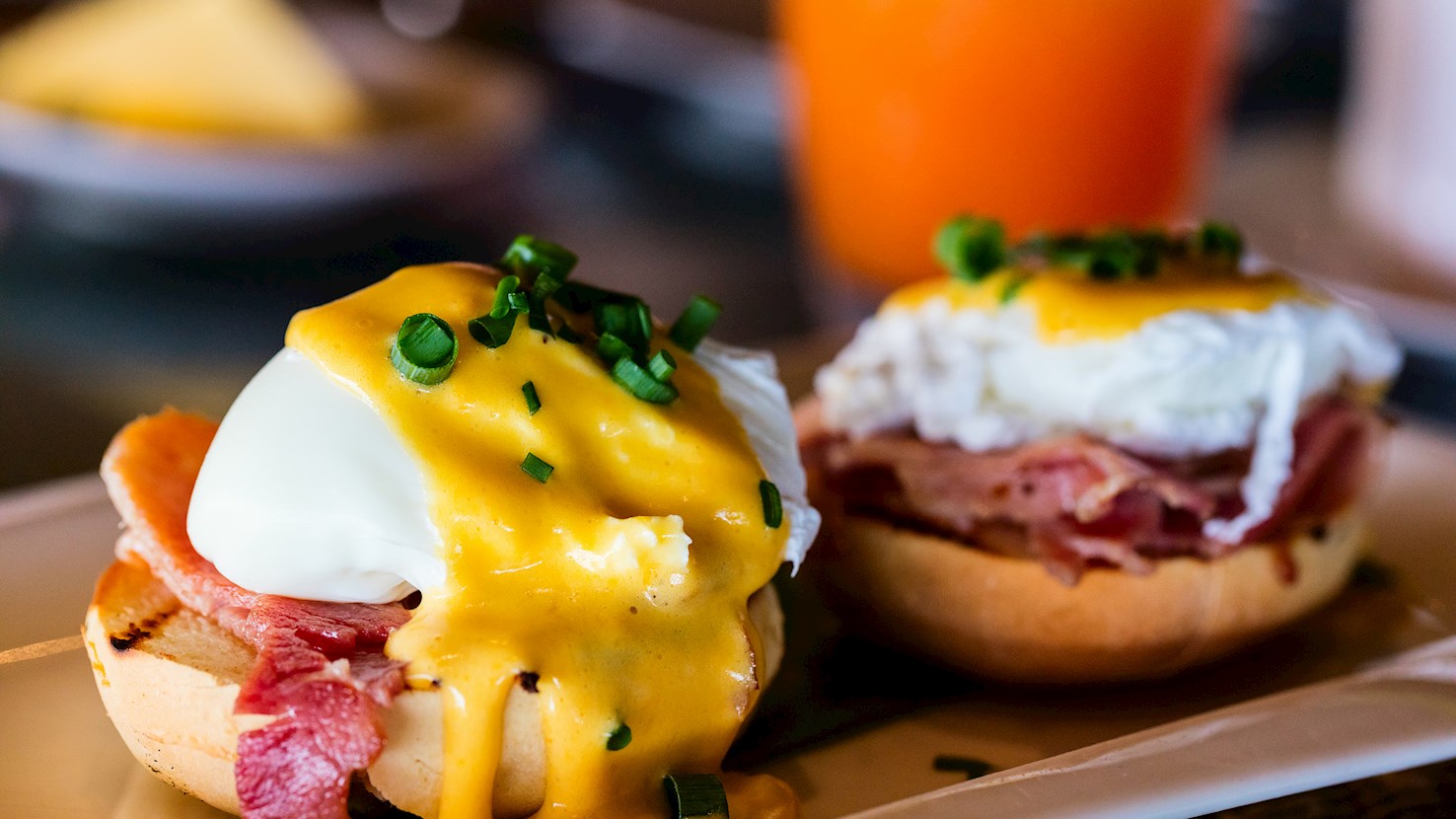
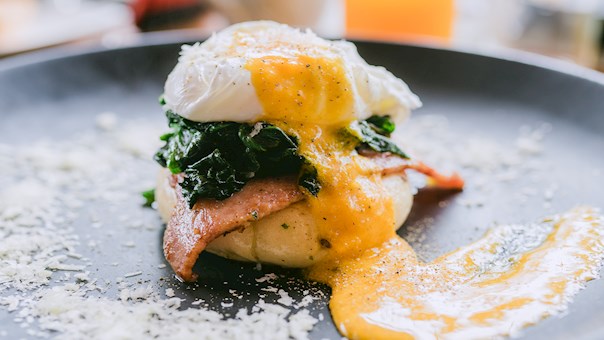
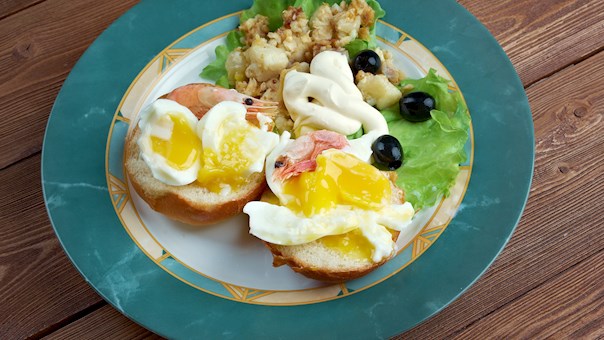
Eggs Benedict is a breakfast or brunch meal consisting of toasted halves of an English muffin that are topped with a slice of ham or bacon, a poached egg, and sauce Hollandaise. Although there are numerous theories about the origin of the dish, most people agree that credit should be given to Delmonico's Restaurant. It is believed that Delmonico's chef named Charles Ranhofer invented the dish in 1860s for a customer named Mrs. LeGrand Benedict, who wanted to eat something new. Ranhofer even published the recipe in his cookbook, The Epicurean, published in 1894. Regardless of the inventor, eggs Benedict are nowadays found throughout the world, in numerous variations such as eggs Mornay, Florentine, Blanchard, Hussarde, and Cochon.
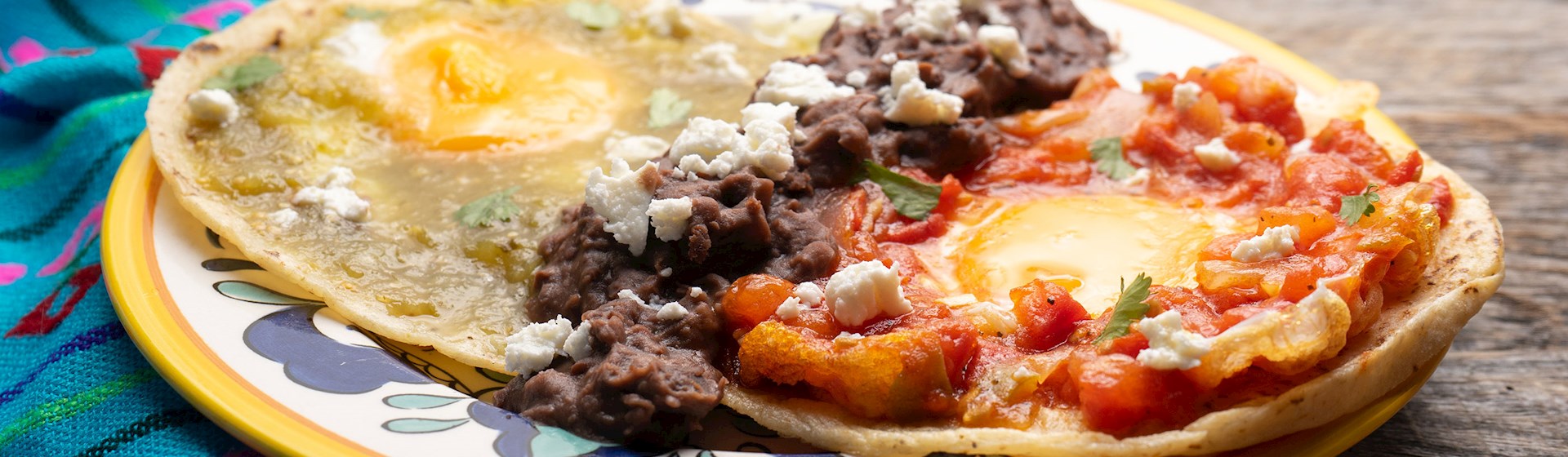
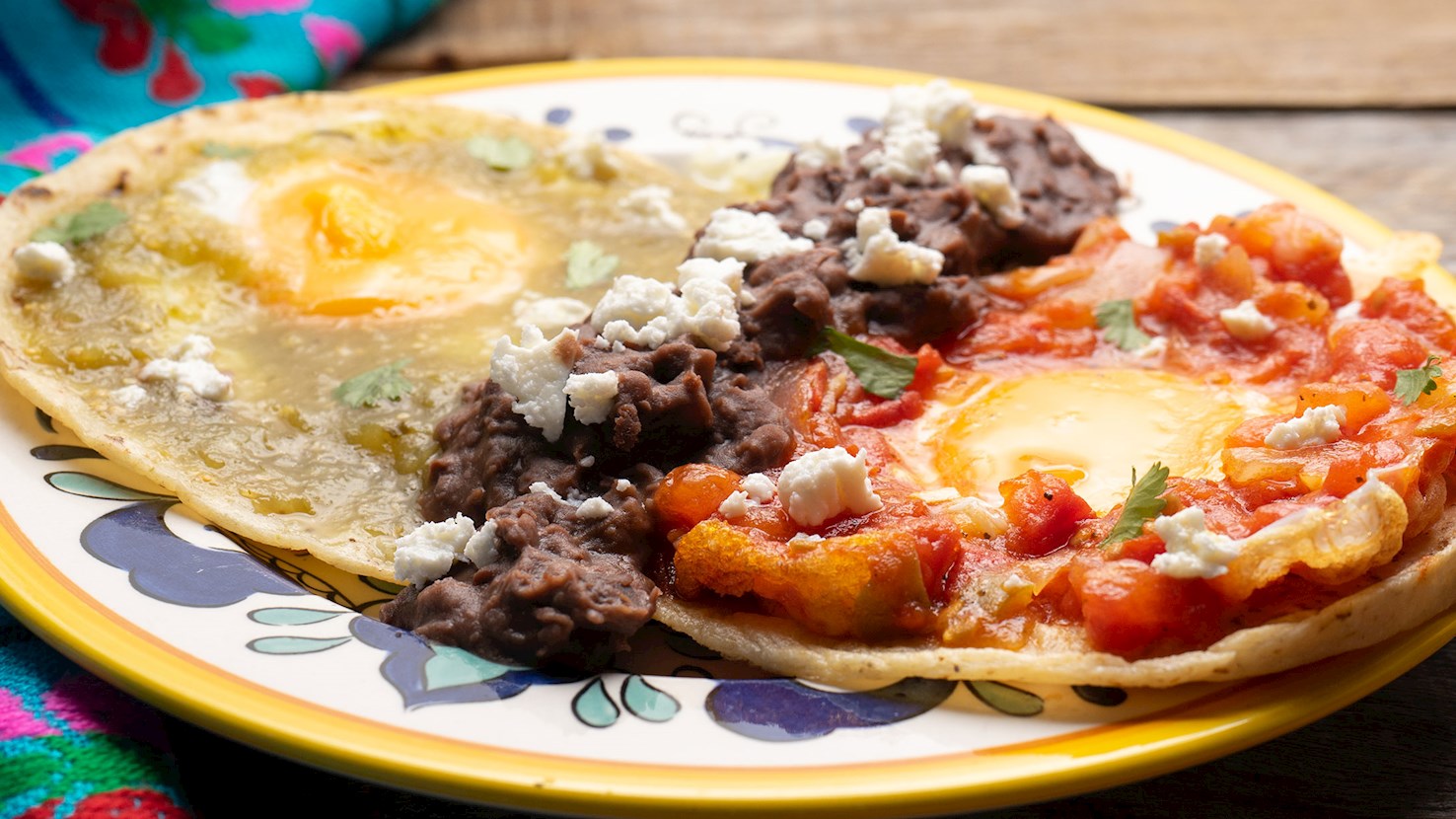
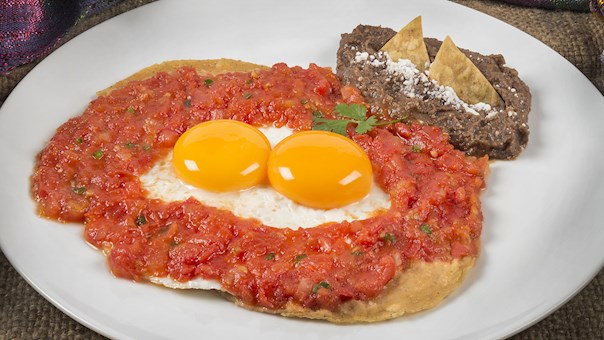
Huevos divorciados is a breakfast platter featuring two sunny-side-up eggs sitting on lightly crisped corn tortillas, visually and physically separated by a thick wall of refried beans, with one egg drenched in a roasted red tomato salsa and the other covered in a tart green tomatillo salsa. The name itself translates directly to "divorced eggs," serving as a literal visual pun representing a split marriage, with the dense beans acting as the barrier between the two contrasting sauces. The origins of this morning meal trace back to the early 20th century across central and southern rural farming communities, where roadside eateries routinely combined two staple condiments onto a single plate to showcase their daily salsa batches without having to choose just one. The recipe starts with heating a thin layer of oil in a wide skillet. Two whole corn tortillas drop into the hot fat for just a few seconds until they blister and firm up slightly, ensuring they retain enough flexibility to be cut with a fork. After moving the tortillas to a wide plate, two whole eggs go into the same skillet and fry until the whites set completely solid while the yolks remain entirely liquid. The hot eggs slide carefully onto the waiting tortillas. A ladle of warm salsa roja—a blend of roasted red tomatoes, garlic, white onions, and jalapeños—pours directly over the first egg. The second egg receives a heavy coating of salsa verde, built from boiled green tomatillos, sharp serrano peppers, and fresh cilantro. To complete the separation, a massive scoop of hot, fat-laced refried black or pinto beans gets dragged right down the center of the plate between the two tortillas. The final touch involves crumbling salty white cheese directly over the beans and scattering chopped cilantro across the entire platter. Huevos divorciados is eaten by dragging pieces of the yolk-soaked tortillas through the contrasting sauces and the savory beans, intentionally mixing the separated elements back together bite by bite. Kitchens constantly tweak the baseline ingredients to incorporate leftover proteins from previous meals. A common practice involves hiding a layer of shredded chicken or aggressively spiced pork chorizo directly underneath the eggs before adding the sauces, turning it into a much heavier, calorie-dense breakfast. Another popular tweak replaces the beans entirely with a tall pile of chilaquiles—fried tortilla chips tossed in extra salsa—adding a severe crunch to the soft eggs. When ripe avocados are available, thick slices often fan out over the beans, introducing a cold, creamy element that neutralizes the lingering heat of the two chilies.
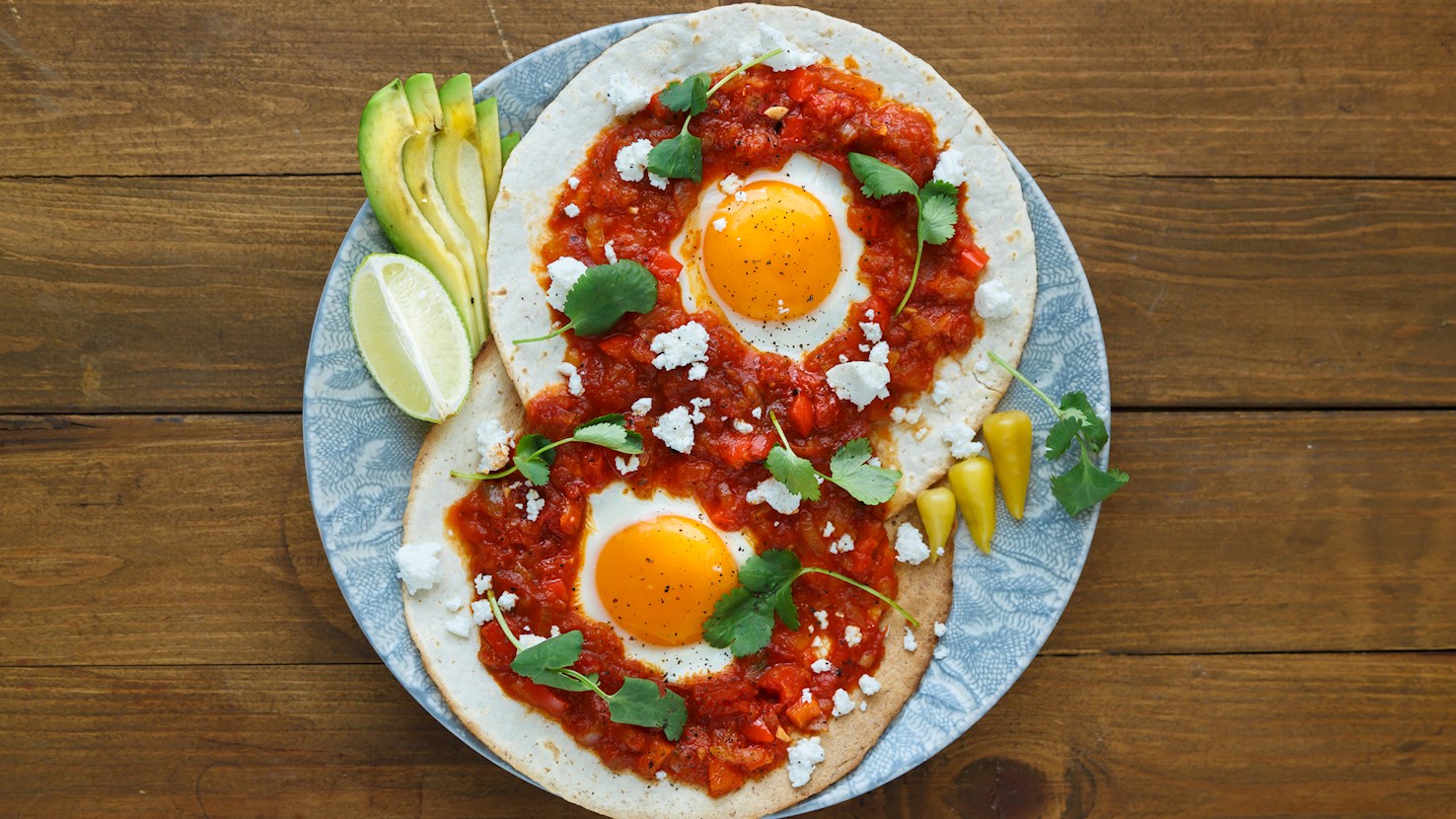
Affectionately called the breakfast of champions, huevos rancheros is a traditional breakfast dish from Mexico consisting of tortillas, eggs, beans and, sometimes, a selection of meats, all covered with a tomato-chili sauce or salsa. Originally a hearty meal served to farm employees in rural Mexico, the dish found its way north to San Antonio in the USA, just a few miles from the Mexican border. From there, numerous variations ensued and huevos rancheros became a staple throughout North America with newly added ingredients such as avocado slices, garlic-chile sauce, and melted cheese. Traditionally, it is accompanied by fresh, crisp lettuce and sour cream. This breakfast classic may not look like much, and visually it's a bit of a mess, but the spicy, saucy combination is considered by many to be a delicious hangover cure and a breakfast food staple, varying from one establishment to another.
Eggs Florentine is a classic breakfast or brunch dish that features poached eggs served on a bed of cooked spinach and topped with a creamy hollandaise sauce, sometimes substituted with béchamel or Mornay sauce. The dish is often served on a toasted English muffin or a slice of toasted bread, making it similar to Eggs Benedict, but with spinach replacing the ham or bacon. The combination of the soft, poached eggs with the slightly tangy flavor of the spinach and the richness of the sauce creates a well-balanced and nutritious dish. Eggs Florentine is named after Florence, Italy, to denote the use of spinach, which is believed to have been a favorite ingredient in the region. Despite its name, the dish is more commonly associated with American cuisine rather than Italian cuisine.
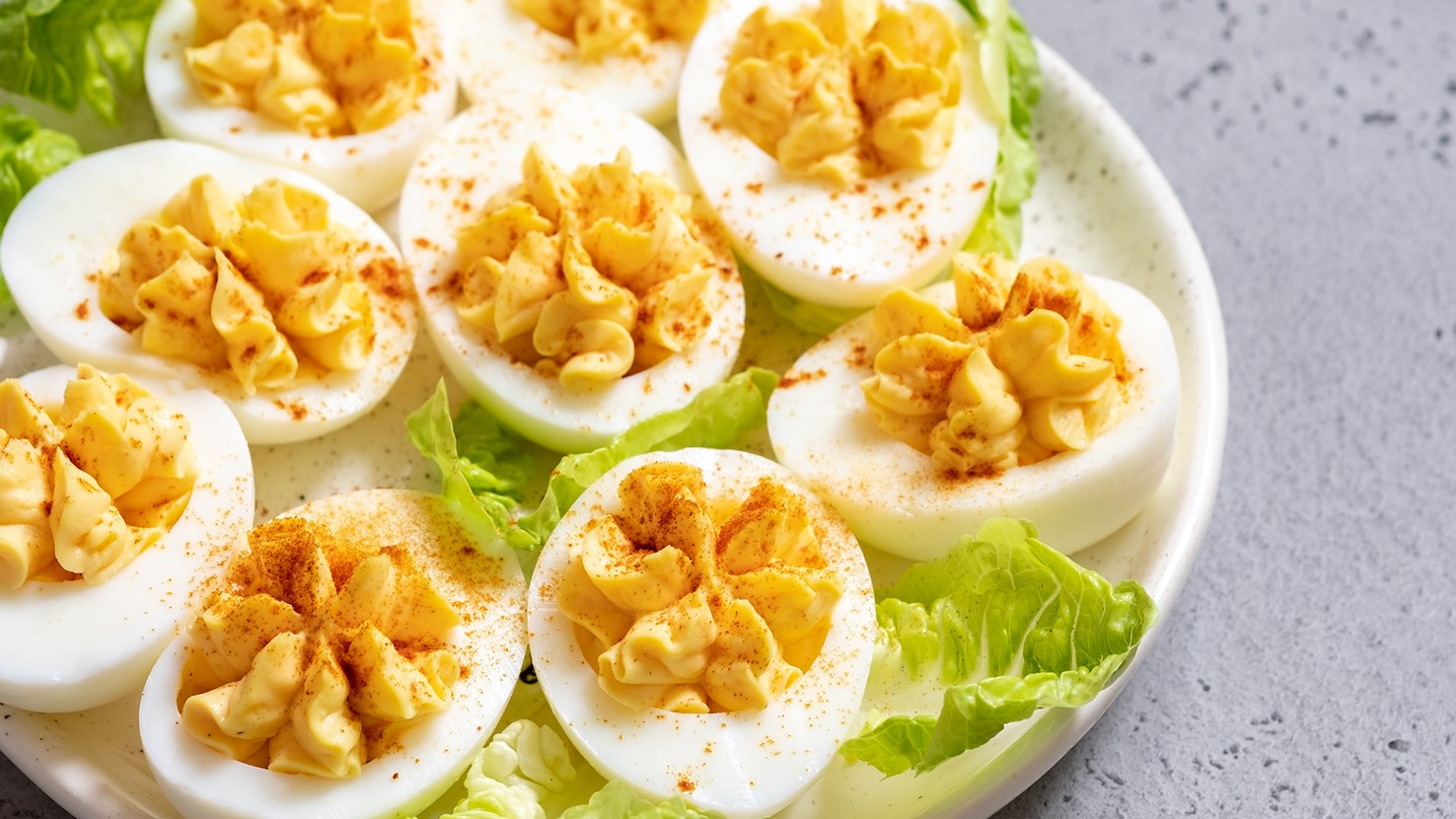
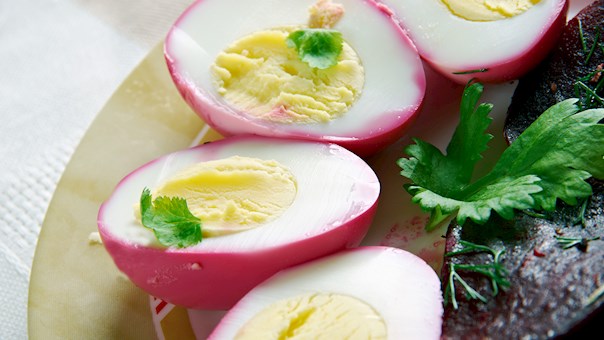
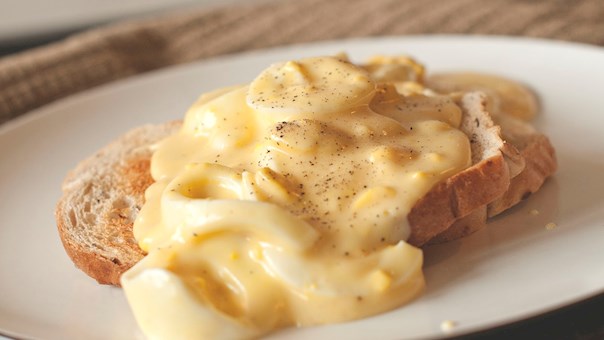
Deviled eggs typically consist of shelled and halved hard-boiled eggs that have had their boiled yolks removed and blended with ingredients such as mayonnaise, mustard, pickle relish, and seasonings into a smooth paste, which is then added back to the cavities of the egg whites. This all-time favorite is usually finished with paprika on top, and it is typically enjoyed chilled either as an appetizer or a side. Often mistakenly considered an American culinary contribution, the first versions of this simple gourmet delicacy are believed to have been invented in ancient Rome. From there, the dish has spread throughout Europe first, and then all over the world, yielding endless interpretations in different countries and resulting in the numerous variations known today. Interestingly, the word deviled in the name of this dish derives from the terms devil and devilling, both of which were used as culinary terms in Great Britain in the late 18th and early 19th century to refer to food that contains hot ingredients, is highly seasoned or spicy. Deviled eggs are a staple at parties, potluck gatherings, and picnics, and these days they’re often enhanced with a wide range of additions such as pickles, kimchi paste, dill, vinegar, chili powder, sriracha hot sauce, bacon, caviar, or crab meat.
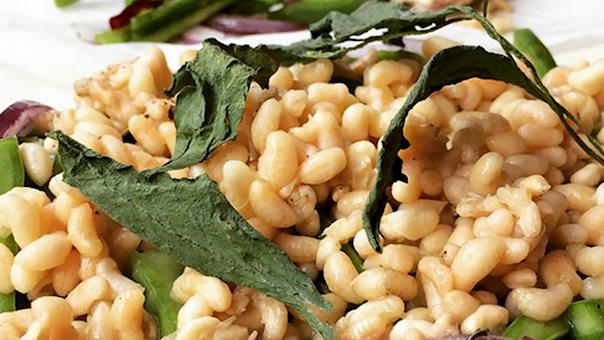
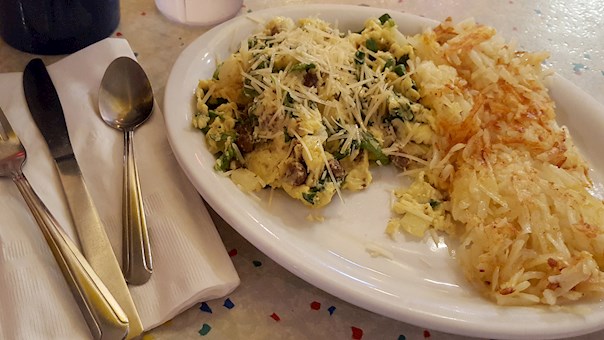
Huevos migas is a Mexican egg-based dish originating from the Michoacan region. It is made with a combination of soaked bread or tortilla pieces, stock, tomatoes, onions, garlic, chili peppers, and eggs. Cheese and sausage pieces are often added for extra flavor and texture, but due to the fact that the dish is quite popular during Lent, sausages are omitted at that time. Once prepared, huevos migas are usually served immediately, ideally with hot tortillas on the side.
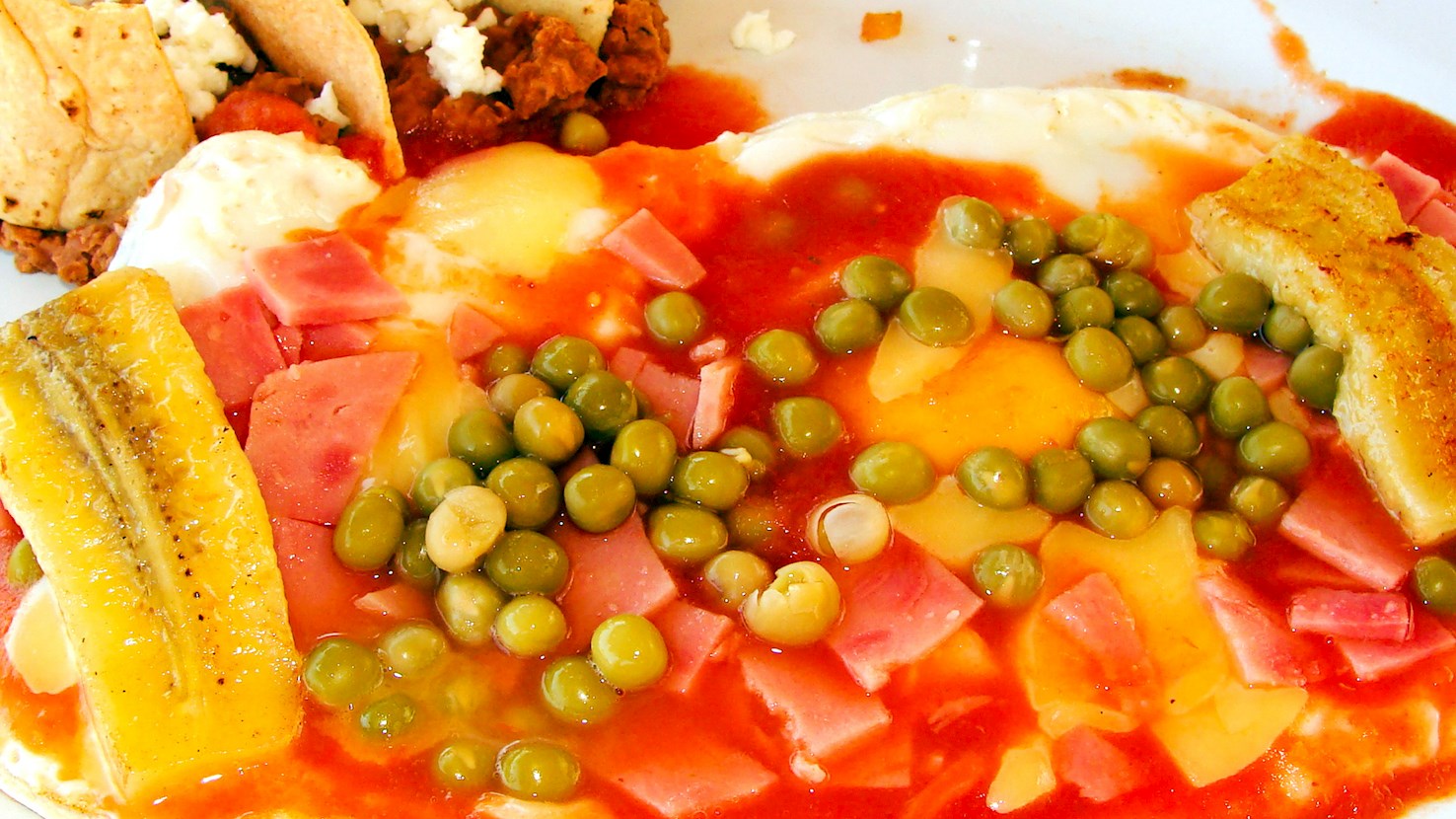
Huevos motuleños is a popular Mexican dish categorized by many as a true representative of comfort food at its best. The dish, named after a Yucatan town, consists of crispy tostadas topped with eggs, plantains, roasted tomatoes, and beans, combining both Mayan and Caribbean flavors in one plate. It is believed that the dish was invented by a Lebanese restaurant owner named Jorge Siqueff Febels when he invited too many guests in his restaurant. As there were not enough bowls and plates, he served all of the side dishes and accompaniments on top of tostadas and eggs, and huevos motuleños was born (and instantly loved). Today, there are a number of variations on the dish with added green peas, lime wedges, salsa, or ham.
Gorditas de huevos is a Mexican dish consisting of masa cakes filled with eggs. The gorditas are made with masa harina, salt, and water. The dough is fried on both sides until golden brown, and it is then topped with scrambled eggs. The eggs can be enriched with garlic or chili peppers, if desired. When served, gorditas de huevos are often accompanied by hot sauces on the side.
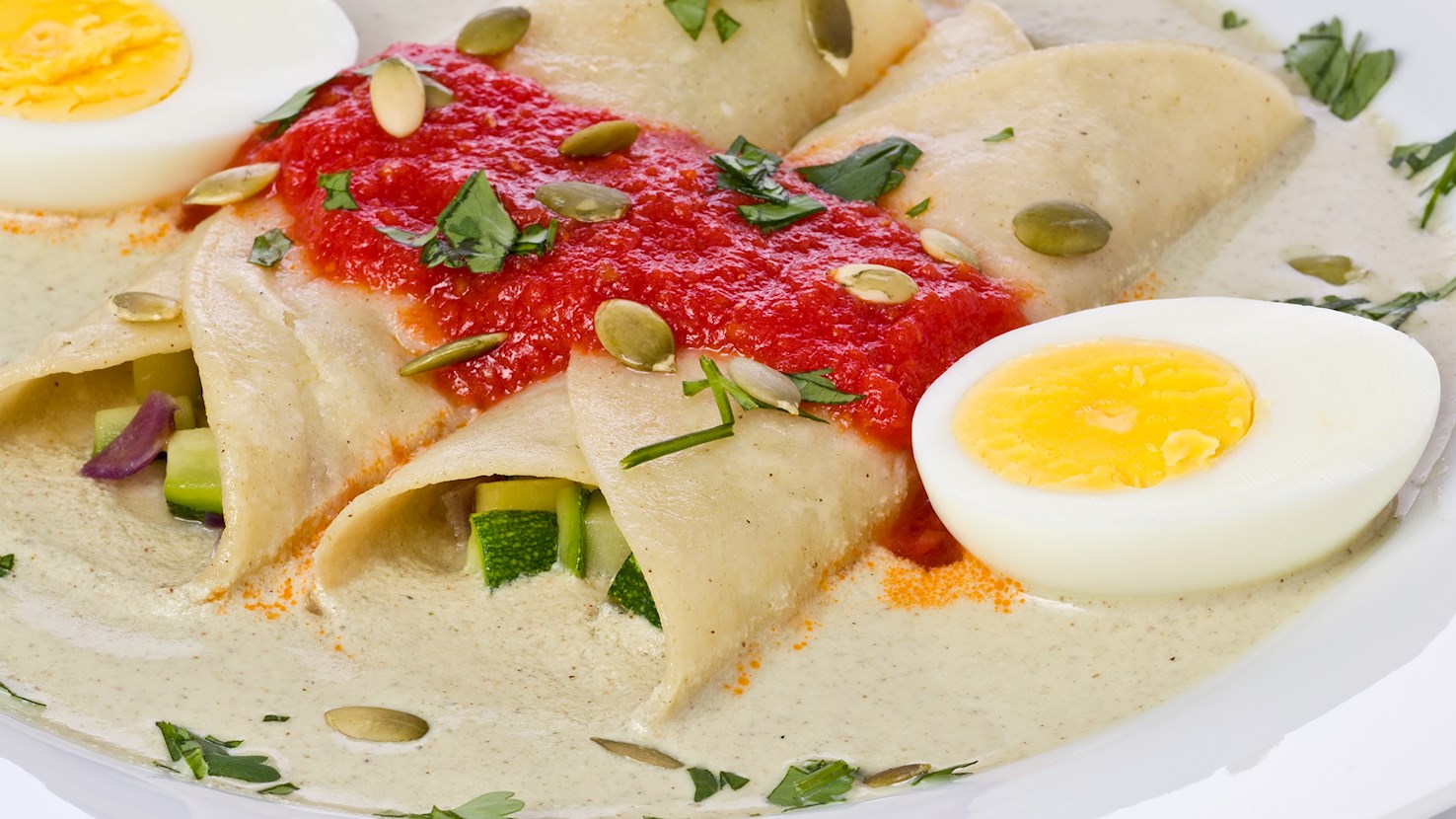
Papadzules are rolled corn tortillas from the Yucatán Peninsula, dipped in a creamy pumpkin seed sauce, filled with chopped hard-boiled eggs, and topped with roasted tomato salsa. The dish is closely associated with Maya cooking and the region's agricultural staples, especially maize, squash seeds, tomatoes, and epazote. The name is usually explained in Maya terms, often interpreted as "food" and "lord" or "master," although the exact translation remains debated. One common interpretation links the dish to food served to nobles, important guests, and later to Spanish arrivals, while its reliance on squash seeds, maize, tomatoes, and regional herbs reflects a cooking tradition rooted in the peninsula's ingredients before the widespread use of European livestock. The dish begins with hulled pumpkin seeds, or pepitas, which are toasted and ground into a fine paste. This paste is mixed with warm broth infused with fresh epazote leaves, producing a thick, smooth, pale green sauce with an earthy, herbal flavor. Eggs are boiled until firm, peeled, and chopped into small pieces. Fresh corn tortillas are warmed briefly on a griddle until soft and pliable, then dipped into the pumpkin seed sauce, laid flat, filled with a line of chopped egg, and rolled into compact cylinders. Once the rolls are arranged side by side on a serving platter, more of the green pumpkin seed sauce is poured over the top. A second sauce, known as chiltomate, provides a bright contrast to the rich seed sauce. It is usually made by roasting ripe tomatoes, white onion, and whole habanero chiles until lightly charred, then blending and simmering the mixture until it becomes smooth and slightly thickened. The red tomato salsa is spooned over the green-coated tortillas, creating the characteristic contrast of colors and flavors. Although hard-boiled eggs are the most common filling, local versions may use shredded roasted chicken or slow-braised pork shoulder instead, turning the dish into a richer, meat-based main course. Other variations avoid meat entirely and use pan-fried white cheese or sautéed chaya leaves as the filling. Papadzules are served warm, usually on a wide ceramic platter, with the sauce-soaked tortillas arranged in a row. A few drops of dark green pumpkin seed oil may be added over the tomato salsa for extra nuttiness, while raw habanero slices are sometimes served on the side for sharper heat. The soft tortillas are eaten with a fork and knife, cutting through the pumpkin seed coating and tomato salsa to reach the firm egg filling inside. A cold, citrus-forward fruit drink is a common accompaniment, helping balance the dense, earthy flavor of the pepitas, epazote, and sauce.
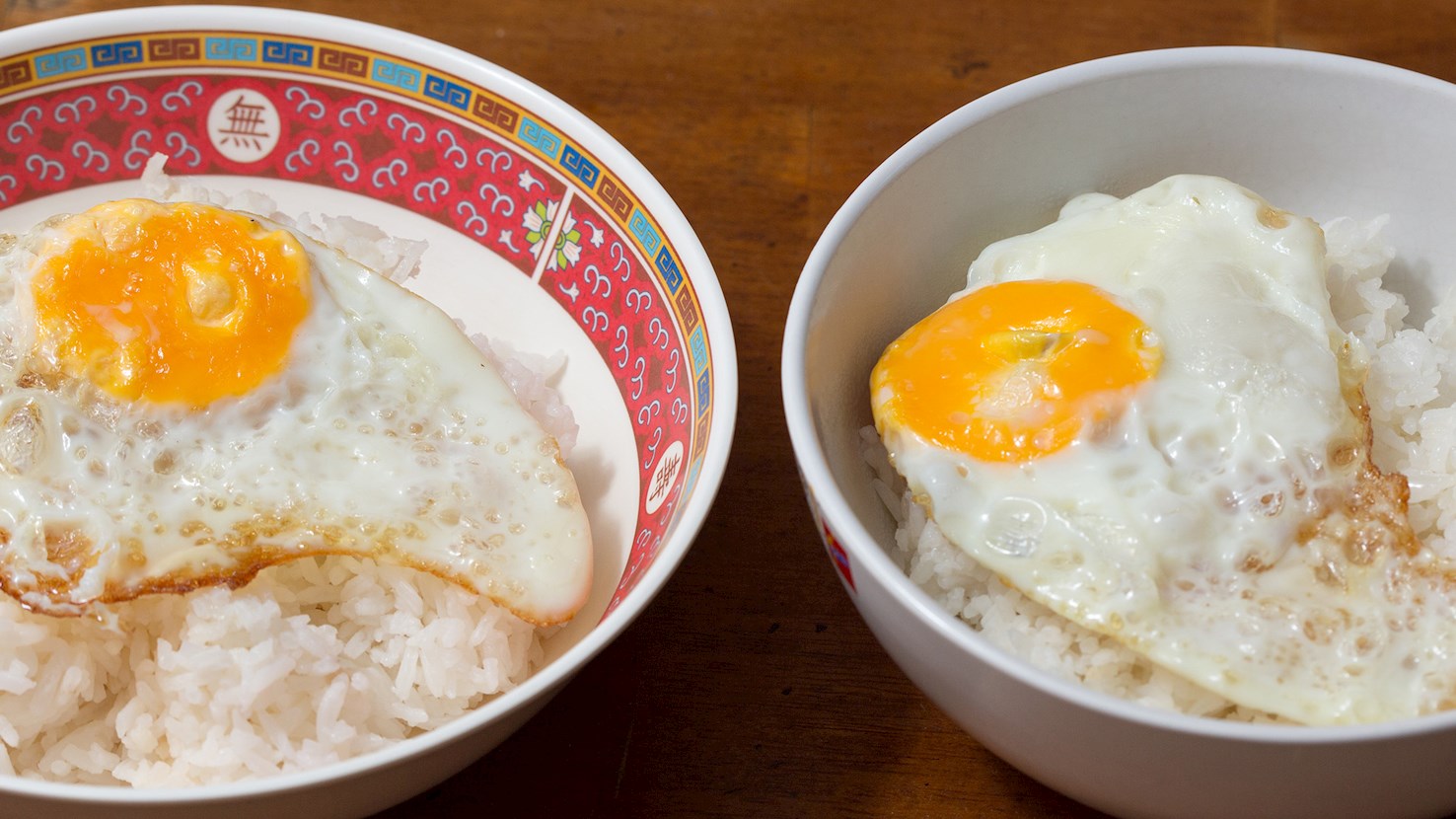
Arroz con huevo is a popular lazy lunch throughout Latin America, consisting of rice that’s topped with a fried egg. This humble dish used to be called comida de pobre (poor people food), but today it is enjoyed by people of all socio-economic classes. The dish has numerous variations, so in the Caribbean it is commonly accompanied by plantains, while the Spaniards pair it with a savory sofrito. It is recommended to top arroz con huevo with some freshly grated cheese and finely chopped parsley.
TasteAtlas food rankings are based on the ratings of the TasteAtlas audience, with a series of mechanisms that recognize real users and that ignore bot,
nationalist or local patriotic ratings, and give additional value to the ratings of users that the system recognizes as knowledgeable.
For the “Top 23 North American Egg Dishes” list until July 15, 2026, 1,945 ratings were recorded, of which 1,298 were recognized by the system as legitimate.
TasteAtlas Rankings should not be seen as the final global conclusion about food. Their purpose is to promote excellent local foods,
instill pride in traditional dishes, and arouse curiosity about dishes you haven’t tried.