






shutterstock

Top 15
Egg Dish Recipes

Last updated on May 22, 2026
01

Tortilla de Betanzos

4.3 ·

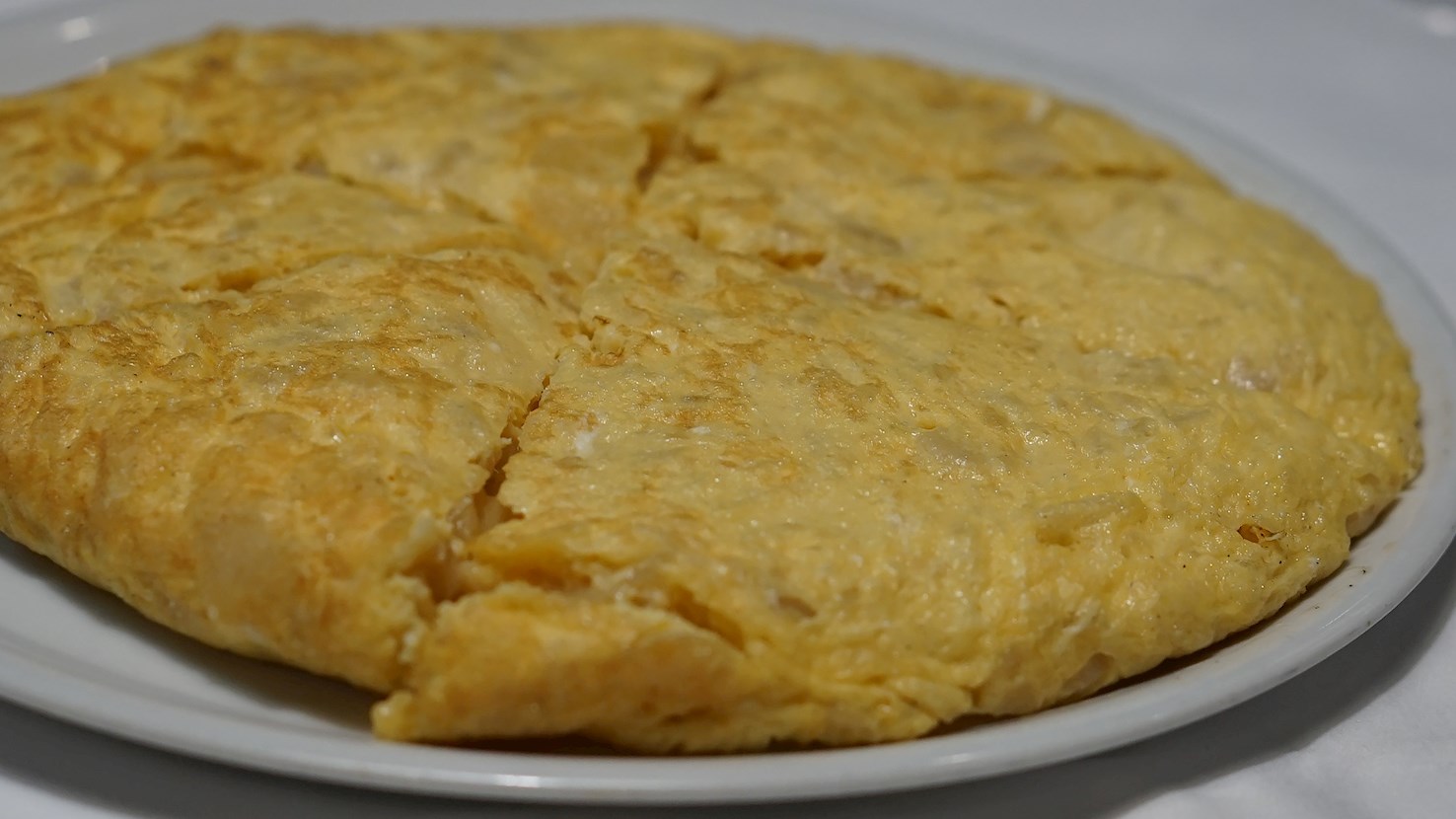
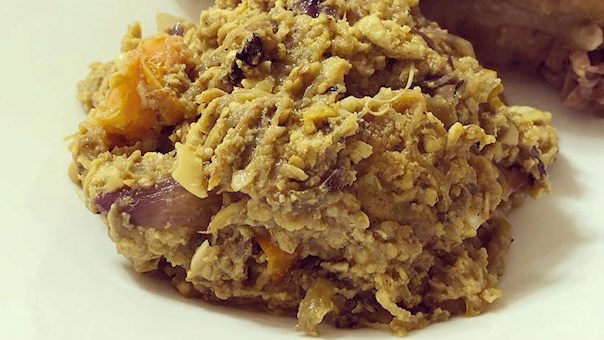
A variety of tortilla de patata, tortilla de Betanzos is characterized by its texture which can range from creamy to liquid. It’s made with the same ingredients as the tortilla de patata, meaning just potatoes, eggs, olive oil, and salt are needed. However, what sets it apart is the preparation method — it is cooked very briefly, usually only about a minute or two, and often flipped, so the center doesn’t cook. Besides the traditional ingredients, this style of tortilla de patata can also include onions.

02

Huevos rotos

4.2 ·

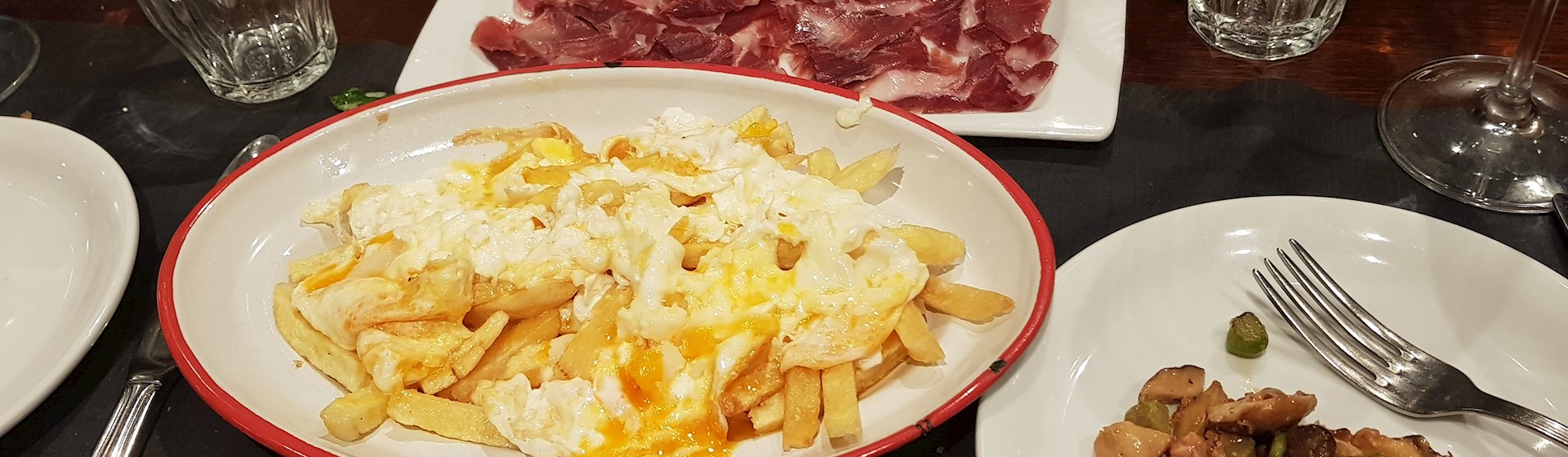
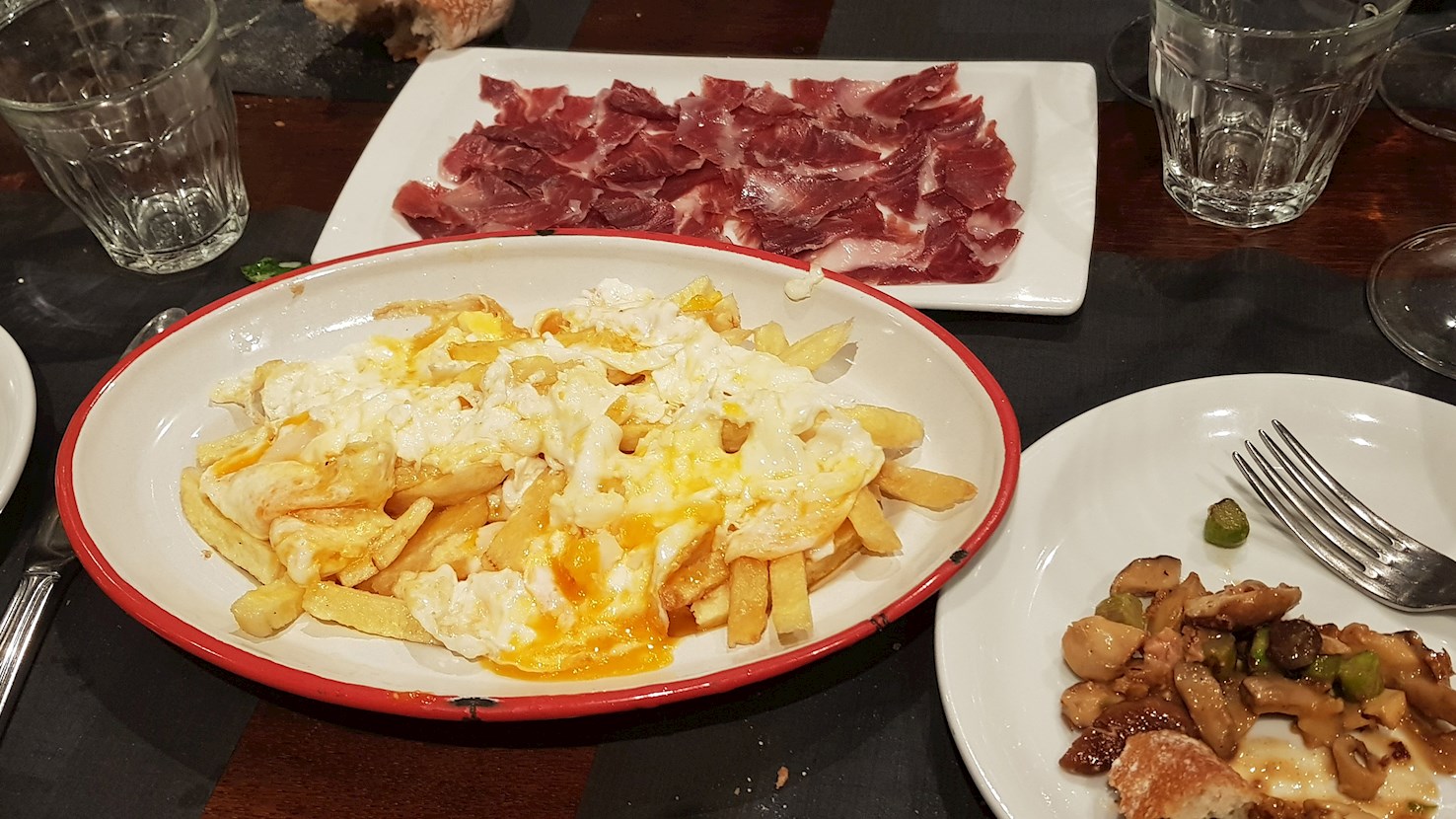
Huevos rotos (lit. broken eggs) is a traditional Spanish dish that's especially popular in Madrid and the Canary Islands. It's made by placing fried eggs over french fries for the classic version, then topping the combination with chorizo or ham for a richer version (or anything you want in modern versions). Before serving, the yolk is broken so that it pours down onto the fries, creating a yellow star-like pattern that's similar to a starry night, hence the other name of the dish - huevos estrellados. This hearty combination of eggs and potatoes is a staple of numerous tapa bars and there are many variations on the dish.

Best restaurants
03

Eggs Benedict

4.1 ·

An ingenious invention, a historical puzzle, a dish many authors claimed their own, a sophisticated breakfast or brunch — all these attributes hardly begin to describe the eggs Benedict. The standard recipe includes a lightly toasted and buttered English muffin cut in half, covered with crispy Canadian bacon or ham, and topped with poached eggs and a spoonful of sauce Hollandaise, one of the five sauces from the French haute cuisine mother sauce repertoire. The preparation includes a whole range of techniques: the eggs are poached, the English muffins are baked, the bacon is fried, and the sauce Hollandaise is cooked. This satiable dish is so appreciated in the United States that April 16th is National eggs Benedict Day.

04

Tortilla de patata

4.1 ·

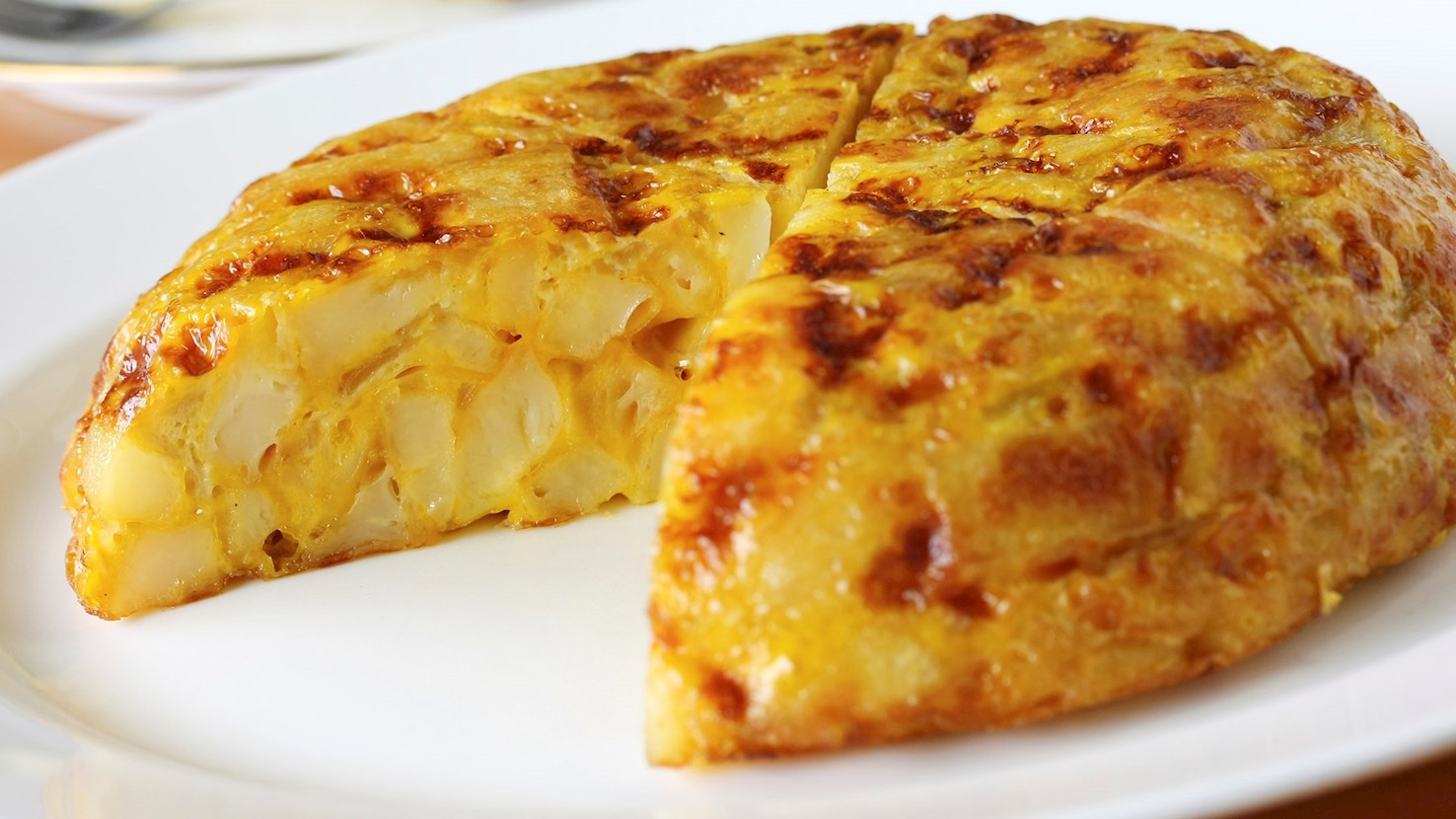
The traditional tortilla de patata is made with just potatoes, egg, olive oil, and salt. However, the version that also includes onion is even more popular than the traditional version. The potatoes are cut into slices or small cubes and poached in olive oil, then mixed with beaten eggs seasoned with salt. The egg and potato mixture is then poured into a skillet and slow-cooked on both sides. Additional ingredients may be included, such as Serrano ham, mushrooms, peppers, and so forth, and many regional variations exist. Tortilla de patata is usually served with bread and aioli sauce, but it’s also served as a tapa or used to make sandwiches.

05

Chawanmushi

4.1 ·

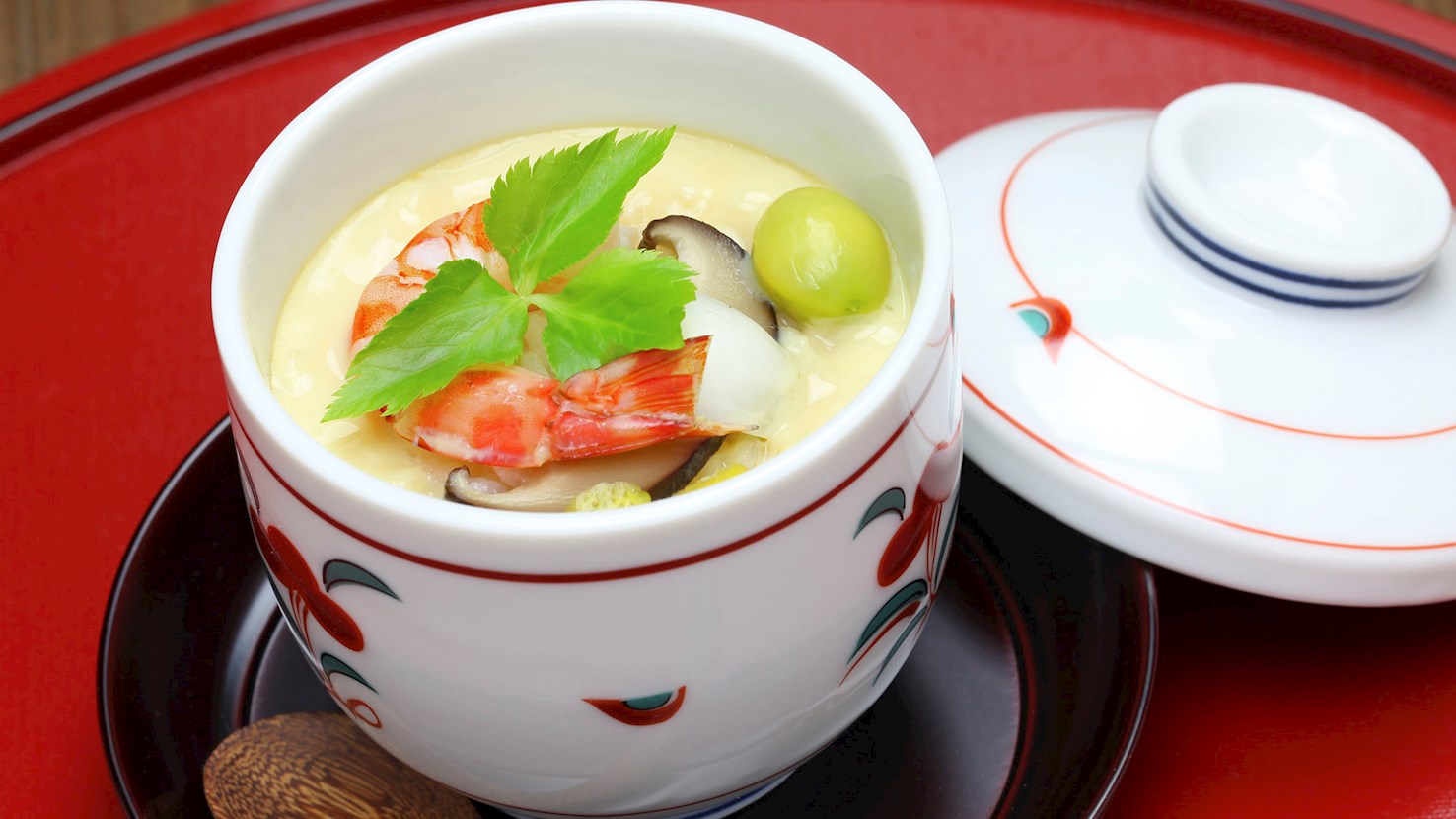
This Japanese custard is made with eggs, dashi, soy sauce, and mirin, plus numerous other ingredients like chicken, white fish, shrimp, shiitake mushrooms, kamaboko, gingko nuts, lily roots, carrots, Japanese parsley mitsuba, and many others. However, if udon noodles are added, the dish is not called chawanmushi but odamakimushi. The preparation begins with making the custard. The eggs are first whisked, then seasoned (typically) with dashi, mirin, and soy sauce. Then, to ensure the silkiest texture possible, the eggs are strained through a fine mesh sieve into another bowl. The other ingredients such as mushrooms, meat, fish, and vegetables are divided between cups, and the custard is then poured over. The cups are then covered with a lid or aluminum foil and either steamed or cooked in a water bath on low temperature anywhere from 15-30 minutes, depending on what ingredients were used. Chawanmushi is cooked when the edges have set, but the center is still slightly loose. If done to perfection, chawanmushi should ooze a clear broth when poked with a skewer. Unlike other Japanese dishes, chawanmushi is eaten with a spoon and not chopsticks. It is served either as an appetizer or a side dish, usually as a part of a traditional Japanese dinner called kaiseki-ryōri.

06

Omurice

4 ·

Although it may seem like an improvisation at first glance, the Japanese rice dish omurice or omuraisu is actually a successful hybrid of Eastern and Western cuisine. It can be made from leftovers or from scratch; topped with fancy demi-glace or simple ketchup; filled with whatever vegetables found in the freezer, or a whole range of local ingredients. The one thing that is sure, however, is that it is tasty, satiable and ubiquitous, which makes it one of the most popular Japanese dishes of all times. The preparation starts with cooked short-grain rice, which can be prepared specifically for omurice or used from the day before. Then, finely chopped onions and other vegetables, such as carrots, cabbage, and peppers, are stir-fried in a skillet with some finely chopped chicken or other meat. The mixture is seasoned with salt, pepper, and tomato ketchup, and the cooked rice is then stirred in, so it absorbs all the flavors. The rice is then set aside and, often in the same pan, a single-portion omelet is prepared. It can be filled with rice or served on top of it, and the preparation is finished with a dollop of ketchup, demi-glace or other sauce.

07

Oyakodon

4 ·

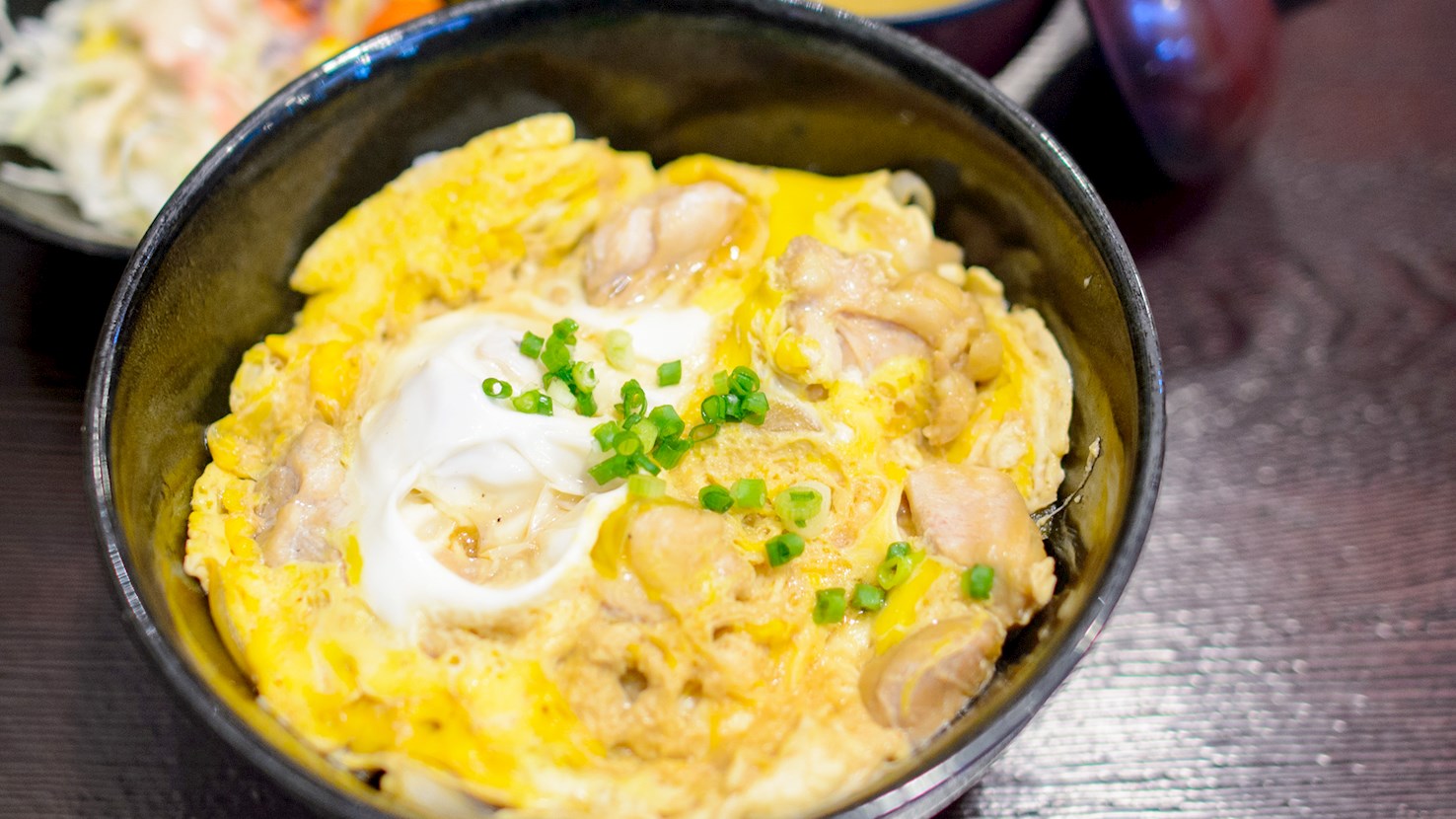
Belonging to a group of donburi dishes — which are made up of cooked or steamed rice that is topped with a range of cooked or fresh ingredients — oyakodon, also known as oyako-donburi, consists of a mixture of chicken meat, eggs, and onions served atop a bowl of rice. The preparation starts with combining the ubiquitous fish stock dashi with soy sauce, sugar, rice wine mirin, and rice liquor sake in a pan, and bringing them to a boil. Then, small pieces of the chicken thigh are added and cooked through. Adding finely sliced onion is mandatory, but the oyakodon may be enriched with other ingredients such as shiitake mushrooms, edamame, green beans, and leek. Then, a whisked egg is poured over the top and left to cook for 1 to 3 minutes. Finally, the mixture is gently slid over a bowl of freshly cooked or steamed rice, garnished with some chopped green onion or nori algae, and served. Since the dish is filling, and the recipe fail-proof, oyakodon is one of the favorite lunch dishes among the Japanese, and some even consider it to be a comfort food.

08

Tamagoyaki

3.9 ·

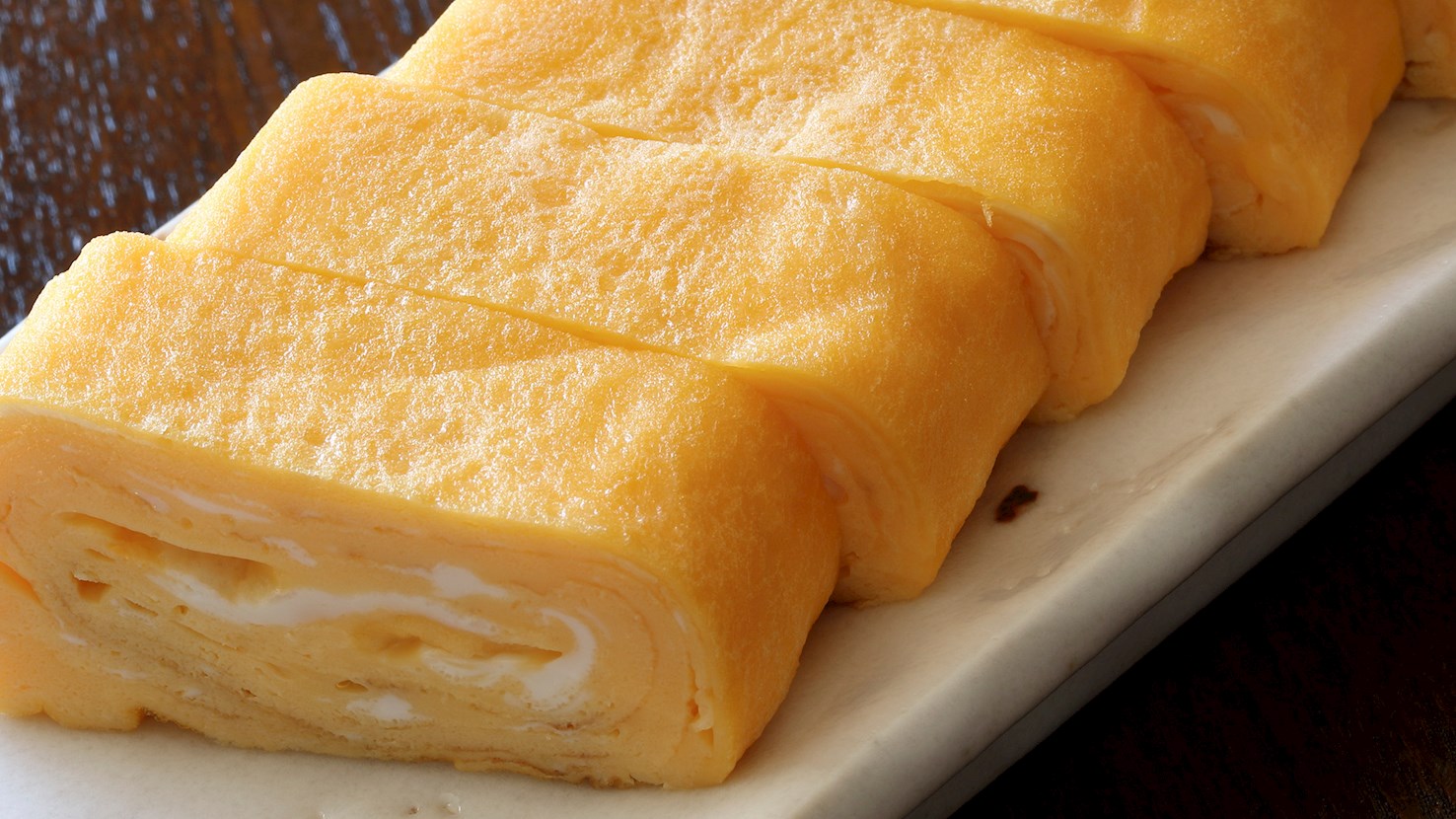
The Japanese version of an omelet, tamagoyaki, may require some skill and practice to perfect because a beginner may not get the desired results, at first try, at least. The eggs are whisked using chopsticks together with sugar, salt, soy sauce, and mirin, but seasonings do vary from household to household. To prepare, a thin layer of the egg mixture is then poured into a greased rectangular omelet pan called a makiyakinabe. Once the layer has set, it is carefully rolled into a log using chopsticks. However, it is important that the top of the layer does not dry out before rolling as the egg will not then stick together. Next, another layer of the egg mixture is poured into the pan, and the log is then rolled over that layer. This step is repeated until there is no egg mixture left at which point you transfer the log onto a plate, wait a few minutes for it to cool a bit, and then cut the ends off and slice the log into ½-inch pieces. Some like their tamagoyaki less sweet and may exclude sugar altogether, while some like the eggs sweeter and will up the amount of sugar. When dashi is added to the egg mixture, we are talking of dashimaki tamago, which may prove a challenge to prepare as the mixture is thinner than the one of a regular tamagoyaki. Tamagoyaki is typically served with grated daikon and some soy sauce. It is considered an essential component of a bentō box and is used in making sushi, or as a palate cleanser. In Japan, you can sample tamagoyaki in Japanese gastropubs izakaya and soba restaurants, but also purchase them in department stores.

09

Pražene gobe z jajci

3.8 ·

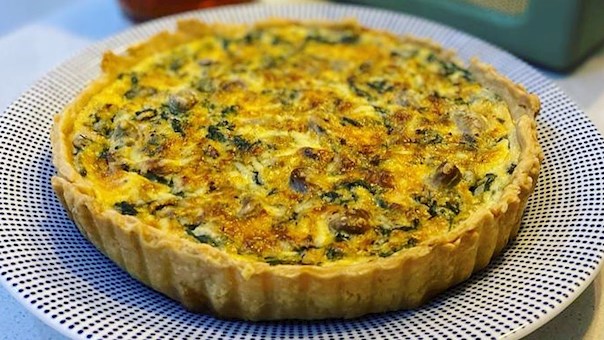
This recipe is the official recipe of the Tourist Information Center Maribor.

10

Zarangollo

3.1 ·

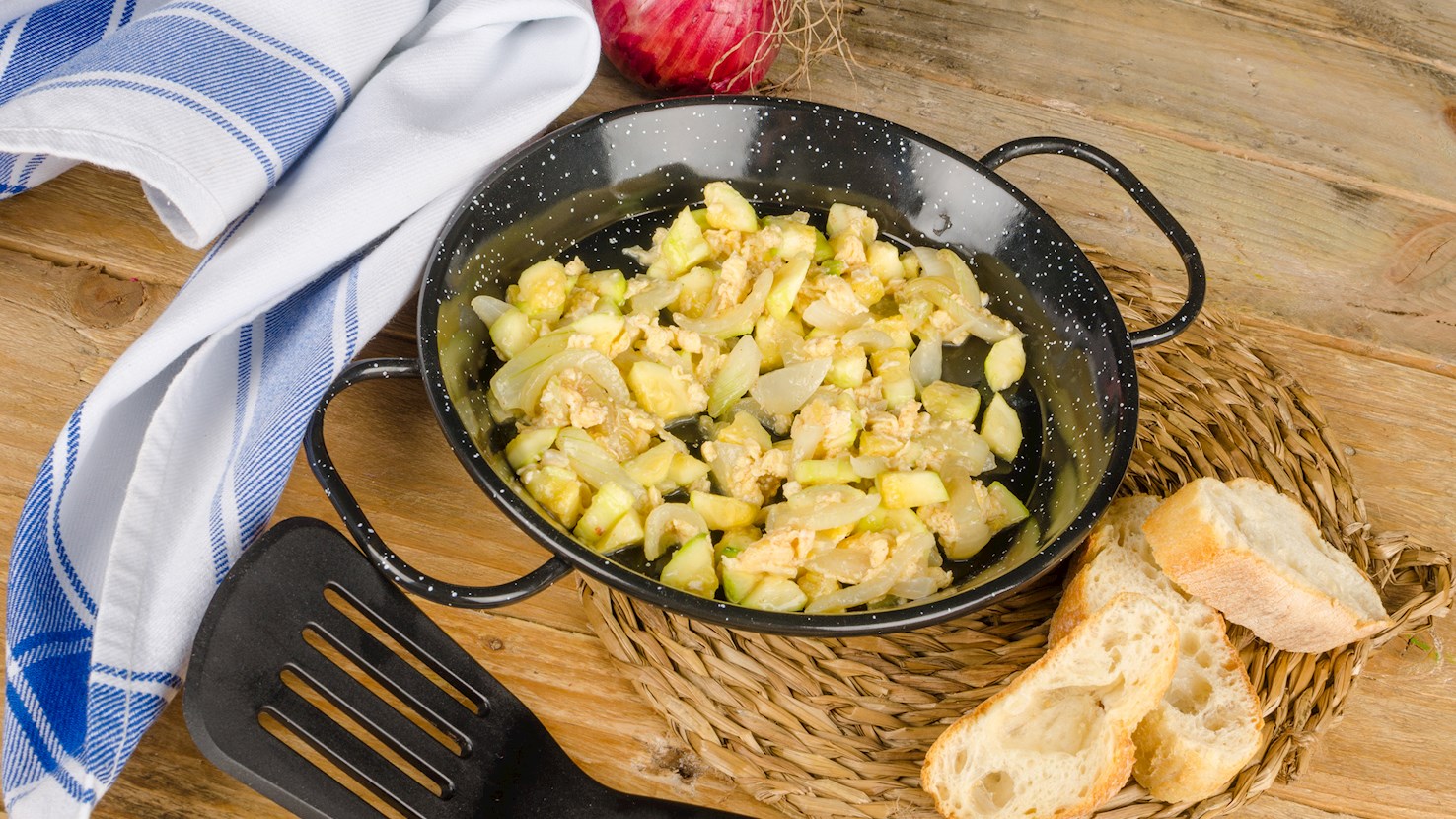
Zarangollo is a traditional Spanish egg-based dish originating from Murcia. It's made with scrambled eggs, onions, and zucchinis in an earthenware pot. Some cooks also like to add potatoes to the mix for richer texture and flavor. Oregano and garlic are also common modern additions to the dish. Zarangollo is a staple at tapa bars in the region, but it's also often served as an accompaniment to fish dishes. It is usually served warm, but it can also be served cold on a piece of bread.

About this ranking

TasteAtlas food rankings are based on the ratings of the TasteAtlas audience, with a series of mechanisms that recognize real users and that ignore bot, nationalist or local patriotic ratings, and give additional value to the ratings of users that the system recognizes as knowledgeable. For the “Top 15 Egg Dish Recipes” list until May 22, 2026, 10,140 ratings were recorded, of which 6,619 were recognized by the system as legitimate. TasteAtlas Rankings should not be seen as the final global conclusion about food. Their purpose is to promote excellent local foods, instill pride in traditional dishes, and arouse curiosity about dishes you haven’t tried.

Similar lists