



Top 5 South American Feasts

Last updated on May 15, 2026
01

Virado

3.6 ·

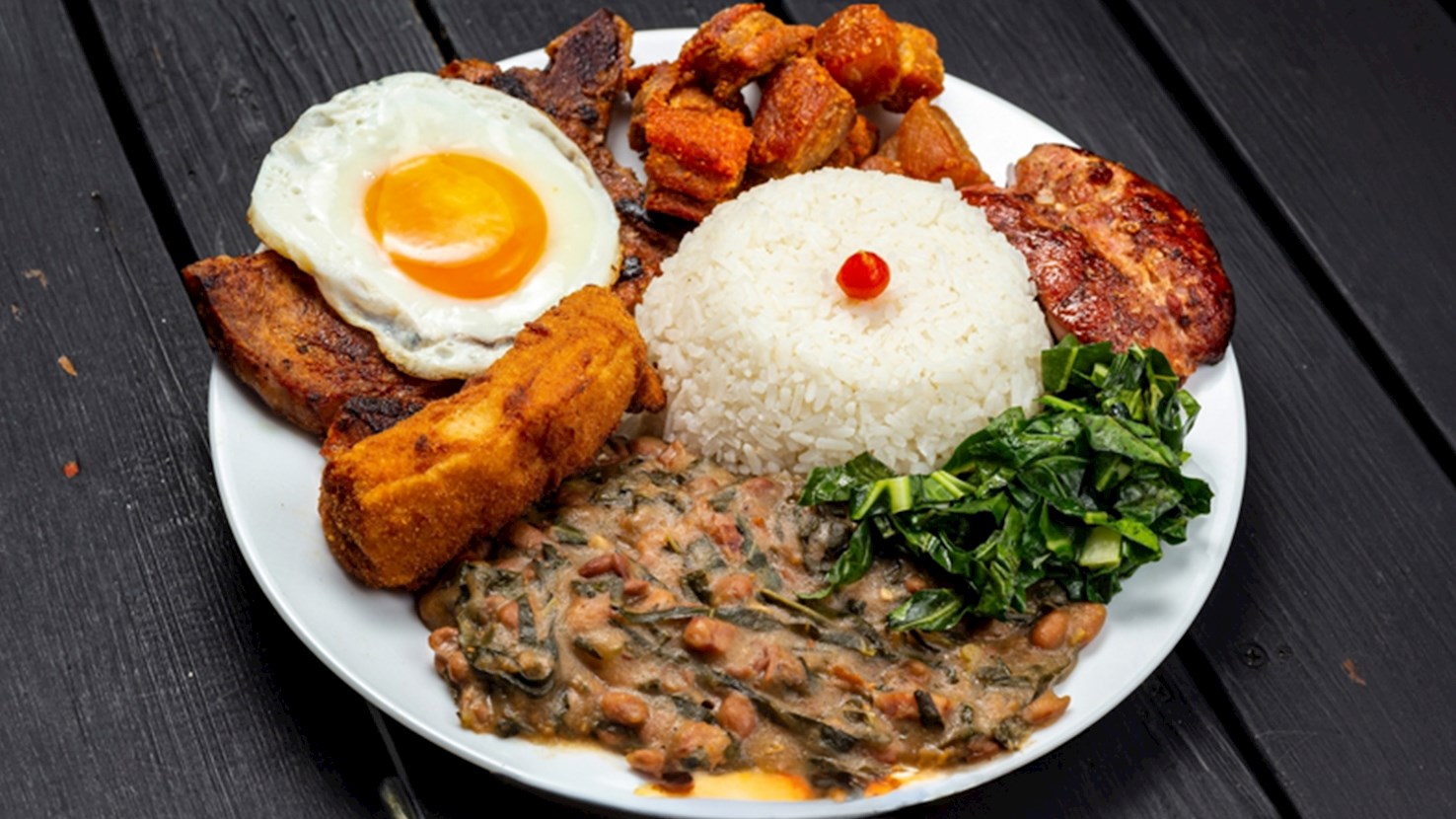
Virado, also known as virado à Paulista, is a traditional and hearty dish from the state of São Paulo, Brazil. It dates back to the early Portuguese settlers in the region. The dish consists of a rich platter that includes several components: beans cooked with sautéed onions, garlic, and fat; dried, toasted manioc flour; pork; fried sausage; breaded and fried plantain; eggs (usually with a soft yolk); braised kale; rice; and crispy pork rind. Virado became popular during the colonial period as a practical meal for explorers known as bandeirantes, who traveled into the interior of Brazil. They carried beans, pork, and corn flour, which would mix in their bags, hence the name "virado" (turned or mixed in Portuguese). Virado is traditionally served on Mondays in São Paulo and has become an integral part of the city's culinary heritage, with about 500,000 plates served weekly.

02

Curanto

3.5 ·

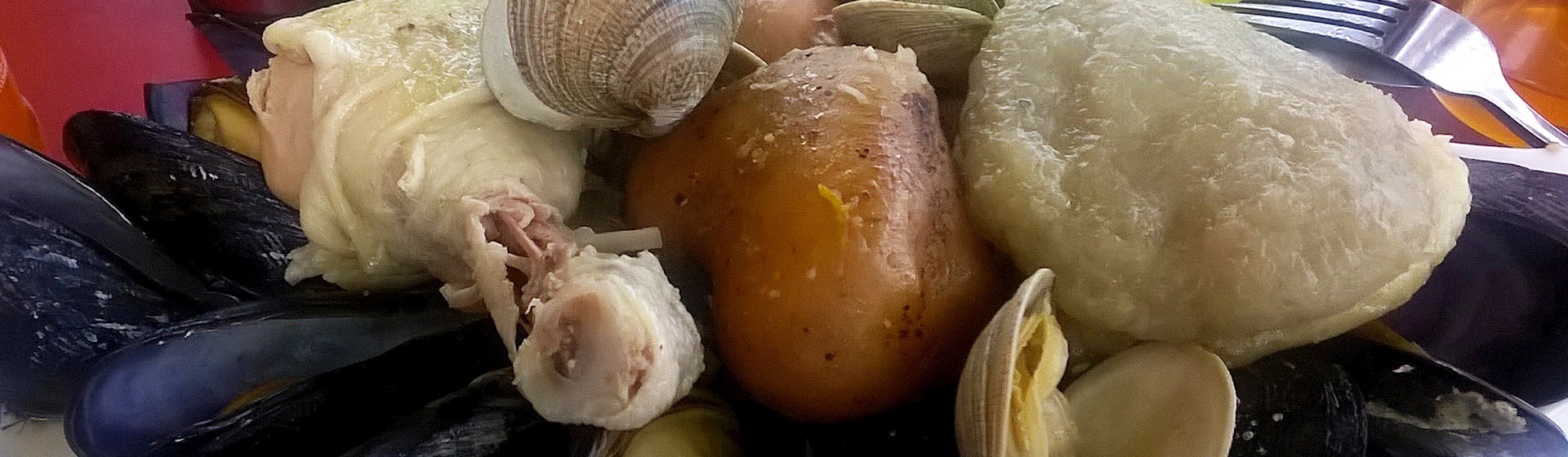
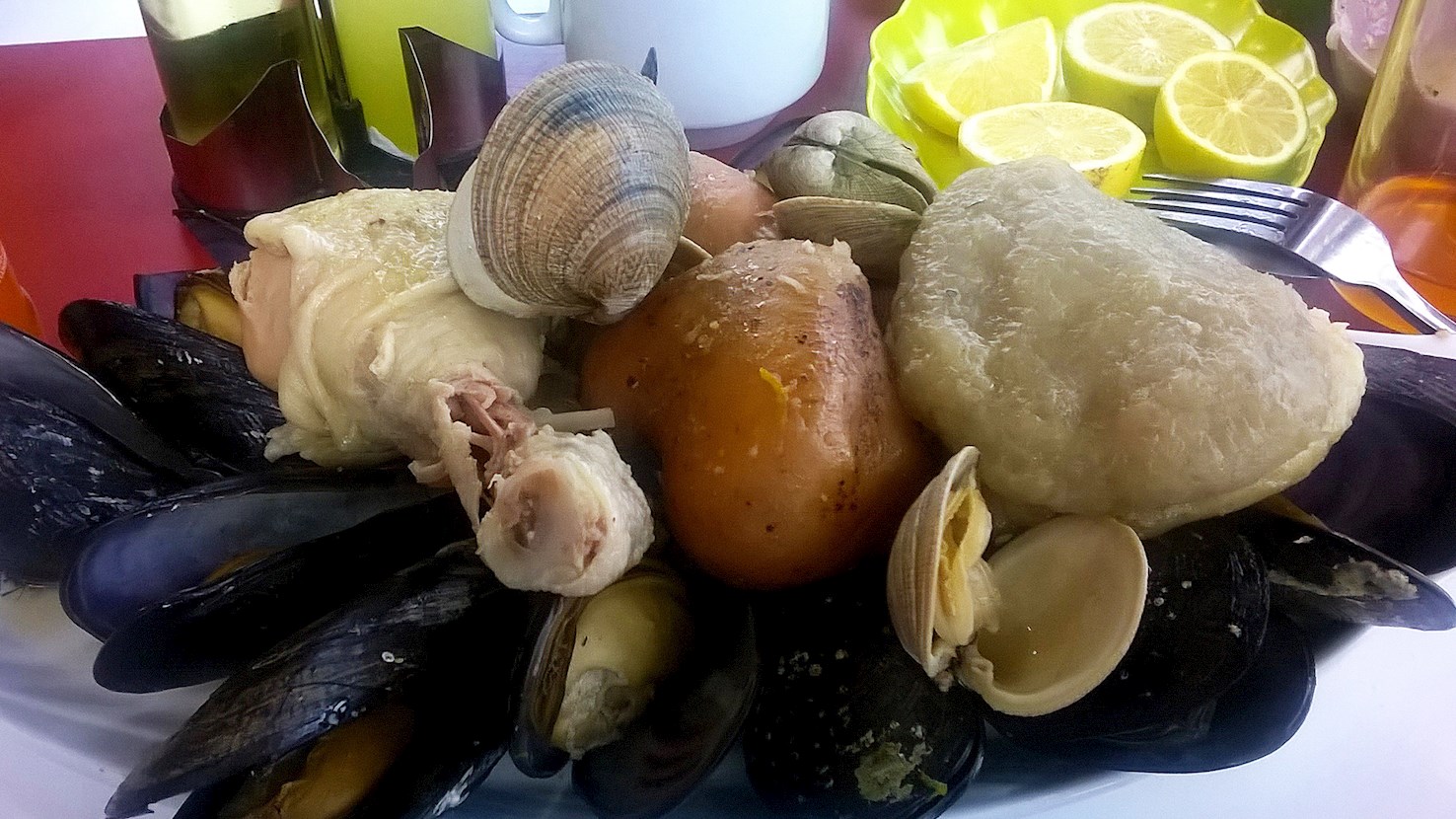
Curanto is a traditional technique of cooking meat and seafood originating from Chiloé. In order to prepare it, chicken, pork, sausages, seafood (clams, mussels, giant barnacles), chapaleles potato dumplings, potatoes, and various vegetables are placed in a pit that's lined with curanto, meaning hot stones. Each layer of the ingredients is topped with large nalca (Chilean rhubarb) leaves that keep the steam trapped inside. Once cooked, the meat and seafood are usually served with pebre, hot sauce, and milcao potato pancakes. Ideally, the feast should be paired with a pisco sour for an authentic experience.

03

Umu Rapa Nui

n/a ·

Umu is a traditional dish originating from the Easter Islands as a specialty of the Rapa Nui people and a version of the more popular Chilean curanto. A hole is frist dug in the ground and the base is covered with kindling. A pile of volcanic rocks is placed on the kindling and everything is set alight. The stones are then covered with banana leaves, and the banana leaves are topped with strips of fish and meat. There's another layer of leaves and rocks on top so that the fish and meat are cooked from above and below. Various types of potatoes and vegetables are placed on the top layer, and the dish is slowly cooked for up to six hours. The preparation of umu is a special occasion for the entire community, and the dish is always served to huge crowds of people. Umu is often prepared for weddings, religious festivities, and Tapati, a celebration of the Rapa Nui culture that's held annually in February.

Best restaurants
04

Chiri Uchu

n/a ·

Chiri Uchu is a traditional dish from the Cusco region of Peru that dates back to the Inca times and is particularly significant during the Inti Raymi (Festival of the Sun) and Corpus Christi celebrations. The name translates to "cold spicy" in Quechua, reflecting its nature as a cold dish with a spicy kick. The dish comprises a combination of various ingredients, such as guinea pig, chicken, charqui, roasted corn, boiled potatoes, and rocoto peppers, each representing the diversity of ecosystems in the Cusco region. All these components are layered or placed together on a plate and usually enjoyed with a spicy rocoto pepper sauce.

Best restaurants
05

Fiambre colombiano

n/a ·

Fiambre colombiano is a traditional feast that consists of a hearty combination of various ingredients wrapped in banana leaves, especially popular in the Antioquia region. It’s a portable, picnic-style meal wrapped in banana leaves, making it ideal for outdoor gatherings, journeys, and festivities. The components of fiambre colombiano vary, but it typically includes rice as a base, along with an assortment of meats like chicken, pork, sausage, or beef. Additional ingredients can include fried plantains, boiled potatoes, yucca (cassava), and beans. These ingredients are layered and wrapped securely in a large banana leaf, which not only makes it easy to carry but also imparts a unique, earthy flavor to the food. The leaf-wrapped package is then either steamed or kept as-is, depending on how it will be served.

Read more
View all
View map
About this ranking

TasteAtlas food rankings are based on the ratings of the TasteAtlas audience, with a series of mechanisms that recognize real users and that ignore bot, nationalist or local patriotic ratings, and give additional value to the ratings of users that the system recognizes as knowledgeable. For the “Top 5 South American Feasts” list until May 15, 2026, 158 ratings were recorded, of which 69 were recognized by the system as legitimate. TasteAtlas Rankings should not be seen as the final global conclusion about food. Their purpose is to promote excellent local foods, instill pride in traditional dishes, and arouse curiosity about dishes you haven’t tried.

Similar lists