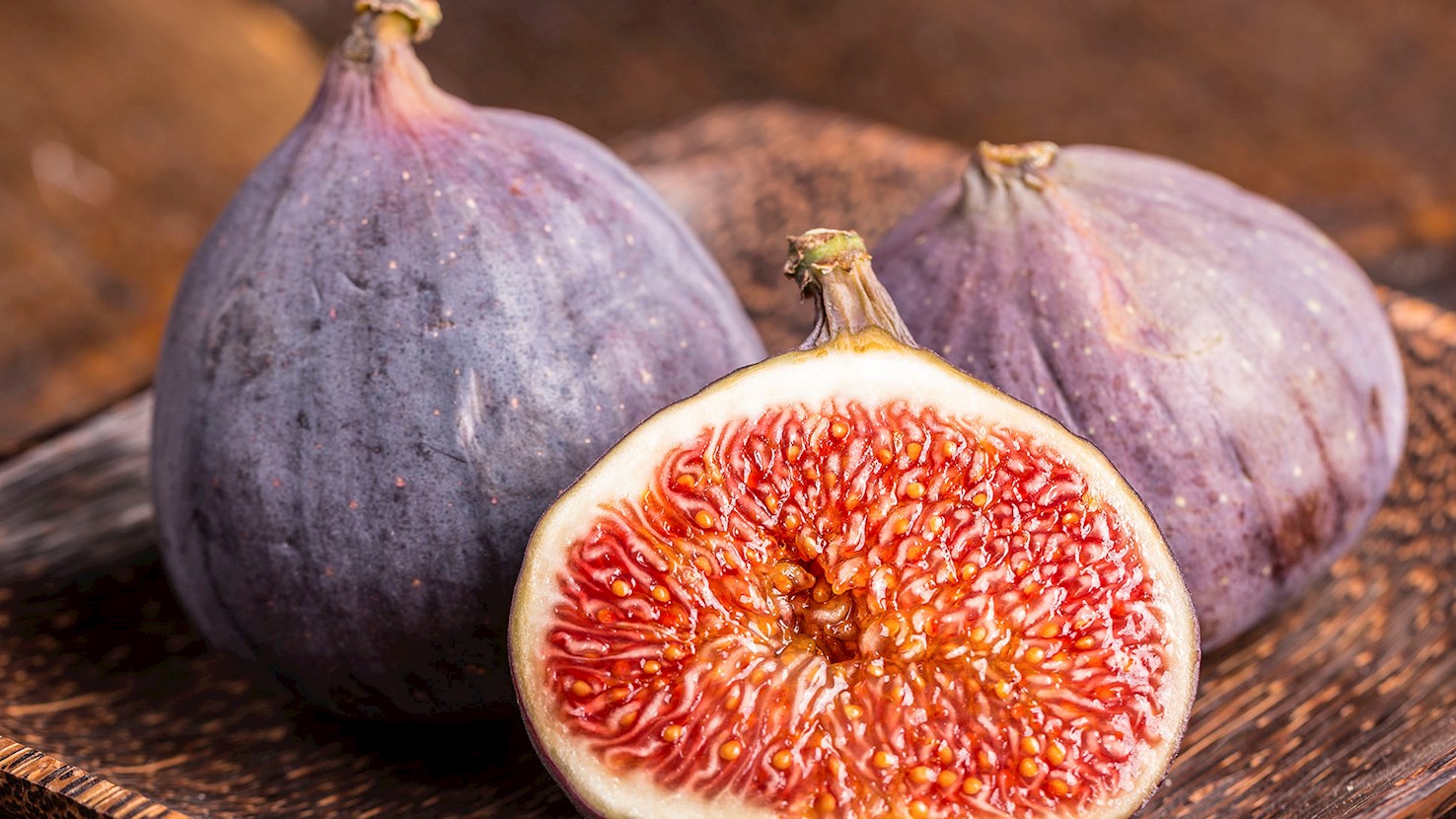
Figue de Solliés is a whole, fresh fig of the Bourjassote Noire variety, with a uniquely balanced flavor of acidity and sweetness, grown in the French region of Provence-Alpes-Côte d'Azur, department of Var. The figs are violet with black veins and their texture is dense and firm. On the inside of the fruit, the flesh is glossy and juicy with a dark red colour and numerous beige grains. Although the figs are shaped like a crushed teardrop, there is nothing to cry about, on the contrary, they smell beautiful, with a scent of red fruits such as watermelon, honeydew melon and strawberries. Once bitten, it is crunchy, but soon becomes tender and full-bodied on the palate. These figs are a great accompaniment to game, pork and rabbit meat, as well as foie gras, salmon, ham and cheese, yoghurt and cottage cheese. Alternatively, wrap them with prosciutto slices, roast them with Roquefort or bake it into crumbly tarts with vanilla ice cream on the side.
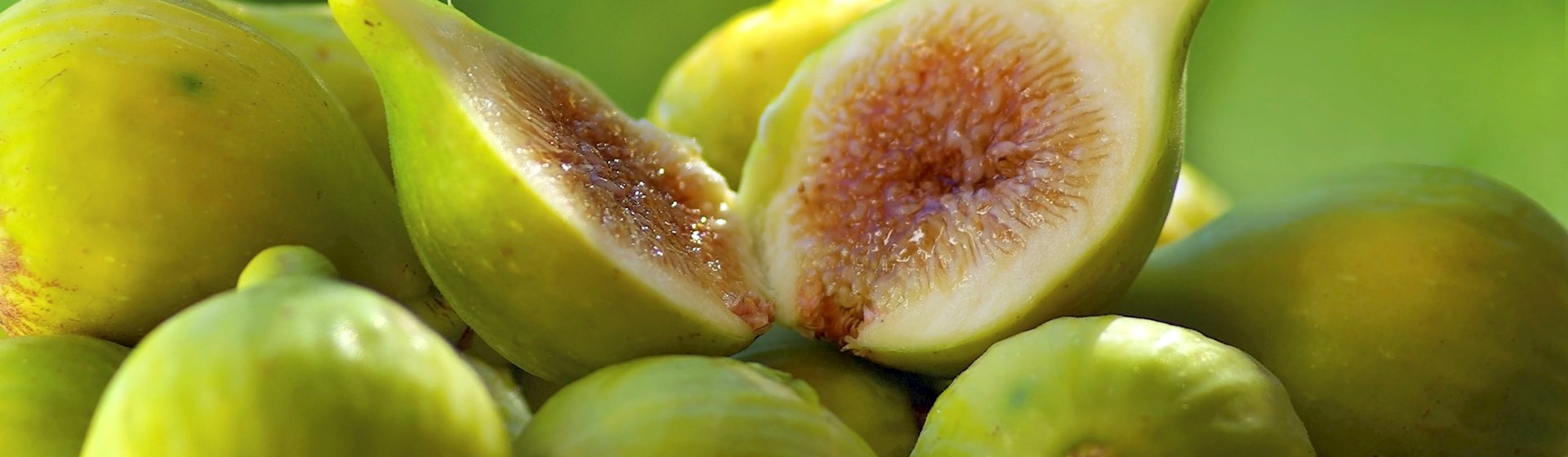
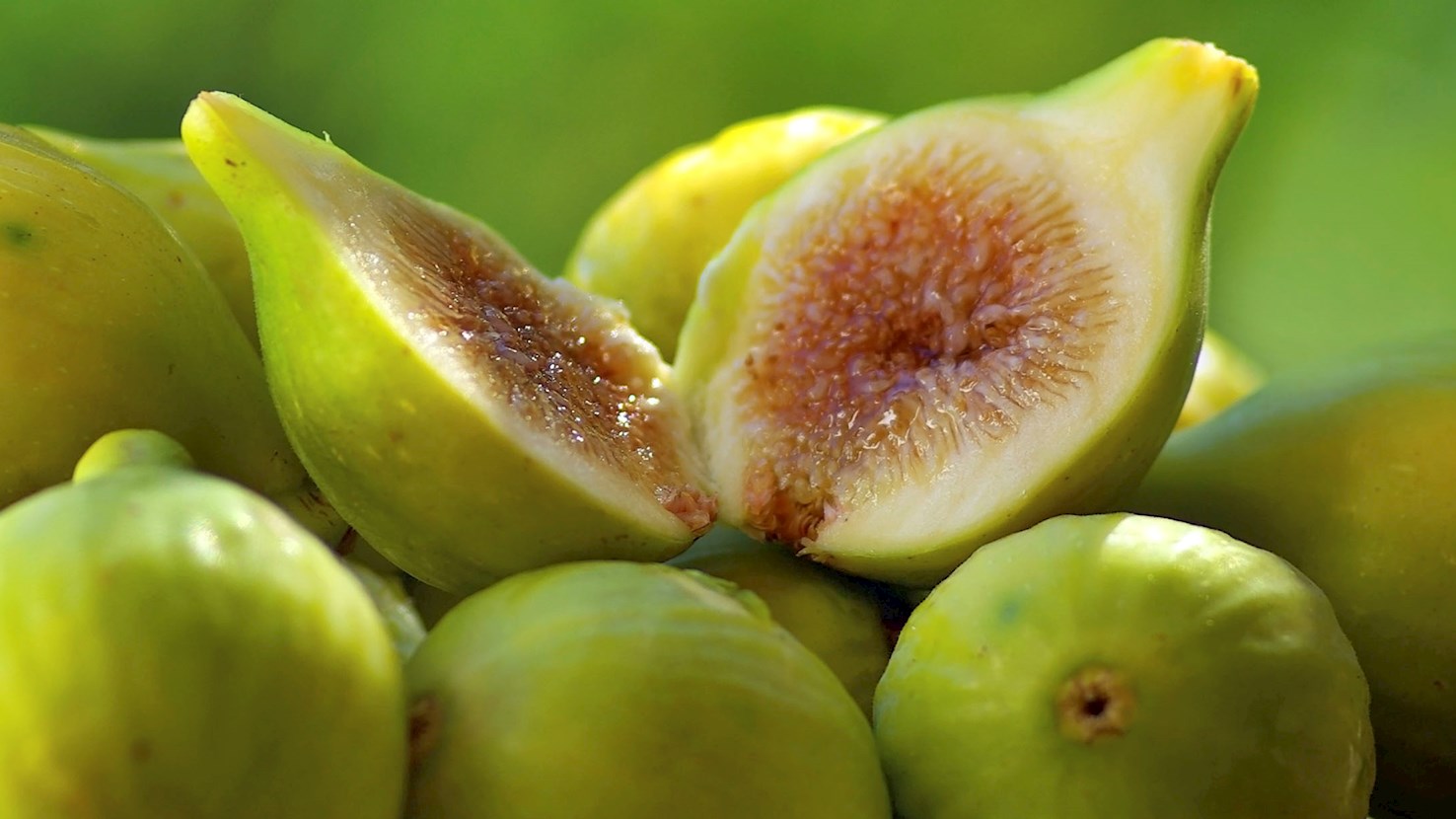
These white figs of the Dottato variety are grown exclusively within the Cilento and Vallo di Diano National Park in Campania's province of Salerno. Due to their high resistance to drought, the fig trees have perfectly adapted to the microclimate of the Salerno area. Sun-dried in a traditional way, the tasty Cilento figs have come a long way from the basic food of Cilento and Lucania field workers in the Roman times to nowadays when they're considered almost a luxury. Traditionally, the aromatic Cilento figs are best enjoyed stuffed with nuts and almonds, seasoned with wild fennel, drizzled with lemon juice, and sometimes even coated with brown sugar or dark chocolate.
Col de dame noire is a late-ripening black fig variety from France known for its dark violet to almost black skin, dense red flesh, and exceptional sweetness, cultivated mainly in Mediterranean climates for fresh consumption and drying. The variety originates from the warm southern regions of France, particularly in Languedoc and Provence, where fig culture has been established for centuries. It belongs to the broader col de dame family, a lineage of Ficus carica documented since at least the seventeenth century in southern France and neighboring Mediterranean areas such as Catalonia and Valencia. The name “col de dame,” meaning “lady’s neck,” refers to the fruit’s slender and elongated form, a shape that distinguishes this group of figs. Cultivation of col de dame noire remains most active in the limestone and rocky soils of Languedoc-Roussillon, Provence, and parts of the Var and Gard departments, where late autumn warmth allows the fruit to ripen fully. The variety is unifère, producing one main crop per year, typically harvested between late September and October. The tree is vigorous and wide-spreading, thriving in sunny, well-drained sites with minimal irrigation once established. Cultivation follows the Mediterranean system: open planting to maximize sunlight, moderate watering during fruit set, careful pruning for air circulation, and harvest only when the figs are completely ripe on the tree. The fruits are elongated and pyriform, with a pronounced thick neck and fine, firm skin colored deep violet to black at maturity. The interior is compact, jamlike, and dark red, with sugar levels that can exceed 20° Brix, producing a luscious, sweet texture. The small ostiole remains tight, protecting the fruit from insects and aiding in natural drying. Col de Dame Noire stands out for its intense berry and caramelized fruit notes balanced by mild acidity, giving it remarkable depth. Within the Col de Dame group—comprising Noire, Gris, and Blanc forms—the Noire variant is considered the richest and most aromatic. It is valued both for immediate consumption and for transformation into dried figs and confitures, as its dense flesh dries evenly without collapse or fermentation. The dried fruit develops flavors reminiscent of molasses and candied fruit, maintaining the variety’s deep sweetness. It is eaten fresh, split and served alone or paired with cheeses such as goat or blue, and appears in pastries and chutneys. In savory use, it accompanies cured ham, roasted lamb, or foie gras, and pairs naturally with southern red wines or fortified dessert wines whose ripe fruit and warmth echo the fig’s own richness. Production remains limited to small-scale growers, collectors, and artisanal orchards across southern France, where the Col de Dame Noire continues to represent one of the most refined expressions of Mediterranean fig cultivation.
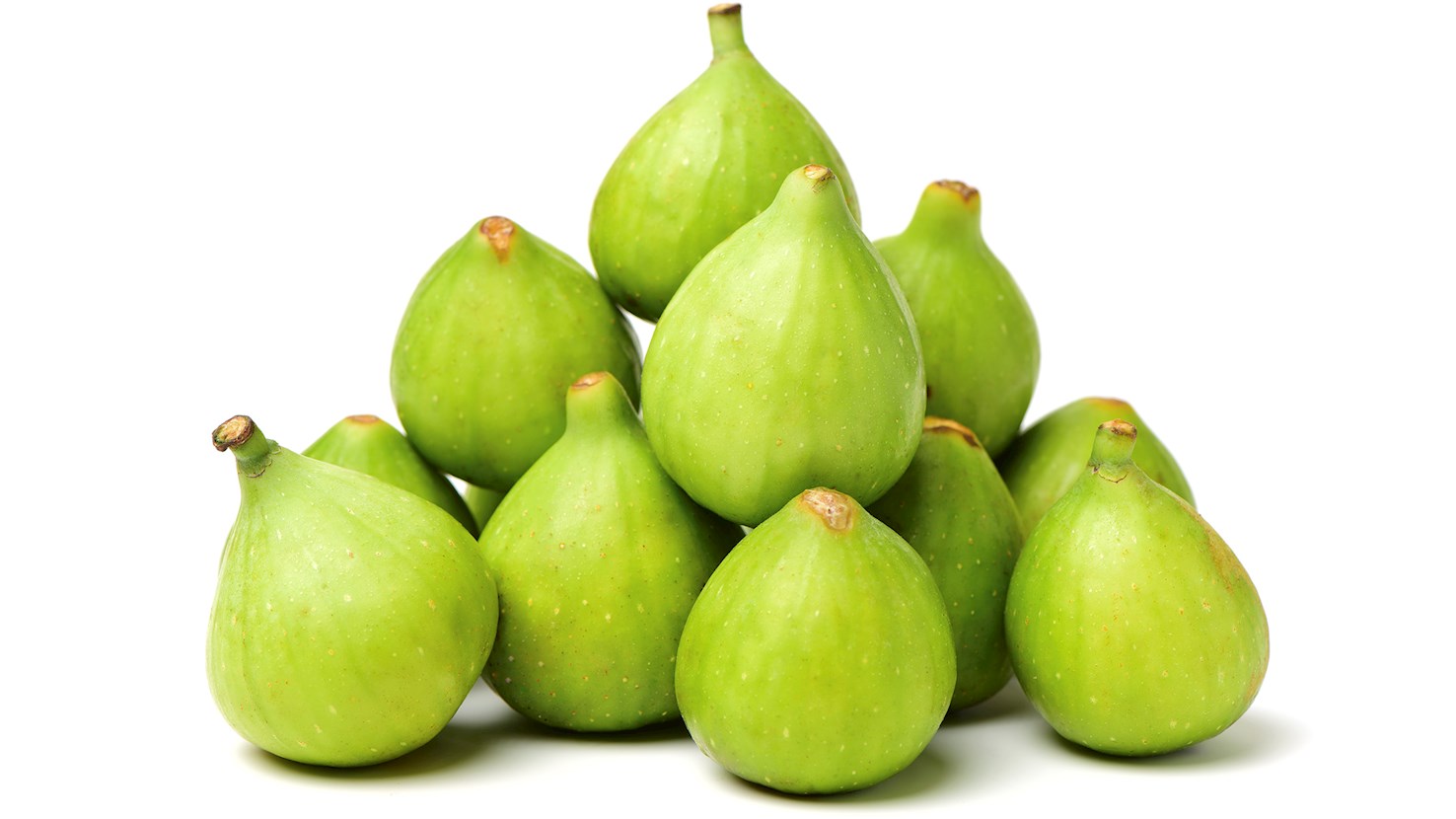
Fiorone di Torre Canne is a variety of large, dark green fig cultivated around the cities of Torre Canne, Savelleri, and Pozzo Faceto, in the Apulian province of Brindisi. They are characterized by a fleshy pulp that is red and very sweet. The harvesting period starts in May and lasts until the end of the June. This luscious fruit is best eaten fresh, on its own, but it can also be spread on a slice of bread.
TasteAtlas food rankings are based on the ratings of the TasteAtlas audience, with a series of mechanisms that recognize real users and that ignore bot,
nationalist or local patriotic ratings, and give additional value to the ratings of users that the system recognizes as knowledgeable.
For the “Top 4 Western European Figs” list until June 24, 2026, 23 ratings were recorded, of which 9 were recognized by the system as legitimate.
TasteAtlas Rankings should not be seen as the final global conclusion about food. Their purpose is to promote excellent local foods,
instill pride in traditional dishes, and arouse curiosity about dishes you haven’t tried.