




shutterstock

Top 15 Peruvian Fish Dishes

Last updated on July 15, 2026
01

Ceviche

4.4 ·

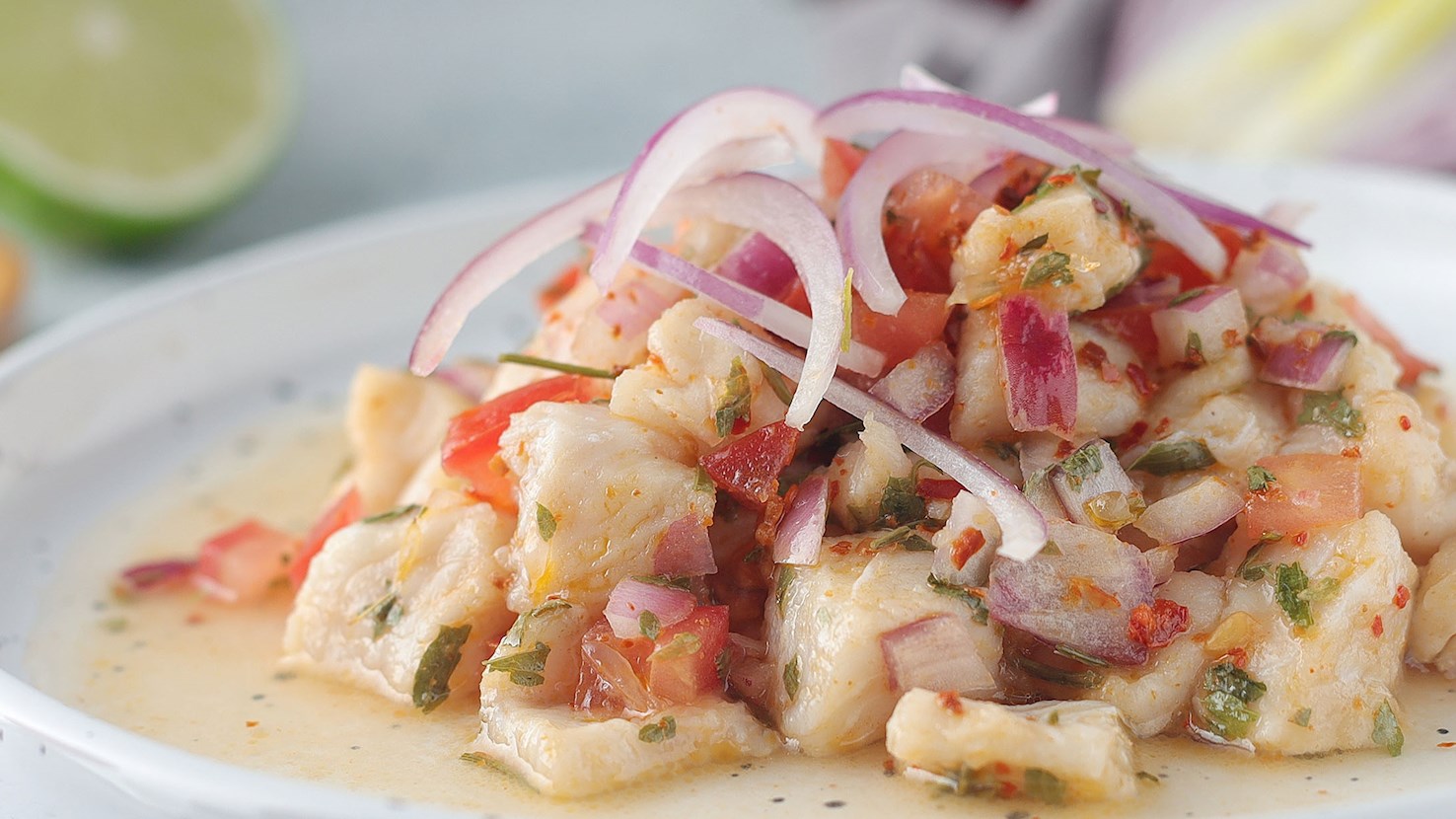
Ceviche is the national dish of Peru consisting of slices of raw fish or shellfish that is spiced with salt, onions, and chili peppers, then marinated in lime juice. Due to the acidity of lime juice, the texture of the fish changes, as does its color – from pink to white. The acidic marinade, also known as leche de tigre (lit. tiger's milk) "cooks" the meat without any heat involved in the process. For ceviche, fresh fish is an imperative, as fish and shellfish that are not fresh can cause food poisoning. Peruvians are used to fresh ingredients, so the fish will sometimes be prepared for ceviche less than an hour after being caught. Fish for ceviche can be divided into three categories: firm, medium, and soft. The dish was originally made by the natives who marinated fish and amarillo chiles in the juices of a native fruit called tumbo, which was replaced by lime juice when the Spanish brought limes and onions to the country. The flavors of ceviche are slightly acidic and spicy, with an intense aroma of the sea. Traditionally, it is served on a bed of lettuce with tiny pieces of corn, chunks of sweet potato, and boiled yuca. Cancha, a variety of popcorn made from large corn kernels toasted in salt and oil provides an ideal side dish. The dish is traditionally served at cevicherias, specialized ceviche restaurants that can be found all over the country, and it is so popular that it even has its day, known as National Ceviche Day.

02

Anticuchos de pescado

4.4 ·

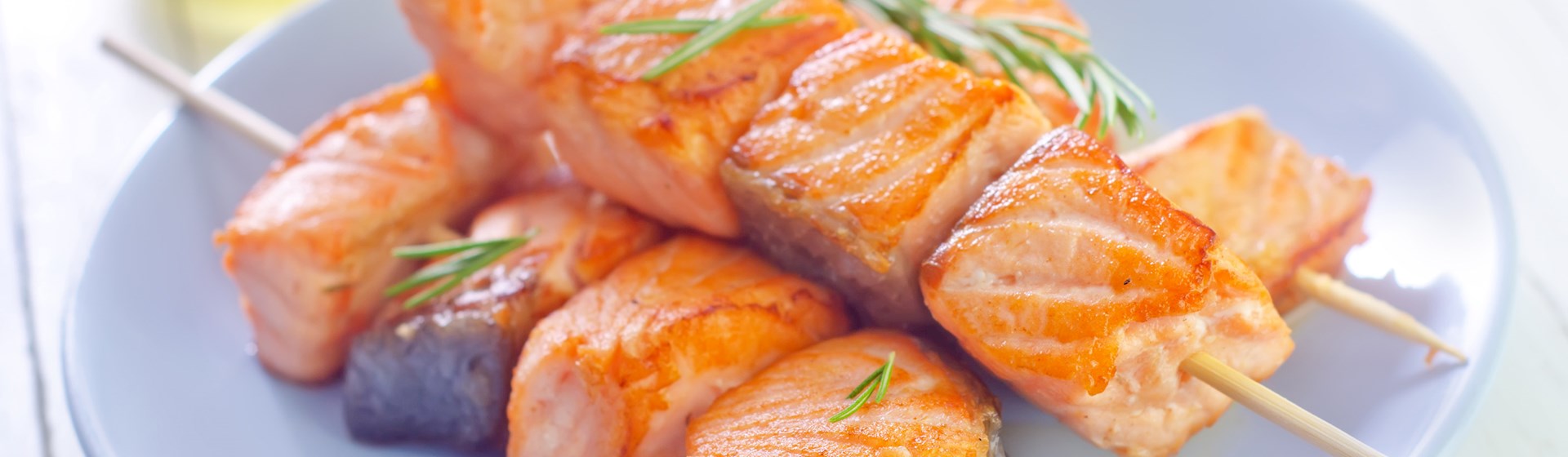
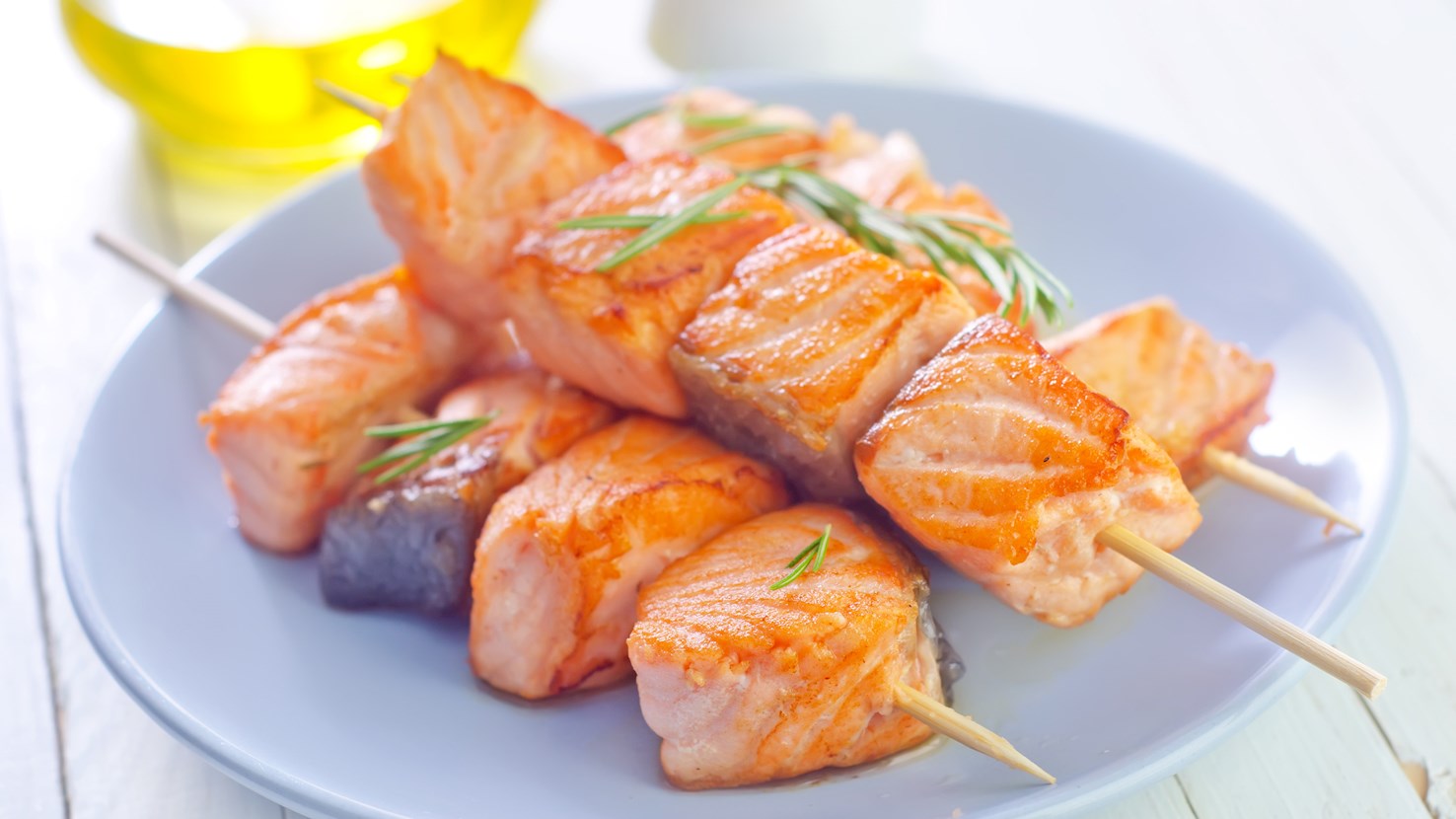
Anticucho de pescado is a traditional dish originating from Peru, consisting of fish on skewers. The dish is prepared by marinating firm white fish in a combination of garlic, paprika, salt, vinegar, lime juice, oil, cumin, and black pepper. The fish is then cut into cubes, placed on skewers and grilled until fully cooked. Once done, the fish skewers are served on a platter and the dish is traditionally accompanied by thick sliced of boiled potatoes, lettuce, corn, and aji amarillo sauce on the side for dipping. It's recommended to garnish anticucho de pescado with lemon wedges.

03

Tiradito

4.3 ·

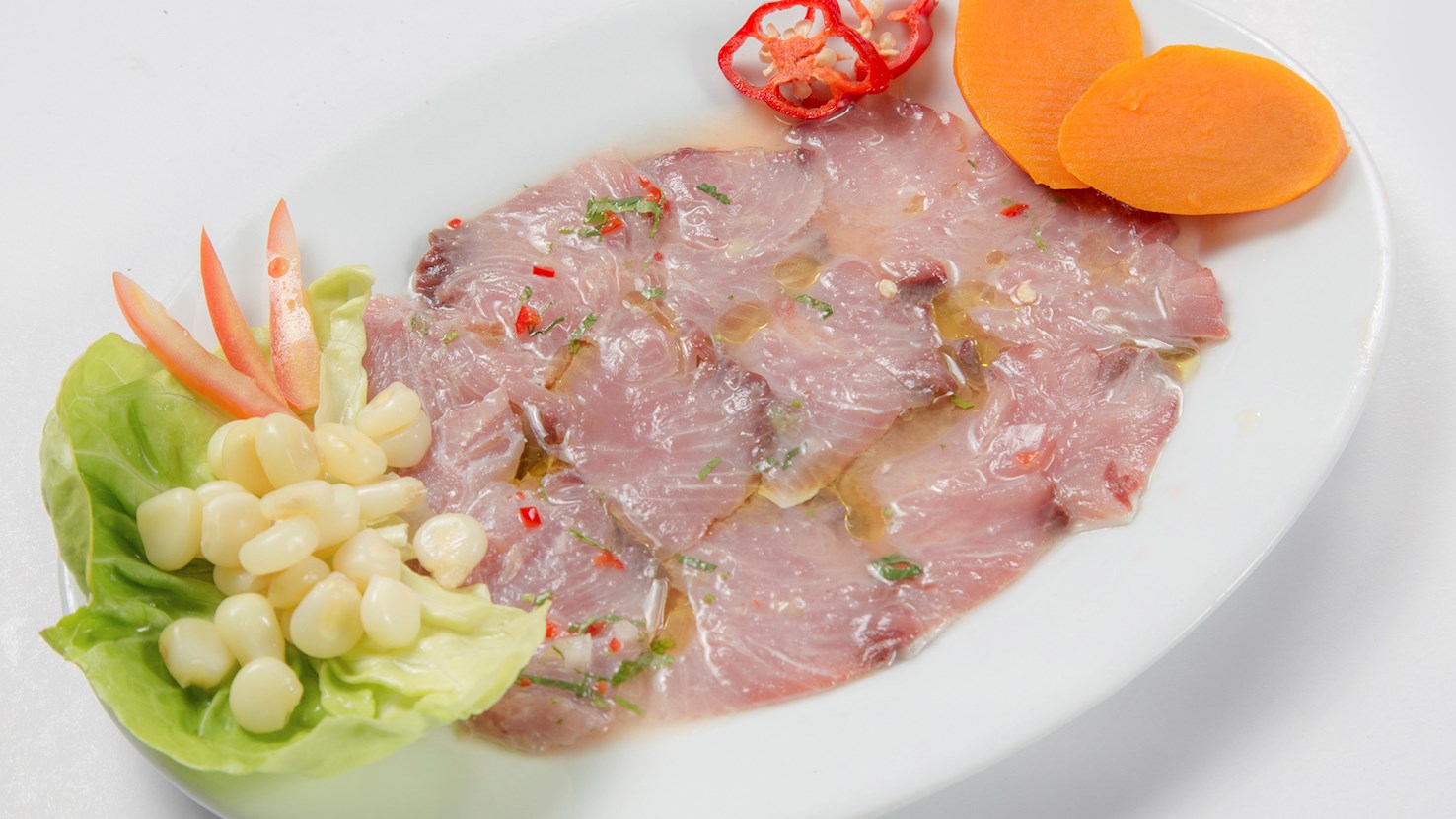
Tiradito is a traditional dish consisting of thinly sliced, well-chilled raw fish, chopped vegetables, and coriander, all drizzled with lime juice right before consumption, so the fish stays raw, unlike ceviche, where the fish is already cooked in citrus juices. The dish is most often served as an appetizer, and some cooks like to add their own touch – topping it with sliced onions, pickled jalapeños, boiled corn, and even crushed potato chips. It is believed that it takes a lot of skill and effort to make a perfect tiradito, but the most essential components while preparing it are a sharp knife and the freshest possible fish, which is the highlight of every tiradito.

04

Corvina al horno (Baked corvina sea bass)

4.2 ·

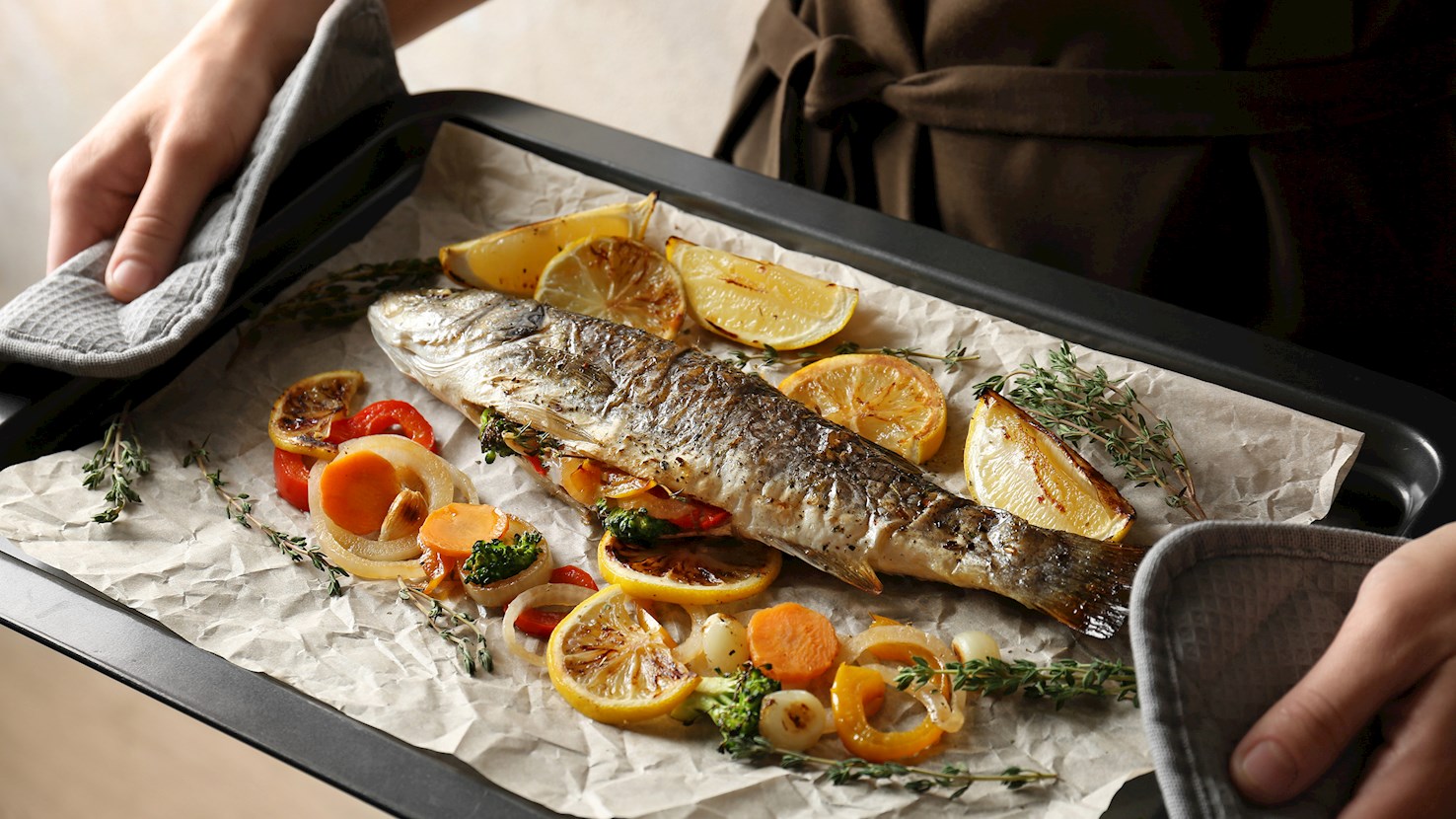
Corvina al horno is a traditional saltwater fish dish in Latin American cuisine, especially popular in Chile and Peru. The dish is made with a combination of corvina sea bass, tomatoes, onions, garlic, white wine, lemon, olive oil, parsley, and salt. The onions and tomatoes are sliced, placed into a baking dish, seasoned with salt, drizzled with olive oil, and baked in the oven for ten minutes. The sea bass is placed on top of the vegetables, and it’s seasoned with salt and dressed with a mixture of wine, lemon juice, garlic, and parsley. The dish is baked in the oven for about half an hour or until the fish is fully cooked. If desired, potatoes can also be added to the dish, and they’re often baked with vegetables.

05

Sudado de pescado

3.9 ·

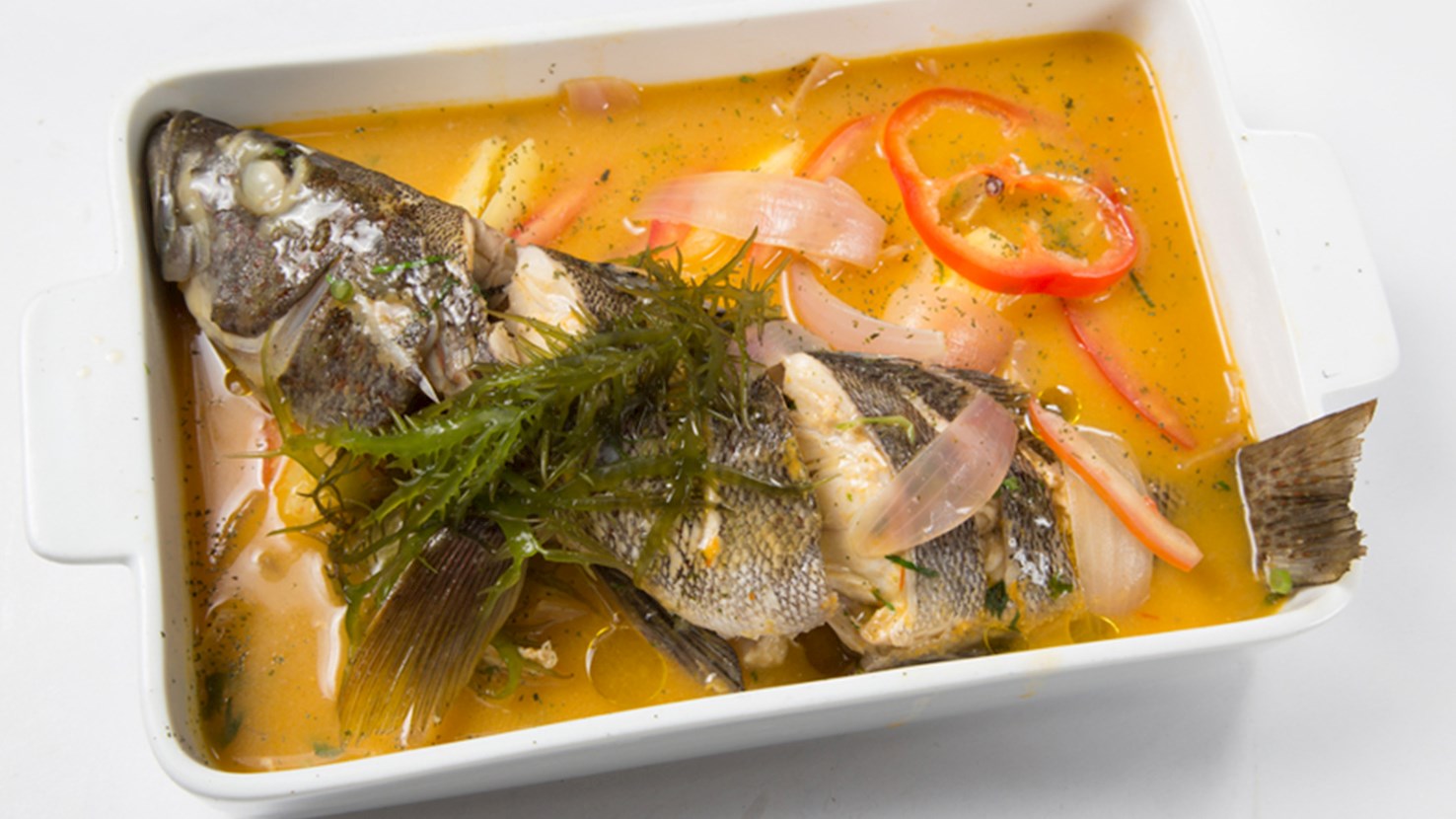
Sudado de pescado is a traditional dish that translates to "fish stew" or "steamed fish", characterized by its flavorful broth, made primarily with tomatoes, onions, peppers, garlic, and various spices. The fish, usually a white-fleshed variety, is gently simmered in this broth until it's tender and infused with the rich flavors of the stew. Accompaniments often include yucca (cassava) or potatoes, and the dish is typically seasoned with Peruvian ingredients such as ají (a type of chili pepper) and cilantro. It's served with rice on the side to soak up the savory broth.

06

Pescado a lo macho

3.9 ·

Pescado a lo macho is a beloved fish dish in the coastal areas of northern Peru that features a lightly fried fillet of white-fleshed fish, such as sole or sea bass, in a thick sauce. The name translates to "fish macho-style", and rather than suggesting anything about traditional gender roles, it denotes the robustness and hearty nature of the sauce that accompanies the fish. The robust sauce is made with a variety of seafood like shrimp, squid, mussels, and octopus and is usually seasoned with aji peppers, garlic, onions, tomatoes, and sometimes a splash of white wine or pisco. The combined flavors create a rich, aromatic, and slightly spicy dish. It is commonly served with white rice on the side, which helps to soak up the creamy sauce.

07

Ceviche de lenguado (Flounder ceviche)

3.9 ·

Ceviche de lenguado is a traditional Peruan ceviche variety made with flounder as the star ingredient. Although there are many variations and recipes, other ingredients used for this ceviche usually include lime juice, thinly sliced onions, olive oil, garlic, salt, white pepper, and hot peppers such as serrano or jalapeño. The fish fillets are cut into strips that are marinated in a mixture of garlic, salt, white pepper, and lime juice. The fish is placed in the fridge for an hour and it's then mixed with hot peppers, onions, and olive oil. Everything is mixed well and left to rest for a few minutes before serving. Ceviche de lenguado is often garnished with sweet potato slices, olives, corn, and coriander.

08

Patarashca

3.8 ·

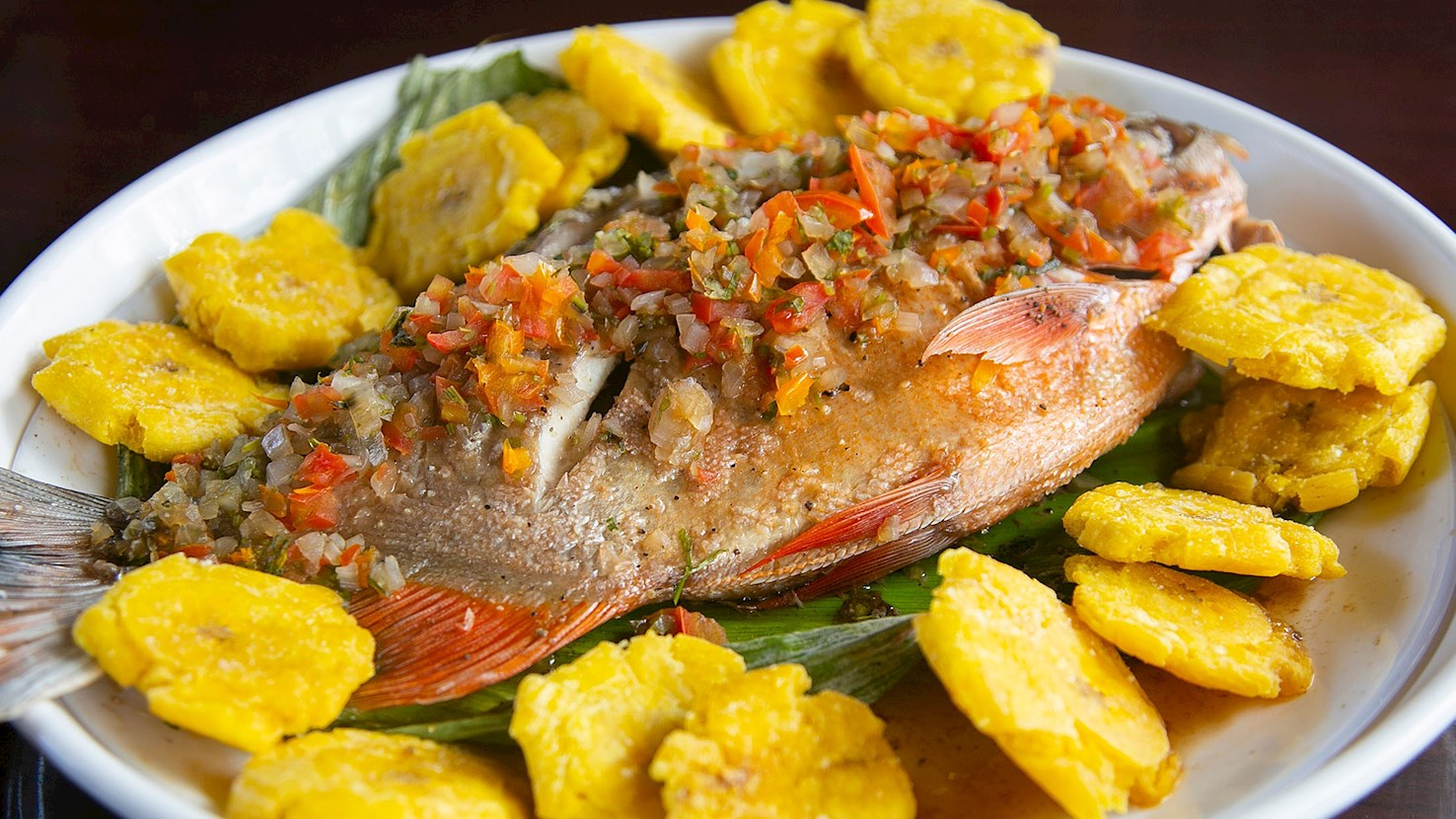
Patarashca is a traditional fish dish originating from the Peruvian jungle. The dish consists of freshwater fish that's stuffed and grilled. The ingredients include whole fish, onions, hot chili peppers, sacha culantro, oil, garlic, cumin, salt, and pepper. The fish is cleaned, then stuffed with the combination of sacha culantro, onions, garlic, oil, hot peppers, and cumin. Once stuffed, it's wrapped in bijao leaves and placed on the grill to cook until done. Once done, patarashca is traditionally served with roasted plantains or boiled cassava on the side.

09

Chinguirito

3.8 ·

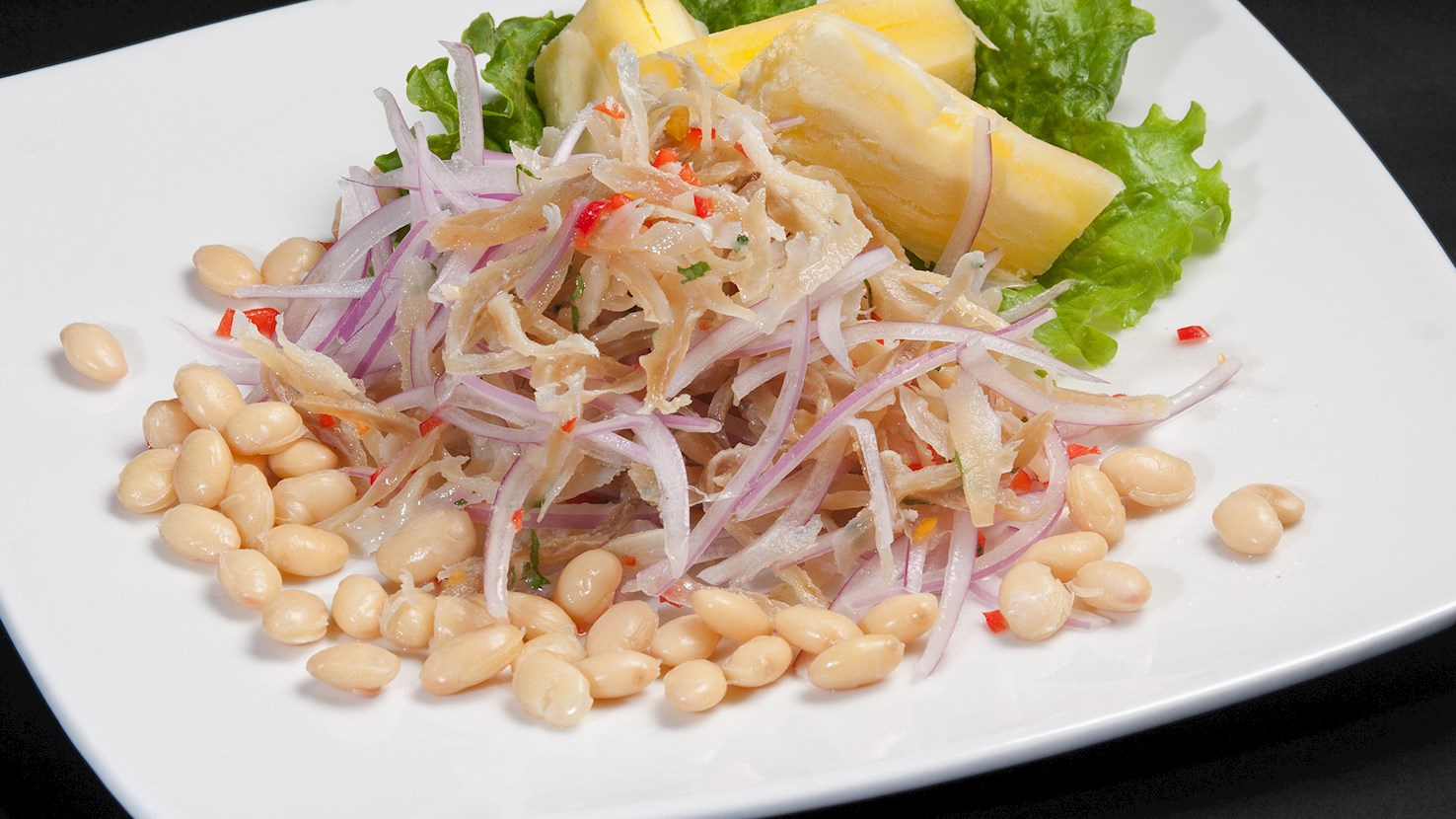
Chinguirito is a type of ceviche prepared with pieces of cured and dried guitarfish that is usually soaked in hot water, then seasoned with lemon juice, chili, salt. The dish is typically served with yuca, fried corn, and chopped onions. Chinguirito is an unusual type of ceviche because it uses dried fish instead of fresh fish, which is the standard for almost all types of ceviche.

10

Chupe de pescado

3.7 ·

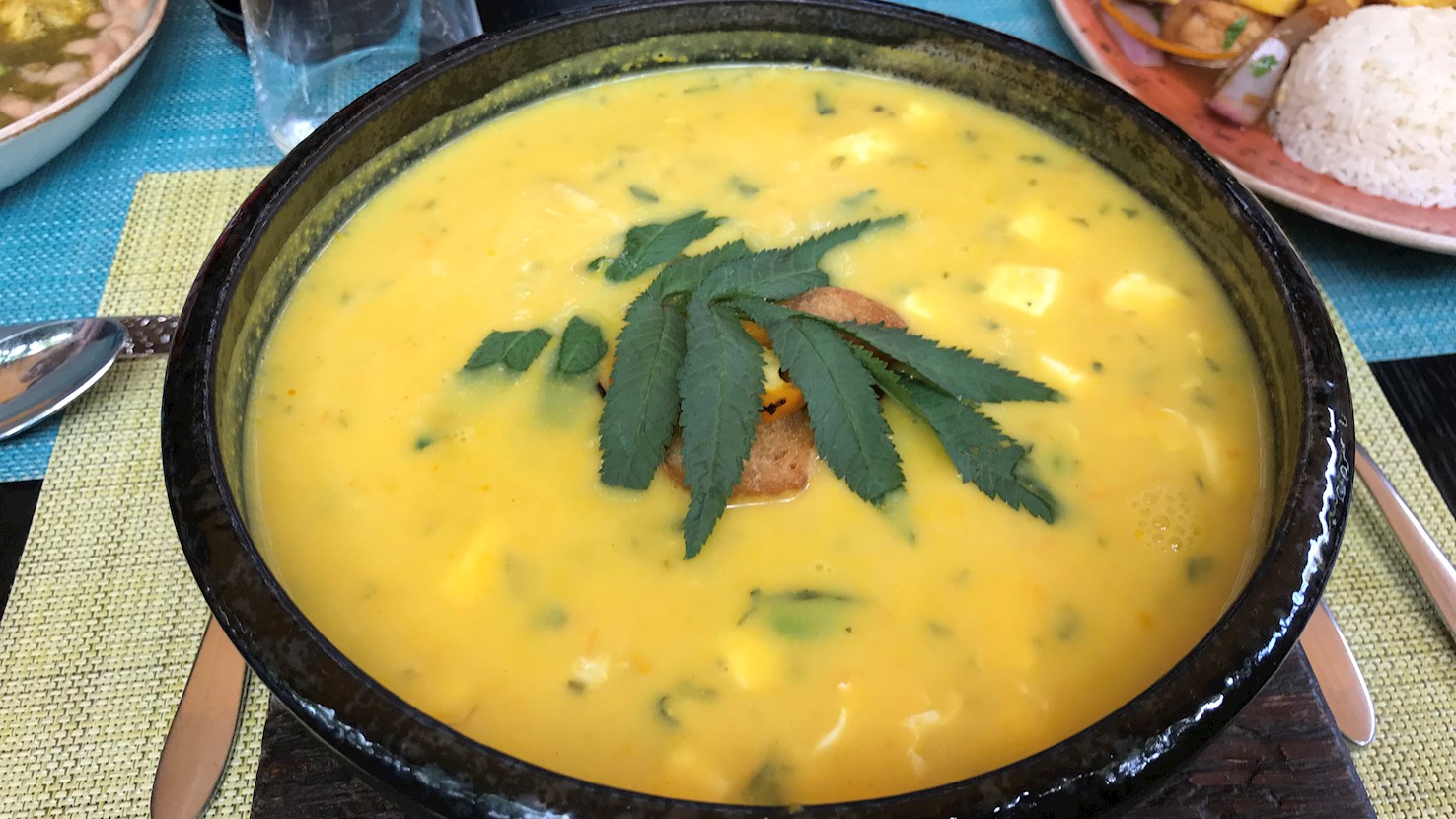
Chupe de pescado is a traditional and Ecuadorian fish soup that's especially popular during Lent. Although it doesn't take too long to prepare the soup, it contains many ingredients, such as white fish (usually cod), flour, olive oil, tomatoes, carrots, potatoes, onions, garlic, squash, peas, lima beans, corn, mint, oregano, hot peppers, fish stock, eggs, queso fresco, bread, butter, and evaporated milk. The fish is dredged in flour, seasoned, and fried in olive oil until golden and crips. The fresh vegetables are boiled until the potatoes become tender. The evaporated milk, eggs, and fried fish are then added to the soup and cooked over low heat. Once done, chupe de pescado is usually served with chunks of queso fresco, while buttered bread is served on the side.

Read more
View all
View map
About this ranking

TasteAtlas food rankings are based on the ratings of the TasteAtlas audience, with a series of mechanisms that recognize real users and that ignore bot, nationalist or local patriotic ratings, and give additional value to the ratings of users that the system recognizes as knowledgeable. For the “Top 15 Peruvian Fish Dishes” list until July 15, 2026, 3,414 ratings were recorded, of which 981 were recognized by the system as legitimate. TasteAtlas Rankings should not be seen as the final global conclusion about food. Their purpose is to promote excellent local foods, instill pride in traditional dishes, and arouse curiosity about dishes you haven’t tried.

Similar lists