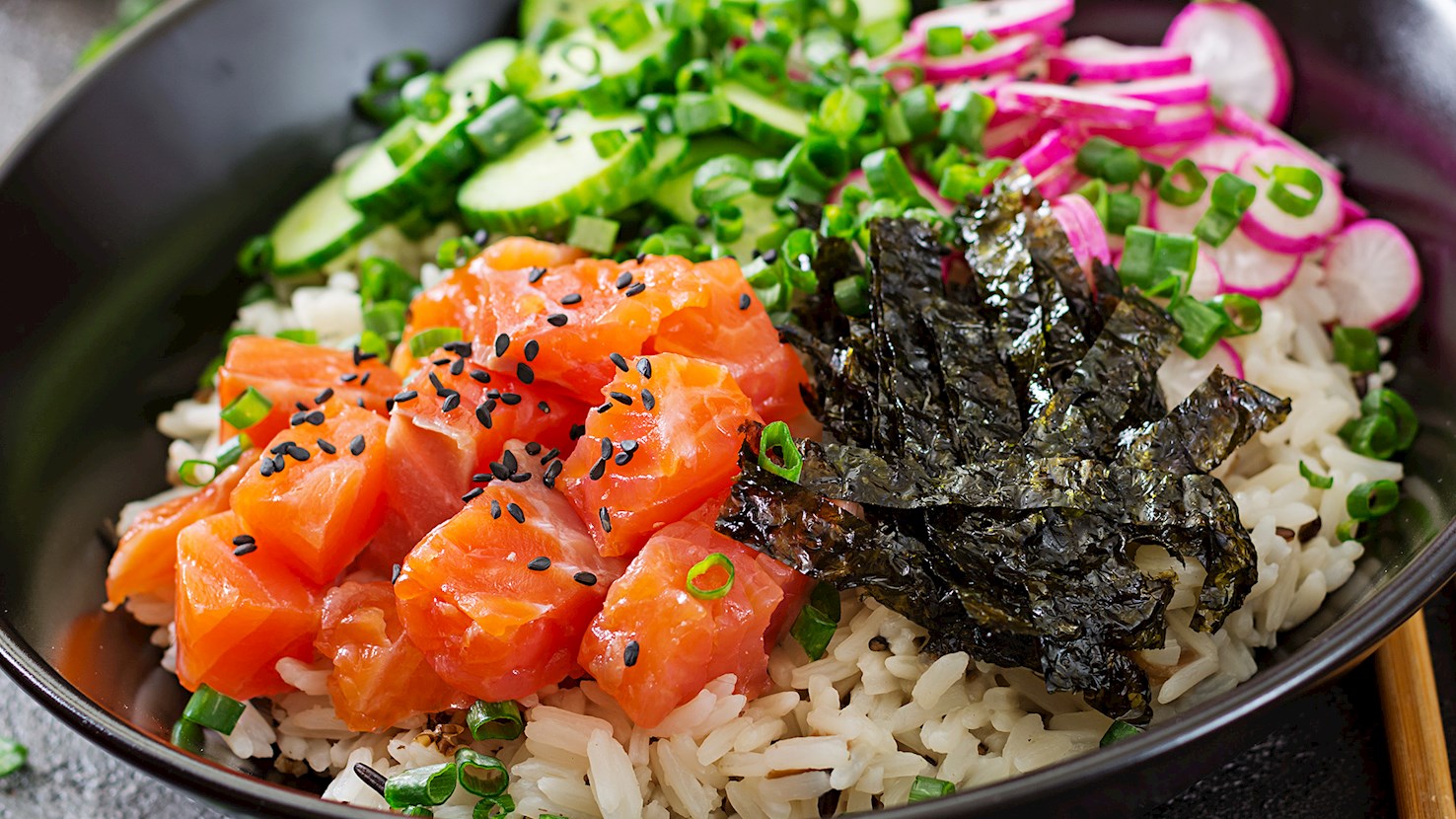
Poke is a traditional Hawaiian dish that is made with small pieces of fresh and raw fish or seafood, which are combined with finely chopped vegetables, herbs, condiments, and seasonings. Although traditional poke uses either ahi tuna (yellowfin tuna) or octopus, the variations on this dish are endless these days, including poke with salmon, mussels, crabmeat, or oysters, as well as vegetarian versions with diced avocados. Typical ingredients apart from the raw fish or seafood include sweet onions, garlic, shallots, scallions, sesame seeds, seaweeds, candlenuts, limu (brown algae), soy sauce, honey, sesame oil, red pepper flakes, and Hawaiian sea salt. The creation of poke has been attributed to local fishermen who used to combine freshly-caught small reef fish with few seasonings such as sea salt, candlenuts, limu, and seaweed for a filling snack. Poke is typically consumed on its own as an appetizer or with steamed white rice for a full meal. In Hawaii, it is available in most supermarkets and is a common dish prepared for special occasions.
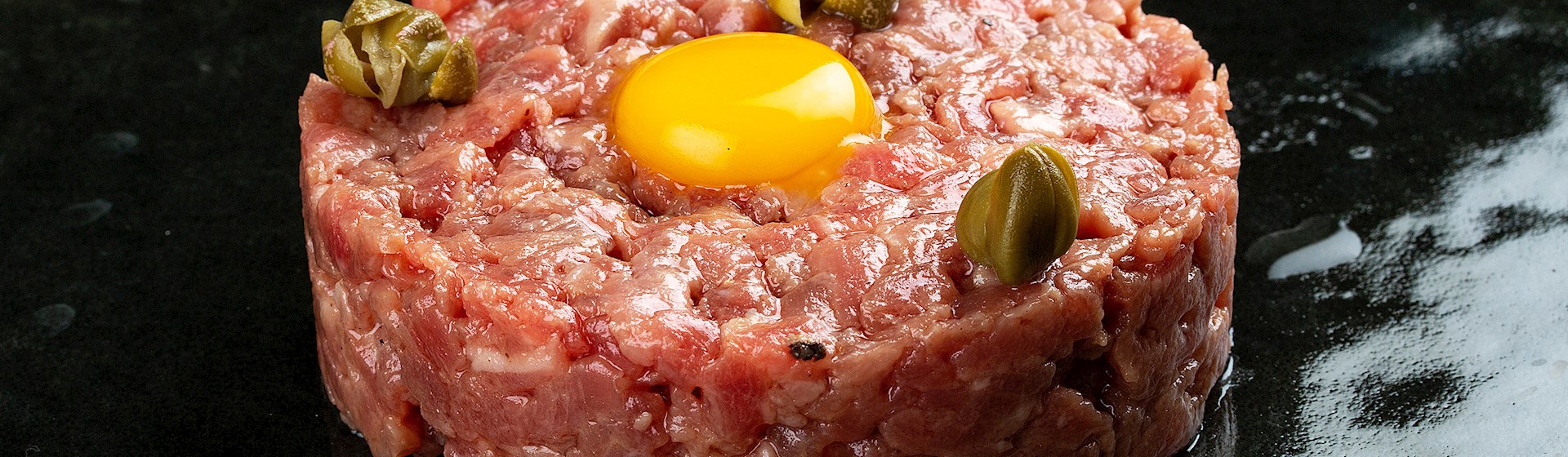
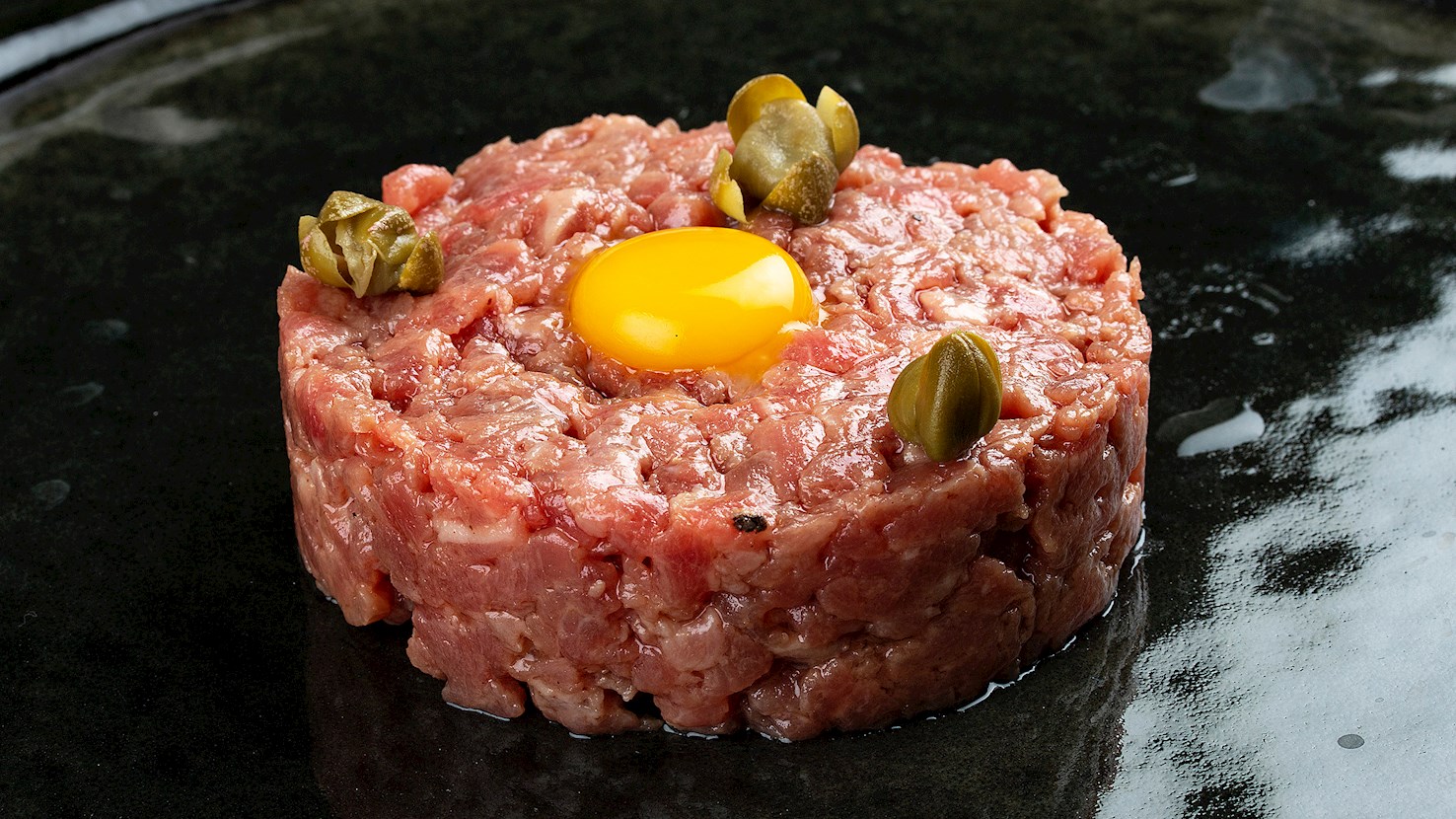
Tuna tartare is an elegant starter originating from Los Angeles. The dish is made with a combination of raw tuna, avocado, egg yolks, green peppercorns, capers, chives, tarragon, mustard, olive oil, lemon juice, salt, and pepper. It was invented in 1984 by chef Shigefumi Tachibe at the Chaya Brasserie when a few customers came in wanting beef tartare, but one of them didn't eat beef, so the chef tried tuna, and it was an instant success. Nowadays, it's usually served as a visually attractive appetizer with crackers or toast.
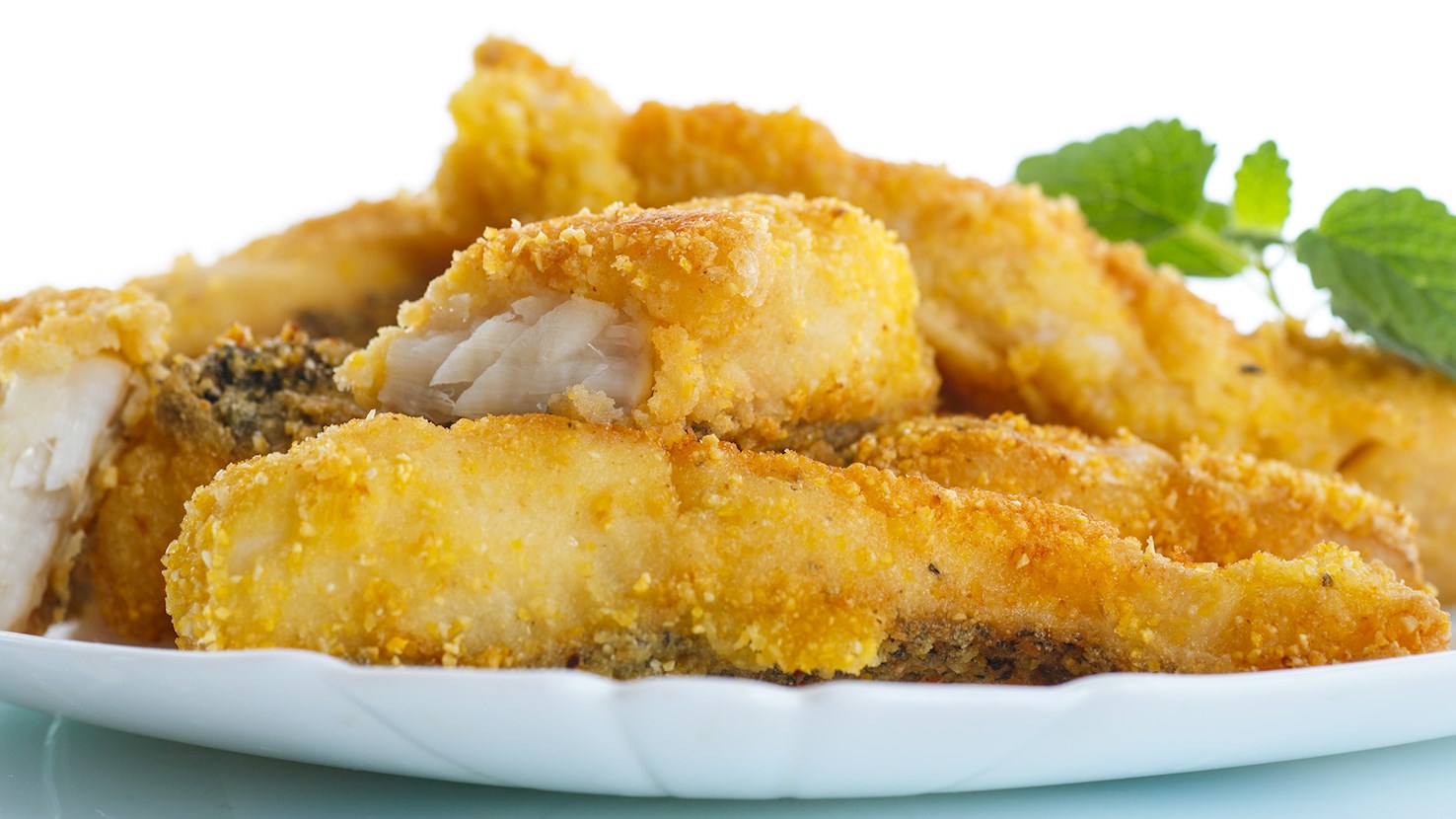
Fried catfish or southern fried catfish is a traditional fish specialty from the American South. Catfish fillets are first soaked in buttermilk and then rolled in cornmeal mixture before they are deep-fried in hot oil. The cornmeal crust gives the fish a unique flavor and nice crispiness on the outside while remaining tender and moist on the inside. Fried catfish is traditionally served alongside cornmeal dumplings, known as hush puppies, tartar sauce, coleslaw, and (sometimes) fried pickles. This beloved Southern fish dish is available in numerous fish fry eateries in the South.
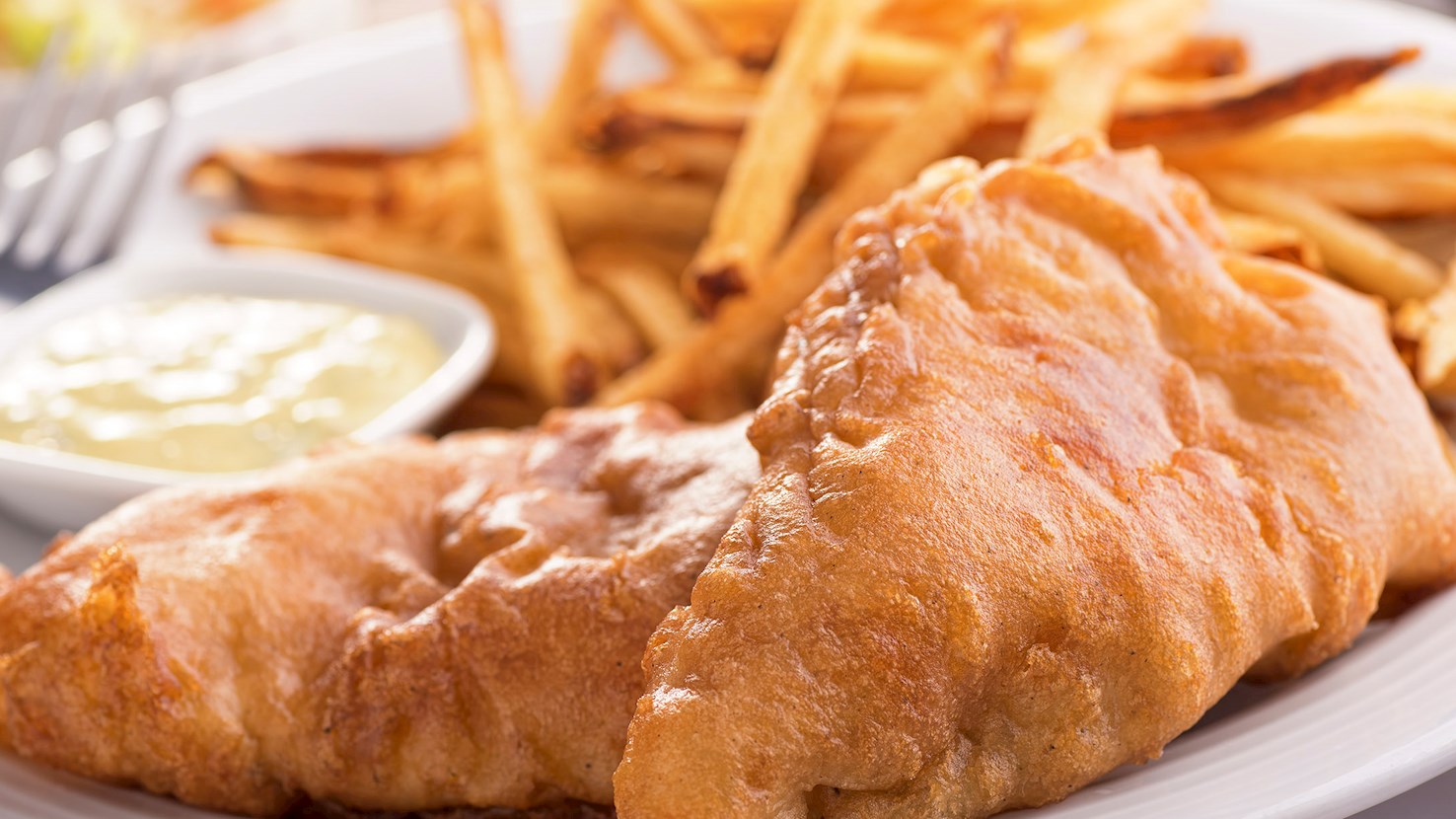
Fish fry refers both to the meal and the popular Friday night tradition in Wisconsin. The fish is battered or breaded, then deep-fried, which is the fastest way to cook large quantities of fish. The Friday night event dates back to the medieval Roman Catholic times. Friday is connected to the crucifixion of Christ, so the day signifies abstinence - in this case, from meat, but fish got a free pass since it is considered that it doesn't come from a warm-blooded creature. The fish fry practice came from Irish, Polish, and German Catholic immigrants who had settled in Wisconsin. Any fish will do, but the most usual varieties are cod, walleye, lake perch, and bluegill. Traditionally, fried fish is accompanied by coleslaw, potato salad, French fries, tartar sauce, hushpuppies, or lemon slices. Fish fry is more than just a dish - it is a communal affair that celebrates the end of the week in Wisconsin.
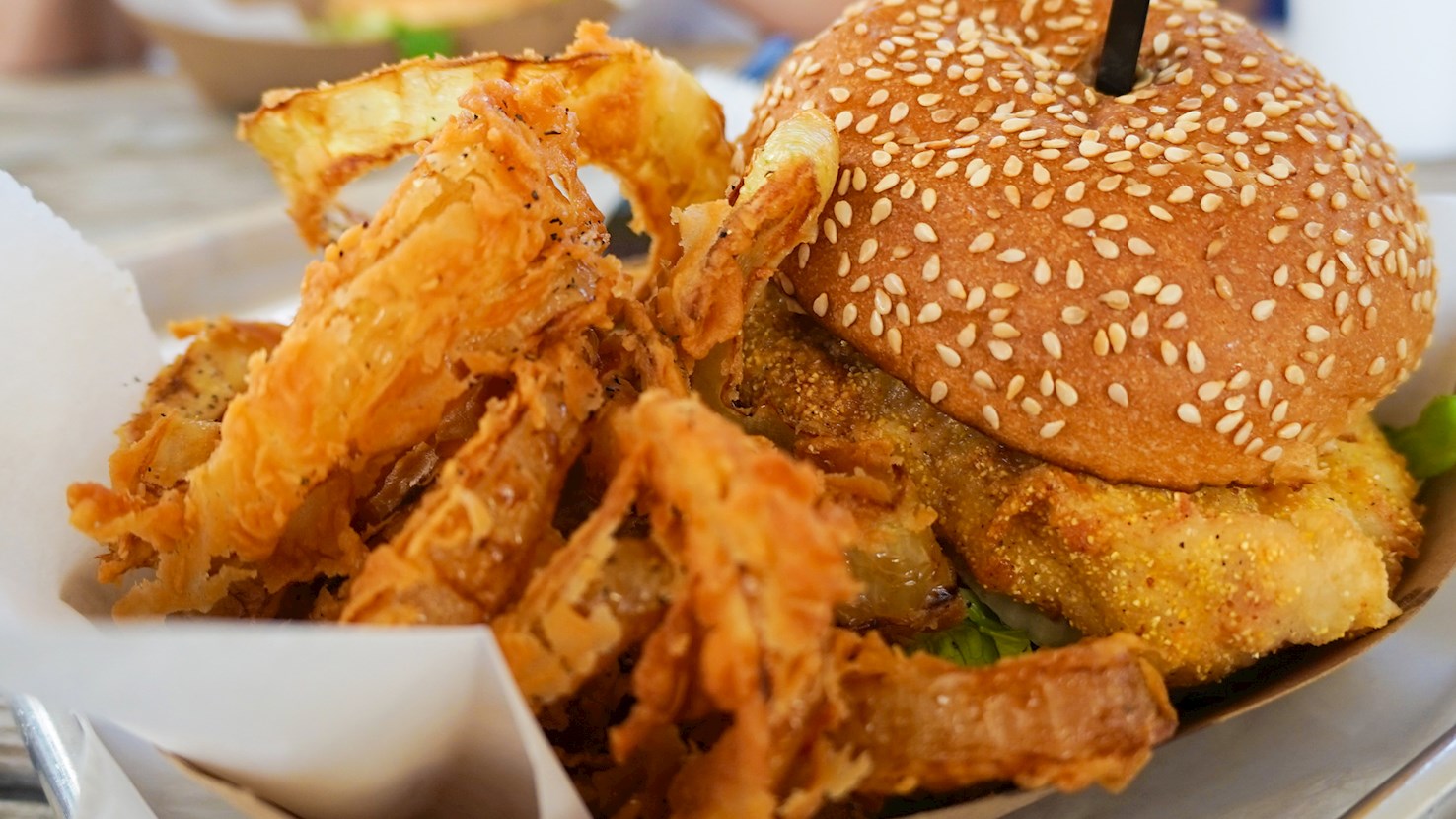
A grouper sandwich is a seafood dish strongly associated with the coastal regions of Florida and the Gulf of Mexico in the United States, where grouper is both abundant and widely appreciated for its mild, flaky flesh. It is regarded as a staple offering in seaside restaurants and fish shacks, reflecting the close relationship between local fishing industries and the food culture of the region. The sandwich gained its prominence in the latter half of the twentieth century, as tourism in Florida grew and visitors sought fresh, accessible seafood prepared in ways that were both casual and satisfying. Grouper, already a prized catch among local fishermen, fit naturally into this role. Its fillets are thick and meaty yet delicate enough to absorb seasonings, making it versatile for grilling, frying, or blackening. Over time, the grouper sandwich became a recognizable part of Florida’s culinary identity, with debates even arising over where to find the best version along the Gulf Coast. Preparation can vary, but most versions begin with a fillet of grouper that is either lightly seasoned and grilled, coated in spices and seared, or battered and fried until golden. The fish is served on a bun or sandwich roll, often accompanied by lettuce, tomato, onion, and pickles. Tartar sauce, remoulade, or a squeeze of lemon are common accompaniments, balancing the richness of the fish. The texture of the bun and the freshness of the toppings are just as important as the fish itself, since the goal is a combination of crisp, juicy, and tender elements in every bite. Today, the grouper sandwich is most closely associated with Florida, where it is served in nearly every coastal community and is a staple on seafood menus. It is eaten by both locals and tourists, often enjoyed outdoors with sides like fries or coleslaw, and paired with a cold drink. Beyond Florida, it can be found in other Gulf states and in restaurants that emphasize American coastal cuisine, but its strongest identity remains tied to the beaches and fishing docks of Florida, where the freshness of the catch defines the quality of the dish.
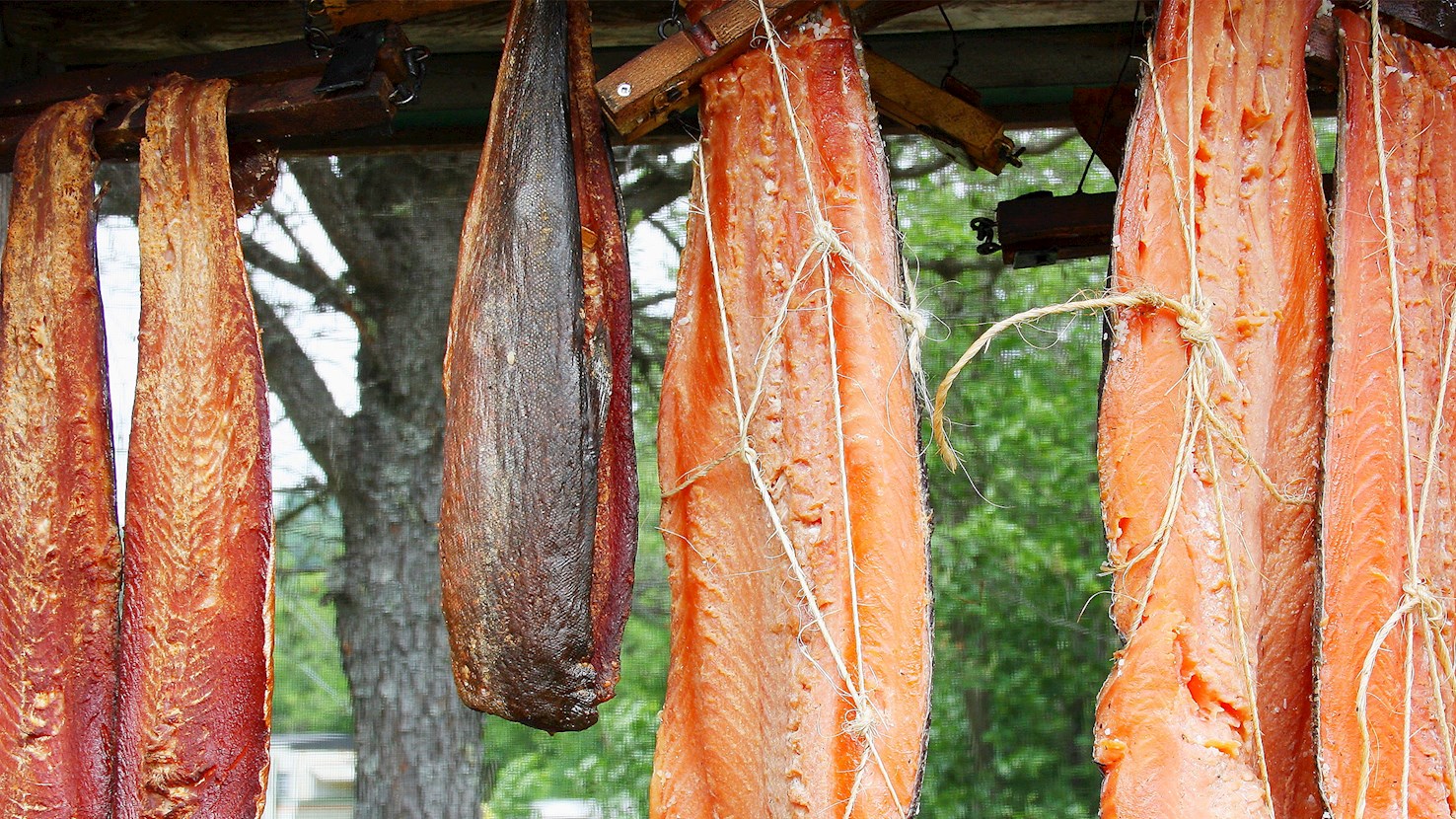
Hailing from Alaska, king salmon strips is a fish delicacy that is typically made with a species of wild-caught Alaskan salmon, known locally as king salmon. The preparation of this dish was a traditional way of preserving the fish that has long been practiced within the coastal communities in the country. The fish is skinned, gutted, and deboned, then sliced into long strips before it is brined. Traditional brining uses only salt, such as sea salt or rock salt, but these days, other ingredients are also often added to the brine, including brown sugar, maple syrup, molasses, or soy sauce. The cured fish strips are then allowed to dry on wooden racks in the wind for several days before they are cold-smoked with cottonwood, cherry, or alder chips. These days, it is a common practice to soak salmon strips in a sweet and salty mixture combined with liquid smoke for additional flavor, and then bake the marinated strips until hard and dry and enjoy them as snacks.
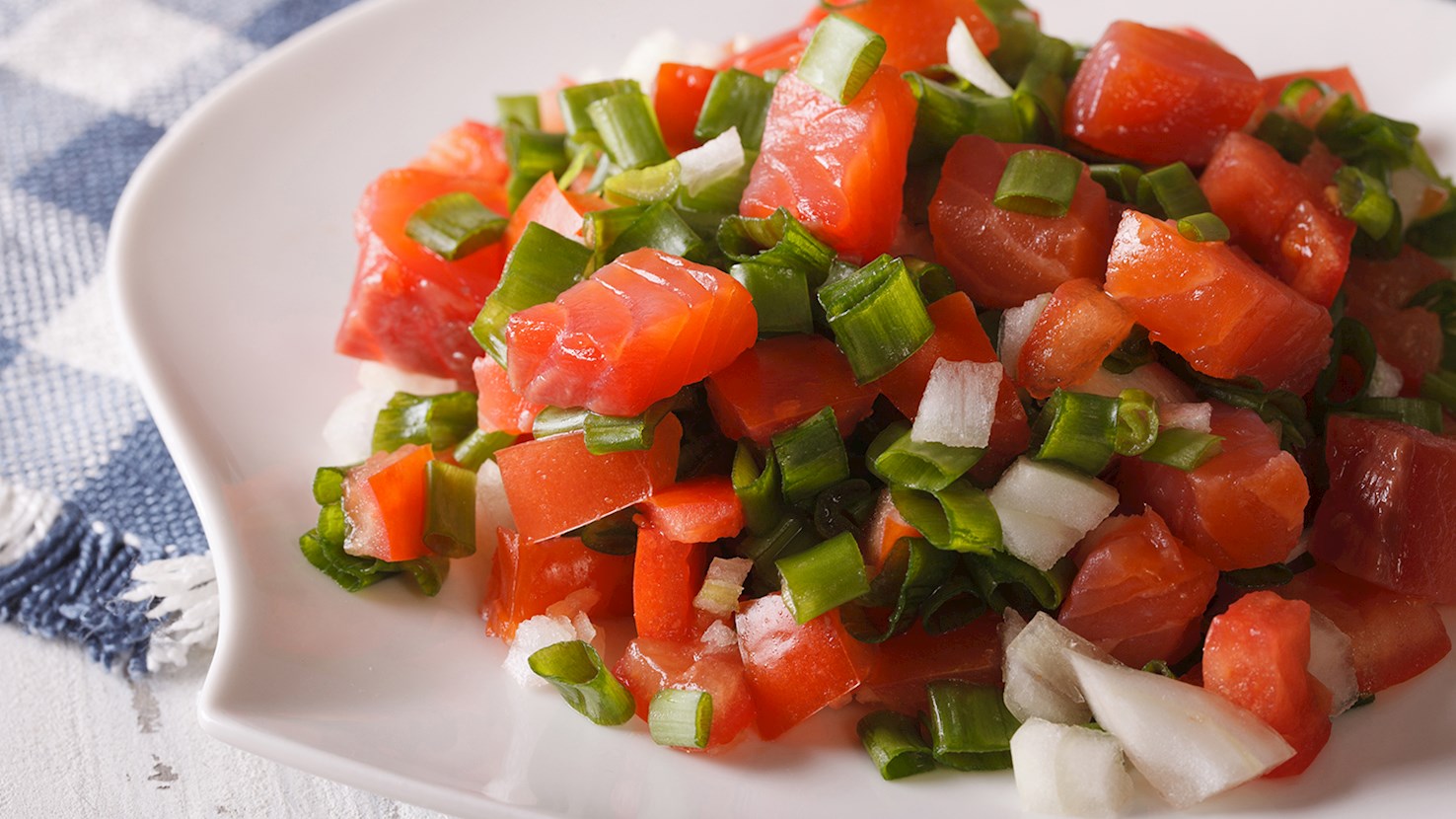
Lomi-lomi salmon is a traditional dish originating from Hawaii. The dish is prepared with salmon and tomatoes as the main ingredients. It was originally introduced to Hawaii by early Western sailors. The salmon is rubbed with salt, then combined with diced tomatoes, minced red onion, and green onions. The word lomi means to press, massage, or rub, referring to the method of massaging the salted salmon between the fingers. Lomi-lomi salmon is traditionally served as an appetizer or a side dish at Hawaiian parties (luaus), usually alongside kalua pig, poke, and poi.
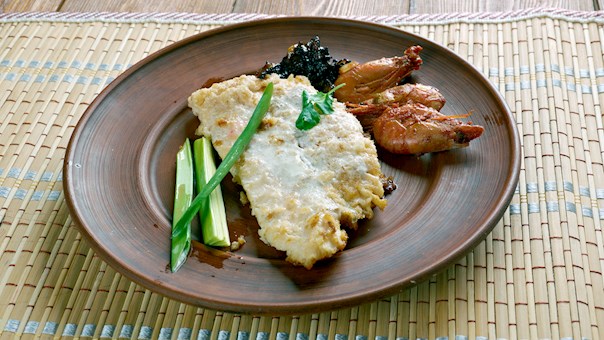
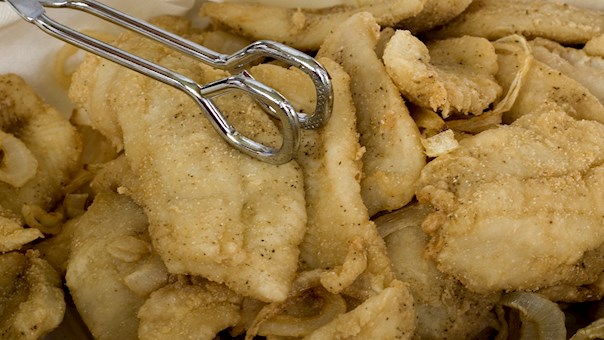
Thin fried catfish is a traditional dish originating from New Orleans. The dish consists of catfish fillets that are sliced very thinly, breaded, then fried until golden brown. There should be a good ratio of fish to flour. Ingredients such as salt, pepper, garlic powder, onion powder, or cayenne can be added to the dry seasoning mix in order to elevate the flavors. Lemon zest is also sometimes added to the mix. The fillets are dipped in eggwash and the dry seasoning mix, then deep-fried until they become golden. Thin fried catfish is typically served with tartar sauce, cocktail sauce, or lemon wedges on the side.
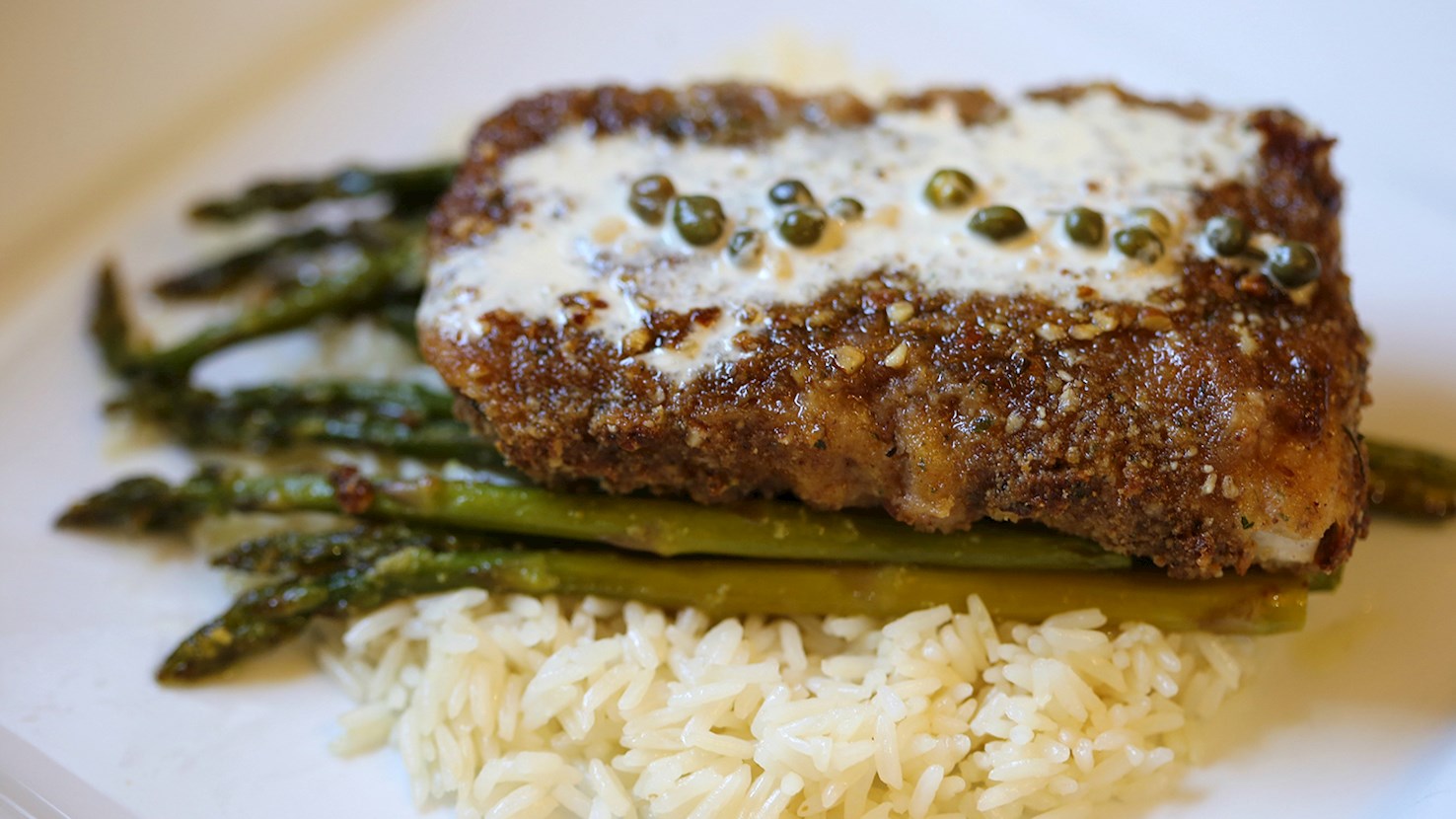
Pecan-crusted fish is a traditional dish of the American South. It's sometimes made with a combination of mayonnaise, crushed pecans, honey, and white fish fillets. The fish is dipped into the mixture of mayonnaise and honey, and it's then coated with crushed pecans. Finally, the dish is baked until the fish becomes flaky. It's important not to overcook the fish because it will become very dry. The dish can also be prepared with a standard mix of butter, Creole seasoning, and garlic for the fish coating. Pecan-crusted fish is often served with a variety of side dishes and garnishes such as baked potatoes, lemon wedges, tartar sauce, yellow rice, or fresh salad.
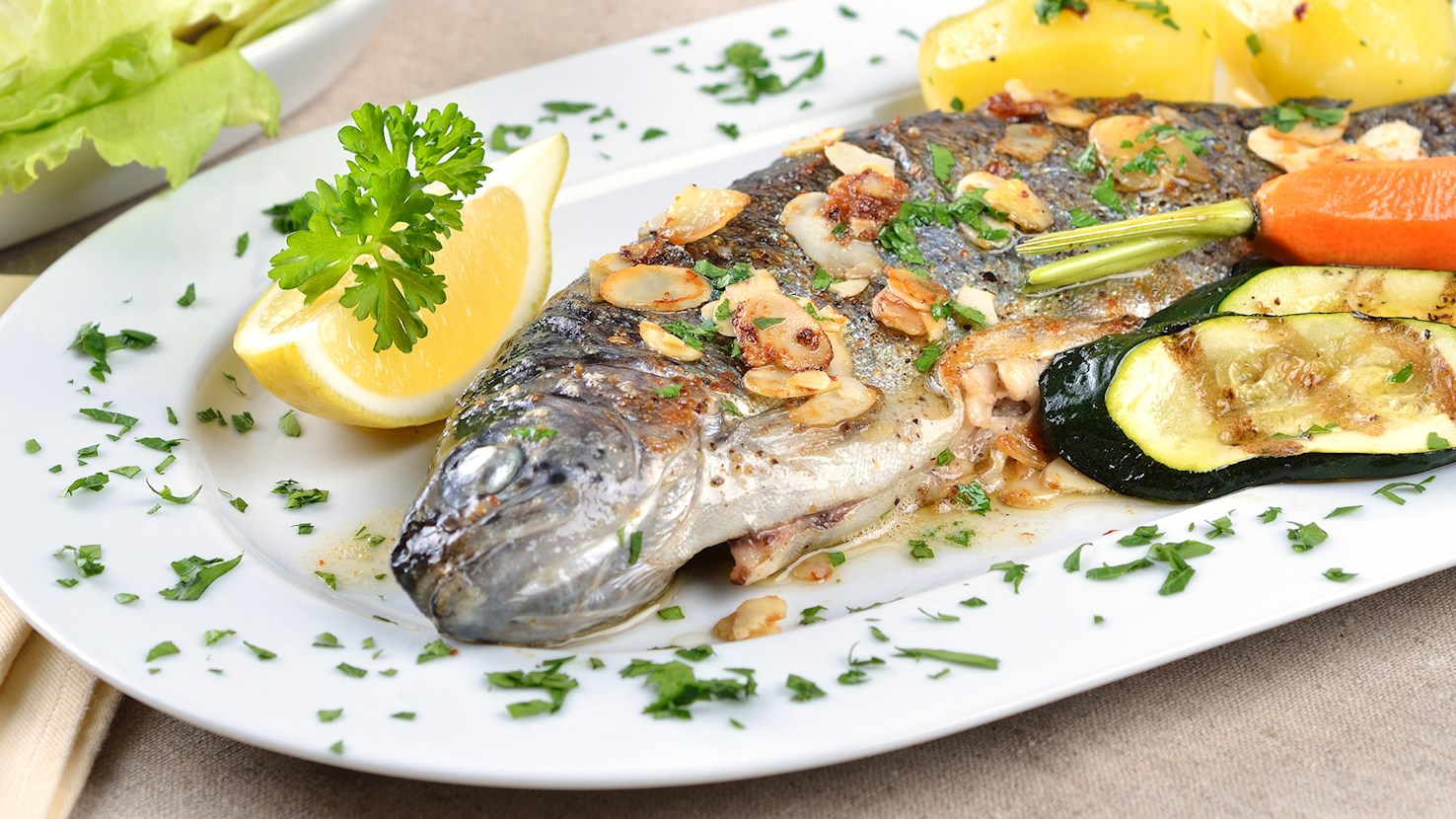
A gastronomic delight of French Creole cuisine, trout amandine is a simple dish that pairs pan-fried trout with a delicious, buttery, and nutty sauce consisting of brown butter (beurre noisette), almonds, lemon juice, and parsley. Considered a variation on trout meunière, which in turn is itself a variation on the French classic sole meunière, trout amandine also makes use of meunière (meaning miller’s wife in French), a method of cooking that calls for coating food in flour before sautéing it in brown butter with lemon juice and herbs. In this case, the sauce is enhanced with the addition of browned almonds, hence the name trout amandine, from the French culinary term amandine, which refers to a specialty that’s been garnished or prepared with almonds. Also known as trout almondine (almondine being the preferred American spelling), this delicacy is a quintessential and one of the most beloved seafood delicacies in New Orleans. The dish is most commonly prepared with skinless speckled trout (spotted sea trout) fillets instead of whole fish, as is usually the case in traditional French cooking. Trout amandine is typically enjoyed as an entrée in New Orleans’ restaurants, and it is usually accompanied by buttered new potatoes, steamed french green beans, and lemon wedges.
TasteAtlas food rankings are based on the ratings of the TasteAtlas audience, with a series of mechanisms that recognize real users and that ignore bot,
nationalist or local patriotic ratings, and give additional value to the ratings of users that the system recognizes as knowledgeable.
For the “Top 15 American Fish Dishes” list until September 15, 2026, 958 ratings were recorded, of which 895 were recognized by the system as legitimate.
TasteAtlas Rankings should not be seen as the final global conclusion about food. Their purpose is to promote excellent local foods,
instill pride in traditional dishes, and arouse curiosity about dishes you haven’t tried.





What People Say