shutterstock

Top 86 Fishes
in the World

Last updated on July 29, 2026

Best Fish Types in the World
01

Norwegian salmon

4.6 ·

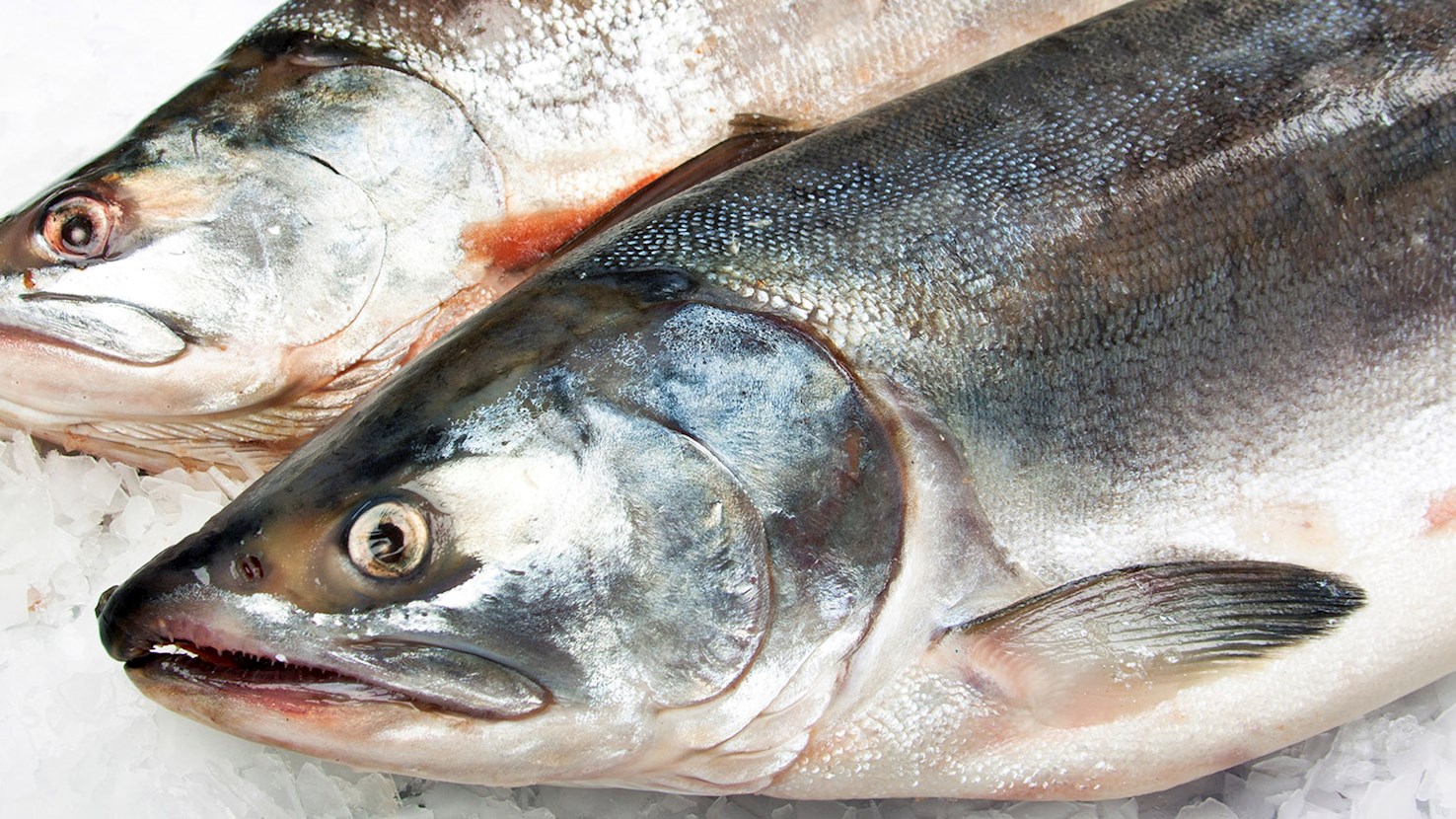
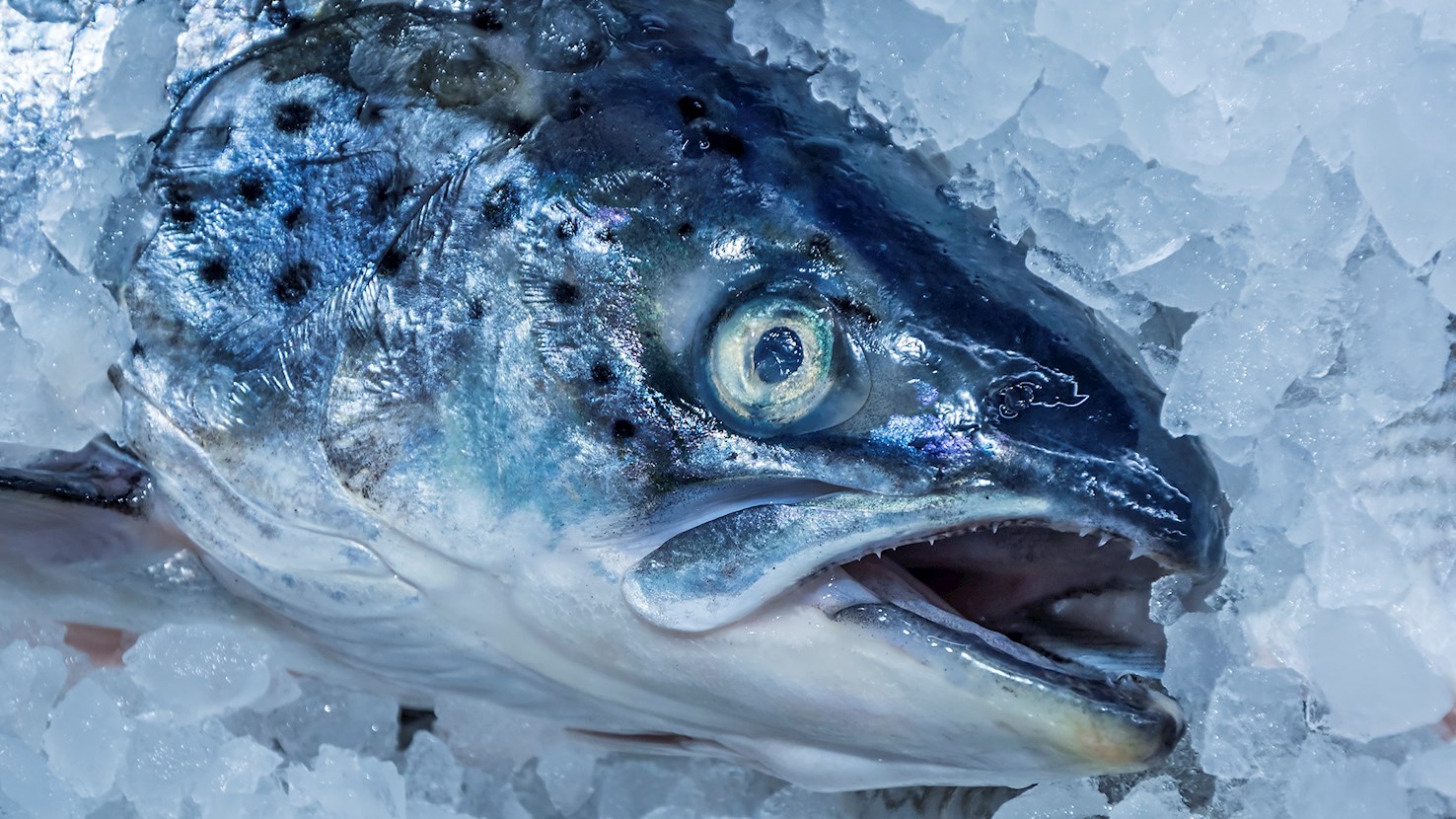
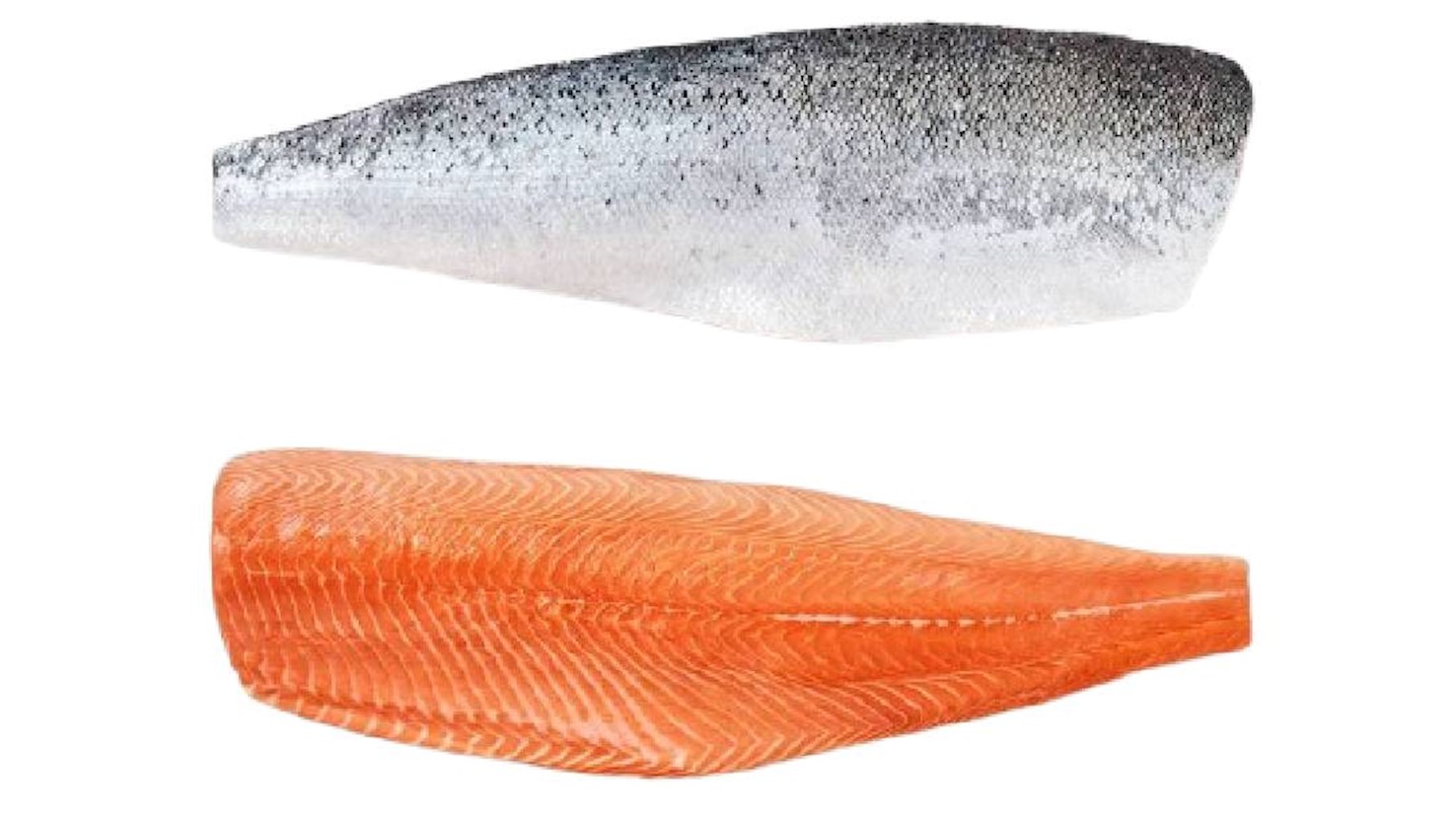
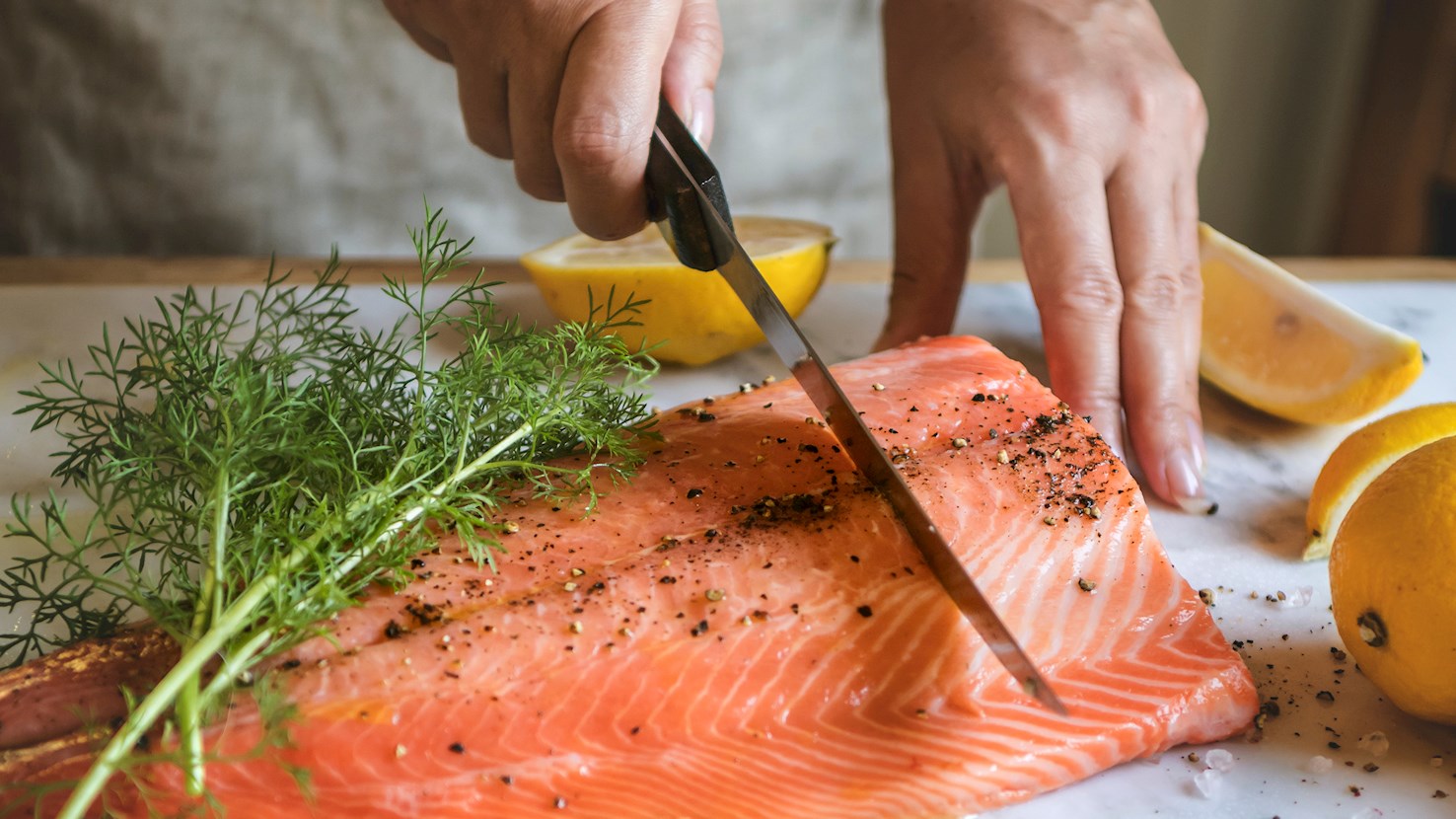
In Norway, Atlantic salmon takes up around 40% of all seafood that's exported from the country. Most of it isn't caught in the wild – the salmon is farmed in giant tanks that are moored off the coast. In order of decreasing amount, there is fresh whole salmon, frozen whole salmon, frozen salmon fillets, and fresh salmon fillets that are exported across the world. The great versatility, flavor, and high nutrient content are the reasons why Norwegian salmon rose to fame and it's popularity increased worldwide since the 1970s, when the world's first successfully farmed salmon was placed into a pen in a fjord outside Trodheim. Nowadays, the Norwegian salmon is used in anything from sushi, gravlax, burgers, and woks to fiskesuppe, wraps, tacos, and poke bowls.

02

Wild Alaska salmon

4.6 ·

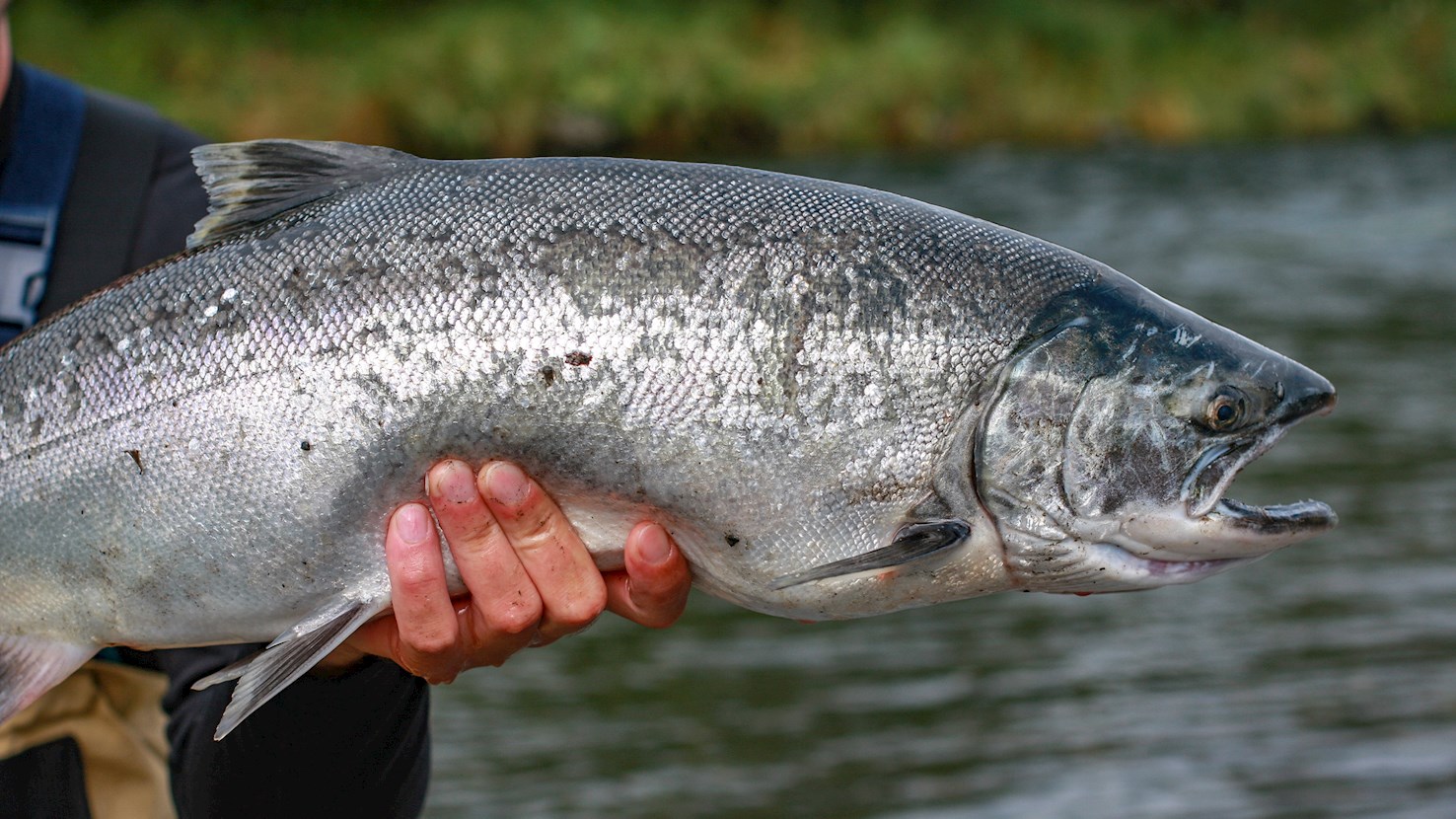
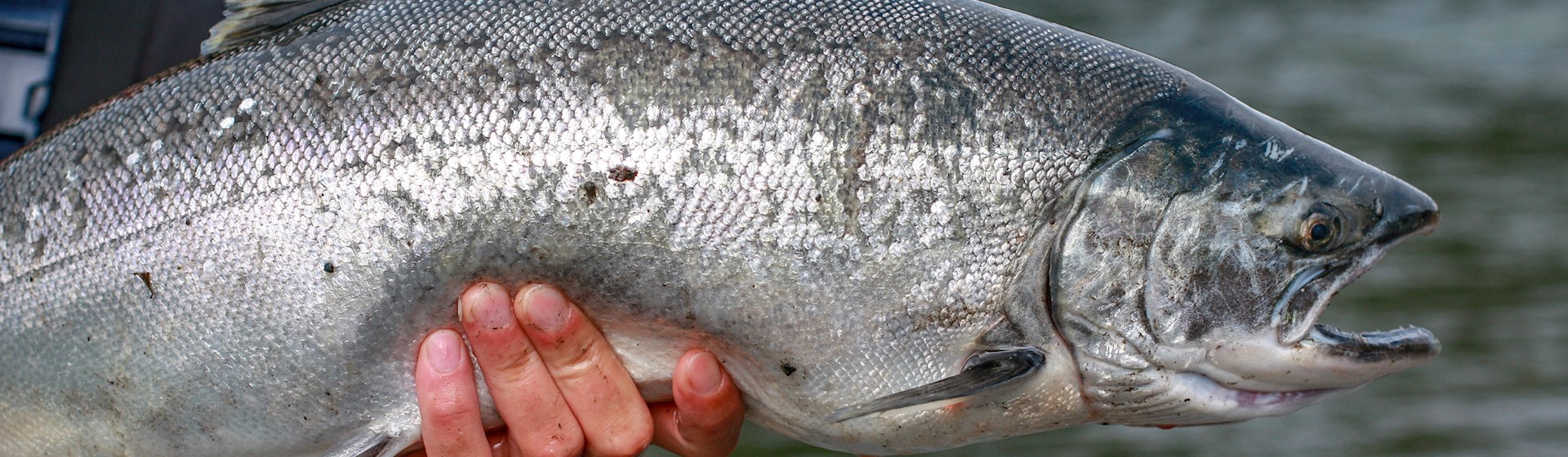
Five different species of wild salmon can be caught in Alaska: king, sockeye, coho, chum, and pink salmon. Each species has some defining characteristics: king salmon is often used for sushi, sockeye has a strong flavor, coho is known as a great-tasting salmon, chum salmon is valued for its eggs, and pink salmon is used for canning. Salmon is a very versatile fish that can be prepared in many ways: it can be baked, grilled, or smoked, and it’s good in stews, fish cakes, and salads. This highly nutritious fish is rich in vitamins, minerals, and omega-3 fatty acids, and consuming it reduces the risk of cardiovascular diseases.

03

Otoro Tuna

4.5 ·

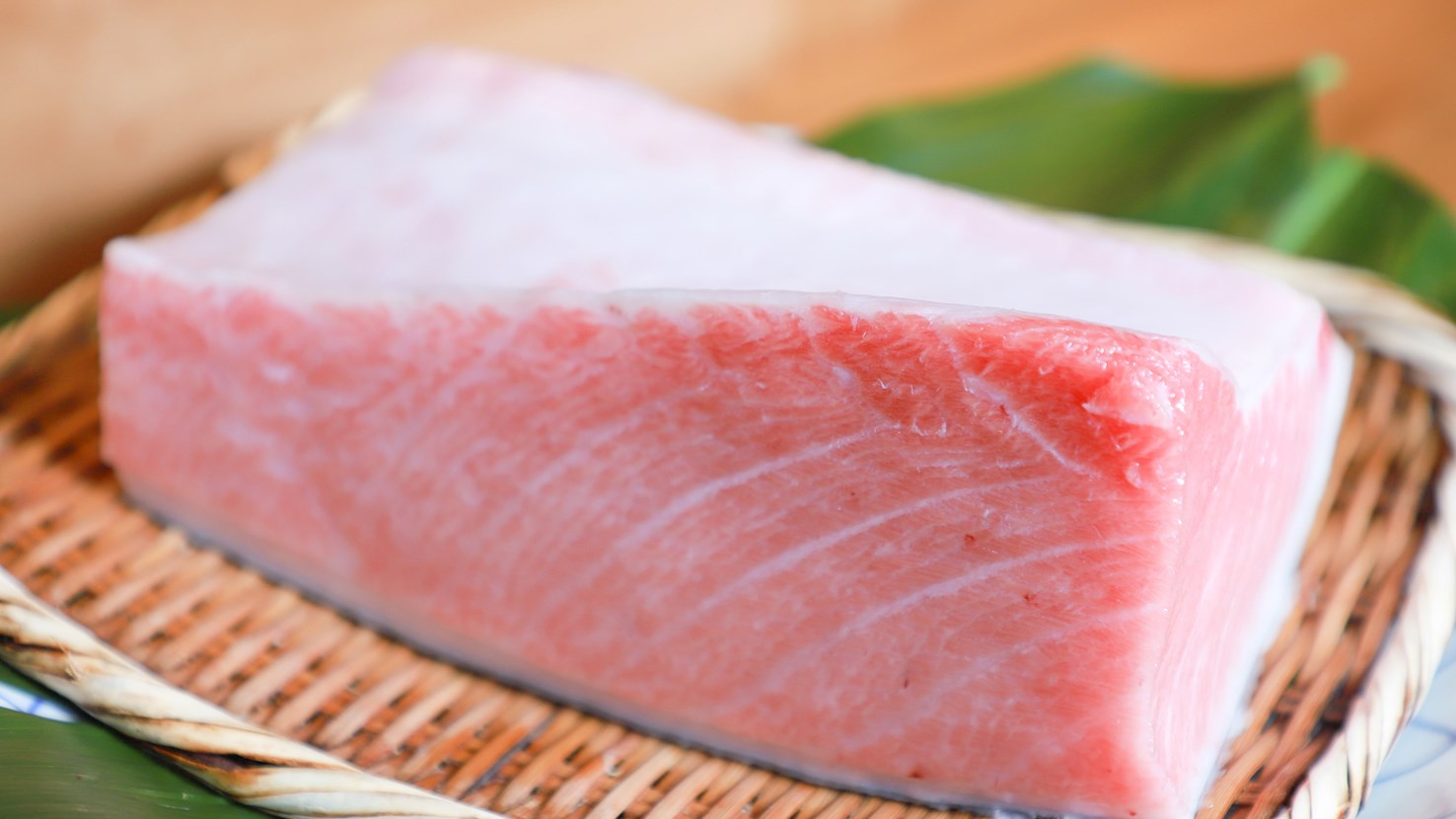
Otoro is a part of bluefin tuna that is the most desirable. It comes from the inside of the belly and it's the fattiest part of the fish. The texture is often described as intensely rich, marbled, and having melt-in-the-mouth properties. Due to these facts, it's traditionally the most expensive part of bluefin tuna. It's often used in sashimi and nigiri, giving the dish a sweeter flavor. Otoro is the best during winter, once the tuna acquires additional body fat. It should always be consumed fresh as it doesn't last too much when frozen. This part of tuna is rarely found outside of Japan.

04

Akami Tuna

4.5 ·

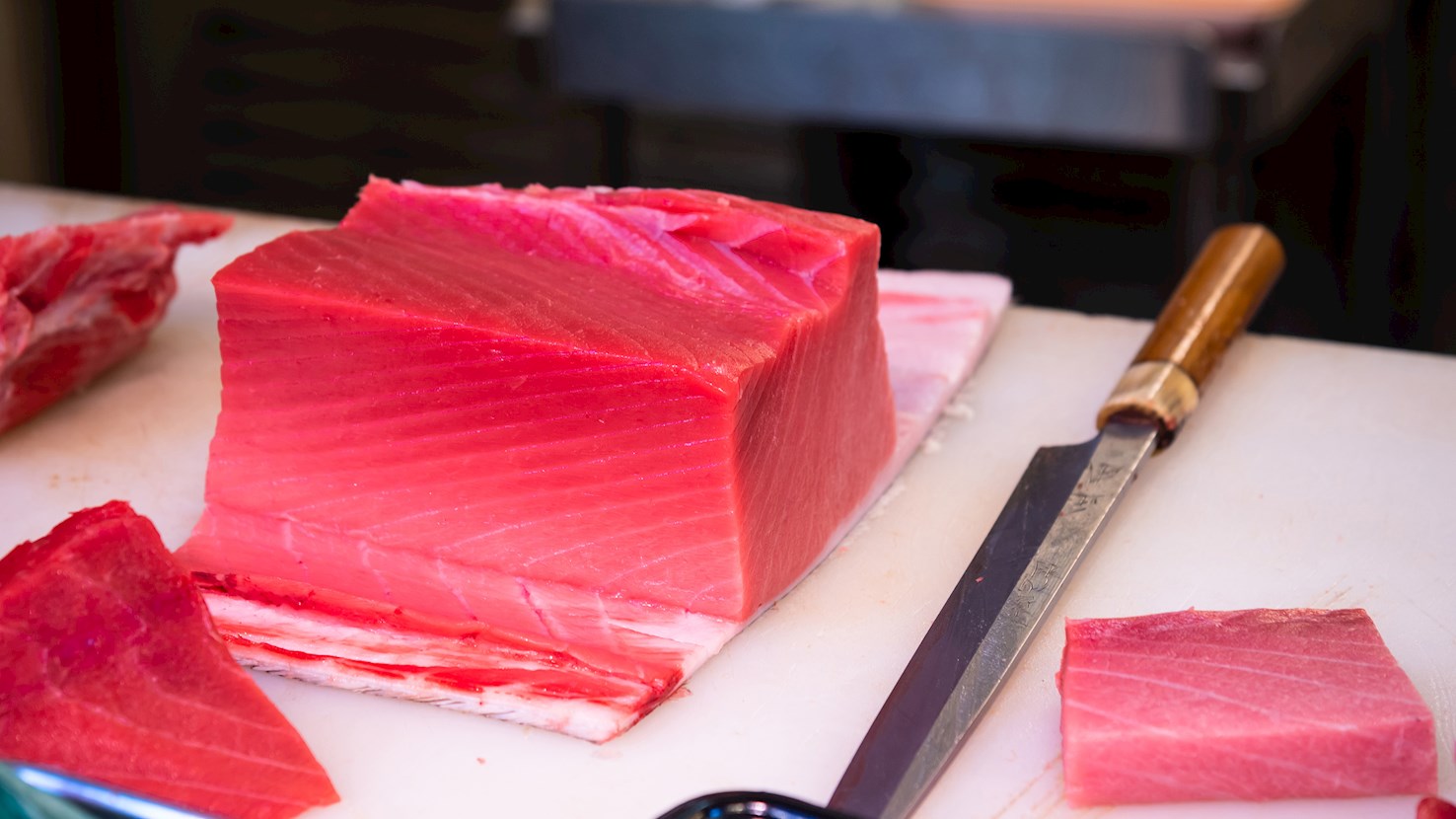
Akami is a part of bluefin tuna that refers to lean red meat. This is the main part of the fish, so it's more readily available than the other parts, called chūtoro and otoro. It has the least fat out of the whole tuna, which makes it the most affordable. Akami is typically used atop rice in sashimi or nigiri. In a sushi restaurant, if you order maguro (a broad term for tuna), you will get akami from whichever species of tuna they have on hand. This part of tuna also has the most umami tuna flavor of all other, fattier cuts.

05

Chūtoro Tuna

4.4 ·

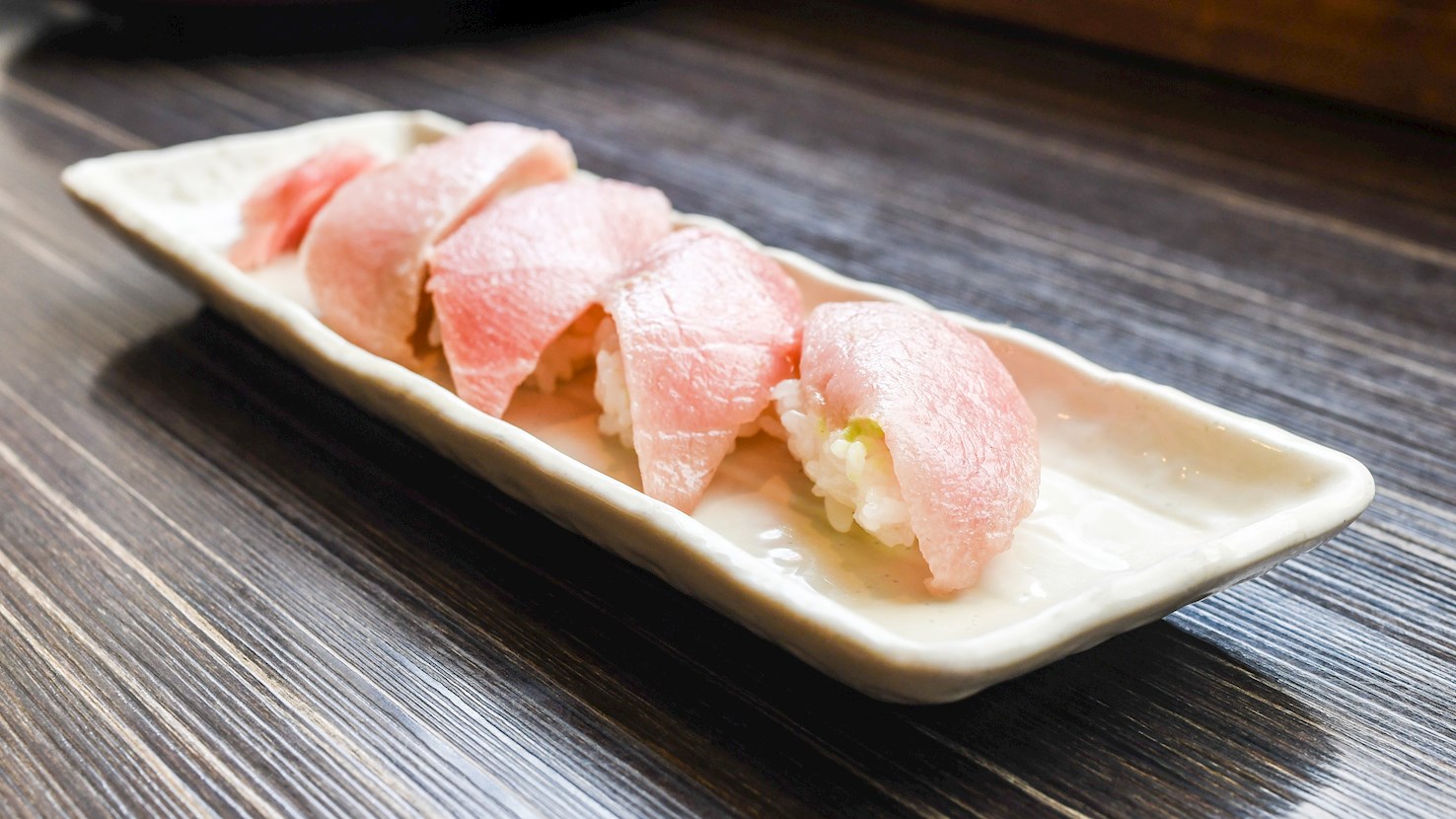
Chūtoro is a part of bluefin tuna that refers to medium fatty cuts when served as a part of nigiri or sashimi. The tuna yields otoro (fatty parts from the belly), akami (red meat), and chūtoro, which is a combination of both that's found near the skin on the back and belly. It's a mix of otoro's sweetness and a deep, slightly bitter flavor of akami. This part of bluefin tuna is usually a bit more on the expensive side, and it's typically served on special occasions or festivities. Specifically, the part of the back near the head is called sekami, the center of the back is senaka, and the part near the tail is called seshimo.

06

Unagi

4.4 ·

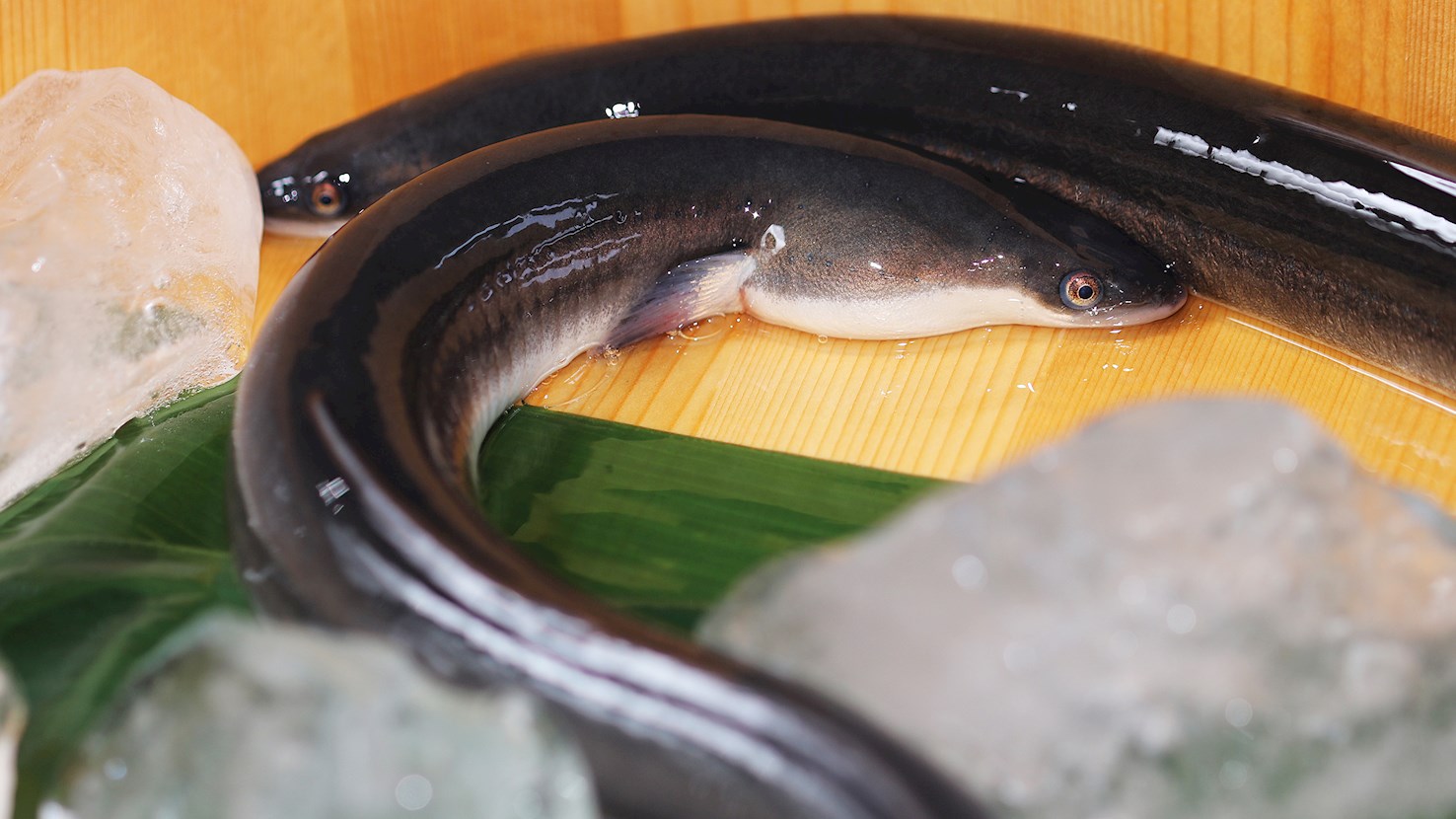
Unagi is the Japanese word referring to the freshwater eel, commonly used in Japanese cuisine. It is mainly consumed in the form of fillets, which are always grilled due to the presence of harmful toxins. The fillets are then spread with a sweet and salty sauce made with soy sauce, mirin, and sugar. Although unagi is consumed in the entire country, there are slight regional differences in the way the eel is cut and prepared. In Kanto region, the cuts are made from the back, and the fillets are grilled and steamed, while in Kansai the eel is cut from the stomach and the fillets are merely grilled. Depending on the preparation, unagi can range from crispy to chewy, but it always has a strong salty and semi-sweet taste. It is regarded as a delicacy and an expensive, luxurious ingredient that is mainly consumed in Japan, where the eel has been proclaimed an endangered species. Unagi is usually served on top of plain steamed rice, alongside pickles and sansho pepper, and it is often found as a part of intricate sushi creations served in sushi restaurants.

07

Ohrid Trout

4.3 ·

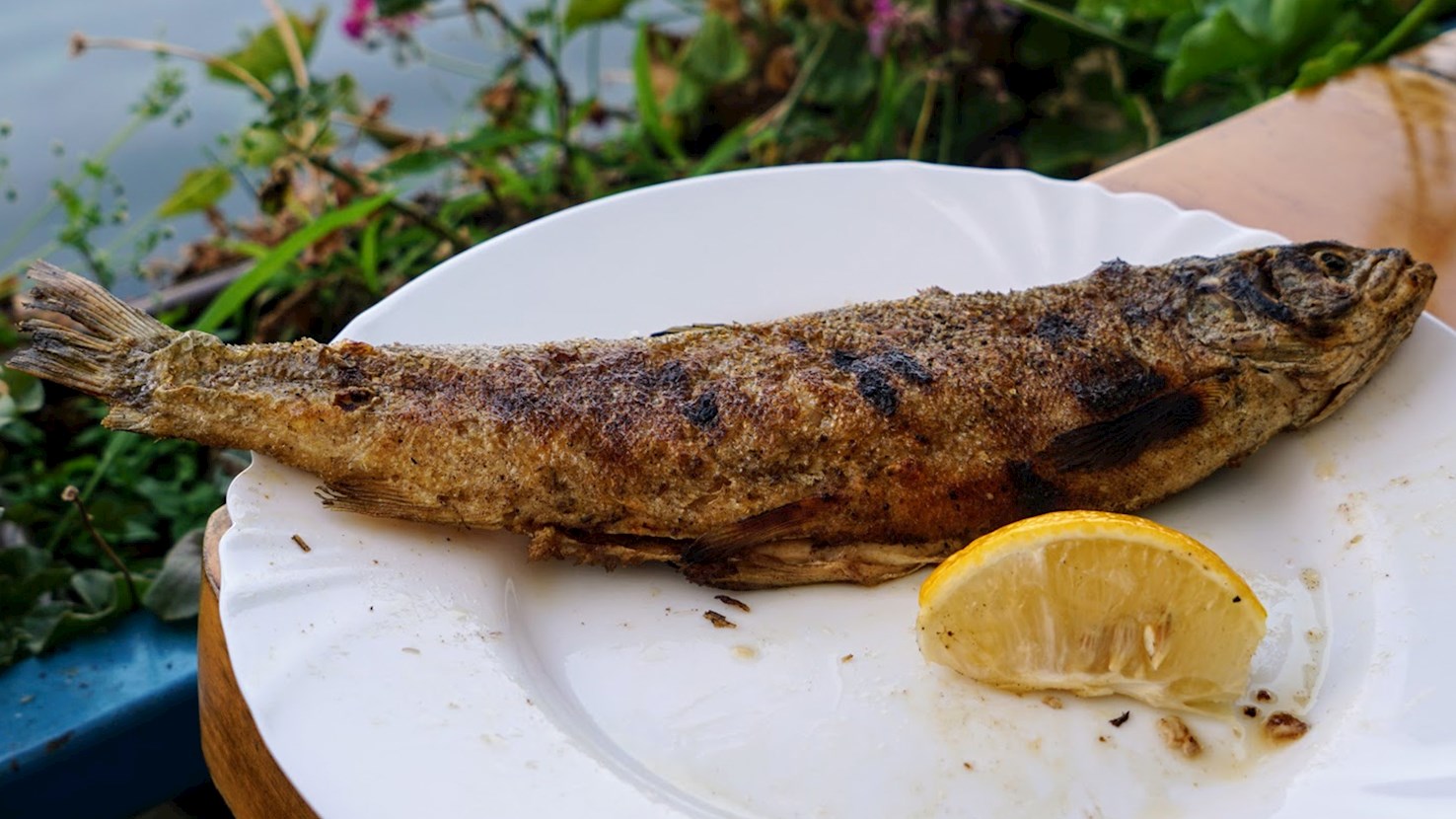
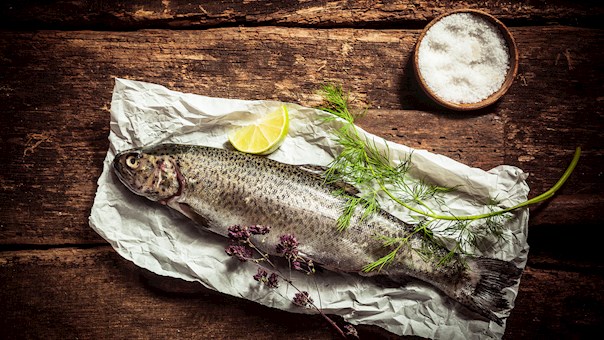
Ohrid trout is an endangered salmonoid fish that is praised for its delicately-flavored pink flesh. It inhabits the waters of Lake Ohrid, shared by Albania and North Macedonia, and the rivers leading to and from the lake. Although it is held in high esteem, it would be a crime against nature to eat the trout. Due to overfishing, poaching, and poor conservation methods, as of recently, the fish has been in danger of extinction. Four varieties of the trout have been distinguished, including Salmo balcanicus, Salmo lumi, Salmo aphelios, and Salmo letnica. The trout is considered a culinary delicacy, usually enjoyed on its own or used in a variety of hearty fish soups or other fish dishes. Dubbed as a living fossil, the fish has supposedly survived the ice age period due to the favorable microclimate of Lake Ohrid. Until 1991, the annual catch of trout was 220 tons, but since then, the numbers have significantly fallen. In 2005, the Macedonian government introduced a ban on catching Ohrid trout in their waters until 2014, but despite the legislation, in reality, not much was changed. Mainly, because similar conservation methods did not exist in the neighboring Albania where Ohrid trout was legally caught and sold, usually for an unreasonably low price. This opened up a new set of problems, including smuggling operations that made the trout available in Ohrid and other Macedonian cities.

08

Bangus

4.2 ·

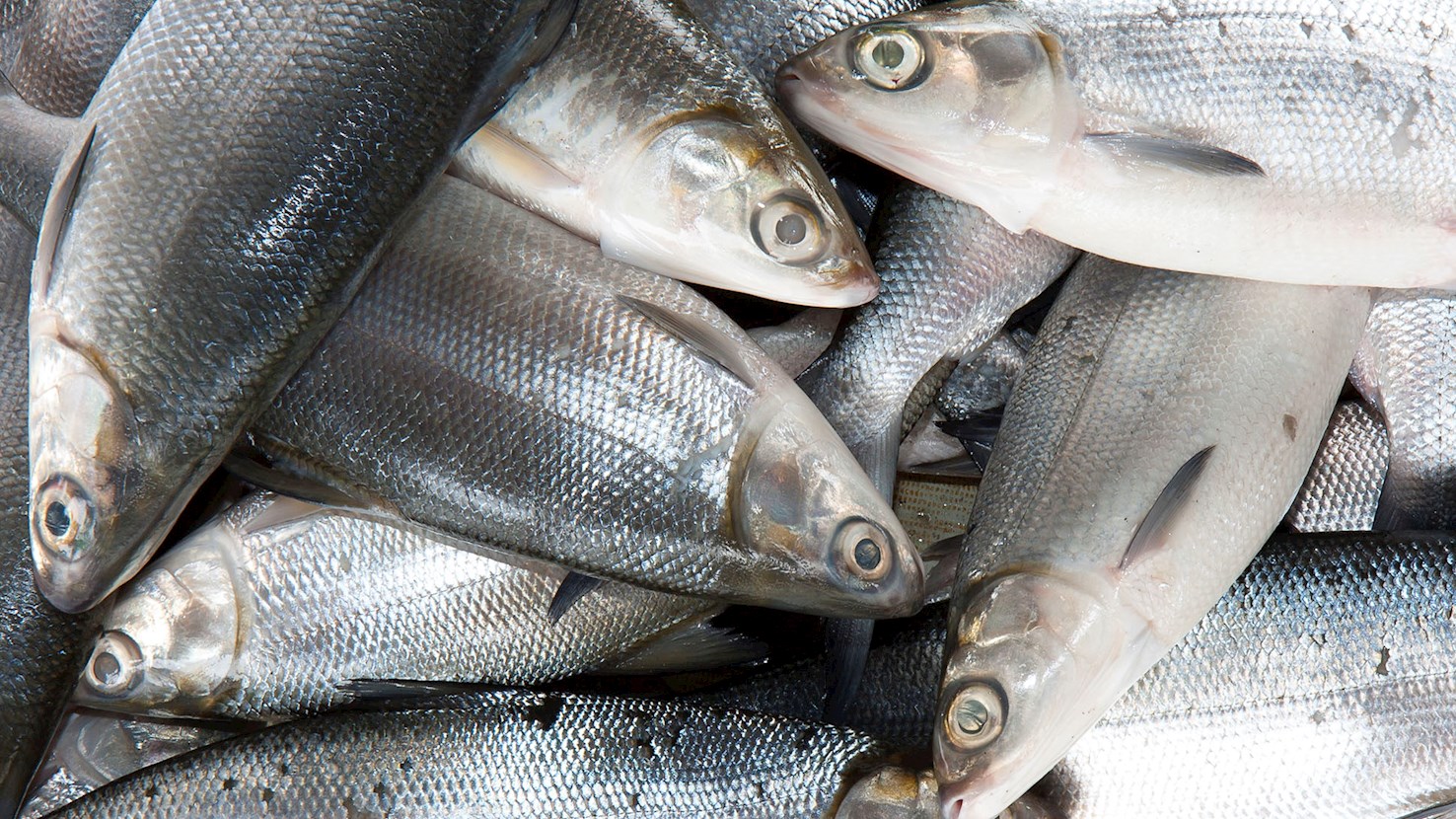
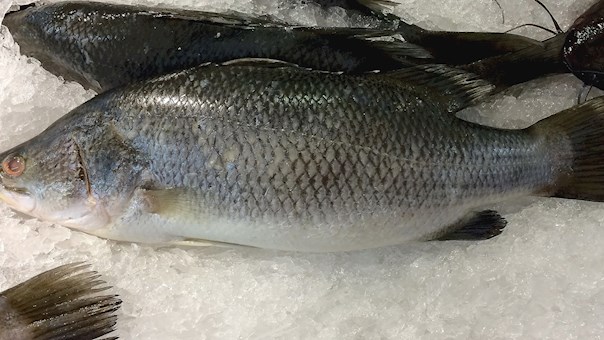
Bangus is the national fish of Philippines, called milkfish in English. It is an adaptable, tough, and sturdy fish that can survive in confined spaces, so it is regularly bred on fish farms, which is the reason why it is widely available all over the Philippines. The flavor of milkfish is distinctive and mild, best paired with complementary ingredients. Bangus is usually cooked in soups, fried, grilled, barbecued, stuffed or stewed in various spices, ginger and vinegar, but the varieties of bangus-based dishes are numerous. There is bangus nilagpang with broiled milkfish, tomatoes and onions, rellenong bangus with fried and stuffed milkfish, cooked bangus in coconut milk, marinated bangus strips in pasta... and the list goes on. Regardless of the preparation method and the additional ingredients used in dishes, bangus is a unique Filipino delicacy that shouldn't be missed.

09

Scottish farmed salmon

4.2 ·

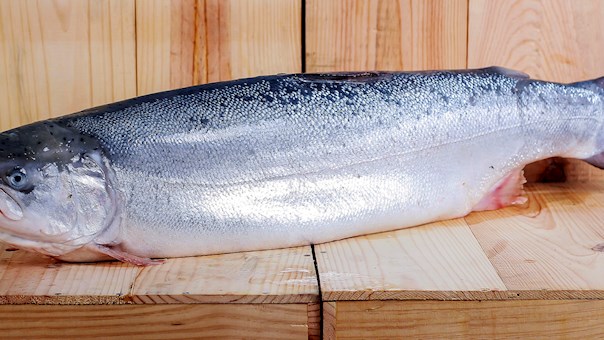
Scottish farmed salmon belongs to the Atlantic salmon species. They are silver in color, firm to the touch (due to strong currents which ensure that they are constantly swimming), with a fibrous to smooth to even texture. After harvesting, the salmon is rapidly chilled, which is why it has a unique, consistent flavor. Scottish salmon is very health beneficial, and acts as a source of Omega 3 fatty acids, vitamins and minerals. It goes well with single malt whiskeys, lemon and creme fraiche.

10

Tasmanian Atlantic salmon

4.1 ·

Tasmanian Atlantic salmon is a species of salmon that has been introduced in the pristine waters of Tasmania’s west coast and is locally grown in fish farms. The fish are raised within open-sea cages mainly in the Macquarie Harbor, and they are one of the most commercially important and highest-valued fishery products in Australia. The farmed salmon are internationally recognized for their superior quality, flavor, and texture, and they are also renowned for their high nutritional value as they represent a great source of high-quality omega-3 fatty acids, protein, minerals, and vitamins. The salmon’s extreme versatility paired with their silky, buttery texture and their rich flavor make these oily fish a favorite among gourmets and professional chefs around the world. Tasmanian Atlantic salmon are available in fish markets, local supermarkets, and deli stores, and various salmon specialties are served in numerous restaurants on the island and on the Australian mainland. Salmon farming in Tasmania has recently raised certain environmental concerns that have led to Tasmanian Atlantic salmon receiving a red "say-no" rating by the Australian Marine Conservation Society (AMCS).

Best Fishes in the World
01

Mowi Canada West

5.0 ·

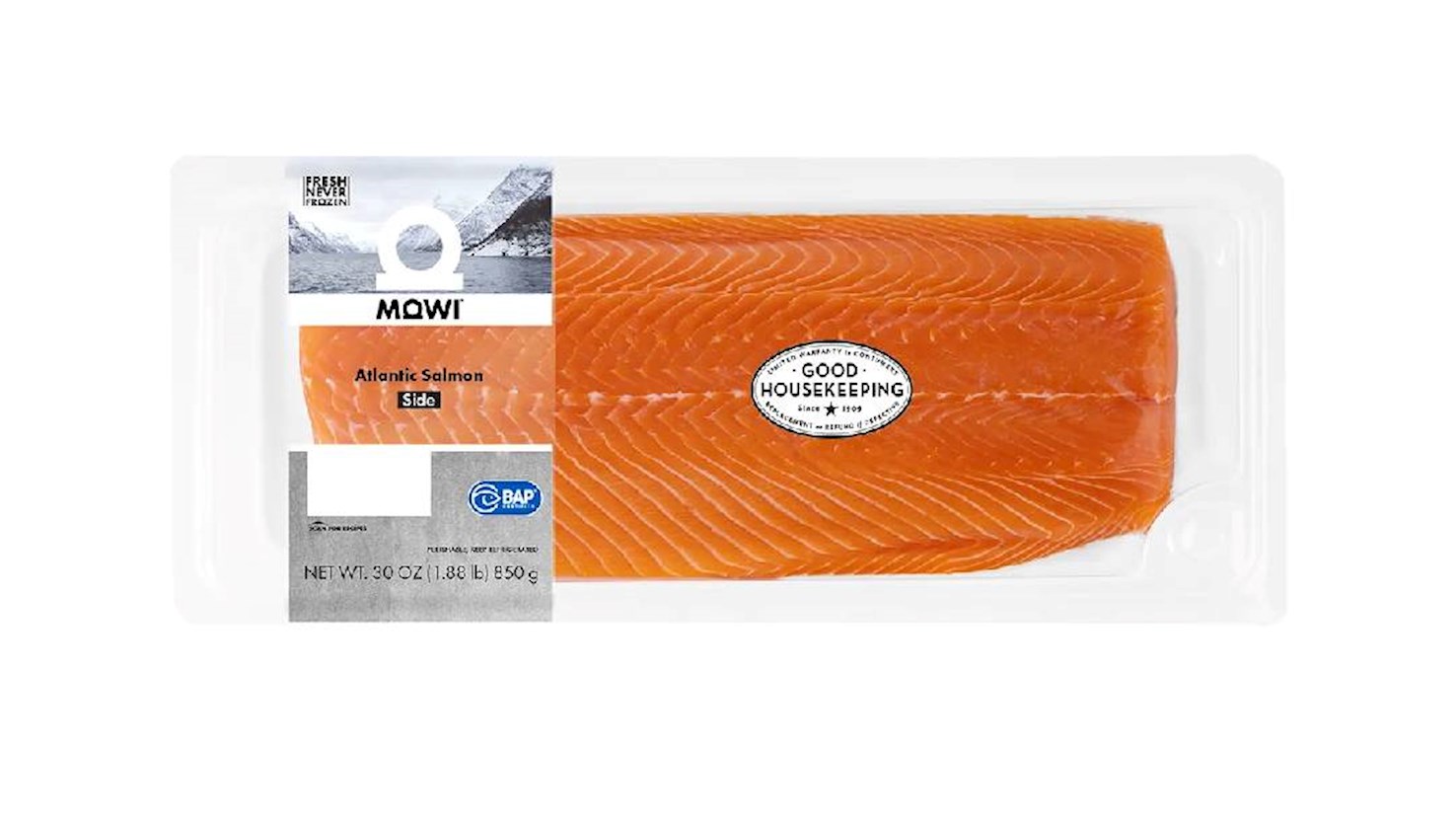
Mowi Canada West is a leading producer of Atlantic salmon in Western Canada, known for its strong commitment to sustainability and quality. Based in Campbell River, British Columbia, the company operates salmon farms along the coasts of British Columbia and Vancouver Island, producing approximately 23,000 tons of fresh and healthy Atlantic salmon annually. The company is dedicated to environmental stewardship, as demonstrated by the fact that all of its farms are certified by the Aquaculture Stewardship Council (ASC) and Best Aquaculture Practices (BAP).

These certifications reflect Mowi’s commitment to transparency, innovation, and reducing its environmental footprint. Mowi Canada West is part of Mowi ASA, the world’s largest producer of farm-raised Atlantic salmon, offering seafood products in more than 70 countries. Their mission is to lead the "blue revolution" by producing sustainable ocean-based food, providing consumers with high-quality products while protecting aquatic ecosystems.

02

Conservas Ramón Peña

5.0 ·

Established in Galicia, Conservas Ramón Peña specializes in gourmet offerings such as mussels, sardines, and tuna, sourced sustainably from the Atlantic Ocean. The brand’s products are hand-prepared and packed, following artisanal methods that enhance natural flavors and texture.

Their dedication to quality has made them a top choice for chefs and seafood enthusiasts worldwide. With a focus on flavor and heritage, Conservas Ramón Peña has earned a reputation as a luxury seafood brand representing Spanish gastronomic excellence​.

Awards
World's 101 Best Canned Products from the Sea - Top 10 Sardines (2024)
World's 101 Best Canned Products from the Sea - Top 10 Anchovies (2024)
03

Conservas Ortiz

5.0 ·

Conservas Ortiz is a prestigious Spanish company specializing in the production of high-quality canned seafood, with over 130 years of tradition. Founded in 1891, the company has become synonymous with top-notch quality and a passion for preserving the best fishing traditions.

All products are carefully processed using the oldest and most precise canning techniques, ensuring an unmistakable flavor and a high level of freshness. Ortiz is best known for its Bonito del Norte, one of the most highly regarded products in the industry. Additionally, their range includes anchovies, sardines, tuna, and other seafood products, all carefully selected and hand-packed to maintain their natural freshness and nutritional value.

Many of these products come in eco-friendly packaging, further emphasizing their commitment to sustainability and marine conservation.

Awards
World's 101 Best Canned Products from the Sea - Top 10 Anchovies (2024)
04

Grieg Seafood

5.0 ·

Grieg Seafood is one of the world’s leading producers of Atlantic salmon, committed to sustainable farming, innovation, and responsible stewardship of the environment. Their philosophy is centered on raising healthy, high-quality fish with minimal environmental impact, while actively supporting ocean conservation, local communities, and biodiversity. By combining modern technology with carefully monitored practices, Grieg Seafood ensures the highest standards of quality at every stage of production—from sea to table.

Transparency, accountability, and continuous improvement are at the core of their operations. More than just a producer, Grieg Seafood is a partner in building a sustainable future for ocean-based food, delivering delicious, nutritious products with care and respect for nature.

05

Cooke Aquaculture

4.9 ·

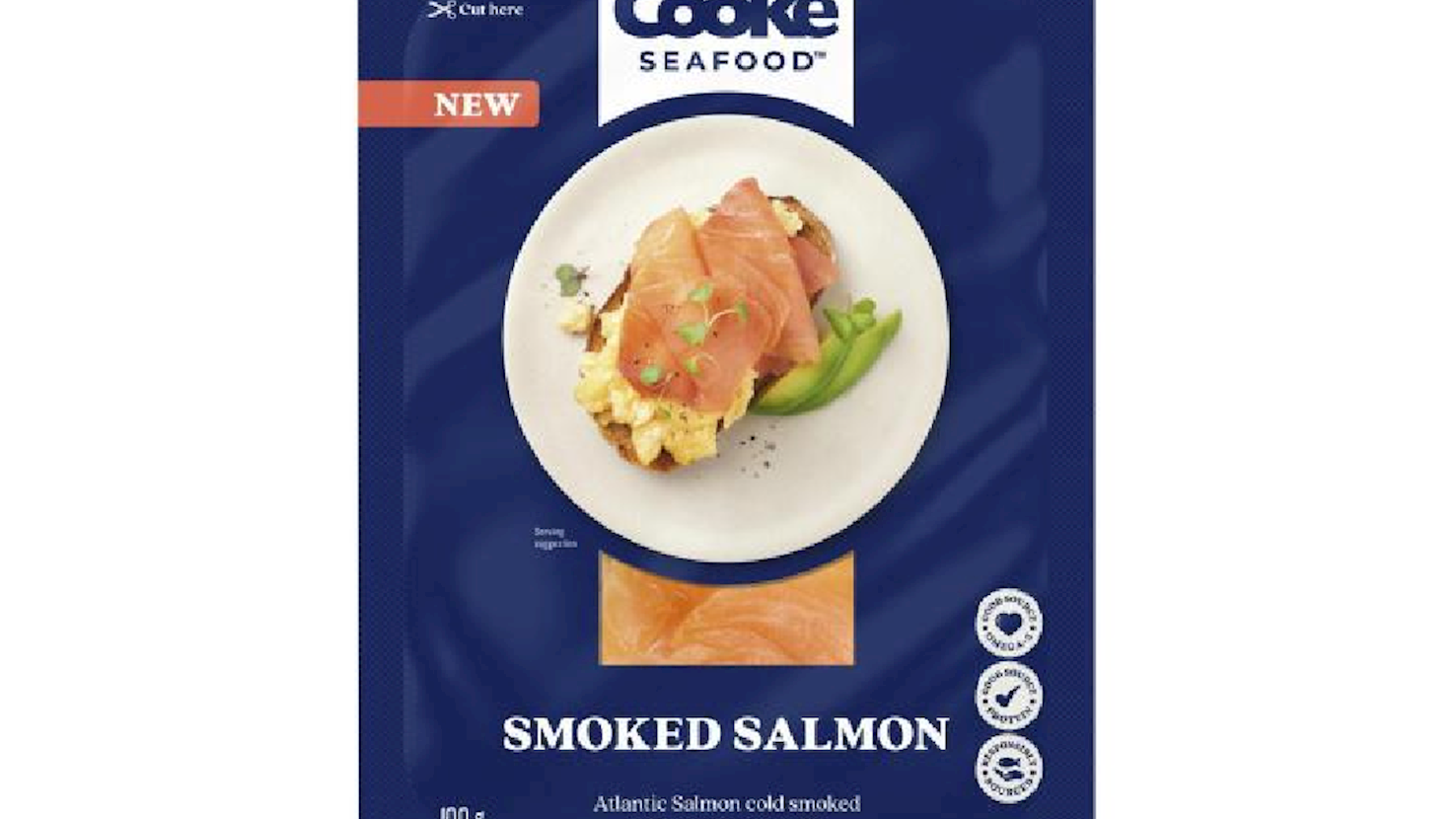
Cooke Aquaculture is a family-owned company with decades of experience dedicated to the sustainable farming of seafood. Their mission is rooted in delivering high-quality, fresh, and responsibly produced food from the ocean, with a strong commitment to environmental care and community partnership.

By combining modern technology with deep industry knowledge, Cooke Aquaculture maintains the highest standards throughout every stage of production—from farming to delivery. The company places strong emphasis on transparency, innovation, and continuous improvement to protect and preserve marine ecosystems.

At the heart of their philosophy is a simple belief: healthy fish come from a healthy environment. That’s why they rely on sustainable practices and close collaboration with local communities to create seafood that is not only delicious but also responsible.

Cooke Aquaculture is more than a producer—it’s a story of dedication, respect for nature, and a vision for the future of ocean-sourced food.

06

Barney Greengrass

4.8 ·

Barney Greengrass is one of New York City’s oldest and most respected appetizing institutions, founded in 1908 and closely associated with the Upper West Side. The business built its reputation on smoked and cured fish prepared according to traditional methods, with a strong emphasis on ingredient quality and precise handling.

It is especially known for smoked sturgeon - earning the nickname The Sturgeon King - alongside nova-style salmon, smoked whitefish, herring, trout, and a focused selection of caviar. Barney Greengrass operates as both a delicatessen and a sit-down restaurant, preserving an unadorned, time-capsule interior that reflects early 20th-century New York deli culture.

Service centers on classic pairings such as bagels, bialys, cream cheese, onions, and capers, without modern reinterpretation or stylistic embellishment. The preparation prioritizes balance, careful slicing, and restraint in salting and smoking rather than intensity.

This consistency has made Barney Greengrass a reference point for traditional Jewish appetizing craftsmanship. Today, it stands as a living expression of New York’s smoked fish heritage, valued for continuity, technique, and authenticity rather than reinvention.

07

Conservas Laurel

4.6 ·

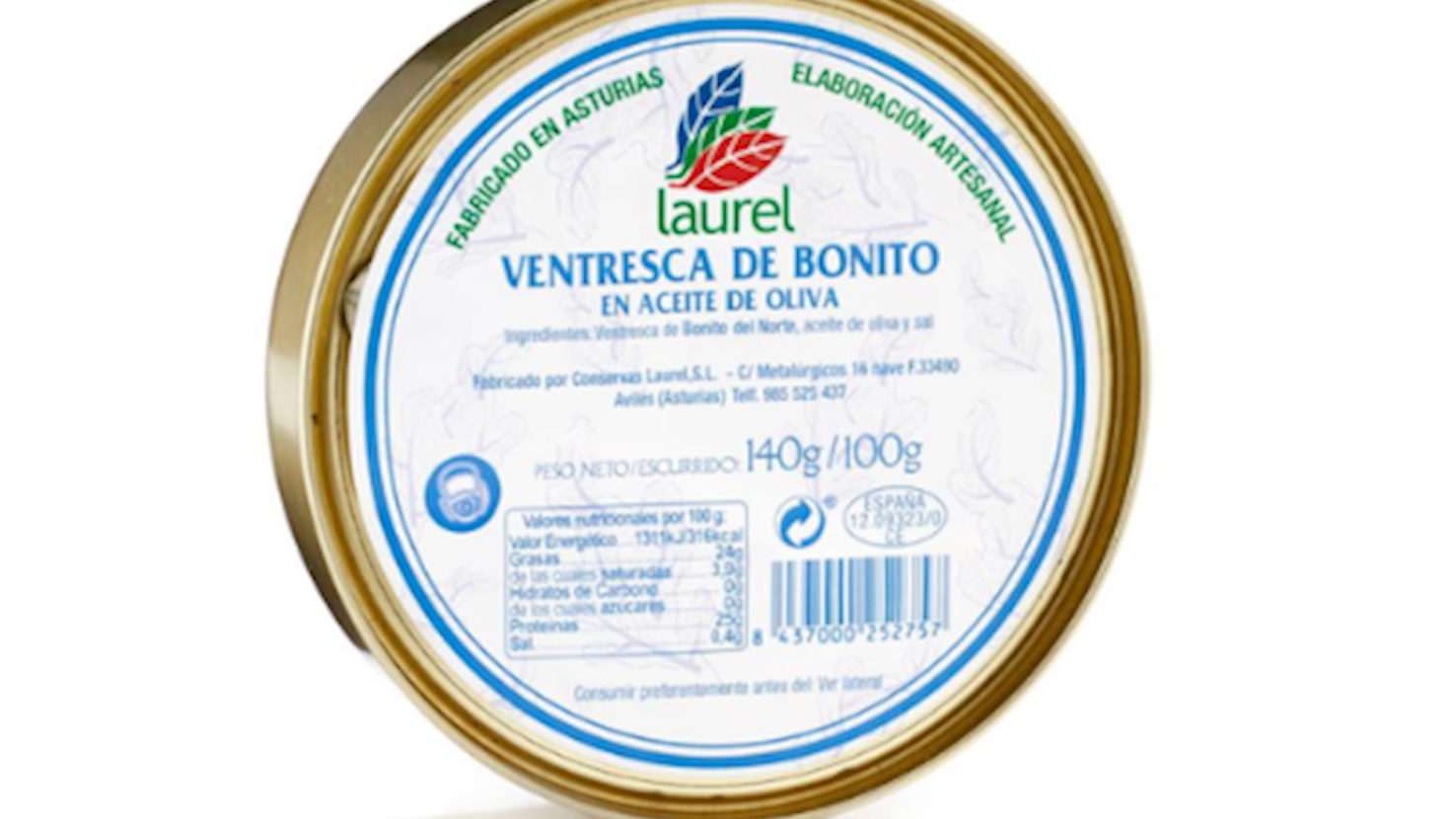
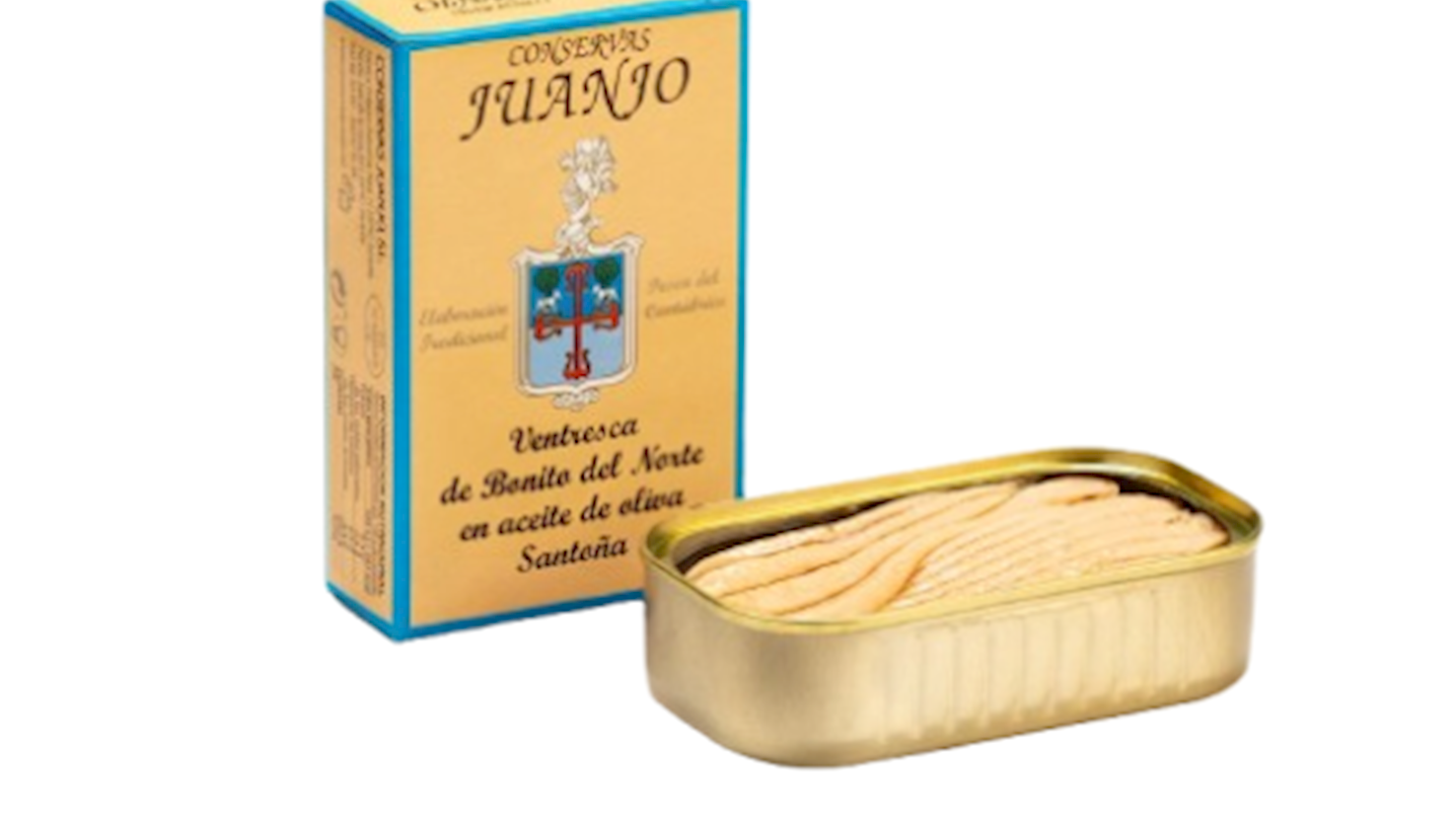
Conservas Laurel is a Spanish producer of canned seafood based in Cantabria, a region with a long-standing tradition of fish preservation and high-quality conservas. The company operates within the premium segment, focusing on carefully selected raw materials sourced from the Cantabrian Sea and processed to retain their natural characteristics.

Its production approach combines traditional techniques such as manual cleaning, filleting, and hand-packing with modern quality and safety standards. The product range includes anchovies, bonito del norte, tuna, mussels, clams, and other seafood specialties, with strong emphasis on origin and seasonality of the catch.

In the case of anchovies, the process involves salting and controlled maturation over several months, which contributes to a firm texture and a well-developed, balanced flavor. After processing, the products are typically preserved in olive oil or their own juices, ensuring stability without the need for additives.

Conservas Laurel is positioned within the gourmet market, where its products are valued for authenticity, traceability, and a low-intervention approach that highlights the quality of the raw ingredients.

08

Riga Gold

4.6 ·

Riga Gold is a distinguished canned fish brand from Latvia, representing a blend of rich tradition, artisanal craftsmanship, and modern quality standards. Owned by Gamma‑A, the leading producer of sprats and sardines in the Baltic region, Riga Gold has grown into one of the most recognized exporters of premium seafood delicacies from Northern Europe.

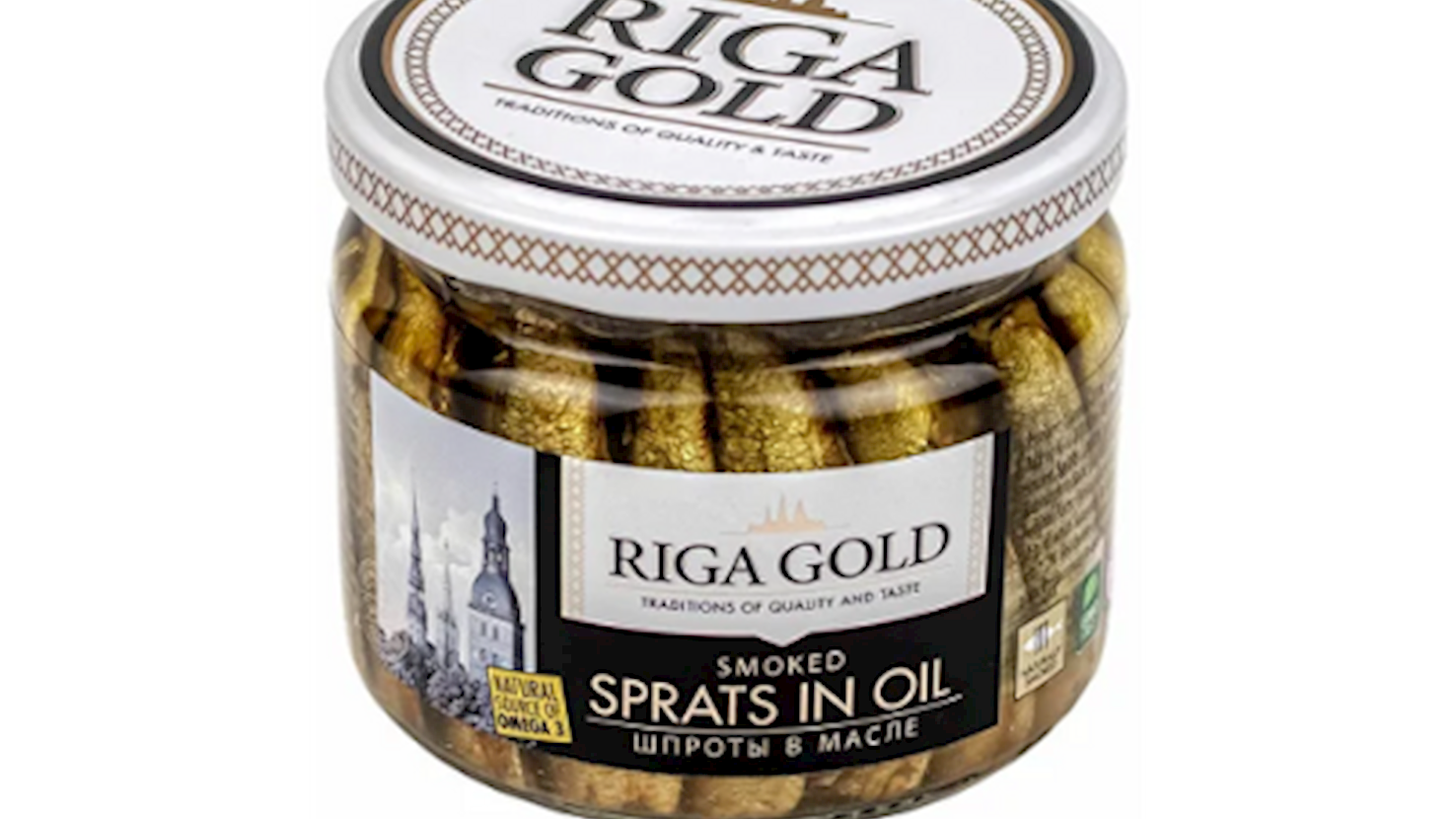
Their production process relies on traditional preservation methods - from the careful selection of freshly caught fish in the Baltic Sea, through meticulous manual processing, to smoking over natural alder wood, which gives the final products their characteristic aroma, golden-bronze color, and rich, layered flavor. The brand’s most iconic product is smoked sprats in oil, neatly arranged in tins or glass jars and preserved in vegetable or olive oil with a touch of sea salt. Riga Gold is widely respected for combining authentic recipes with high nutritional value.

Thanks to its consistent vision and exceptional quality, Riga Gold today holds a leading position among European canned fish brands, satisfying the tastes of even the most discerning consumers.

09

Shines Seafood

4.6 ·

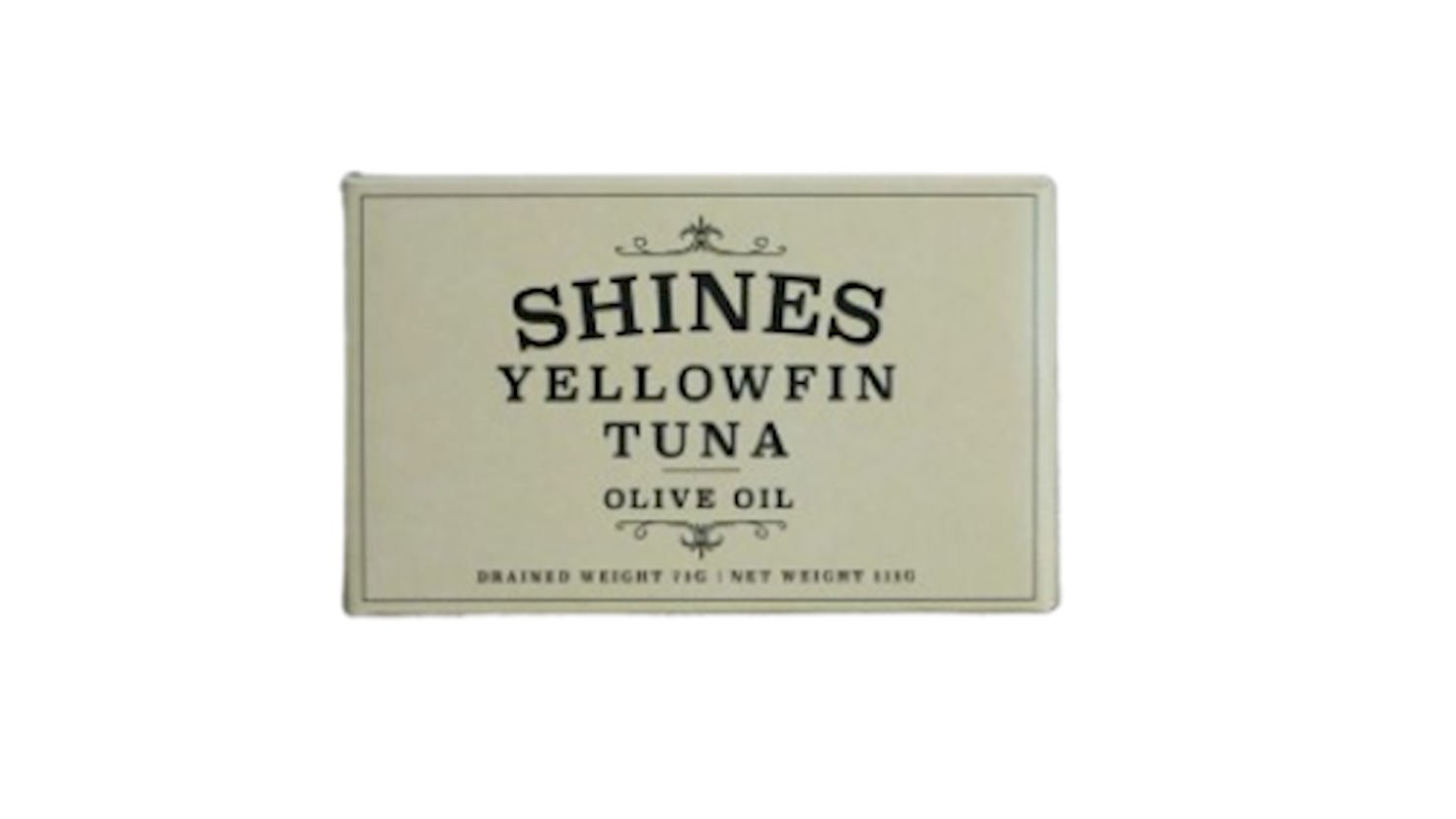
Shines Seafood is a family-run business based in Killybegs, County Donegal, Ireland. Specializing in wild-caught, sustainably sourced seafood, Shines Seafood offers an exquisite range of products, including tuna, sardines and mackerel.

Shines Seafood has built a reputation for high-quality, fresh seafood, with products that highlight the natural flavors of Irish waters. Their offerings, such as the famous Shines Wild Irish Tuna, come in a variety of packaging options, including jars of tuna in olive oil and sunflower oil, perfect for both everyday meals and gourmet dishes.

Awards
Great Taste Awards - 2 Stars (2022)
10

Bom Petisco

4.5 ·

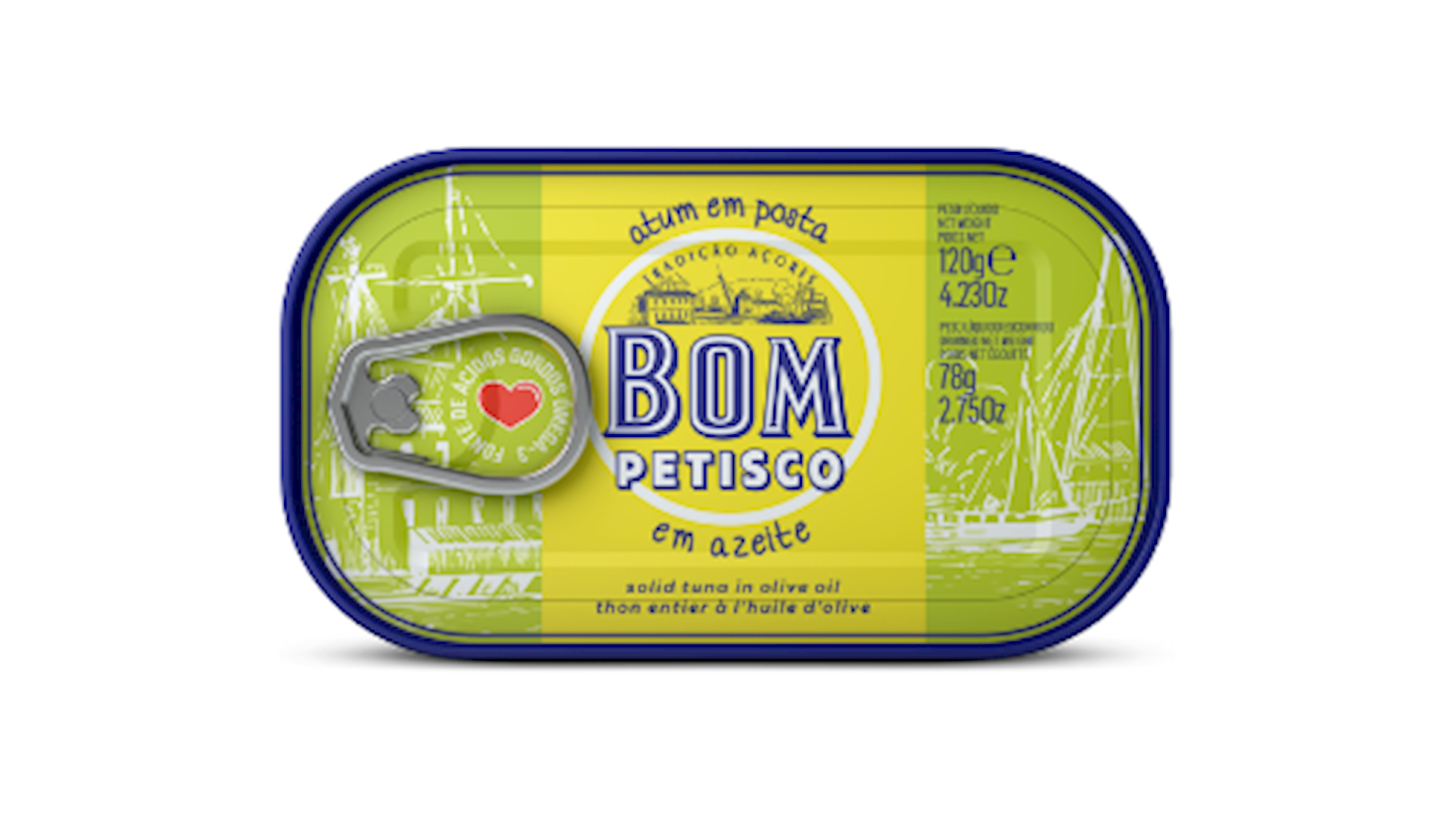
Bom Petisco is one of the most renowned Portuguese canned fish brands, with a tradition spanning over half a century. It was established in 1962 in the Azores archipelago under the umbrella of Cofaco Açores, a leading producer of canned tuna in Portugal.

The brand is a symbol of authentic Portuguese gastronomy and the country’s rich “conservas” culture. Its product range is led by tuna offerings - fillets in olive oil, with seasonings like oregano, curry, or chili peppers - as well as sardines in various preparations.

The fish is caught in the Atlantic, carefully processed using heat, and canned without artificial additives, preserving full flavor and natural nutritional value. In collaboration with chefs and designers, the brand develops innovative recipes that elevate canned fish to a gourmet level.

Bom Petisco is a staple of the Mediterranean diet and is commonly enjoyed in salads, pastas, sandwiches, or as a ready-to-eat meal. Its cans have become a recognizable symbol of Portuguese culinary lifestyle.

Today, Bom Petisco is present in many international markets, serving as an ambassador of Portuguese quality and taste.

About this ranking

TasteAtlas food rankings are based on the ratings of the TasteAtlas audience, with a series of mechanisms that recognize real users and that ignore bot, nationalist or local patriotic ratings, and give additional value to the ratings of users that the system recognizes as knowledgeable. For the “Top 86 Fishes in the World” list until July 29, 2026, 1,528 ratings were recorded, of which 1,036 were recognized by the system as legitimate. TasteAtlas Rankings should not be seen as the final global conclusion about food. Their purpose is to promote excellent local foods, instill pride in traditional dishes, and arouse curiosity about dishes you haven’t tried.

The initial list of top producers was compiled based on available reviews, awards, local recommendations, media and blog coverage, and consumer reviews. The list will be updated with ratings from TasteAtlas local ambassadors and TasteAtlas users.

Similar lists