



shutterstock

Top 5 Fish Soups
in East Asia

Last updated on June 15, 2026
01

Chueotang

3.1 ·

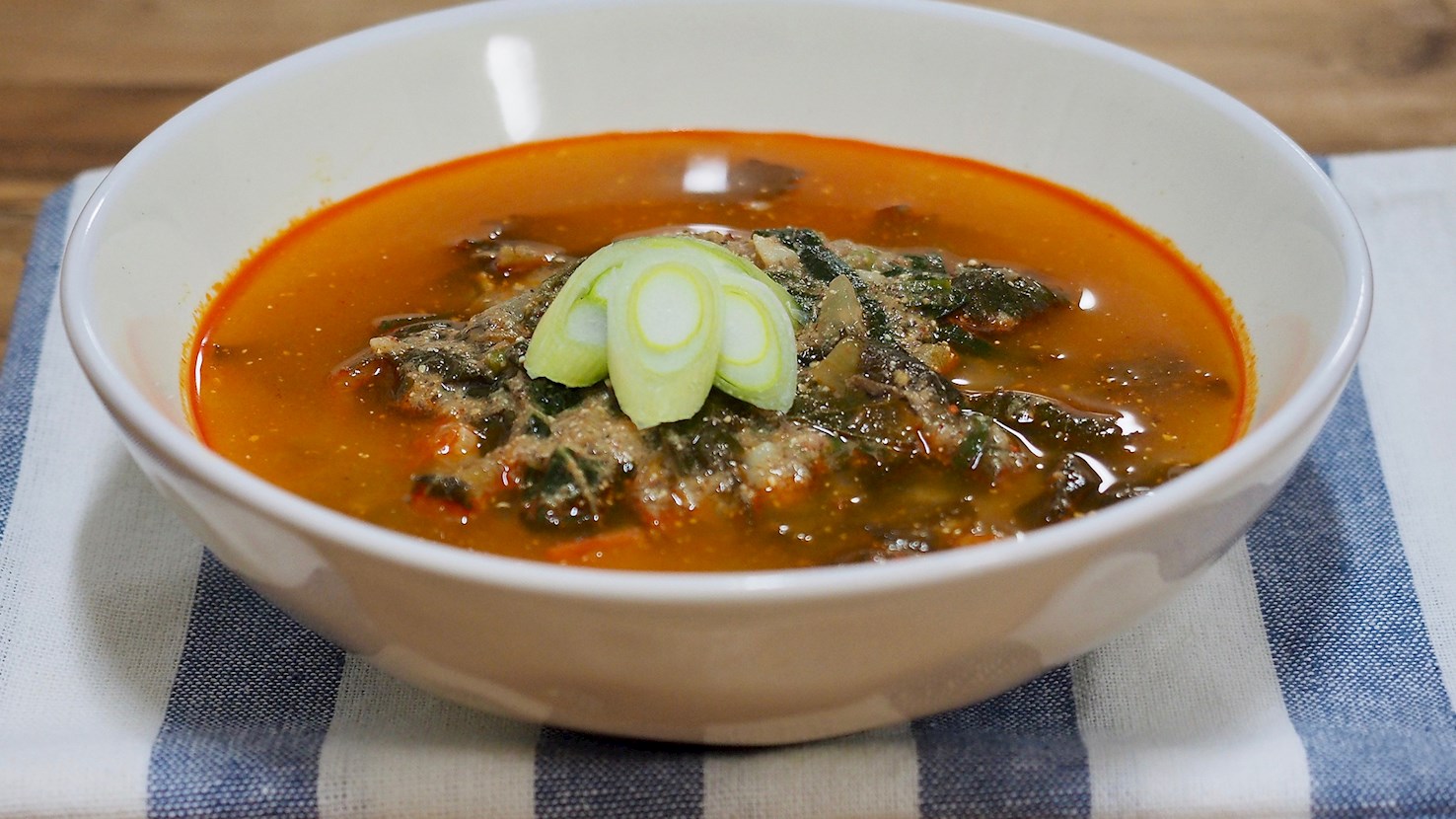
This hearty Korean soup consists of mudfish (loach), chili paste, soybean paste, and ginger, while the most common additions include various green vegetables such as mustard greens, scallions, and cabbage. In Seoul, the soup is prepared with the whole fish, but the most popular version comes from Namwon where the mudfish is typically ground. Chueotang is praised for its health benefits and is best consumed from July throughout November when the mudfish are in season. It usually comes served with rice and traditional Korean side dishes (banchan).

02

Yu chi geng (Shark fin soup)

2.9 ·

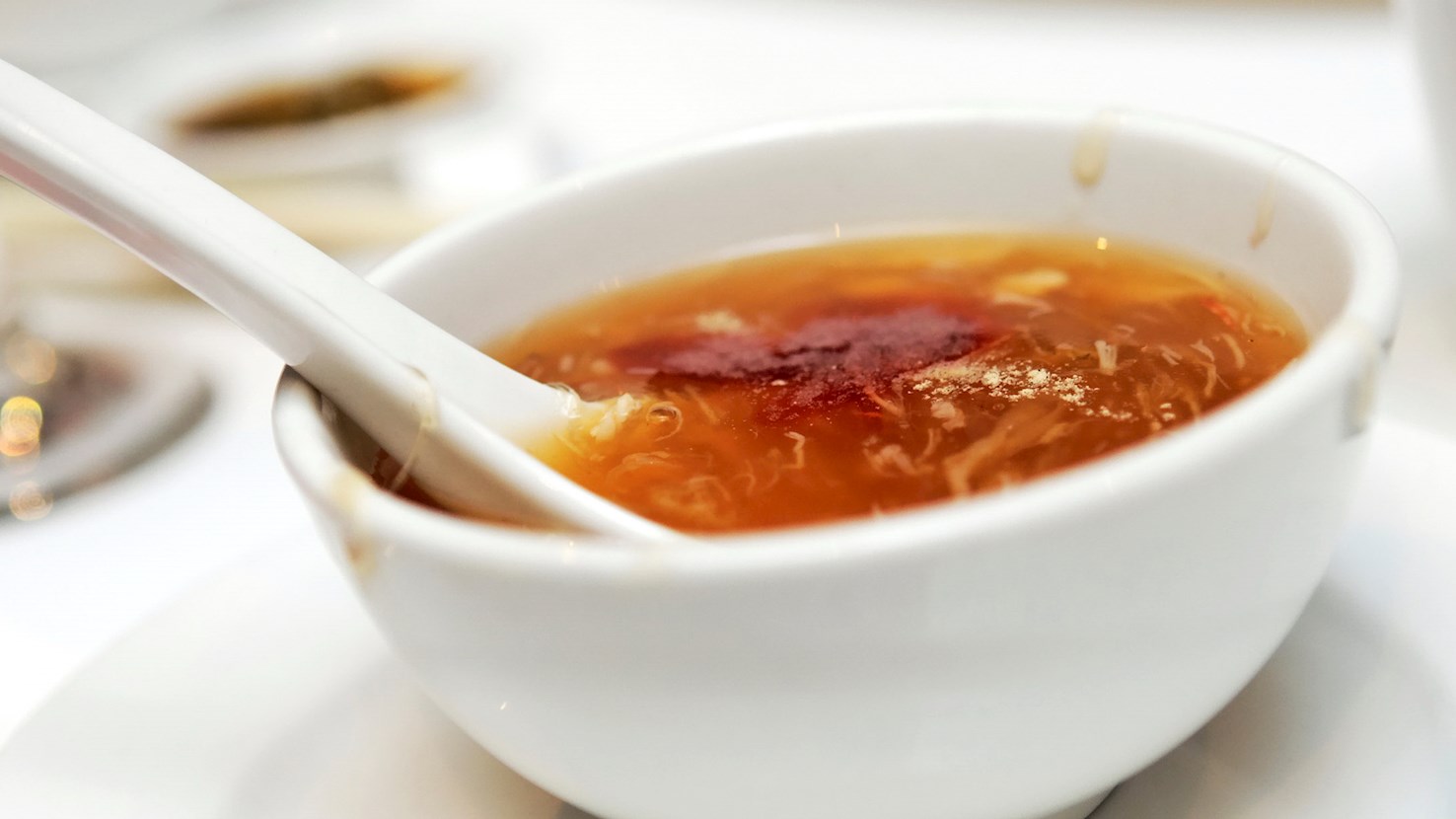
Shark fin soup is a controversial soup with Chinese origins, made with shark fins and flavored with chicken or another type of stock. Shark fin is slightly neutral in flavor, and is used in the dish to add texture. It is believed that the first shark fin soup was invented by an emperor during the time of the Sung Dynasty who wanted to show off his power, wealth, and generosity to his guests. Because of that, preparing and serving this expensive dish is now considered a sign of respect. Today, the soup is a part of the Big 4, dishes that represent health and prosperity in Chinese culture, which are usually reserved for special occasions, the other three being abalone, sea cucumber, and fish maw. Shark fin soup is also a status symbol, with bowls of it ranging from $5 to $2,000, depending on the type of shark fin served in the soup. However, due to the shark finning process and the inhumane treatment of sharks which are finned alive and left in the ocean unable to swim or survive, shark fin soup is considered one of the major threats to the world's shark populations, and some organizations are still actively discouraging the consumption of this flavorful, yet controversial Chinese delicacy.

03

Taedong River Grey Mullet Soup

n/a ·

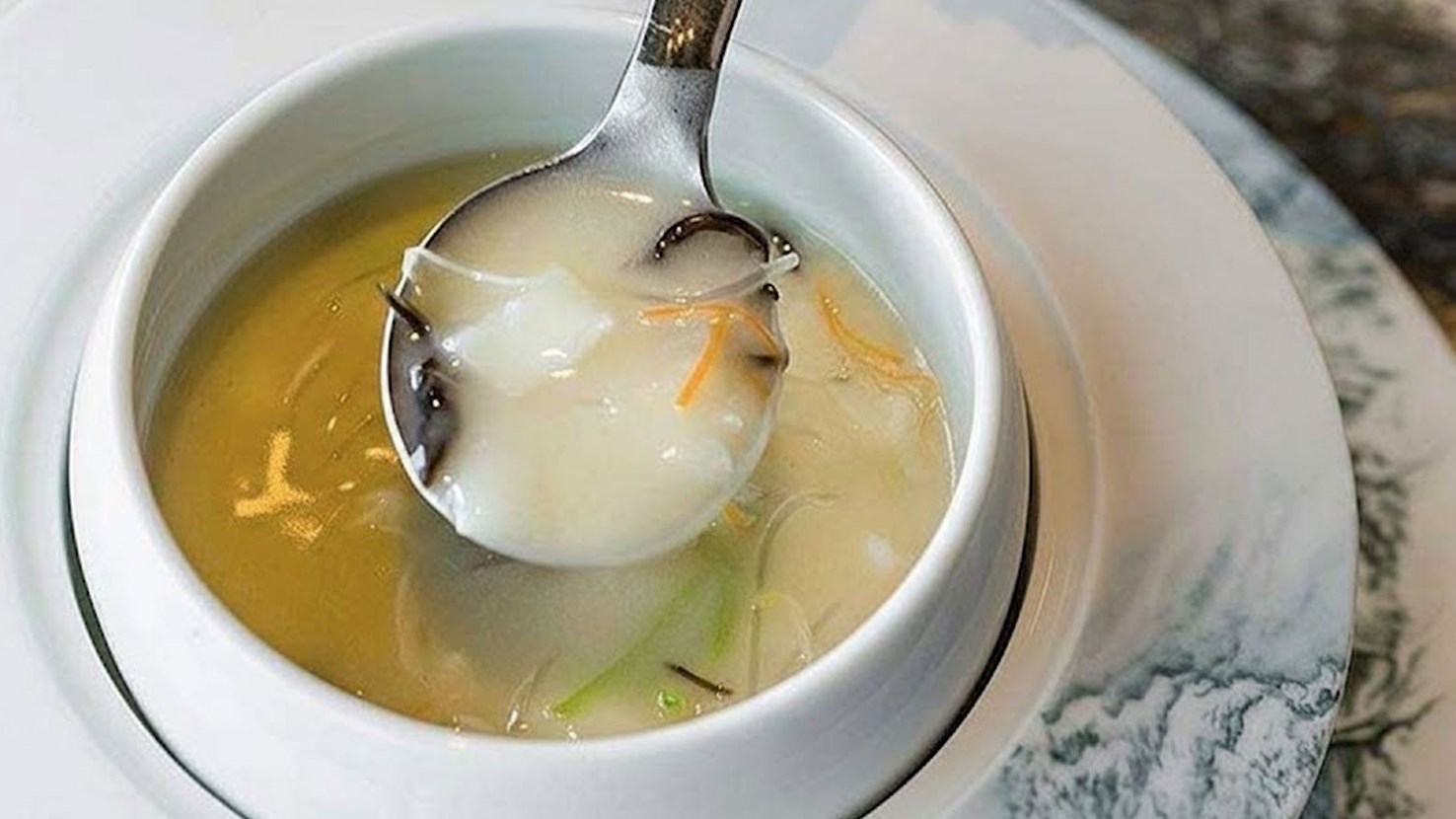
Taedong River grey mullet soup is a traditional clear soup that features pieces of flathead grey mullet. To make the soup, the cleaned fish (with skin intact) are cut into small pieces and salted before being boiled in water seasoned with black pepper and soy sauce. Once done, the clear broth with chunks of fish can be seasoned with additional salt and soy sauce, depending on individual preferences. The soup is then poured into serving bowls and sprinkled with chopped scallions or cilantro on top, and it is typically enjoyed while still hot, with various accompaniments such as garlic, peppers, tofu, or red bean paste. Flathead grey mullet was once abundant in the waters of the Taedong River, which flows through the country’s capital, Pyongyang, where this simple dish has been a part of the traditional local cuisine.

04

Fugu chiri

n/a ·

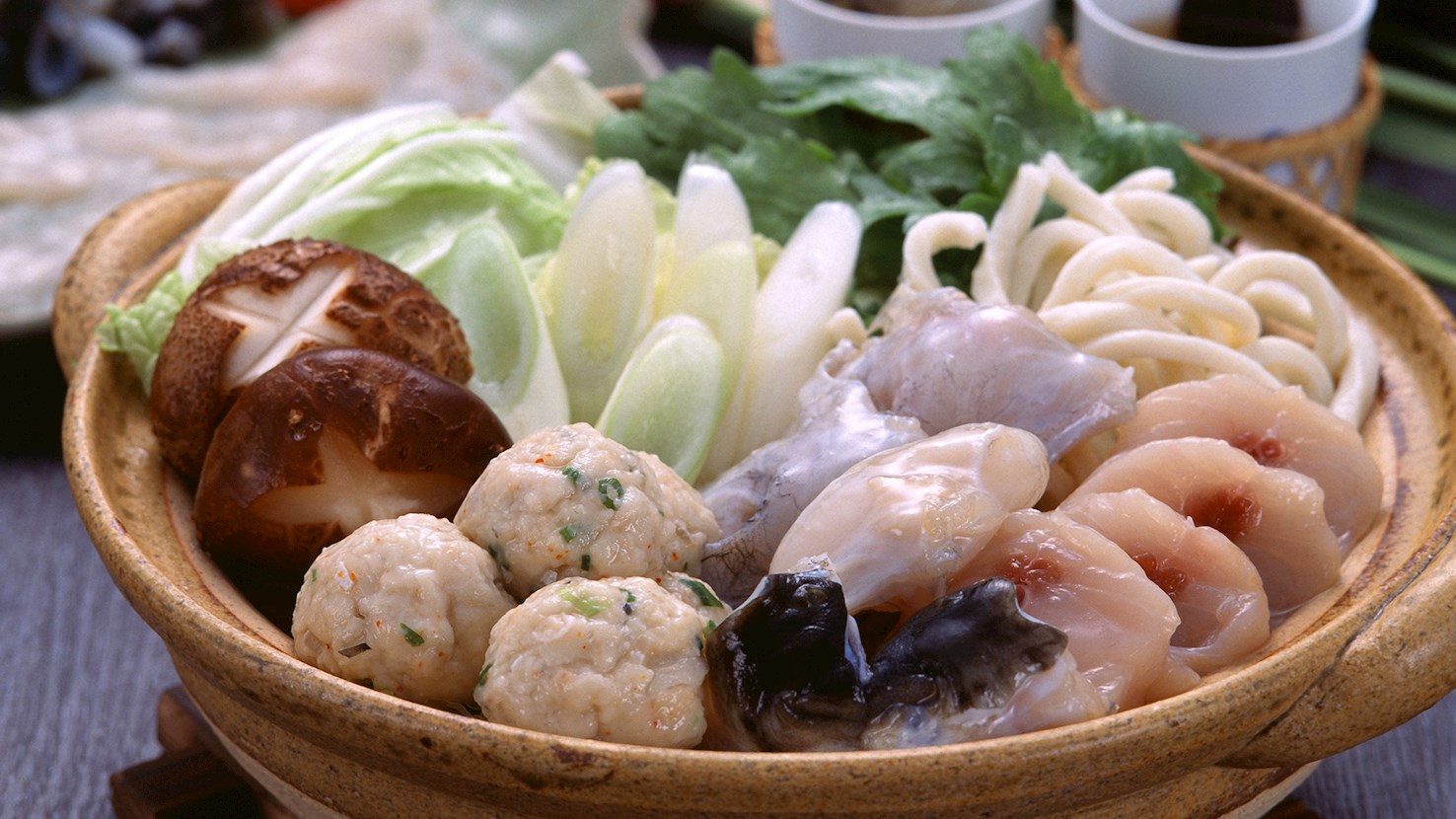
Also known as tetchiri and prepared hotpot-style, fugu chiri is a Japanese dish that consists of large chunks of fugu - a fish infamous for its poisonous parts, along with vegetables such as cabbage, mushrooms, and leeks. The dish is usually prepared tableside, and after it is cooked, the delicate fish parts are taken out from the broth, dipped in soy sauce, and eaten.

05

Sòngsǎo yúgēng (Sister Song's fish soup)

n/a ·

Sòngsǎo yúgēng is a fish soup from Hangzhou in Zhejiang Province, prepared with freshwater fish, sticky rice flour, ginger, and mild seasonings that create a pale, smooth, slightly thickened broth. It originates from the West Lake area, where grass carp, mandarin fish, and other freshwater species were widely available and formed the basis of many local dishes emphasizing delicacy and balance. The dish became connected to urban Hangzhou cooking during the late Qing and early Republican periods, when teahouses and small food stalls incorporated lightly thickened fish soups into their menus. Its name reflects a long-circulated local account about a woman known as Song Sao, described in Hangzhou food writings as a cook who sold fish soup near West Lake. Her preparation gained a reputation for clarity and careful seasoning, and later culinary texts began using her name to identify the dish, embedding a direct link between the soup and a figure recognized within local food culture. Preparation starts with selecting a fresh white-fleshed fish, commonly grass carp, which is cleaned and sliced into thin pieces. The head and bones are simmered to form a light, clear stock. The fish slices are added toward the end of cooking to maintain tenderness. Sticky rice flour, mixed with water to form a slurry, is poured into the broth to create a smooth, cohesive texture without muting the flavor of the fish. Ginger, Shaoxing wine, and a small amount of sugar or salt are added to build aroma and balance. The soup simmers briefly until it takes on a uniform, velvety consistency and the fish becomes opaque. The dish is eaten hot, served in restaurants throughout Hangzhou and prepared in homes where gentle-flavored soups are favored for family meals or multi-course gatherings. It pairs well with steamed rice, lightly seasoned vegetable dishes such as stir-fried water bamboo or snow vegetable, and complements beverages like lightly brewed Longjing tea or mild rice wines whose subtle aromatics align with the soup’s restrained flavor.

About this ranking

TasteAtlas food rankings are based on the ratings of the TasteAtlas audience, with a series of mechanisms that recognize real users and that ignore bot, nationalist or local patriotic ratings, and give additional value to the ratings of users that the system recognizes as knowledgeable. For the “Top 5 Fish Soups in East Asia” list until June 15, 2026, 70 ratings were recorded, of which 59 were recognized by the system as legitimate. TasteAtlas Rankings should not be seen as the final global conclusion about food. Their purpose is to promote excellent local foods, instill pride in traditional dishes, and arouse curiosity about dishes you haven’t tried.

Similar lists