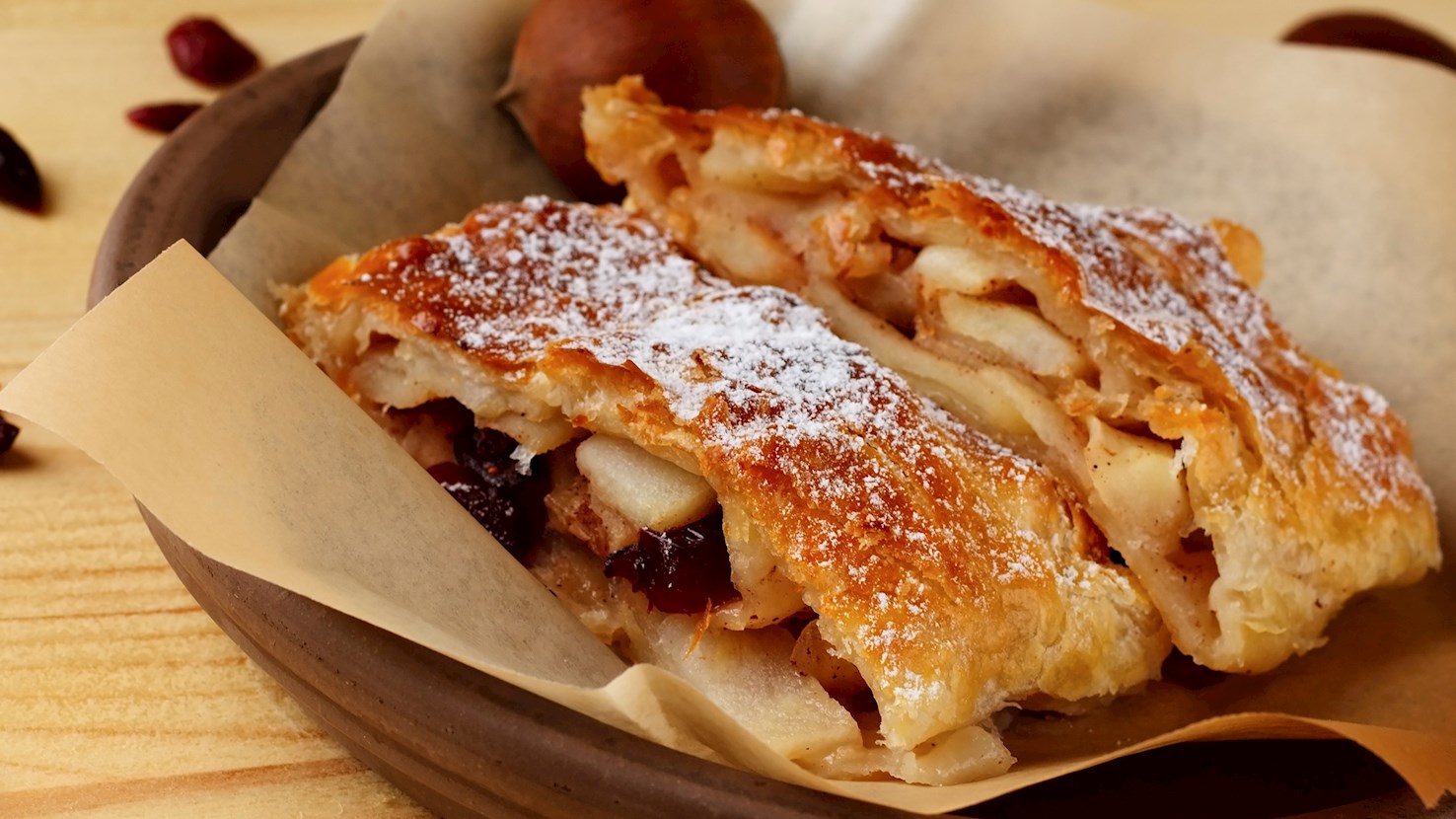
A traditional pastry dessert with a rich and vivid history, apfelstrudel (apple strudel) is one of Austria's most popular delicacies. This sweet treat consists of thin layers of dough filled with a flavorful apple filling. Its story starts with the invention of baklava, a filo pastry popular in the Balkans and the Middle East. Since baklava requires very thin dough, similar to strudel, the technique was likely perfected by either the Ottomans or the Greeks. It is believed that strudel arrived in Hungary first, then Austria, due to the fact that the Ottomans had constant interactions with the Habsburgs. The oldest known recipe for strudel dates back to 1696, while other varieties, such as the apple strudel recipe, date back to the 1800s. Some claim that the dish was invented in Vienna for the Emperor of Austria and the rest of high society. Depending on the recipe, the filling may additionally include raisins, cinnamon, rum, and nuts such as almonds or walnuts. It is recommended to serve the strudel warm, straight from the oven, accompanied by a scoop of vanilla ice cream, a dollop of whipped cream, or vanilla sauce.
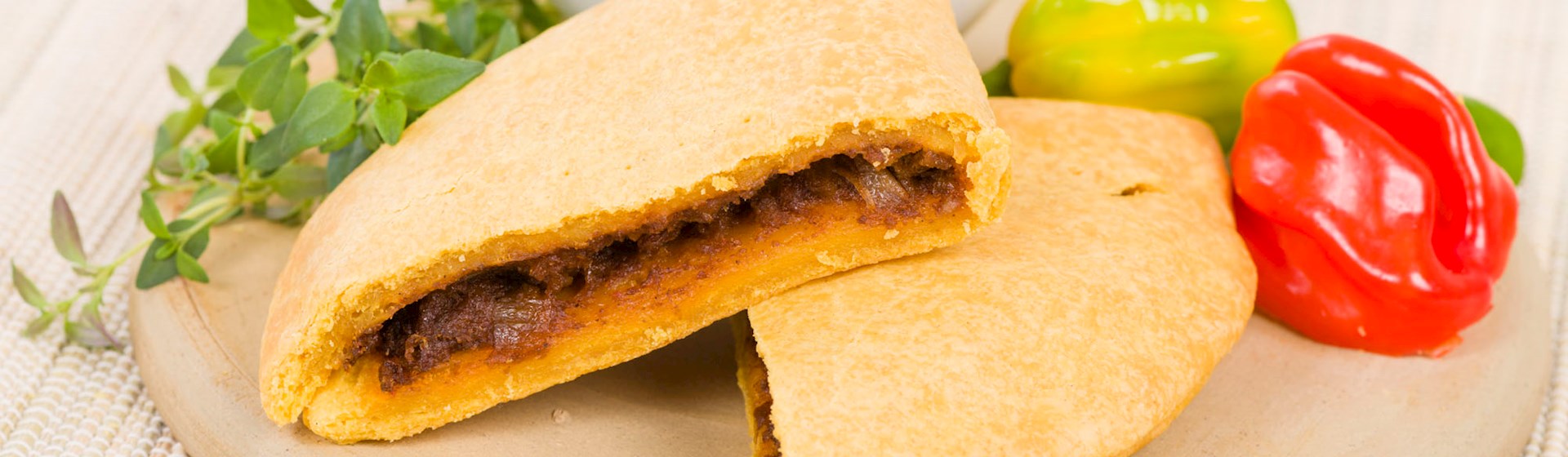
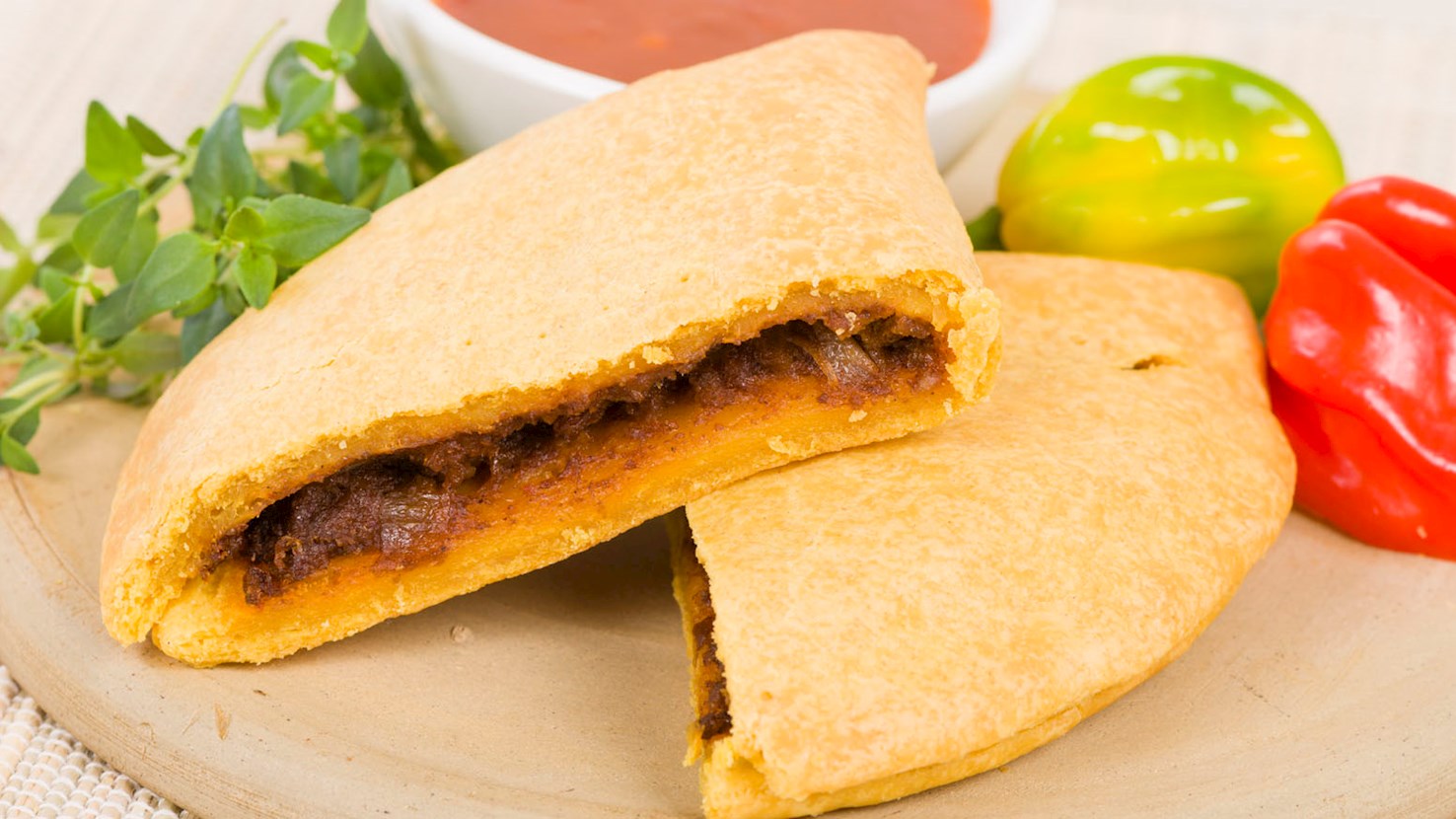
A Jamaican patty is a baked, handheld pastry filled with seasoned meat, vegetables, or seafood and enclosed in a flaky, yellow-tinted crust. It is one of the most recognizable foods of Jamaica and is widely eaten across the Caribbean and in Jamaican communities abroad. The distinct yellow color of the crust comes from turmeric or curry powder, and the filling is defined by a blend of Jamaican spices, including allspice, thyme, Scotch bonnet pepper, and scallion. Patties are commonly sold by bakeries, street vendors, and small shops, where they serve as an everyday meal or snack. The development of the Jamaican patty reflects several culinary influences that converged on the island. British settlers introduced meat pies, which inspired the concept of a seasoned filling wrapped in pastry. African cooking practices contributed techniques for seasoning and slow-cooking meat with spices and herbs. Indian indentured laborers brought curry powder and turmeric, which influenced both the color and flavor profile of the crust and fillings. Ingredients such as Scotch bonnet pepper, thyme, and allspice reflect local Jamaican agriculture and spice preferences. These elements gradually blended over the nineteenth and early twentieth centuries, and the patty emerged as a standardized street food item in urban areas such as Kingston, where bakeries refined the crust and expanded the variety of fillings. Preparation begins with making the dough, which combines flour, cold fat such as butter or shortening, turmeric or curry powder for color, salt, and water. The fat is cut into the flour to create a flaky texture similar to puff or shortcrust pastry. The dough is chilled, rolled out, and cut into circles or half-moon shapes. The filling typically consists of ground beef cooked with onion, garlic, thyme, Scotch bonnet, allspice, and breadcrumbs or flour to bind the mixture. Other fillings may include chicken, saltfish, shrimp, callaloo, vegetable mixes, or cheese. The filling is placed onto a piece of rolled dough, folded over, and sealed by crimping or pressing the edges. The patties are then baked until the exterior becomes crisp and golden. Jamaican patties are eaten throughout Jamaica in homes, schools, bakeries, and street stalls. They are widely consumed as a quick lunch or snack and are often served inside coco bread to make a more filling sandwich. Outside Jamaica, they are popular in Trinidad, Barbados, Guyana, Canada, the United Kingdom, and the United States, where Jamaican bakeries and restaurants prepare them with both traditional and expanded fillings. Common beverage pairings include ting, ginger beer, kola champagne soda, sorrel drink, fruit punches, and cold beer. The patty remains one of Jamaica’s most accessible and widely exported foods, valued for its portability, distinct flavor, and consistent preparation style.
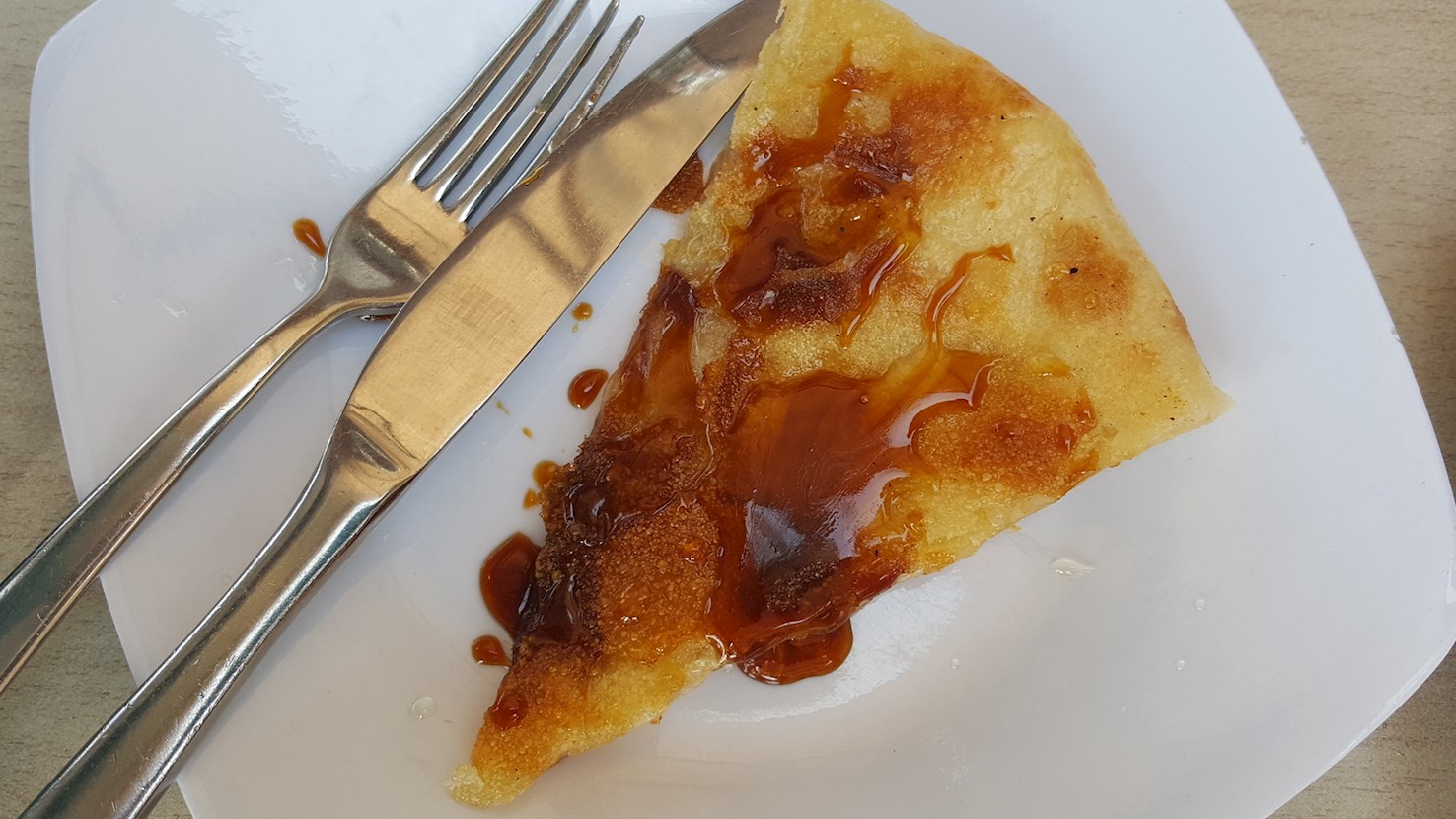
Fetir meshaltet is an Egyptian delicacy consisting of flaky layered pastry which can be plain or filled with various sweet or savory ingredients such as ground beef, cheese, halwa, chocolate, or raisins. The dish dates back to the time of the pharaohs, when it was often used in temples as an offering to Gods. Nowadays, it is traditionally prepared and consumed for religious holidays, weddings, and similar social events, but the pastry is especially important as a symbol of hospitality. Plain fetir meshaltet is served with sweet and savory sides such as fruit jams, honey, cheese, and green olives, the savory filled version is served with sliced tomatoes, cucumbers, and a cup of tea, while the sweet-filled version is commonly served on its own or with fruit jams and cream. Although there are many Egyptian restaurants that serve this pastry, it is said that the best fetirs are made by farmers' wives in the countryside.
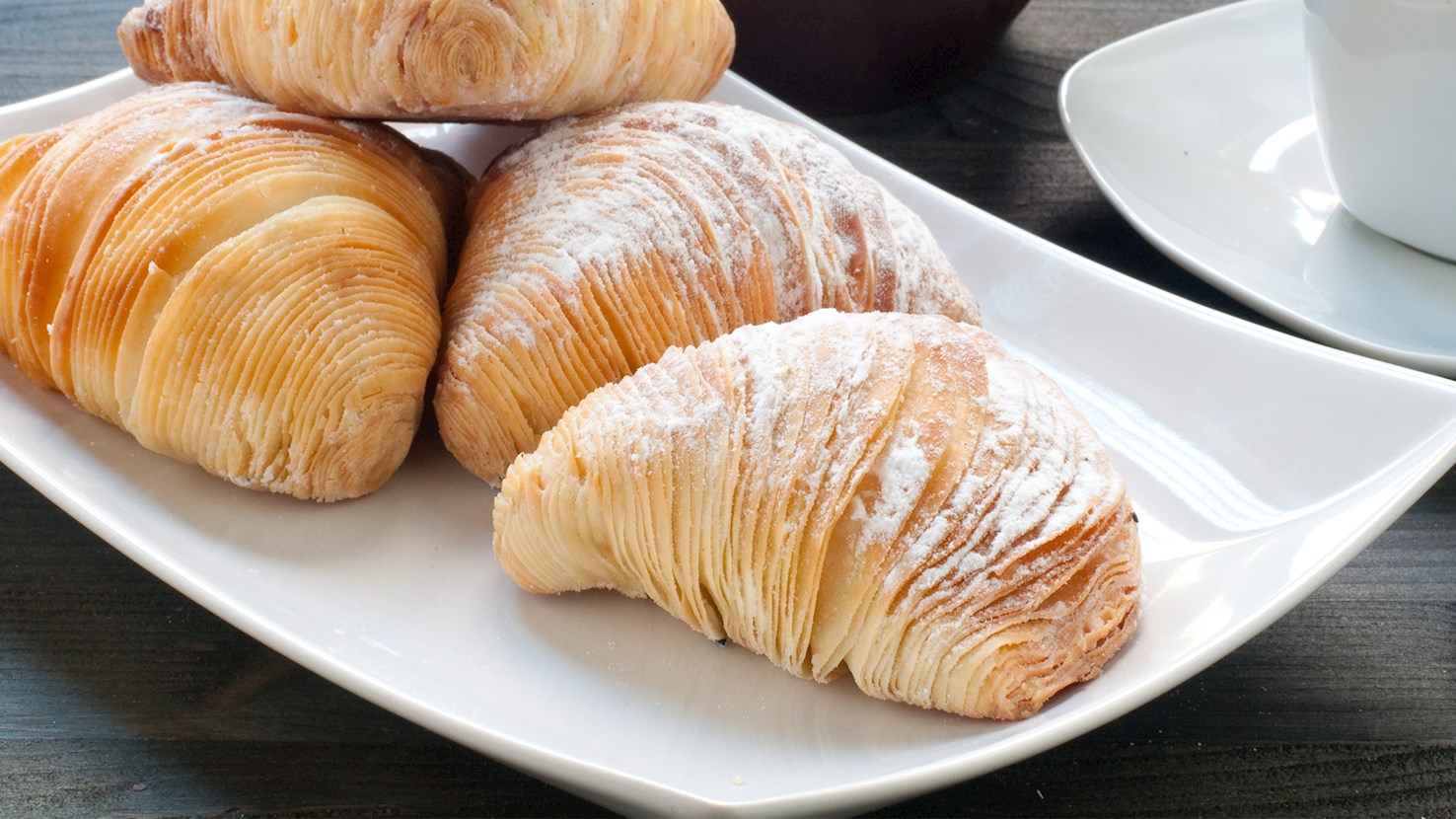
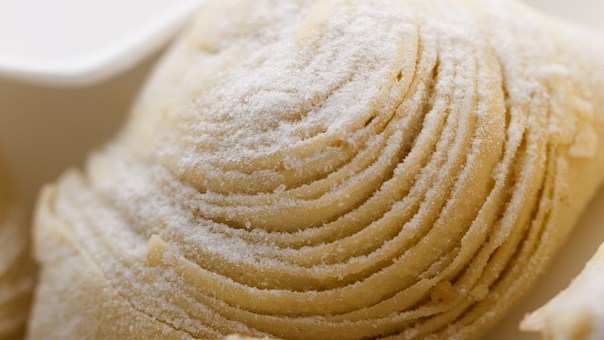
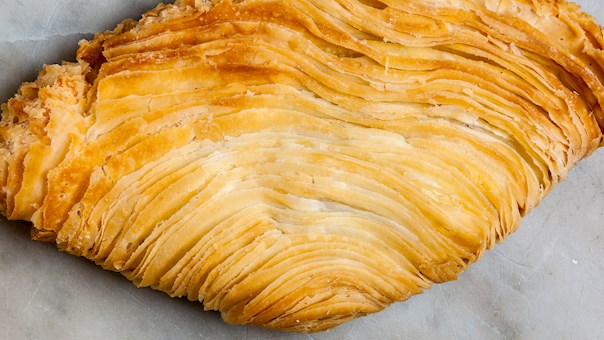
Sfogliatella is one of the most famous Italian pastries, with many regions offering their spin on the recipe. Although traditionally associated with Naples, it is believed that the original sfogliatella was invented around 1700 on the Italian Amalfi Coast, as a creation of nuns from the Santa Rosa monastery. This version was filled with luscious custard cream and black cherries preserved in syrup, and although the nuns were forbidden to have contact with the external world, the recipe was somehow obtained by a Neapolitan chef who started preparing his variety of these delicious sweets which soon became a Naples favorite. Nowadays, they are offered in two main varieties: riccia and frolla. Sfogliatella riccia is regarded as the traditional and the most common variety. It is an elaborate dessert made with multiple layers of paper-thin dough arranged in a clam-shaped pocket, filled with a delicious cream made with semolina, water, ricotta, sugar, eggs, cubed candied fruit, cinnamon, and a pinch of salt. Sfogliatella frolla has the same filling, but it is round-shaped and made with shortcrust pastry. Another version of this dessert is coda d’aragosta, literally meaning lobster tail, filled with pastry cream. It is a very popular dessert in the United States, with their version typically being much larger than the original. Traditionally, sfogliatella should always be served freshly prepared, while still crispy, preferably warm and dusted with powdered sugar.
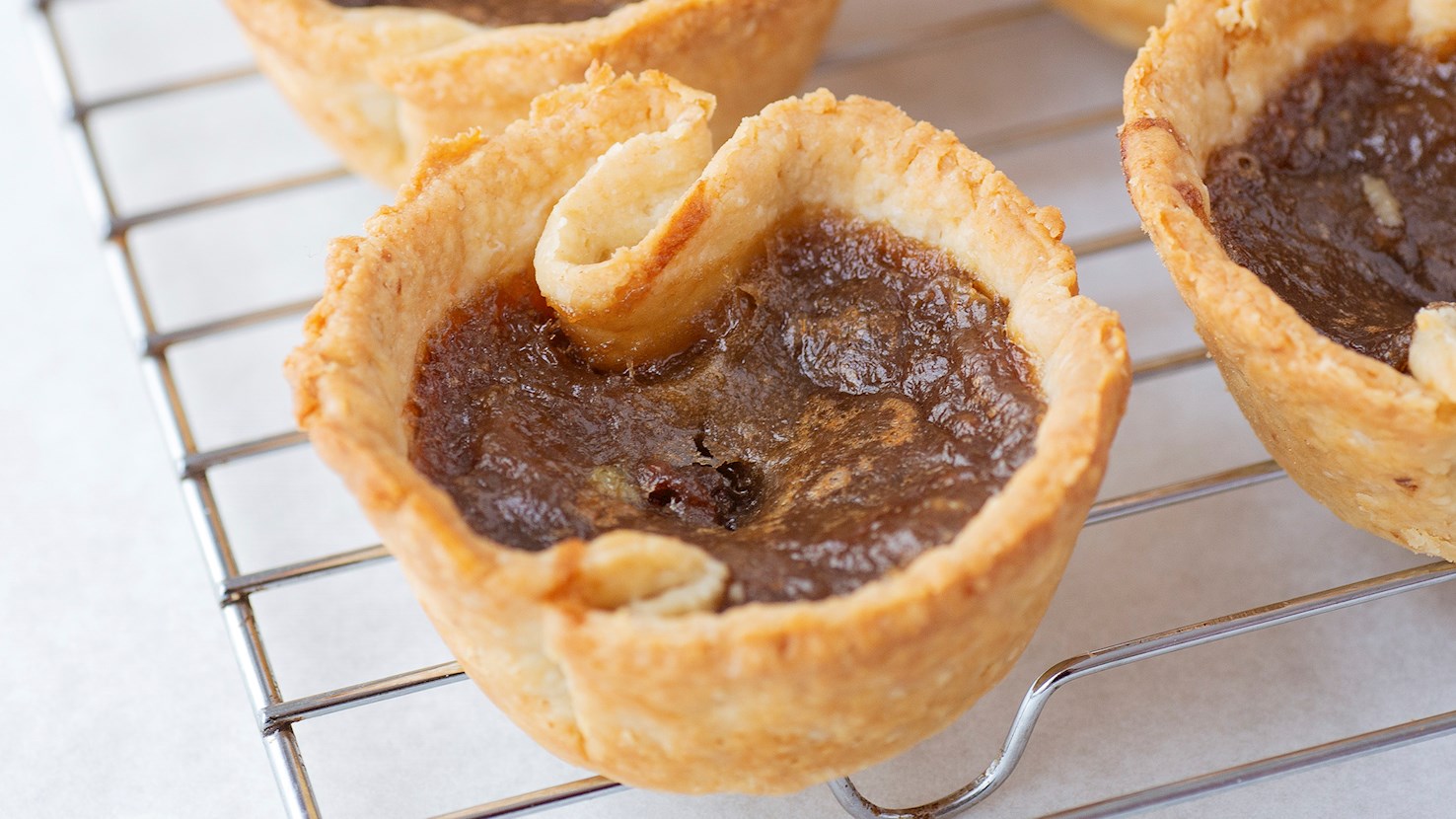
Butter tart is a humble food that achieved iconic status in early 20th-century Canada. The filling is traditionally made with a combination of walnuts, eggs, brown sugar, butter, and white vinegar, and it's then placed into small, flaky, deep or shallow tart shells before baking. Early versions of the recipe, dating back to 1915, suggest that currants and raisins should also be included in the mixture. There are lots of theories about the origin of the tart – some say that it is related to pecan pie, which was brought to the country by American slaves, some say it evolved from Quebec's sugar pie, while others say it's linked to Border Tarts from southern Scotland. Regardless of their origin, butter tarts are nowadays especially popular in the provinces of Ontario and Nova Scotia. The color of baked tarts depends on the darkness of the brown sugar used, and the filling on the interior can be either solid or runny (for a runny tart, the cooking time is shortened).
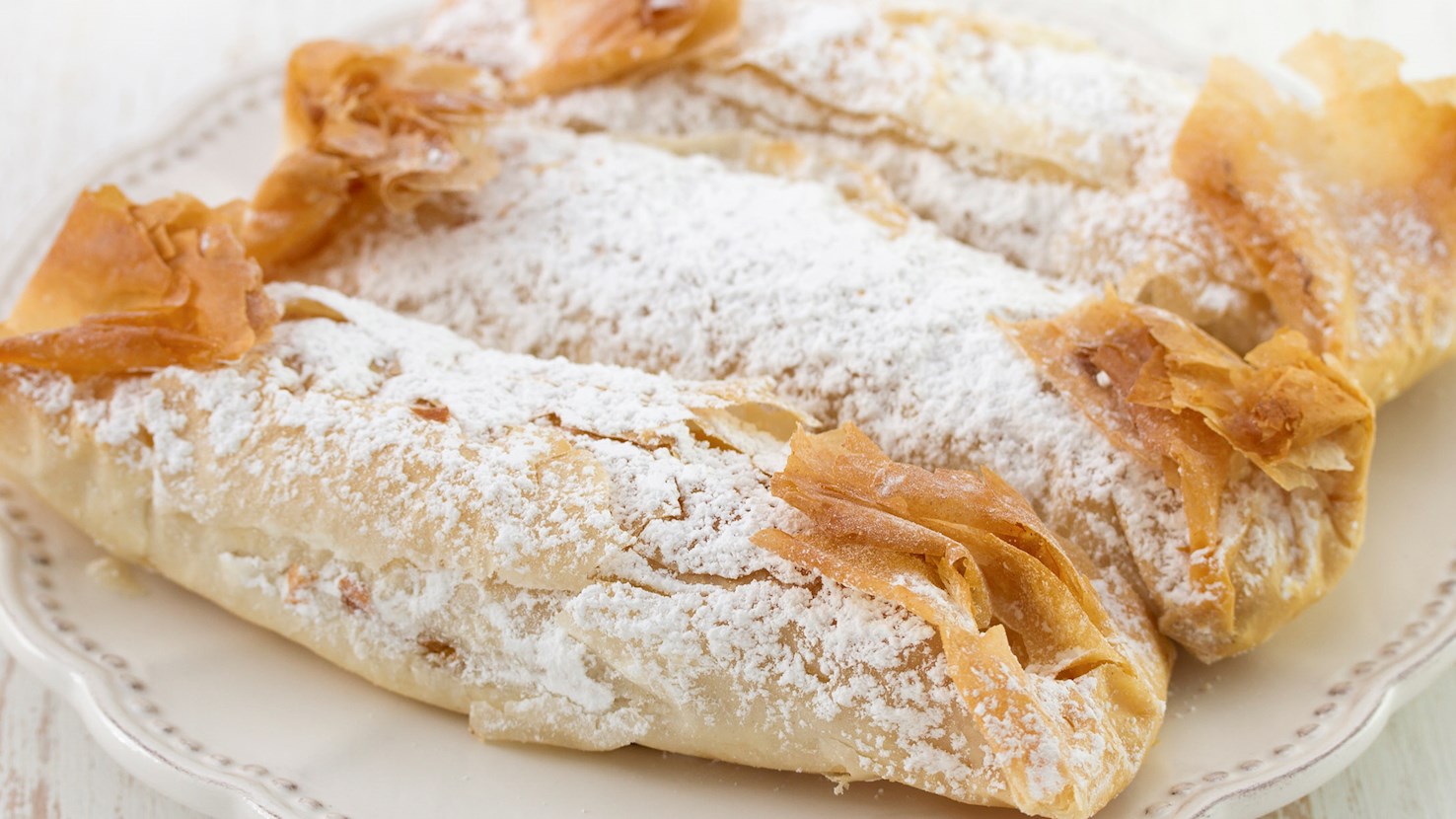
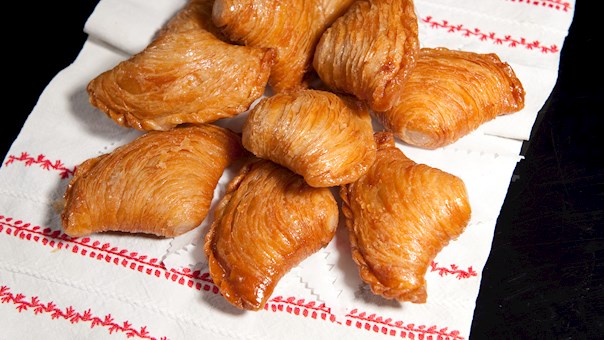
Regarded as one of the seven iconic dishes of Portuguese cuisine, pastel de Tentúgal is a traditional Portuguese pastry with an intriguing history dating back to the 16th century. It is made with doce de ovos, a traditional Portuguese egg custard that is wrapped in paper-thin dough, then baked until golden brown and crispy. The tradition of preparing pastel de Tentúgal was started by the Carmelite nuns, who used to stretch the dough in specialized rooms covered in white sheets. Interestingly, the dough was supposed to be extremely thin so that the Bible could be read through it. The nuns would then butter the whole surface of the dough and cut out rectangular shapes which were subsequently filled with the sweet filling. For centuries, the entire preparation of this sweet treat has been passed down orally, without any written records. It was only in 1898–when the last nun passed away–that the recipe was adopted by a guesthouse Dona Maria da Conceição Faria. Until the middle of the 20th century, this establishment remained the only exclusive location where pastel de Tentúgal could be manufactured and sold. Following their success, numerous other bakers in Tentúgal started to produce this authentic Portuguese pastry, and in 2013, the product and the city received a government certification allowing them to be the only location in the world licensed to produce the original pastel de Tentúgal. Usually dusted with powdered sugar, pastel de Tentúgal is often served alongside a cup of strong Portuguese coffee.
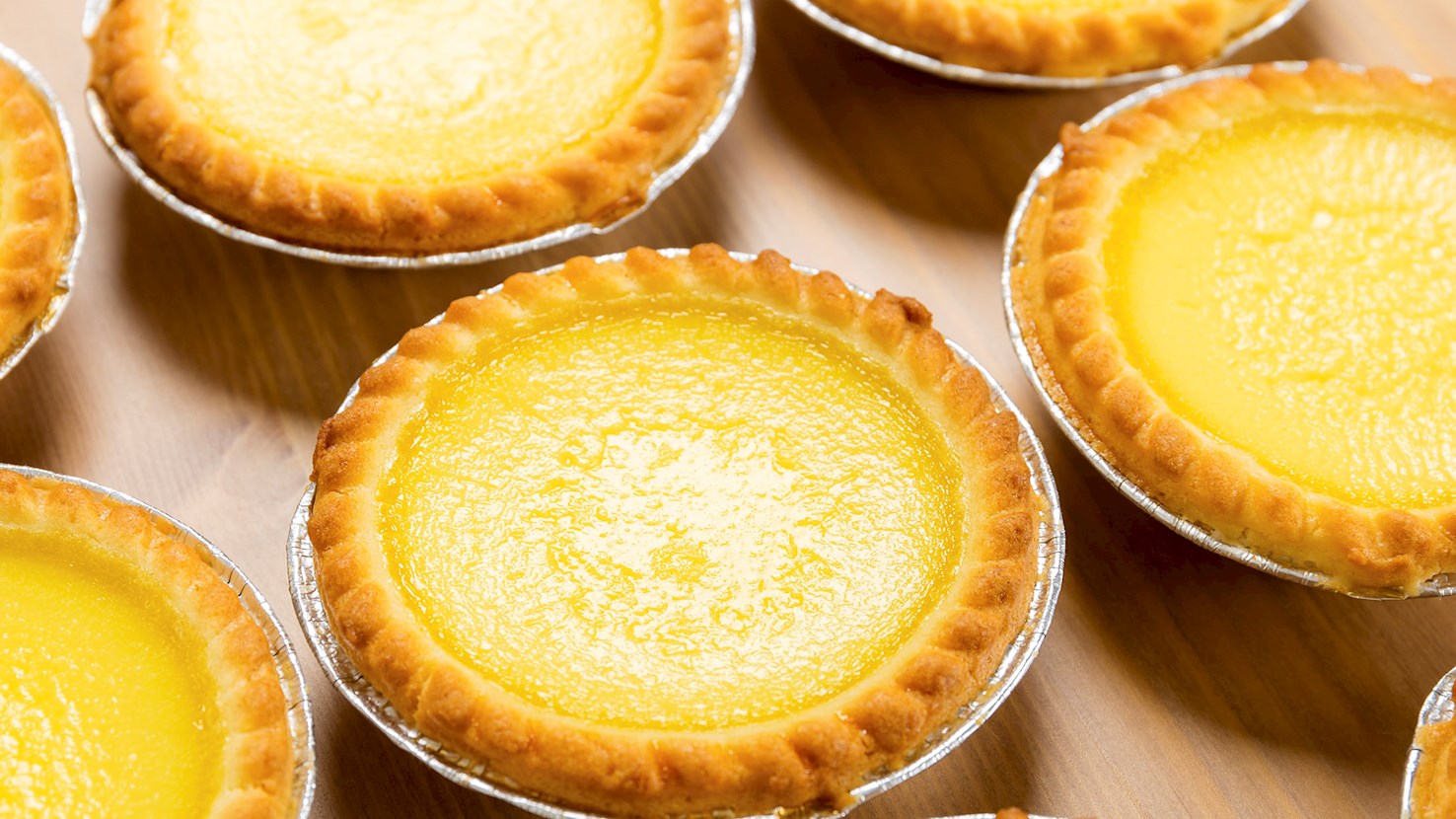
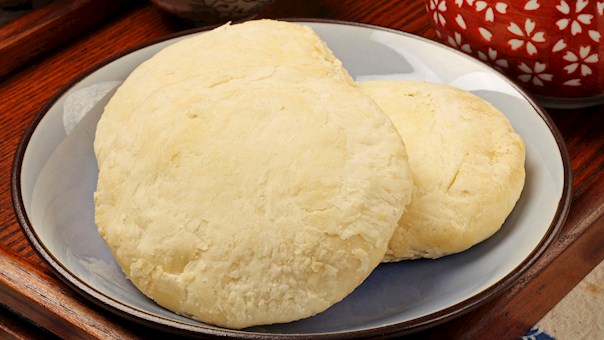
One of the most famous Chinese desserts is the classic egg tart, a delicious pastry consisting of a flaky outer shell with a creamy, but firm egg custard in the center. The origin of this traditional Chinese dessert is vague. It is believed that it grew out of Chinese contacts with western culinary traditions, but it is also likely that some form of an egg custard existed before the influence of the West. Chinese egg tart variety is believed to be a cross between the classic British egg custard, which is much creamier than the Chinese tart, and the famous Portuguese tarts, known as pastéis de nata, which are especially popular in Macau. Egg tarts first appeared in the Chinese region Guangdong, to eventually be taken to Hong Kong and Singapore where they also became one of the most beloved desserts. The main characteristic of the Chinese variety is the rich cream, which is firm and thick, with a strong and enhanced egg flavor. Both crumbly shortbread pastry (usually made with lard) and the crunchy puff pastry can be used as a shell. Occasionally, these tarts are flavored with ginger or green tea, and they should always be served warm, straight out of the oven. Egg tarts are the essential dessert of every dim sum meal, and a sweet delicacy commonly served in the Cantonese Asian restaurants. These tiny treats can also be found in traditional Chinese bakeries and coffee houses throughout the world.
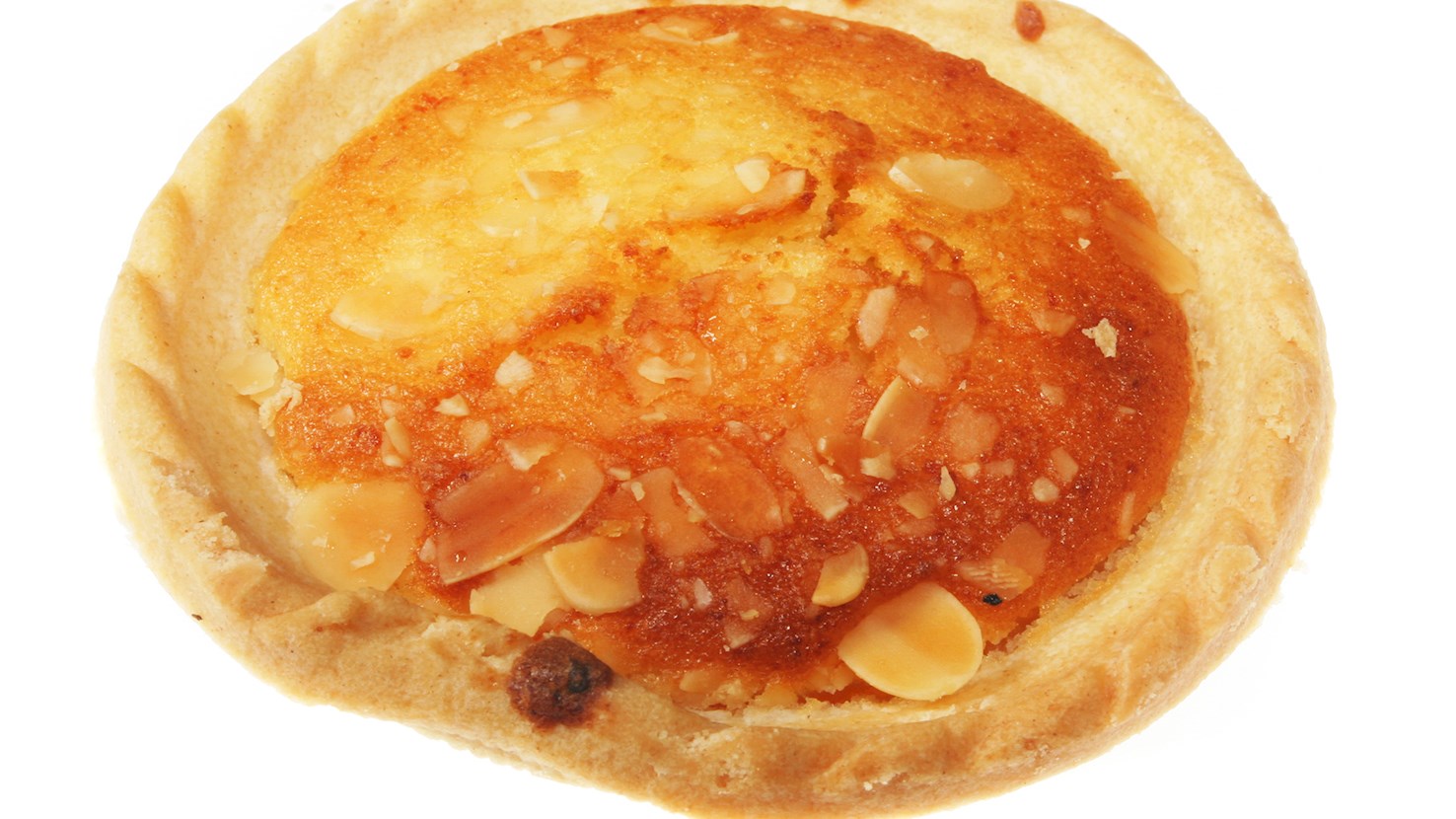
Bakewell pudding is a traditional dessert consisting of a pastry base that is filled with fruit jam and a paste made from ground almonds, butter, and eggs. The first Bakewell pudding was created by accident at a local inn around 1860. It is recommended to serve the dish hot and pair it with cream or custard for extra flavor.
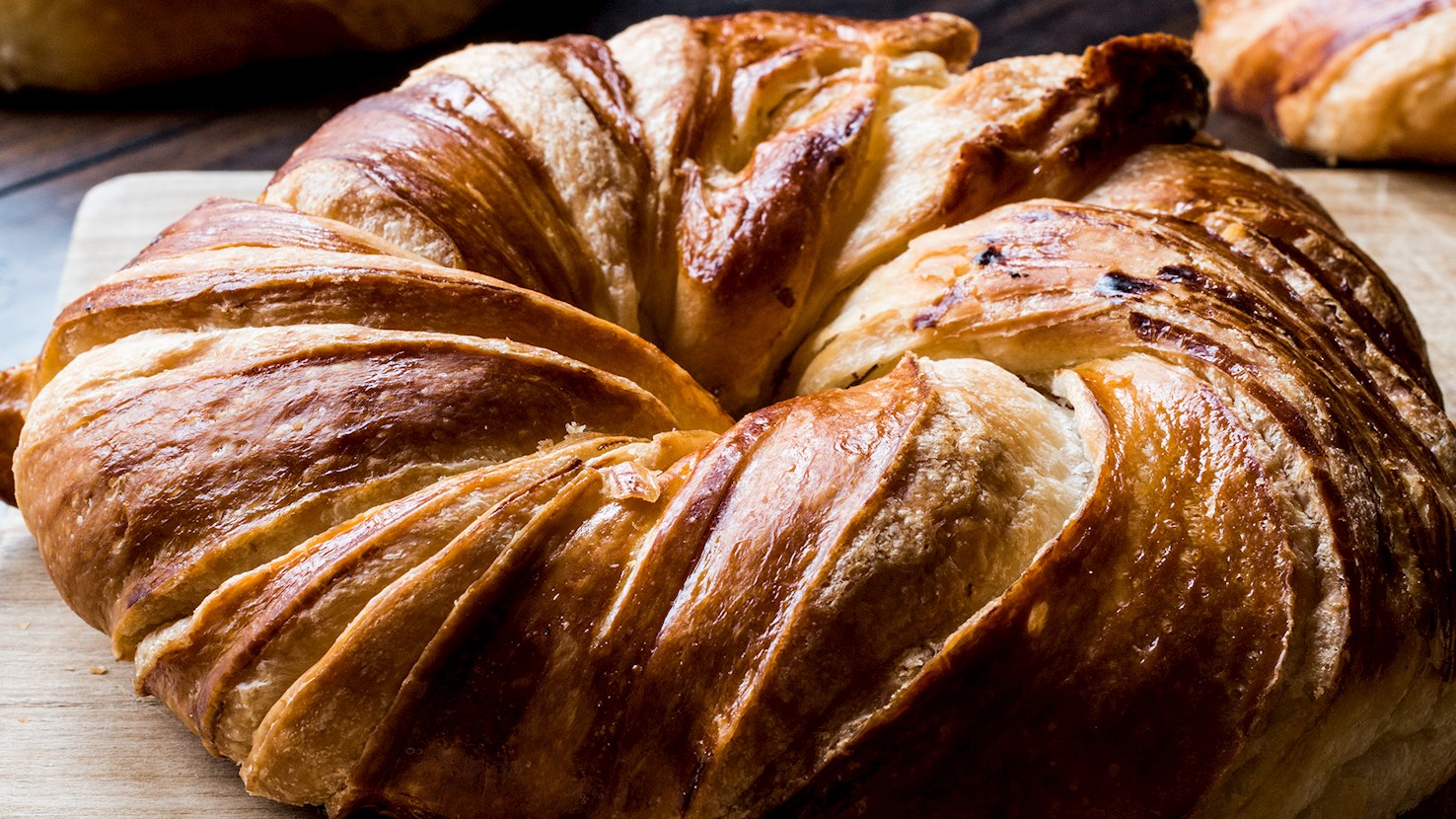
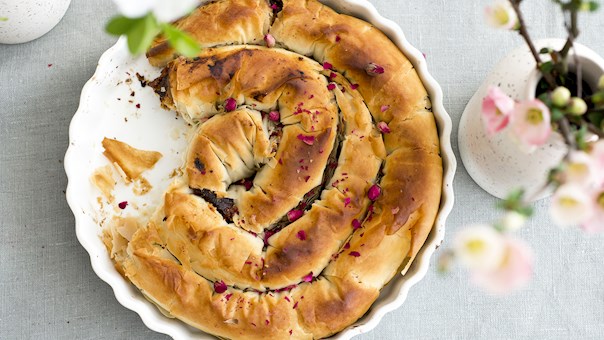
Açma is a type of Turkish pastry characterized by its soft and flaky texture. The soft dough is traditionally twisted and rolled up into a bagel, which can be made in a sweet or savory version. It consists of flour, sugar, salt, yeast, yogurt, milk, eggs, butter, and olive oil. This pastry can be easily found in most Turkish bakeries, where it is often sprinkled with sesame seeds.
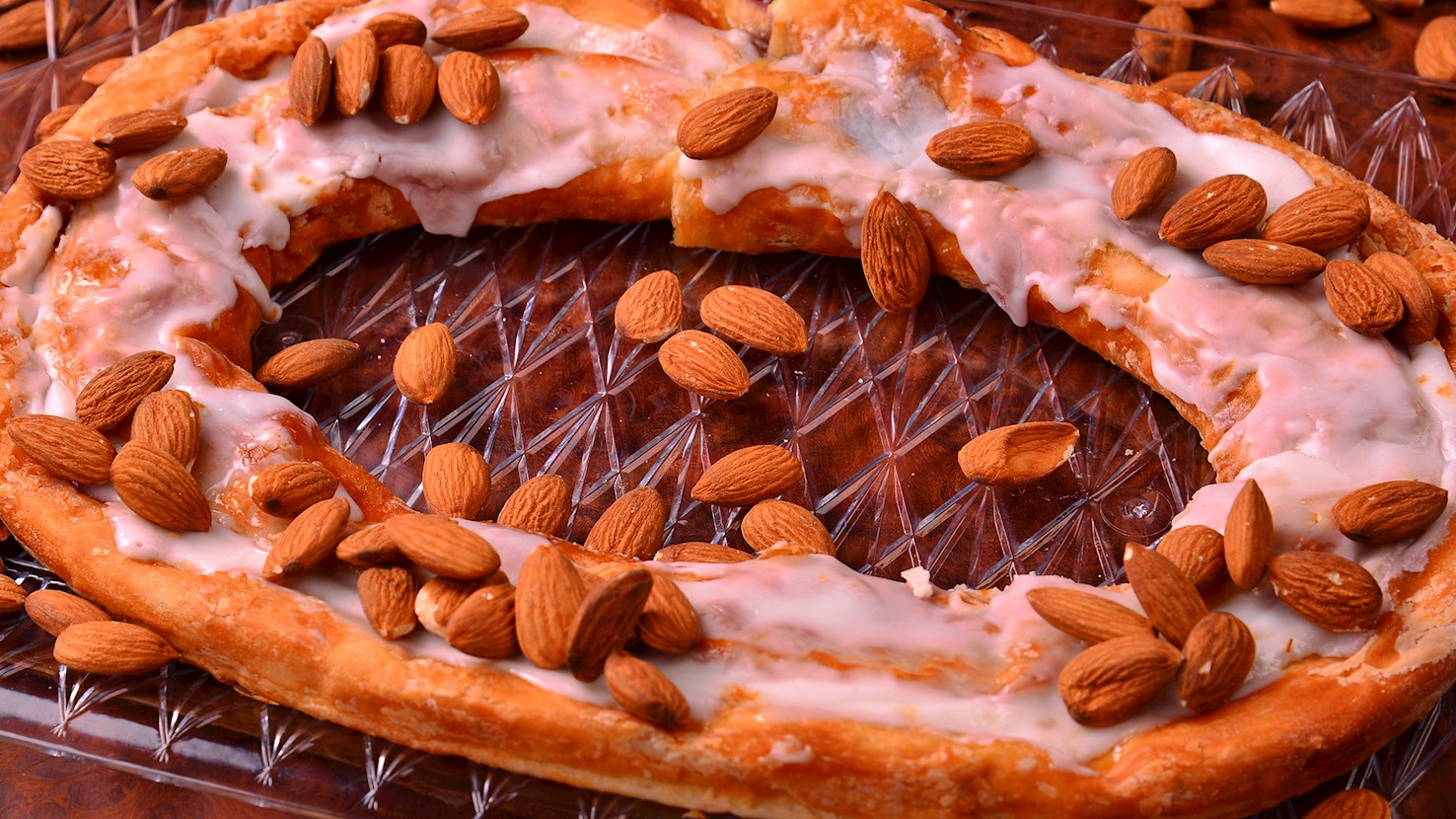
Wisconsin kringle is Wisconsin's official state pastry, brought over to the USA by Scandinavian settlers in the mid-19th century. The kringle (a Danish word for pretzel) is a buttery and flaky pastry that's filled with fruits or nuts. These pastries were originally shaped into pretzels, but the bakers in Wisconsin opted for the oval shape. Each kringle should have at least about 30 layers of flaky dough, while the top is typically covered in white icing. Some of the most traditional flavors include raspberries, pecans, and almonds, but there are also other fillings such as apples, blueberries, cherries, and apricots. Wisconsin kringles are especially popular during the festive Christmas season.
TasteAtlas food rankings are based on the ratings of the TasteAtlas audience, with a series of mechanisms that recognize real users and that ignore bot,
nationalist or local patriotic ratings, and give additional value to the ratings of users that the system recognizes as knowledgeable.
For the “Top 21 Flaky Pastries in the World” list until April 15, 2026, 2,219 ratings were recorded, of which 1,595 were recognized by the system as legitimate.
TasteAtlas Rankings should not be seen as the final global conclusion about food. Their purpose is to promote excellent local foods,
instill pride in traditional dishes, and arouse curiosity about dishes you haven’t tried.