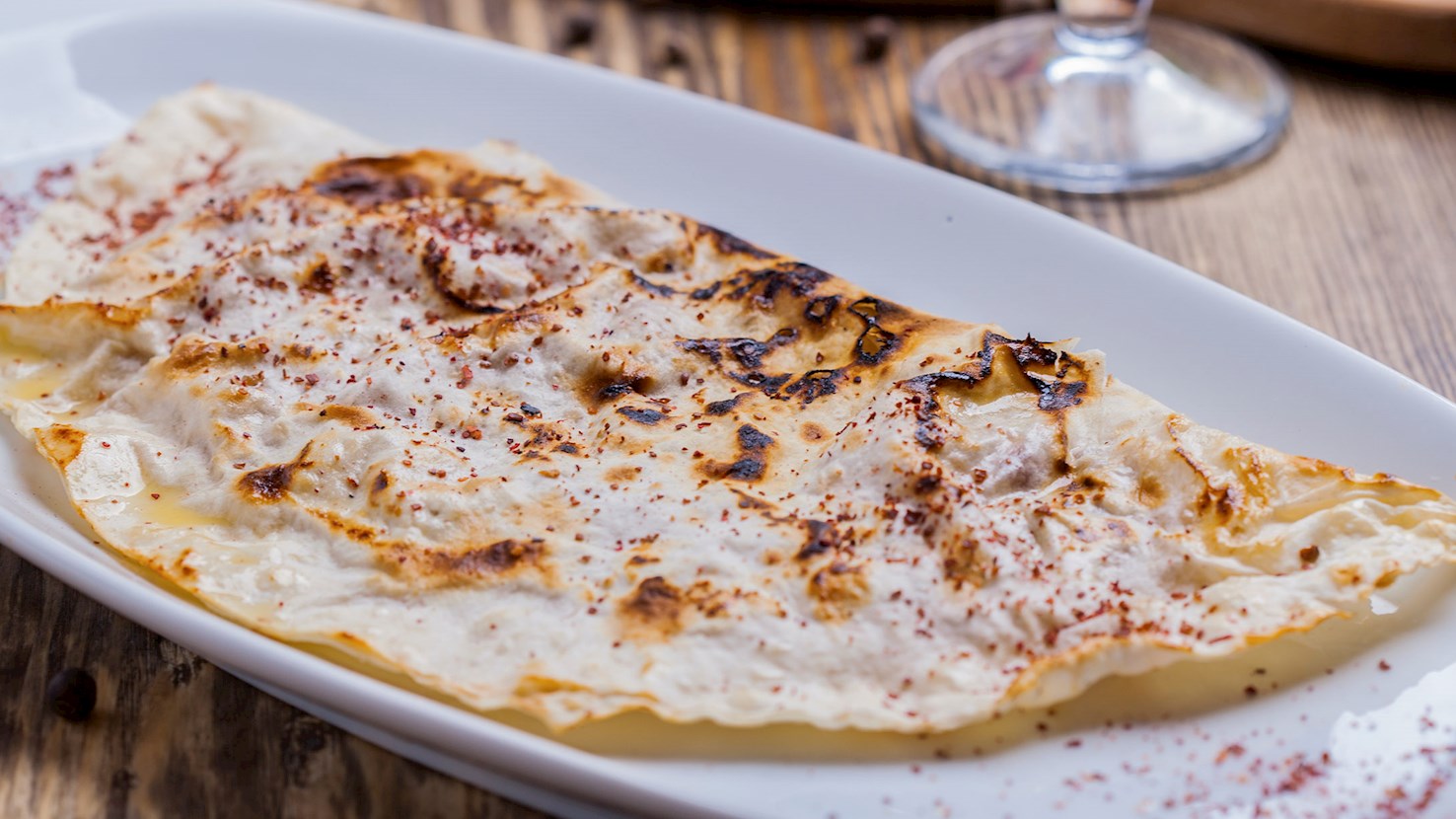
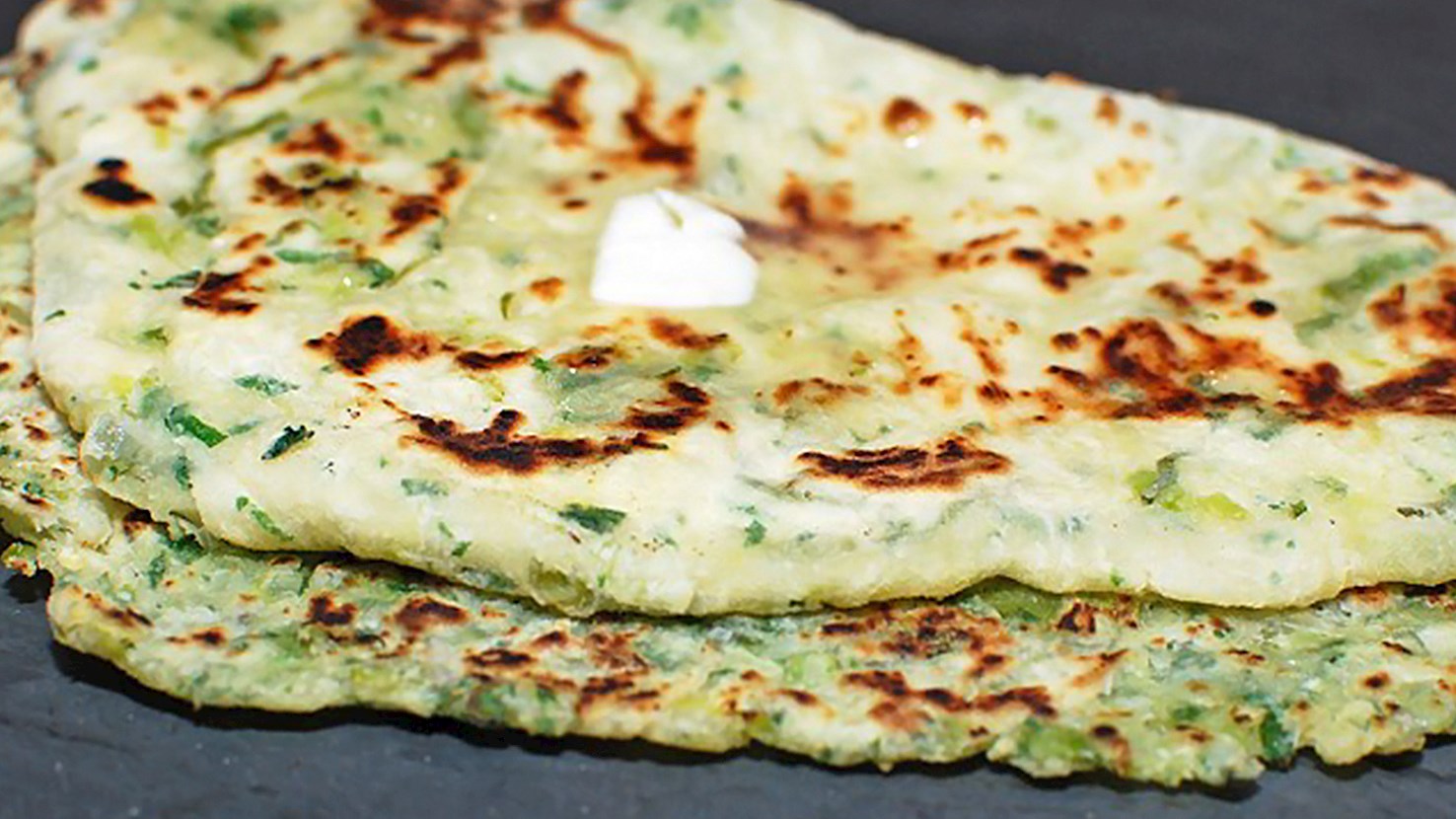
Qutab, known as gutap in Turkmenistan, is a thin filled flatbread found in Azerbaijani and Turkmen cooking. Azerbaijani qutab is usually a very thin half-moon cooked on a hot saj, while Turkmen gutap can also be baked in a tamdyr or oven or fried in oil. Common fillings include meat, fresh greens, pumpkin, and offal. The dish belongs to the wider family of filled breads found across the Turkic-speaking world, but no reliable source identifies a single creator or precise date for its appearance. Azerbaijan and Turkmenistan developed their own recognizable forms, while the closest Turkish counterpart is gözleme, which is generally treated as a separate dish rather than another name for qutab. In Azerbaijan, the dough is usually made from flour, water, and salt, rolled into thin circles, filled on one side, folded into a crescent, and cooked quickly on a saj. The finished qutab is often brushed with butter. Meat versions usually contain finely minced lamb or beef with onion, while göy qutabı is filled with seasonal greens such as spinach, sorrel, cilantro, dill, parsley, mint, and green onion. Pumpkin and sheep offal are also established fillings. Regional variations are especially visible around Lahij, Shamakhi, and the Absheron Peninsula. Corat, near Baku, is known for small meat-filled qutabs and has historically been associated with camel-meat versions. In Lahij, spring forms may contain locally gathered mountain herbs. Turkmen gutap is made in a similar folded shape but is generally more varied in cooking method. Fillings can include pumpkin, spinach, purslane, dill, green onion, meat, or mushrooms. Kädili gutap, filled with pumpkin, is one of the best-known forms. Some versions use dough enriched with egg, and the finished breads may be baked or fried rather than dry-cooked on a saj. Qutab is usually eaten hot as a snack, starter, or light meal. In Azerbaijan, meat versions are commonly served with sumac and qatıq, while greens-filled qutab works well with yogurt and fresh herbs. Pomegranate or sour fruit condiments may accompany richer meat fillings. Turkmen gutap is often served more simply, alongside tea, fresh vegetables, or fermented dairy products. Black tea is the most common beverage pairing in Azerbaijan, while both black and green tea suit Turkmen gutap. Ayran also works well with meat or greens-filled versions.
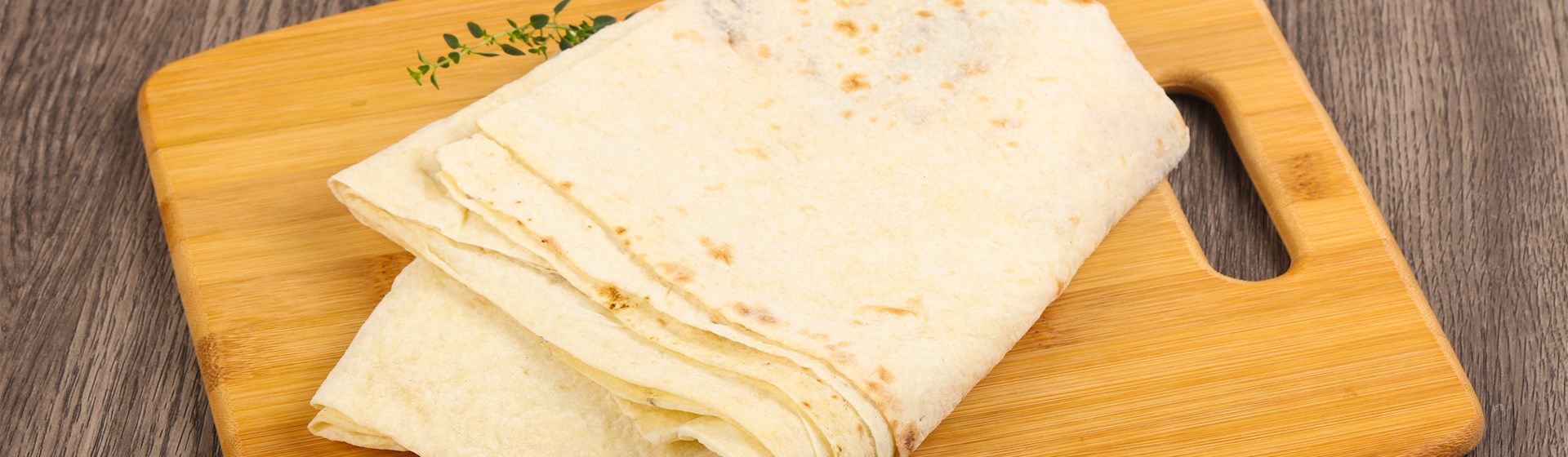
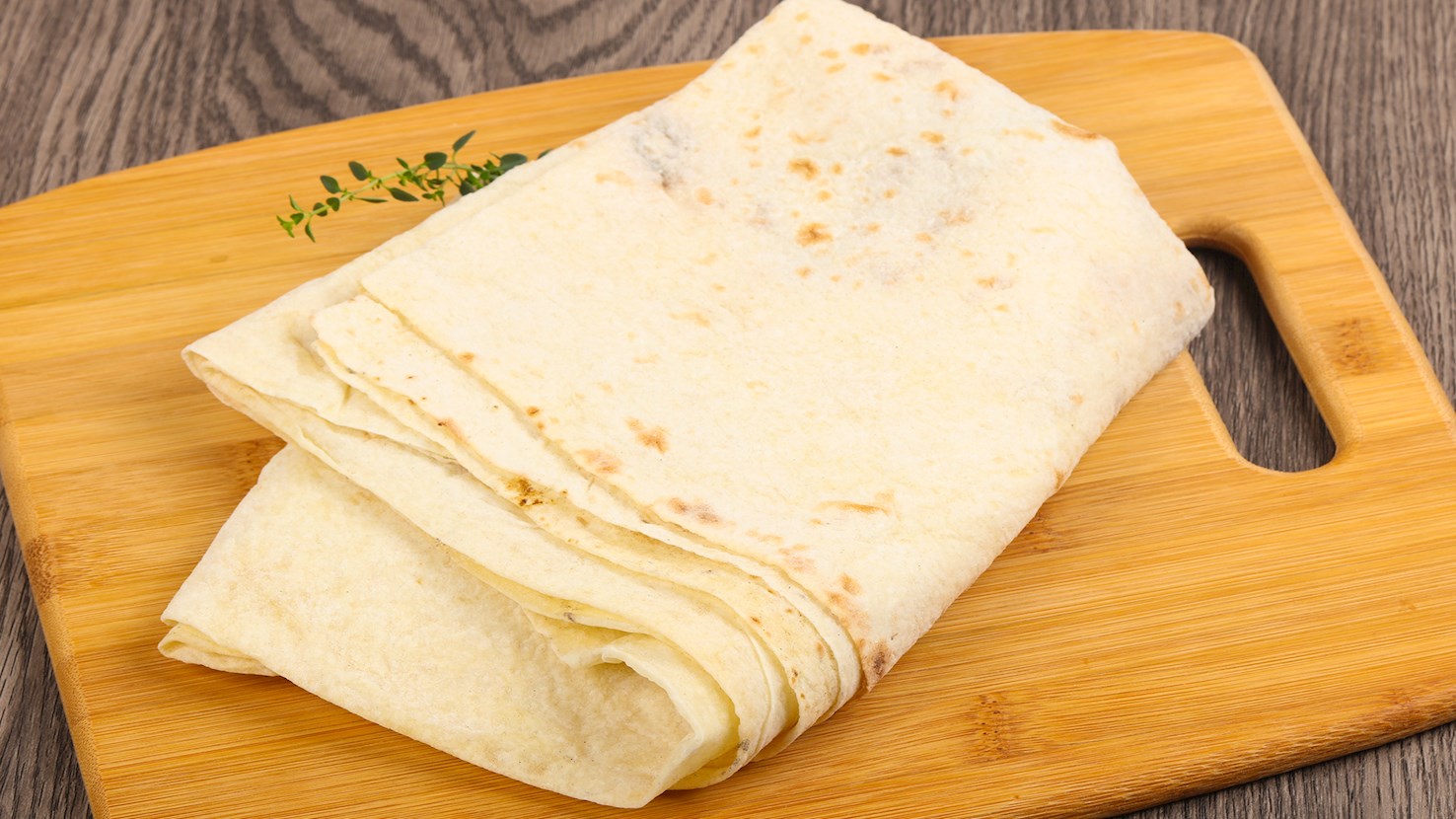
Lavash is a traditional flatbread claimed by many food specialists to be Armenian in origin, but it is well-known and prepared throughout Western Asia (most noteably Iran and Türkiye) and the Caucasus (most noteably Azerbaijan). The dough consists of wheat flour, salt, and water leavened only with a sourdough starter. Once the dough has risen, it is shaped into small lumps that are rolled flat and then slapped against the inside of a clay oven called tonir. Depending on the part or region of Armenia, these flatbreads can vary in thickness, size, shape, and the method of kneading. Because the process of making lavash is so labor-intensive, as well as time-consuming, this flatbread is typically prepared in advance. The baked flatbreads are kept in a dry place and sprinkled with water before use to restore their flexibility. Even to this day, lavash is only torn by hand and can be used either as bread, a wrap, or a spoon. The significance of this flatbread in Armenia is reflected in the ceremonial ritual of its preparation, starting with the choice of women who are fit to make this flatbread, to the sacred and obligatory whispering of blessings or reciting of kind words while making the dough, as it is believed the dough has magical powers to make the whispered wishes come true. As it is considered to be a symbol of fertility and prosperity, lavash has great significance in the Armenian wedding ceremonies, and is also used in traditional medicine since it is believed to have healing properties. In 2016, UNESCO recognized lavash making and sharing culture as an Intangible Cultural Heritage of Humanity.
Khychin is a traditional filled flatbread originating from the regions of Kabardino-Balkaria and Karachay-Cherkessia. This thin flatbread is made from unleavened dough and it's filled with boiled potatoes, local cheese, or meat with fresh herbs. The dough is usually made with a combination of flour, salt, and kefir or ayran, while the filling can contain soft cheese, potatoes, butter, veal or lamb, garlic, onions, coriander, and mint. Once assembled, khychin is fried in butter until it's slightly browned and crispy. The dish is prepared for all special occasions such as weddings, childbirth, funerals, or visiting guests. It is believed that khychin symbolizes the Sun, wealth, and hospitality.
A culinary delicacy coming from Artsakh, or the Nagorno-Karabakh region, zhingyalov khats is a traditional flatbread that contains a variety of herbs and greens. Often considered a lavash with herb filling, this flatbread typically consists of a thin unleavened dough that is topped with a mixture of thinly sliced herbs and greens, folded over, sealed, and then carefully rolled out again. Zhingyalov khats is traditionally baked on a hot saj, a type of Armenian cast-iron vessel resembling a bulging tray. The filling is typically made with butter, salt, onions, and lots of herbs and greens, sometimes supposedly even up to 20 different kinds, such as spinach, leeks, scallions, nettle, chickweed, mint, parsley, tarragon, lettuce, chard, dill, or kale. In Armenia, this flatbread is commonly prepared and eaten during Lent, usually as a snack, an appetizer, or a dinner meal with some butter.
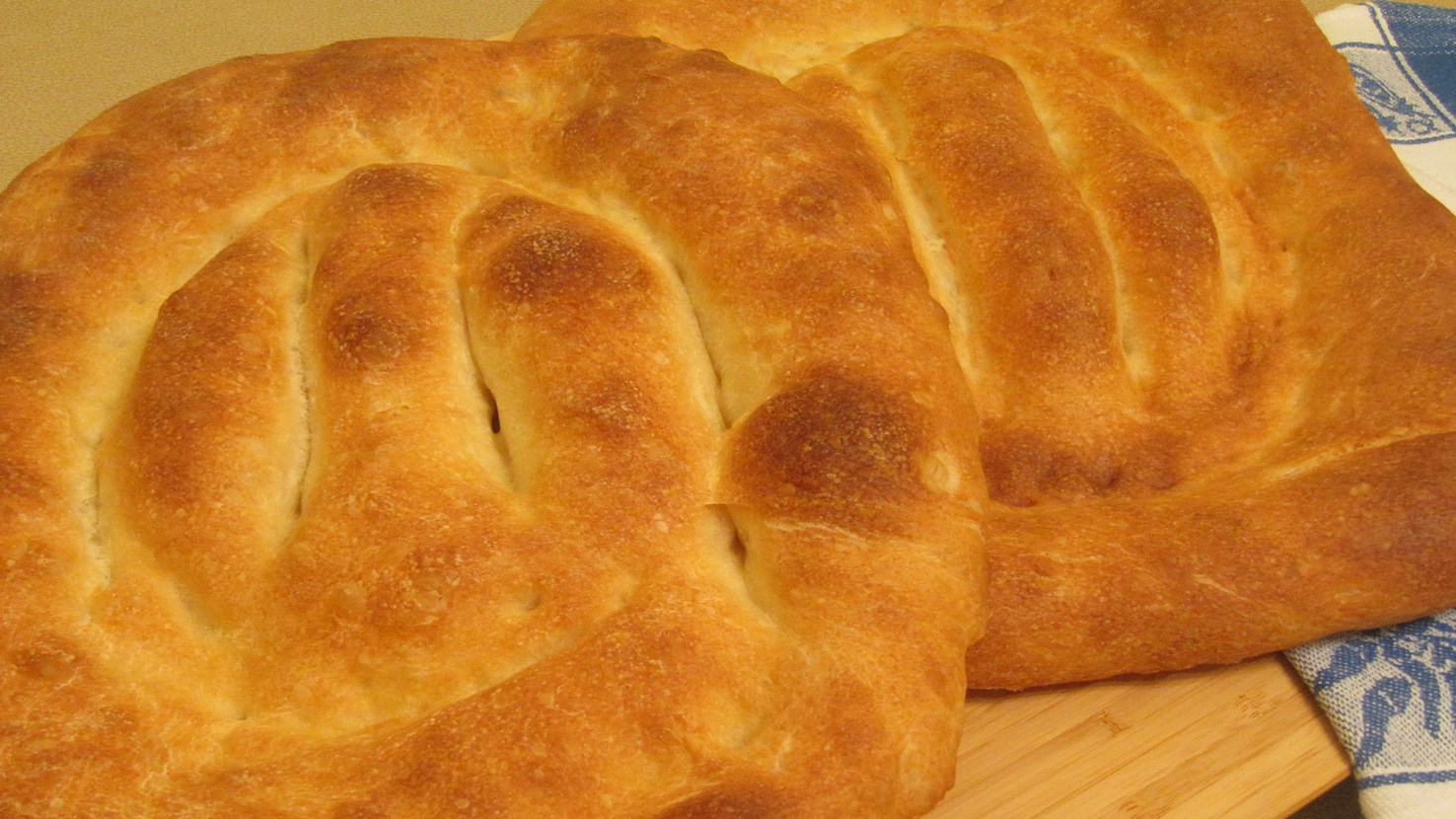
Matnakash is a traditional bread consisting of a smooth, elastic dough made with flour, yeast, water, sugar, salt, and oil. Originally, it was prepared only with flour and water, and without yeast. Before it is baked in a well-steamed oven, the dough is usually topped with a type of flour mixture consisting of flour and water or black tea, which lends the bread a unique, crispy crust that complements its soft and slightly chewy interior. This Armenian flatbread has a distinctive oval or round shape, and its surface is adorned with a traditional pattern of indentations. Its name matnakash translates to finger draw or finger pull and is derived from the traditional way of adorning the bread’s top by using one’s fingers. In Armenia, this leavened bread is still a staple as it has been for ages, and it is available in bakeries, grocery stores, and restaurants throughout the country. Matnakash is eaten warm, optionally sprinkled with sea salt flakes, and it pairs well with dipping sauces, soups, and curries.
Tabani is a traditional flatbread originating from the region of Udmurtia. This type of thick pancake or flatbread is based on a sourdough batter that can be made from wheat or buckwheat flour. Other ingredients include water or milk, yeast, sugar, salt, and butter. The batter is typically cooked in a cast-iron pan in a wood-fired brick stove. During the process, the tabani puffs up, and when it's taken out of the stove it becomes flat once again. Once done, tabani is served with various toppings such as meat, mushrooms, or apples. A sauce called zyret is often served on the side and it's made with a mixture of milk, flour, salt, sugar, and butter.
Tonis puri is a type of flatbread from Georgia, specifically characterized by its elongated, canoe-like shape and its production in a vertical cylindrical clay oven known as a tone. This bread variety is a staple across the Caucasus region, with archaeological evidence of the tone oven design dating back to the Bronze Age in the South Caucasus territory. The oven architecture utilizes the thermal retention properties of thick clay walls to maintain consistent high temperatures required for rapid baking. Preparation of tonis puri involves a yeast-leavened dough composed of wheat flour, water, salt, and a small quantity of sugar or oil, which is hand-stretched into a tapered oval form. The baker reaches into the heated tone and slaps the raw dough directly onto the interior pre-heated clay walls, where it adheres and bakes via radiant heat and conduction. A technical attribute of this method is the development of a distinct texture characterized by a crisp, blistered exterior and a soft, aerated interior, resulting from the immediate evaporation of moisture upon contact with the hot ceramic surface. The bread is removed from the oven wall using a long metal hook and scraper once the surface reaches a golden-brown color. A unique feature of tonis puri is the hole often found in the center of the loaf, which prevents the bread from puffing up excessively and ensures it remains flat against the oven wall during the baking process. It is eaten fresh and warm throughout Georgia, often purchased directly from small neighborhood bakeries as a primary accompaniment to daily meals. Tonis puri is frequently paired with salty Georgian cheeses such as sulguni, skewered meats like mtsvadi, and vegetable dishes like pkhali, while beverage pairings typically include dry amber wines (qvevri wines) or regional lemonades.
TasteAtlas food rankings are based on the ratings of the TasteAtlas audience, with a series of mechanisms that recognize real users and that ignore bot,
nationalist or local patriotic ratings, and give additional value to the ratings of users that the system recognizes as knowledgeable.
TasteAtlas Rankings should not be seen as the final global conclusion about food. Their purpose is to promote excellent local foods,
instill pride in traditional dishes, and arouse curiosity about dishes you haven’t tried.





What People Say