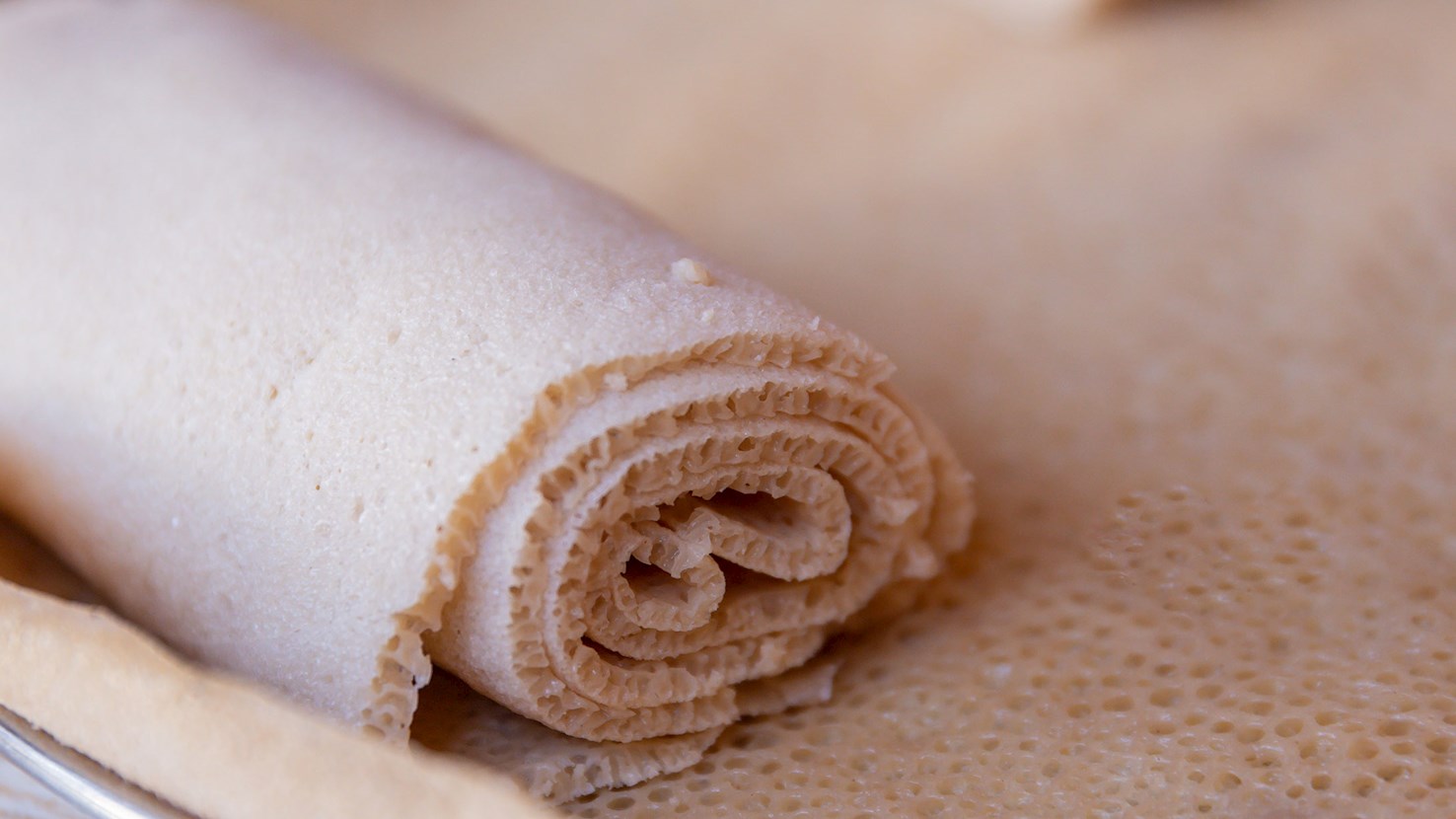
Injera (or tayta) is a spongy Ethiopian and Eritrean flatbread and an integral part of life for the locals. The bread is made from teff, the tiniest grain in the world, also considered a super grain due to its high nutritious properties. Injera is so popular that the people greet each other by asking "Did you eat injera today?", and if the answer is positive, that assures the other person that all is well. This flatbread is served for breakfast, lunch, and dinner, and sharing it when times are rough has kept many Ethiopians and Eritreans alive. Its flavor is tart and quite similar to sourdough bread. The dough is left for three days to ferment and is then shaped into a large, pancake-like disk. It is usually fried in a skillet over a fire, where the spongy texture of the bread develops as the dough hits the hot skillet and air bubbles form on the inside. Once cooled, it is combined with the main course, usually a hearty stew. Injera is eaten without utensils – instead, it is broken into pieces and used to scoop up some more stew from the shared communal platter. Due to the air pockets in the bread, it can absorb a lot of sauce from the stews. Although shared eating might seem strange to some, injera succeeds in bringing people together.
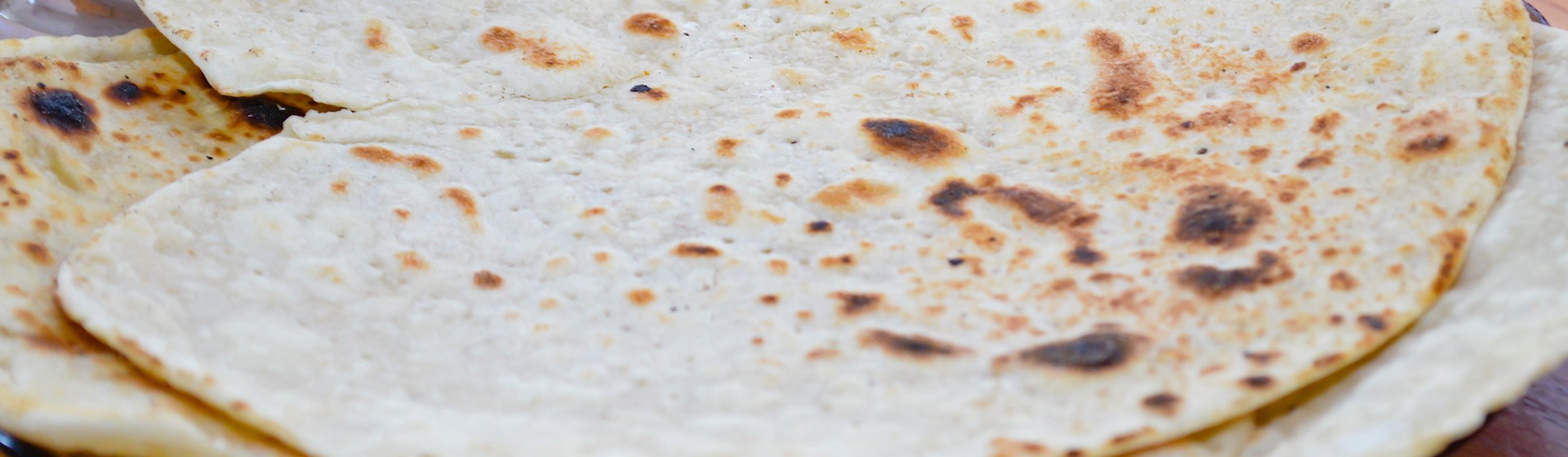
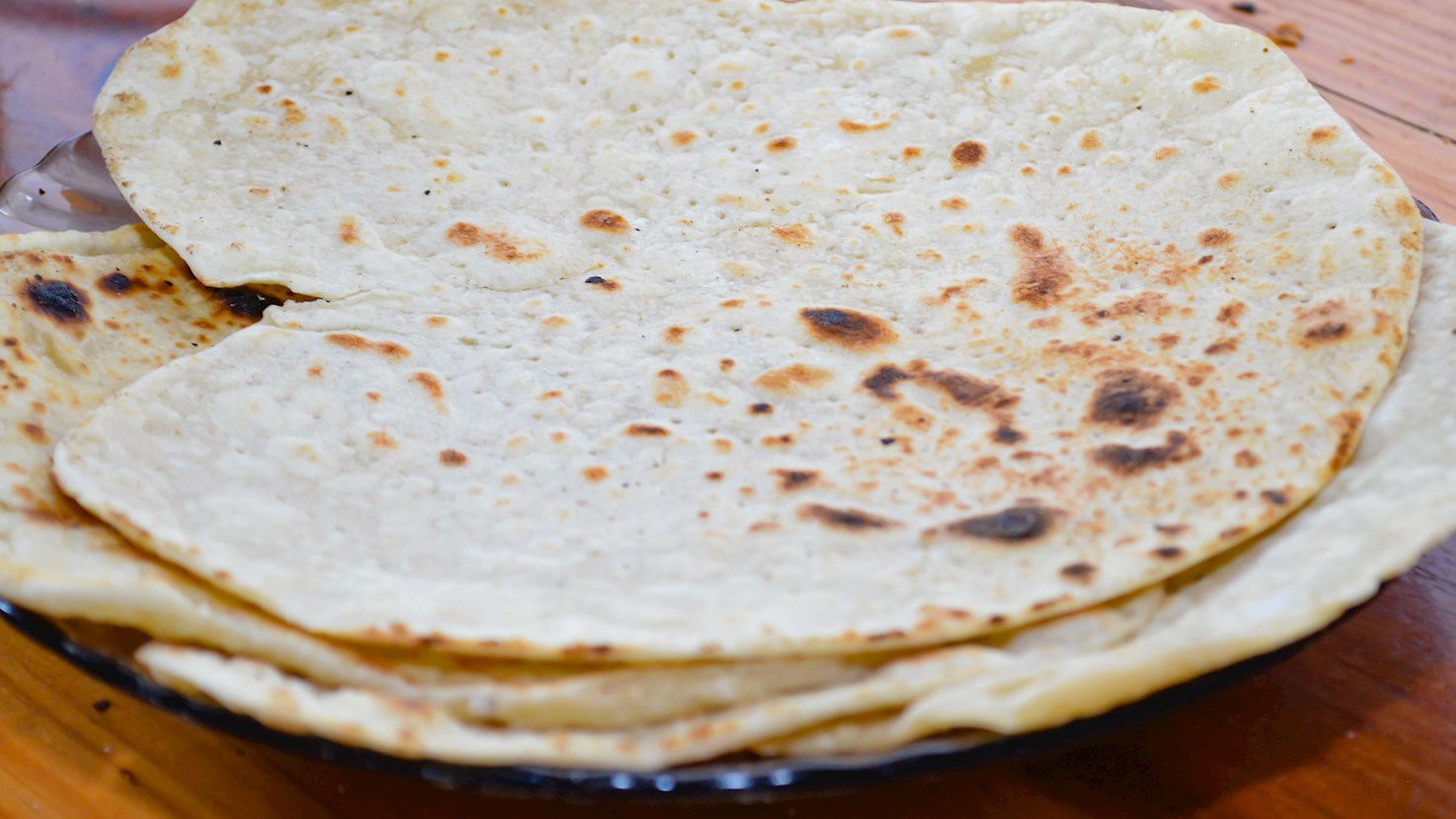
Kitcha is an unleavened Ethiopian flatbread made with wheat flour, water, and salt. The dough is traditionally baked in a pan on both sides until it develops a golden-brown color of the exterior. The flatbread can be additionally spiced with chili and cardamom. It is usually served warm with melted butter, or used in a dish called fit-fit.
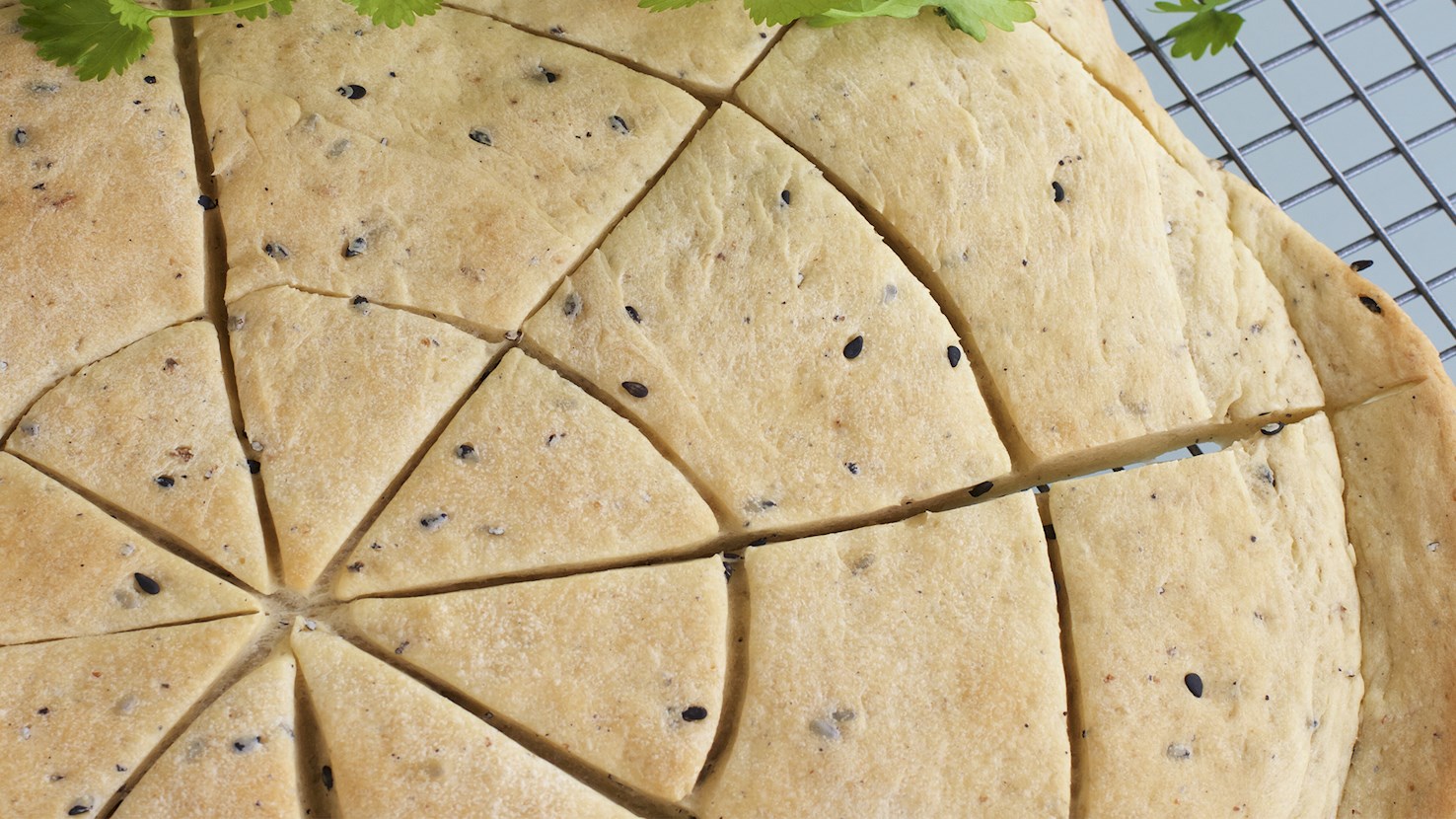
Himbasha or ambasha is a traditional and Ethiopian flatbread consisting of flour, water, yeast, sugar, sesame seeds, ground cardamom, and raisins (only in Eritrean version) resulting in a unique combination of sweet and savory flavors. It is characterized by a decorative wheel pattern that is scored on its top. In Eritrea and Ethiopia, himbasha is traditionally consumed for breakfast after mass, but it is also a popular item at numerous festivities and celebrations. Interestingly, breaking this bread over the back of a child on his first birthday to give him strength is a local tradition.
TasteAtlas food rankings are based on the ratings of the TasteAtlas audience, with a series of mechanisms that recognize real users and that ignore bot,
nationalist or local patriotic ratings, and give additional value to the ratings of users that the system recognizes as knowledgeable.
TasteAtlas Rankings should not be seen as the final global conclusion about food. Their purpose is to promote excellent local foods,
instill pride in traditional dishes, and arouse curiosity about dishes you haven’t tried.


What People Say