

Top 3 Greek Flatbreads

Last updated on June 15, 2026
01

Pita

4.2 ·

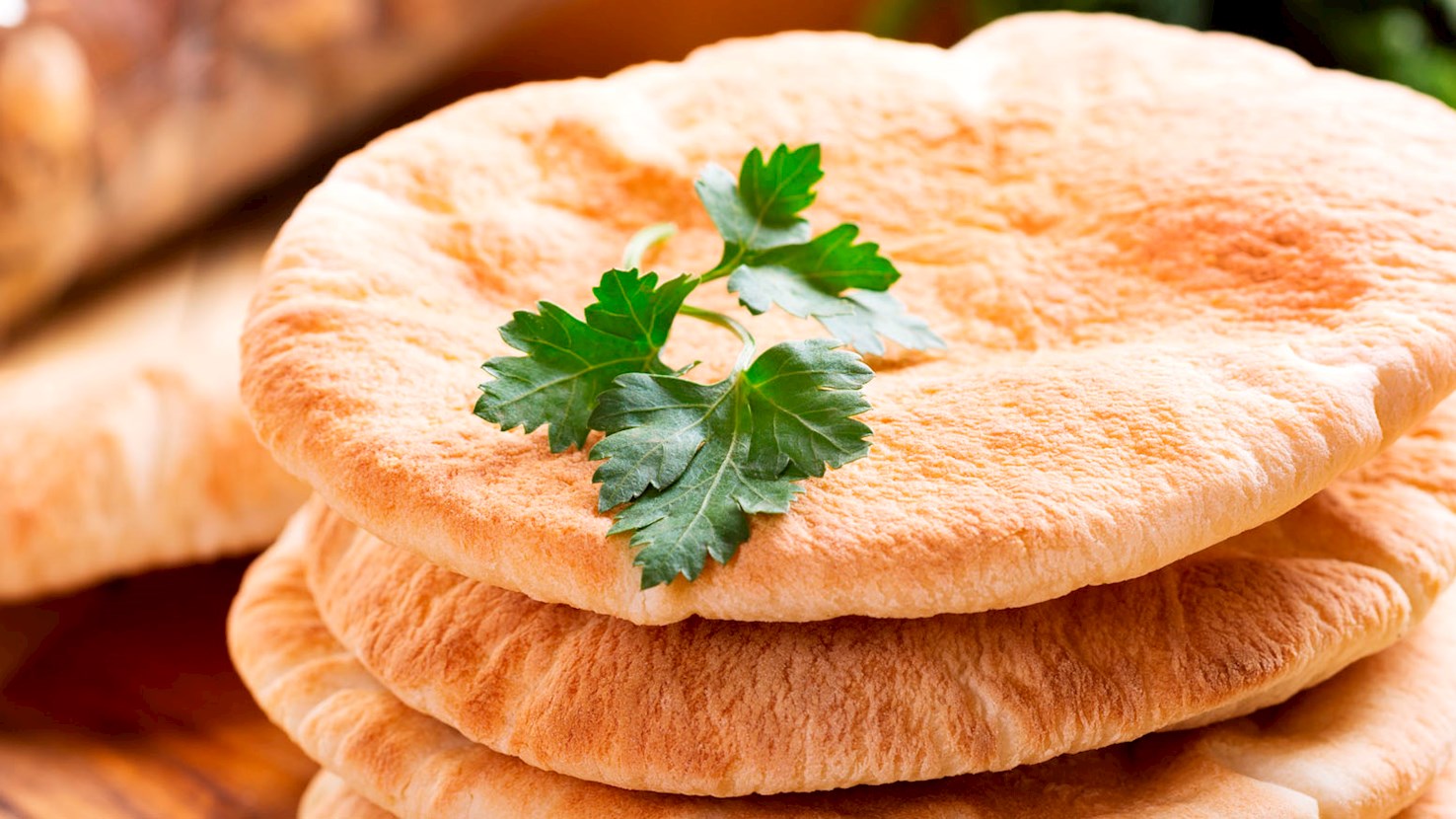
Pita bread is a type of flatbread believed to have originated in the Middle East around 2500 BCE, making it one of the oldest types of bread in the world. Archaeologists have found evidence of flatbreads made by ancient civilizations across the Middle East and Mediterranean, including the Egyptians and Sumerians. The term "pita" is a Greek word, which means "pie" or "bread". This might suggest that the Greeks adopted this form of bread from their Middle Eastern neighbors. The bread is a staple in many Middle Eastern and Mediterranean cuisines today, including those of Greece, Türkiye, Lebanon, and Syria. The simple process of making pita bread, which involves mixing wheat flour, water, yeast, and salt, then baking it at high temperatures, would have been achievable with the tools and resources available to ancient civilizations. The high heat causes the dough to puff up and create a pocket, which is a distinctive feature of pita bread. This pocket makes pita bread versatile for a variety of dishes, as it can be used to scoop up or hold various fillings. Pita is the perfect choice for steaks, lamb, falafel, kebabs, or chicken, and it is traditionally paired with hummus, tzatziki sauce, or tabouleh.

02

Ladenia

4.1 ·

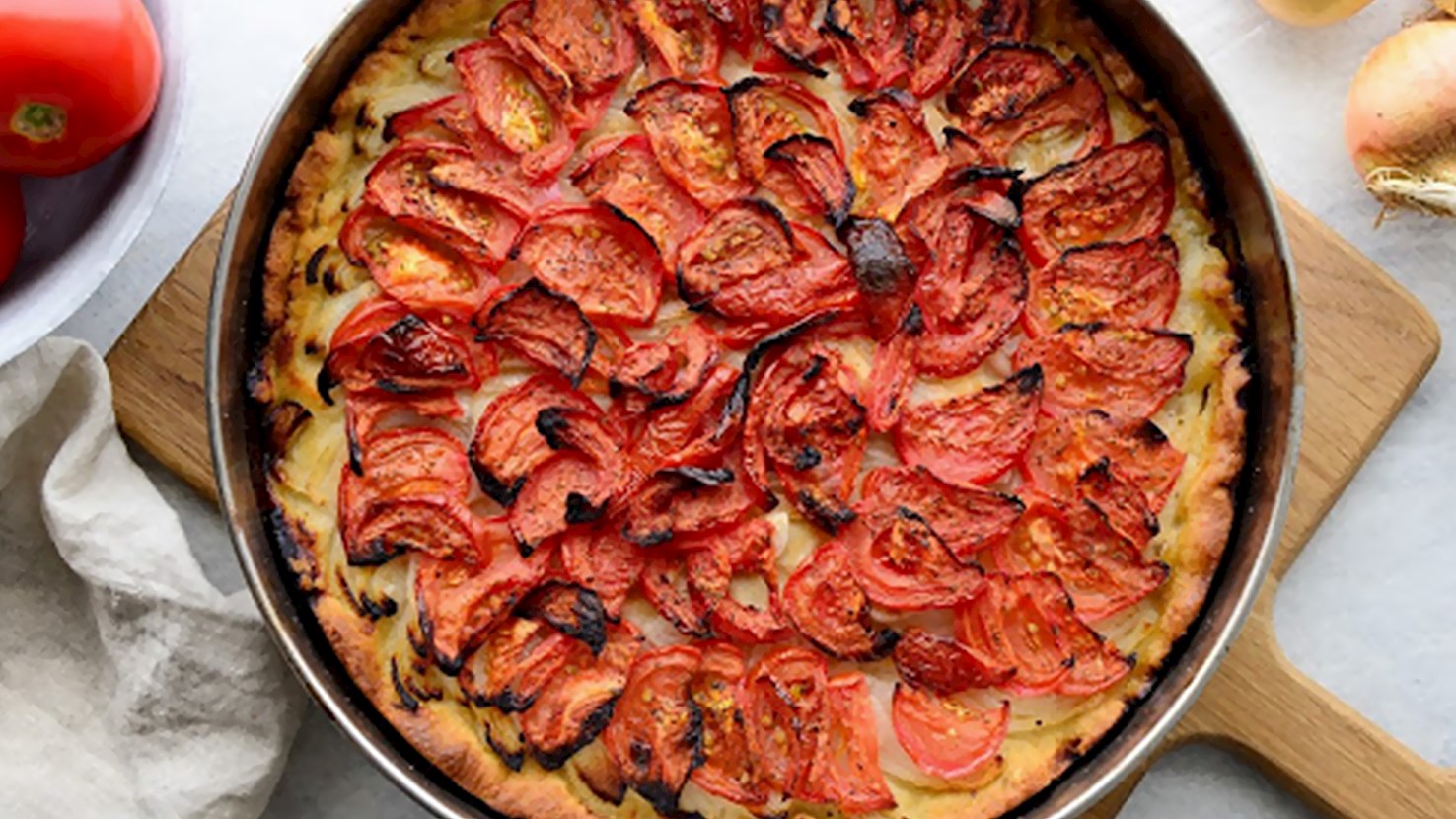
Ladenia is a type of soft flatbread that’s topped with tomato slices, onions, and a generous drizzle of Greek olive oil. Hailing from Kimolos, this savory delicacy is considered to be the Greek take on Italian pizza, and it is believed to date back to the time of the Venetian occupation of the island. The dough is typically made with flour, yeast, water, and salt, although some versions also call for the addition of olive oil to the combination. Homemade tomato paste is often used in case there are no fresh tomatoes, while some people tend to enhance the simple tomato-onion topping with the addition of capers and peppers. The flatbread is usually seasoned with sea salt, black pepper, and dried Greek oregano, and once baked, it is typically enjoyed with an extra drizzle of olive oil on top. Ladenia can be made in a round or rectangular shape, and it is typically eaten for breakfast or as a light lunch, although it can also be served as part of a meze dish.

03

Lagana

4 ·

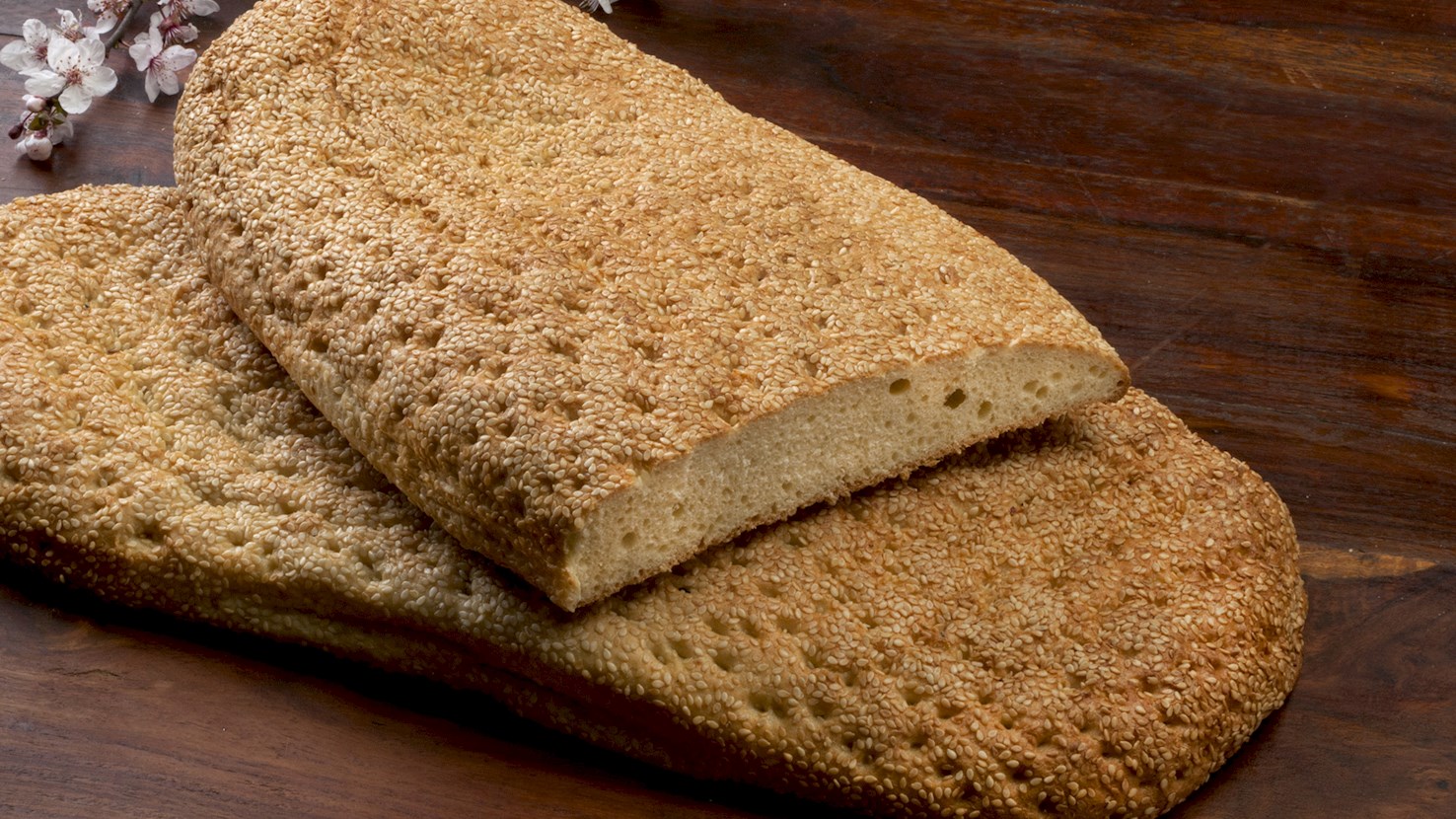
Lagana is a traditional flatbread that is usually associated with Clean Monday—the first day of Lent. The bread is made with wheat flour, and although it was primarily unleavened and did not include dairy or oil, modern varieties are often prepared with olive oil and yeast. The bread is oval-shaped and flat, and the top is typically pressed with fingers to create small indentations. Optional ingredients often include olives and various herbs, but sesame seeds are the most common topping. The exact origin of this ancient Greek bread is still vague, but its first written reference dates back to 5th century BC when it was mentioned in a poem written by a Greek poet Aristophanes, while the name lagana stems from the ancient Greco-Roman term laganon that denoted a similar thin flatbread.

Read more
View all
View map
About this ranking

TasteAtlas food rankings are based on the ratings of the TasteAtlas audience, with a series of mechanisms that recognize real users and that ignore bot, nationalist or local patriotic ratings, and give additional value to the ratings of users that the system recognizes as knowledgeable. For the “Top 3 Greek Flatbreads” list until June 15, 2026, 1,097 ratings were recorded, of which 602 were recognized by the system as legitimate. TasteAtlas Rankings should not be seen as the final global conclusion about food. Their purpose is to promote excellent local foods, instill pride in traditional dishes, and arouse curiosity about dishes you haven’t tried.

Similar lists