

shutterstock

Top 36 Italian Flatbreads

Last updated on July 15, 2026
01

Focaccia alla Genovese

4.5 ·

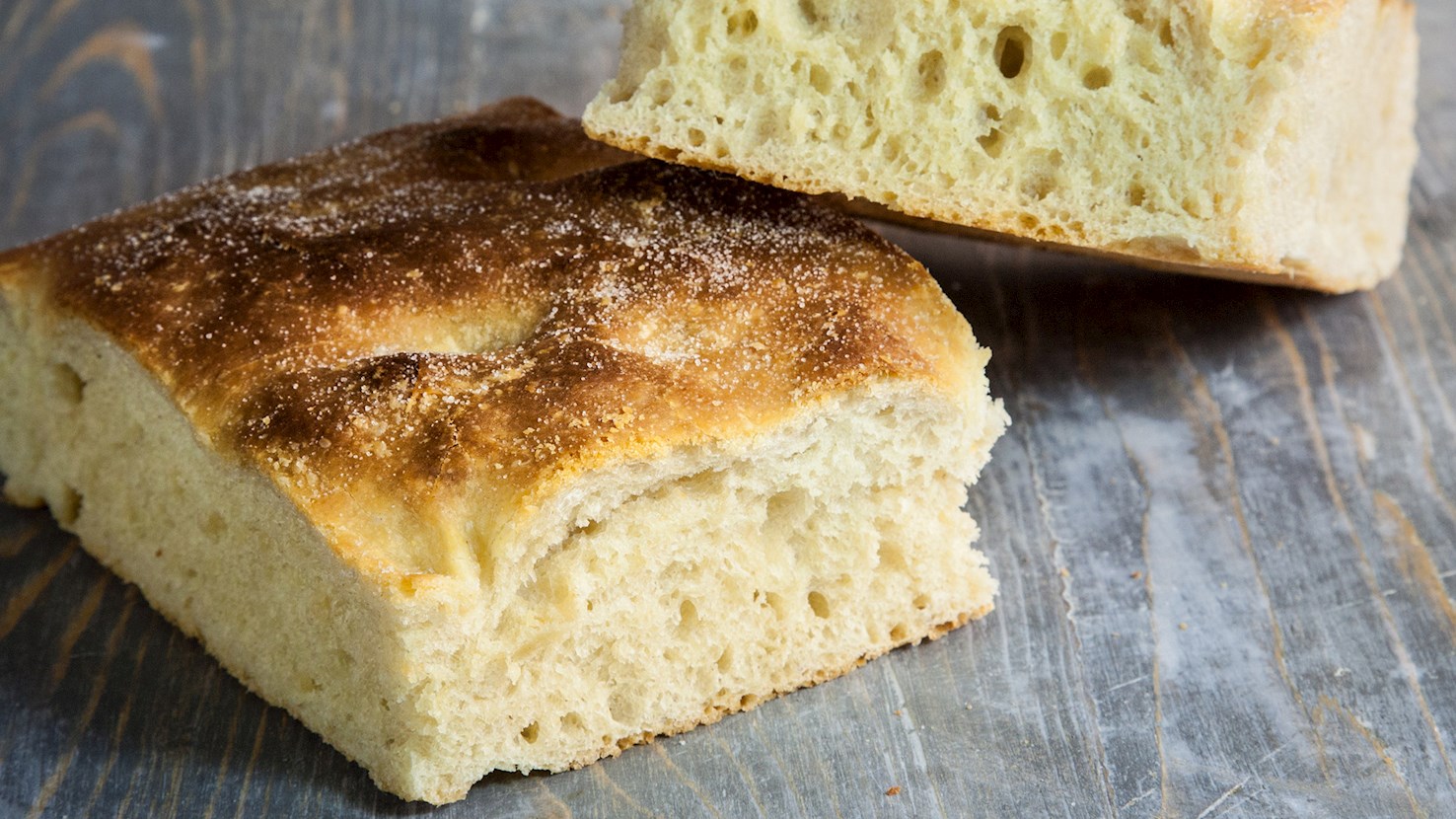
Focaccia alla Genovese is believed to be the original focaccia. Hailing from Genova, this classic focaccia is coated in olive oil and sprinkled with coarse sea salt. Unlike other focaccias, this one is traditionally shaped into a flat rectangle. It consists of flour, yeast, salt, sugar, water, and olive oil. The dough is simply baked in the oven until the focaccia becomes golden brown, crispy, and shiny. The flatbread is locally known as fugassa.

02

Focaccia Barese

4.4 ·

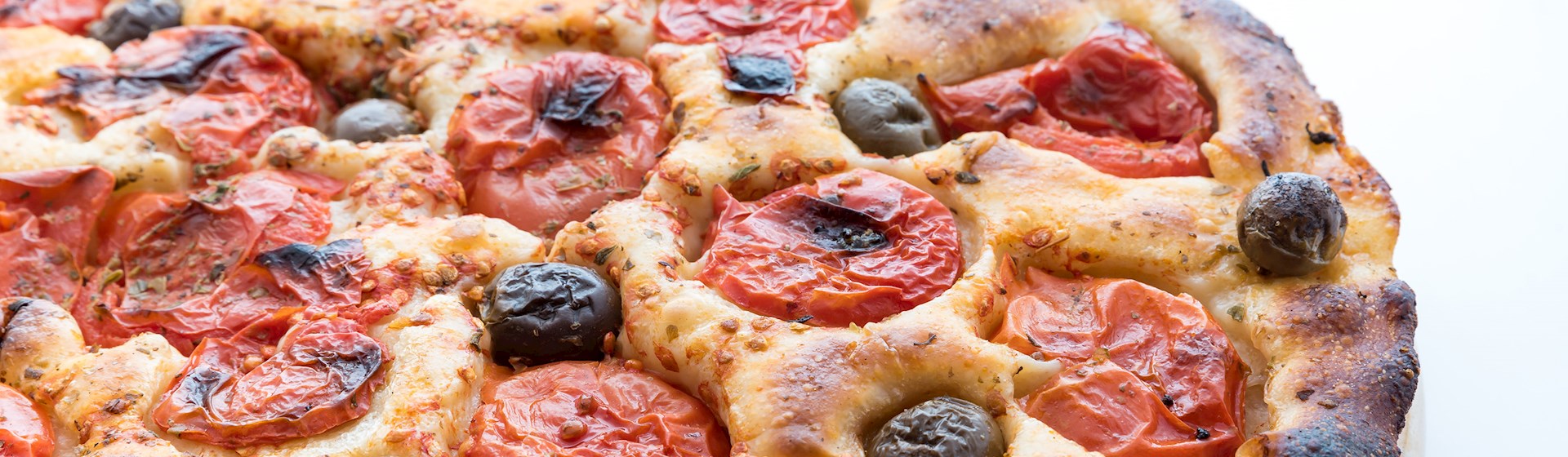
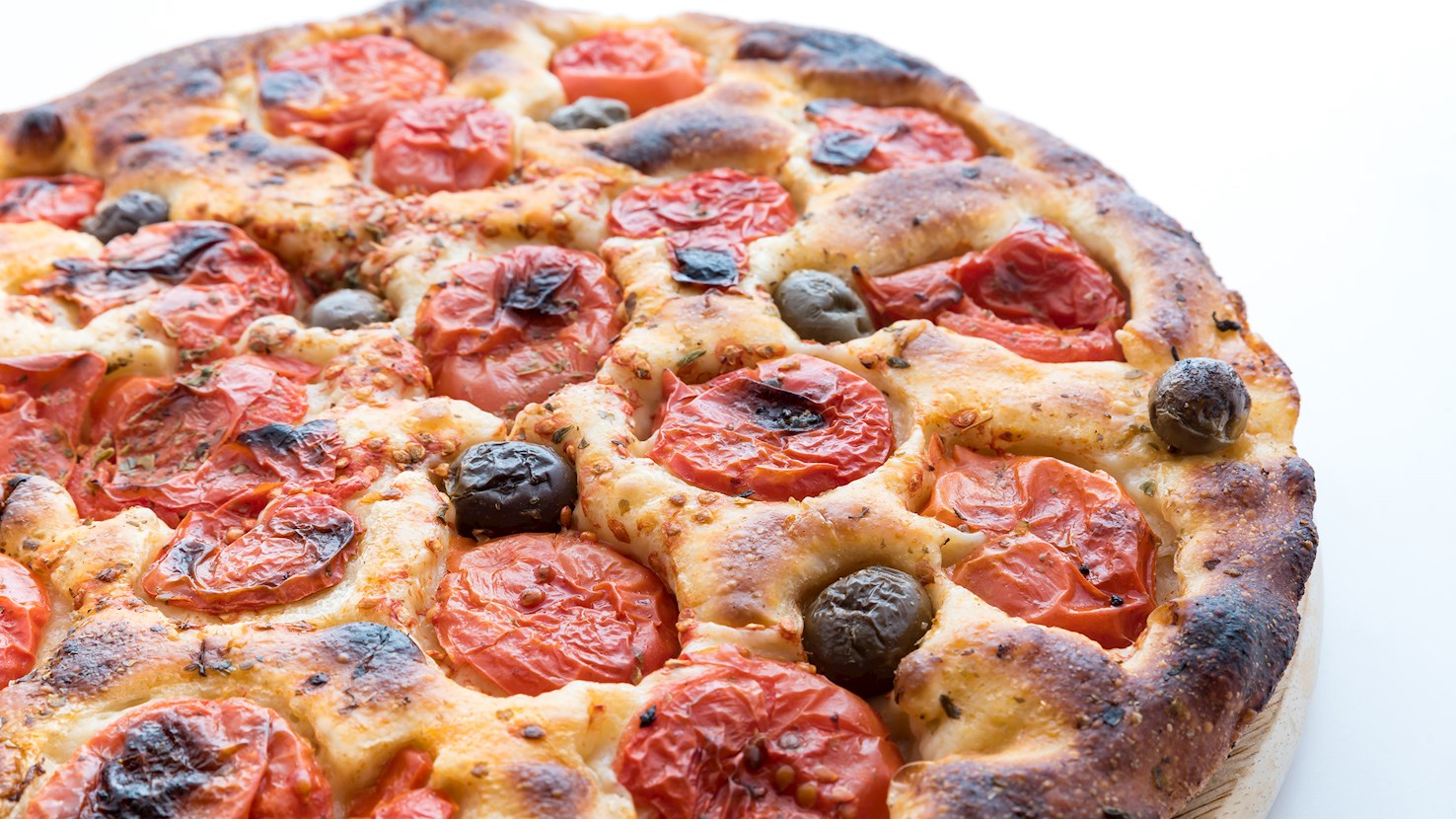
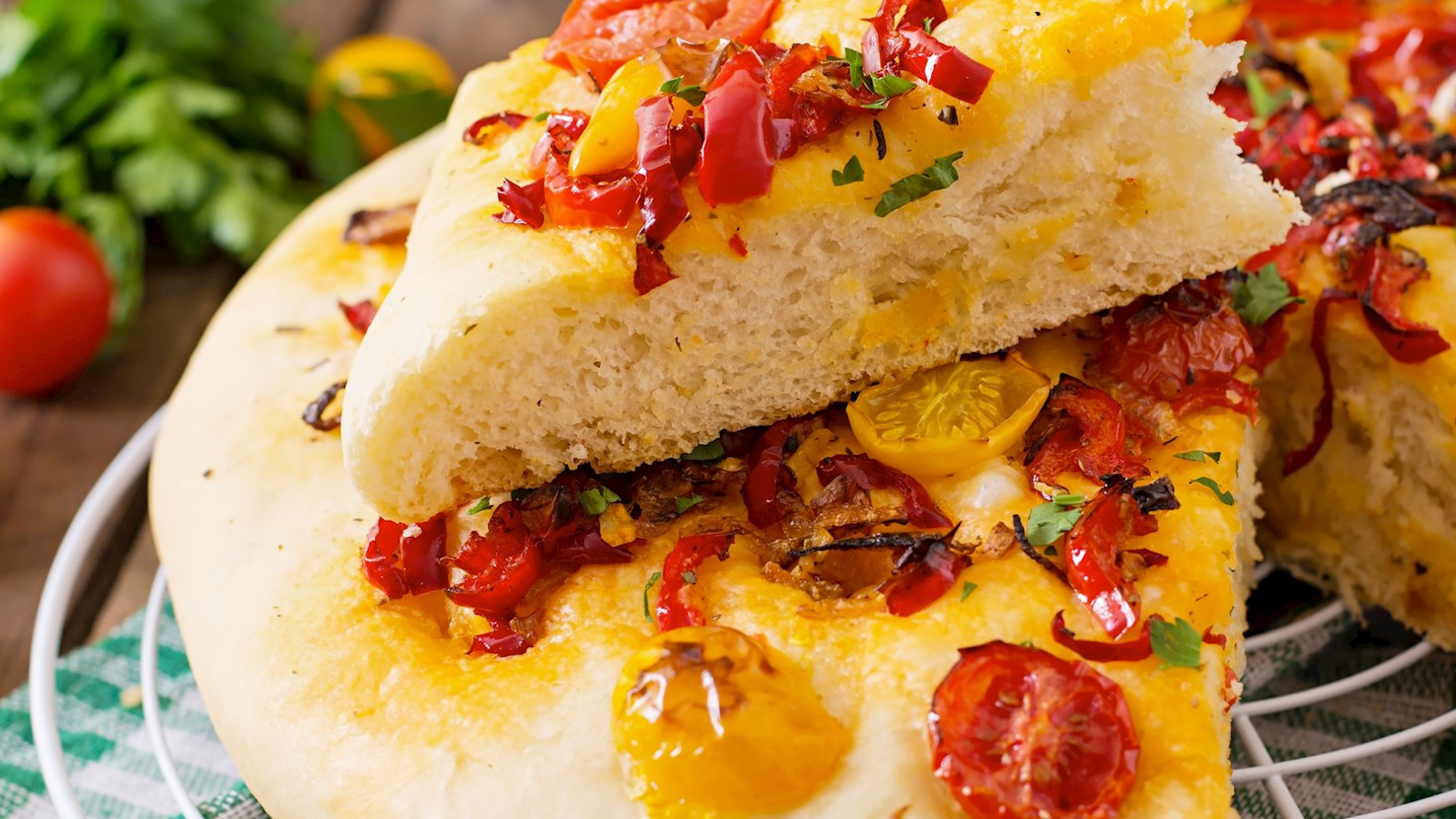
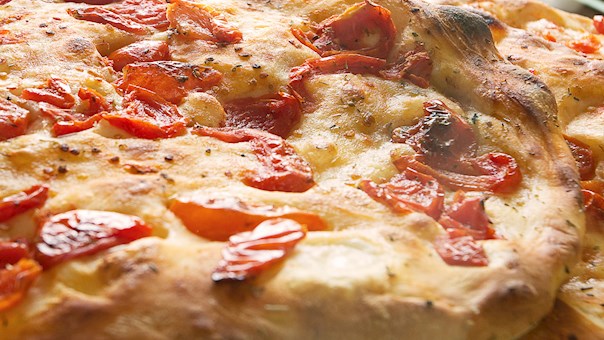
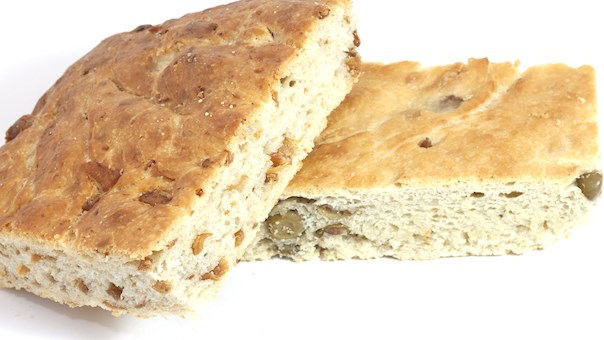
This Apulian delicacy is traditionally prepared with a soft, yeasted dough that combines semolina, wheat flour, and mashed potatoes. It is usually topped with cherry tomatoes and olives, but some varieties occasionally employ other combination of ingredients, such as different vegetables, coarse salt, or rosemary. Always baked in round tins, focaccia is usually doused in olive oil and is best served lukewarm.

03

Piadina Romagnola

4.3 ·

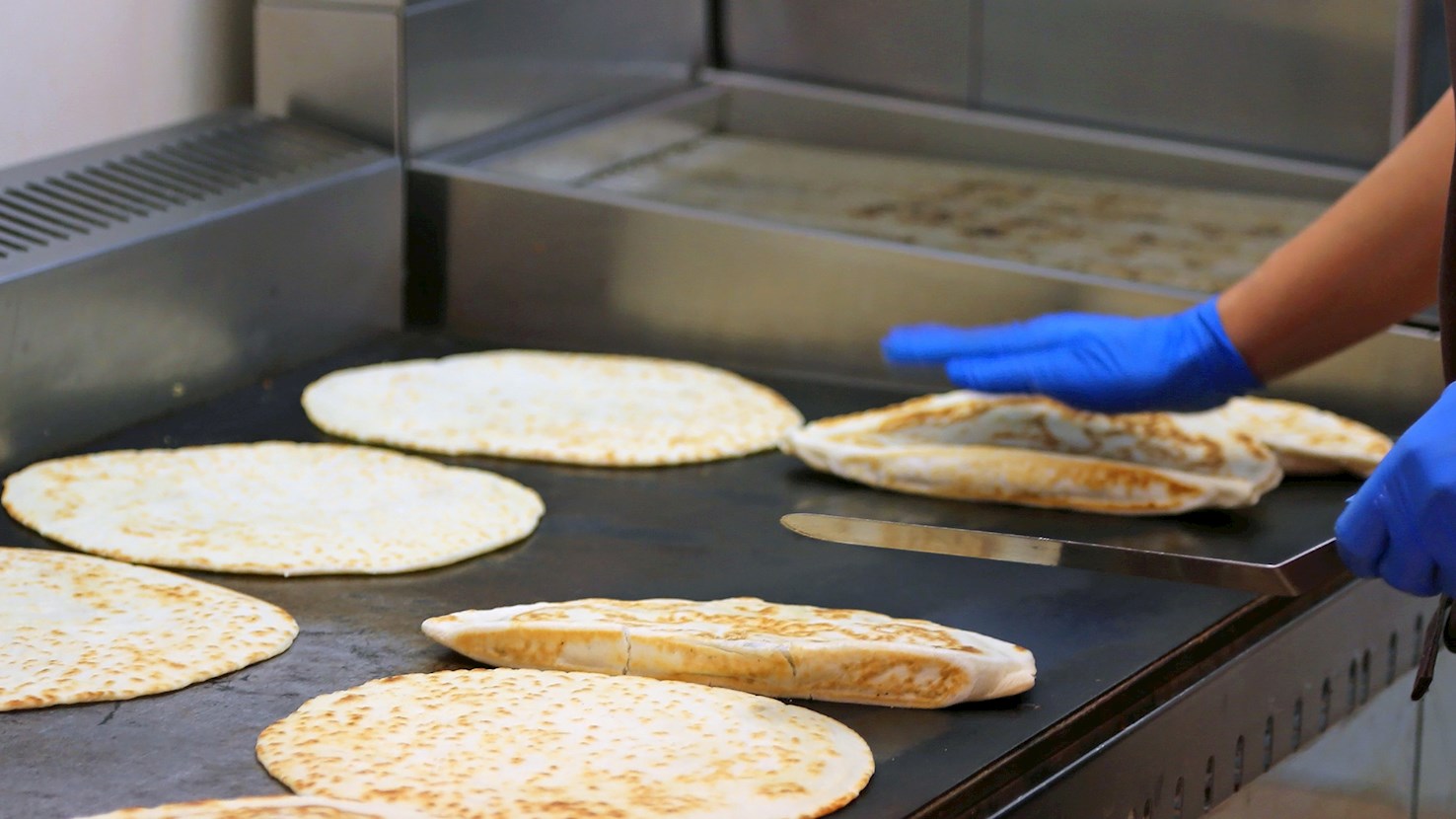
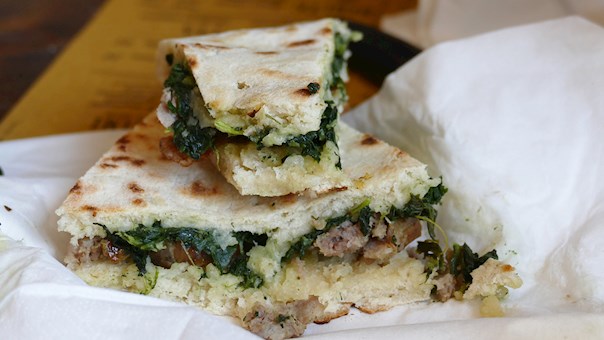
Even though today this griddled Italian flatbread is typically enjoyed as a sandwich (one of the most popular fillings includes prosciutto, creamy soft cheeses like squacquerone, tomatoes, and a handful of peppery wild arugula), Piada or piadina Romagnola was once merely a staple of the poor, often made with maize flour and called la pjida ad furmantoun in Romagnolan dialect. In his poem entitled La Piada, which is sort of an ode to the beloved Romagnolan piadina, a 19th century Italian poet Giovanni Pascoli calls it "the bread of poverty, humanity, and freedom", describing it as "smooth as a leaf and as big as the moon." Since then, the humble, rustic piadina has come a long way and even today takes a special place in the regional cuisine, having been awarded the Protected Geographical Indication status. Le piadine, in plural, can take virtually any ingredients as their filling, and they can be easily found freshly prepared at numerous street kiosks called piadinerie, as it is best to eat a piadina only minutes after it comes off the cast-iron griddle while it's still pliable and warm - the perfect frame for the almost-melting soft cheese and delectable, thinly sliced charcuterie.

04

Focaccia

4.2 ·

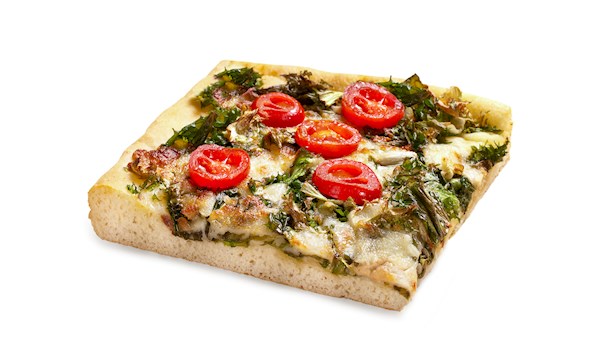
This chewy, oily flatbread is quite versatile, and can be topped with a range of ingredients such as coarse sea salt, olive oil, herbs, tomatoes, or olives. Historians tend to believe it was invented either by the Etruscans or in ancient Greece, although unleavened flatbreads have long been made throughout the Middle East. The name focaccia is derived from the Roman panis focacius, meaning “hearth bread”, referring to the fact that focaccia was traditionally baked in coals in Roman times. The basic recipe spread to France and Spain over time, where the bread is known as fouaisse and hogaza, respectively. Foccacia’s pockmarked appearance results from indentations made in the dough to prevent large bubbles from appearing on its surface during baking. Today, savory versions of focaccia are topped with rosemary, sage, garlic, cheese, and onions, while sweet varieties can be topped with honey, raisins, sugar, and lemon peel, among others.

05

Farinata di ceci

4.1 ·

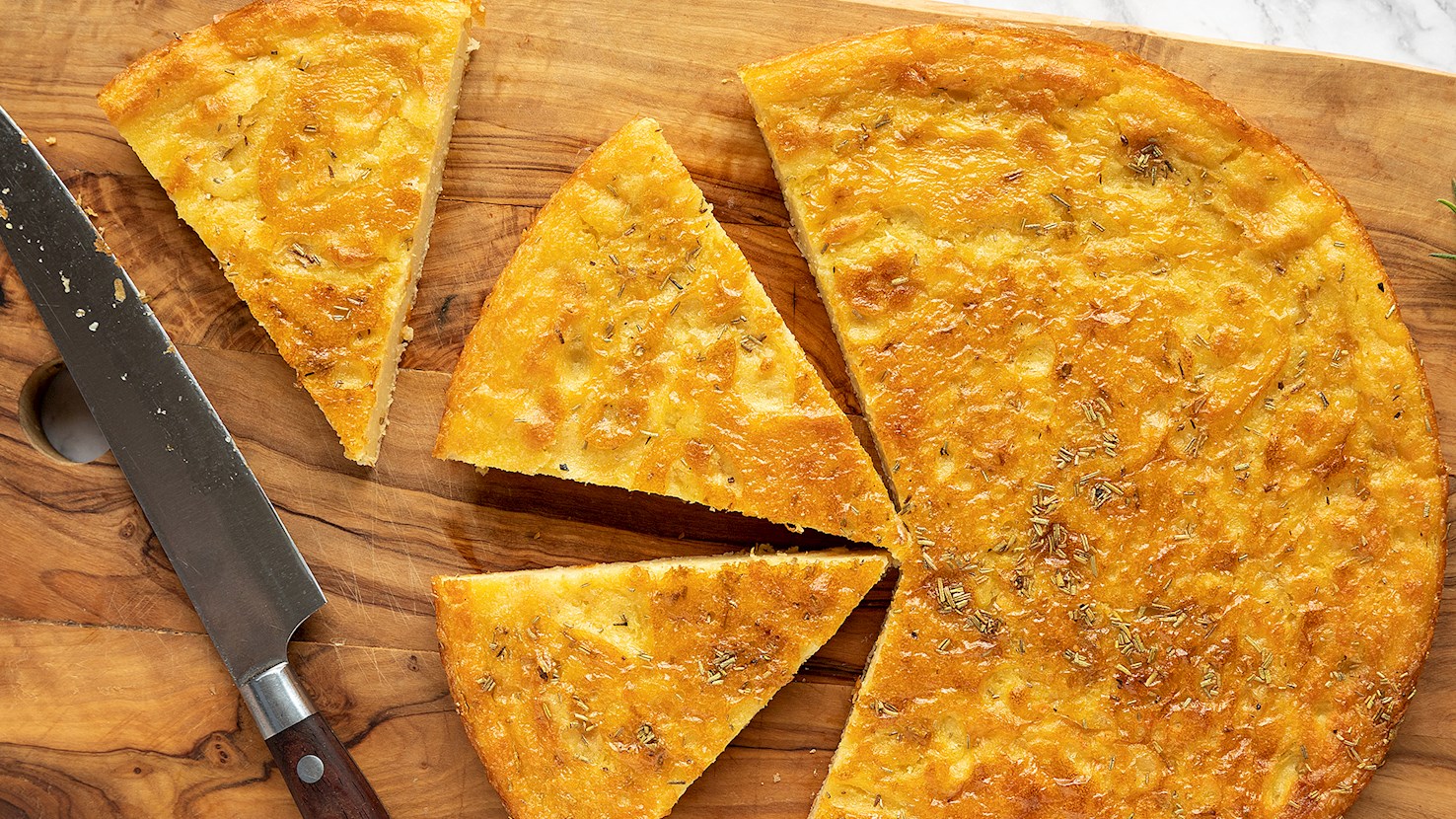
This traditional Ligurian dish is a simple, oven-baked flatbread made only with chickpea flour, water, extra virgin olive oil, and salt. Its origins can be traced to Roman times, but according to legend, farinata as we know it today is said to have been invented in August of 1284, when the Republic of Genoa defeated Pisa in the battle of Meloria in the Ligurian Sea. On their way back home, the Genoese ships were hit by a tempest, and some of the olive oil and chickpea flour barrels broke, they were mixed together, then moistened by salty sea water. After the tempest, realizing they didn’t have anything else to eat, the sailors put this mixture to dry in the sun and consumed it. Often flavored with rosemary, farinata di ceci can be eaten plain or enjoyed with creamy stracchino or crescenza cheese and a touch of pesto alla Genovese.

06

Pane guttiau

4.1 ·

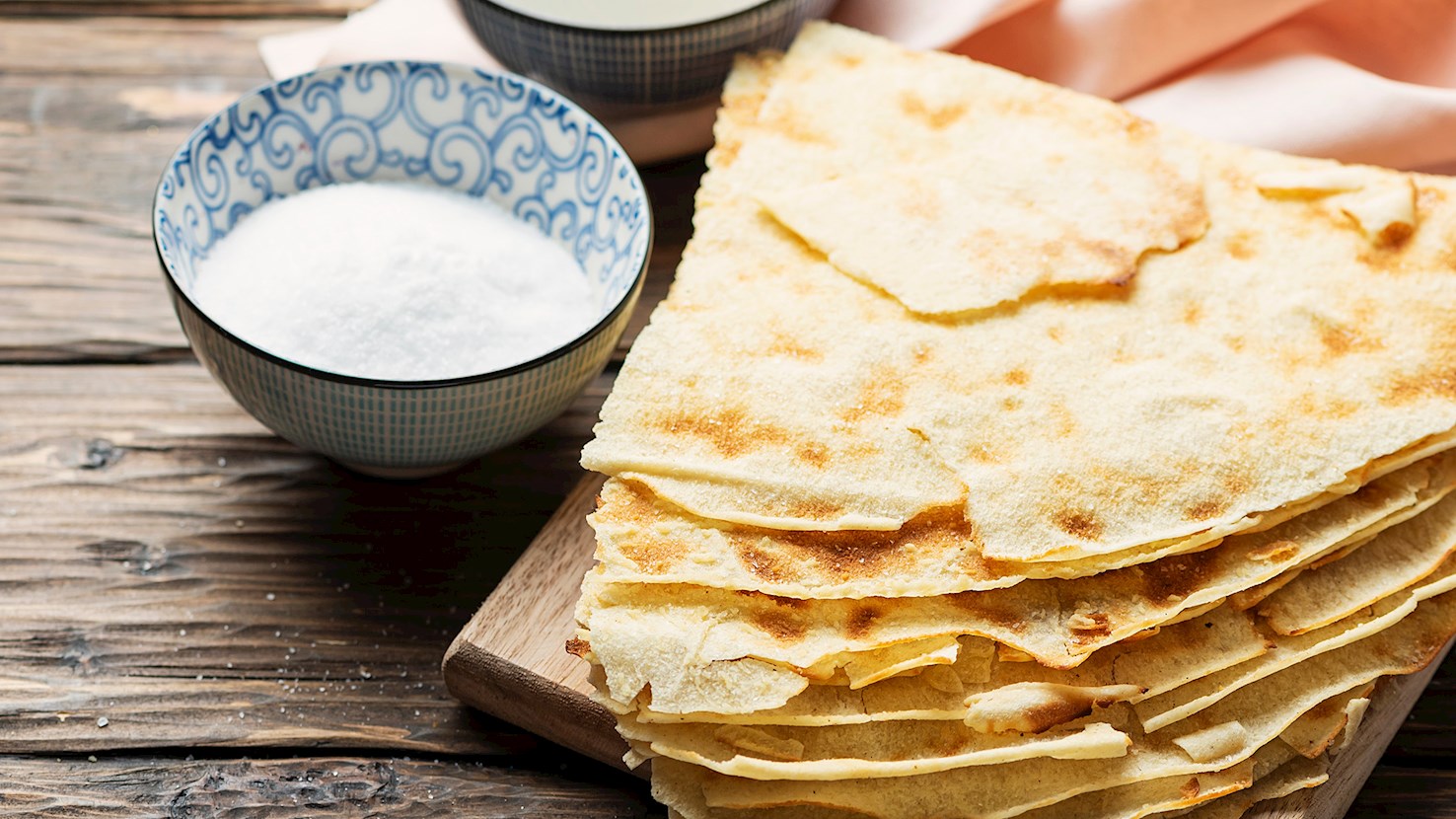
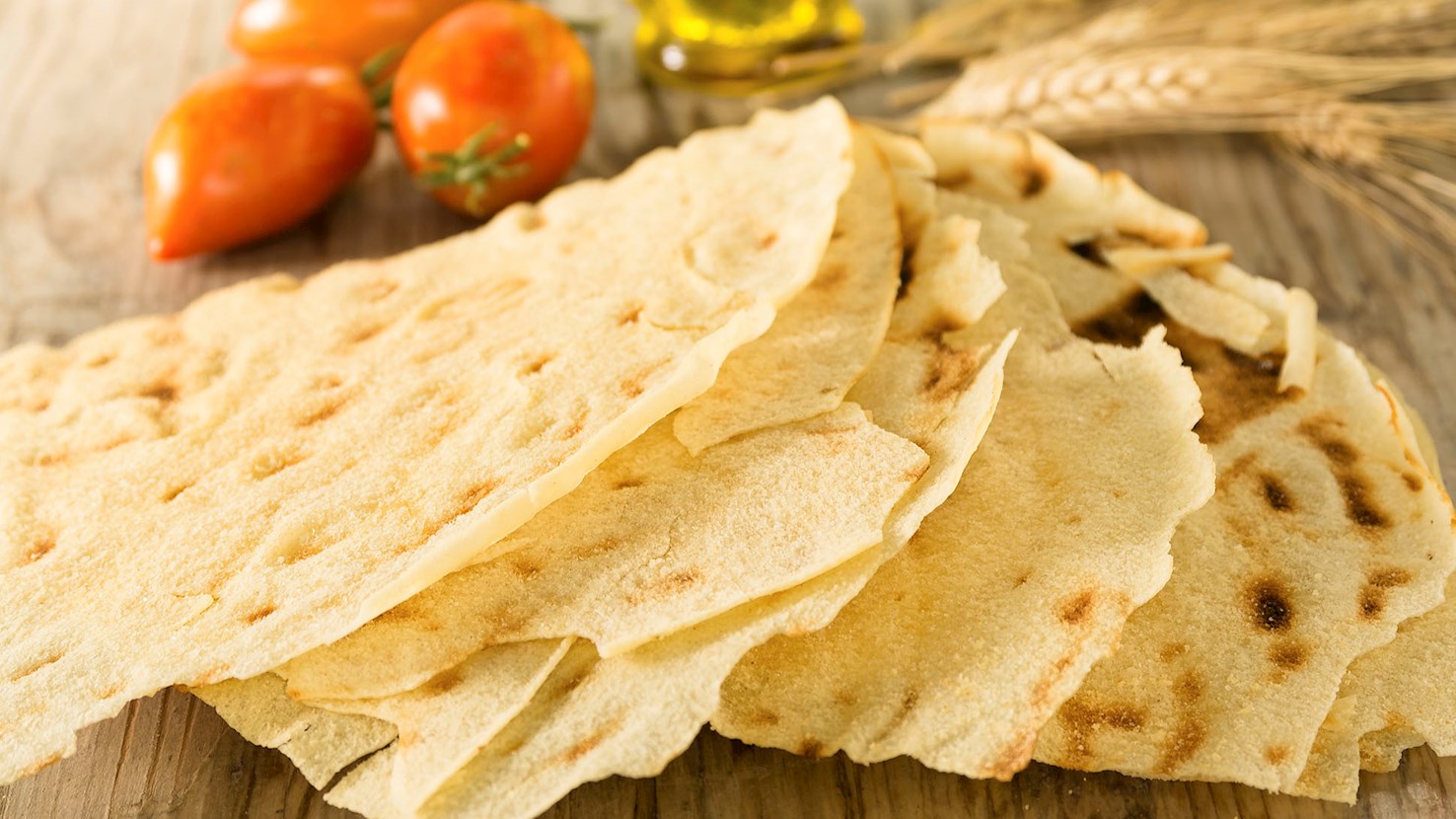
Pane guttiau is a traditional flatbread originating from Sardinia. It's very similar to pane carasau, but guttiau is even thinner. The flatbread looks like thin leaves with long cracks, and it was originally made for shepherds who took it with them to the pastures because it keeps very well – if kept dry, it stays edible for a whole year. The dough is rolled as thinly as possible, and it is then baked until the edges start to rise up. Pane guttiau is often brushed with olive oil and sprinkled with sea salt, then eaten as a snack. It's also commonly served with salami and cheese.

07

Crescentina modenese

4.0 ·

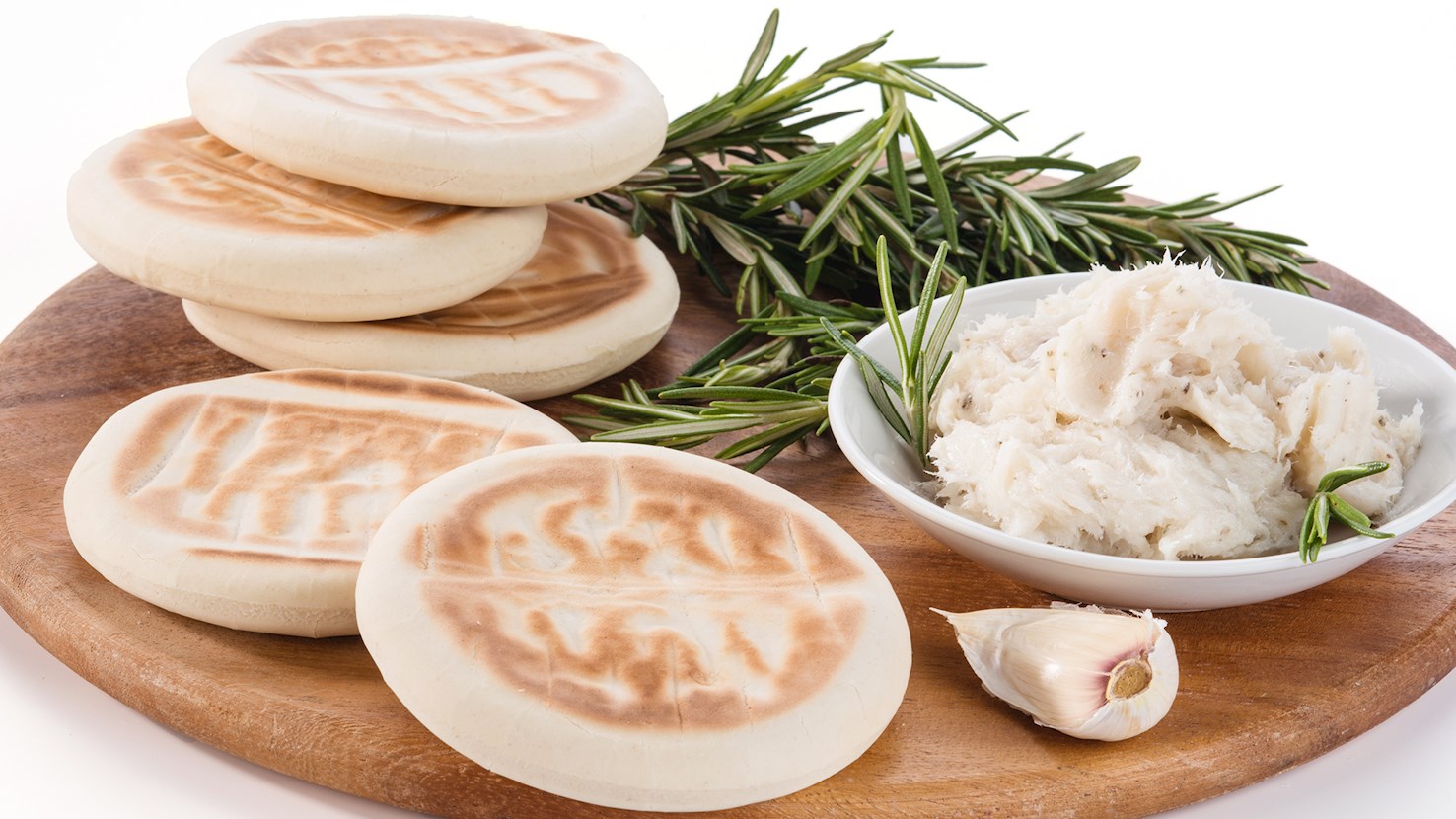
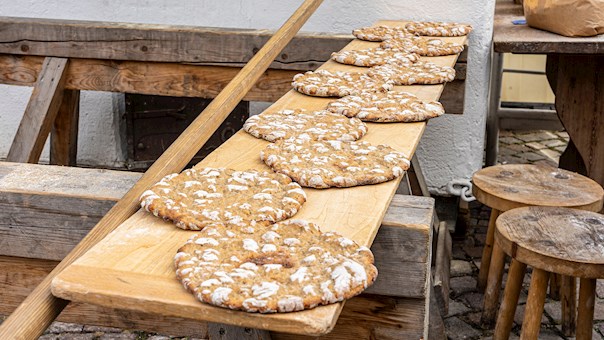
Crescentina modenese is a traditional, disk-shaped Italian bread that is crispy on the exterior and soft on the interior. It is traditionally baked in special stones called tigelle (the reason why the flatbread is sometimes called like that), and usually slathered with a spread made from lardo, rosemary, garlic, and Parmigiano-Reggiano cheese. The stones often have a decorative symbol on both sides, which is embossed on the dough as it bakes. It is believed that crescentina modenese was invented by the poor people from the Apennine Mountains near Modena, where farming families would gather around the hearth to bake their evening bread.

08

Pane carasau

3.9 ·

Popularly called carta musica, due to its resemblance to an old music sheet parchment, pane carasau is a traditional Sardinian flatbread whose origins have been traced to the Nuragic Age, circa 1900-730 BCE. Because of its long storage life, pane carasau was once a staple food of Sardinian shepherds during their trips to mountain pastures. This artisan Italian bread is made with durum wheat flour, water, yeast, and salt; it is extremely thin and twice-baked for extra crispness. With quite a unique flavor and a heavy aroma of cereals, barn, and wood-burning ovens, this flatbread is delicious as a cracker and is typically enjoyed as an accompaniment to various snacks, cheeses, appetizers, and soups. Pane carasau is also used for preparing another classic of Sardinian cuisine called pane frattau, a lasagna-style dish made with crispy sheets of carasau that are soaked in hot water, then layered with tomato sauce and pecorino Sardo cheese.

09

Scaccia

3.8 ·

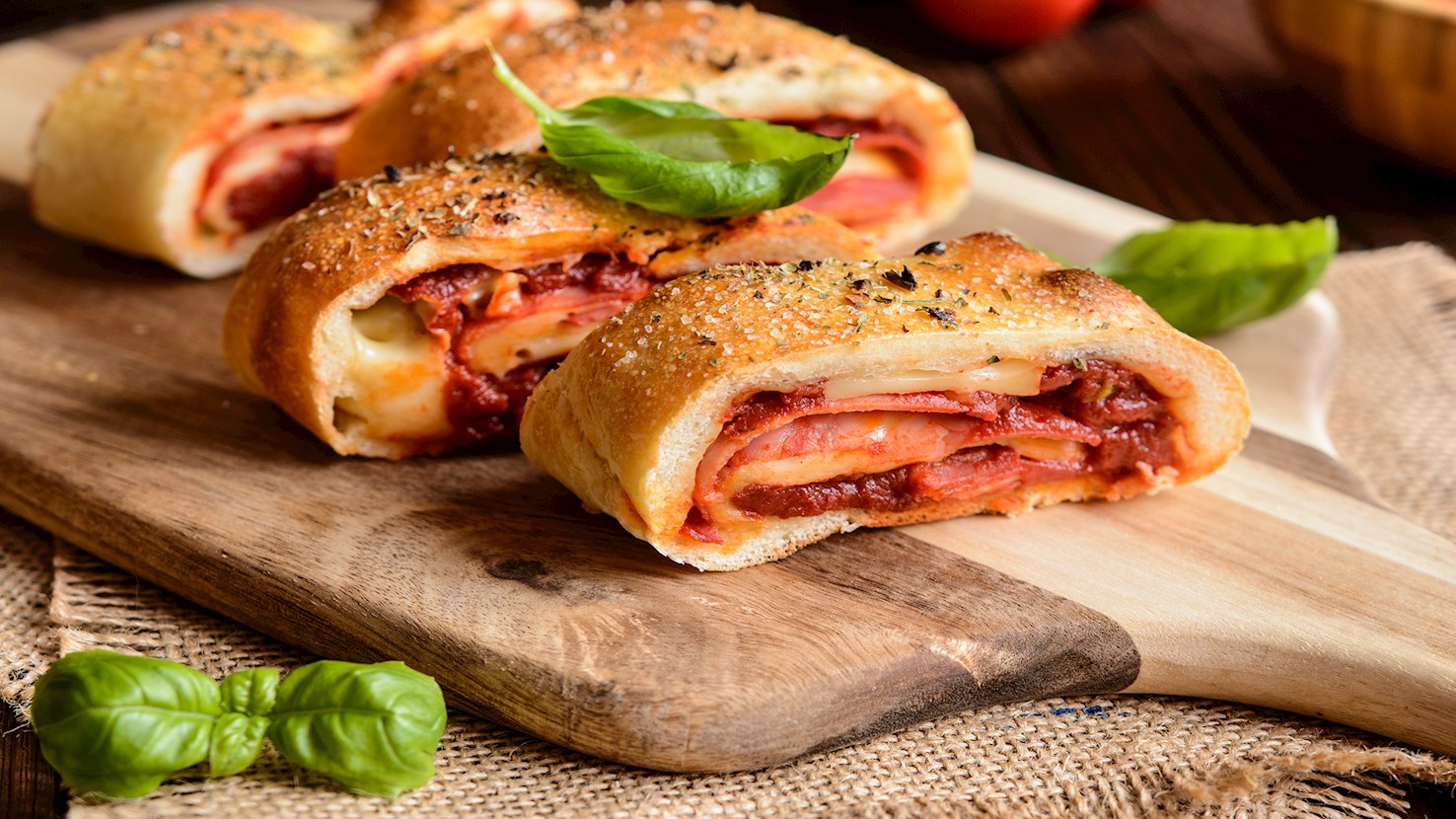
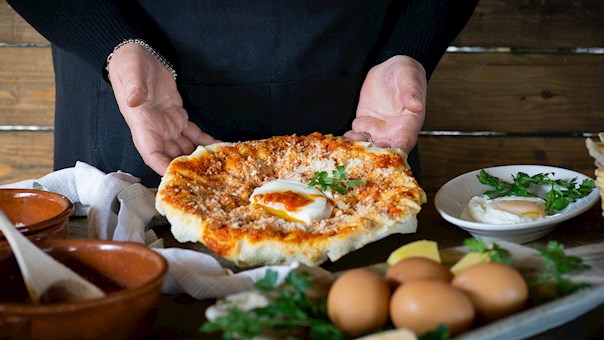
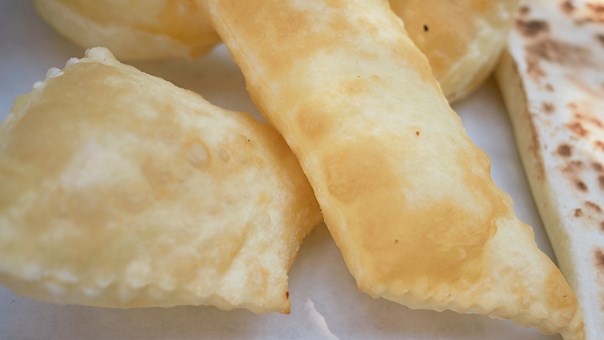
Scaccia is a unique dish from the Sicilian province of Ragusa that can either be described as a cross between lasagna and calzone pizza or a stuffed flatbread. It's prepared by topping the thinly rolled dough with various ingredients, then folding it over itself so that it resembles a strudel. These long, rectangular stuffed flatbreads are traditionally sliced in pieces, revealing the flavorful layers of dough, sauce, and cheese. There are several regional varieties of scaccia, so in some places it is topped only with sauce and cheese, while in other places it is topped with potatoes, cottage cheese, sausages, and different vegetables.

10

Sfincione

3.7 ·

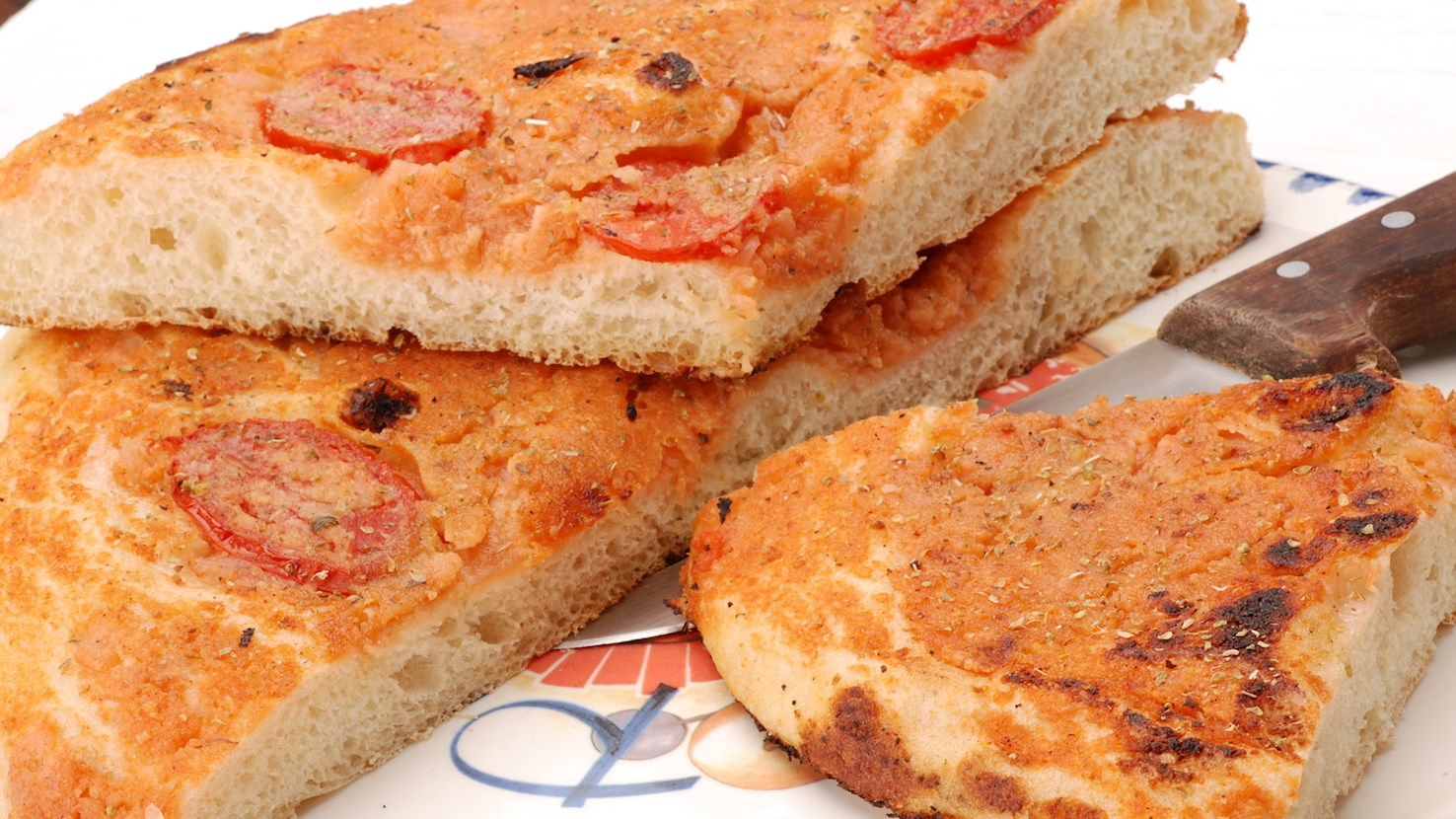
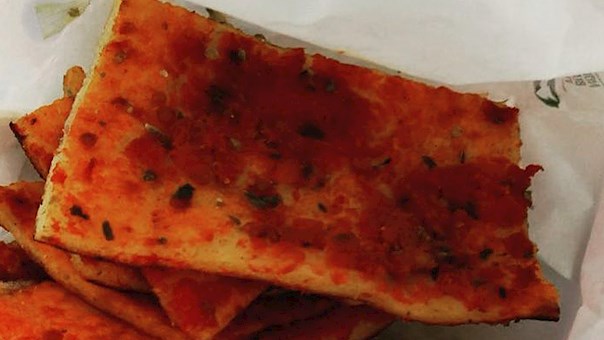
This traditional Sicilian focaccia is an oven-baked flatbread topped with an oregano-flavored tomato sauce made with the addition of onions, anchovies, breadcrumbs, and local cheeses such as caciocavallo, provolone, tuma, or ricotta. Sfincione is one of the island's favorite street foods, especially in Palermo, where street vendors are often seen driving around in their three-wheeled Piaggio Ape food trucks shouting "Scairsu r'uogghiu e chin'i pruvulazzu" (lit. little oil and lots of dust), referring to the crusty breadcrumb topping. The name sfincione is derived from the Arab word asfanaj and Greek sfoungári, both meaning sponge, which this flatbread resembles in appearance and texture.

Read more
View all
View map
About this ranking

TasteAtlas food rankings are based on the ratings of the TasteAtlas audience, with a series of mechanisms that recognize real users and that ignore bot, nationalist or local patriotic ratings, and give additional value to the ratings of users that the system recognizes as knowledgeable. For the “Top 36 Italian Flatbreads” list until July 15, 2026, 1,927 ratings were recorded, of which 1,531 were recognized by the system as legitimate. TasteAtlas Rankings should not be seen as the final global conclusion about food. Their purpose is to promote excellent local foods, instill pride in traditional dishes, and arouse curiosity about dishes you haven’t tried.

Similar lists