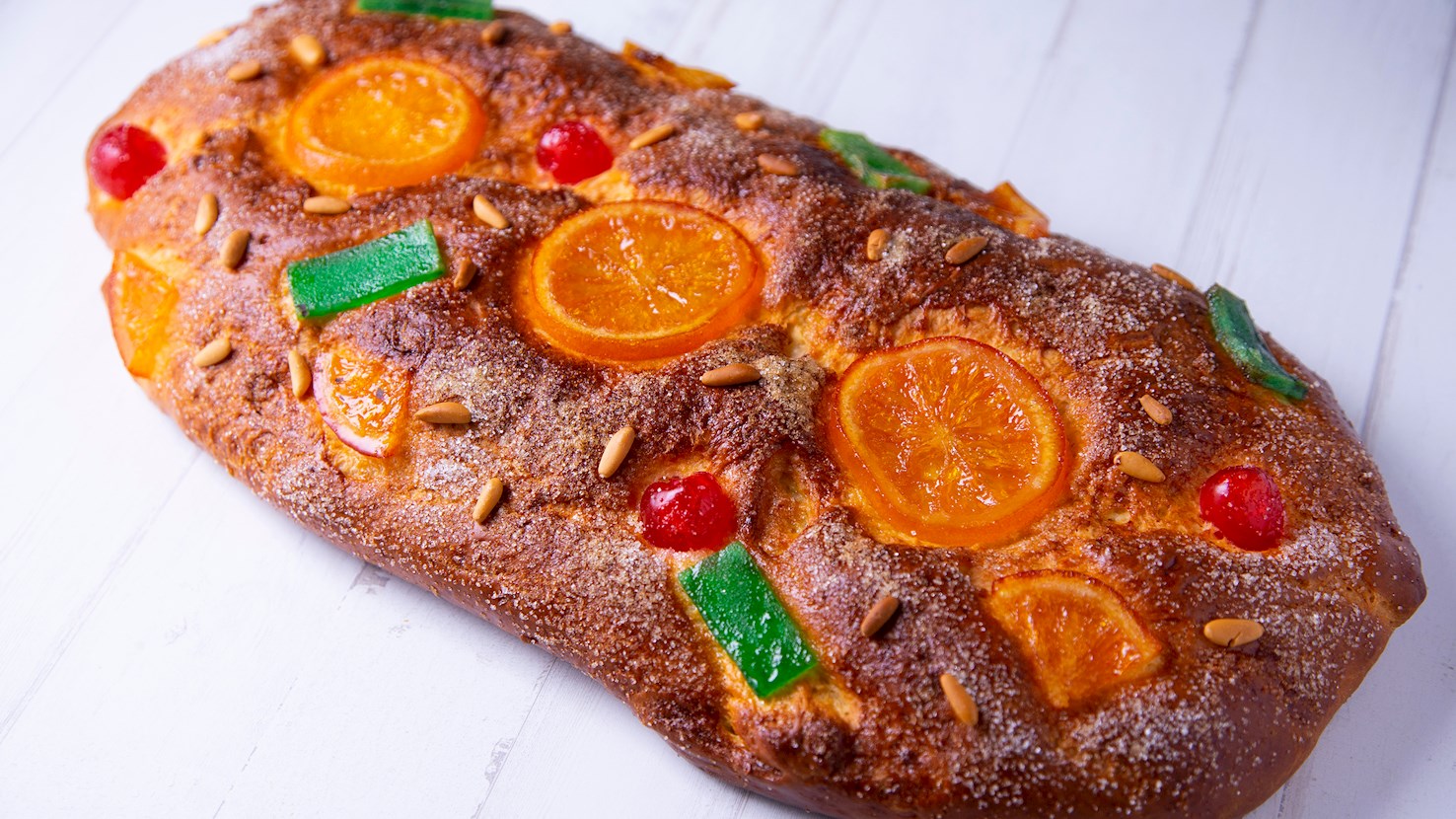
Considered the star of Catalan baked goods, coca is a traditional pastry prepared in a few varieties: sweet, savory, open, and closed. Depending on the variety, coca may take on various shapes and forms and resemble a flatbread, a pizza, or even a cake. The sweet variety usually consists of flour, sugar, butter, and eggs, and it is typically topped or filled with candied fruit, marzipan, cream, or pine nuts. The savory variety is prepared in the same way, but sugar and eggs are replaced by yeast and salt. A wide range of ingredients may go on top or inside savory cocas, including vegetables, fish, meat, and mushrooms, among others. Savory varieties include pizza-like cocas or coques as they’re called in Catalan, such as coca de recapte (topped with vegetables and fish) and coca de xulla (with bacon and other meat). There is also a variety that combines sweet and savory flavors such as coca de llardons, a flat coca which is made with pork cracklings, pine nuts, and sugar. In Spain, special varieties of coca are prepared for almost all important festivities and celebrations, and even national holidays such as La Mercè (Festival of the Virgin of Mercy) and La Diada de Cataluña (National Day of Catalonia) have their own unique cocas. Some of these include coca de San Juan (a sweet cake for the eve of St. John’s Day), mona de Pascua (an Easter cake eaten during the Semana Santa), and coca de reyes (a sweet Christmas cake for the Day of the Kings).
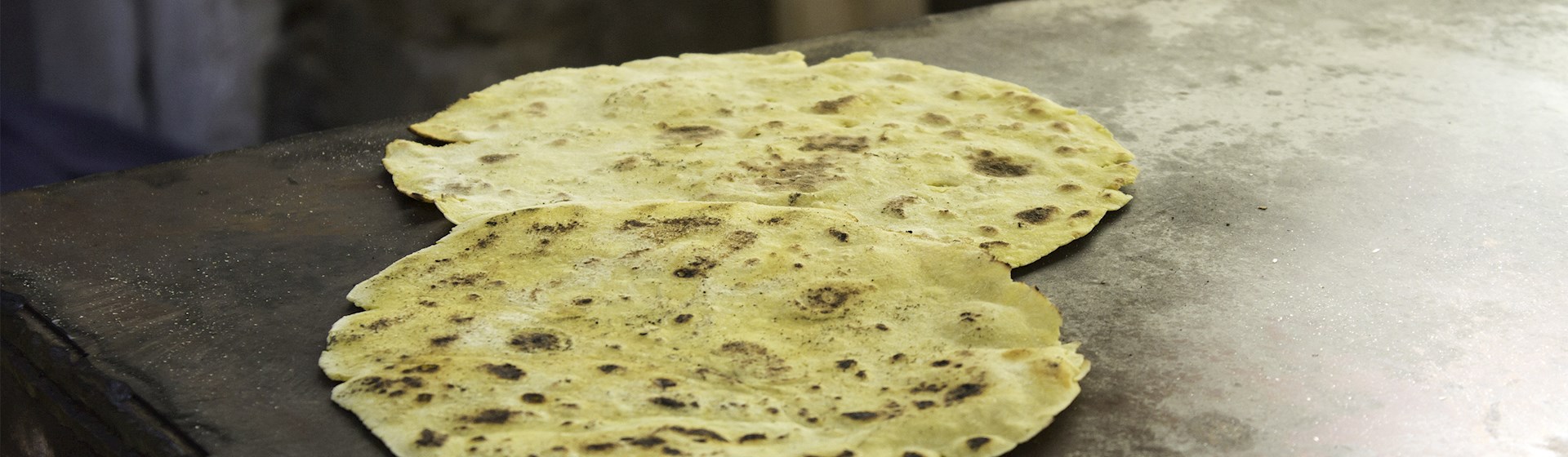
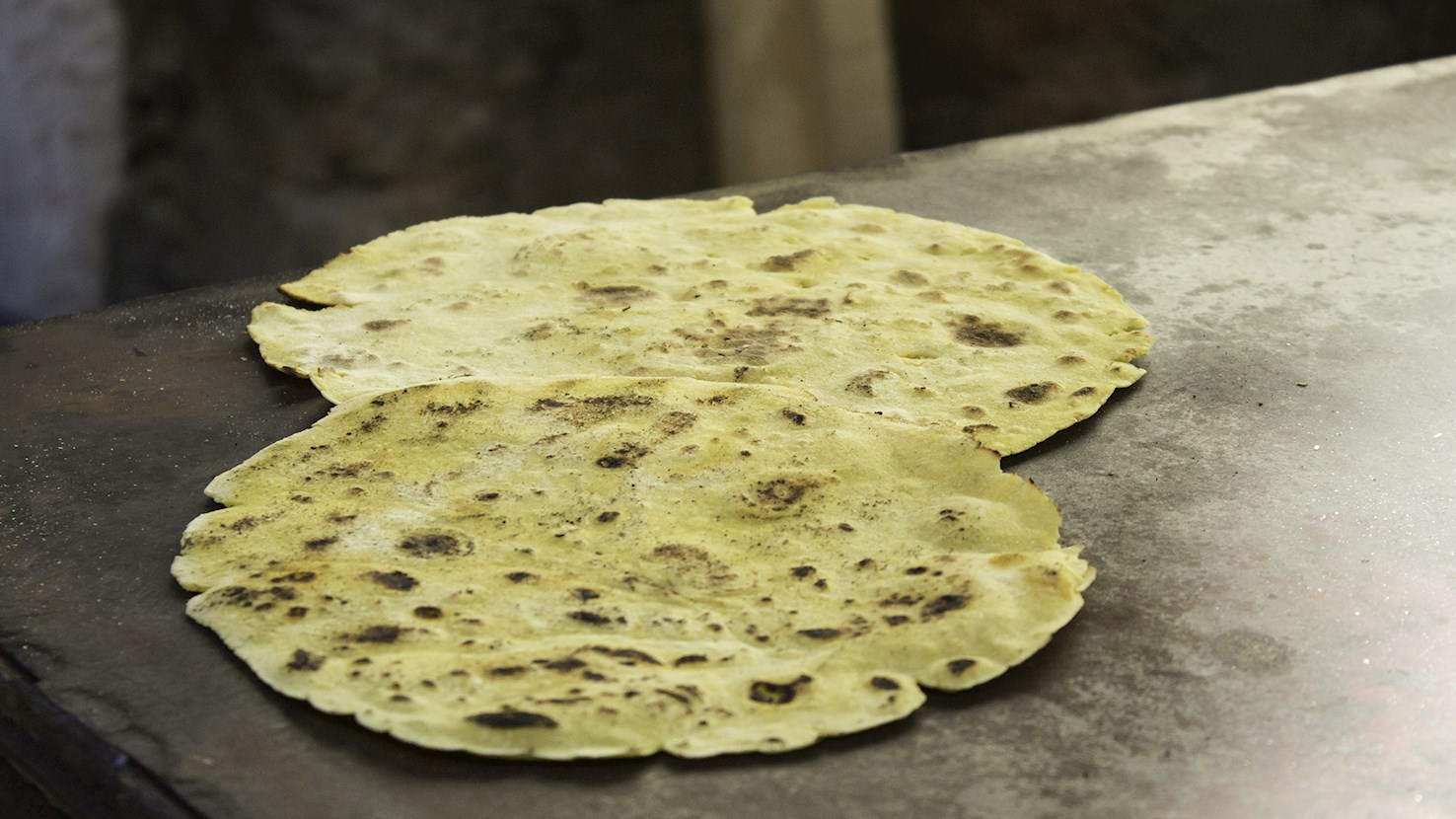
Talo is a traditional flatbread made with corn flour and water. It is one of the most popular street foods in Basque, usually filled with txistorra sausage, although one can find talo topped with bacon, cheese, and even chocolate. Originally, it was used as bread in Basque houses, but today it is prepared at home only for special occasions.
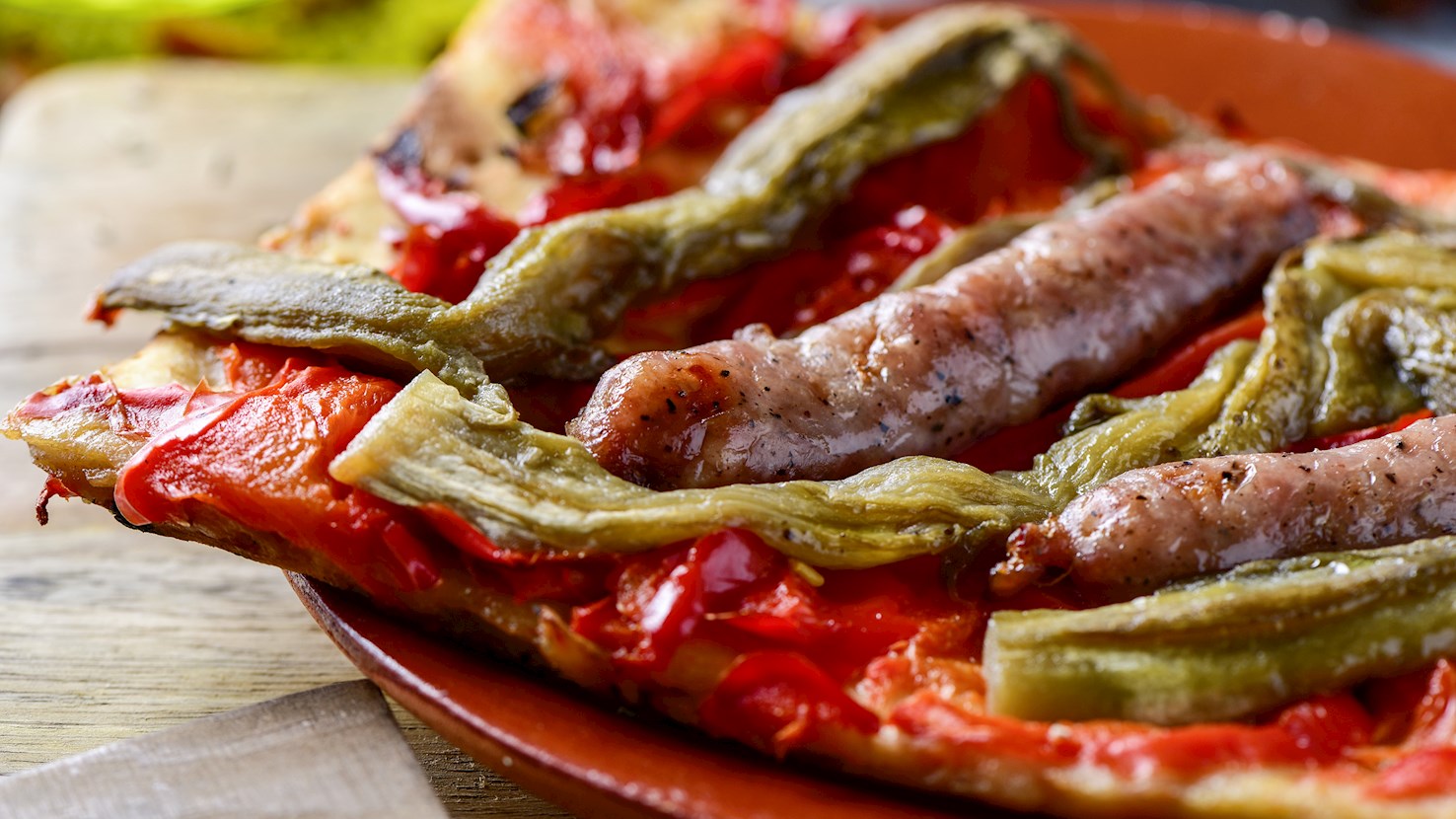
Coca de recapte is a traditional coca variety that's commonly found in Catalonia and Valencia. In Catalonia, this is the most common coca variety which is often sold in bakeries. It consists of a thin bread-dough base that's topped with eggplants and roasted peppers (known as escalivada) in addition to tomatoes and onions. The locals claim that this coca variety was invented in the area of Tarragona and Lleida. Coca de recapte is traditionally eaten cold, and the word recapte in the name of the dish means something like what you have in stock, referring to the fact that the cooks add ingredients which are usually staples of Catalan kitchens. The dough is made with flour, salt, olive oil, yeast, sugar, and warm water, while the topping is made with a combination of eggplants, red bell peppers, onions, olive oil, tomatoes, salt, and sugar. Sometimes, fish such as sardines are added to coca de recapte for even more texture and flavor than it already has.
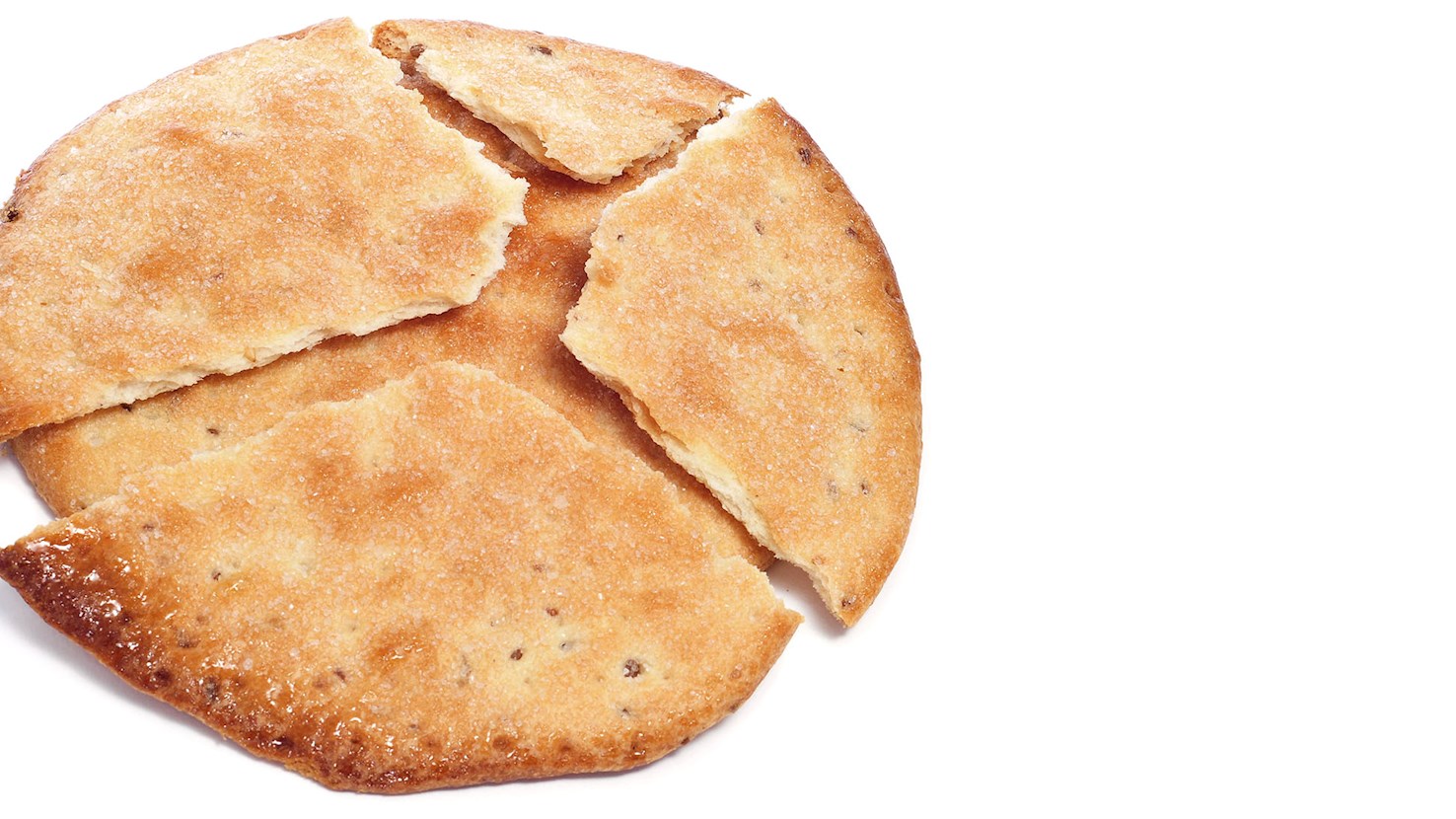
Tortas de aceite de Castilleja de la Cuesta is a pastry made with extra virgin olive oil, flour, wheat, sugar, seeds, yeast, sesame, aniseed, salt, anise essence, and, if desired, ground almonds. Mrs. Inés Rosales rescued a family recipe in 1910 and started producing and marketing these tasty crispbreads with the help of other women from the area at the crossroads and in the old train station in Seville. The secret behind tortas de aceite is in the preparation, it must be made by hand, because otherwise, the oil would not remain in the dough. The baking takes only a couple of minutes, and the result is a sweet, firm and crumbly crispbread. It has a light and flaky texture and a flavor and fragrance of olive oil and aniseed.
Coques de dacsa are traditional Spanish pancakes or small flatbreads that are similar to Mexican tortillas. They originate from Valencia and are usually made with a combination of wheat flour, cornflour, olive oil, and a pinch of salt. The olive oil and salt are mixed in water and brought to a boil. The pan is taken off the heat and both types of flour are mixed in to create the dough. The hot dough is kneaded and rolled into thin rounds, and the flatbreads are then fried in a skillet over a bit of oil on both sides. Once done, coques de dasca are typically filled with a combination of tuna, hard-boiled eggs, anchovies, and tomato sauce, if desired.
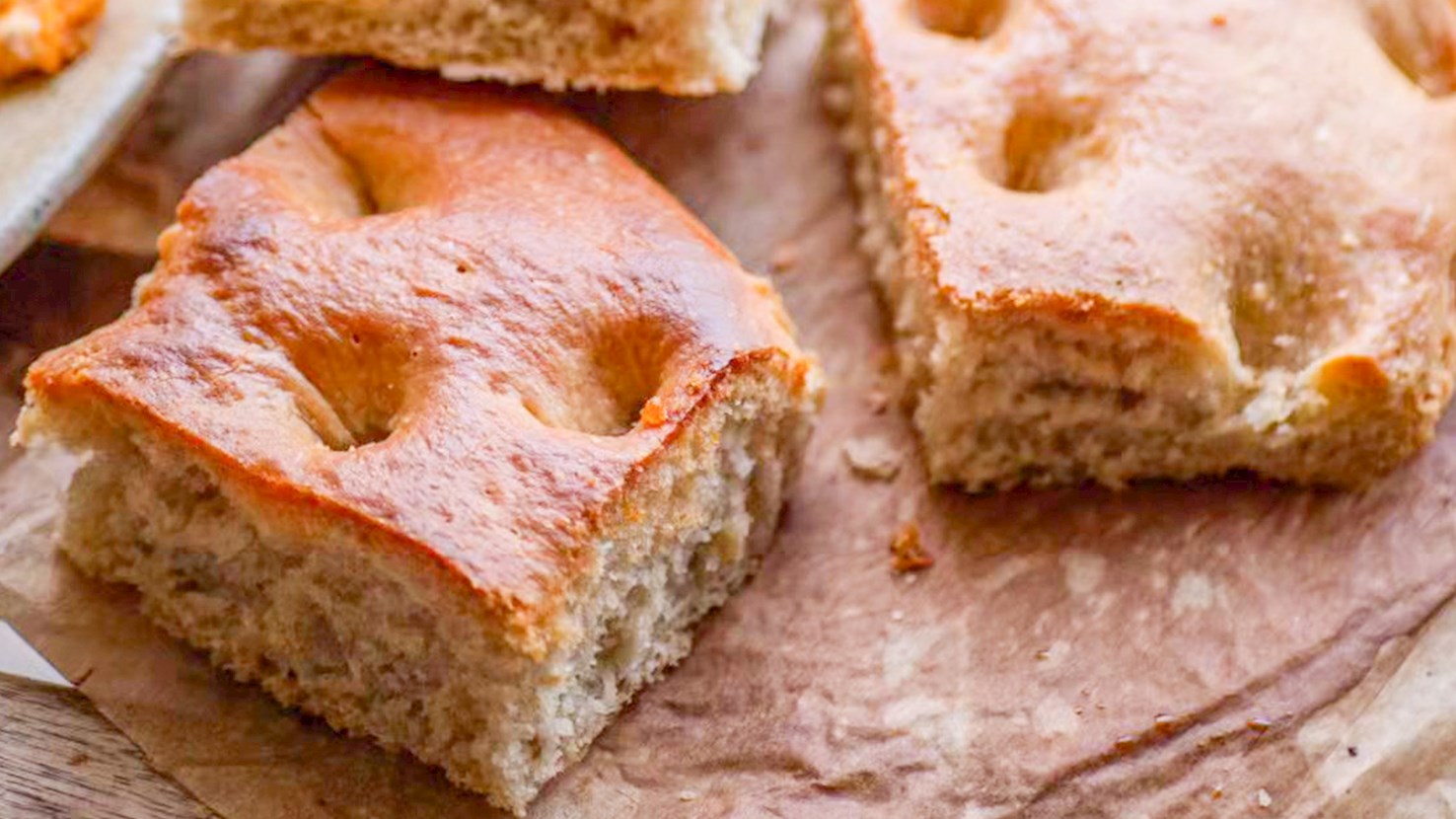
Pan de cañada is a flatbread native to the Spanish region of Aragon, characterized by its flat, elongated shape with characteristic grooves designed for drizzling with extra virgin olive oil. This bread varies in size and can be sweet or salty. It has a moist, spongy crumb with an irregular pattern and a thin, slightly crunchy golden crust. The olive oil used acts as a natural preservative, keeping the bread tender for several weeks. Each Aragon town has its own recipe, but common ingredients include wheat flour, water, a bit of yeast, and salt. For example, a popular recipe is a pan de cañada sandwich stuffed with Aragon lamb. Cañada bread was popular among shepherds, who consumed it during their long journeys along ravines known as "cañadas," which gave the bread its name.
TasteAtlas food rankings are based on the ratings of the TasteAtlas audience, with a series of mechanisms that recognize real users and that ignore bot,
nationalist or local patriotic ratings, and give additional value to the ratings of users that the system recognizes as knowledgeable.
TasteAtlas Rankings should not be seen as the final global conclusion about food. Their purpose is to promote excellent local foods,
instill pride in traditional dishes, and arouse curiosity about dishes you haven’t tried.




What People Say