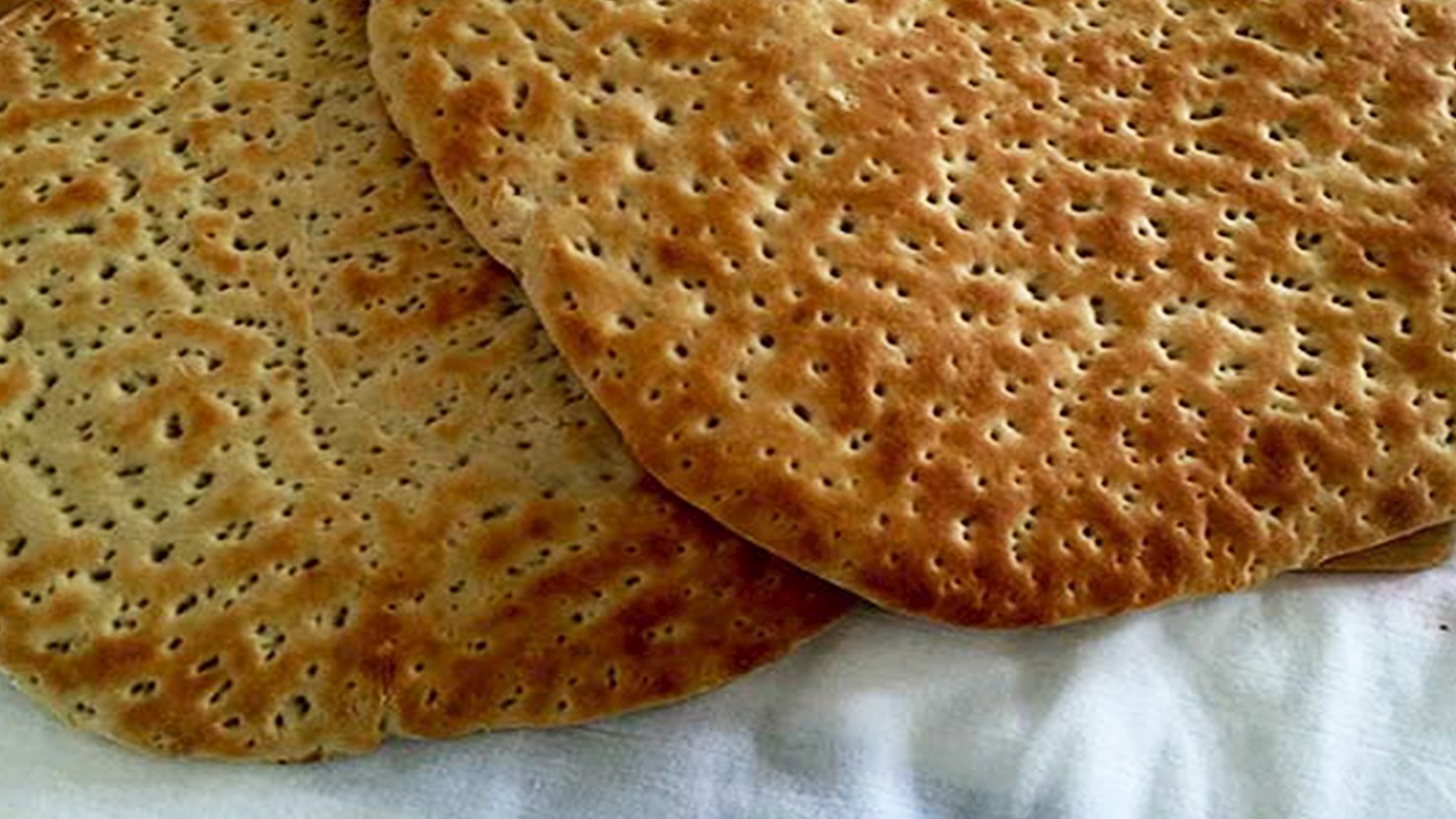
Hönökaka is a classic Swedish flatbread with a light, almost cake-like texture. It's made with a combination of milk, butter, white flour, rye flour, sea salt, yeast, ljus sirap (light syrup), and hjorthornssalt. The final ingredient gives the flatbread its fluffy and light texture – hjorthornssalt was originally made from deer antlers, but nowadays ammonium carbonate is used instead. The dough is left to double in size, and it's then kneaded and flattened before being pricked with a kruskavel (a knobbly rolling pin) and baked in the oven. Once done, it's recommended to serve hönökaka warm with cheese, jams, honey, butter, or pickled herrings on the side.
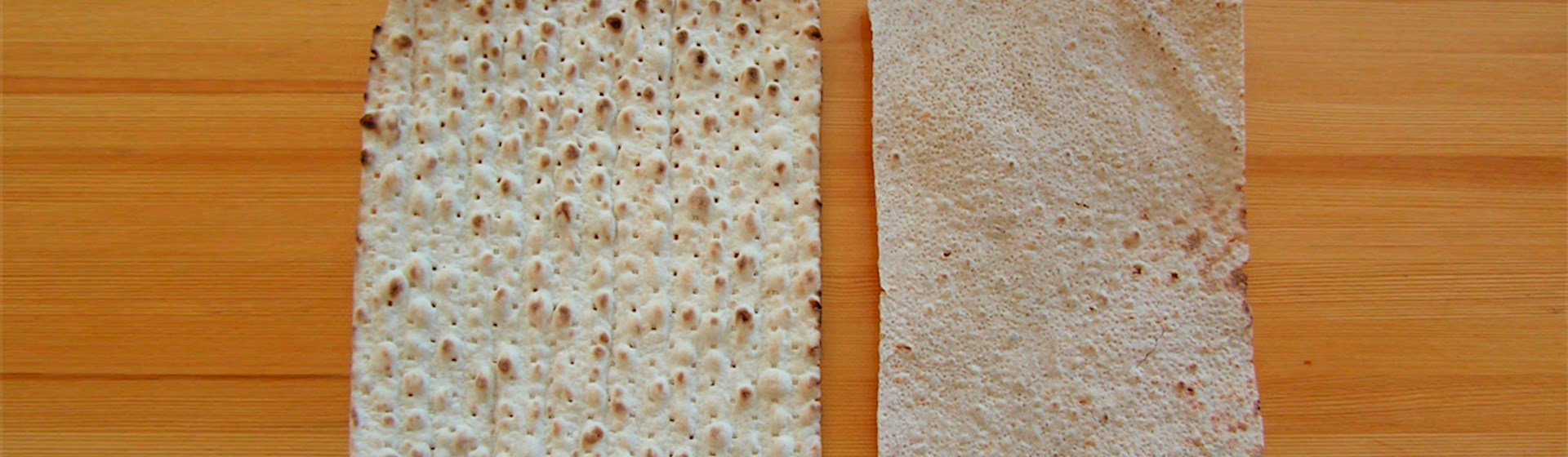
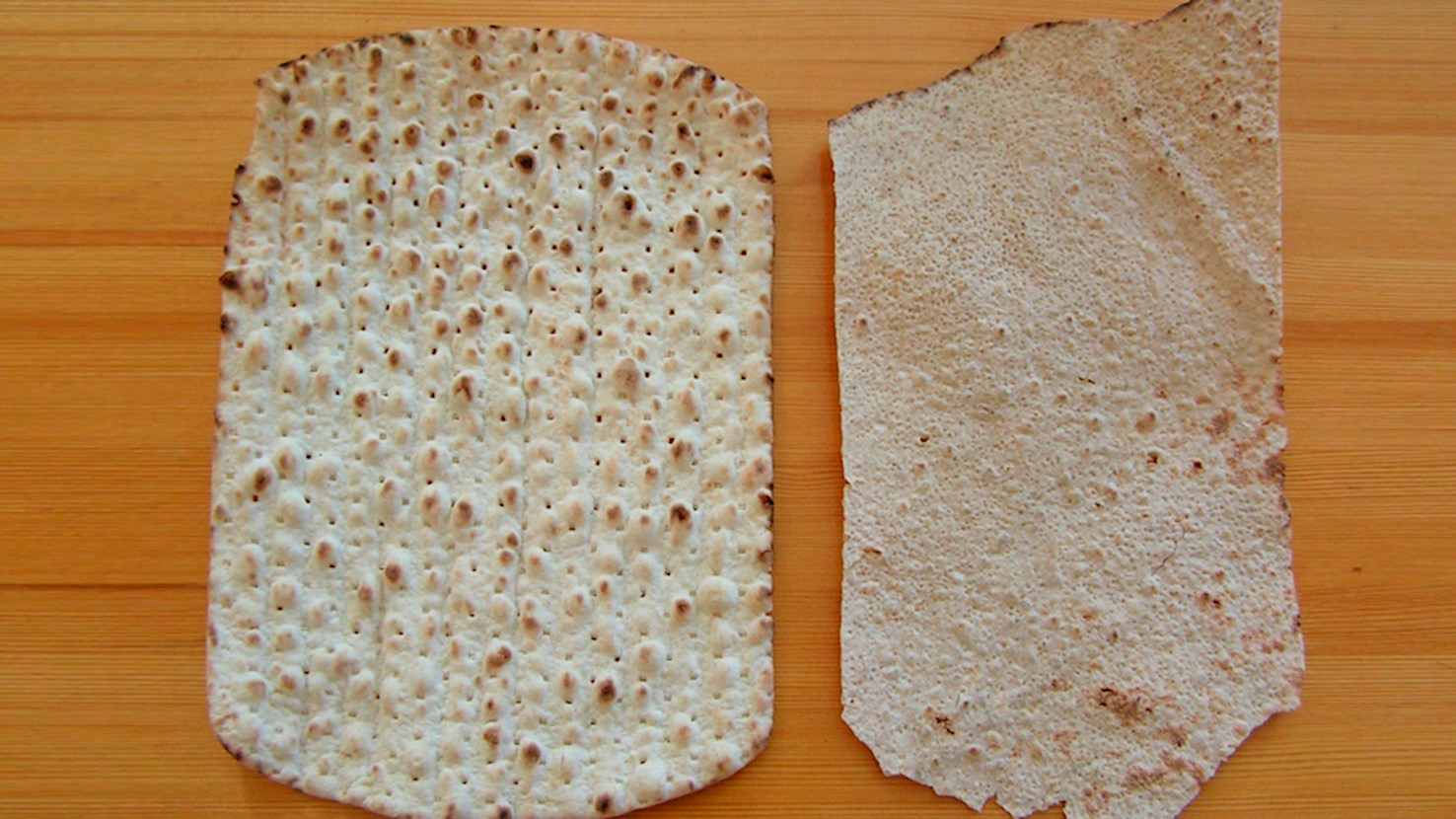
Tunnbröd (lit. thin bread) is a traditional flatbread. Since it could be stored for longer periods, it was created out of necessity. Nowadays, it comes in many forms, which may employ different combinations of wheat, barley, and rye, or various seeds. The primary distinction is made between the soft varieties, which are usually used as wrappers, and hard and crispy types that often form the base of various Swedish snacks.
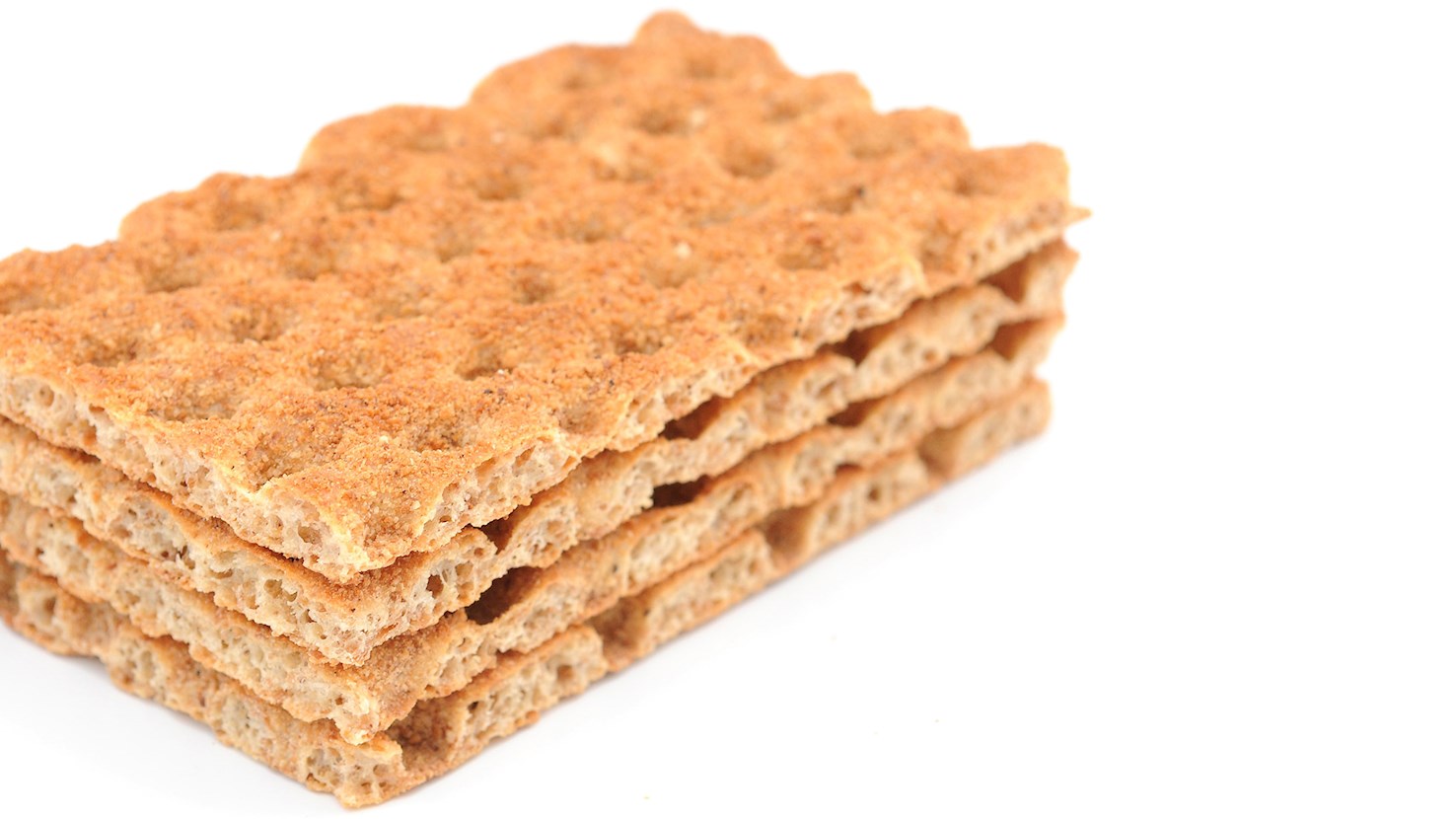
Knäckebröd is the original name of this famous Swedish crispbread. Even though it is regarded as a bread variety, its crunchy texture and thin form have more similarities to crackers. The key ingredient is rye flour, which was the main element in the original version. Today, a variety of seeds such as sesame, sunflower, pumpkin, or flax seeds are used to create different versions of this crispy bread. The tradition of preparing knäckebröd in Sweden appeared in a time of hardship, approximately 500 years ago, when bread was considered a rare and luxurious food item. This way of preparation, which uses a small percentage of water, allows the bread to stay crispy and fresh for a longer period of time. Today, most of these crackers are factory-produced, but easy preparation and convenient storing make it a standard homemade option. Light, easy to crack and to handle, it is a perfect accompaniment that is served alongside a variety of appetizers, dips, sauces, cold meat cuts, smoked salmon, cheese, and fruit spreads. In Sweden, it is a staple breakfast ingredient that is also commonly consumed as a snack or a light dinner.
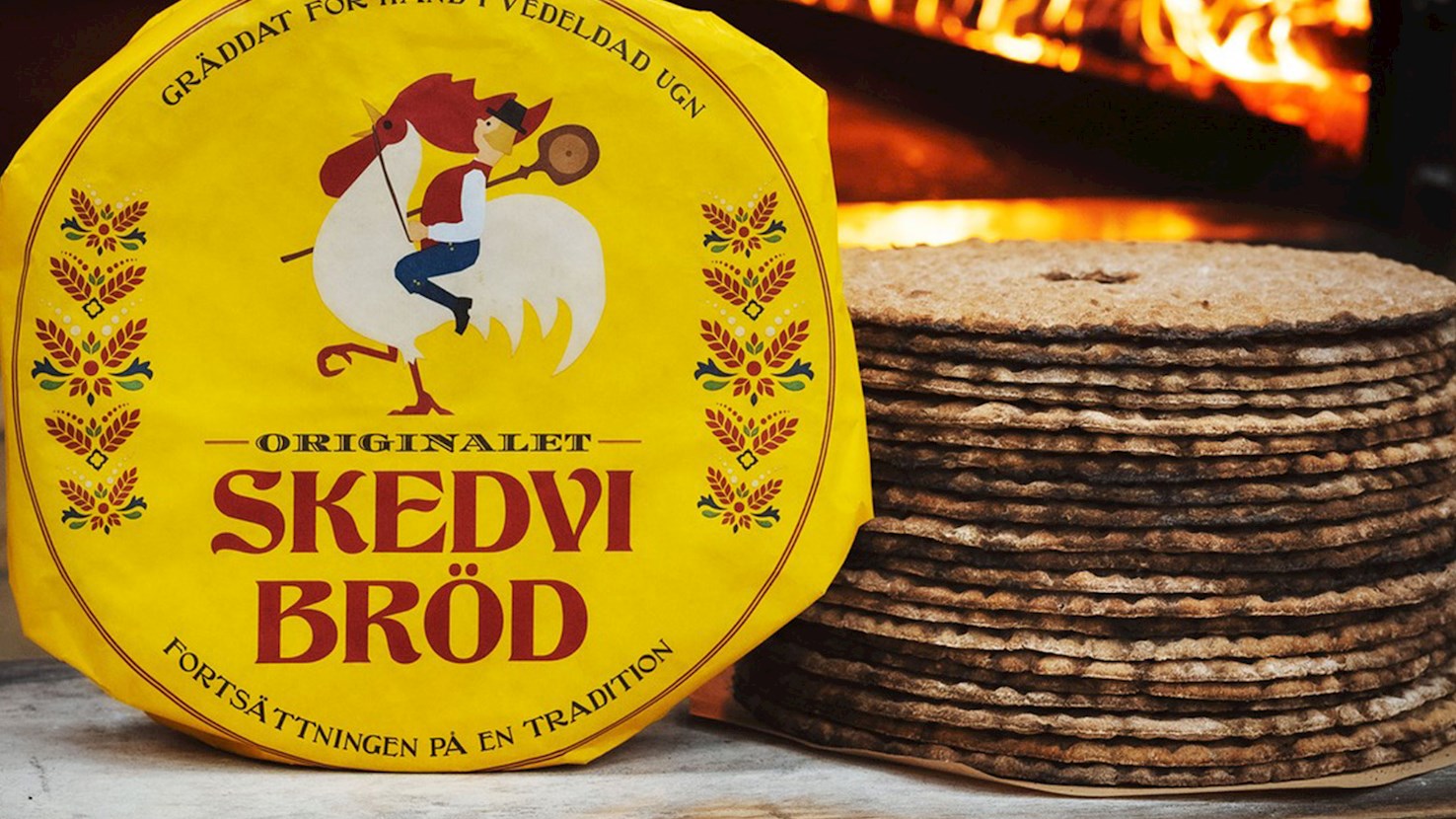
Skedvi Bröd is a traditional Swedish crispbread, known for its distinctive taste and texture. Originating from the region of Dalarna in Sweden, this crispbread is made from simple ingredients, primarily whole grain rye flour. The dough is typically rolled out thinly and then baked on a griddle, resulting in flat, hard bread with a distinctive crispiness. The process of making Skedvi Bröd often involves using a special rolling pin with deep grooves, which creates a unique pattern on the bread. This pattern not only gives skedvi bröd its characteristic appearance but also helps in cooking it evenly. The bread is usually circular and can vary in size. Skedvi bröd is often enjoyed as part of a traditional Swedish meal or snack. It can be eaten plain, or topped with various spreads, cheese, or cold cuts. Its crunchy texture and wholesome rye flavor make it a popular choice for those looking for a hearty, rustic bread option.
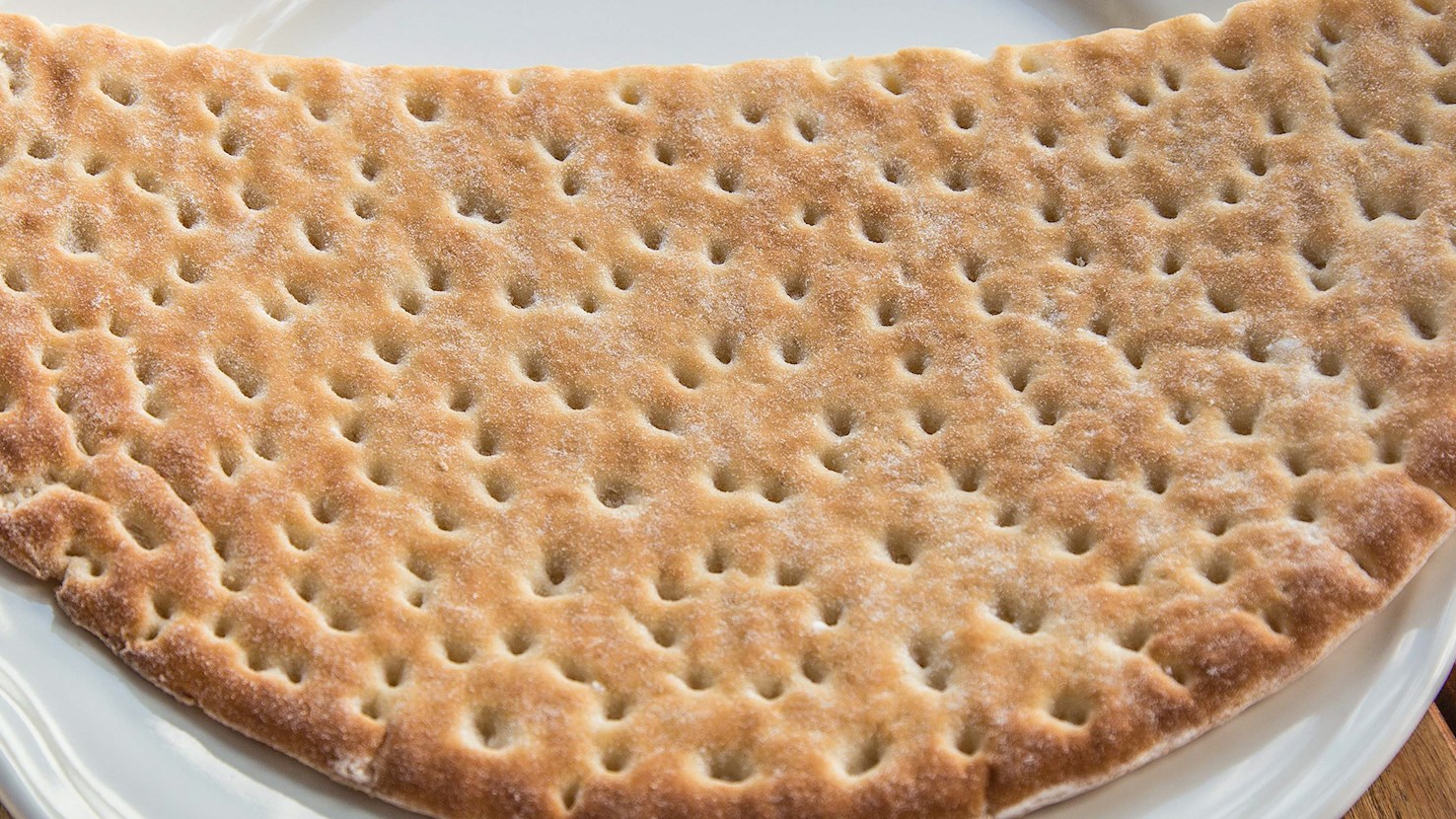
Mjukkaka is a round Swedish flatbread that is usually baked in a brick oven. This bread is about the size of a regular plate and consists of flour, yeast, sugar, water, salt, and oil. It is characterized by fork prick marks on its top, used in order for the dough to stay flat while it is baking. Mjukkaka is usually served for breakfast, consumed as it is, or accompanied by butter.
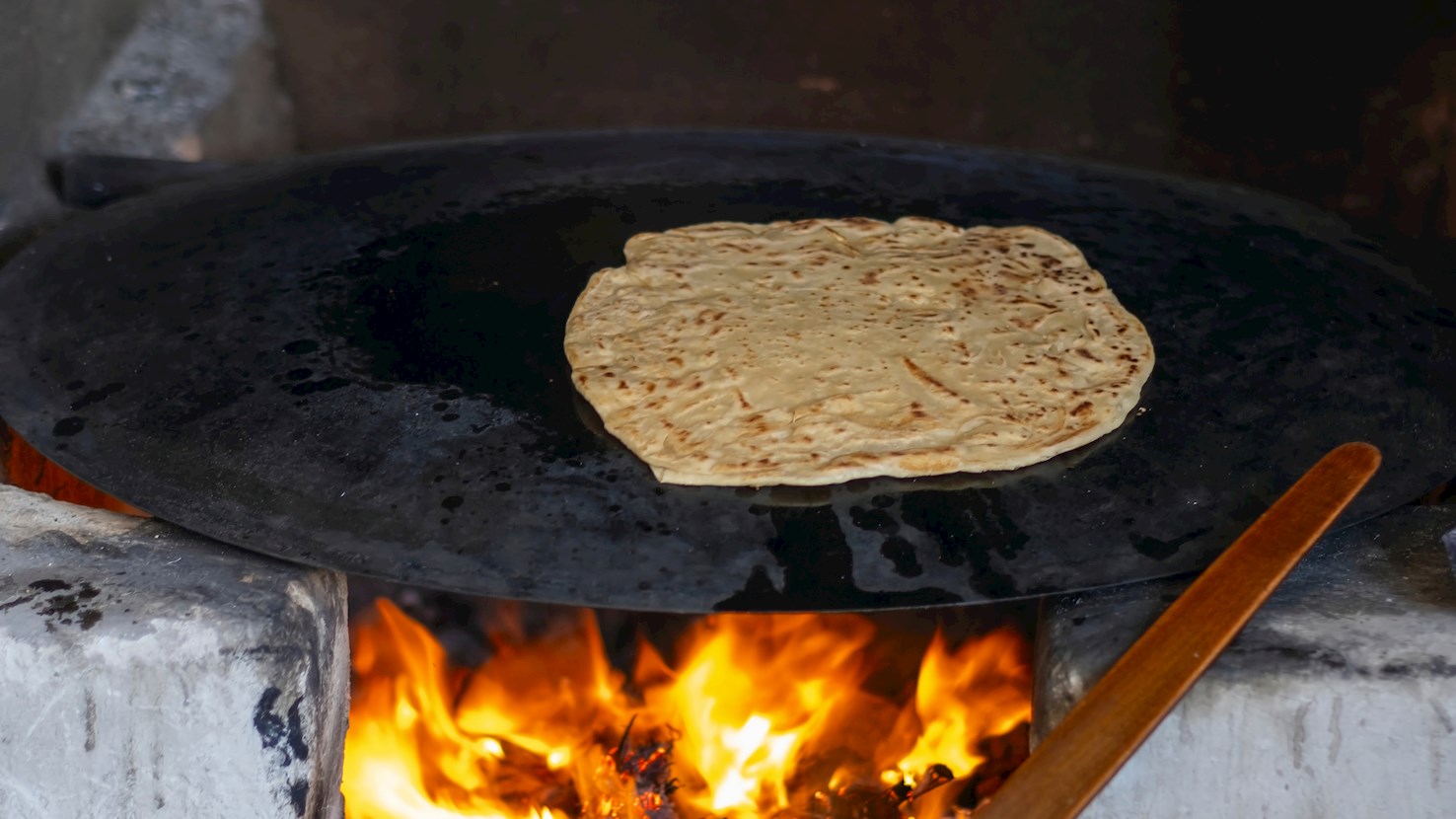
Gáhkku is a traditional flatbread originating from the Sámi peoples. In the past, this chewy flatbread was prepared with readily available ingredients such as flour, salt, and milk or water. Nowadays, it's usually enriched with yeast, oil or butter, and light sugar beet syrup (ljus sirap). The dough was rolled with lefse rolling pins, and the flatbread was then baked over embers in a pan or over hot stones. Nowadays, the flatbread is usually prepared in an oven or on top of a stove. Gáhkku is usually accompanied by suovas (salted and smoked reindeer meat), butter, or cheese, but it can also be used to mop up a plate after eating stews or similar dishes.
Paltbröd is a type of tunnbröd, a classic Swedish flatbread. What makes platbröd unique is the addition of animal blood. Its blood content makes it a good source of iron, which is why many Swedish schools serve it to children. It is typically served with butter or with a side of fried pork and white sauce. A variation of this unique type of bread is also consumed and available in stores in Finland, where it is called blodbröd.
TasteAtlas food rankings are based on the ratings of the TasteAtlas audience, with a series of mechanisms that recognize real users and that ignore bot,
nationalist or local patriotic ratings, and give additional value to the ratings of users that the system recognizes as knowledgeable.
TasteAtlas Rankings should not be seen as the final global conclusion about food. Their purpose is to promote excellent local foods,
instill pride in traditional dishes, and arouse curiosity about dishes you haven’t tried.




What People Say