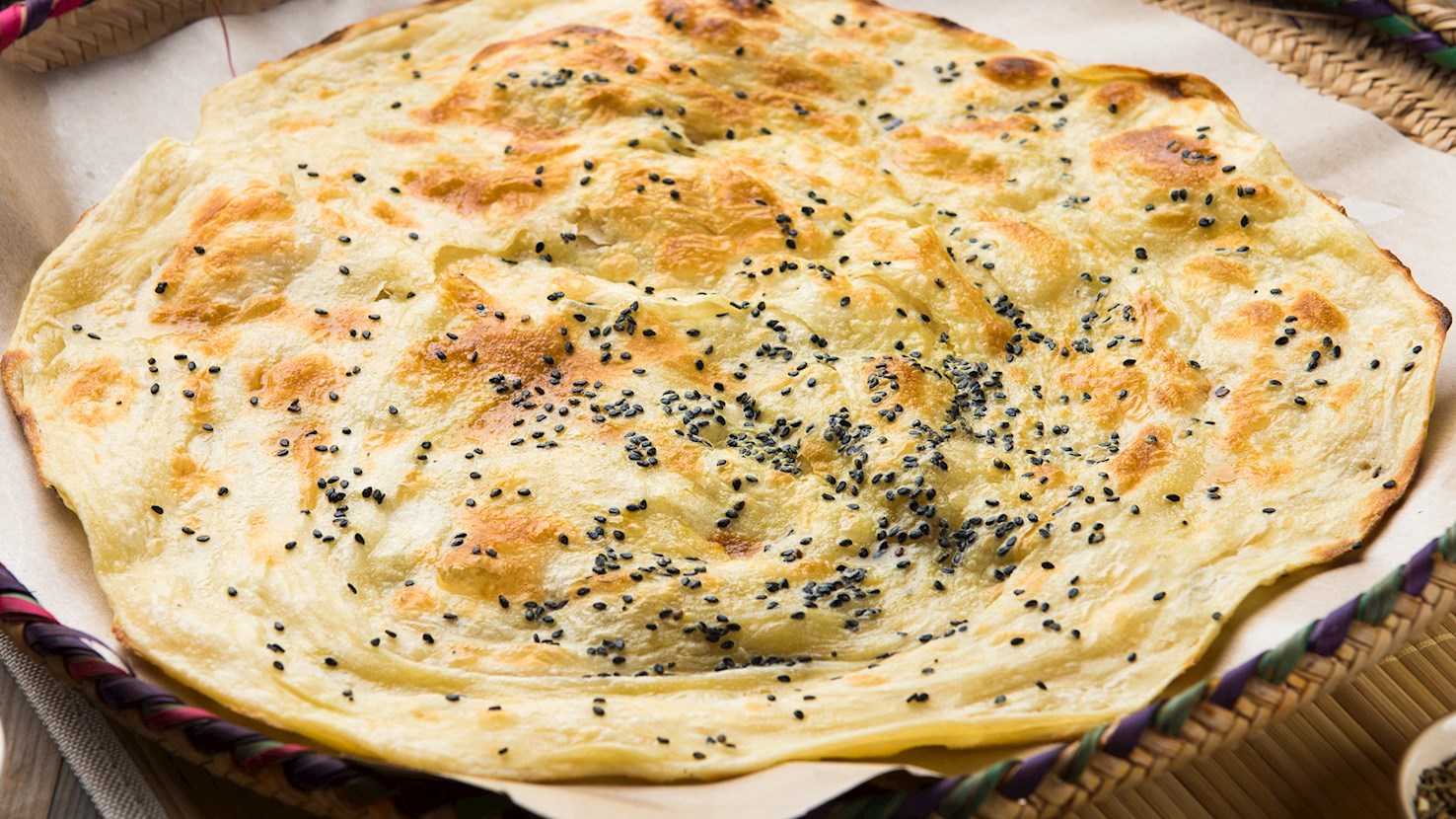
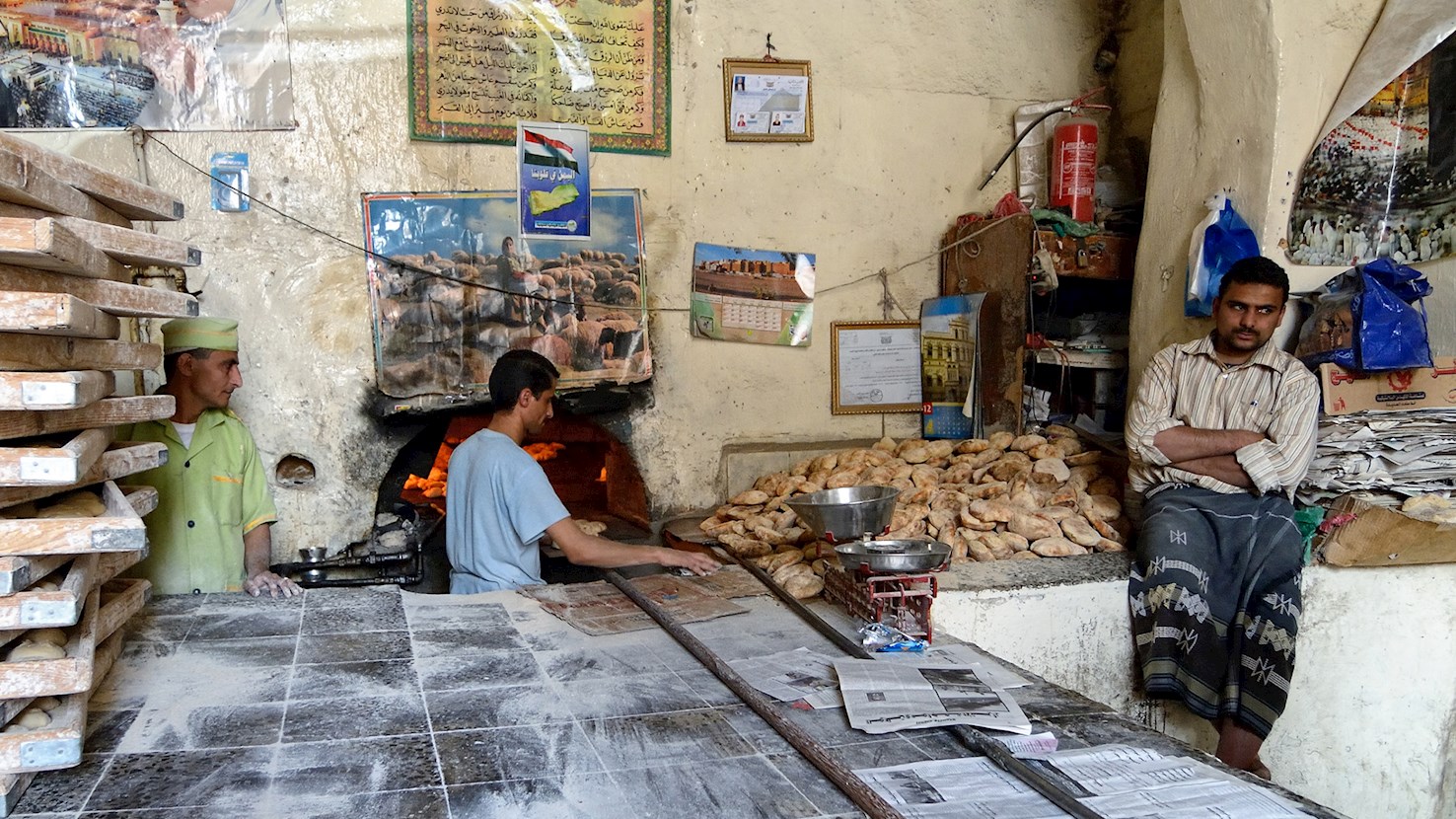
Malawach is a laminated flatbread that originated among Yemenite Jewish communities and is now widely eaten in Israel, where it has become a common household and street-food item. It comes from a culinary context in Yemen where dough-based dishes that relied on layering and frying were common in home kitchens, and Jewish communities preserved specific styles of preparation that later spread as migration increased during the twentieth century. The dough is made from flour, water, salt and fat, mixed into a soft and pliable base that is rolled out thinly, coated generously with oil or margarine, folded or rolled to create layers, and flattened again before cooking; the layering produces a flaky structure that resembles other laminated breads, though the handling method is specific to this dish. Cooking is done on a hot pan or skillet without additional oil, relying on the fat within the layers to create browning and separation, and the result is a soft, slightly crisp flatbread with distinct strata that pull apart easily. A notable aspect is the versatility of its serving style, as malawach is eaten either plain or accompanied by hard-boiled eggs, grated tomatoes, zhug, cheese, honey or sugar, depending on whether it is served as a savory or sweet meal. It is eaten throughout Israel in homes, bakeries and market stalls and remains part of Yemenite Jewish cooking in diaspora communities, pairing well with tea, yogurt drinks, fresh salads or dips that balance its richness.
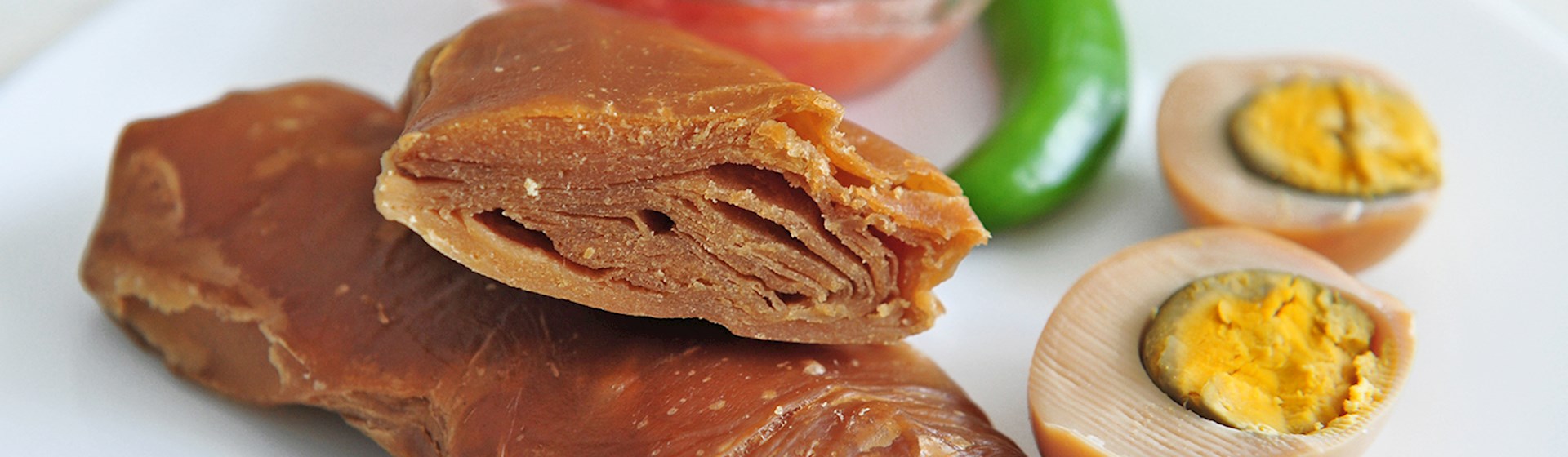
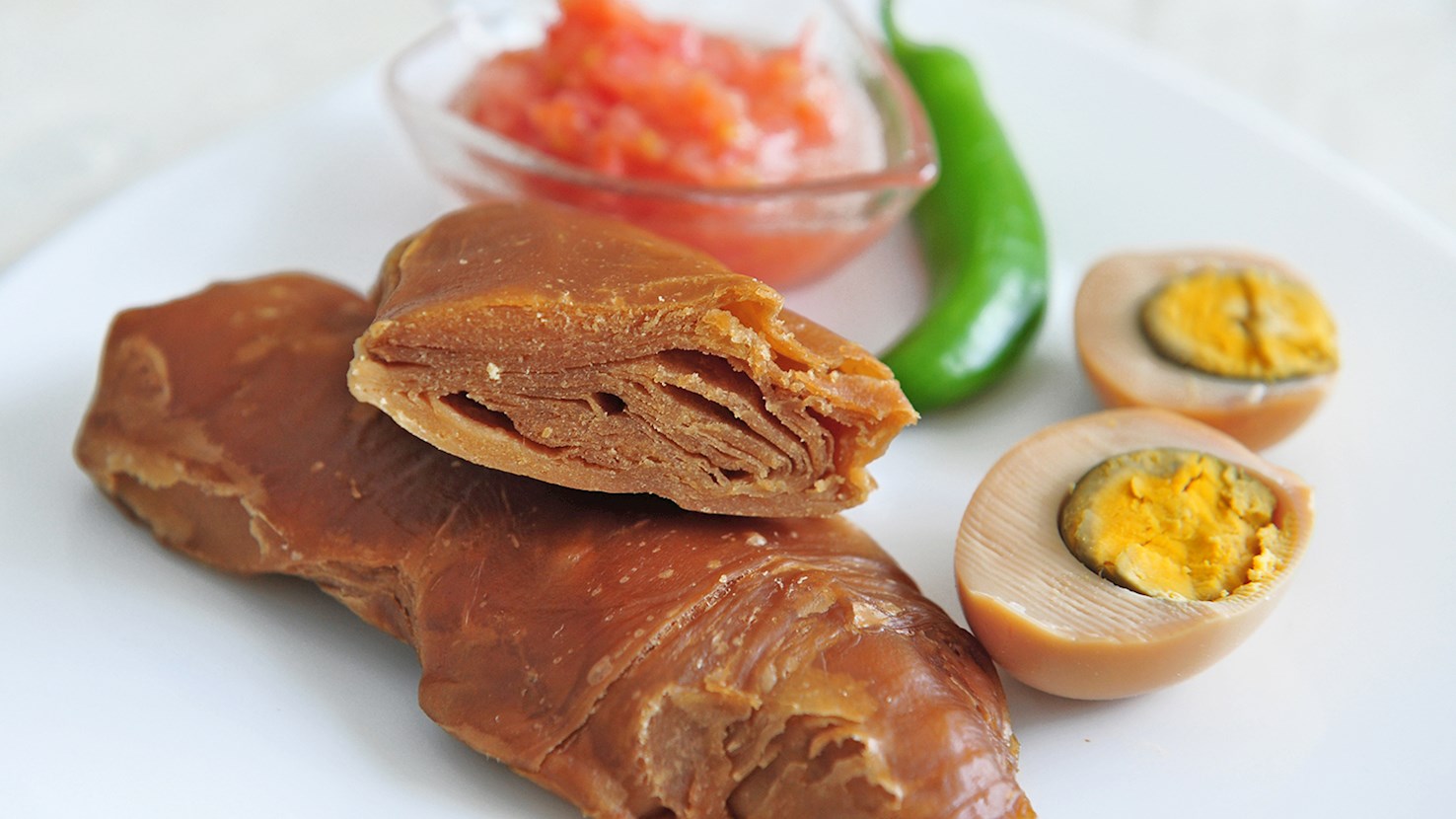
Jachnun is a slow-cooked, rolled dough dish from the cuisine of Yemenite Jews, prepared for consumption on Shabbat morning and today widely eaten in Israel. It consists of thinly stretched dough brushed with fat, rolled tightly, placed in a pot, and cooked at low heat overnight until it becomes soft, amber-colored, and slightly sweet. Its development took place among Jewish communities in Yemen, where cooks adapted local dough-making practices to meet the requirement of preparing Shabbat food in advance without active cooking on the day of rest. The long, low-temperature cooking method made use of the communal oven or a covered home vessel that maintained steady heat until morning. The ingredients were simple and based on what was reliably available, such as flour, water, clarified butter or later margarine, and a small amount of sweetener, with the slow cooking contributing strongly to the final flavor and texture. Preparation begins by kneading a soft, elastic dough and allowing it to rest so it can be stretched easily. The dough is then rolled out very thin, brushed with fat, folded and rolled into a compact cylinder, and arranged in a lidded pot. A small amount of fat or parchment is placed at the bottom to prevent sticking, and eggs in their shells are often added to the pot so they slowly cook alongside the jachnun. The pot is kept at low heat, traditionally overnight, until the dough darkens and takes on a tender, layered consistency. Jachnun is eaten in Israel in homes, bakeries, cafés, and weekend food stalls, especially on Saturday mornings. It is served with grated tomatoes, hard-boiled eggs, schug, and sometimes yogurt-based sauces depending on the household custom. It pairs well with tea or light herbal infusions, and in modern settings it is sometimes served with fresh salads or simple cold drinks that balance its richness and mild sweetness.
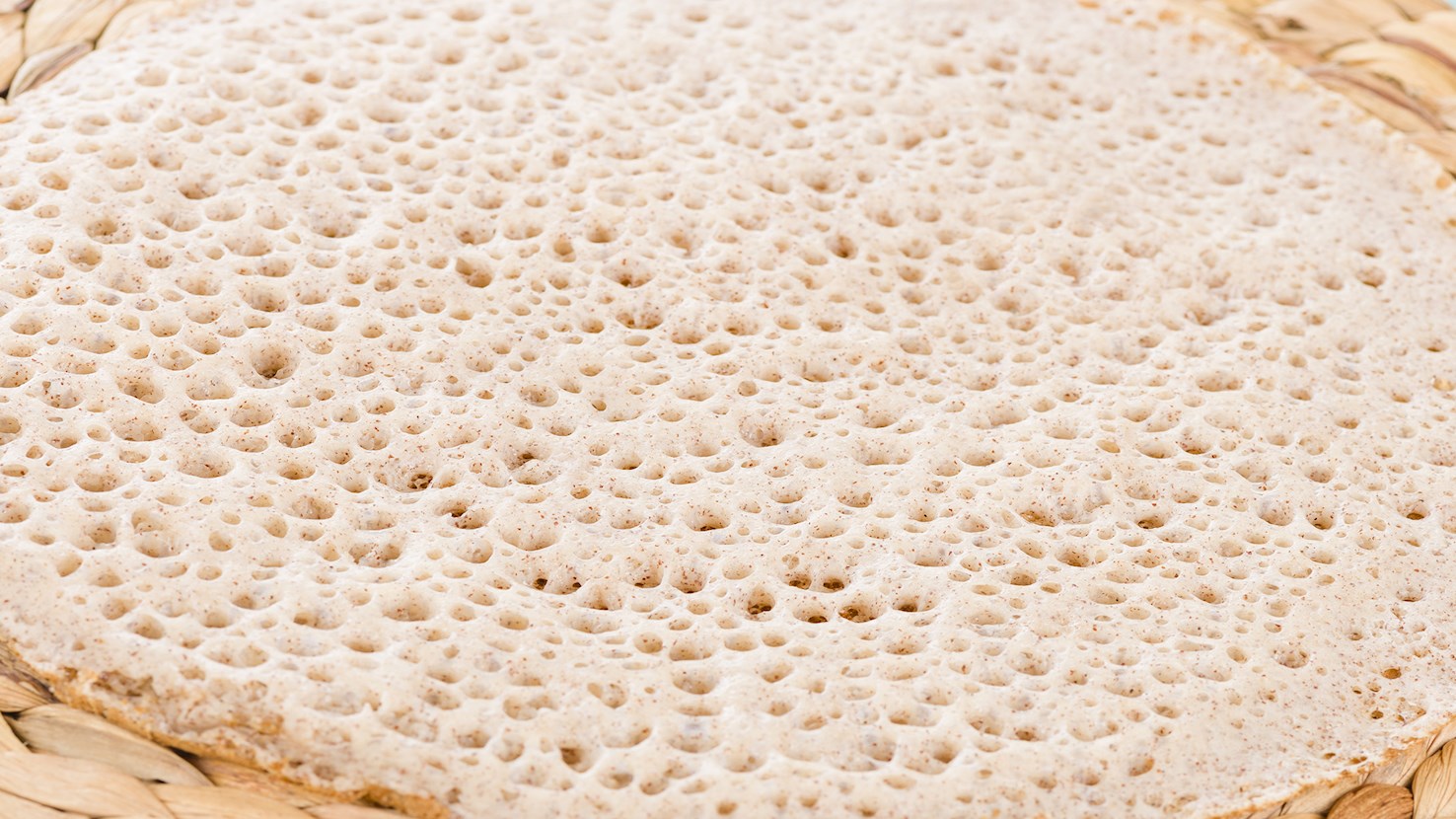
Lahoh is a spongy flatbread popular throughout Somalia, Ethiopia, and Djibouti, among others. It is characterized by its circular shape with numerous holes on the surface. This pancake-like bread is made with plain flour, unlike its cousin injera which is usually made with teff flour. Lahoh can be consumed with both sweet and savory ingredients and dishes such as honey, sugar, stews, or soups.
Malooga is a yeasted Yemeni flatbread that is traditionally baked in a taboon. It consists of flour, yeast, water, salt, oil, and dark clarified butter known as semn. The bread has a status of being an inexpensive item for the poor people of Yemen. Malooga is often consumed with buttermilk, beans, and eggs, but it is also used in a popular Yemeni Ramadan dish called shafuta.
TasteAtlas food rankings are based on the ratings of the TasteAtlas audience, with a series of mechanisms that recognize real users and that ignore bot,
nationalist or local patriotic ratings, and give additional value to the ratings of users that the system recognizes as knowledgeable.
For the “Top 4 Yemeni Flatbreads” list until May 15, 2026, 79 ratings were recorded, of which 58 were recognized by the system as legitimate.
TasteAtlas Rankings should not be seen as the final global conclusion about food. Their purpose is to promote excellent local foods,
instill pride in traditional dishes, and arouse curiosity about dishes you haven’t tried.