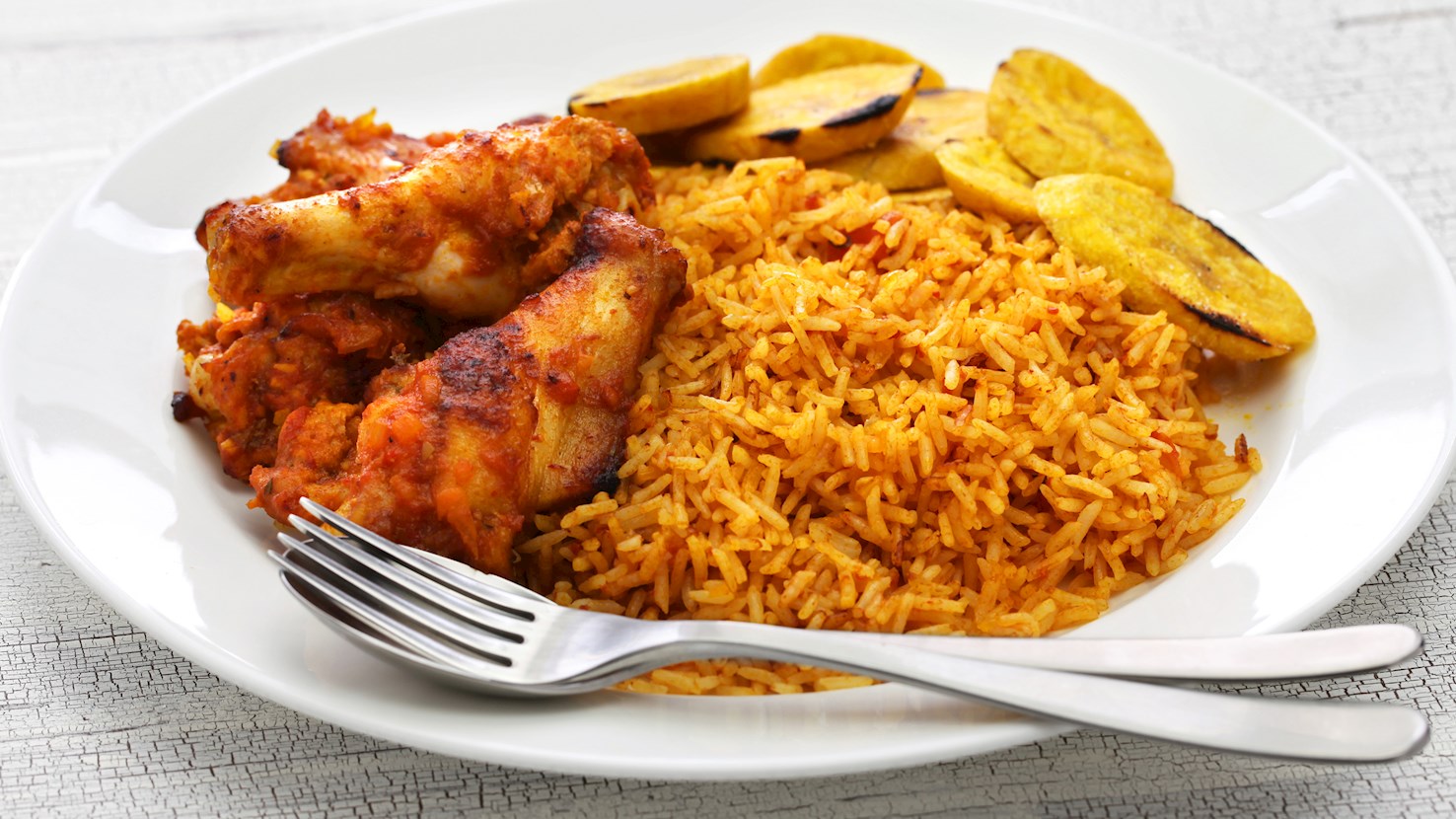
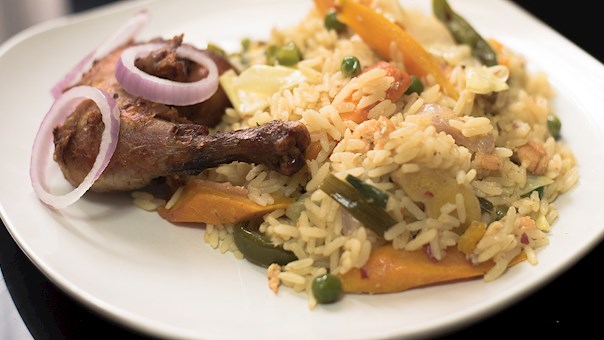
Jollof rice is a West African rice dish made with a base of tomatoes, onions, and peppers, cooked together with seasonings until the rice absorbs the sauce and takes on a deep red or orange color. It is prepared in many countries across the region, including Nigeria, Ghana, Senegal, Sierra Leone, Liberia, The Gambia, and Cameroon, each with distinct methods and flavor profiles. The dish has its roots in the Wolof-speaking areas of present-day Senegal and The Gambia, where one-pot rice dishes developed within the Wolof kingdom and later spread along trade and migration routes. Early forms of rice cooked in tomato-based sauces, including benachin, served as a foundation for what became known more broadly as jollof rice as the dish moved eastward and adapted to regional tastes. Preparation begins with creating a stew base by cooking tomatoes, tomato paste, onions, and chili peppers until thick and concentrated. This mixture forms the core of the dish’s flavor. Spices commonly include thyme, curry powder, ginger, garlic, and bay leaves, although blends differ by region. Broth is often added to the stew before the rice goes in, and long-grain varieties are favored for their ability to stay separate while absorbing the sauce. The rice is cooked on low heat until it absorbs the liquid fully, often forming a crust at the bottom of the pot, which some cooks consider an essential element. Vegetables such as carrots or peas may be added, and the dish can be prepared with chicken, beef, fish, or served as a vegetarian version. The defining feature is the balance between the acidity of tomatoes, the heat of peppers, and the aromatics in the spice blend, which creates a layered and concentrated flavor. A notable characteristic of jollof rice is the regional variation that shapes its identity. Senegalese versions often reflect the one-pot method of benachin and feature larger pieces of vegetables and fish. Nigerian versions are known for their smoky aroma due to cooking techniques that allow the stew and rice to caramelize slightly. Ghanaian versions may emphasize Scotch bonnet peppers and a softer consistency. Although each country asserts its own preferred style, all share the core elements of rice cooked directly in a seasoned tomato-pepper mixture. Jollof rice is eaten across West Africa in homes, restaurants, street-food settings, and festive gatherings. It appears at celebrations, everyday family meals, and communal events, often accompanied by fried plantains, grilled chicken, stews, or salads. Beverages that pair well with it include hibiscus drinks such as bissap or zobo, ginger drinks, palm wine, beer, or citrus-based soft drinks, which complement the spice and richness of the dish.
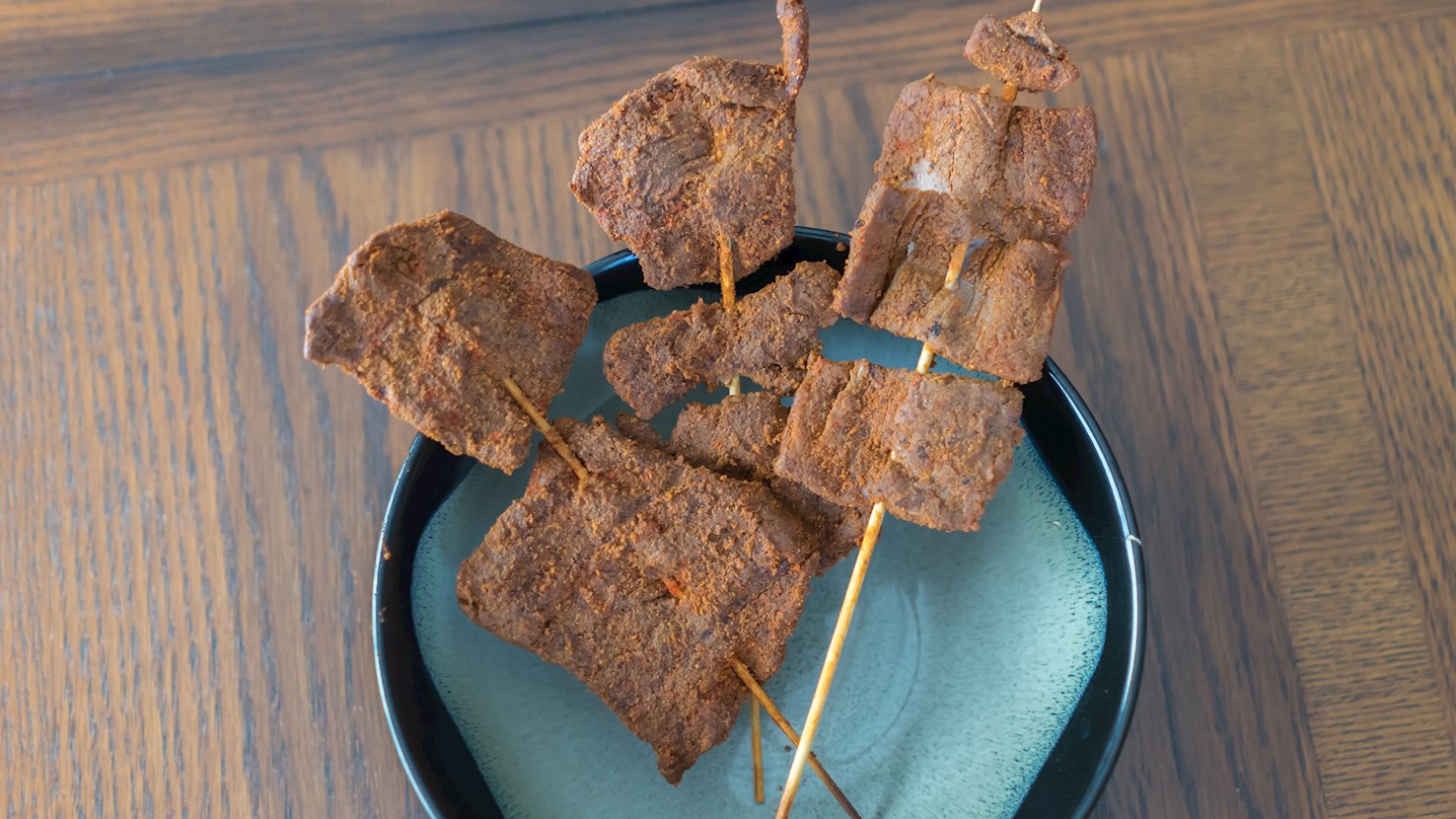
Believed to have originated among the Hausa people, this popular Nigerian dish employs thin slices of beef or chicken that are generously seasoned, then roasted over open charcoal grills. The essential element in each suya is a dry spice blend known as suya or yaji, which is made with a combination of ground peanuts and red peppers. The spice blend is versatile, and depending on the region, it may incorporate various additional ingredients. In Nigeria, the skewers are usually sold individually and are mainly enjoyed on the go as a quick, cheap, and nutritious snack. In restaurants, they are often paired with vegetables such as sliced onions or tomatoes. Along with being a staple throughout Nigeria, suya is also found in other parts of Western Africa.
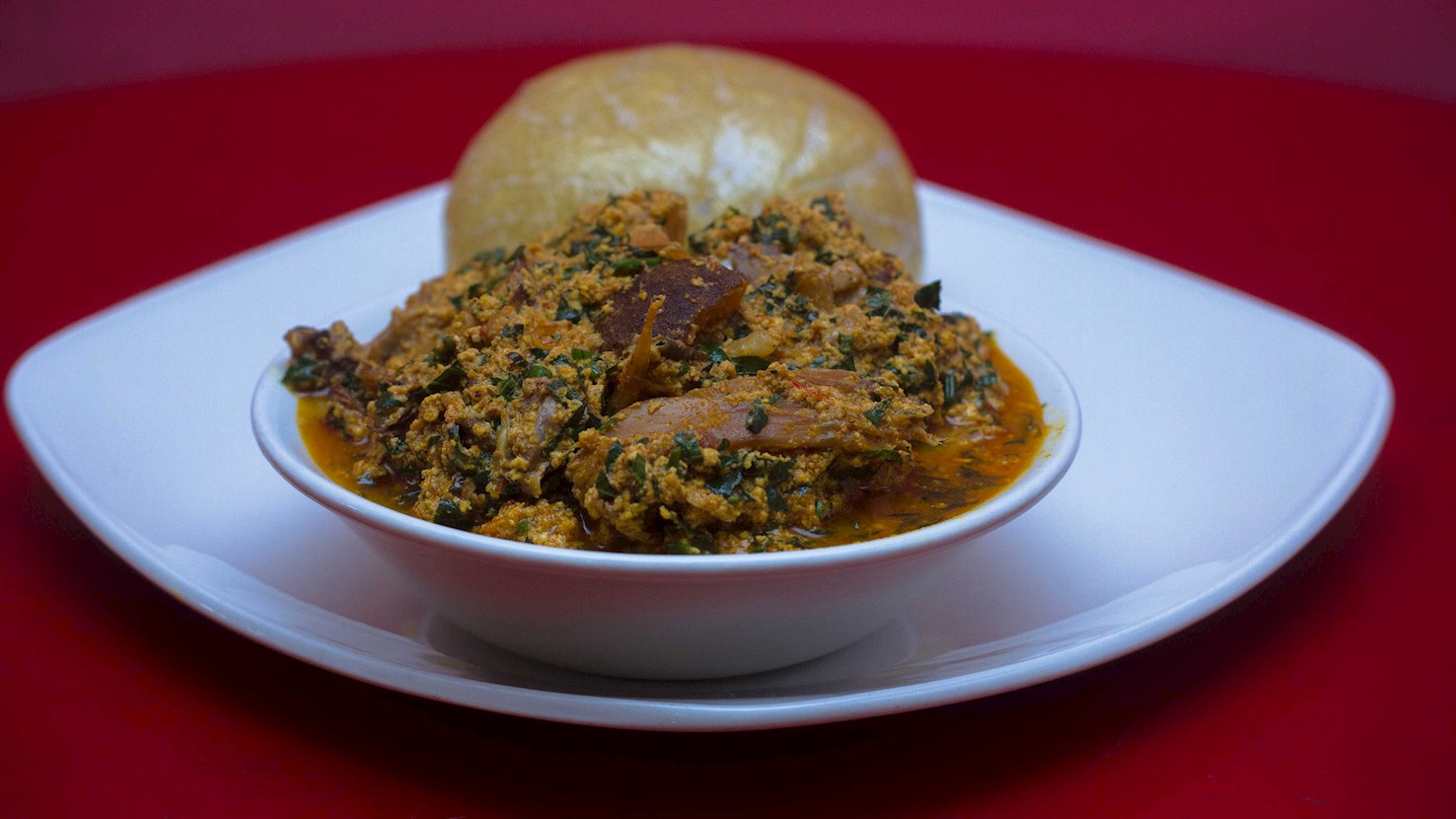
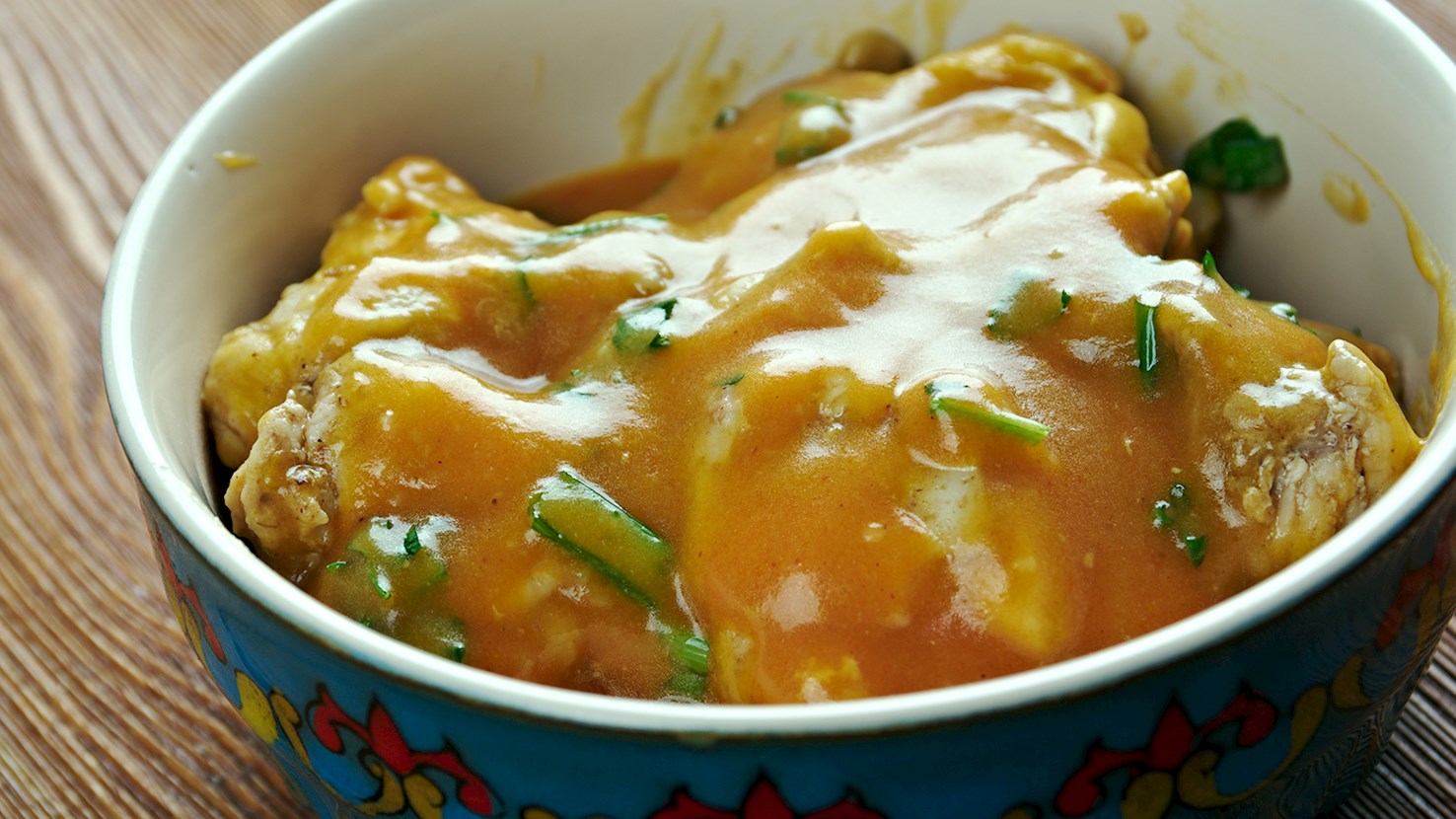
Egusi is a flavorful soup or sauce that is popular throughout West and Central Africa (most noteably Nigeria and Central African Republic) consisting of onions, tomatoes, hot chili peppers, and oil. It is traditionally thickened with flour that is made from seeds of gourds, pumpkins, melons, and squashes. The egusi is typically seasoned with salt, black pepper, and cayenne pepper. When the soup or sauce develops a smooth consistency, it is then usually served with boiled vegetables, rice, or a variety of grilled fish and meat dishes.
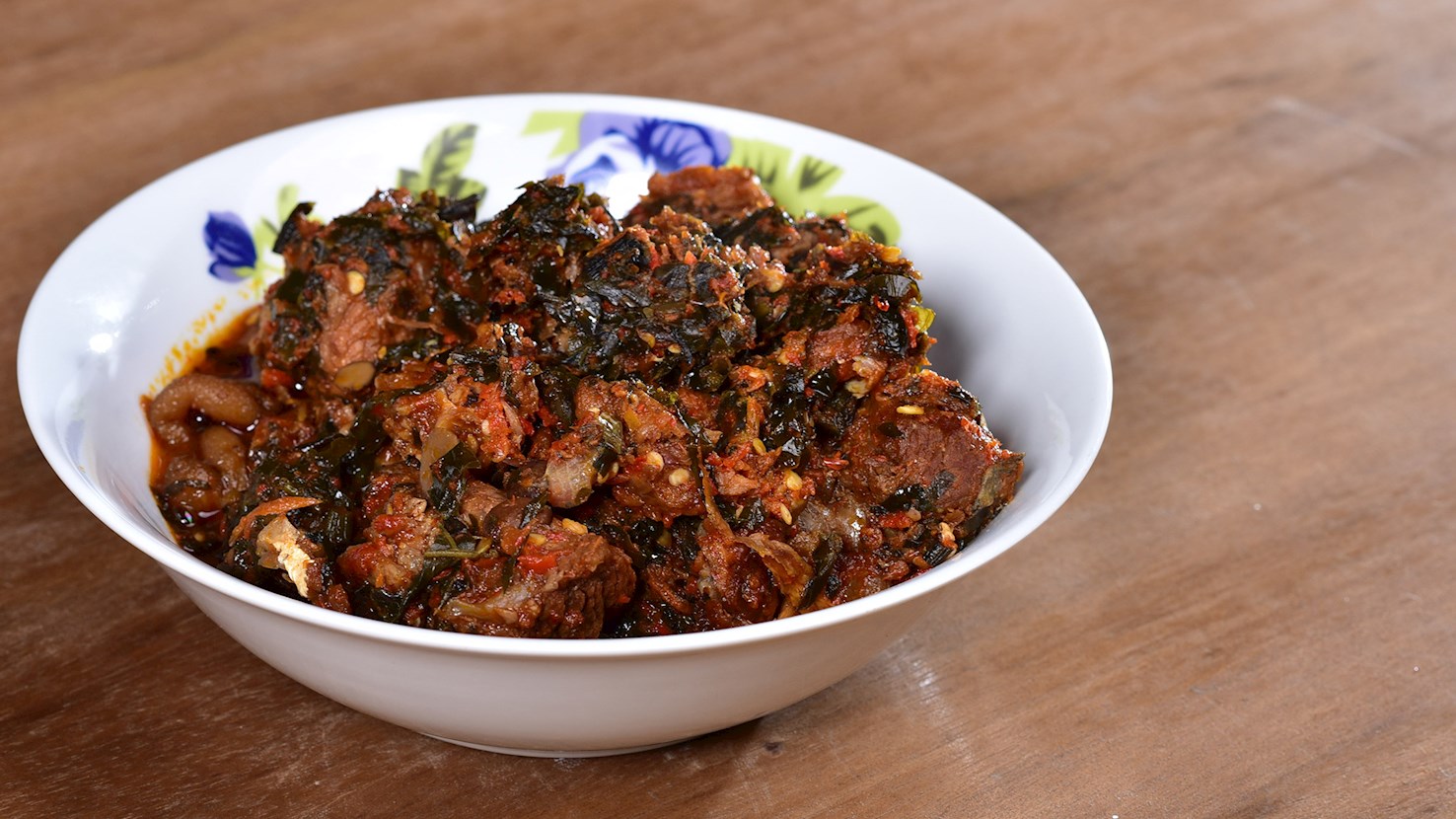
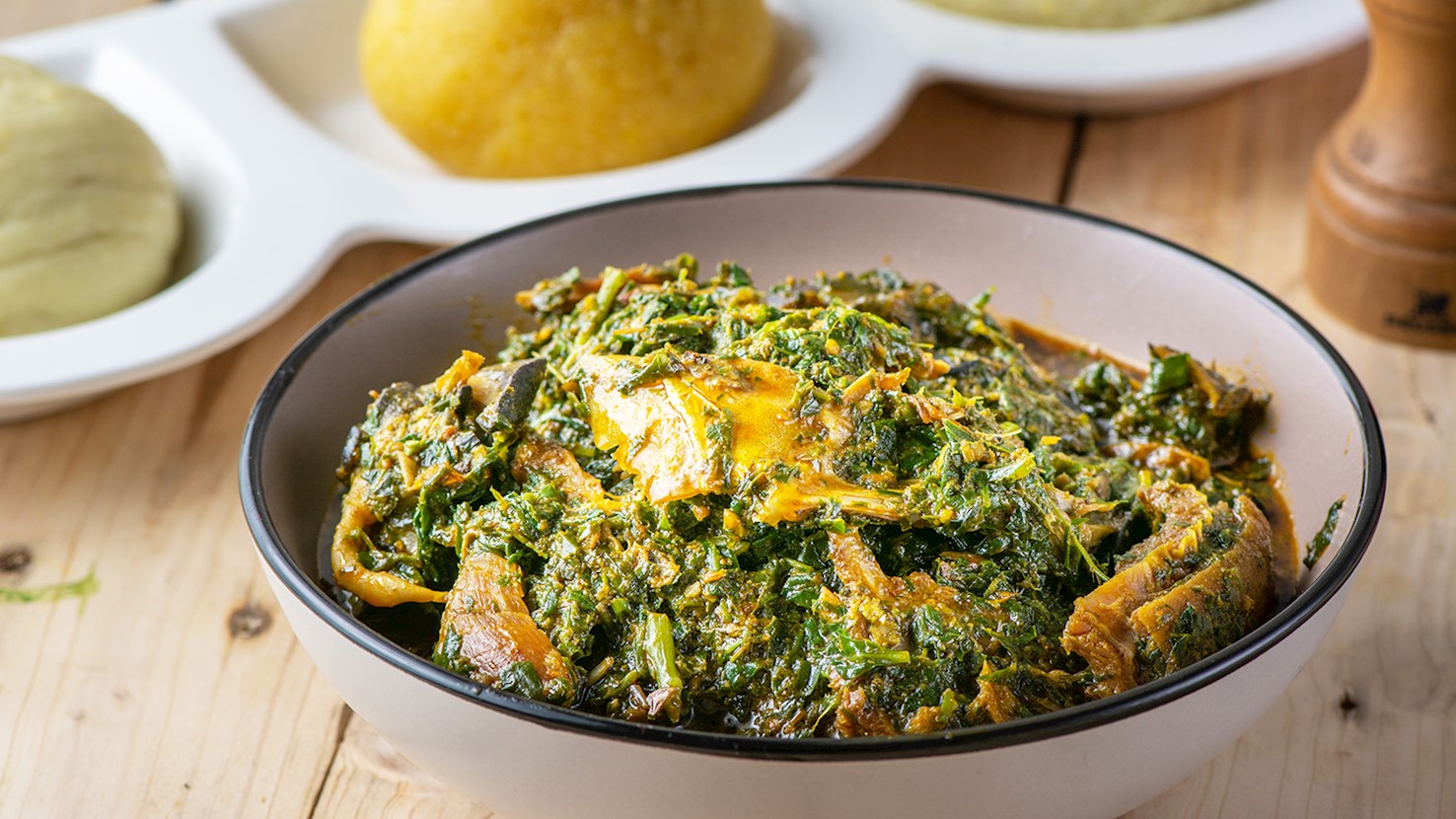
Efo-riro is a hearty Nigerian soup native to the Yorubas. It usually consists of stock cubes, pumpkin leaves, onions, tomatoes, and assorted meat or fish. The name efo-riro means vegetable soup, and it is recommended to serve it with fufu on the side.
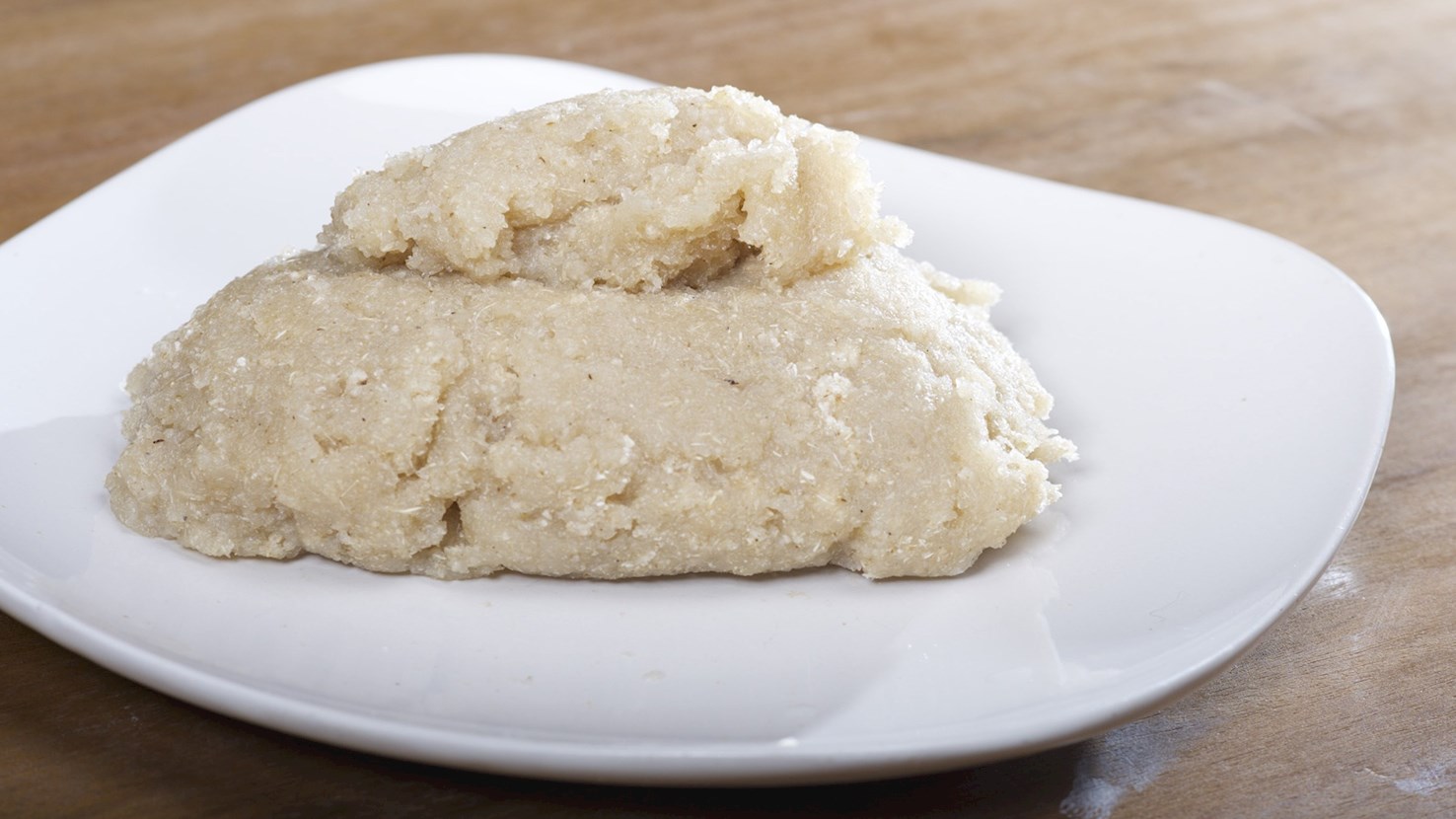
Eba is a dense, pliable dough made by forcefully folding roasted, fermented cassava granules into violently boiling water until it solidifies into a smooth, elastic mass. Portuguese merchants sailing from Brazil introduced the raw cassava tuber to the West African coast during the middle of the 16th century. To neutralize the naturally occurring cyanide compounds in the raw root and extend its shelf life in the extreme tropical humidity, indigenous Yoruba and Igbo communities engineered a strict method of peeling, grating, fermenting, and dry-roasting the wet mash. This extensive agrarian labor produced a dry, granular flour known as garri, which became the sole foundational ingredient for this specific dough. Building the dense starch requires exactly two ingredients and immediate temperature control. A large volume of water reaches a rolling boil in a metal pot. The dry cassava granules are sprinkled steadily and evenly directly onto the violently hot liquid. The mixture sits completely undisturbed for exactly one minute, allowing the dry starches to rapidly swell and absorb the moisture. A thick wooden baton, locally called an omorogun, forcefully beats the hydrating granules against the pot's inner walls. The intense physical folding completely crushes any dry lumps, binding the loose granules into a single, cohesive sphere. The specific roasting method for raw cassava determines the final color and flavor profile of the dough. Yellow eba results from incorporating unrefined red palm oil directly into the massive iron roasting pans during milling, injecting a deeply earthy flavor and a bright orange hue into the dry granules. White eba omits the palm oil entirely, yielding a pale dough that retains a sharper, more acidic sourness from the initial fermentation phase. Adjusting the ratio of boiling water to dry flour directly alters the structural integrity, ranging from a highly rigid, stiff block to a loose, sticky paste. The hot starch is moved directly from the pot to a wide bowl, where it is quickly shaped by hand into a smooth, uniform mound. A thin sheet of clear plastic tightly wraps the hot sphere to trap the escaping steam and prevent a hard crust from forming on the exterior. The heavy dough always pairs well with highly viscous, aggressively spiced liquids like pounded melon seed stew, known as egusi, or sticky okra soup. Consuming the meal strictly involves using bare fingers to pinch off a bite-sized piece, rolling it into a tight ball, pressing a small indentation into the center with a thumb, and plunging it directly into the hot stew to scoop up large amounts of meat and heavy oil.
Ogbono is a traditional soup made with a combination of ogbono seeds, red palm oil, onions, stock, seasoning cubes, leafy vegetables such as spinach, pumpkin leaves, or bitterleaf, and assorted meat and fish such as beef, tripe, shrimp, and crayfish. The ingredients are simmered in an uncovered pot until fully tender, and the soup is then traditionally served hot with fufu, because the soup's slimy consistency helps the lumps of fufu slide down. Ogbono has many versions, so it can also be made without vegetables.
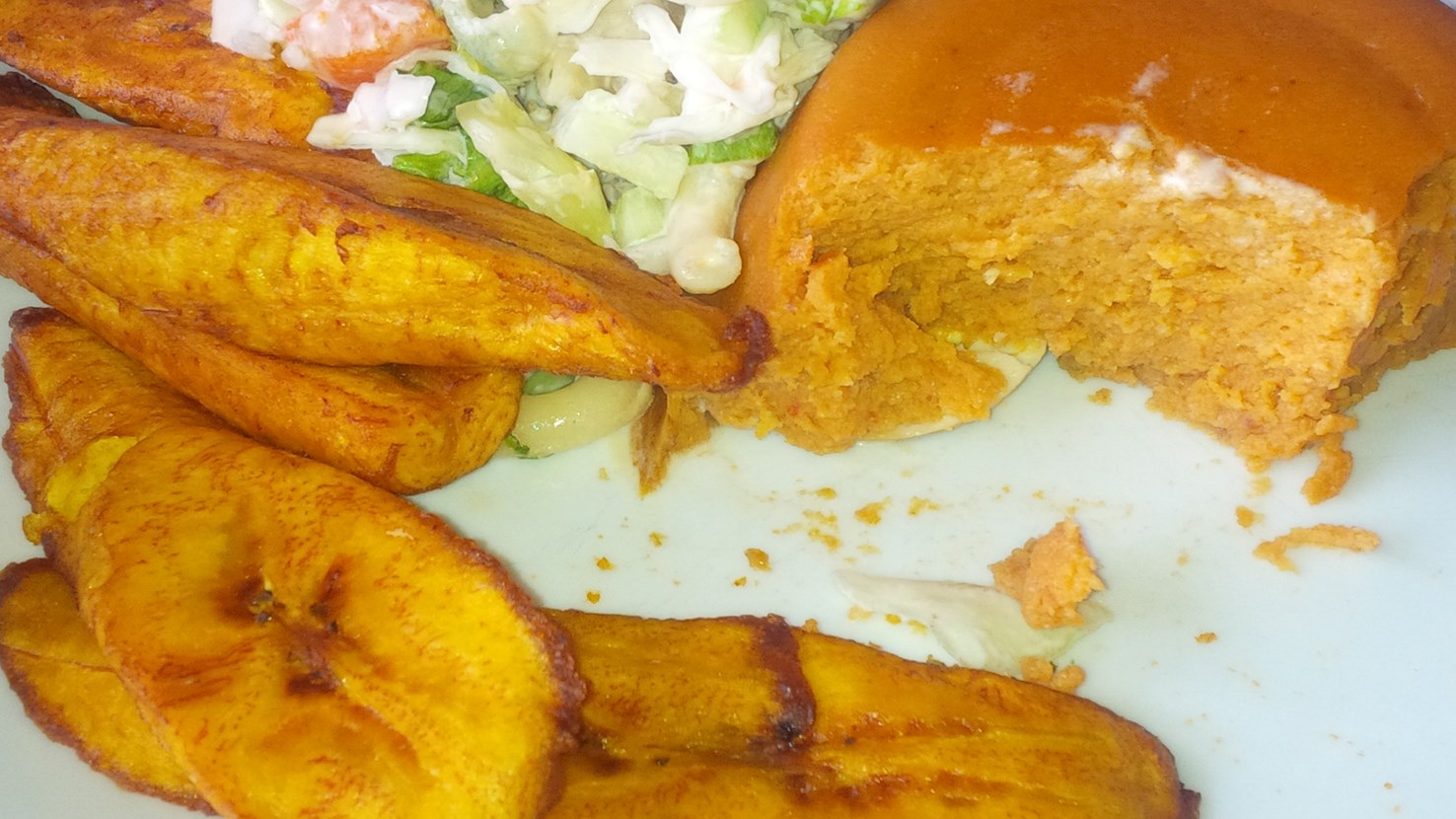
Moin moin is a savory steamed pudding made from peeled black-eyed peas or brown beans blended with peppers, onions, chilies, and seasonings. Closely associated with Yoruba food culture in West Africa, it reflects the region’s long history of growing and using cowpeas. These hardy legumes have been cultivated for thousands of years and remain an important source of protein, especially in areas where they thrive despite heat and limited rainfall. The process begins by soaking the beans until their skins soften. Rubbing them between the hands loosens the husks, which are rinsed away to leave the pale inner beans. These are blended with red bell peppers, onions, Scotch bonnet or habanero chilies, and often ground crayfish. The mixture should be smooth and light rather than thick and grainy. Red palm oil or another oil is then stirred into the stock, along with salt and additional seasonings, giving the batter a richer flavor and a softer texture. Moin moin can be kept simple or filled with several additions. Hard-boiled eggs, smoked fish, corned beef, fresh fish, shrimp, or pieces of meat may be placed inside the batter before steaming. One elaborate variation is known as moin moin elemi meje, commonly translated as “moin moin with seven lives,” a name that refers to its generous assortment of fillings. Simpler versions rely only on beans, peppers, onions, oil, and seasoning, allowing the legumes' earthy flavor to remain at the center. The batter is commonly wrapped in broad Thaumatococcus daniellii leaves, also known as uma leaves. The leaves are folded into compact parcels that hold the liquid securely while allowing steam to circulate around them. They also give the finished pudding a subtle herbal aroma that cannot be reproduced by metal tins, foil, or plastic containers. The parcels are arranged in a pot above simmering water and steamed until the batter sets into a soft but firm cake. Once unwrapped, moin moin has a smooth, moist interior and a warm orange or reddish color from the peppers and palm oil. It may be eaten on its own as a filling snack or served as part of a larger meal. Common pairings include jollof rice, fried plantains, bread, pap, or garri soaked in cold water. Its mild bean base, peppery heat, and rich fillings make it satisfying without feeling heavy.
Afang is a traditional soup hailing from the southeastern parts of Nigeria. It's made with a combination of afang leaves, water leaves, dried fish, beef, onions, red palm oil, ground crayfish, and seasoning cubes. The afang leaves are ground or pounded and the onions are chopped before the beef is boiled with the onions and seasoning cubes in a small quantity of water. When done, the dried fish is added with the palm oil, ground pepper, afang leaves, and water leaves. Once the leaves become tender and the liquids evaporate a bit, the soup is simmered for a short while before it's ready to be served. Afang soup is typically served at festive events such as weddings and celebrations. It's especially popular among the Efiks, people of Akwa Ibom and Cross River states.
Pounded yam is a staple dish from Nigeria, made by pounding boiled yam until it becomes smooth, stretchy, and dough-like. The dish emerged from the long history of yam cultivation in West Africa, where yam has been one of the most important crops for centuries. Yams are celebrated not only as food but also as part of cultural rituals and festivals, marking harvest and community gatherings. The practice of pounding yam developed as a way to transform the tuber into a base that could complement richly flavored dishes like egusi soup, ogbono, or vegetable stews. This method spread widely across yam-growing regions and became a shared food identity among many West African peoples. Preparation involves peeling and cutting yam tubers into chunks, boiling them until soft, and then pounding them in a large wooden mortar with a pestle until the texture changes from lumpy to elastic and smooth. The process requires strength and rhythm, and in many households it is done by more than one person working together. Modern kitchens sometimes replace the mortar and pestle with yam pounders or mixers, but the essence of the dish remains in its consistency and texture. Once prepared, the pounded yam is shaped into round portions and served alongside soups, where small pieces are pinched off, rolled, and dipped into the accompanying dish. Today, pounded yam is eaten daily in many households across Nigeria, featured at celebrations, family gatherings, and communal feasts. It is considered both everyday food and a dish for special occasions, depending on the context in which it is served.
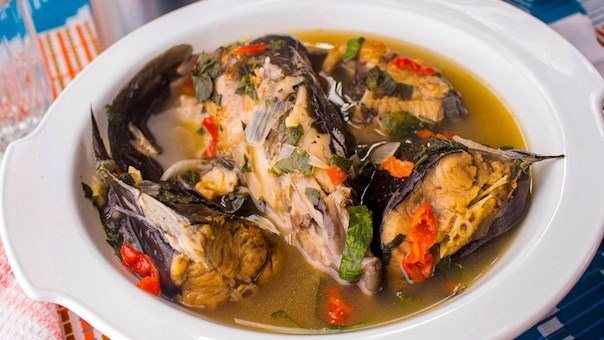
The intricately named point and kill is a traditional soup that's served in most restaurants and bars. It's made with a combination of catfish, pepper soup spices, onions, utazi leaves, fish seasoning, ground crayfish, seasoning cubes, paprika, salt, and ground pepper. The soup is usually prepared in a small pot – the catfish comes first, followed by salt, seasonings, crayfish, pepper, and water. Once done, the soup is usually served as it is or as a side dish. It can be accompanied by boiled plantains, potatoes, or yams. The name of the soup refers to the process of pointing out the exact live catfish a customer wants in the restaurant (they usually swim around in big tanks), and the cooks then kill the fish and make pepper soup out of it.
TasteAtlas food rankings are based on the ratings of the TasteAtlas audience, with a series of mechanisms that recognize real users and that ignore bot,
nationalist or local patriotic ratings, and give additional value to the ratings of users that the system recognizes as knowledgeable.
TasteAtlas Rankings should not be seen as the final global conclusion about food. Their purpose is to promote excellent local foods,
instill pride in traditional dishes, and arouse curiosity about dishes you haven’t tried.









What People Say