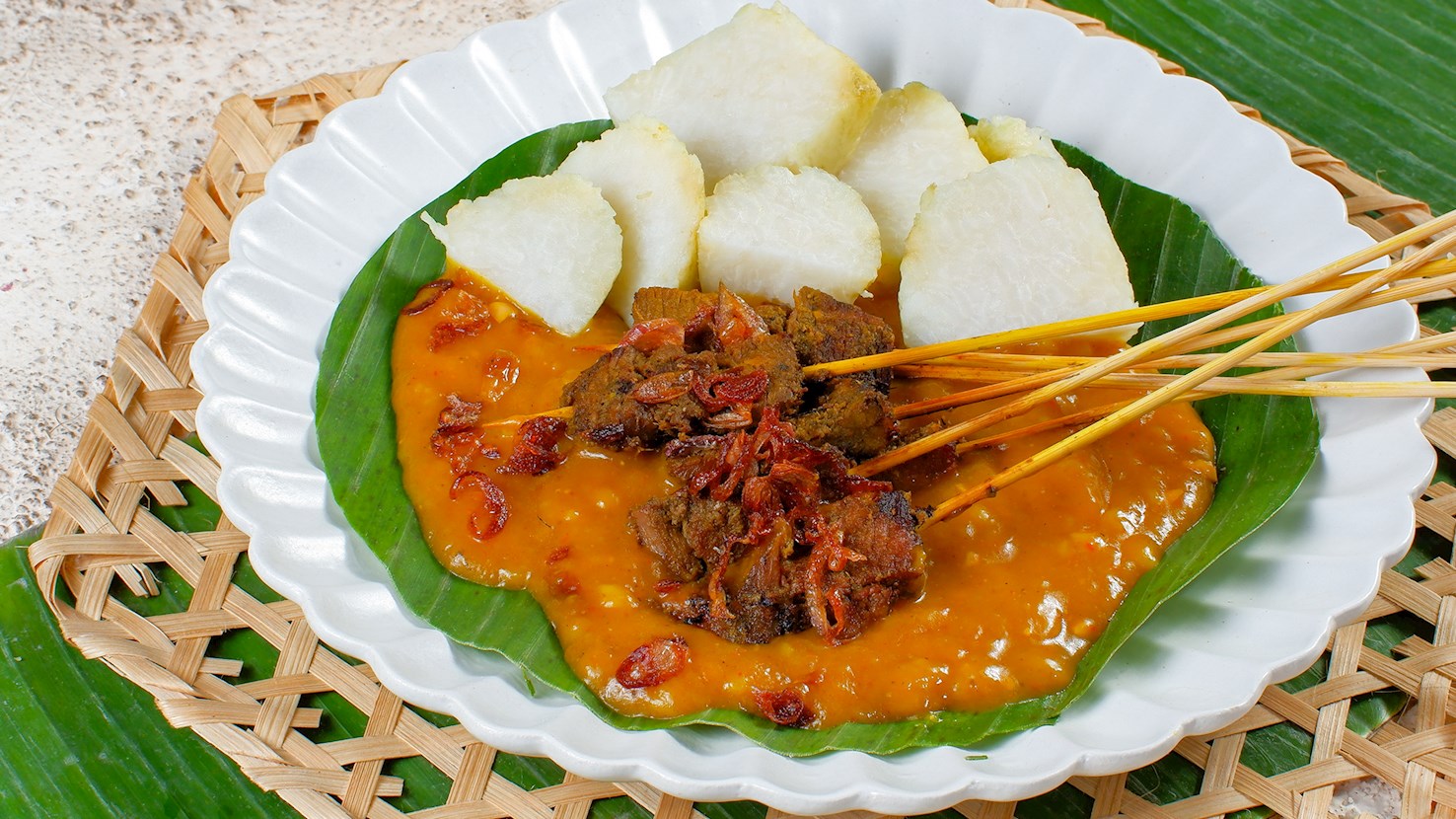
Padang satay is a spicy, rich, and aromatic Indonesian satay originating from Padang, West Sumatra, known for its thick, flavorful curry-based sauce. Unlike other Indonesian satay varieties that use peanut sauce or sweet soy sauce, Padang satay is distinct for its bold, turmeric-infused, and mildly spicy gravy, made from beef broth, rice flour, and a blend of local spices. The skewered meat—usually beef, beef tongue, or offal like intestines and heart—is first boiled in spiced broth until tender, then grilled over charcoal to achieve a smoky, caramelized crust. The signature thick, golden-brown sauce is made by reducing the broth used to cook the meat, thickened with rice flour, and enhanced with galangal, turmeric, coriander, cumin, lemongrass, and chilies, giving it a savory, slightly spicy, and deeply aromatic flavor. Padang satay is typically served on banana leaves, accompanied by steamed rice cakes (ketupat or lontong) and topped with crispy fried shallots, adding a final layer of crunch and fragrance.
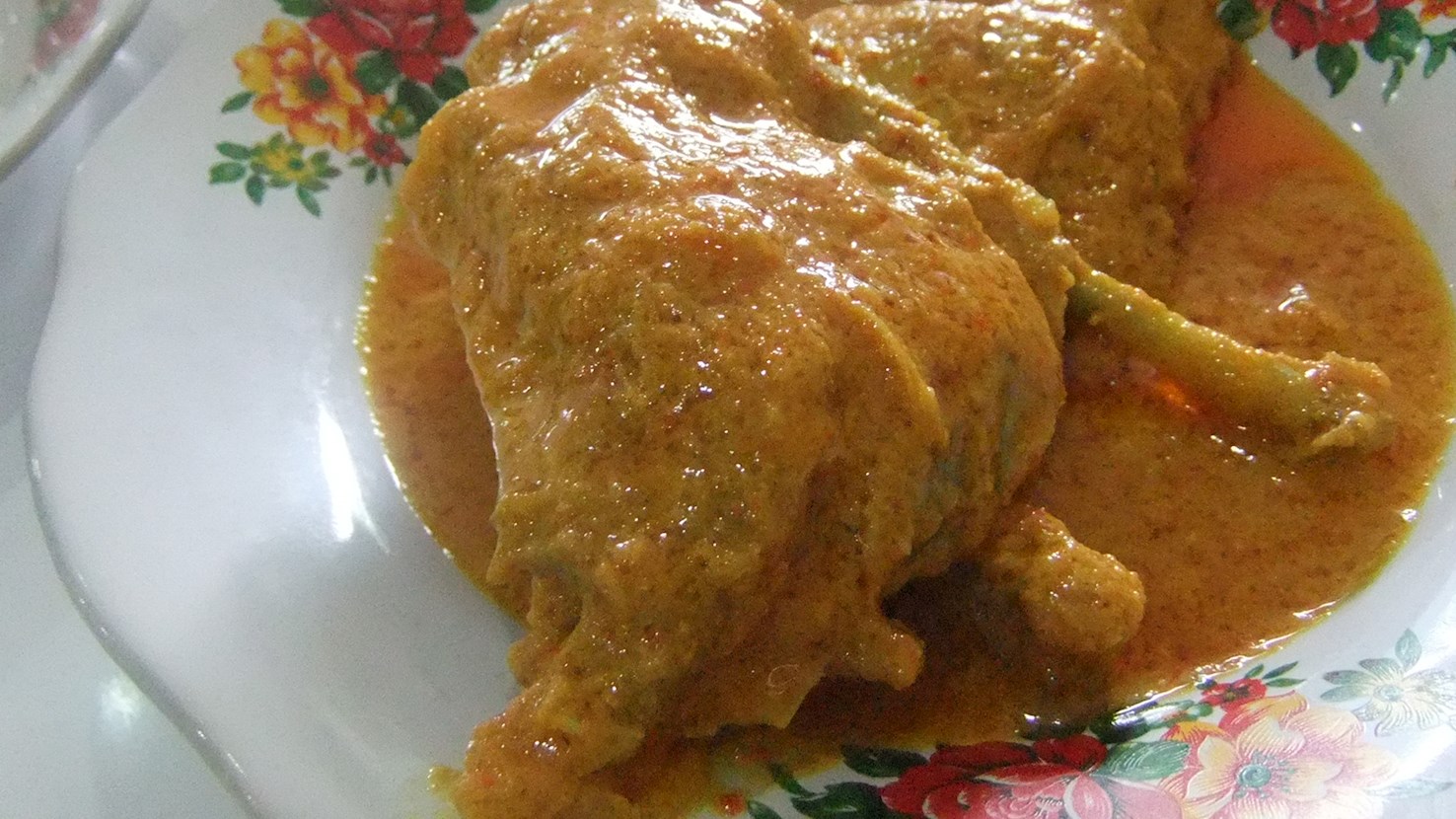
Gulai ayam is a classic Indonesian chicken curry that is rich, aromatic, and deeply rooted in Minangkabau (West Sumatran) and broader Malay culinary traditions. The term “gulai” refers to a type of curried dish found across Indonesia and Malaysia, characterized by its use of spices simmered in coconut milk, resulting in a thick, flavorful sauce. Ayam means chicken, so gulai ayam literally translates to chicken curry, but it’s far more complex than a typical curry. What sets gulai ayam apart is its luxurious spice blend, which often includes turmeric, coriander, cumin, cinnamon, cloves, star anise, cardamom, galangal, lemongrass, and sometimes toasted coconut. The chicken is slowly simmered in this fragrant blend along with thick coconut milk until it becomes tender and fully infused with the sauce’s golden, spicy, and slightly sweet richness. The color of the curry is usually a deep yellow-orange due to turmeric and chili, and the aroma is intensely warm and earthy. This dish is especially popular in Padang cuisine, which is known for bold, spicy, and coconut-rich flavors. But gulai ayam is enjoyed all over Indonesia and parts of Malaysia, with slight regional variations — for example, Javanese versions might be sweeter and milder, while Minang-style versions are spicier and more robust. Gulai ayam is typically served with steamed rice, often alongside sambal, vegetables, and other complementary dishes. It’s a common sight at family meals, religious feasts, and festive gatherings like weddings or Eid celebrations.
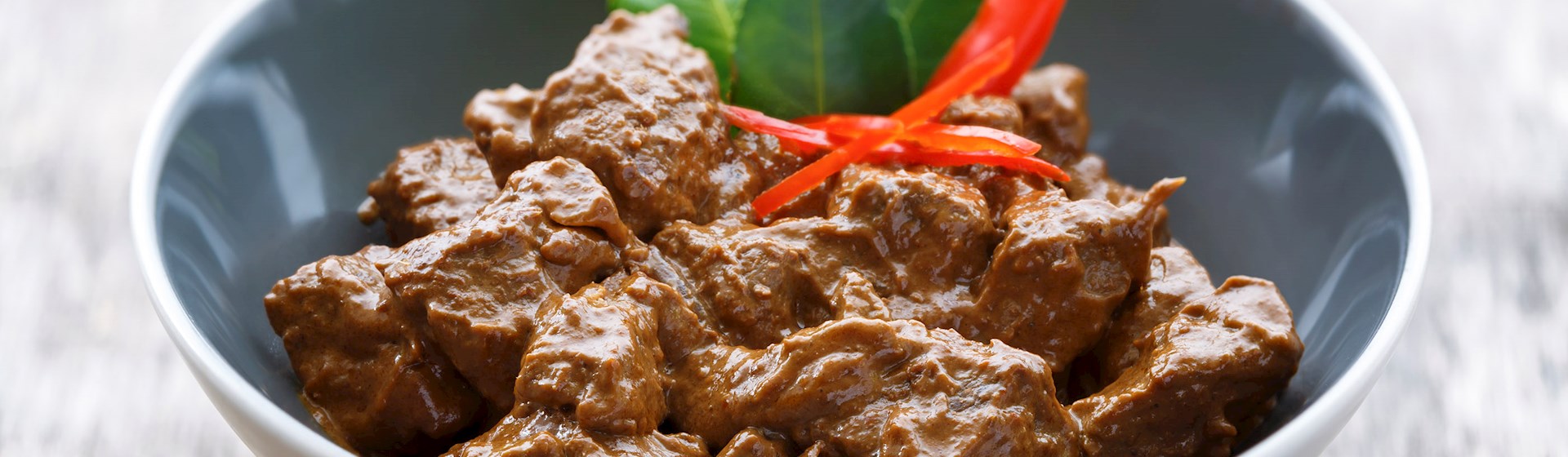
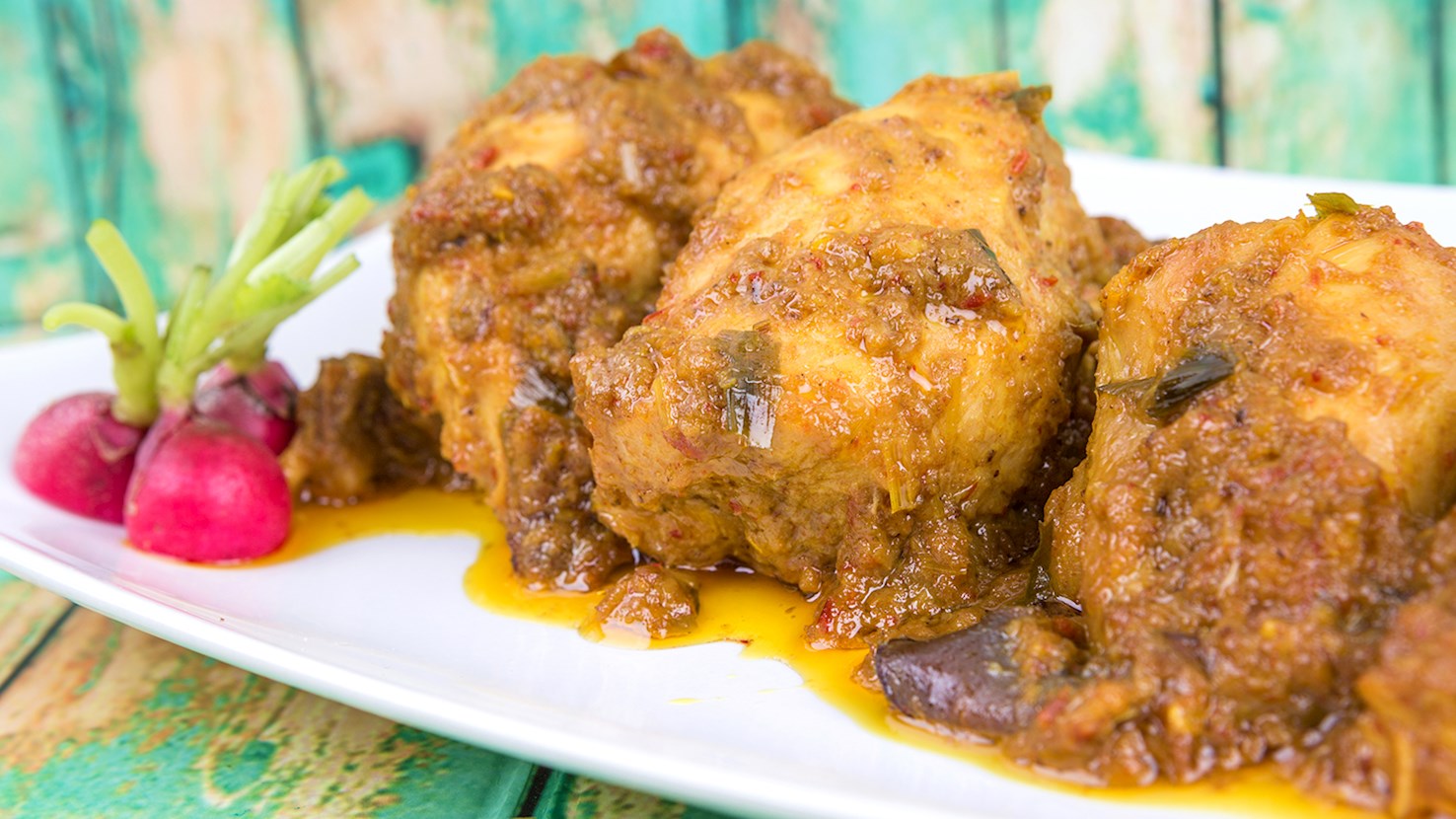
Rendang ayam is a traditional Indonesian chicken dish that originates from the Minangkabau ethnic group in West Sumatra. In Rendang ayam, the chicken is slowly simmered in coconut milk infused with a complex spice blend, typically composed of shallots, garlic, ginger, turmeric, galangal, lemongrass, and an array of chilies. The ingredients are pounded into a thick paste, then sautéed and combined with the coconut milk to create a sauce that is rich, earthy, and fragrant. Over several hours of gentle cooking, the sauce reduces gradually, concentrating its flavors as the chicken absorbs the aromatic base. The oils from the coconut begin to separate and caramelize, coating the meat in a dark, almost glossy crust that is characteristic of a well-made rendang. Unlike many curries, rendang ayam is considered a "dry" dish — not in terms of moisture, but in how the sauce clings tightly to the meat, offering layers of umami, heat, and subtle sweetness. The texture of the chicken remains tender, yet firm enough to hold its shape during the long braise, making it ideal for absorbing the intricate blend of spices. While rendang ayam can be found across Indonesia, it holds special prominence in Padang cuisine, where it is prepared during festive occasions such as weddings, Eid celebrations, and family feasts. In Minangkabau culture, rendang is more than food; it carries symbolic meaning tied to patience, wisdom, and communal harmony. The time required to cook the dish is viewed as a metaphor for the virtues of endurance and care. Traditionally served with steamed white rice, coconut rice, or compressed rice cakes like ketupat, it may also be accompanied by cassava leaves, sambal, or crispy fried shallots.
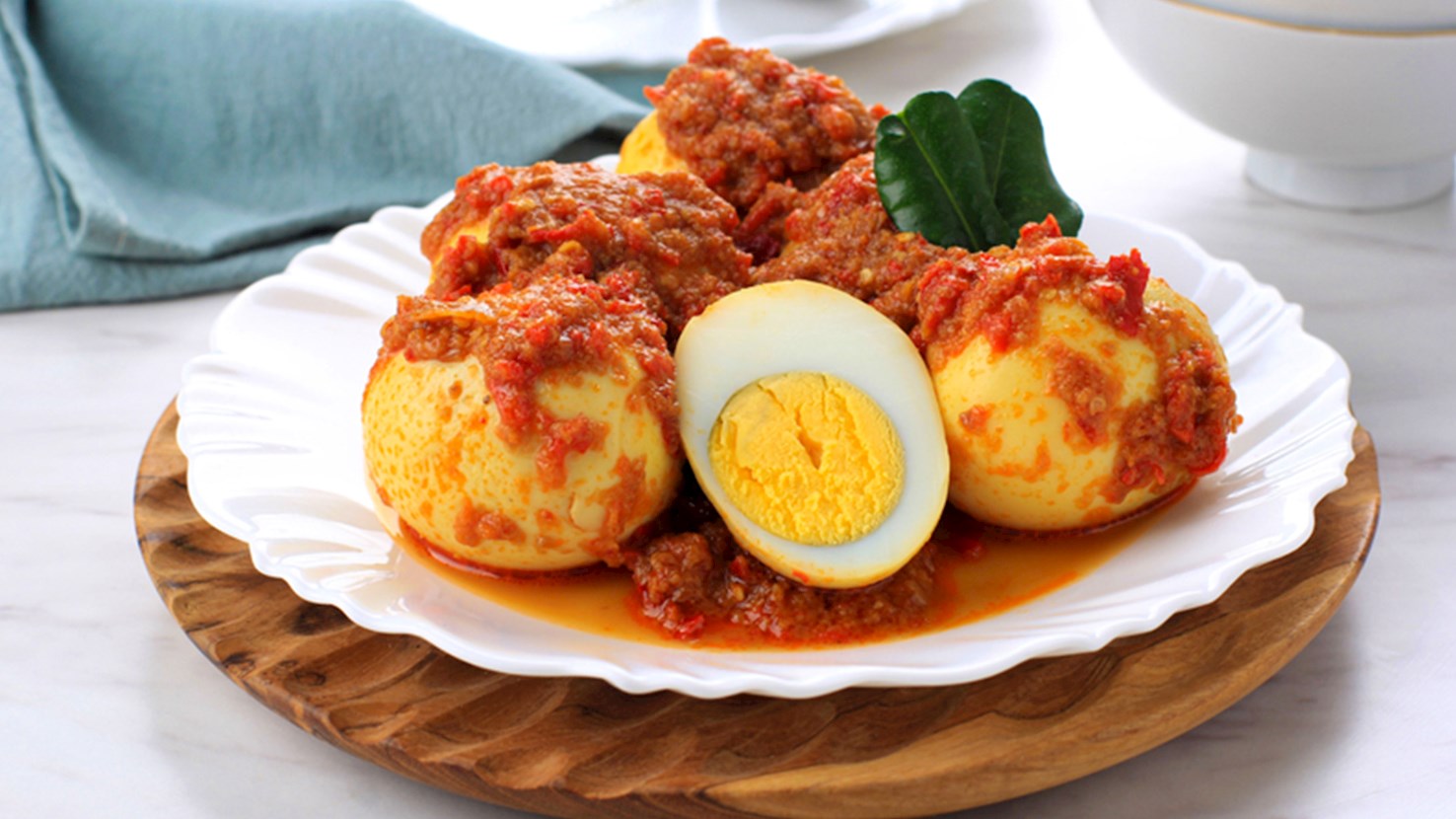
Telur balado is one of the most beloved everyday dishes in Indonesian cuisine, particularly rooted in the fiery traditions of West Sumatra’s Minangkabau kitchens. At first glance, it may seem unassuming: hard-boiled eggs coated in a vivid red sambal, but within that simple description lies a deeply expressive and carefully balanced composition of flavor, heat, and texture. The word balado itself refers to a style of cooking in Minang culture that involves sautéing ingredients in a chili-based sambal, and in this case, the eggs become the perfect medium for carrying the vibrant flavors. The preparation begins with boiling and peeling eggs, which are then briefly fried until their surfaces blister and take on a slightly crisp, golden texture. This step, while subtle, transforms the egg’s exterior, allowing it to absorb the sambal more effectively. The sambal for telur balado is one of Indonesia’s most iconic, made from a blend of red chilies, shallots, garlic, and tomatoes, sometimes enhanced with makrut lime leaves or a squeeze of lime for aroma and brightness. Unlike raw chili pastes, this sambal is gently cooked until its sharpness mellows and the oil begins to separate, signaling that the flavors have merged and deepened. The fried eggs are then folded into this mixture, turning a simple protein into a deeply seasoned centerpiece. Though intensely spicy, the flavor of the sambal is not one-dimensional; it carries sweetness from the tomatoes, warmth from the shallots, and a rich umami base that makes it compelling even to those unfamiliar with Indonesian cuisine. Telur balado is typically served with plain steamed rice, which acts as both counterpoint and canvas, absorbing the heat and harmonizing with the richness of the sambal. It often appears alongside other dishes in the sprawling nasi Padang format, where a variety of Minang specialties are served together, but it also stands alone as a satisfying and economical meal. In households across Indonesia, it is made in large batches and stored for several days, improving in flavor as the sambal continues to infuse the eggs.
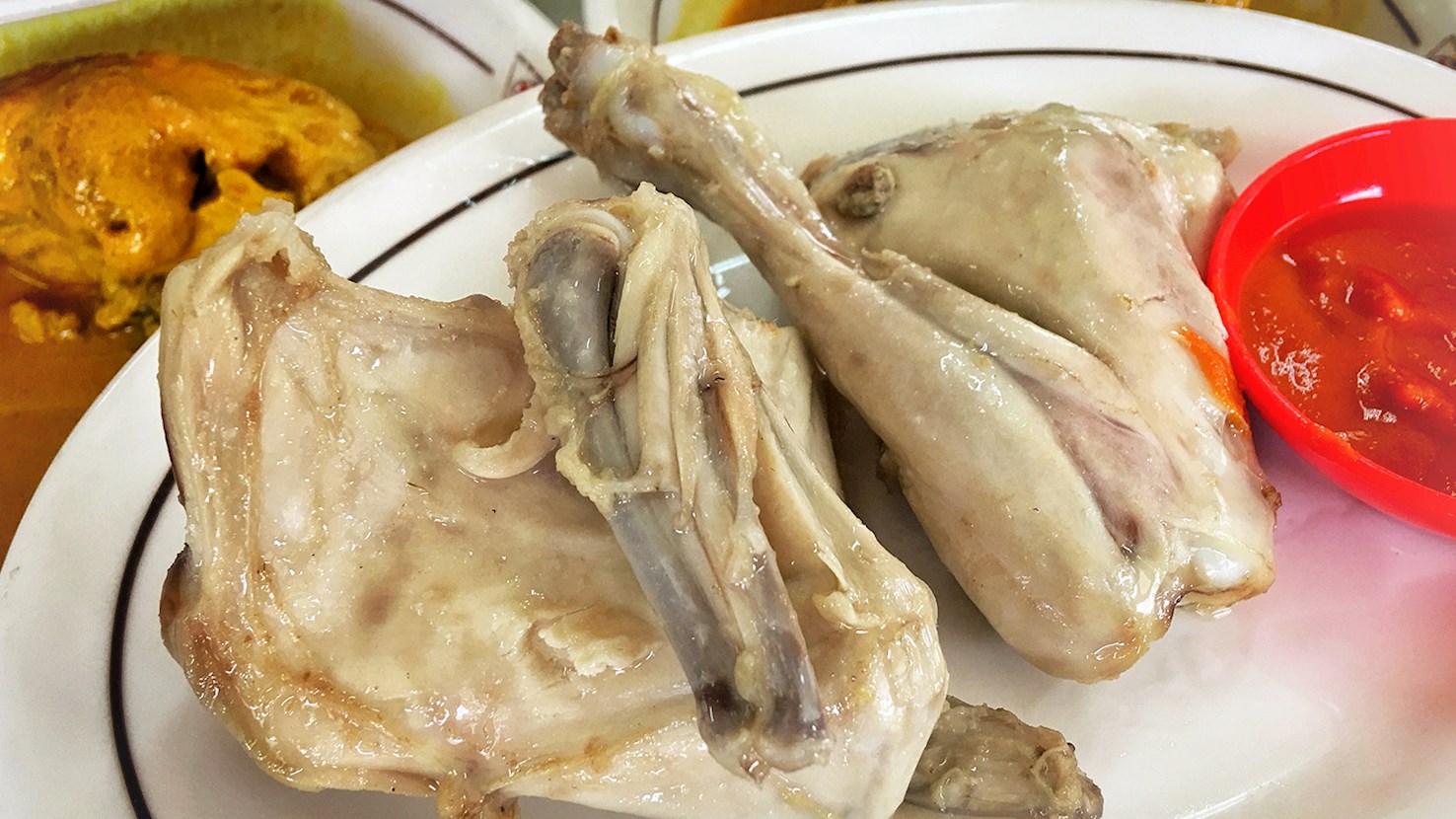
Ayam pop is a distinctive and much-loved chicken dish that hails from the rich culinary traditions of Padang, West Sumatra. What sets ayam pop apart from other Indonesian chicken preparations is its strikingly pale appearance and delicate, subtly sweet flavor, a gentle counterpoint to the typically fiery and aromatic dishes of the region. The chicken, often skinless and cut into pieces, is first simmered in coconut water infused with aromatics like garlic, galangal, lemongrass, and bay leaves. This slow poaching not only infuses the meat with a fragrant, slightly sweet depth but also tenderizes it to the point of near collapse. Once the chicken is thoroughly cooked and infused with flavor, it is briefly fried in hot oil, not to achieve a crisp, golden crust like conventional fried chicken, but merely to seal in the moisture and add a hint of texture, leaving the outside a soft pale beige that almost belies the flavor within. Ayam pop is traditionally served alongside steamed white rice and accompanied by sambal lado merah, a vibrant red chili sauce that adds the missing heat and punch, and often paired with boiled cassava leaves or fresh cucumber slices.
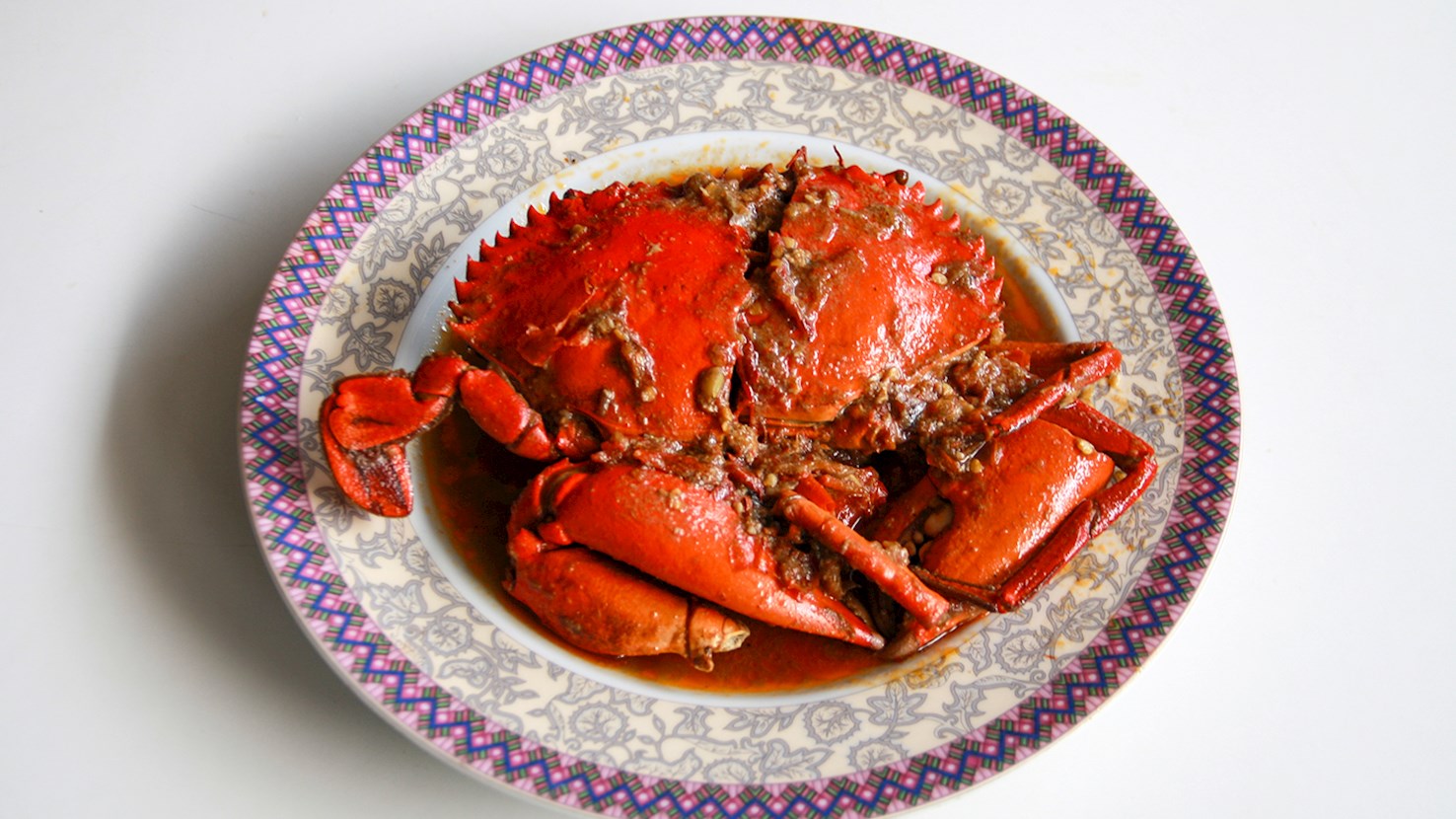
Kepiting saus Padang is a spicy Indonesian crab dish known for its bold, chili-laden sauce and rich, savory flavor, originating from the Padang culinary style of West Sumatra. The name translates to “crab in Padang sauce,” and it features whole crabs cooked in a thick, fiery red sauce made from a blend of chilies, garlic, shallots, tomato, ginger, lemongrass, and sometimes egg to create a textured, slightly creamy finish. The dish is popular in seafood restaurants across Indonesia, especially in coastal cities and regions where fresh crab is readily available. Kepiting saus Padang stands out for the balance it strikes between spiciness, tanginess, and umami, often enhanced with the addition of oyster sauce or sweet soy sauce depending on local preferences. The crabs are usually cleaned and cracked before being simmered in the sauce so the flavors fully penetrate the meat. Some versions include chopped bird’s eye chilies for an extra punch, while others are slightly sweetened to temper the heat, making it adaptable to different regional tastes. Served hot and messy, usually with steamed rice and eaten by hand, the dish delivers an intense and satisfying seafood experience that captures the essence of Indonesian coastal cooking.
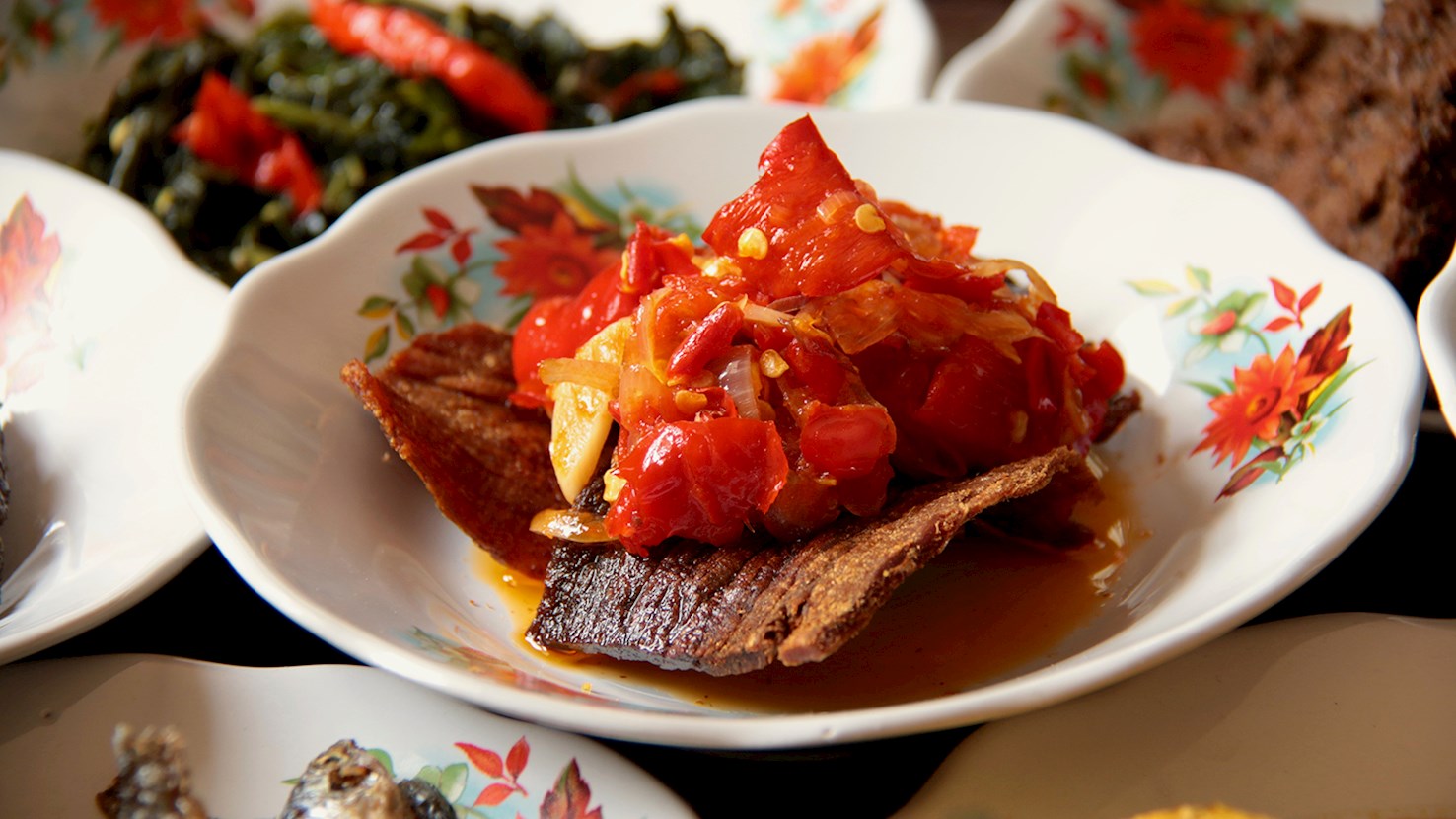
Dendeng balado is a spicy beef dish from West Sumatra, Indonesia, particularly associated with the Minangkabau people and their rich, chili-forward cuisine. It consists of thin slices of dried or fried beef that are generously coated in a vibrant, spicy chili sambal known as balado. The word "dendeng" refers to the beef itself, which is typically marinated, sun-dried or fried to a crisp texture, while "balado" denotes the signature West Sumatran chili paste made from red chilies, shallots, garlic, and lime juice, often sautéed in oil to intensify its flavor. In many Padang restaurants across Indonesia, dendeng balado is a staple offering, usually displayed in tall stacks of fried dishes behind glass counters, ready to be served at room temperature as part of a nasi Padang meal. Despite its simplicity in ingredients, the preparation of dendeng balado requires patience and skill: slicing the beef thinly, drying or frying it to the right crispness, and carefully blending the sambal to preserve its brightness without overpowering the meat. Traditionally made with beef, variations of dendeng balado may also include chicken, liver, or even eggplant, but the beef version remains the most iconic.
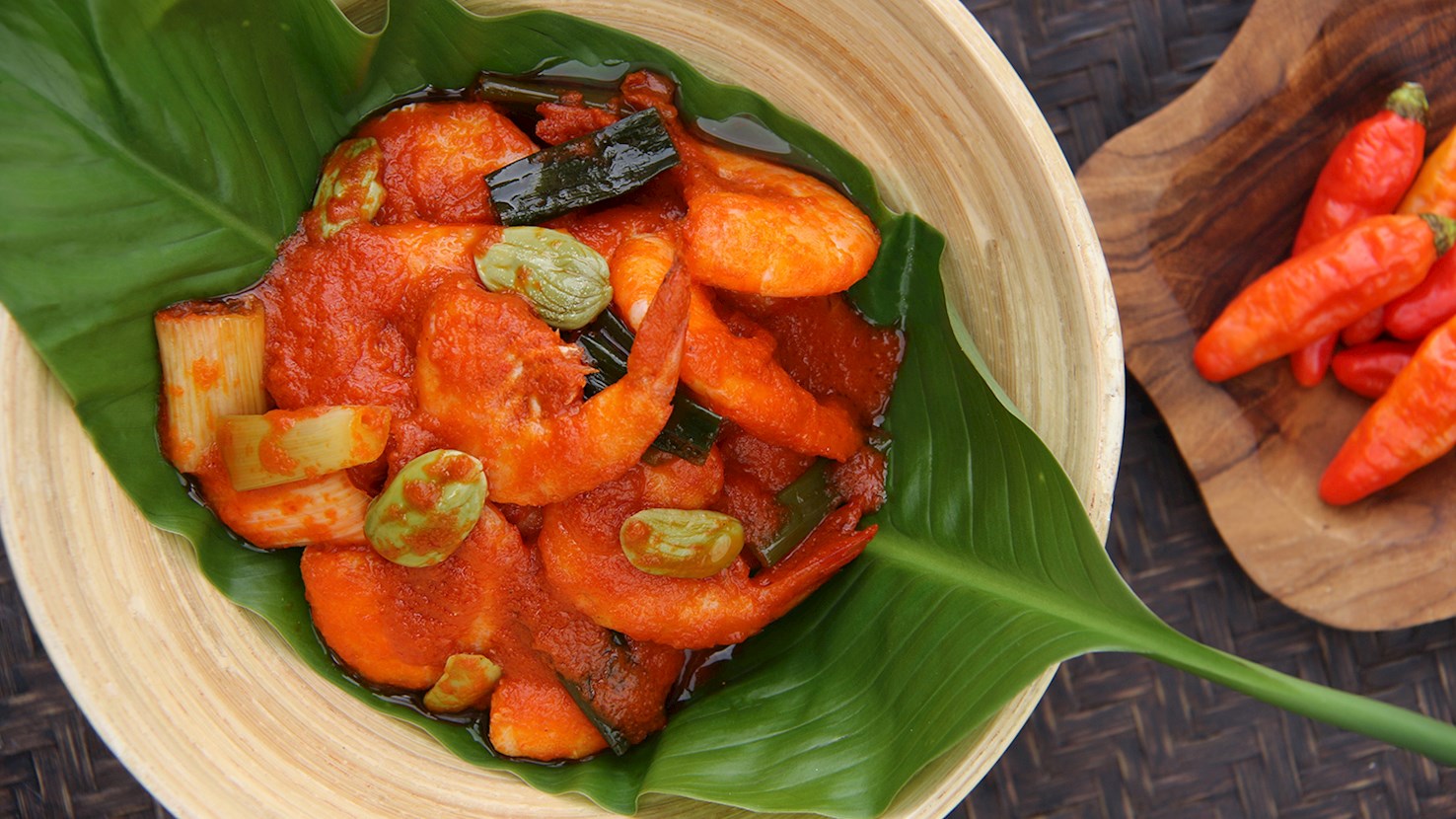
Udang balado is a chili-based shrimp dish from West Sumatra, where it is a common part of Minangkabau cuisine. It features shrimp cooked in a vibrant red chili paste known as sambal balado, which is one of the core flavor bases in West Sumatran cooking. This sambal is made by grinding or blending red chilies with shallots, garlic, tomatoes, and sometimes lime juice, then sautéing the mixture in oil until the rawness is cooked off and the sauce becomes thick and aromatic. The dish is known for its sharp, savory, and spicy character, with the chilies providing heat while the shrimp contribute a natural sweetness and briny depth. The preparation of udang balado begins by cleaning and deveining the shrimp, which are often cooked with their shells on to retain flavor. The chilies used in the sambal are typically fresh red ones, either large or small depending on the desired heat level, sometimes mixed with bird’s eye chilies for a sharper kick. The blended mixture is slowly sautéed until fragrant, at which point the shrimp are added and cooked just until tender. The cooking process is relatively fast, preserving the firm texture of the shrimp and allowing the sauce to cling tightly to each piece. Udang balado is commonly served as part of a rice-based meal, alongside other Minangkabau dishes such as rendang, gulai, or boiled cassava leaves. Like many West Sumatran foods, it emphasizes bold, straightforward flavors with minimal sweetness and no use of coconut milk, unlike some other regional Indonesian shrimp dishes. Its intensity makes it particularly appealing to those who favor spicy food, and its preparation requires no elaborate technique, making it a staple in both home kitchens and local food stalls. In Padang-style restaurants, which are widespread across Indonesia, udang balado is one of the many dishes laid out behind glass displays and served alongside rice in the hidang system, where multiple small portions are brought to the table at once. Its visibility in these settings has helped popularize the dish beyond its regional origins, and it is now a recognized part of Indonesian culinary identity. The dish also adapts well to different proteins such as eggs, anchovies, or tofu, but shrimp remains one of the most favored versions due to its firm bite and natural compatibility with the chili paste.
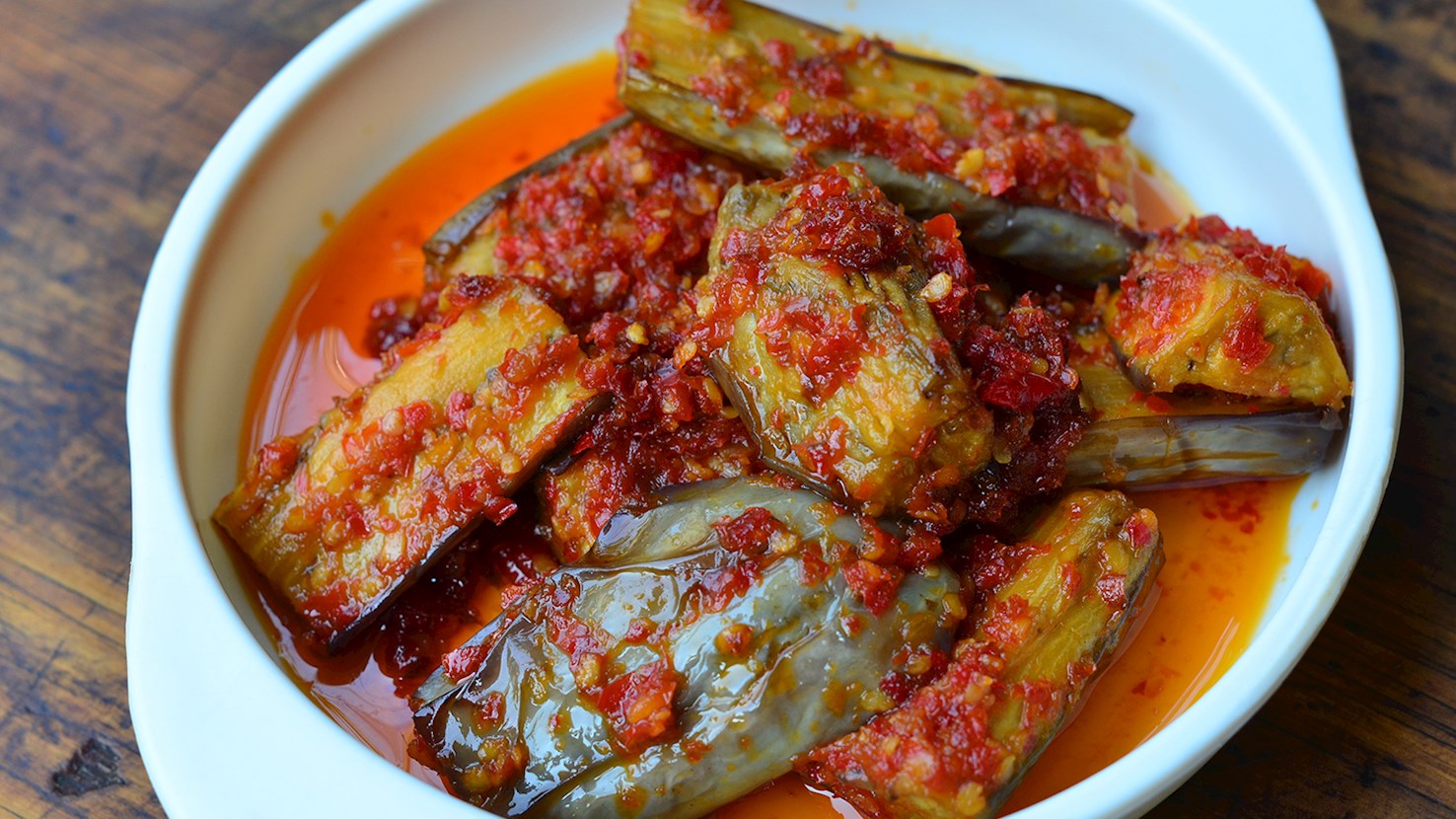
Terong balado is an Indonesian eggplant dish originating from West Sumatra, particularly within the Minangkabau culinary tradition, which is known for its bold use of spices and chili-based preparations. The dish consists of fried eggplant slices coated in a spicy red chili sambal, and it is typically served as a side dish in a larger meal alongside rice and other protein-based components. The term terong means eggplant in Indonesian, while balado refers to a style of cooking involving sautéing ingredients in a red chili paste made from a blend of chilies, shallots, garlic, tomatoes, and sometimes lime juice or kaffir lime leaves. The eggplant used in terong balado is usually of the long, slender Asian variety, though other types may be used depending on availability. It is commonly sliced lengthwise or into rounds, then deep-fried or pan-fried until soft and slightly browned. This process gives the eggplant a tender interior and a surface that can absorb the sambal effectively. The chili paste is made separately by grinding or blending fresh red chilies, shallots, garlic, and tomato into a coarse mixture, which is then sautéed in oil until fragrant and slightly reduced. The fried eggplant is then added to the sambal and gently stirred until coated. Terong balado is widely served in rumah makan Padang (Padang restaurants), where it is one of many dishes offered in the typical spread of Minang cuisine. It stands out for its simplicity, rich color, and assertive flavor profile, combining heat from the chilies, sweetness from the tomato, and a mild smokiness from the fried eggplant. The dish is commonly eaten with steamed rice and may accompany more complex main dishes such as rendang or ayam pop, balancing the richness of those items with its spiciness and soft texture.
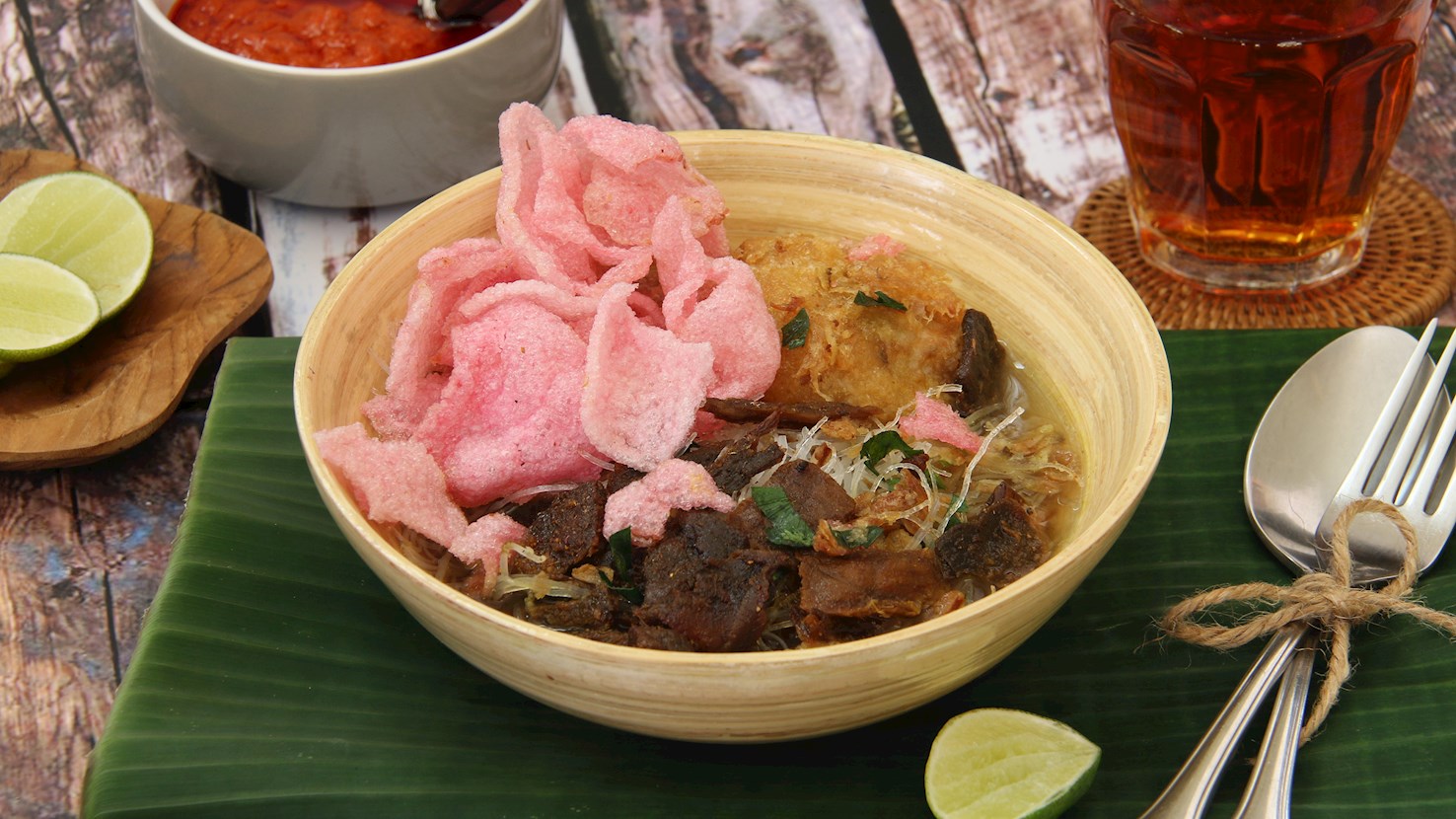
Soto Padang is a clear beef soup from the city of Padang, in West Sumatra, Indonesia, known for its light broth, crisp textures, and balanced spice. It belongs to the broader family of soto, a category of Indonesian soups that vary significantly by region and ingredients. Soto Padang stands out for its combination of fragrant clear beef broth, thin slices of fried or boiled beef, and crunchy fried vermicelli or potato patties, offering a contrast of textures and a mildly spiced flavor profile that reflects Minangkabau culinary traditions. The preparation begins by simmering beef, often shank or brisket, with aromatics like lemongrass, makrut lime leaves, galangal, garlic, and shallots to develop a light yet flavorful broth. The beef is typically cooked until tender, then sliced thin and either deep-fried for a crisp finish or served as is. What makes soto Padang distinct from other regional soto variants is the inclusion of crispy fried glass noodles and, in many cases, perkedel kentang, which are spiced mashed potato patties that are also fried before serving. The broth is then poured hot over the dry components just before serving, preserving their texture until the moment of eating. Soto Padang is commonly garnished with sliced celery leaves, scallions, and fried shallots, with a small squeeze of lime and a side of sambal to adjust the heat according to preference. It is often eaten as breakfast in West Sumatra, especially in Padang itself, where it is served in warungs and local markets alongside teh talua, a sweet and frothy egg tea that complements the lightness of the soup.
TasteAtlas food rankings are based on the ratings of the TasteAtlas audience, with a series of mechanisms that recognize real users and that ignore bot,
nationalist or local patriotic ratings, and give additional value to the ratings of users that the system recognizes as knowledgeable.
For the “Top 11 Traditional Foods in West Sumatra” list until July 08, 2026, 789 ratings were recorded, of which 493 were recognized by the system as legitimate.
TasteAtlas Rankings should not be seen as the final global conclusion about food. Their purpose is to promote excellent local foods,
instill pride in traditional dishes, and arouse curiosity about dishes you haven’t tried.