


Top 33 Italian Fortified Wines

Last updated on June 24, 2026

Best Italian Fortified Wine Types

01

Martini Bianco

3.8 ·

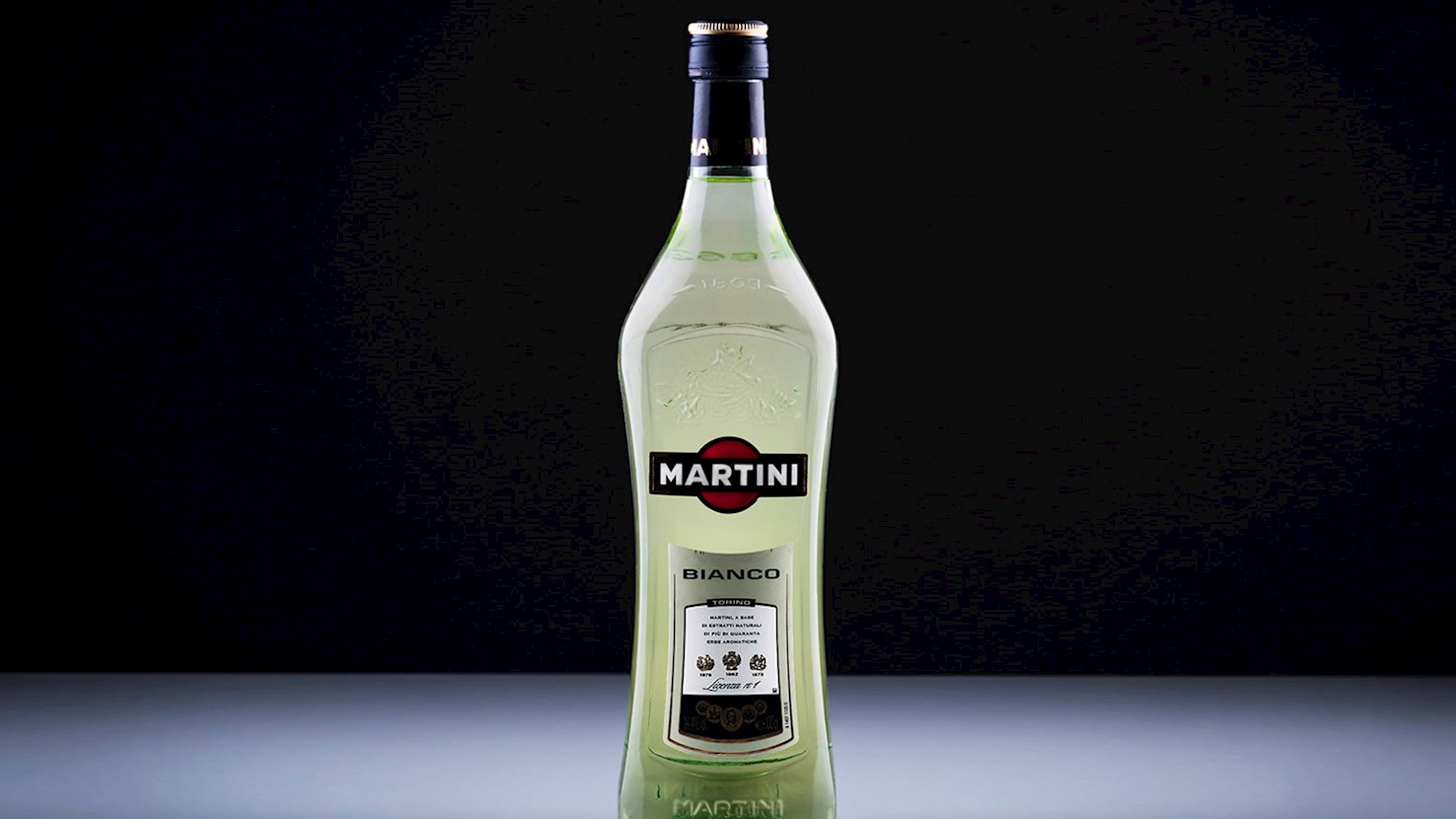
In the past known as bianchissimo (the whitest), Martini Bianco is a variety of sweetened dry vermouth—fortified and aromatized wine—that was first introduced in 1910. Although the exact recipe is a closely guarded secret, Martini Bianco is made from filtered white wine that is sweetened and infused with different botanicals that include vanilla flowers, spices, herbs, citrus zest, barks, and roots. This clear drink is characterized by its layered combination of flavors and aromas that include spicy, floral, citrus, and sweet vanilla notes. In Europe, Martini Bianco is usually enjoyed as an aperitif, preferably served neat with ice and orange peel. However, it can also work well mixed with soda water, tonic water, or lemonade, as well as a great cocktail ingredient that ideally replaces sweet vermouth. Martini Bianco is produced by the Turin-based company Martini&Rossi, which have an array of different vermouth styles, including the classic sweet red vermouth Martini Rosso.

02

Martini Rosso

3.8 ·

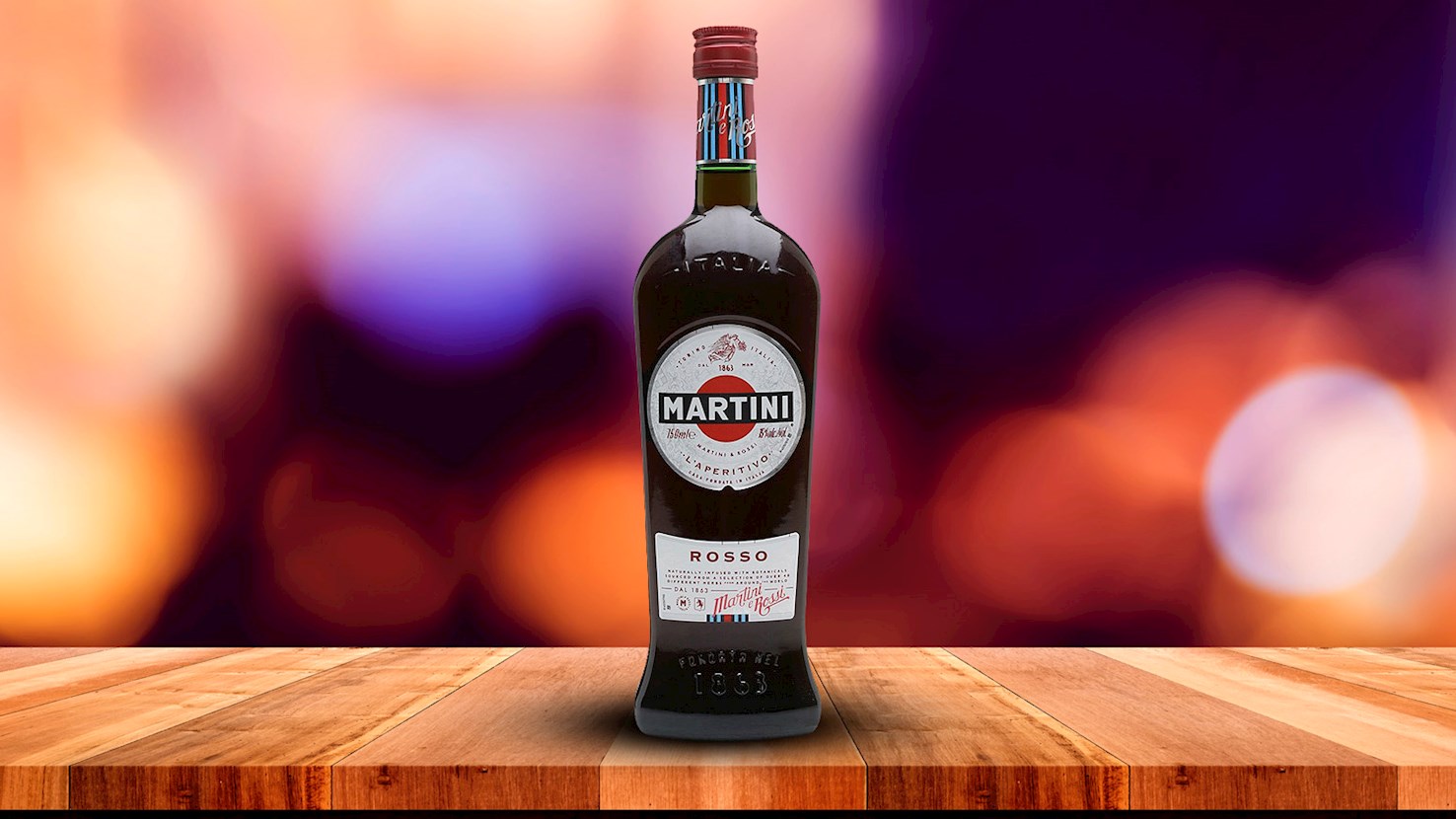
Hailing from Turin, this sweet Italian vermouth was created in the 1862s by Martini Rosso. It is made from wine that is infused with various botanicals such as plants, barks, or flowers. The macerate of the botanicals is added together with caramel, which gives the drink its distinguishing red color. Martini Rosso is slightly sweet, incredibly aromatic, and has a distinctive herbal finish that is accompanied by a subtle bitterness. This common European aperitif, which is ideally served over ice, is best known for its use in cocktails, primarily the acclaimed Manhattan, Negroni, and Americano. The drink also pairs well with tonic and soda water.

03

Vermouth

3.8 ·

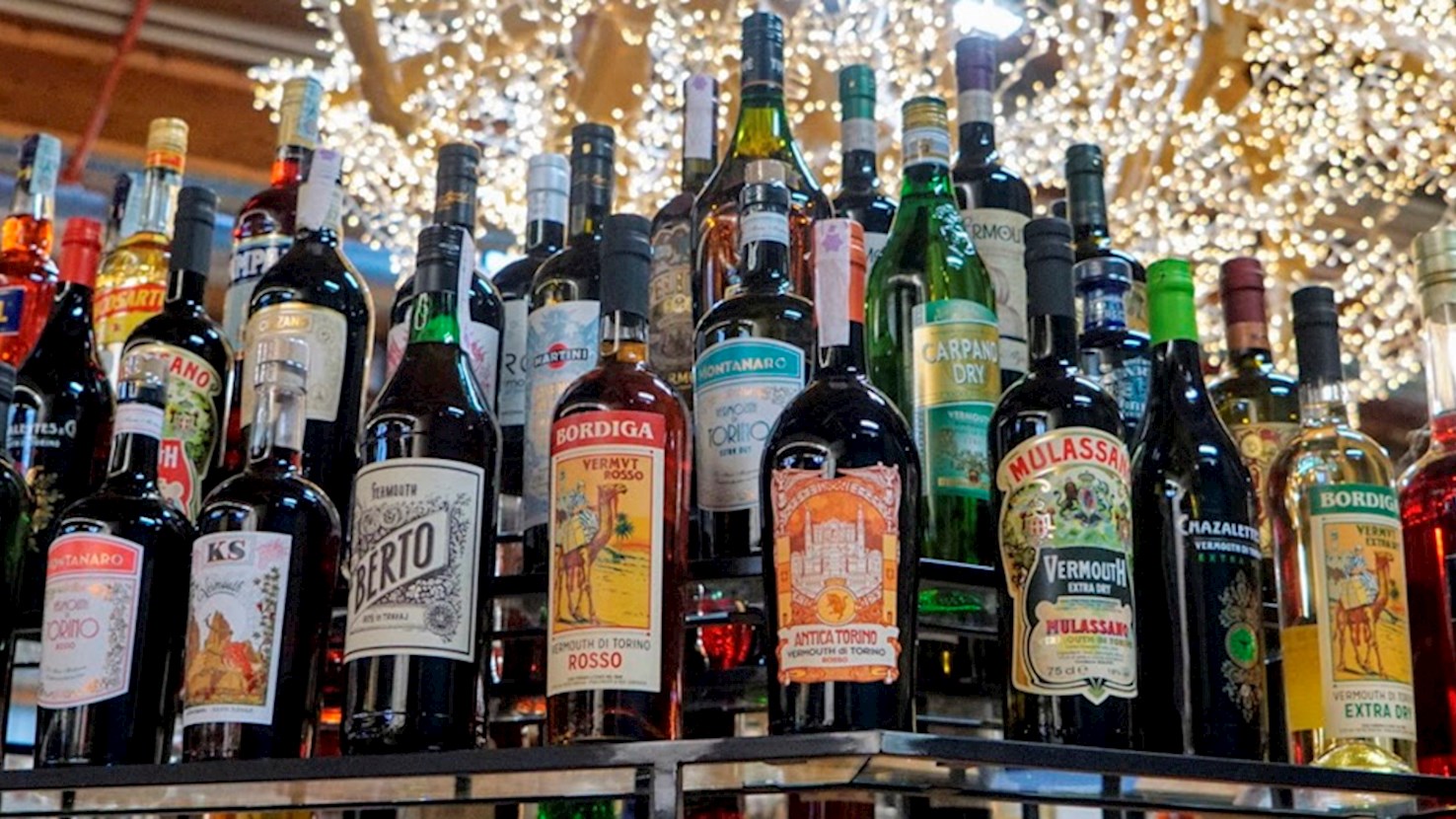
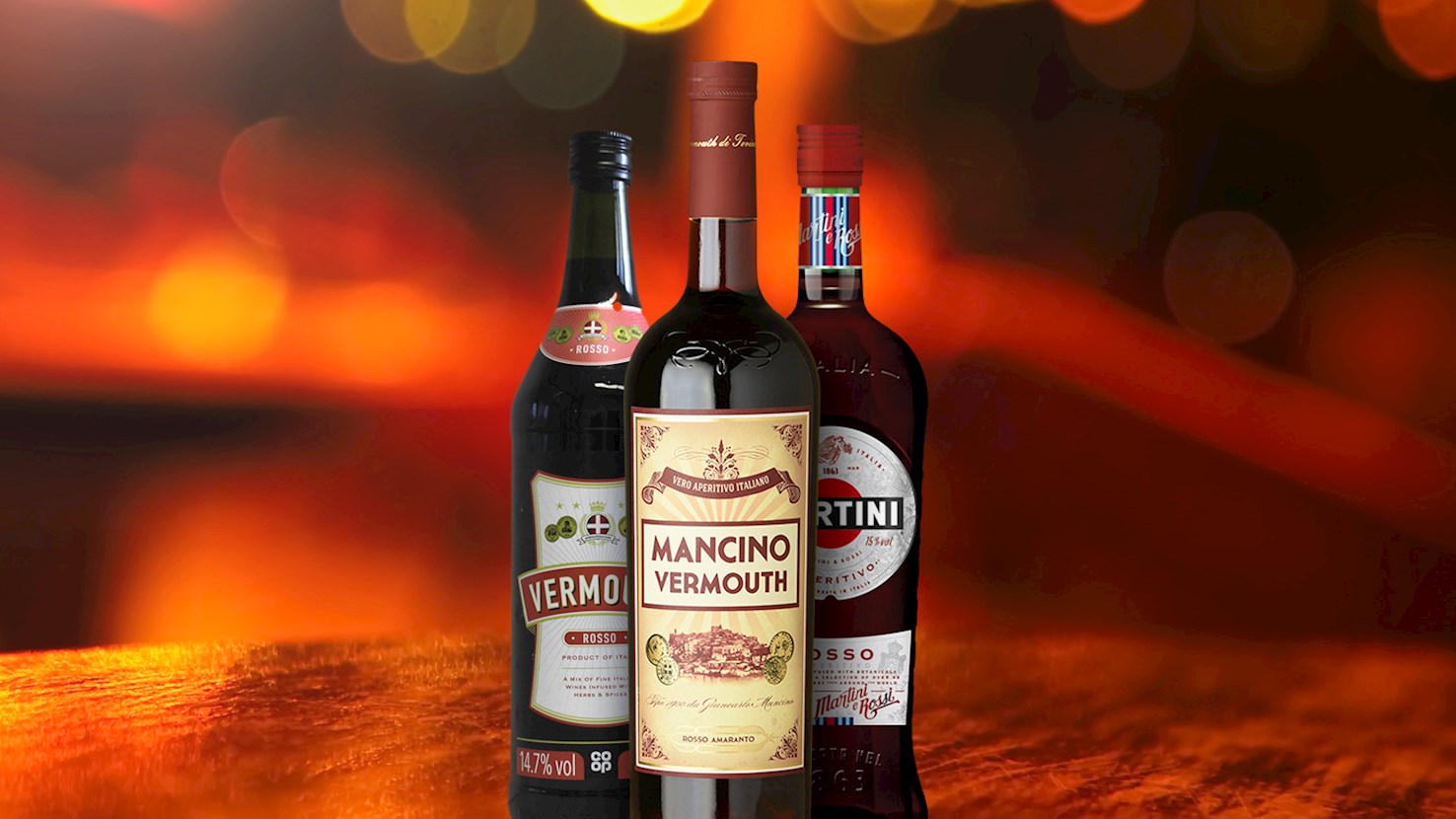
Vermouth is a quintessential European aperitif. This sweetened and fortified wine is aromatized with various botanicals, and it is usually classified as red (sweet) or white (dry). The origin of vermouth is ancient and closely connected to wormwood wine, but the first official vermouth was produced in Turin by Antonio Benedetto Carpano. He aromatized his wine with various herbs and spices and started selling his red vermouth in 1786. The drink became an instant success among the locals and has since only grown in popularity. In the years that followed, Joseph Noilly introduced the new French-style vermouth that is now mostly known as white or dry vermouth. With the development of the spice trade, both styles were further popularized. Internationally, vermouth became known as a cocktail ingredient—it is used in some of the classics such as Martini, Manhattan, Negroni, and Americano—but in Europe, it is still mainly served as an aperitif. It can be enjoyed neat or over ice, and it is often mixed with soda or tonic water. Vermouth is still a staple in Italy and France, but it has also become one of the most popular aperitifs in Spain after it was introduced in the 19th century.

04

Marsala

3.8 ·

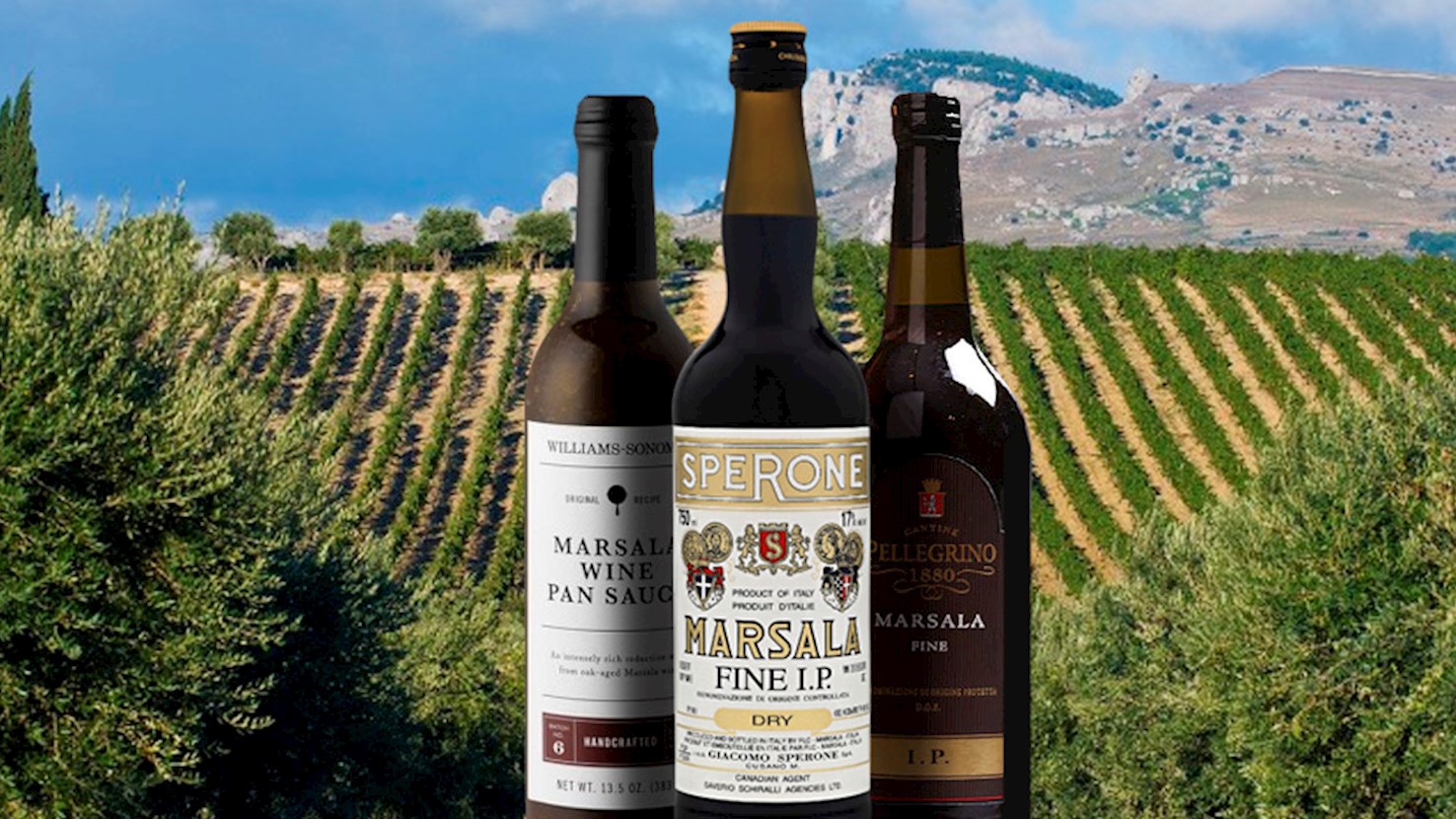
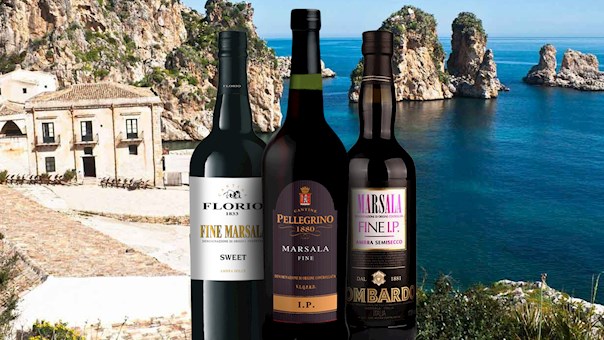
An Englishman John Woodhouse discovered this fortified Sicilian wine and started producing it on a larger scale in 1796. Because of its instant popularity, the quality of Marsala wines began to deteriorate, but in 1984, stricter regulations of production have been implemented, which eventually had an impact on the better quality of Marsala. The unique taste of the wine comes from the traditional winemaking method and the use of only Sicilian indigenous grapes, predominately Grillo, but Inzolia, Catarrato, or Damaschino can also be used. The wine comes in three styles: secco (dry), semisecco (semi-dry), and dolce (sweet), while its flavor is typically reminiscent of cherries, apples, dried fruits, as well as soft vanilla, honey, and licorice. Refined versions of Marsala make excellent dessert wines, but they are also commonly used in the production of desserts or to create rich, caramelized sauces. This complex wine naturally pairs with a wide variety of classic Italian desserts such as cannoli, tiramisù, or amaretti, while some varieties can perfectly complement delicate spring vegetables.

05

Sweet Vermouth

3.3 ·

The term sweet vermouth is generally associated with red Italian-style vermouth. Their red color is mostly gained with caramel-coloring, and the examples of the style are typically subtly bitter and usually sweeter than dry vermouth, while the aromas and the final taste profile are usually reminiscent of spices and stewed fruit. Sweet vermouth is best known for its use in cocktails, and it makes the bases of some the classics, including Manhattan and Negroni. Some of the most popular brands include Martini Rosso, Carpano, and Cinzano Rosso. Officially, sweet vermouth can have a maximum of 15% sugar.

06

Corochinato

n/a ·

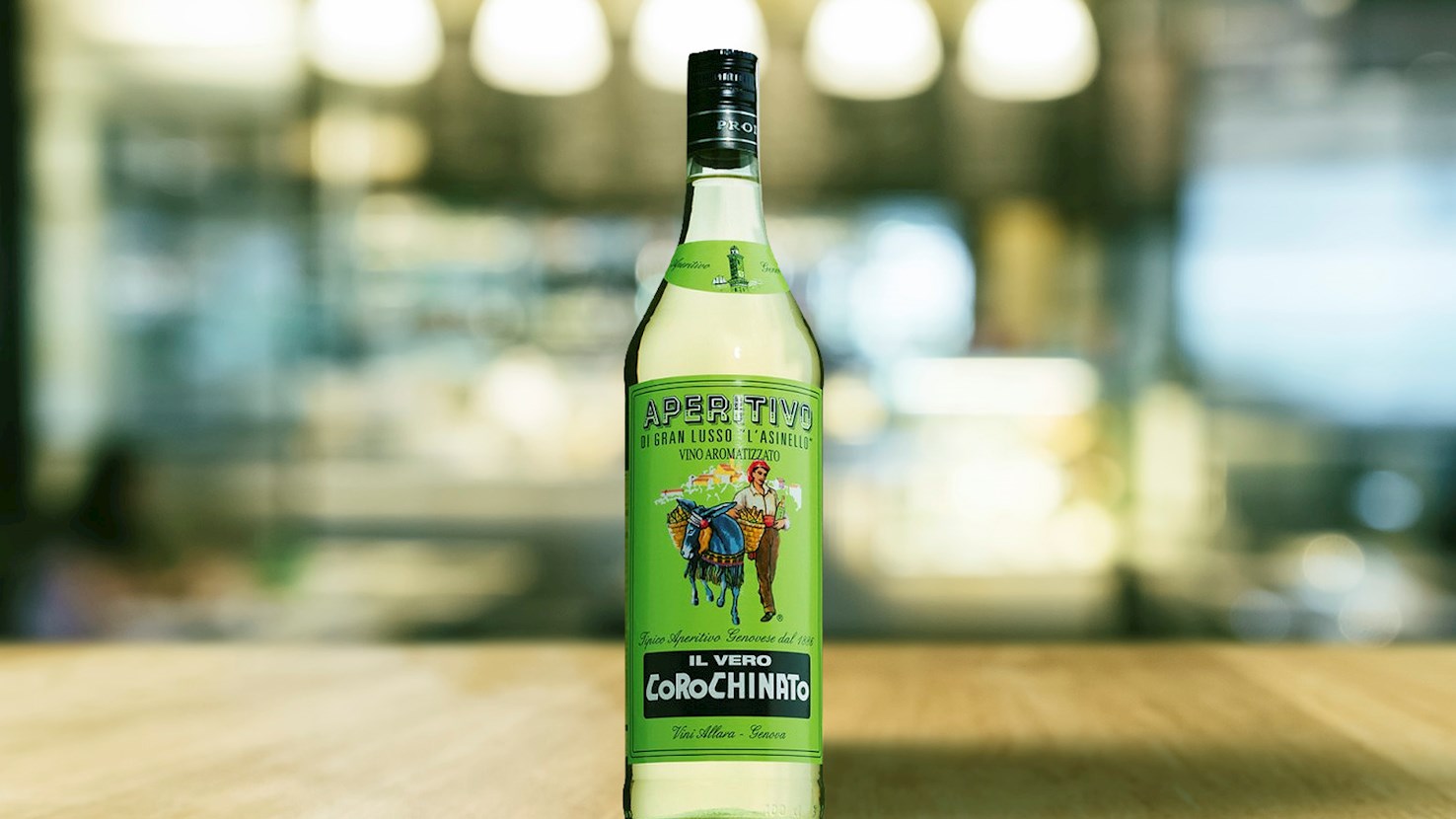
Locally known as Asinello and classified as vermouth, Corochinato is a fortified and aromatized wine that hails from Genova. The base of the drink is made with fortified white wine that is infused with a secret blend of herbs and spices such as wormwood, gentian, cinnamon, thyme, oregano, and juniper. The recipe has not been changed since the drink was invented in 1886. Corochinato has a straw yellow color that is streaked with golden highlights, while the herbal aromas perfectly complement its bittersweet aftertaste. This aromatic wine is mostly enjoyed as an aperitif or a digestif, and it is best served well-chilled and accompanied by a slice of lemon.

07

Carpano Antica Formula

n/a ·

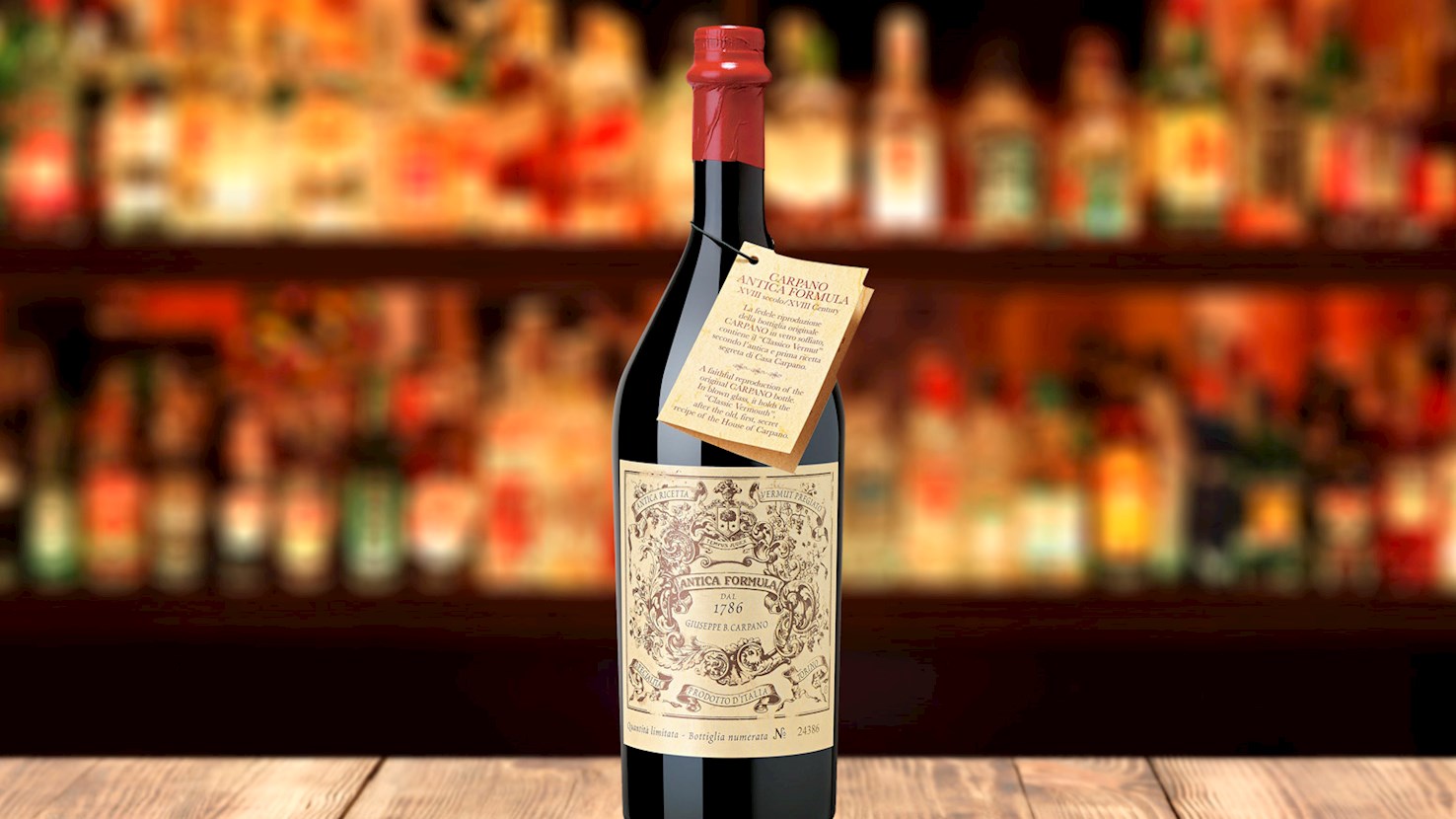
This classic Italian vermouth is still made following the original recipe from 1786 that was created by Antonio Benedetto Carpano. It is one of the first modern vermouth versions. Praised for its exceptional quality, Carpano is characterized by its concentrated, bitter-sweet flavor and complex aromas reminiscent of vanilla, spices, dried fruit, and orange zest. The base is made with wine sourced from Emilia-Romagna, Puglia, and Sicily, and although the exact recipe is a closely guarded secret, it is known that some of the botanicals include Madagascar vanilla, Iranian saffron, and wormwood from Piedmont. Although it works great on its own, preferably served on the rocks, it is also one of the best options for cocktails that call for sweet vermouth such as Manhattan and Negroni. Antica Formula is bottled at 16.5%.

08

Cocchi Americano

n/a ·

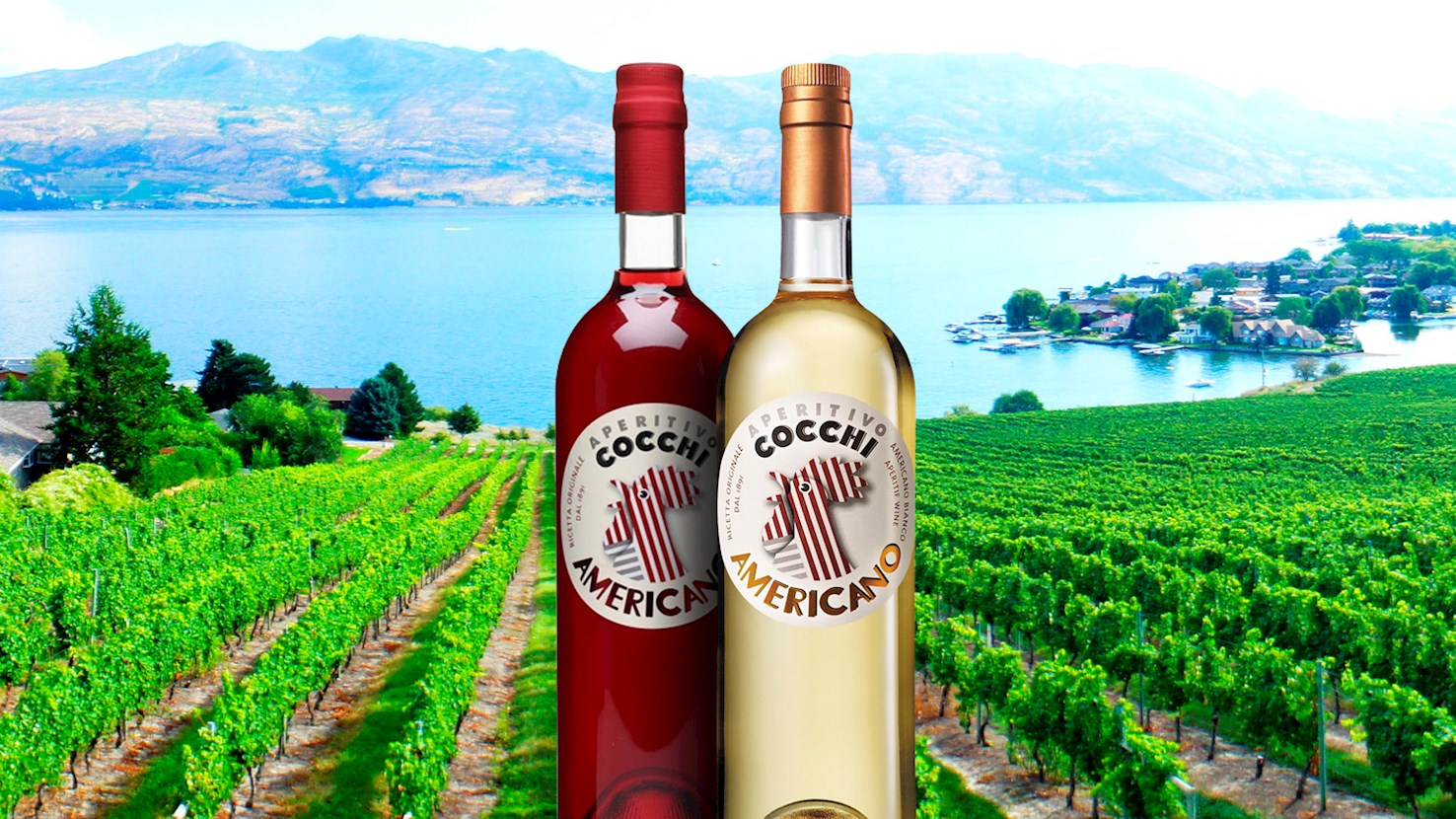
This Italian aromatized wine is made by adding cinchona bark, citrus peel, spices and other botanicals to the Muscato wine base. The wine was created in 1891 by Giulio Cocchi, and the original recipe has not changed since. Best known as the source of quinine, cinchona bark is what gives Cocchi a bitter flavor. Cocchi Americano is only produced in small batches—the bottles are laid down for a year before release—and it is typically incorporated into cocktails and can be enjoyed as an aperitif, poured over ice with a splash of club soda and a slice of orange.

09

Punt e Mes

n/a ·

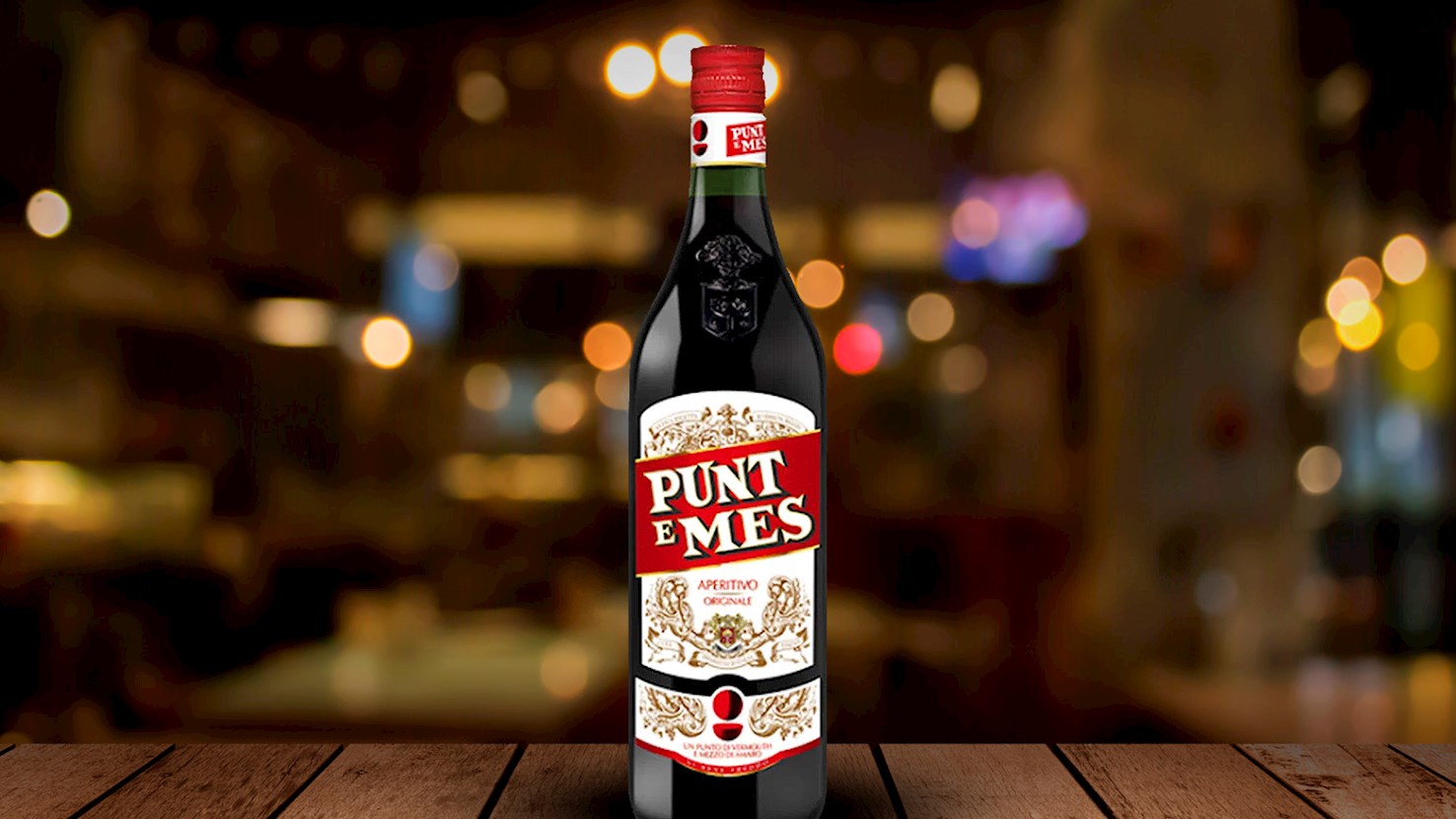
Punt e mes is an Italian vermouth variety that is made with white wine and various herbs and spices. It is a clear, amber-colored drink with a herbaceous character and a distinctive bitter-sweet flavor. Punt e mes is often served over ice, usually with a splash of soda and an orange twist. It is also used in cocktails such as Negroni, Manhattan, and Americano. This bitter vermouth was allegedly invented in 1870 at the Carpano bar in Turin when a customer asked for a vermouth with a kick of bitter quinine-based liqueur. The name has its origin in a stockbroker term, meaning a point and a half. The story says that a businessman used the term to refer to the change at the stock market as well as the term to order his drink of choice.

10

Marsala Superiore

n/a ·

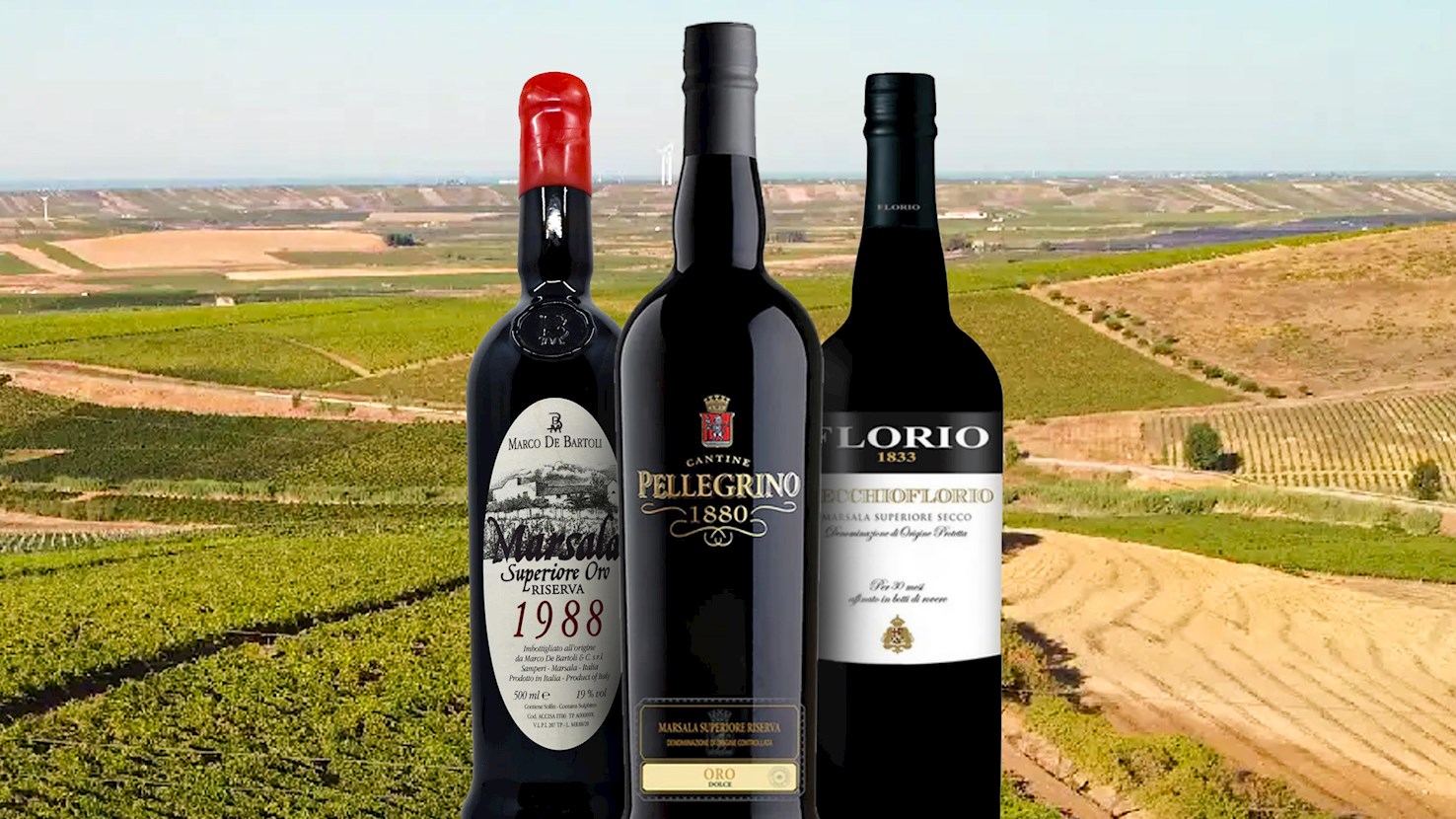
Marsala Superiore is a premium classification of Marsala wine, aged for a minimum of two years in wooden casks. It has an alcohol content of around 18% ABV and comes in three levels of sweetness: Secco (dry) with up to 40g of residual sugar per liter, Semisecco (semi-dry) with 41-100g of sugar, and Dolce (sweet) with more than 100g per liter. The wine is further categorized by color: Oro (gold) and Ambra (amber), both made from white grape varieties, and Rubino (ruby), produced using red grapes. Marsala Superiore is made from traditional Sicilian grape varieties. Oro and Ambra wines are crafted from Grillo, Catarratto, Inzolia, and Damaschino, while Rubino uses Perricone, Nero d'Avola, and Nerello Mascalese. The production process involves fortification with neutral grape spirit, which increases the alcohol content and stabilizes the wine for aging. Depending on the style, some versions (especially Ambra) include mosto cotto (cooked grape must), which adds depth and a caramelized flavor. The aging process in oak or cherry barrels enhances Marsala Superiore’s complexity, giving it distinct notes of dried fruit, nuts, vanilla, caramel, and toffee in its dry versions, while sweeter varieties showcase flavors of figs, raisins, and honey. Ruby Marsala tends to have red fruit and plum notes. Marsala Superiore is widely appreciated both as a drinking wine—served as an aperitif or paired with desserts—and as a cooking ingredient, playing a key role in dishes like Chicken Marsala, veal scaloppine, and Sicilian desserts such as Zabaione.

Best Italian Fortified Wines
01

Carpano

4.9 ·

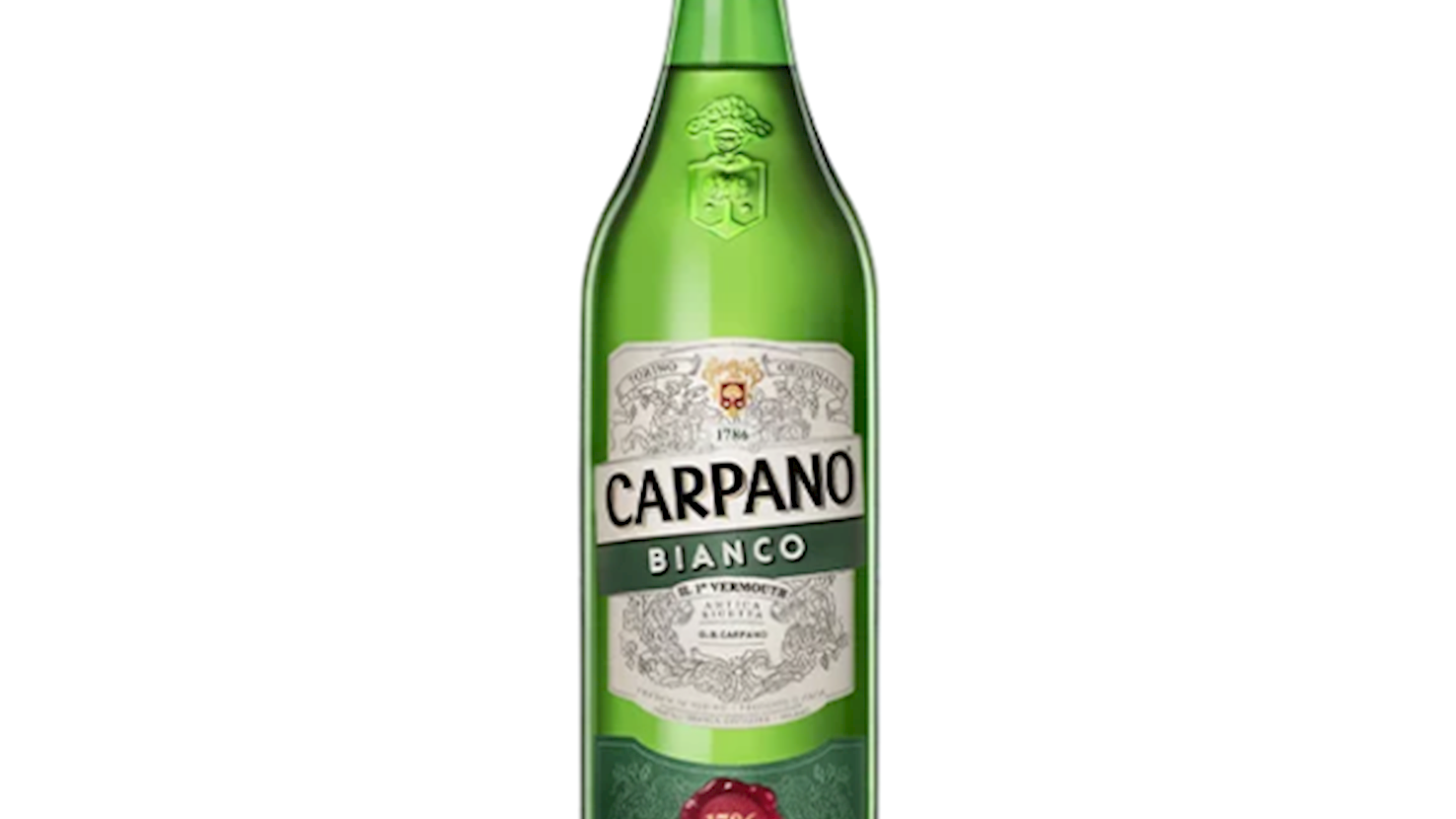
Carpano is a historic Italian vermouth producer whose origins date back to 1786 in Turin, when Antonio Benedetto Carpano created the recipe that is widely regarded as the foundation of modern vermouth. Combining wine with a carefully selected blend of herbs and spices, Carpano introduced a style that would become a cornerstone of Italian aperitivo culture. The original wine shop was located opposite the Royal Palace of Turin, where the new beverage quickly gained popularity among the city's aristocracy and royal court. Over the centuries, Carpano has become one of the most influential names in the vermouth category, known for products such as Antica Formula, Carpano Classico, Carpano Bianco, Carpano Dry, and Punt e Mes. Antica Formula, based on the original 1786 recipe, is particularly renowned for its rich aromatic profile and distinctive vanilla notes. Today, the brand is part of Fratelli Branca Distillerie and continues to represent the heritage, craftsmanship, and innovation that have defined Italian vermouth for more than two centuries. Carpano products remain highly regarded by bartenders and spirits enthusiasts worldwide and are widely used in classic cocktails such as the Negroni, Americano, and Manhattan.

Awards
SFWSC - San Francisco World Spirits Competition - Double Gold (2024)
02

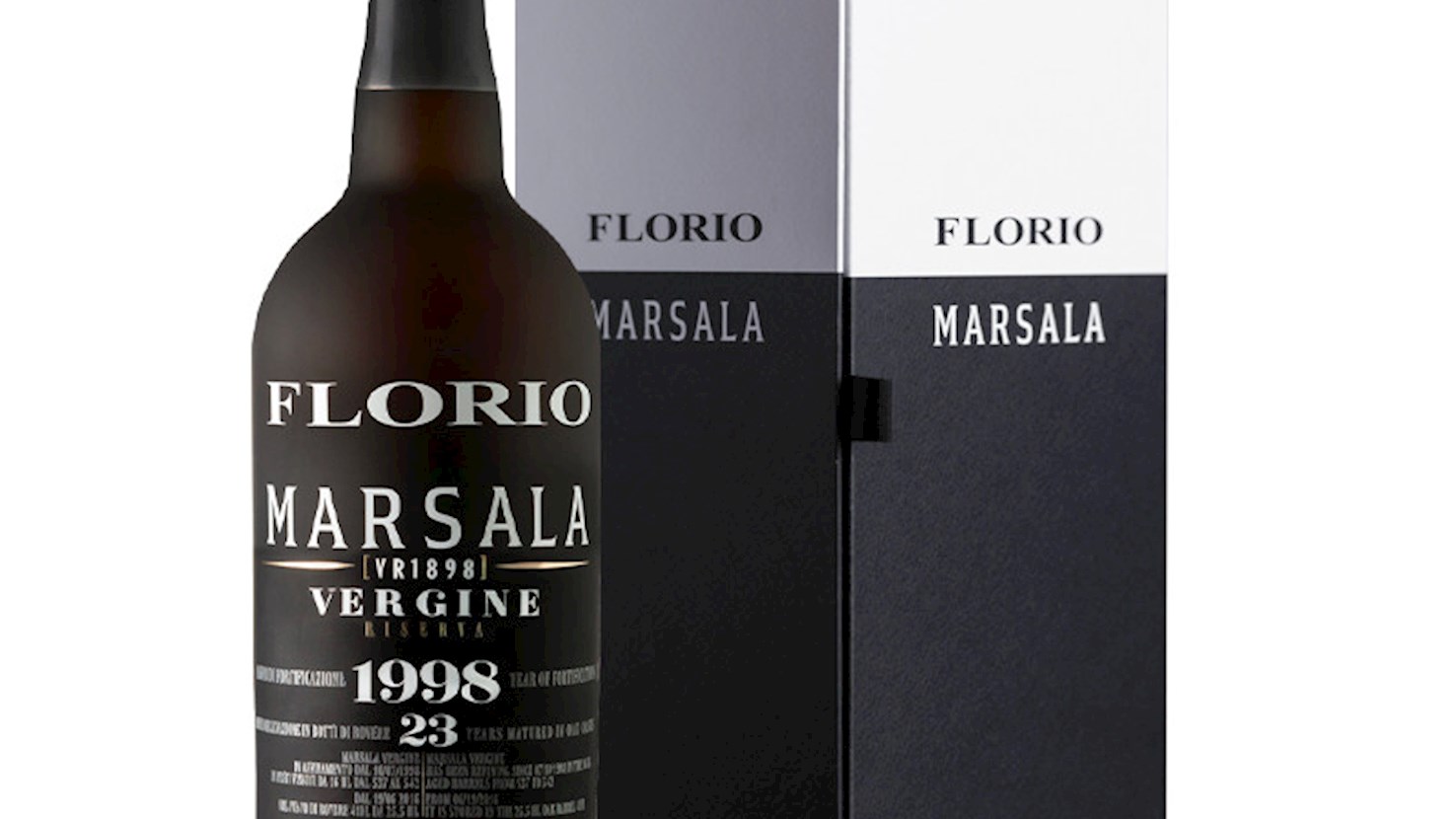
Florio

4.9 ·
Awards
Decanter World Wine Awards - Platinum (2024)
03

Cantina Santadi

4.6 ·
Awards
Decanter World Wine Awards - Platinum (2021)
Concours Mondial de Bruxelles - Grande Médaille d'or (2023)
04

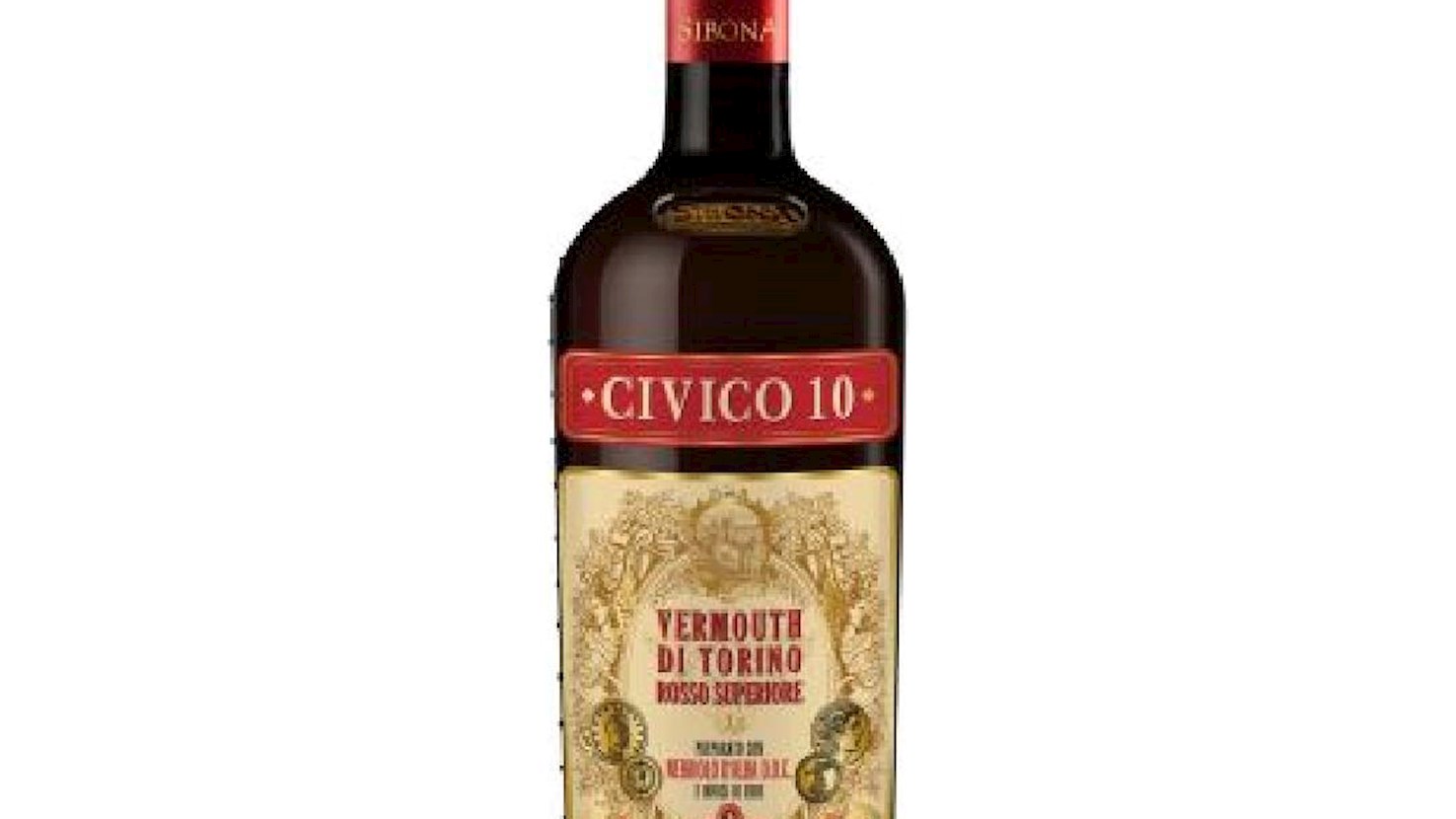
Distilleria Sibona

4.5 ·
Distilleria Sibona is one of the oldest distilleries in the Piedmont region, located in the heart of Roero. It is renowned for its artisanal production of grappa, utilizing fresh pomace from prestigious local wineries. Sibona holds a unique historical distillation license and prides itself on its deep connection to traditional methods while incorporating modern techniques to ensure high-quality products. Their grappa is aged in various types of barrels, including those used for sherry, port, and whiskey, enhancing the flavor profile and creating distinctive spirits.
Awards
ISC-International Spirits Challenge - Double Gold (2020)
IWSC- International wine & spirit competition - Spirit Gold (2024, 2022, 2021, 2019)
05

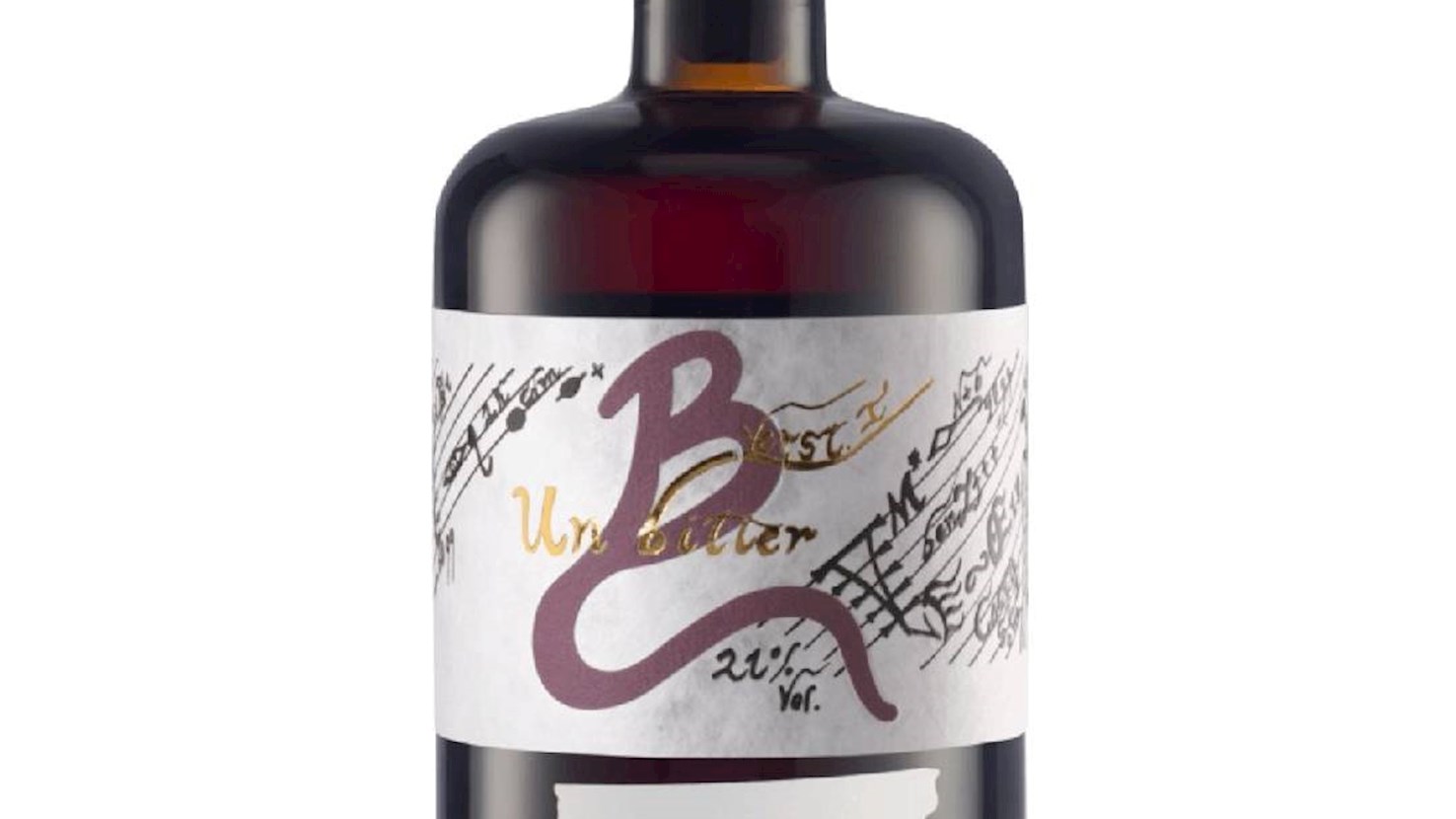
Dibaldo Spirits

4.5 ·
DiBaldo Spirits is an Italian company founded by master perfumer and alchemist Baldo Baldinini, who was appointed Master of Arts and Crafts in October 2020. The company specializes in creating unique "Essenze," which are spirits and soft drinks designed to provide an unparalleled tasting experience by blending the art of perfumery with traditional distillation techniques. The production process at DiBaldo emphasizes the use of meticulously selected raw materials, including precious herbs and essences typically reserved for perfumery. This approach results in products with aromatic depth, featuring top, heart, and base notes that unfold during the tasting experience, much like a fine fragrance. The company's dedication to excellence is evident in its commitment to producing high-quality products without the use of chemical additives, colorants, or preservatives. DiBaldo also offers private label services, collaborating with other brands to create bespoke spirits that reflect their unique identities.
Awards
SFWSC - San Francisco World Spirits Competition - Double Gold (2024, 2023)
NYWSC - New York World Spirits Competition - Double Gold (2023)
06

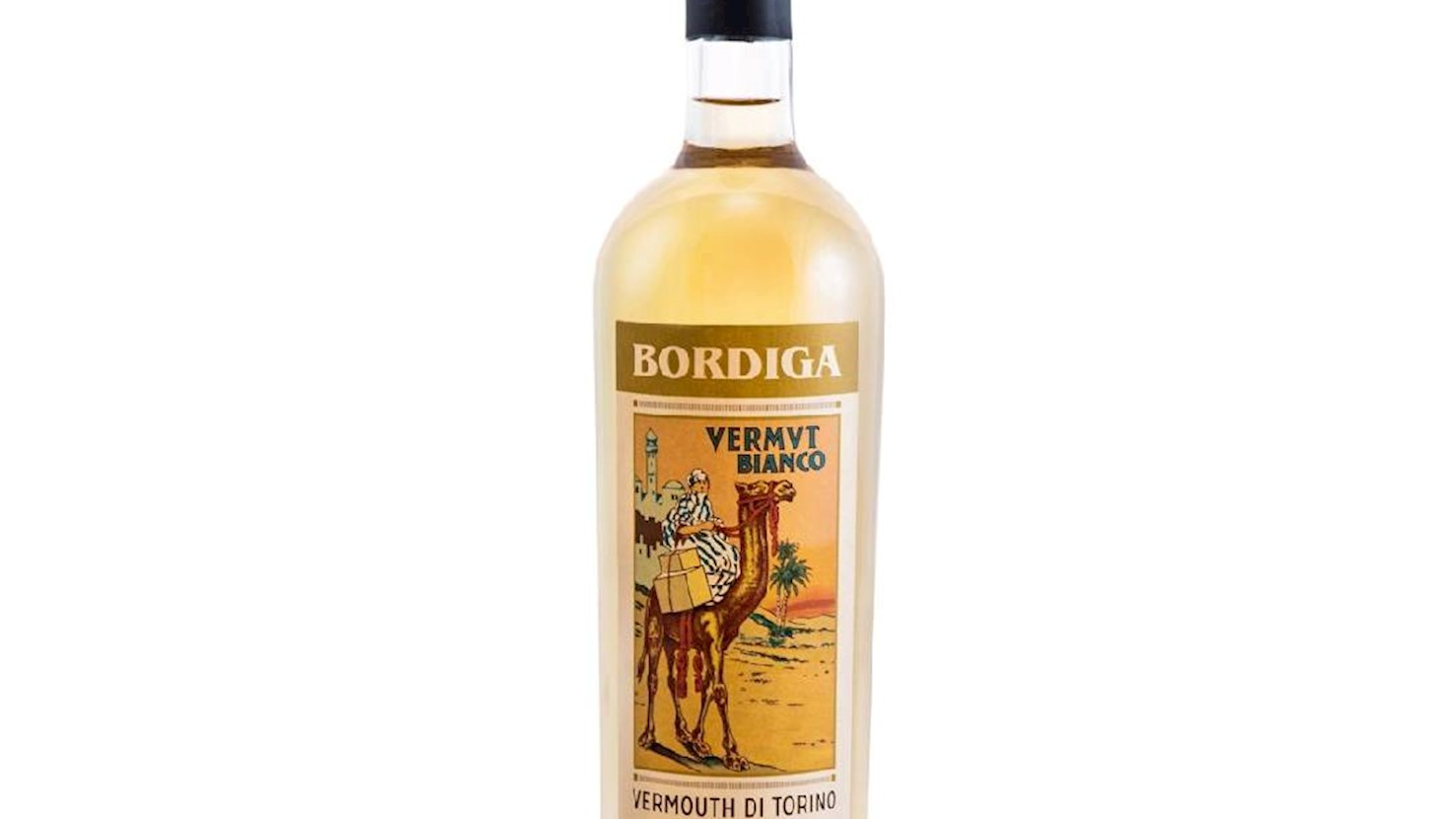
Bordiga

4.5 ·
Distilleria Bordiga is an Italian artisanal distillery founded in 1888 by Pietro Bordiga, a master herbalist and pioneer in crafting spirits and liqueurs. Located in Cuneo, Piedmont, at the foothills of the Alps, Bordiga has remained synonymous with quality, tradition, and innovation for over a century. The distillery's products are crafted using hand-picked Alpine herbs, roots, and flowers, as well as premium wines from the Piedmont region, such as Barolo and Barbaresco. These ingredients, combined with time-honored recipes and traditional methods, ensure that every bottle reflects the rich heritage and unique flavors of the region. Bordiga continues to use copper pot stills heated by wood fires, preserving the artisanal techniques passed down through generations. The production process avoids artificial additives, centrifuges, or synthetic flavors, maintaining the authenticity and purity of the ingredients. The distillery’s portfolio includes a wide range of vermouths, amaros, gins, and other liqueurs, many of which have received international acclaim. Their signature Vermouth di Torino, crafted from carefully selected botanicals, is a testament to their expertise and dedication to excellence.
Awards
London Spirits Competition - Gold (2024)
07

Casa Savoia

4.5 ·
Casa Savoia is a London-based producer specializing in Vermouth. The company is committed to crafting high-quality Vermouth using traditional methods and recipes. Casa Savoia sources a variety of botanicals and ingredients to create distinct flavors and aromatic profiles for their products. The brand honors the rich history and heritage of Vermouth production.
Awards
Great Taste Awards - 2 Stars (2023)
Read more
View all
View map
About this ranking

TasteAtlas food rankings are based on the ratings of the TasteAtlas audience, with a series of mechanisms that recognize real users and that ignore bot, nationalist or local patriotic ratings, and give additional value to the ratings of users that the system recognizes as knowledgeable. For the “Top 33 Italian Fortified Wines” list until June 24, 2026, 278 ratings were recorded, of which 218 were recognized by the system as legitimate. TasteAtlas Rankings should not be seen as the final global conclusion about food. Their purpose is to promote excellent local foods, instill pride in traditional dishes, and arouse curiosity about dishes you haven’t tried.

The initial list of top producers was compiled based on available reviews, awards, local recommendations, media and blog coverage, and consumer reviews. The list will be updated with ratings from TasteAtlas local ambassadors and TasteAtlas users.

Similar lists