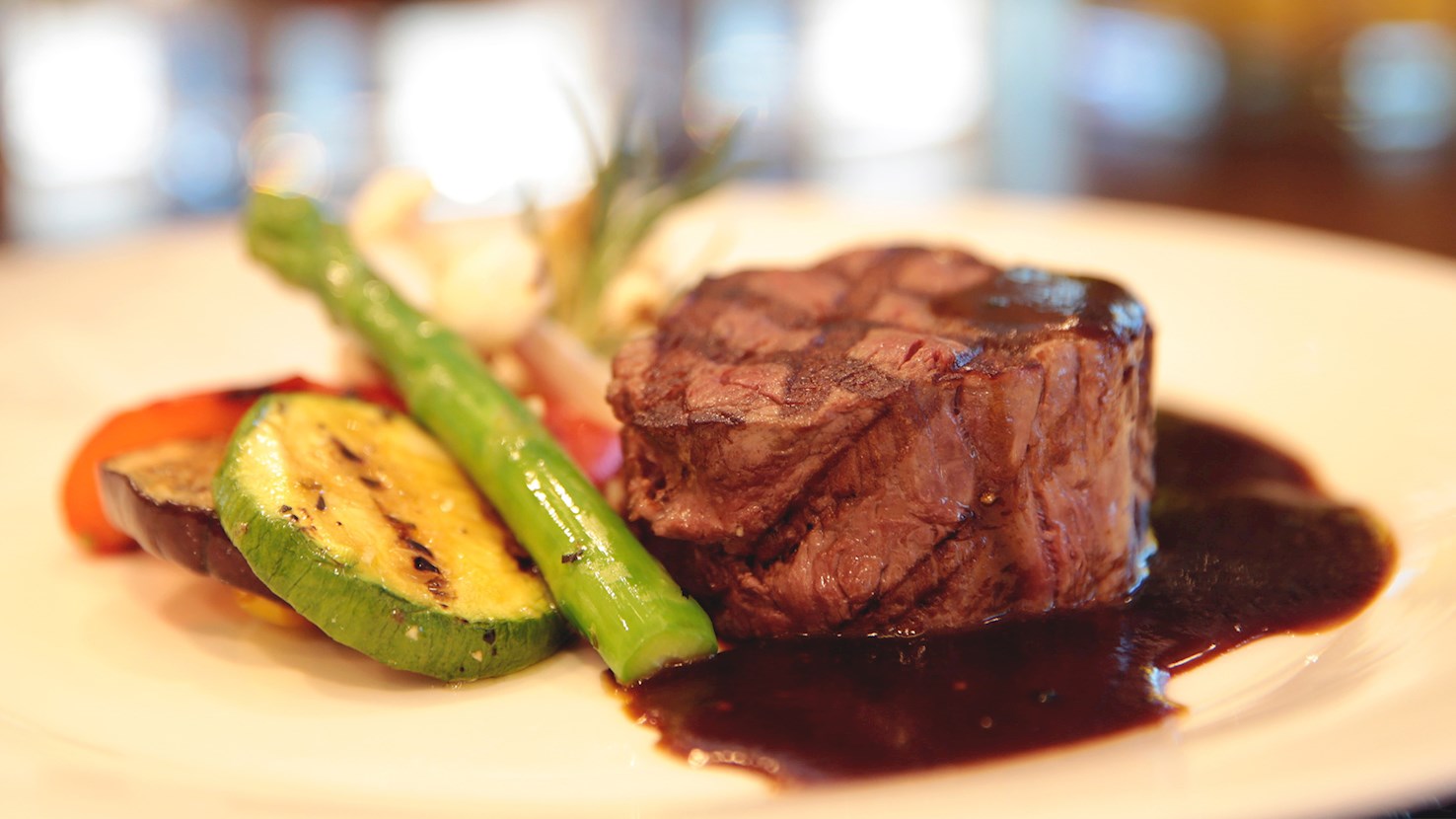
Filet mignon is a premium steak cut from the tenderloin of a cow, a muscle that runs along the spine. The name "filet mignon" is French, meaning "dainty fillet" or "delicate steak," which reflects its reputation as one of the most tender and luxurious cuts of beef. Known for its exceptional tenderness, filet mignon has a smooth, fine-grained texture and almost buttery consistency. However, it has a relatively mild flavor compared to other cuts like ribeye or strip steak, which are more marbled with fat. This makes filet mignon an ideal candidate for pairing with rich sauces, marinades, or other flavor-enhancing techniques. Typically cut into small, round portions weighing between 4 to 8 ounces each, filet mignon steaks are often thick-cut to help maintain their juiciness when cooked. They are usually prepared using high-heat methods such as grilling, broiling, or pan-searing and are best served medium-rare to medium to preserve their tenderness. Because filet mignon is so lean, it can dry out if overcooked, requiring careful attention during preparation. A favorite in fine dining, filet mignon is often the centerpiece of gourmet dishes, sometimes wrapped in bacon to add flavor and moisture. It is also commonly served with rich sauces like Béarnaise, peppercorn, or red wine reductions. Due to its tenderness and the skill required to prepare it properly, filet mignon is one of the more expensive cuts of beef, often reserved for special occasions and fine dining experiences.
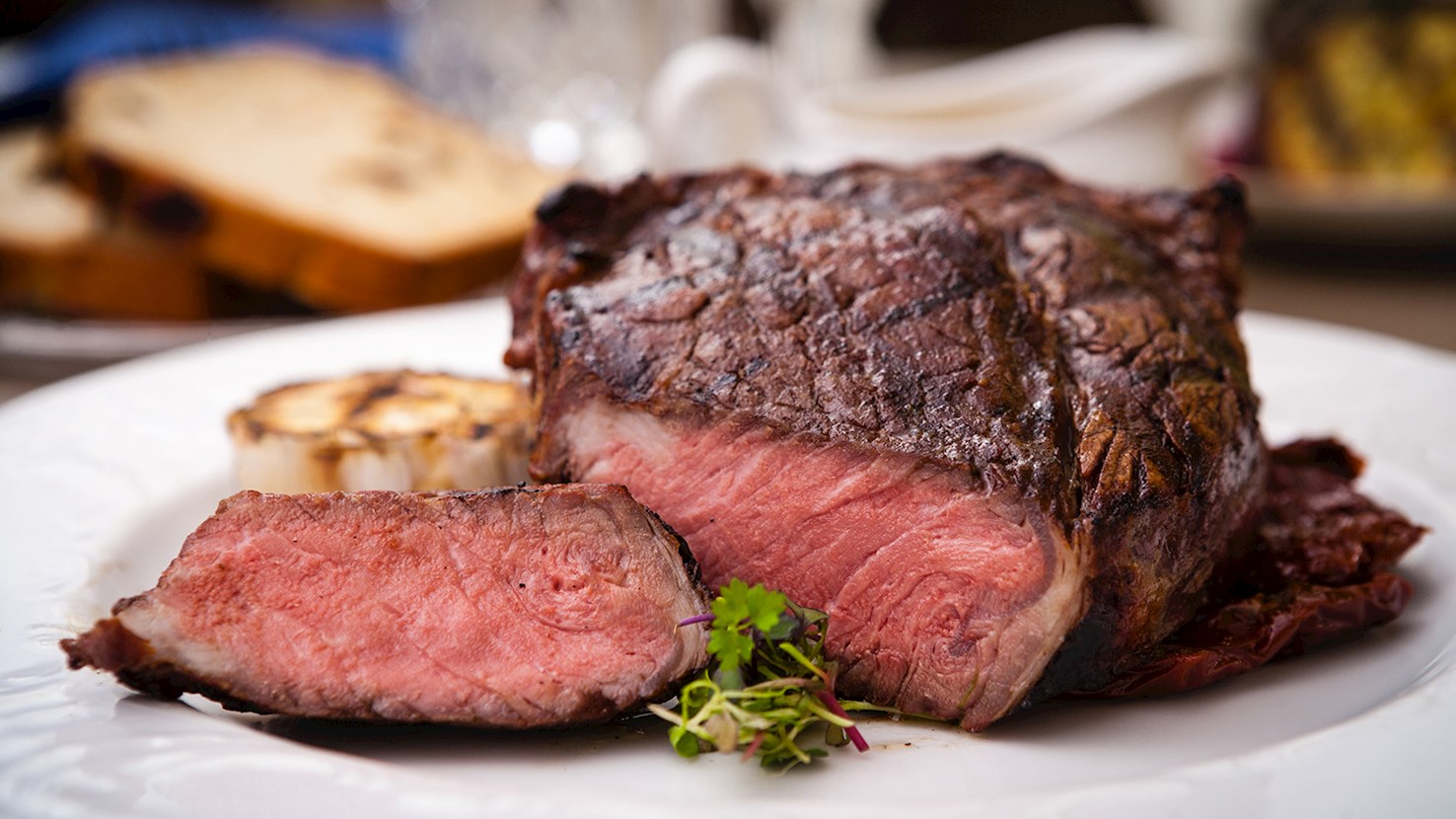
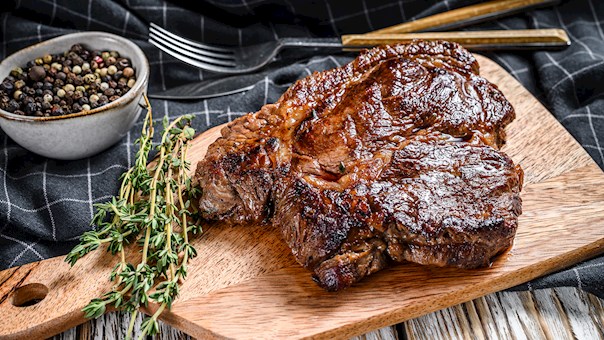
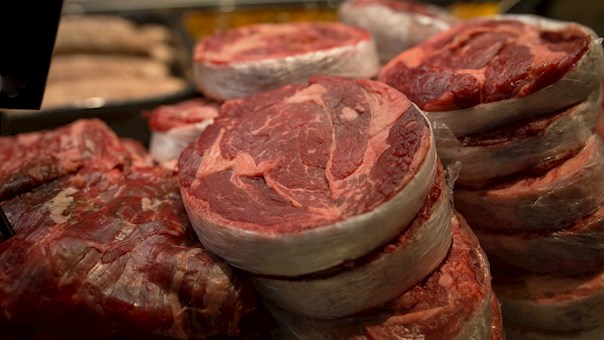
Entrecôte is a type of beef steak that's cut from between the ribs, but it's more commonly known as a thin and boneless rib-eye steak. The butchers cut bone-in rib-eyes with the bone on each side, but there are also six leftover boneless steaks from the meat between each bone-in rib-eye, and they're known as the entrecôtes. Due to the fact that these cuts are thin, it makes them great for quick cooking on the grill or in a pan (high heat), but it's important not to overcook them. The steaks are juicy, tender, and generously marbled. This type of meat cut is popular in France and Europe, and the word entrecôte means between the ribs.
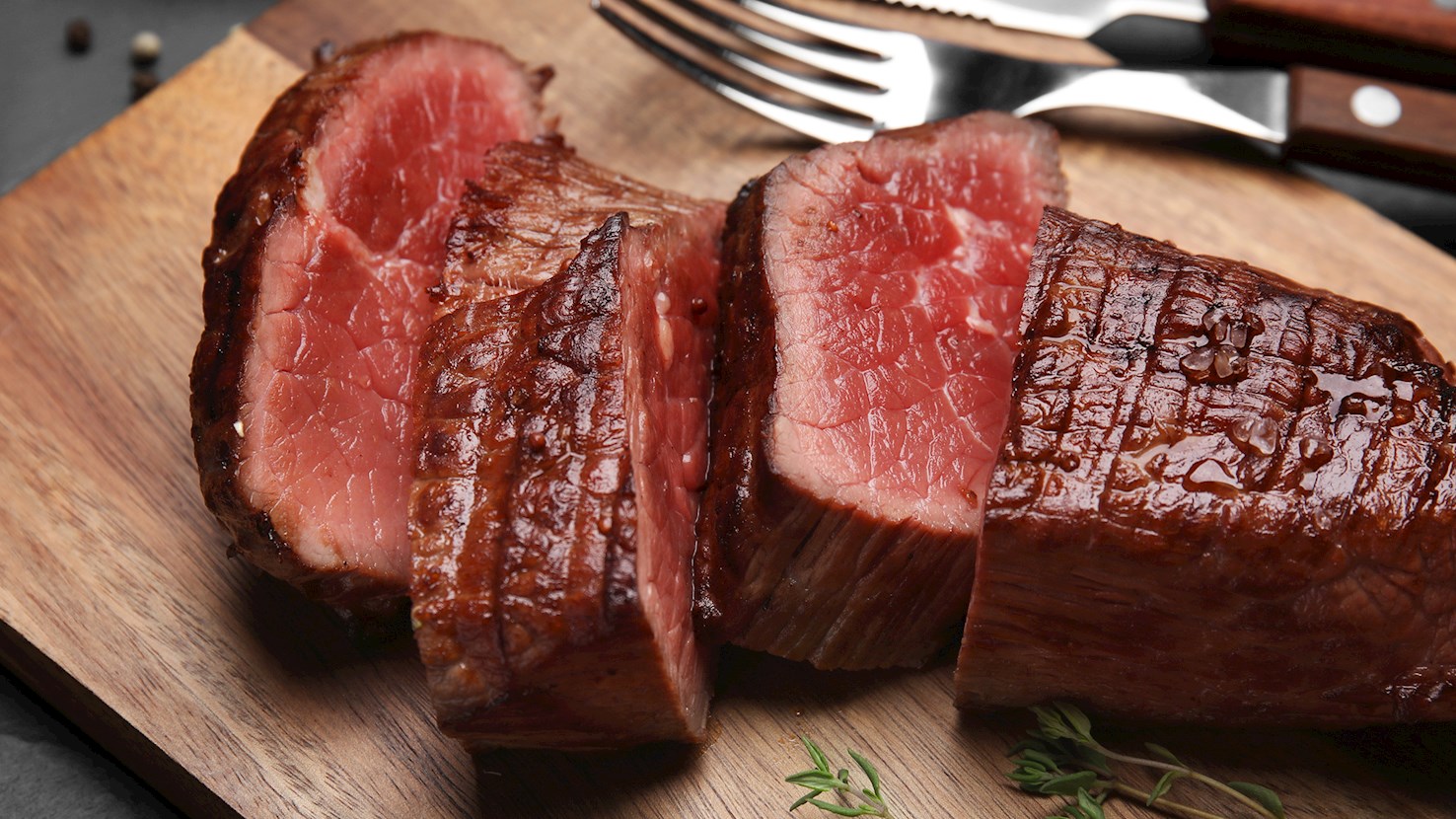
In the American, French, German, Brazilian, and Korean systems of primal beef cuts, the tenderloin is a cut from the loin, which is located towards the back of the cow, nestled under the ribs, next to the backbone. It spans two primal cuts: the short loin and the sirloin. The tenderloin is one of the most tender cuts of beef as it comes from a muscle that doesn't get much exercise. It is also one of the most highly prized and correspondingly expensive cuts of beef, due to its tenderness and flavor. Given the tenderness of this cut, the tenderloin is often cooked quickly over high heat, with methods such as grilling or broiling. It's often served slightly rare to maintain its tender texture.
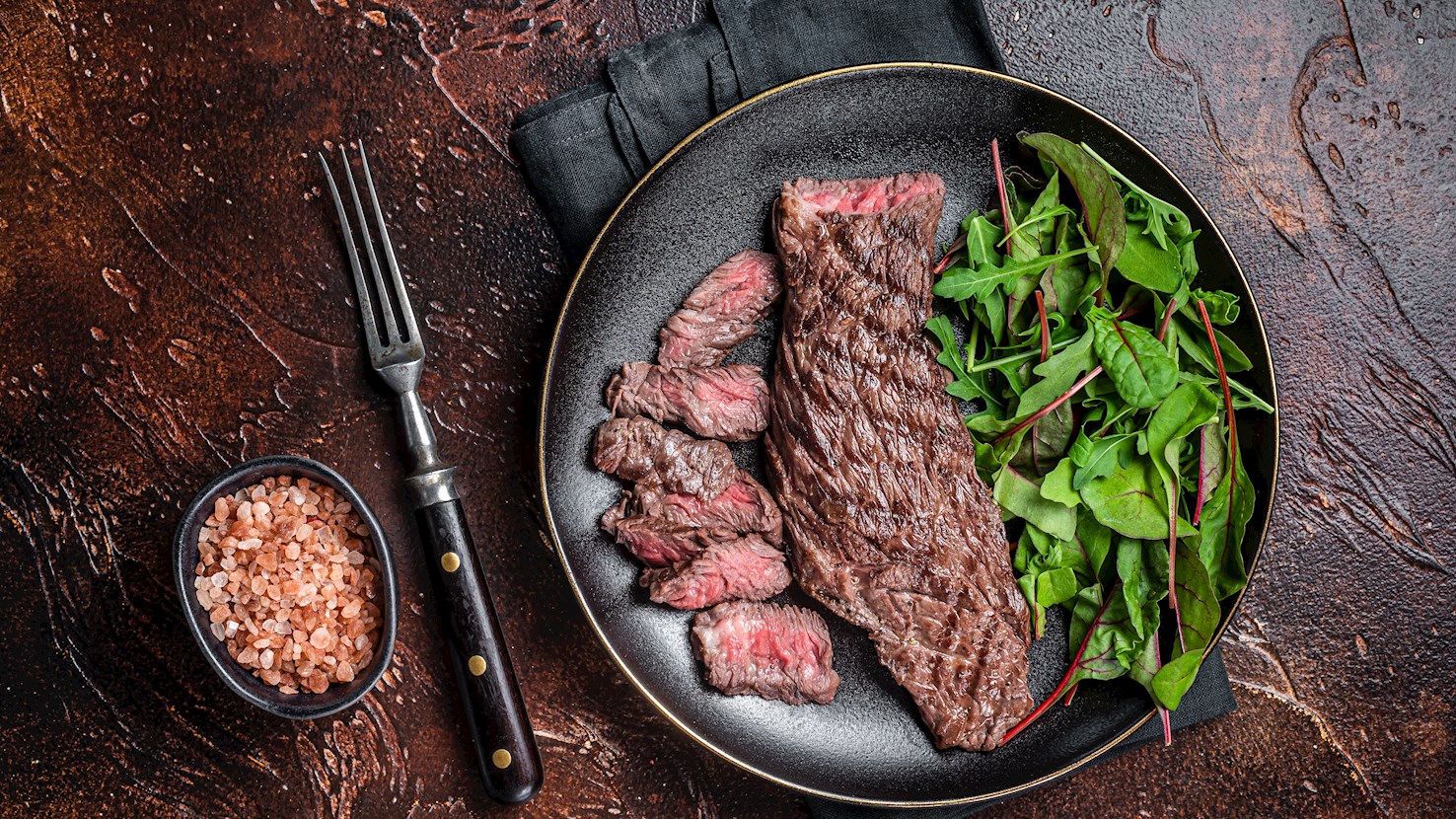
Onglet de bœuf in French butchery refers to the hanger steak, which is a cut from the plate primal of the cow, located near the animal's belly. It is also known as "butcher's steak" because butchers would often reserve it for themselves due to its high quality and limited quantity - there's only one hanger steak per animal. The hanger steak is known for its strong beefy flavor. It has a coarse texture compared to other steaks, yet when cooked correctly, it can be very tender. The onglet is traditionally associated with French cuisine, but it's also popular in other cuisines. It's best when cooked to medium-rare and should be marinated before grilling or broiling to help tenderize the meat. Overcooking can result in a tougher texture. After cooking, it's typically sliced against the grain before serving.
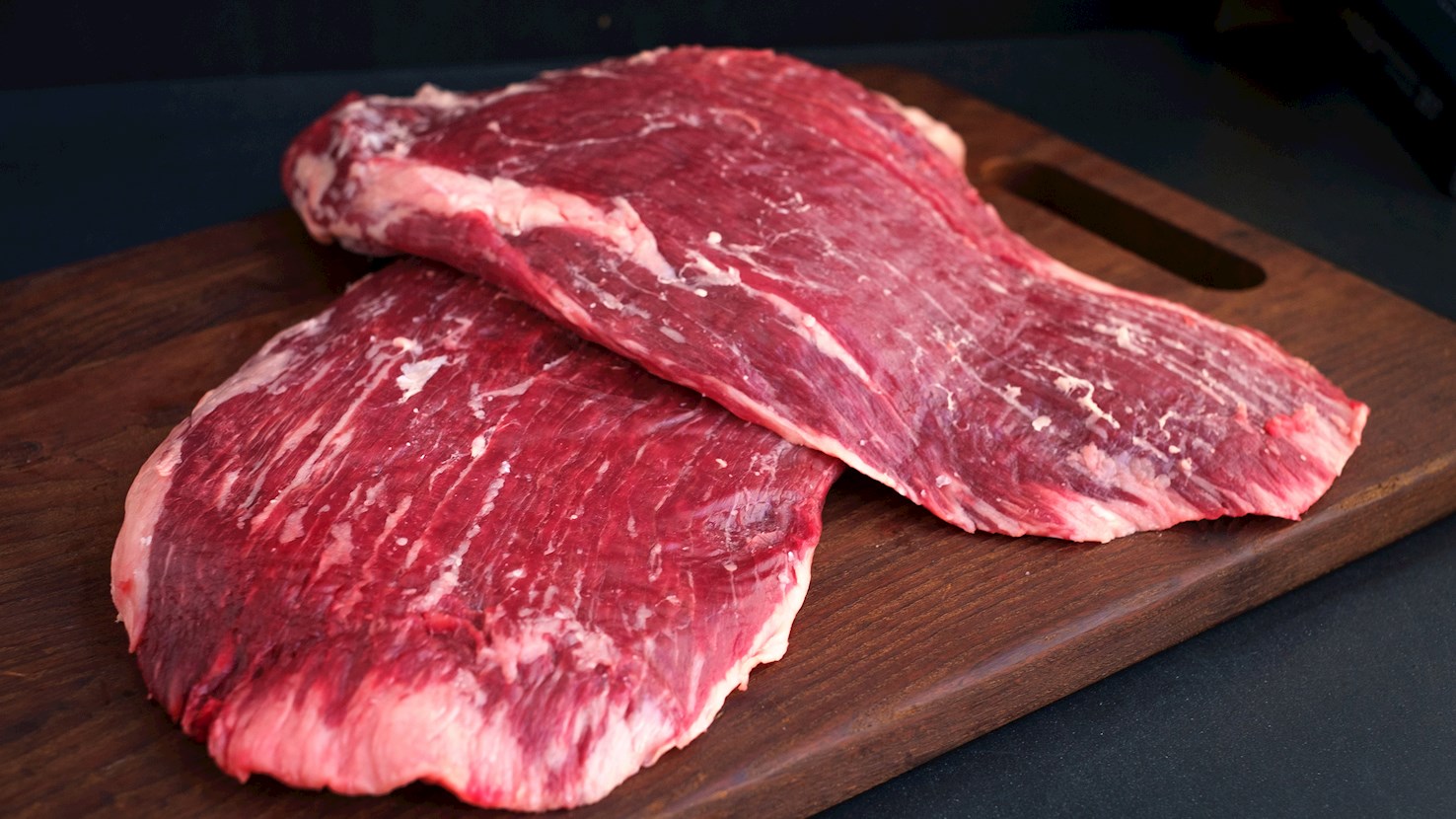
Bavette d’aloyau in French butchery refers to a rear part of flank, a cut of beef taken from the abdominal muscles of the cow. The term "bavette" comes from the French word for "bib," which is a reference to the long, flat shape of this cut. Bavette d’aloyau is known for its strong beef flavor and relatively tough texture, due to the amount of physical activity this muscle area gets. It contains a lot of tough fibers and has little fat marbling, making it less tender than other cuts. However, if it's marinated before cooking and then cooked to medium-rare, it can be quite tender and flavorful. It's also crucial to cut it against the grain to shorten the muscle fibers and enhance its tenderness. The bavette d’aloyau is often used in dishes that require marinating and quick cooking, such as grilling or broiling. It's a popular choice for dishes like fajitas, London broil, and various stir-fry dishes.
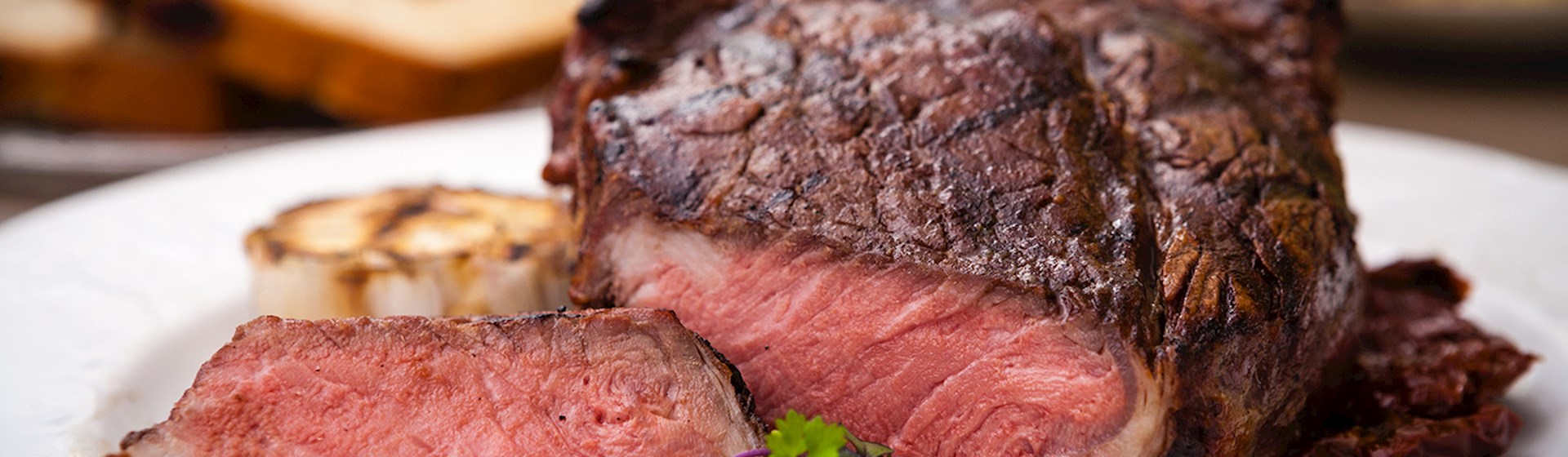
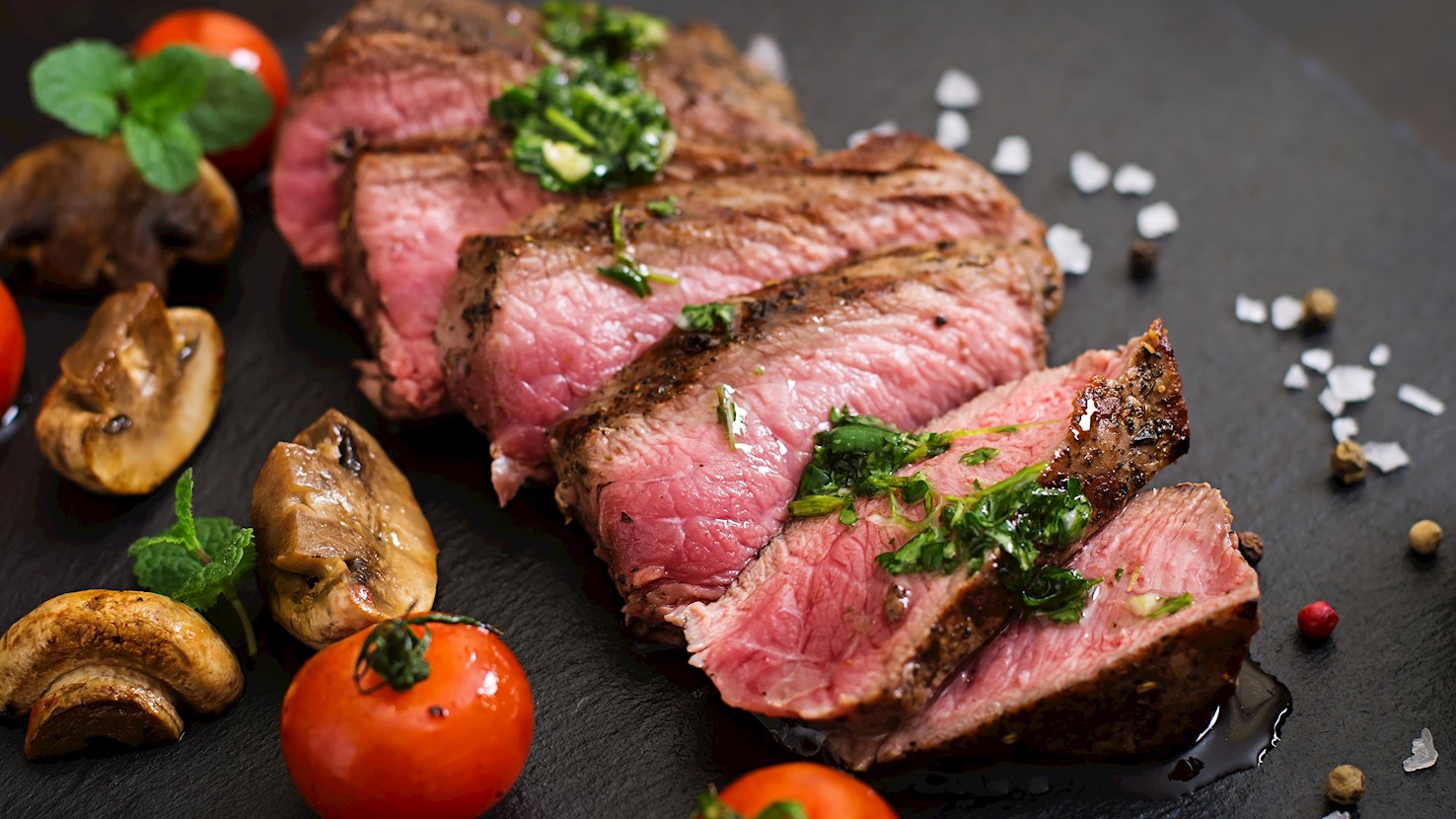
In French butchery, the faux-filet corresponds to the sirloin steak cut in English-speaking countries. This cut comes from the back of the cow, right behind the ribs - hence its name, which means "false fillet" in French, as it's located near but not exactly where the tenderloin (or "filet" in French) is. The faux-filet is a well-marbled cut of beef, meaning it has thin streaks of fat running through the meat. This marbling melts during cooking, which contributes to the cut's reputation for tenderness and flavor. Because of this, faux-filet is often cooked quickly at high heat to medium-rare or medium to maintain its tenderness, making it a popular choice for grilling or pan-searing.
In French butchery, rumsteck corresponds to the rump steak or rump roast, which is a cut of beef from the hindquarter or the back of the cow. This region includes parts of the cow that are often very flavorful and lean. The rumsteck is a popular cut due to its versatility. It can be used for a variety of dishes including stews, roasts, and steaks. The meat from this area is flavorful and reasonably tender, although it doesn't have as much marbling as cuts like the ribeye or sirloin. In general, rumsteck is a good choice for cooking methods that allow for slower cooking to bring out the flavor and tenderness of the meat, such as braising or slow roasting, although it can also be used for grilling or pan-searing.
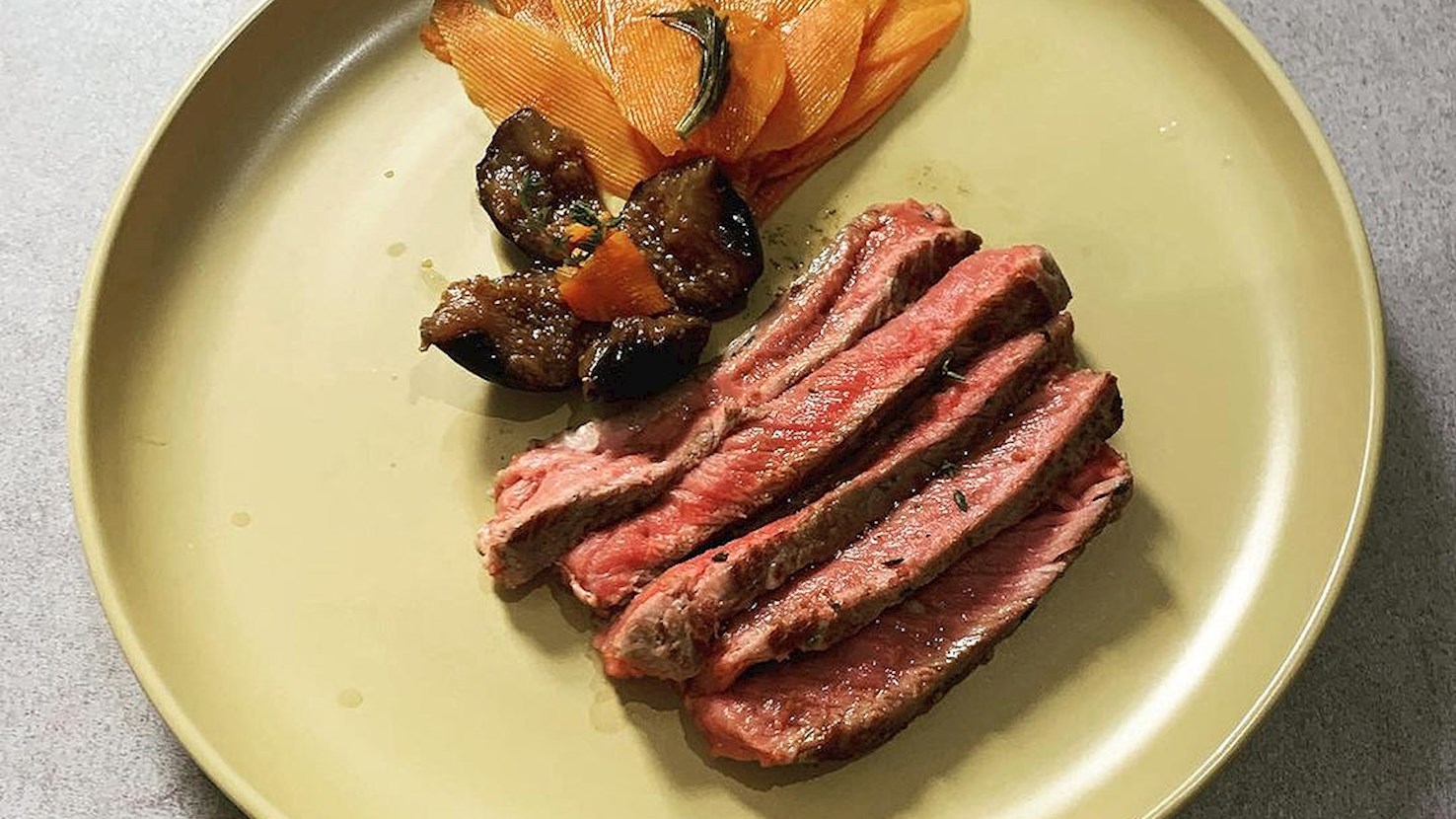
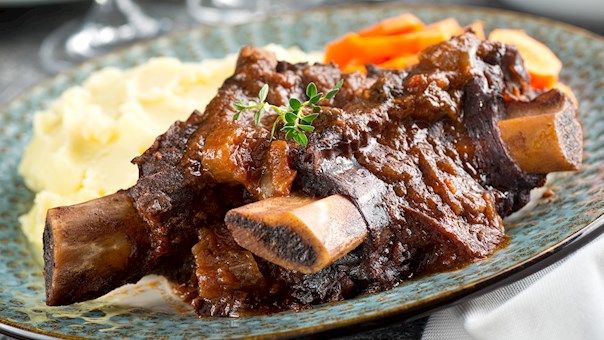
Tende de tranche is a lean, relatively tender beef cut taken from the inner section of the hindquarter. In Anglo-American butchery systems, it corresponds closely to the top round or topside. The cut comes from the upper rear leg, a heavily exercised part of the animal, but it is still considered the softest portion of the round primal. Its name is connected to the French word tendre, meaning tender. The formal classification of this anatomical cut can be traced to the rise of Parisian butcher guilds in the 12th century. Medieval statutes strictly defined how the hindquarter should be divided in order to maximize economic yield in urban meat markets. By the late 19th century, major culinary texts by figures such as Auguste Escoffier had clearly identified the culinary uses of this muscle. These texts also separated it from the neighboring poire and merlan cuts, which sit directly above it on the femur. The cut includes several distinct muscle groups, making it versatile in the kitchen. However, it is also highly prone to drying out because it contains very little intramuscular fat or marbling. For this reason, careful temperature control is essential. A standard braising method begins by tying the whole muscle tightly with thick cotton twine, shaping it into an even cylinder. The bound meat is then placed in a blistering hot cast-iron Dutch oven coated with pure beef tallow. It is seared quickly on all sides until the exterior develops a dark, caramelized crust. Dark veal stock is then poured into the pot, along with whole pearl onions, thick-cut celery, dried bay leaves, and crushed garlic cloves. The pot is covered with a heavy iron lid and placed in a low-temperature oven for more than three hours. During this slow cooking process, the liquid stays at a gentle simmer while the tough connective tissues dissolve into gelatin. Different handling methods lead to very different preparations. A common raw version takes advantage of the cut’s smooth, tight grain. The whole block of meat is chilled until nearly solid, then shaved mechanically into translucent, paper-thin slices. The raw sheets are heavily dressed with sharp lemon juice, capers, and extra virgin olive oil, which chemically denature the surface proteins. Another frequent preparation avoids slow cooking completely. The raw beef is sliced across the grain into thin steaks, then seared in a smoking-hot carbon steel skillet for less than 60 seconds on each side. The center is intentionally left fully red, since cooking the meat further would make it severely tough. For large roasted or braised preparations, the fully cooked muscle must rest for an extended period on a heavy wooden block. This allows the internal juices to stabilize and redistribute. Carving requires a long, sharp blade and a strict perpendicular cut across the muscle fibers. Thin, broad slices fall from the knife onto a heated ceramic serving platter. The sliced beef is immediately covered with a glossy, dense sauce made by reducing the strained braising liquid to a thick consistency. It is usually served with a large mound of heavily buttered potato puree and a cluster of glazed root vegetables. These dense accompaniments absorb the dark gravy that pools at the bottom of the warm plate.
The macreuse à pot-au-feu in French butchery refers to a cut from the back of cow's front leg, located below the chuck. This cut is flavorful but tends to be tough, so it benefits from the long, slow cooking methods that break down the connective tissues and tenderize the meat, such as stewing or braising. The name macreuse à pot-au-feu suggests that it's typically used in a pot-au-feu, a traditional French stew that involves slow-cooking various cuts of meat and vegetables in a broth.
Jumeau à bifteck in French butchery refers to a cut of beef that comes from the muscle located in the middle of the back of the animal, between the shoulder blades. The jumeau à bifteck is known for its rich flavor and tender texture. It's a cut that is well-suited to dry heat cooking methods, like grilling or broiling, and is often served as a steak. The marbling of fat within this cut helps to keep the meat juicy and flavorful during cooking, making it a popular choice for high-quality steaks.
TasteAtlas food rankings are based on the ratings of the TasteAtlas audience, with a series of mechanisms that recognize real users and that ignore bot,
nationalist or local patriotic ratings, and give additional value to the ratings of users that the system recognizes as knowledgeable.
For the “Top 26 French French Beef Cuts” list until September 15, 2026, 770 ratings were recorded, of which 704 were recognized by the system as legitimate.
TasteAtlas Rankings should not be seen as the final global conclusion about food. Their purpose is to promote excellent local foods,
instill pride in traditional dishes, and arouse curiosity about dishes you haven’t tried.





What People Say