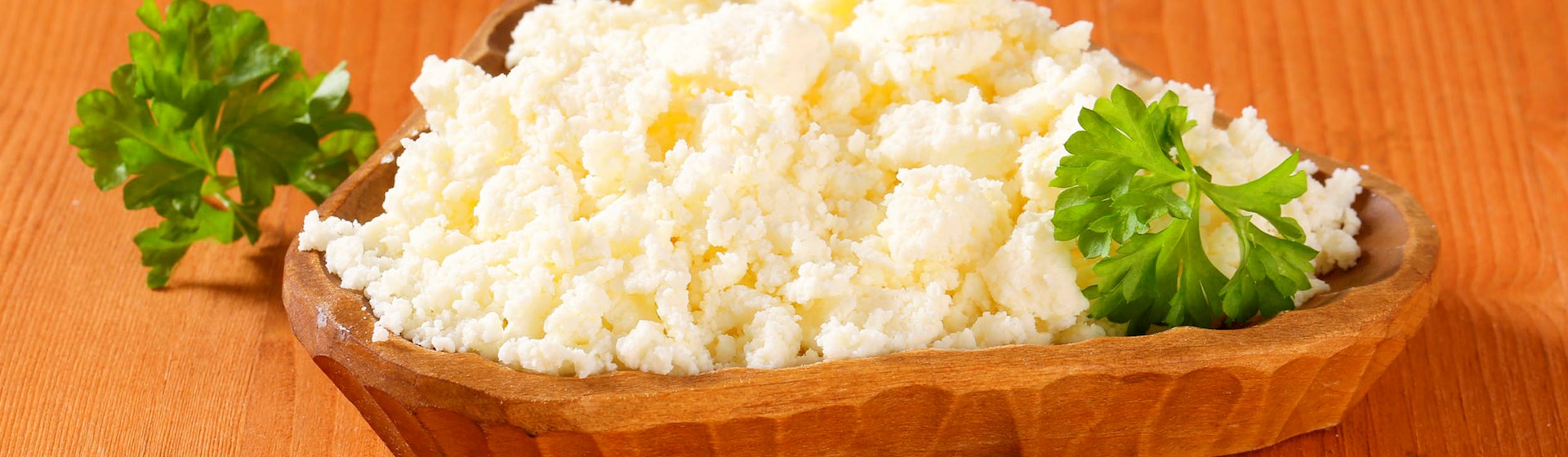
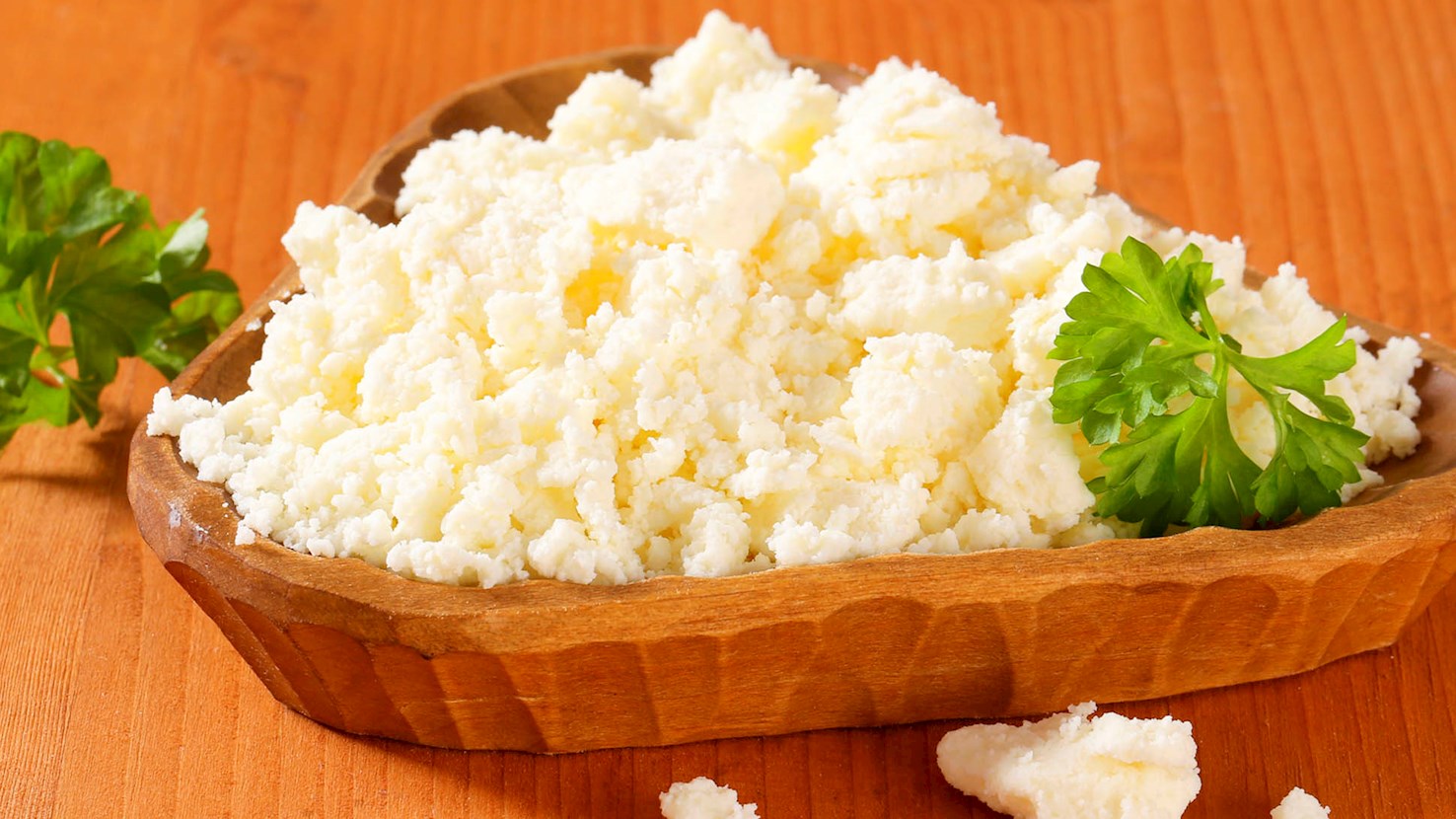
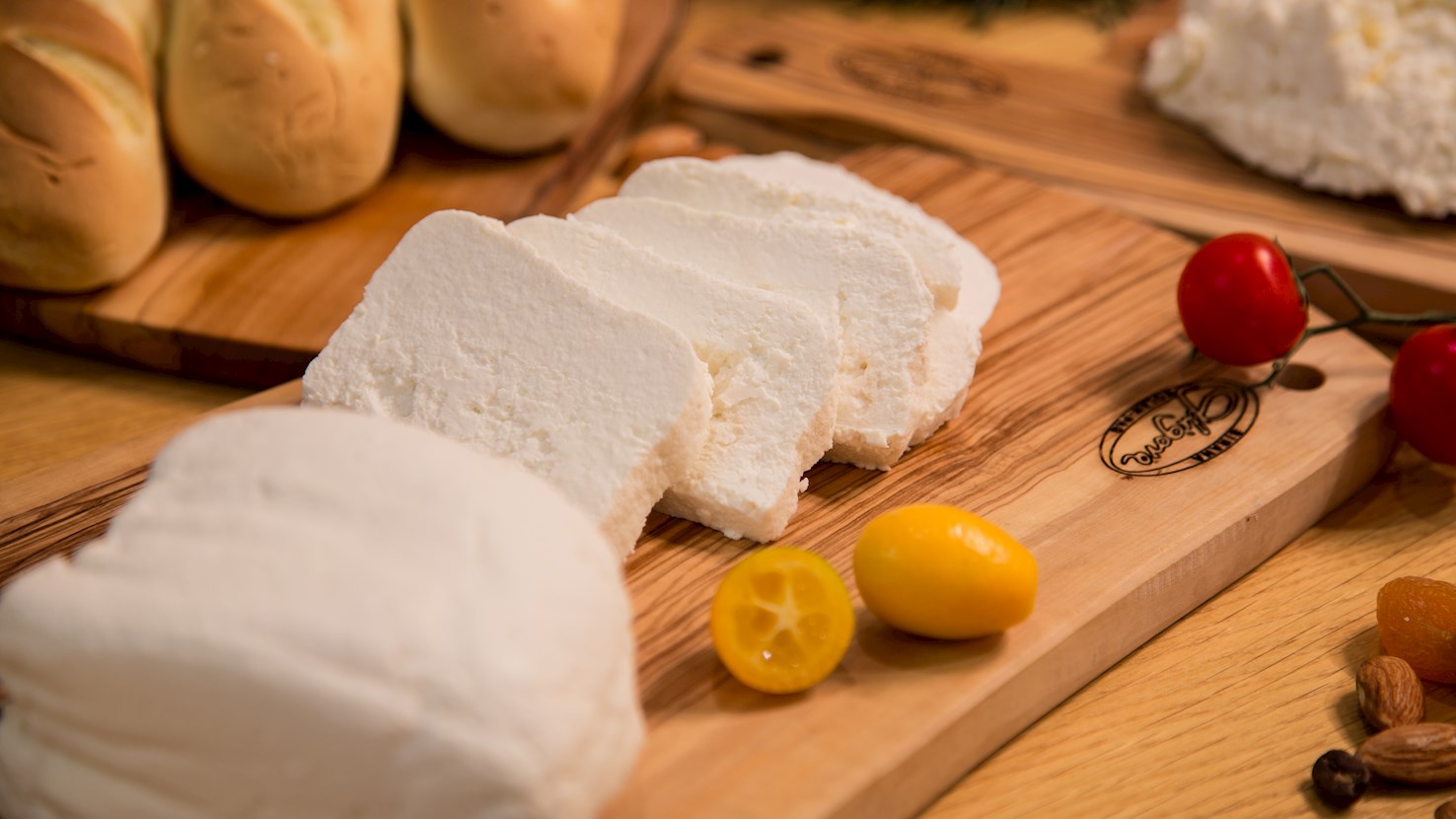
Bundz is a Polish cheese made from sheep's milk. The cheese is produced in the mountainous regions of the country. It is reminiscent of cottage cheese in flavor and texture, and has a mild, fresh flavor. The remaining whey created in the production of bundz is used for the preparation of a traditional Polish sour beverage called żętyca.
Slovenská bryndza is a soft cheese made from sheep's milk produced in the mountainous regions of the Slovak Republic. The sheep usually graze at lower altitudes, but during the summer, they move to higher altitudes to lengthen the grazing period. Its name, bryndza, comes from the Romanian word for cheese - Wallachian. The cheese is white, slightly moist, made from matured milk, and is easily spreadable in granular form. It has a delicate aroma of sheep's milk and a uniquely sour taste that is slightly salty and spicy. Bryndza is also the main ingredient in Slovak national dishes bryndzové halušky and bryndzové pirohy, giving them a unique aroma and flavor.
Rögös túró is a traditional cottage cheese made in Hungary from cow's milk, cream, and lactic acid bacteria cultures. The cheese is ivory white to yellowish-white in color. Its flavor is delicately and pleasantly sour, fresh, fruity and aromatic, reminiscent of fresh milk. After World War I, Hungary started to export raw and processed cow's cheese. The cheese mainly went to Germany, where the Hungarian cheese was more valued and more expensive than other cheeses. Cottage cheese started to be made around that time. It is made by chopping the cow's cheese into fine pieces the size of a hazelnut. Pair this fresh cheese with sliced fruit, honey and cinnamon for a tasty snack.
Paška skuta is a traditional ricotta-type cheese produced on the island of Pag. The skuta is made from leftover whey after the production of the famous and award-winning Paški sir. The curd is separated and drained, usually overnight, and the result is a soft and fresh cheese with a unique mild and gentle flavor coming from the milk of the indigenous Pag sheep (Paška ovca). This fresh skuta is low in fat and it's full of healthy Omega-3, protein, calcium, and zinc. The cheese is very versatile and it's recommended to use it in cheese cakes or flavor it with orange liqueur and serve it with fresh fruit. Paška skuta is especially good for liver regeneration, and on the island of Pag, while the strong bura wind blew over the landscape, people would often begin their day with a cup of black coffee with pieces of skuta placed inside of it.
Basa is a unique Croatian cheese that is typically produced from the buša cow breed in the region of Lika, although it can contain sheep's milk as well. This soft cheese has a delicately creamy texture and can also be used as a spread or as an accompaniment to charcuterie products or baked potatoes. Basa is most commonly made by combining varenika (boiled and chilled milk), sour milk, and salt. When the mixture becomes stiff, the whey is drained, and basa is wrapped in a cloth to drain completely. All that is left is to enjoy the delicious flavors and textures of this exceptional Croatian product.
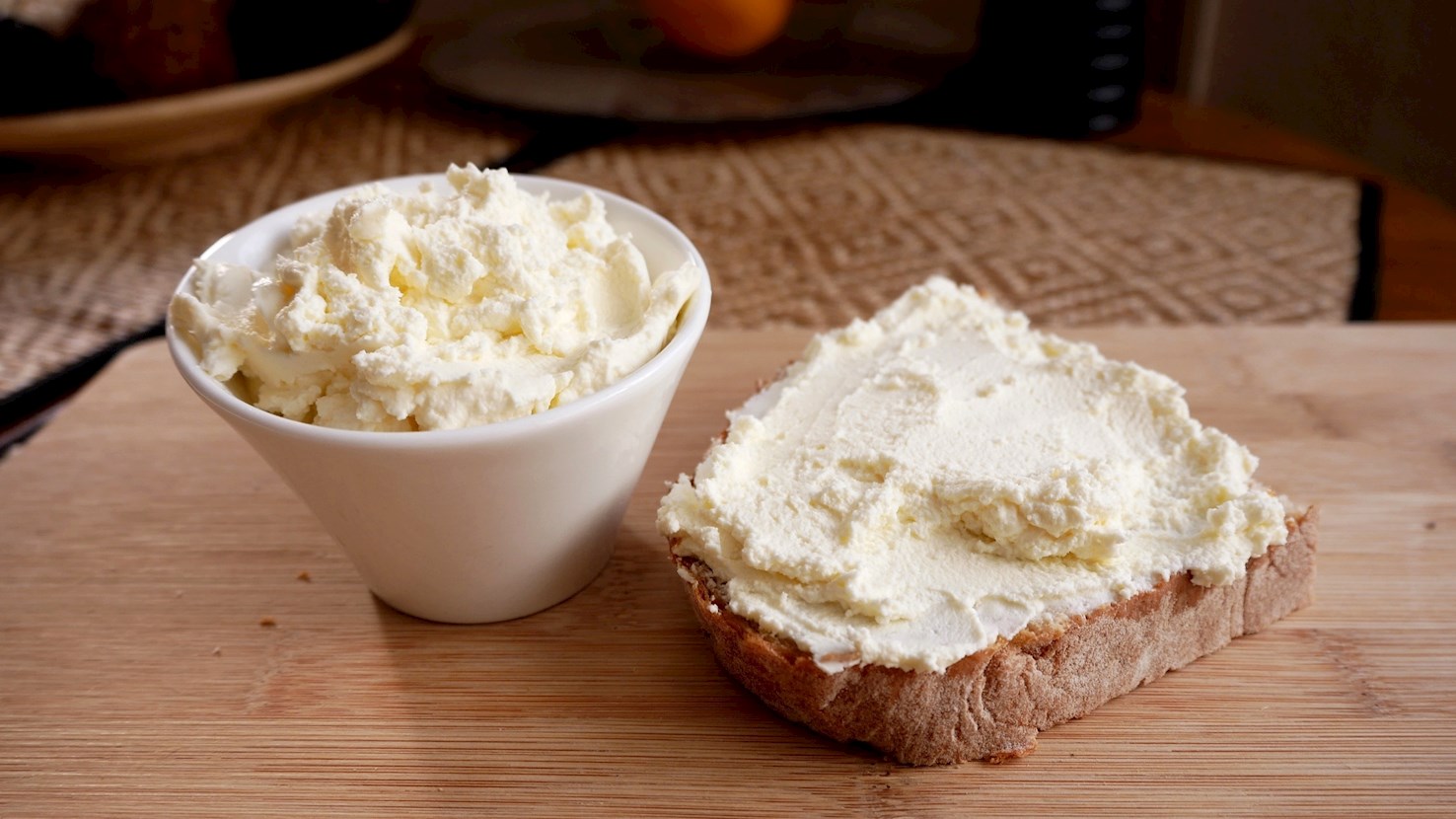
Istarska skuta is a Croatian cheese hailing from Istria. This white curd cheese made from full-fat cow's milk or sheep's milk whey is soft, supple, and creamy in texture. The aromas are creamy and the flavors are mild. The sheep's milk version is stronger than cow's milk version, with a recognizable aromatic scent. The sheep's milk version is also somewhat grainier than cow's milk skuta. The cheese can be spread on bread and it's also often used as an accompaniment or an ingredient in various savory and sweet dishes, from appetizers to desserts. When heat treated, istarska skuta keeps its creamy texture. The cheese is also low in fat. When compared with the skuta from the island of Pag, the Istrian variety has a slightly smaller amount of water content and slightly higher amounts of fat in dry matter then Pag curd.
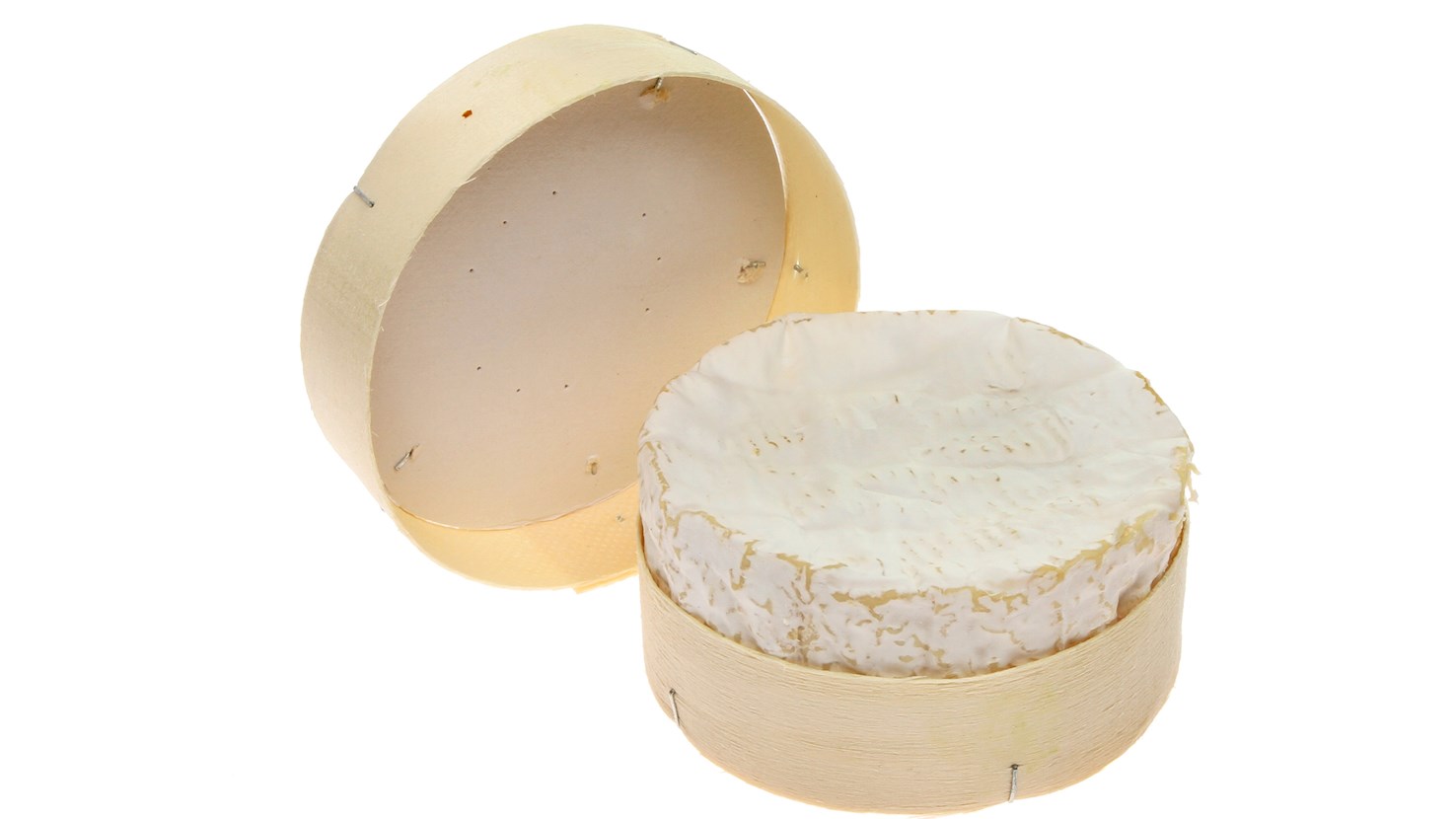
Prince-Jean is a Belgian soft, triple-crème cheese made from cow’s milk. The cheese is characterized by its deliciously rich and creamy texture. Its aromas are fresh, while the flavor can best be described as buttery. Besides the standard version, there is also a version made with the addition of peppercorns. When sold, Prince-Jean is traditionally packed into small wooden boxes.
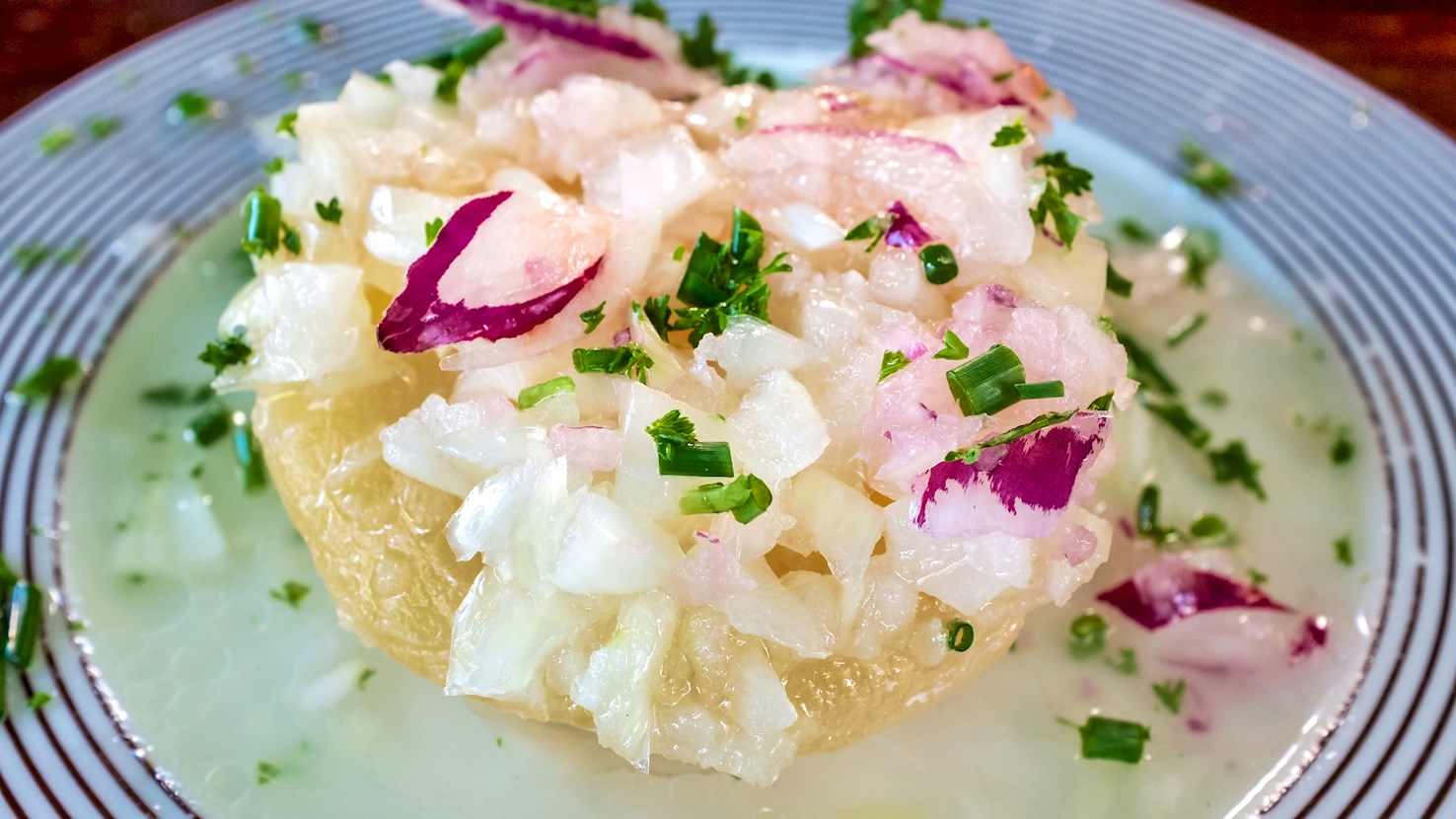
This breakfast cheese, also known as Odenwäld hand cheese, is a reddish soft cheese from the Hessian Odenwald region. The name 'breakfast cheese' comes from the fact that it was traditionally eaten for breakfast by farmers after milking their cows in the morning. This cheese has a long tradition in the Odenwald area – documents from the 18th century show that farmers once used the cheese to pay part of their leases. The cheese is yellowish, soft, and supple and with holes dispersed throughout the paste. It has a strong flavor and the a spicy, piquant aroma, albeit not as intense as many other kinds of regular Handkäse. Odenwäld breakfast cheese is served in many traditional restaurants in Odenwald as 'hand cheese with music', with a marinade of diced onions, oil, vinegar, cumin, pepper, and salt. The cheese is now only produced by a single dairy company in Mossautal, and it is mostly marketed within the region.
Schlipfechäs is a mild, rindless fresh cheese traditionally made from raw full-fat or quarter-fat milk and available only in summer, with a pasteurized version sold year-round. Before eating, it is sliced and soaked in saltwater, giving it a smooth, slippery texture. Resembling mozzarella but softer, schlipfechäs has been made for 150-200 years, originally favored by Swiss herdsmen because it was ready within a day. Historically, it prevented young cheese from drying out, replacing long-aged Rässkäse in daily meals. Today, it is often made from full-fat milk, making it softer and richer. The cheese is made by curdling raw milk, cutting and heating the curds to 35°C, then pressing and shaping it into small rounds (mutschli). It is briefly salted but not aged, keeping its fresh taste. Schlipfechäs is eaten with bread, butter, meats, tomatoes, or fruit and often replaces mozzarella in salads. Sold mainly in Appenzeller cheese shops, production is small-scale, with a few producers making around 500 kg annually. It remains a valuable alpine specialty, as it can be sold immediately after production.
Büsción is a fresh cheese made from goat’s milk, cow’s milk, or a mix of both. It has a soft, creamy, and slightly sticky texture with an acidic, mildly salty flavor. The cheese is cylindrical (6-10 cm high, 4-5 cm in diameter) and weighs 60-100g (2-3.5 oz). Its color ranges from white to yellowish, depending on the milk used. Prepared through acid coagulation, büsción is made by fermenting raw or thermized milk with lactic cultures until the casein precipitates. After resting at a mild temperature, rennet is optionally added to speed up coagulation. The curd forms over 12-24 hours before being drained in a cloth bag, allowing whey to drip out. Once firm, the cheese is salted, kneaded, and shaped into small cylinders. It is best consumed fresh within 10-15 days but can also be preserved in oil with herbs and spices. Historically, büsción originated in the Muggio Valley and was once stored in terracotta amphorae for weeks or months. Initially made from goat’s milk, production expanded in the 20th century with improved infrastructure and refrigeration, leading to year-round availability. Today, it remains a key product for local cheese producers, sought after by both locals and tourists. It is commonly eaten with bread, salads, or local cured meats and can be seasoned with oil, vinegar, salt, or pepper. Traditionally enjoyed fresh, it has recently regained popularity as a pairing with honey.
TasteAtlas food rankings are based on the ratings of the TasteAtlas audience, with a series of mechanisms that recognize real users and that ignore bot,
nationalist or local patriotic ratings, and give additional value to the ratings of users that the system recognizes as knowledgeable.
For the “Top 12 Central European Fresh Cheeses” list until June 24, 2026, 338 ratings were recorded, of which 198 were recognized by the system as legitimate.
TasteAtlas Rankings should not be seen as the final global conclusion about food. Their purpose is to promote excellent local foods,
instill pride in traditional dishes, and arouse curiosity about dishes you haven’t tried.