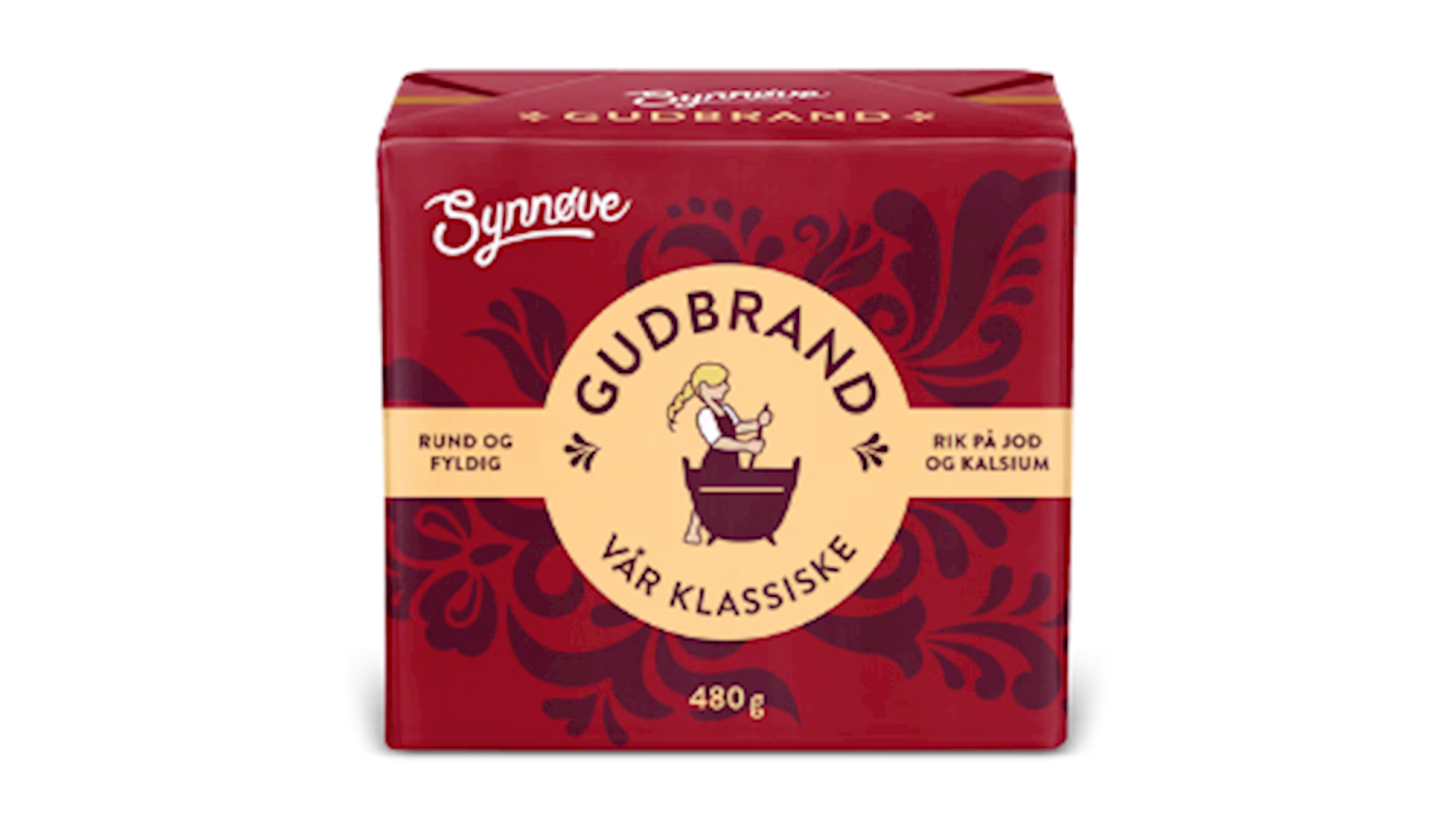
Synnøve Finden is a Norwegian food company with a tradition dating back to 1928, renowned for its expertise in producing cheeses, dairy products, and plant-based dairy alternatives. Over the decades, it has developed a diverse product range - from traditional Norwegian specialties such as brunost, the distinctive caramelized whey cheese, and gulost, to various hard and semi-hard cheeses, processed cheeses, yogurts, and innovative plant-based spreads.
All products are made in modern production facilities, where state-of-the-art technology is combined with a strong commitment to preserving authentic flavors and traditional methods. The company uses only milk sourced from Norwegian farms, ensuring freshness and full traceability while supporting local agriculture. This dedication to quality and provenance is reflected in the consistently high standards of its products.
By merging Norway’s rich dairy tradition with modern product development, Synnøve Finden has positioned itself as a reliable and innovative brand. It is present in both domestic and international markets, attracting consumers who value authentic taste, premium ingredients, and a contemporary approach to nutrition that respects the environment and evolving dietary habits.
Leipäjuusto or Juustoleipä is a Finnish cheese characterized by the sound it makes against the teeth when one bites into its firm and chewy body, which is why it’s also known as Finnish squeaky cheese. The cheese is made from cow’s or reindeer’s milk (rarely goat's) and has a pleasantly sweet and fresh aroma. Its flavor can best be described as mild, salty, and sweet, while its name can be translated to bread cheese or cheese bread, since it is lightly toasted during the preparation. In the past, people often let the cheese get fully dried so it could be stored for up to several years. Because it was almost rock hard, they heated it over a fire in order to soften and to develop its typical appetizing aroma. It is recommended to pair it with a drizzle of honey or a dollop of fruit jam. Alternatively, do it like the Finns – dunk the strips of cheese in your coffee so that the heat softens it.
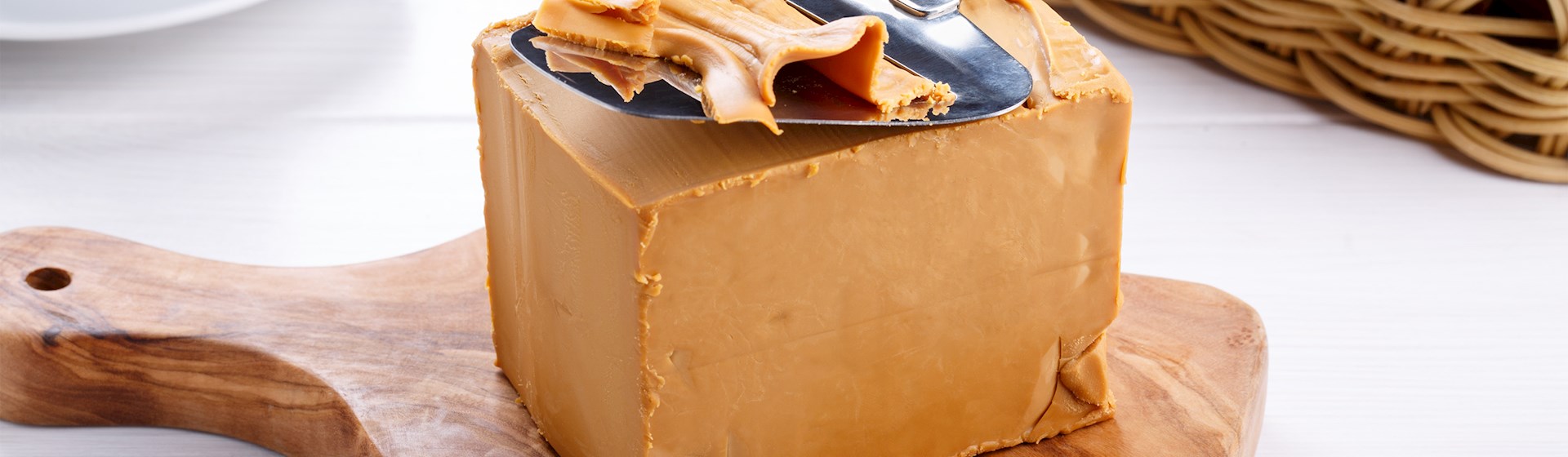
Brunost is a distinctive Norwegian cheese known for its rich brown color and sweet, caramel-like flavor. Unlike typical cheeses made from curdled milk, brunost is made by slowly boiling whey, the liquid leftover from cheese production, until the sugars caramelize and the mixture thickens into a fudge-like consistency. This process imparts its characteristic sweetness and deep brown hue, setting it apart from other dairy products. Brunost has been part of the country’s food culture for centuries, particularly valued in rural and mountainous regions where dairy farming was a central livelihood. Early producers discovered that boiling down whey extended the use of all milk components and created a shelf-stable product that could be stored for long periods without refrigeration. Over time, brunost became closely associated with Norwegian identity and cuisine, reflecting the resourcefulness and simplicity of traditional farming communities. The preparation of brunost involves heating whey for several hours to evaporate water and concentrate the milk sugars. The mixture is carefully stirred to prevent burning and to encourage even caramelization. Once the desired consistency and color are reached, the thickened mass is poured into molds to cool and set. Different variations of brunost exist, made from goat’s milk, cow’s milk, or blends of both, each offering subtle differences in flavor and texture. Brunost is most commonly enjoyed sliced thinly and served on bread or crispbread, often accompanied by butter or jam. It is a staple in Norwegian breakfasts and lunches and sometimes used in cooking to add a unique sweet note to sauces and soups.
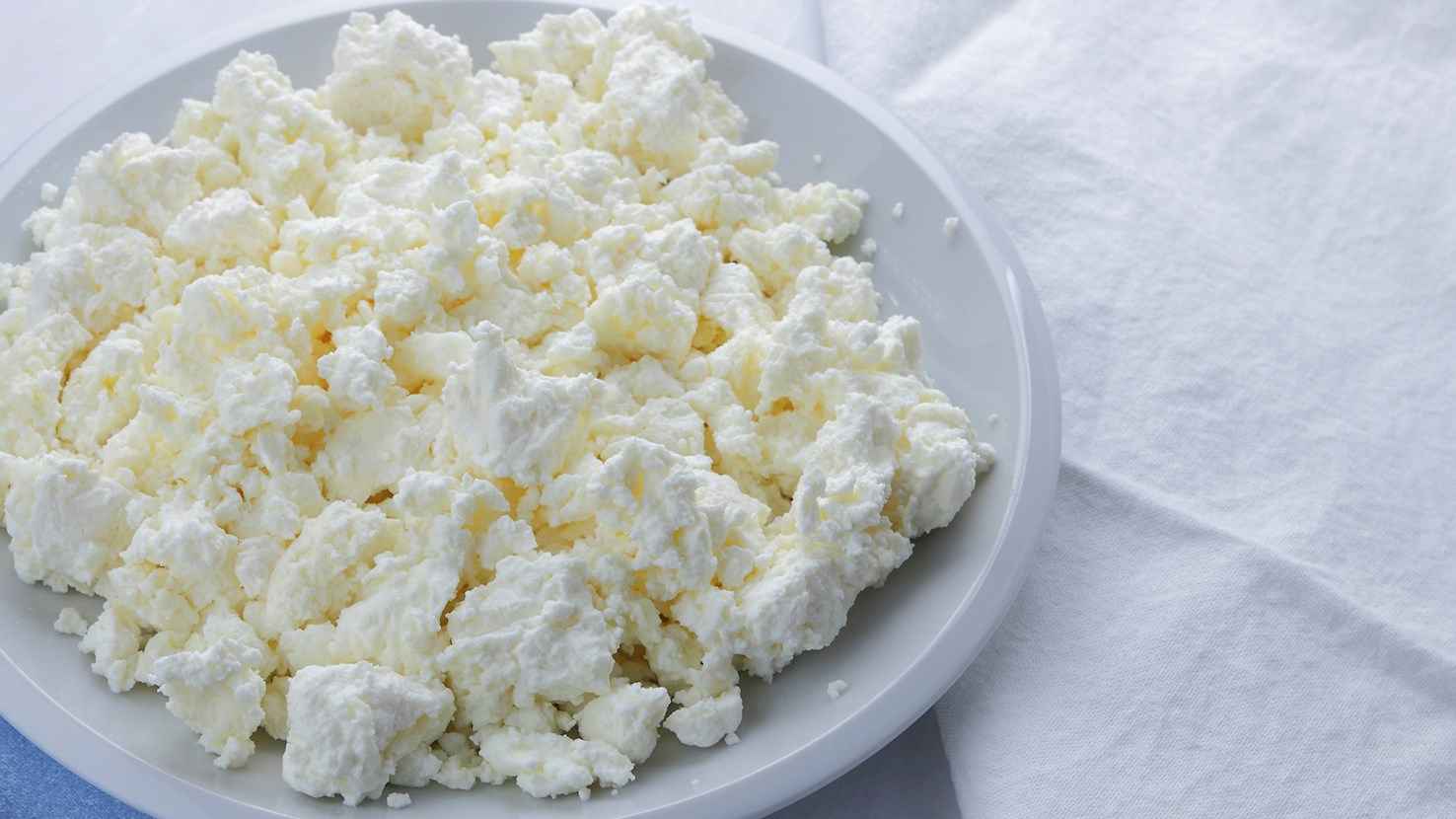
Raejuusto is the Finnish version of cottage cheese. This semi-soft, low-fat cheese is made from cow’s milk and has a high content of protein. It is typically served on its own, sprinkled over salads and soups, or combined with olive oil, cucumbers, and black pepper.
Kaffeost is a northern Swedish cheese served with hot coffee, originating from the inland and Lapland regions where dairy farming and reindeer herding shaped local food culture. The name translates to “coffee cheese,” and it describes both the product and how it is consumed: small pieces of mild, baked cheese placed in a cup before hot coffee is poured over them. It represents a distinct element of northern Swedish foodways, especially in Norrbotten and Västerbotten, where it has been prepared and shared in homes for generations. The cheese developed in isolated rural areas where preserving milk was essential. People made it by curdling fresh milk, usually from cows, and then baking or drying the curds to create a firm cheese that could last without refrigeration. In earlier times, reindeer milk was also used in some parts of Lapland, but cow’s milk became dominant as dairy farms replaced herding households. Kaffeost became a symbol of household craft, made in small batches by families who would store it in cellars or cool rooms to use throughout the year. The habit of pairing it with coffee arose naturally in a region where both cheese and coffee were staples, combining warmth and sustenance during the long northern winters. The preparation of kaffeost in Sweden follows a straightforward process. Milk is gently warmed and mixed with rennet to form curds, which are then collected, pressed, and shaped into rounds or squares. The cheese is baked until its surface develops a light golden color and firm texture. When ready to serve, it is cut into small cubes and placed in a cup. Hot black coffee is poured over the cheese, which softens but does not melt. The coffee absorbs a faint creaminess, and the cheese itself becomes tender and subtly sweet from the heat. Once the coffee is finished, the softened cheese pieces are eaten with a spoon. In modern Sweden, kaffeost is still associated with the north and is produced by small dairies that specialize in local and regional products. It appears in cafés, homes, and rural markets, particularly in Norrbotten and around Jokkmokk, where it remains a point of cultural pride. People enjoy it during coffee breaks, especially in winter, and often serve it to guests as a sign of hospitality. It pairs naturally with dark, strong Swedish coffee, which balances its delicate taste. Sometimes it is served with a spoon of cloudberry jam or a drizzle of cream, though many prefer it plain to preserve its mild, clean flavor.
TasteAtlas food rankings are based on the ratings of the TasteAtlas audience, with a series of mechanisms that recognize real users and that ignore bot,
nationalist or local patriotic ratings, and give additional value to the ratings of users that the system recognizes as knowledgeable.
For the “Top 4 Northern European Fresh Cheeses” list until June 24, 2026, 249 ratings were recorded, of which 211 were recognized by the system as legitimate.
TasteAtlas Rankings should not be seen as the final global conclusion about food. Their purpose is to promote excellent local foods,
instill pride in traditional dishes, and arouse curiosity about dishes you haven’t tried.
The initial list of top producers was compiled based on available reviews, awards, local recommendations, media and blog coverage, and consumer reviews.
The list will be updated with ratings from TasteAtlas local ambassadors and TasteAtlas users.