

Linn Kangas CC BY-SA 3.0

Top 4 Local Fresh Meats
in Götaland

Last updated on June 01, 2026
01

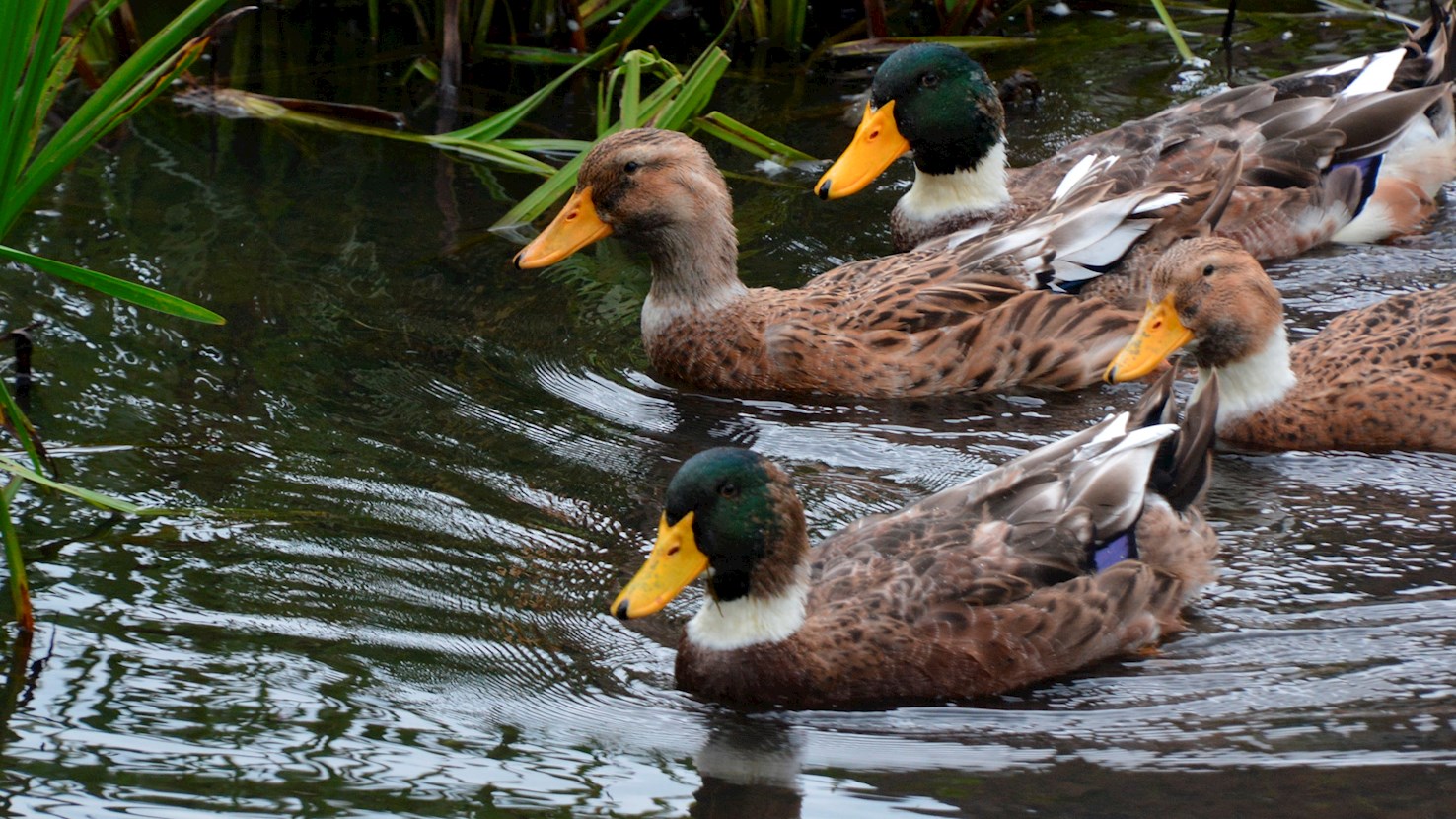
Blekinge Duck

n/a ·

THIS SPECIES IS CRITICALLY ENDANGERED. Blekinge duck or Blekingeanka is a Swedish ruddy duck with white patches and a white neck, although there are also reports of sightings of pure-white Blekinge ducks. The legs and beaks are yellow-orange or orange, with black tips. There are only around 200 of these ducks, which is why they are considered to be one of the most endangered birds in the world. This hardy breed is suited for northern climates, and the ducks were traditionally brought into the stables during winter, then released when summer came. Blekinge ducks are primarily kept for their meat.

02

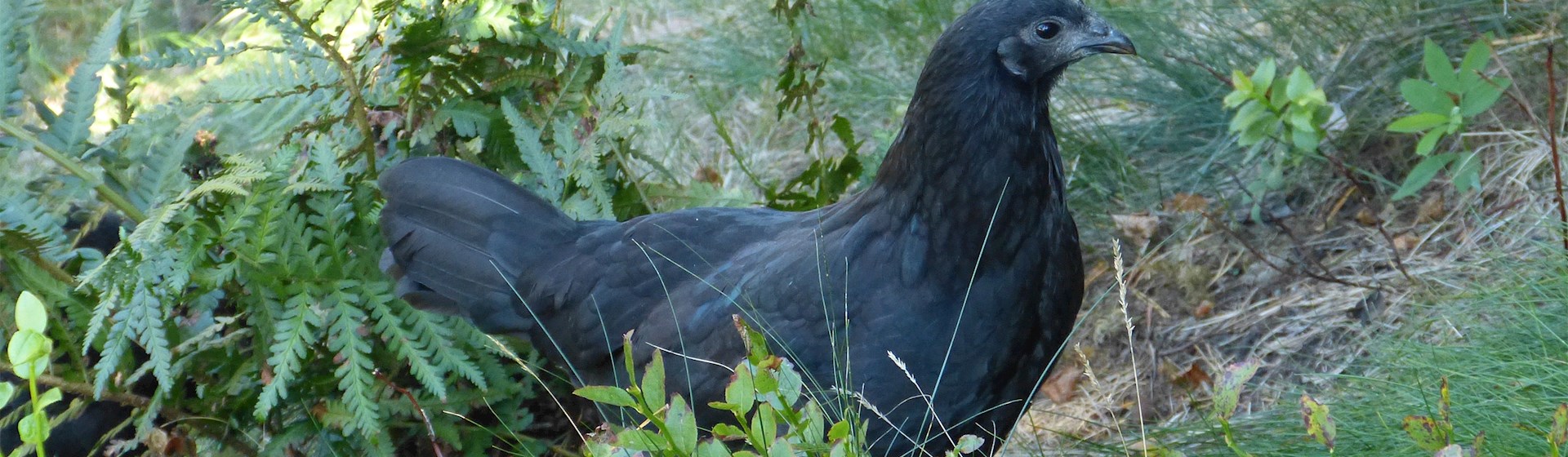
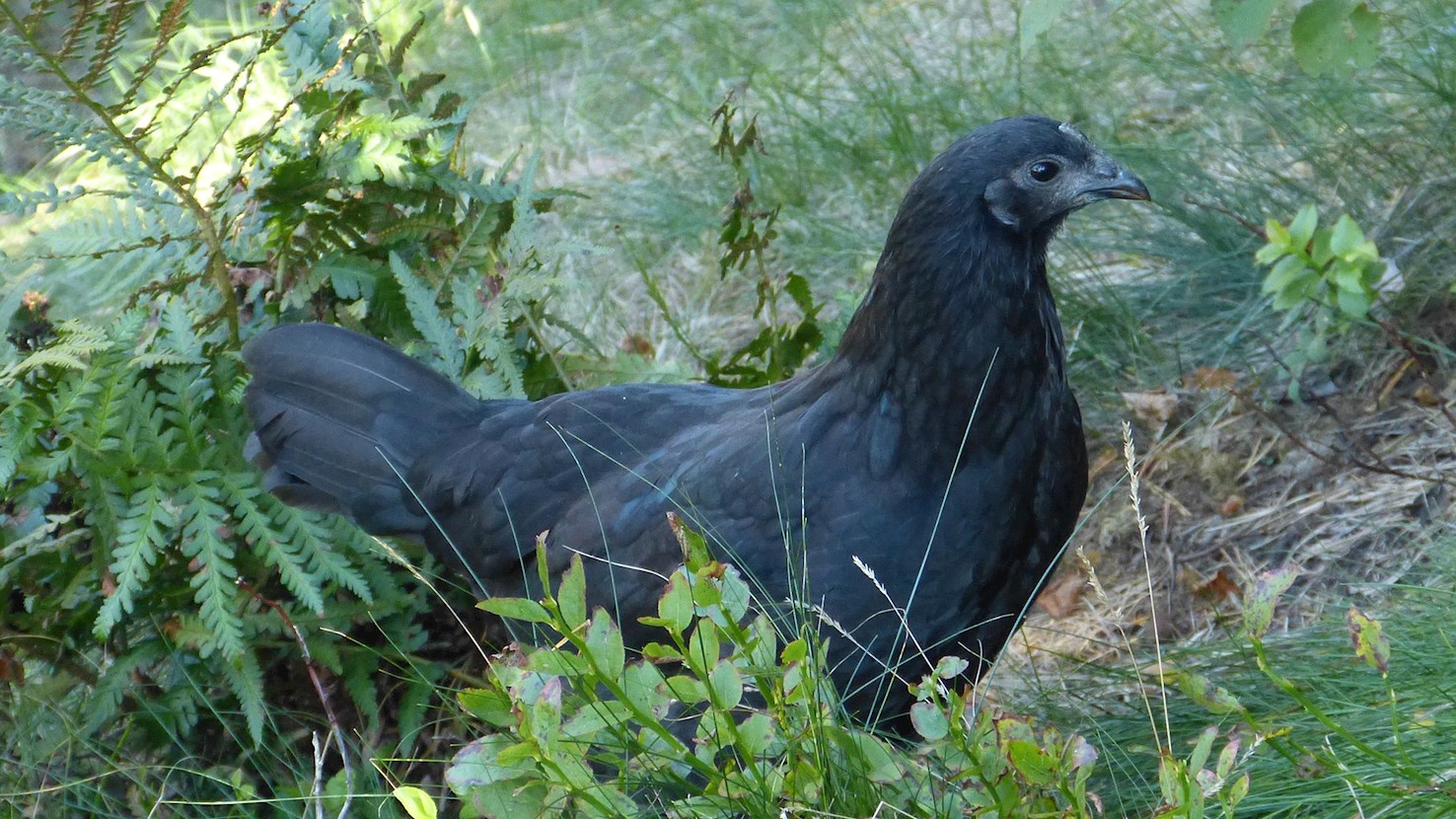
Bohuslän-Dals Svarthöna

n/a ·

THIS CHICKEN BREED IS RARE. Bohuslän-Dals svarthöna is a breed of Swedish black domestic chicken. It is believed that the chickens were first brought to Norway in the 17th century by sailors from Mozambique. In the mid-19th century, they started to appear in the Swedish Bohuslän Dalsland region, where they were mixed with local chicken breeds, and nowadays we have Swedish black chicken as a result – a distinct breed of small chicken with completely black skin. These rare chickens are usually kept for their cream-colored eggs.

03

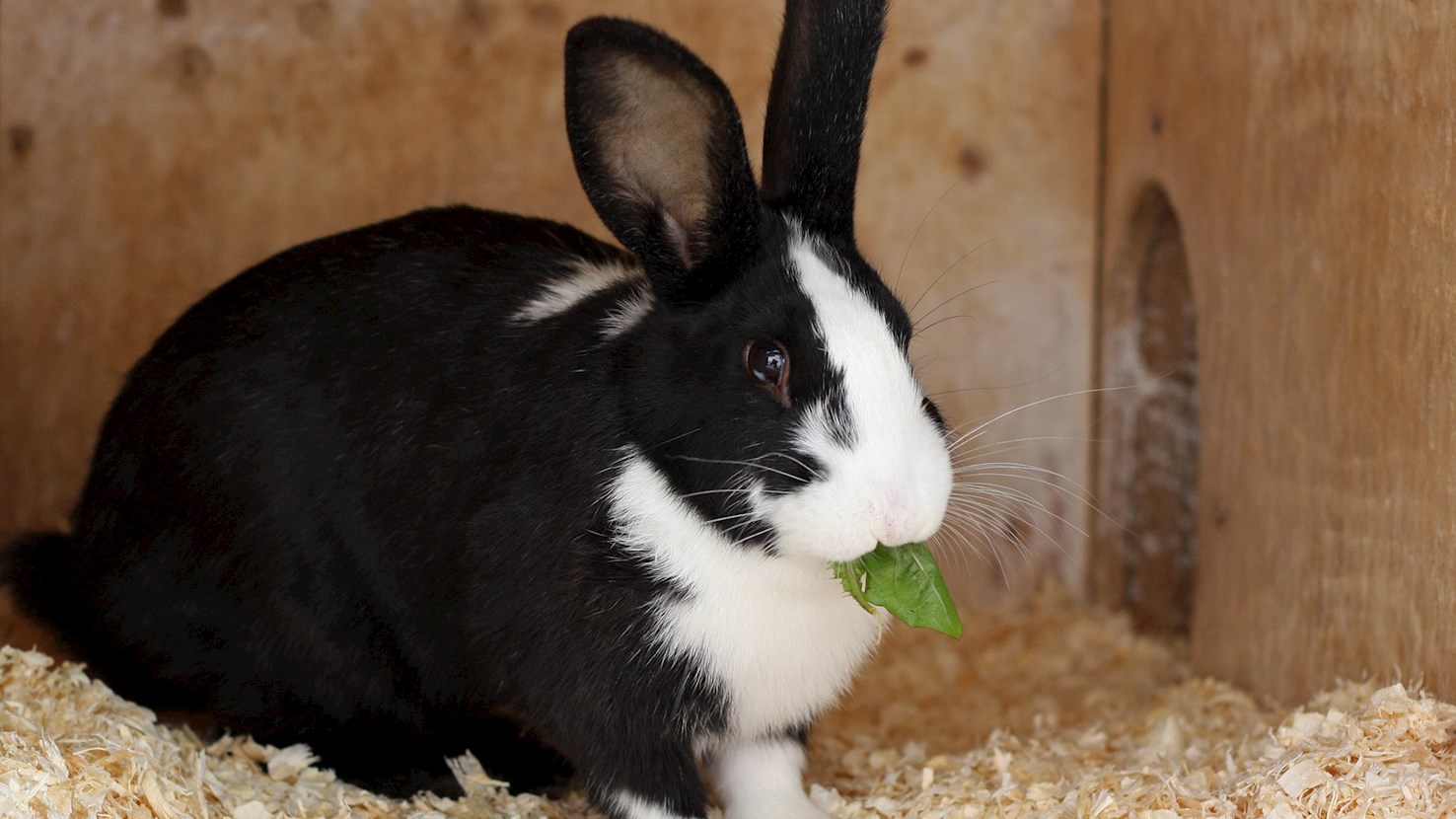
Mellerud Rabbit

n/a ·

THIS BREED IS ENDANGERED. Native to Sweden, Mellerud rabbit originated from bondkaniner (farm rabbits), but in the 1990s, the population declined, and Mellerud rabbit was almost extinct. In 2001 in Dalsland, the breed was rediscovered, and today it is classified as an endangered breed – in 2013, there were only 160 Mellerud rabbits on the planet. They are medium-sized, with a coat that is either black with white spots or pure white. Their fur is fine and short, the eyes are large, while the ears are of medium-length. These rabbits are mainly kept for their extremely tasty meat.

04

Hånnlamb

n/a ·

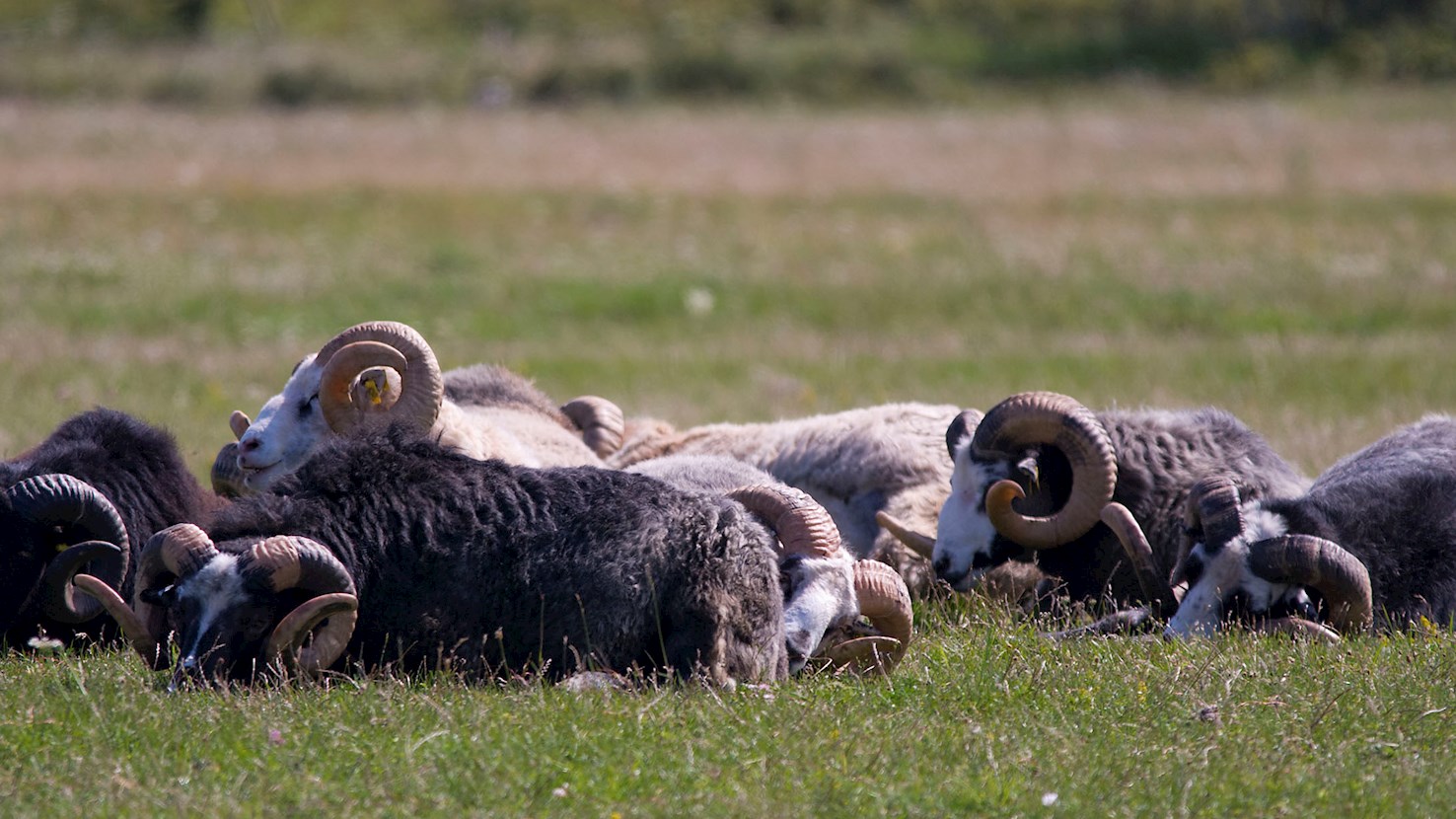
Hånnlamb is the name for whole carcasses and cuts of lamb and sheep of the gutefår breed that is born, reared and slaughtered in the Gotland area in Sweden. Hånnlamb is Gotland word for 'sheep with horns' - the original name of the horned sheep from Gotland rescued from extinction during the early 1900s and later named gutefår in 1973. Gute sheep descended from the old rustic sheep who have adapted to the conditions of the Gotland climate and vegetation. The meat has been marketed both on Gotland and in the rest of Sweden and the animals must be raised on Gotland's high quality pastures. They are slaughtered in autumn when they reach the desired weight of about 30-50 kg. Older animals are slaughtered at any time during the year. The carcass weight is approximately half the weight of the animal, often slightly lower. Quality requirements suggest that the body shape should be fully developed and that the fat coverage should be as little as possible.

About this ranking

TasteAtlas food rankings are based on the ratings of the TasteAtlas audience, with a series of mechanisms that recognize real users and that ignore bot, nationalist or local patriotic ratings, and give additional value to the ratings of users that the system recognizes as knowledgeable. For the “Top 4 Local Fresh Meats in Götaland” list until June 01, 2026, 1 ratings were recorded, of which 1 were recognized by the system as legitimate. TasteAtlas Rankings should not be seen as the final global conclusion about food. Their purpose is to promote excellent local foods, instill pride in traditional dishes, and arouse curiosity about dishes you haven’t tried.

Similar lists